
EU Rule Takes Effect on ECO-Mode Modules for Drip Controls
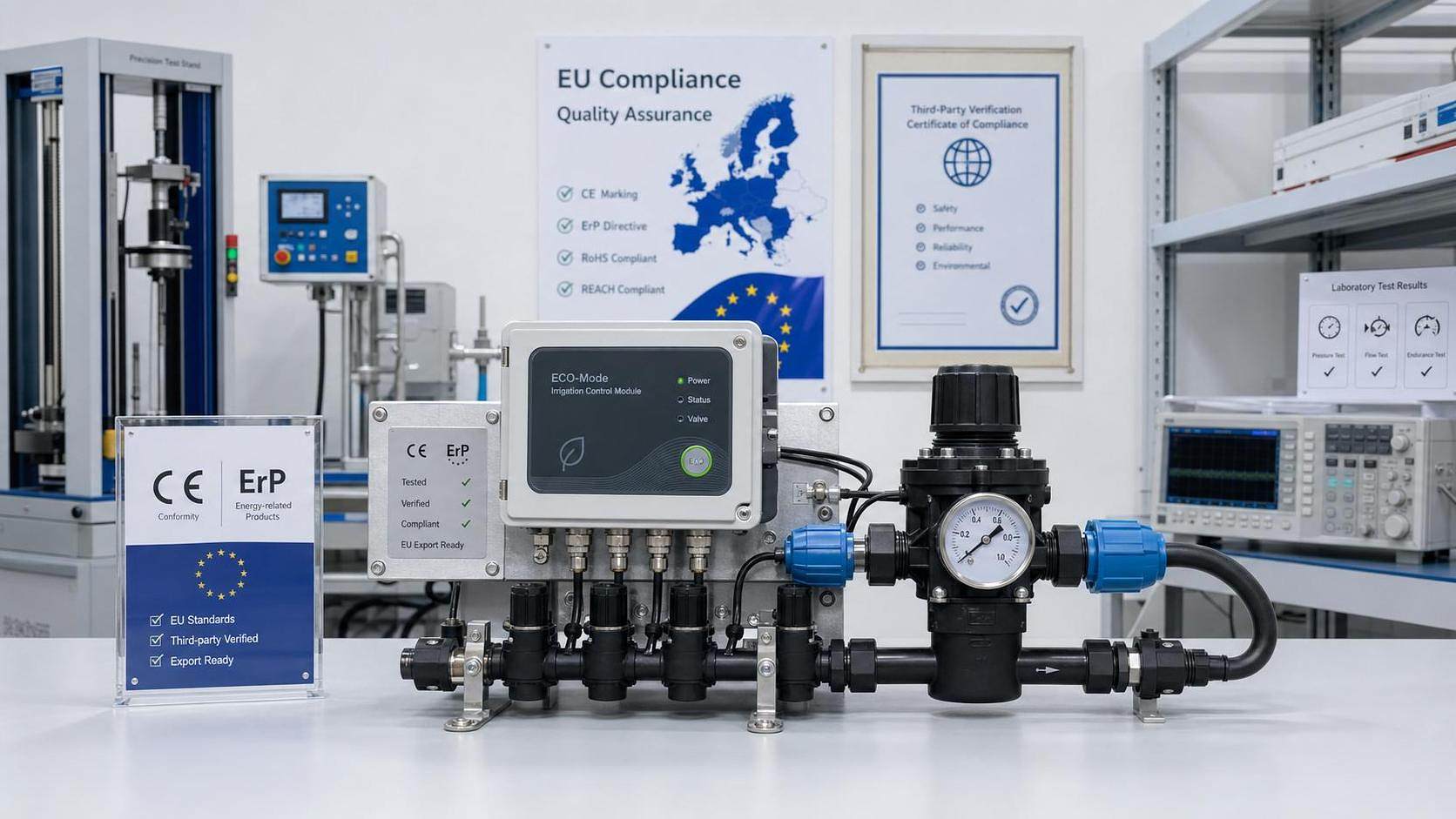




From June 28, 2026, a new EU compliance requirement has moved from policy text into an effective market-access condition for drip irrigation control systems. Under EU 2026/1142, Drip Irrigation Logic products entering the EU market must be equipped with an ECO-Mode module covering dynamic water-pressure adjustment and leak self-check functions, verified by an authorized third party, and must also obtain both CE and ErP markings. For exporters, OEM manufacturers, buyers, certification-related service providers, and delivery planning teams, the significance lies less in the wording itself and more in the fact that product configuration, certification readiness, and export timing are now directly linked.
What the rule now requires at market entry
The confirmed facts are limited but clear. The event date is June 28, 2026. From that date, the EU Ecodesign Regulation for Sustainable Irrigation Equipment (EU 2026/1142) requires all Drip Irrigation Logic products placed on the EU market to integrate an ECO-Mode module that includes dynamic water-pressure regulation and leak self-diagnostic capability. The module must be validated by an authorized third party. The products must also carry both CE and ErP markings. The provided event summary further states that this requirement directly affects delivery lead times and BOM cost structure for Chinese OEM manufacturers exporting to Europe.
Where the operational pressure is likely to appear first
Export-facing manufacturers will face configuration and release-control pressure
From an industry perspective, manufacturers shipping Drip Irrigation Logic products to the EU are the first group exposed to the rule change because compliance is tied to the product itself rather than only to downstream sales activity. The likely impact is concentrated in product configuration, technical file preparation, certification sequencing, and shipment release decisions. What deserves closer attention is whether the ECO-Mode function is treated as a pre-installed compliance element in every EU-bound unit and whether CE and ErP readiness can be demonstrated consistently across export batches.
Procurement and sourcing teams may need to revisit BOM assumptions
Observably, procurement functions are affected because the new requirement is linked to a verified module rather than a general efficiency claim. That means sourcing decisions may need to take account of module availability, supplier qualification status, and the documentation needed to support third-party verification. The practical pressure point is not only unit cost, but also whether procurement timing matches certification and assembly schedules. The provided information already indicates pressure on BOM cost structure, so this is more appropriately understood as a direct operational issue rather than a remote compliance topic.
Buyers and channel participants may need tighter document checks before delivery acceptance
For buyers, distributors, and other channel-side participants handling EU-bound products, the rule may change what must be checked before shipment acceptance or market placement. Analysis shows that product specification sheets, conformity-related documents, and marking status are likely to become more relevant in purchasing and delivery confirmation. Even without additional execution detail, the event points to a higher need for checking whether the required module has been integrated and whether CE and ErP marking status is aligned with the product being ordered.
Certification and testing-related service providers are closer to delivery timing
Certification-related companies and testing service providers may be affected because the rule expressly refers to authorized third-party verification. Their role is relevant not only to technical compliance, but also to export scheduling and document completeness. From a process perspective, the issue to watch is whether verification arrangements and certification workflows become a gating step for shipment planning, especially where OEM production is organized around fixed delivery windows.
What companies should examine now
Check whether EU-bound models are still defined correctly
Analysis shows that companies should first review whether all Drip Irrigation Logic models intended for the EU market are being treated as products that must include the ECO-Mode module as a built-in requirement. The immediate practical question is whether internal model definitions, quotations, product specifications, and order confirmations already reflect that assumption.
Review certification files and technical documents before shipment planning
What deserves closer attention is the relationship between module verification and dual marking requirements. Companies should closely check whether their technical files, conformity documents, and supporting materials are organized around both the ECO-Mode verification requirement and CE+ErP marking needs. Because the input does not provide detailed enforcement procedures, this should be treated as a compliance review priority rather than as proof of a uniform execution practice.
Reassess lead times against verification and assembly dependencies
Observably, the event should also push exporters and OEM producers to revisit delivery assumptions. If the required module and third-party validation sit upstream of shipment release, then production scheduling, order confirmation timing, and delivery commitments may need closer alignment. The supplied information already points to an effect on delivery cycles, so companies should watch for internal timing mismatches between sourcing, assembly, verification, and export release.
Pay attention to downstream contract and after-sales wording
From an industry perspective, companies should also review whether contract specifications, acceptance terms, and after-sales traceability materials clearly match the new compliance condition. This is not because the input confirms any specific dispute pattern, but because product configuration and certification status now appear more closely tied to market-entry eligibility.
Why this should be read as an execution signal
Analysis shows that this development is better understood as an effective compliance threshold rather than a distant policy discussion. The reason is straightforward: the requirement is described as taking effect from a specific date and is tied to product configuration, third-party verification, and CE+ErP marking. At the same time, it would be premature to treat all implementation details as settled, because the input does not provide further information on detailed enforcement practice, document review standards, or market-by-market application. For that reason, the event looks like a clear execution signal with follow-up details still worth monitoring.
How to read the change at this stage
The practical meaning of this rule change is not limited to a new technical feature requirement. It links product design, certification preparation, procurement choices, and export delivery into a single compliance chain for Drip Irrigation Logic products entering the EU market. A restrained reading is the most appropriate one: this is already a landed change in market-entry requirements, while the exact execution rhythm and downstream market response still require continued observation.
About the basis of this article
This article is generated based on the user-provided news title, event date, and event summary. For developments of this type, relevant source categories often include official regulatory notices, publications by supervisory authorities, customs or trade administration information, industry association releases, standards-related documents, and reporting by authoritative media. No specific official source link was provided in the input, so the underlying official link and any subsequent interpretive materials still need ongoing verification. Items that remain worth tracking include detailed enforcement language, certification application practice, tender document changes, industry feedback, and how companies implement the requirement in actual export and delivery processes.
Related News

How Sensor Feedback Enables Accurate Variable-Rate Fertilization in Field Conditions
Precision fertilization systems with sensor feedback improve variable-rate accuracy by verifying flow, managing latency, and ensuring reliable field application.

How to Select Precision Crop Protection Equipment for Variable Field Conditions
Precision crop protection equipment selection made simple: compare terrain, canopy, weather, control accuracy, and data workflows for reliable applications.

When Does Agricultural Machinery Leasing Cost Less Than Owning Equipment?
Agricultural machinery leasing can lower farm costs when use is seasonal or uncertain. Compare utilization, maintenance, cash flow, and risk to make a smarter equipment decision.
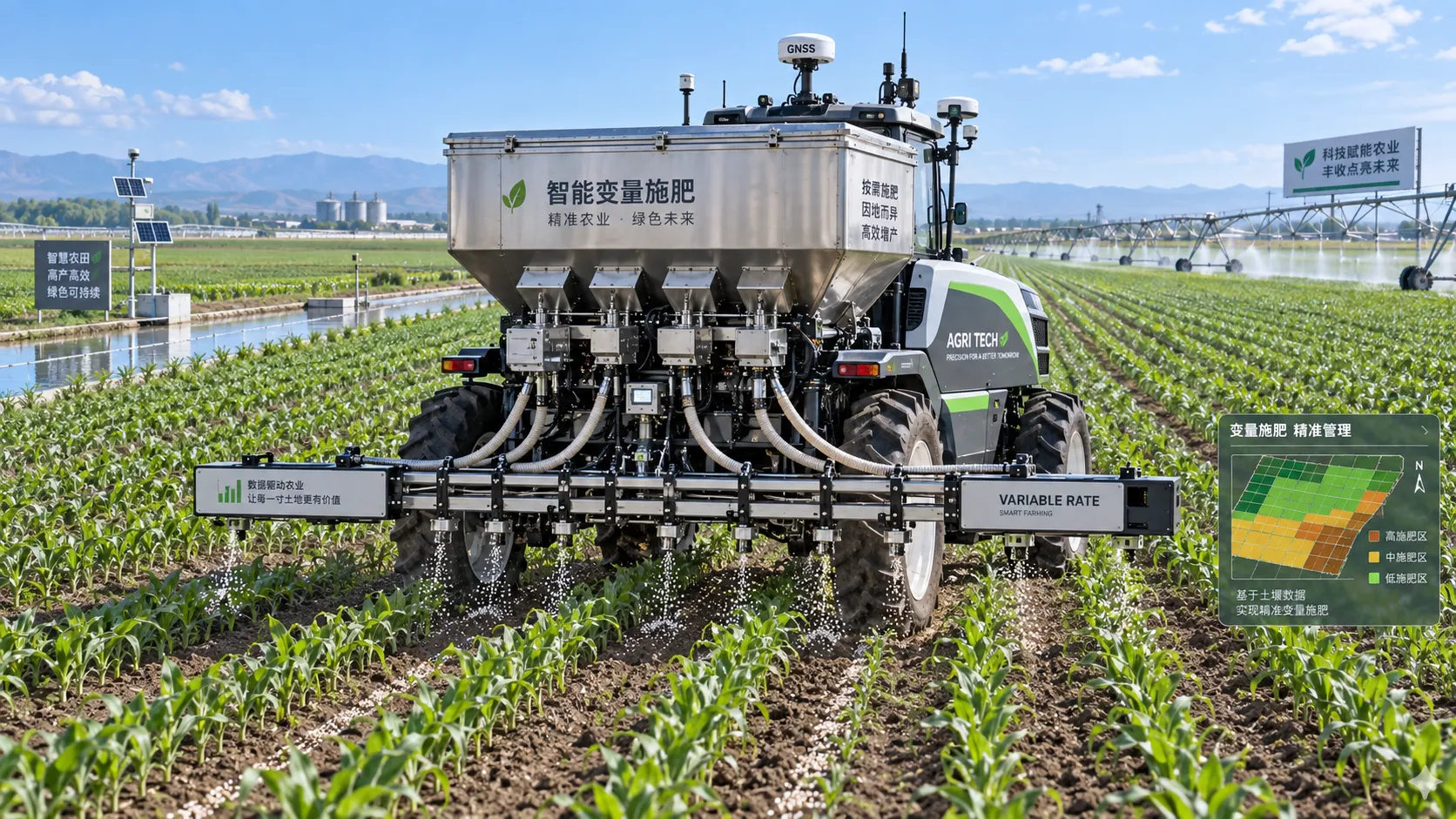
How to Evaluate Precision Fertilization System Suppliers for Farm-Scale Deployment
Precision fertilization systems suppliers: learn how to compare accuracy, integration, uptime, service, and total cost for confident farm-scale deployment.
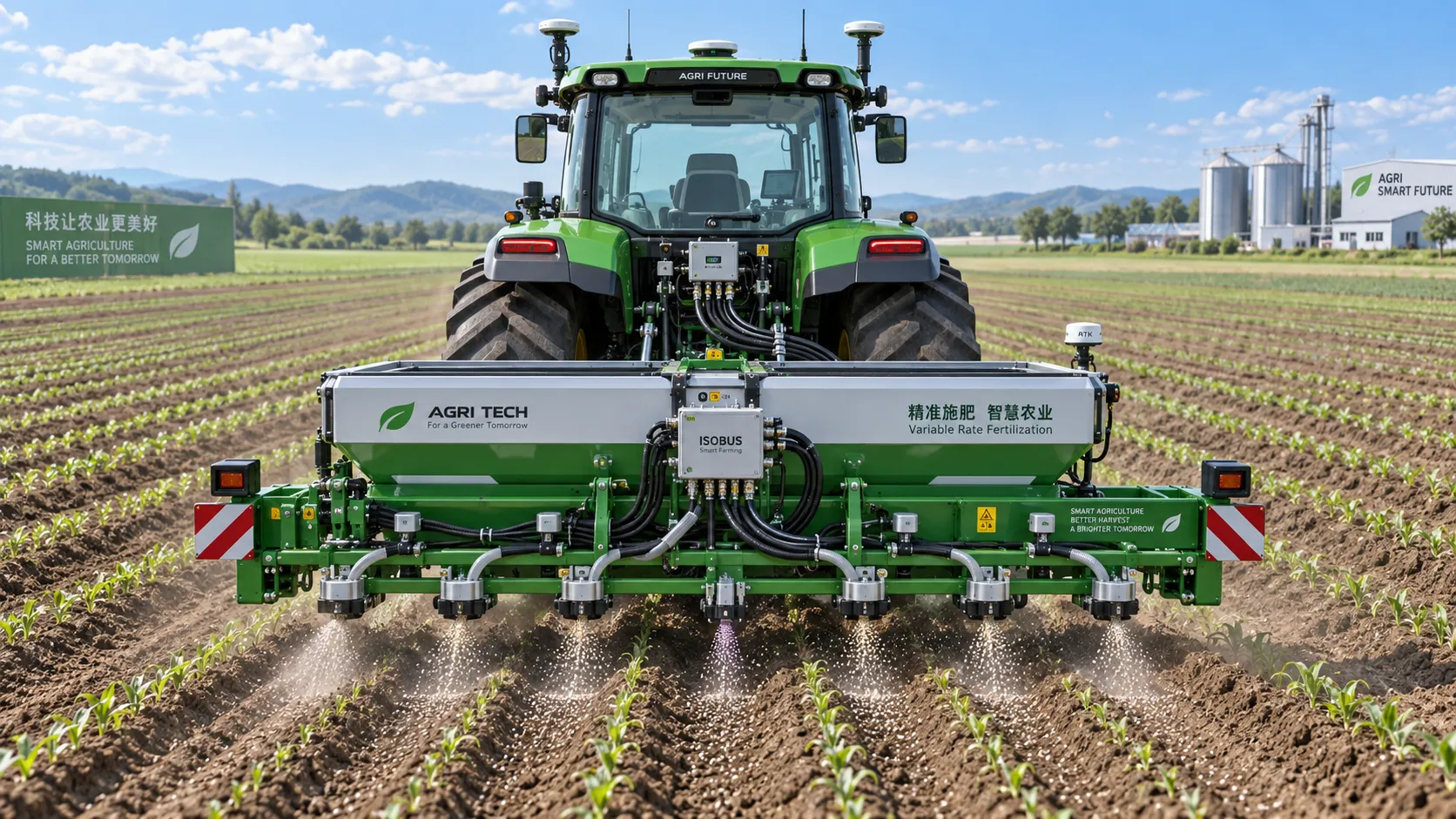
ISOBUS for Smart Agriculture: How It Connects Tractors, Implements, and Farm Data
ISOBUS for smart agriculture connects tractors, implements, terminals, and farm data—helping growers improve precision, documentation, and smarter field decisions.
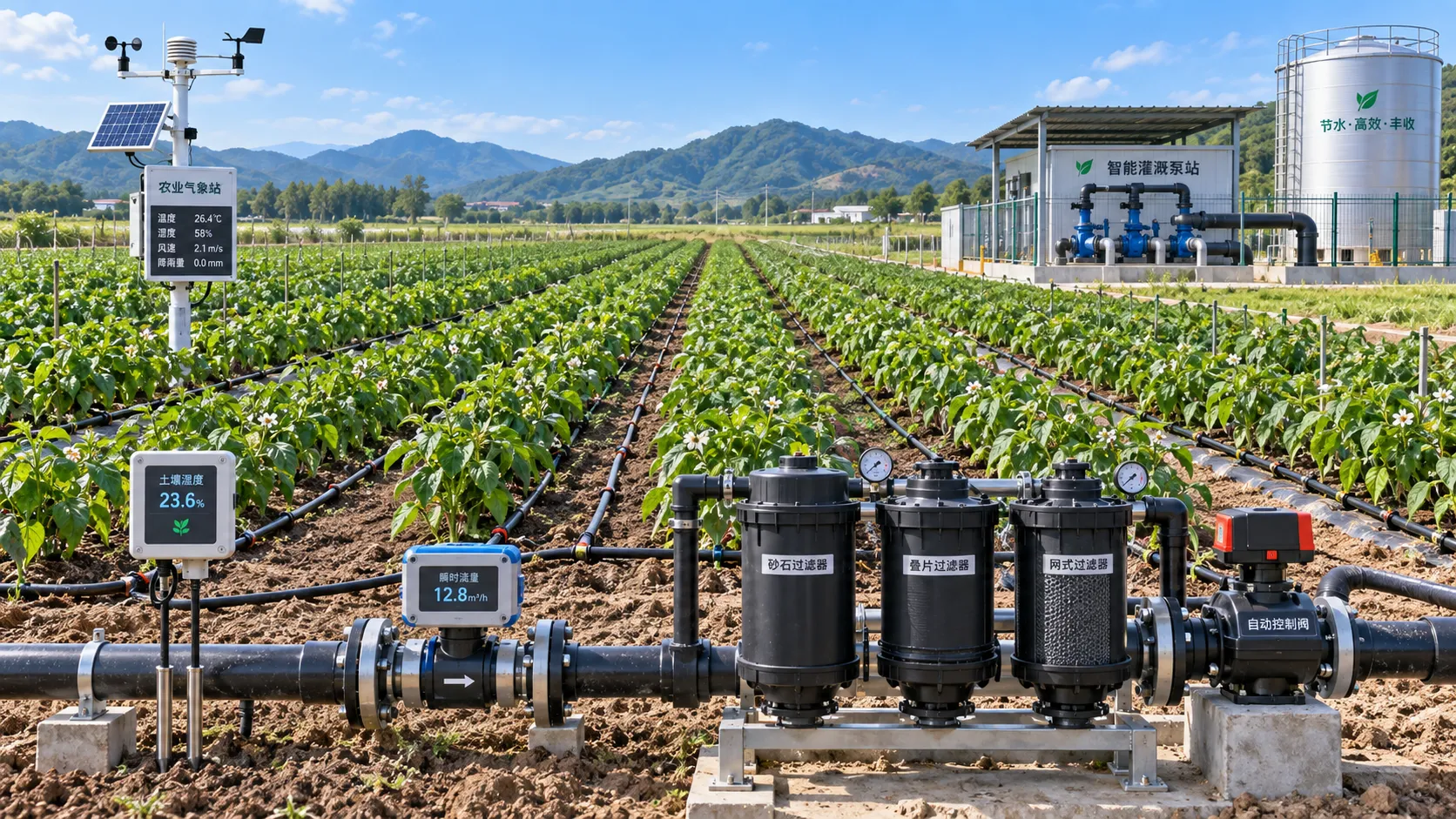
Automated Water-Saving Irrigation: How to Cut Water Use Without Reducing Crop Yields
Automated water-saving irrigation helps farms cut water use, protect crop yields, improve scheduling, and gain reliable control with sensors, flow monitoring, and smart zones.

Selecting Grain Farm Equipment by Acreage, Crop Mix, and Harvest Window
Agricultural equipment selection for grain farming: match machinery to acreage, crop mix, and harvest windows to improve uptime, efficiency, and returns.
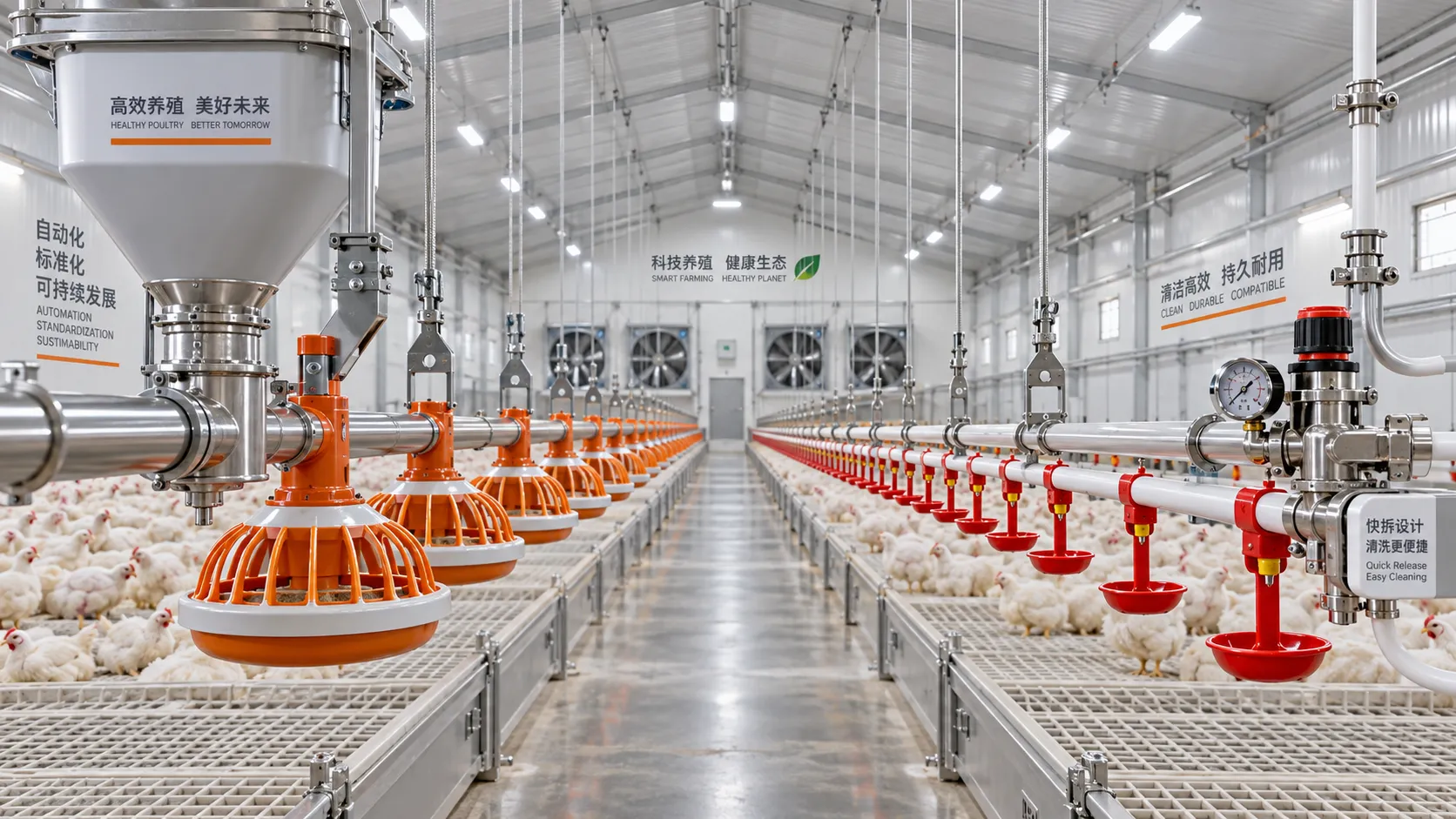
Poultry Equipment Selection: Evaluating Durability, Cleaning, and Compatibility
Poultry equipments selection guide: evaluate durability, cleaning access, and system compatibility to improve hygiene, reduce downtime, and support efficient flock management.

How to Select Heavy-Duty Farm Implements for High-Acreage, High-Horsepower Operations
Heavy duty farm implements: learn how to match draft, hydraulics, hitch capacity, frame strength, and field conditions for reliable high-acreage performance.
Related News
- 00
0000-00
Automated Water-Saving Irrigation: How to Cut Water Use Without Reducing Crop Yields - 00
0000-00
How to Evaluate Drip Irrigation System Manufacturers for Large Farm Projects - 00
0000-00
Wireless Agricultural Automation for Remote Irrigation and Field Monitoring - 00
0000-00
Designing Water-Saving Drip Irrigation Systems for High-Value Orchards - 00
0000-00
How to Choose Irrigation Solutions for Arid Regions Based on Water Source and Crop Needs
Popular Tags
Hydrological Resource Strategist
Weekly Insights
Stay ahead with our curated technology reports delivered every Monday.