
Red Sea Disruption Pushes Asia-Europe Spot Rates Above $5,200/TEU
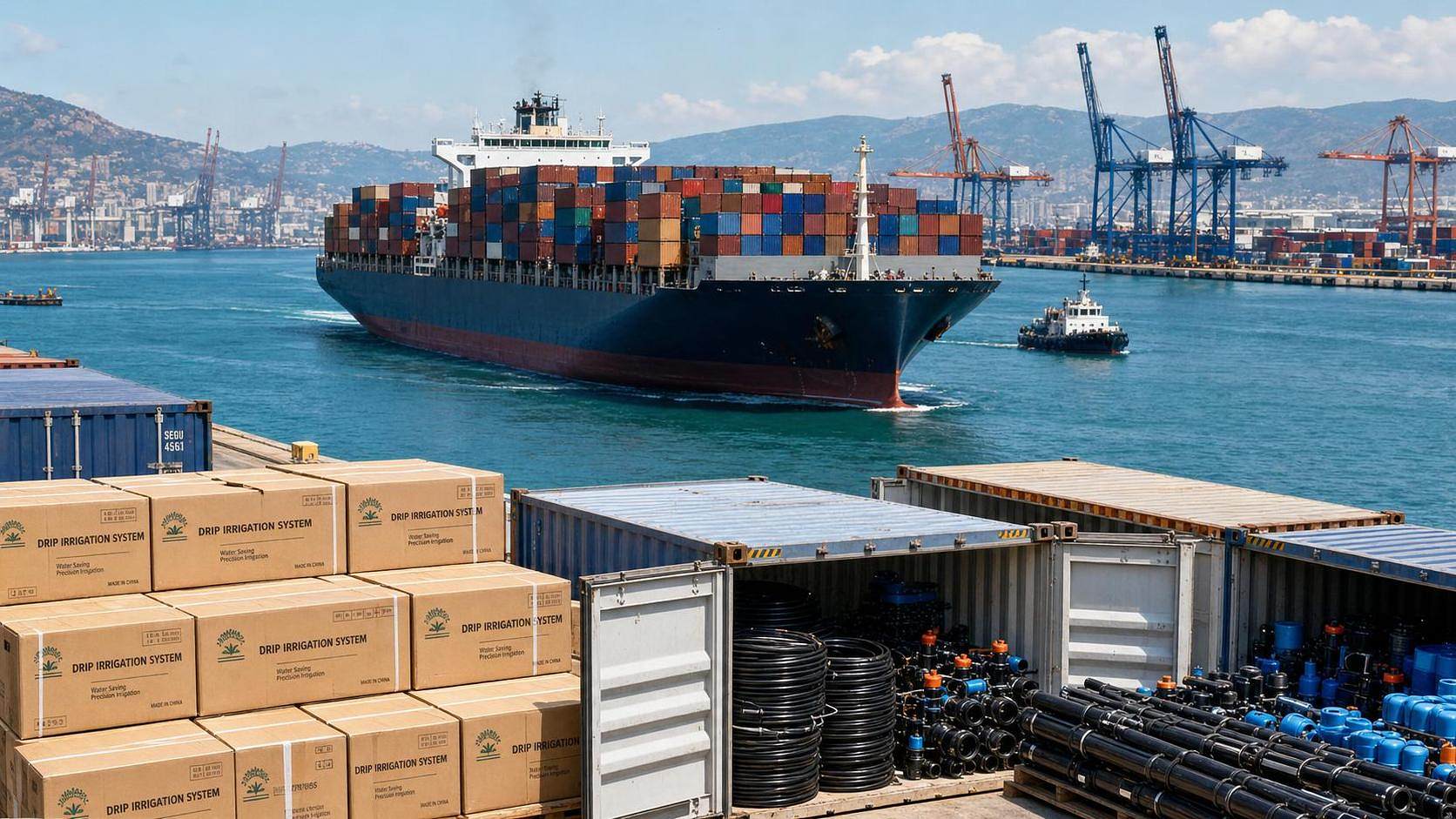




On June 25, 2026, the latest Red Sea security incident quickly translated into a logistics shock for irrigation equipment exports. According to the information provided, transit through the Red Sea fell sharply, major Asia-Europe carriers suspended calls at Djibouti, and shipments including high-value, low-density products such as Drip Irrigation Logic were diverted around the Cape of Good Hope. For exporters, overseas buyers, and supply chain service providers, this matters because the change is affecting both transport cost and delivery timing at the same time.
What Changed on June 25
Based on a joint briefing cited from the Shanghai Shipping Exchange and Alphaliner, a merchant vessel attack on June 25 led Red Sea transit availability to drop to 12%. Main carriers on the Asia-Europe route then collectively suspended port calls at Djibouti. As a result, exports of high-value, low-density irrigation equipment, including Drip Irrigation Logic, were forced onto the Cape of Good Hope route. The shift extended shipping time by 18 to 22 days, while spot freight rates on the Asia-Europe route rose 68% in a single week and moved above $5,200 per TEU. The input information also states that major Chinese irrigation equipment exporters have activated Southeast Asia transshipment warehouse contingency plans and advised overseas customers to lock in orders 45 days in advance and negotiate FOB terms to reduce freight volatility risk.
Where the Pressure Is Likely to Land First
Exporters face a direct delivery and margin squeeze
From an industry perspective, irrigation equipment exporters are among the first affected because the disruption changes both route structure and shipment economics. The immediate pressure is likely to appear in order scheduling, freight budgeting, delivery commitment management, and contract execution for cargo moving on Asia-Europe lanes.
Overseas buyers need to reassess lead time assumptions
For overseas customers, the key issue is no longer only freight cost but also the reliability of expected arrival dates. With transport cycles extended by 18 to 22 days, procurement teams may need to pay closer attention to order lock-in timing, shipping terms, and the gap between purchase planning and actual vessel movement.
Supply chain service providers will be tested on routing and coordination
Freight forwarders, logistics coordinators, and related service providers may be affected through rerouting complexity, booking volatility, and customer communication pressure. What deserves closer attention is whether service providers can keep cargo plans, documentation flow, and transshipment arrangements aligned as route conditions remain unstable.
What Companies Should Watch Now
Order timing is becoming a practical risk control issue
The information provided specifically notes a recommendation for overseas customers to lock in orders 45 days in advance. Analysis shows this is not just a scheduling suggestion; it reflects the need to absorb longer transit time and freight market swings within the transaction cycle.
Shipping terms deserve closer contract review
The recommendation to negotiate FOB terms points to freight volatility becoming a contract issue, not only a logistics issue. Companies involved in cross-border irrigation equipment trade should pay attention to how freight exposure, quotation validity, and delivery responsibility are defined in current and upcoming deals.
Contingency warehousing is moving from backup option to active tool
The activation of Southeast Asia transshipment warehouse plans by major Chinese exporters indicates that route disruption is already influencing operational setup. Observably, the point to monitor is not simply whether a contingency plan exists, but whether inventory positioning and transshipment arrangements can support actual order fulfillment under longer shipping cycles.
Customer communication needs to shift from price updates to delivery governance
For exporters and service teams, communication with overseas customers may need to focus more clearly on lead time changes, booking windows, and execution responsibilities. In this case, the practical issue is reducing disputes caused by timing changes and freight swings rather than treating the disruption as a short notice-only event.
Why This Matters Beyond a One-Week Rate Jump
Analysis shows this development should be read as more than an isolated freight spike. The combination of reduced Red Sea transit, suspended Djibouti calls, rerouting around the Cape of Good Hope, and contingency warehouse activation suggests that logistics risk is shaping commercial decisions across the irrigation equipment trade flow. At the same time, it is more appropriate to understand this as an active situation that still requires observation, rather than a settled long-term market outcome.
How to Read the Signal at This Stage
At this stage, the industry significance lies in the linkage between security disruption, route availability, freight pricing, and contract behavior. The current information supports a clear short-term conclusion: exporters and buyers in irrigation equipment trade are already dealing with longer lead times and higher spot freight costs. Beyond that, a neutral reading is more appropriate. This is best understood as a near-term operational warning with broader implications that still need continued verification.
Basis of This Article and What Still Needs Verification
This article is based on the user-provided news title, event date, and event summary. Source types commonly relevant to this kind of development include exchange data, shipping intelligence briefings, company announcements, industry association updates, and reporting from authoritative trade media. A specific official source link was not provided in the input, so further verification remains necessary. Continued attention should be paid to any updated statements on Red Sea transit conditions, carrier port-call arrangements, rerouting practices, and the execution impact on irrigation equipment export orders.
Related News

When Does Agricultural Machinery Leasing Cost Less Than Owning Equipment?
Agricultural machinery leasing can lower farm costs when use is seasonal or uncertain. Compare utilization, maintenance, cash flow, and risk to make a smarter equipment decision.
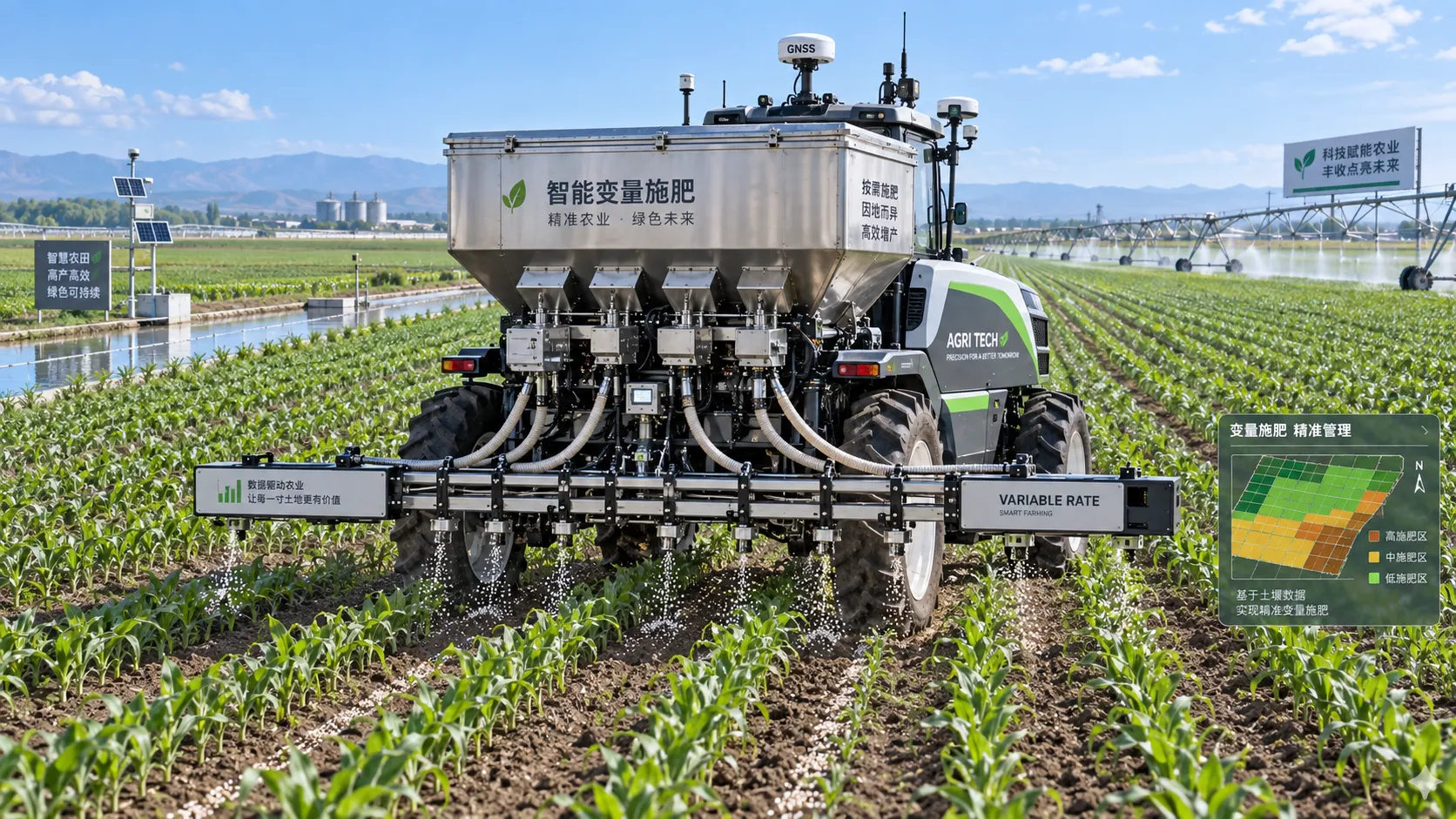
How to Evaluate Precision Fertilization System Suppliers for Farm-Scale Deployment
Precision fertilization systems suppliers: learn how to compare accuracy, integration, uptime, service, and total cost for confident farm-scale deployment.
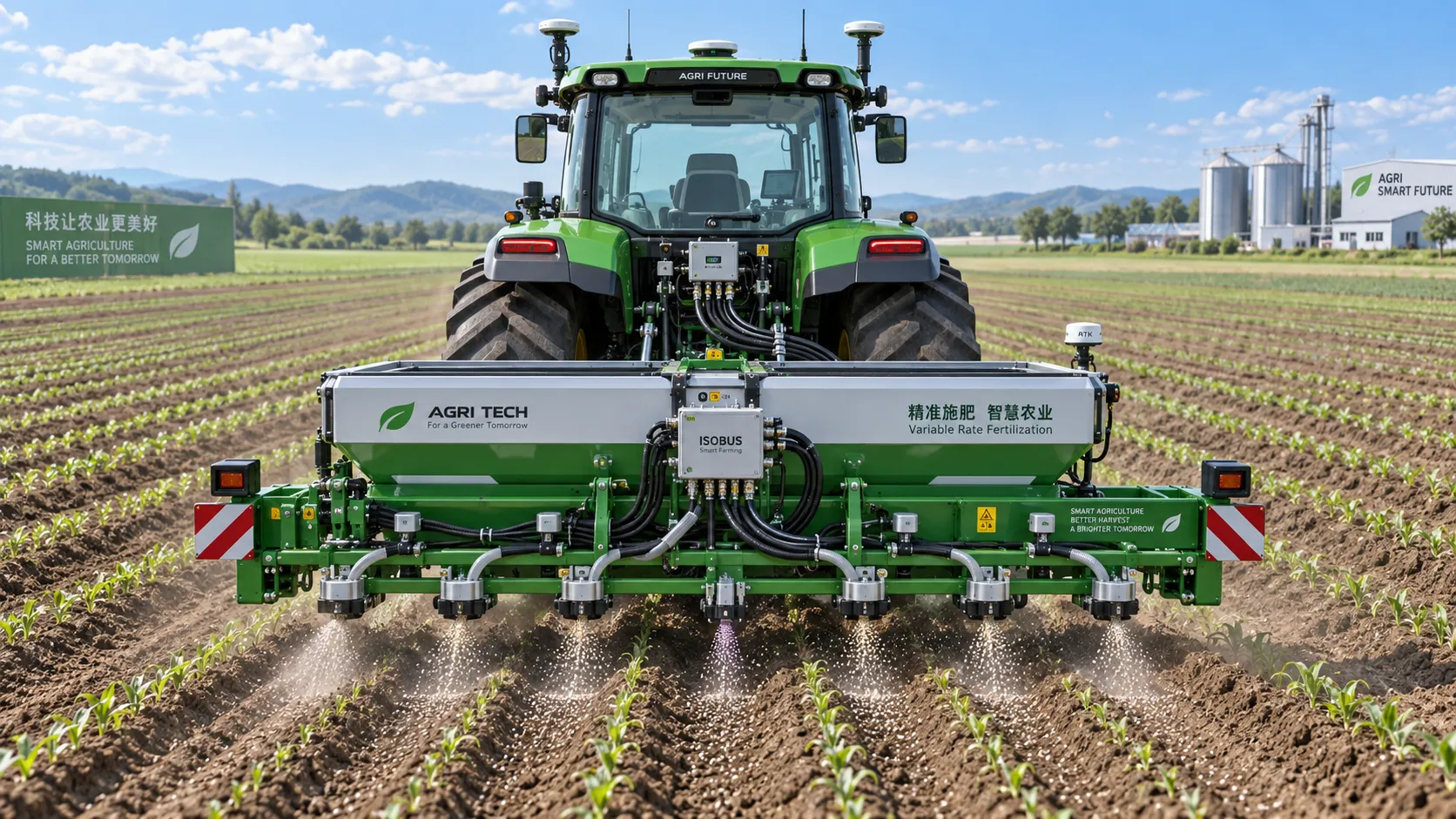
ISOBUS for Smart Agriculture: How It Connects Tractors, Implements, and Farm Data
ISOBUS for smart agriculture connects tractors, implements, terminals, and farm data—helping growers improve precision, documentation, and smarter field decisions.
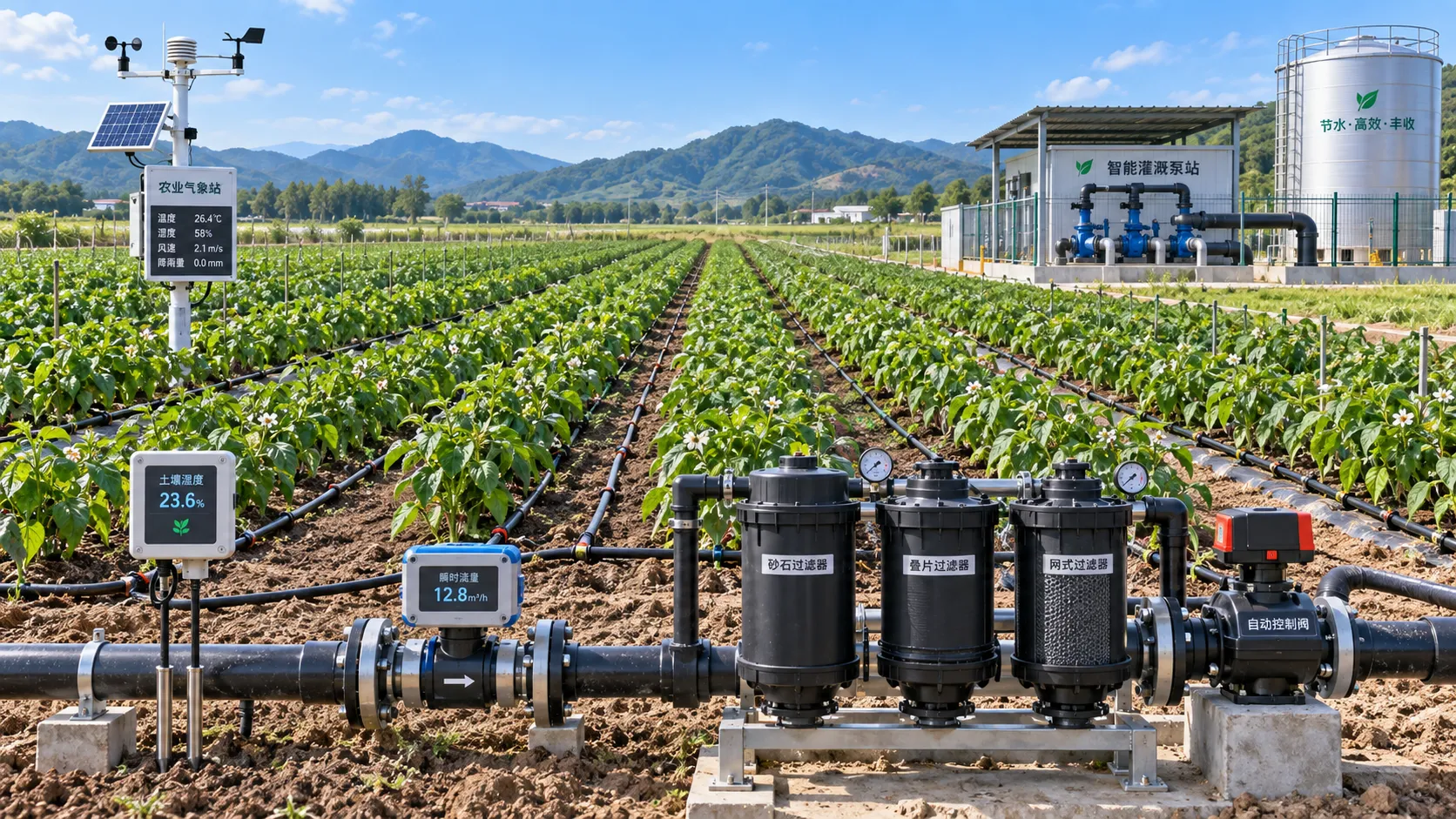
Automated Water-Saving Irrigation: How to Cut Water Use Without Reducing Crop Yields
Automated water-saving irrigation helps farms cut water use, protect crop yields, improve scheduling, and gain reliable control with sensors, flow monitoring, and smart zones.
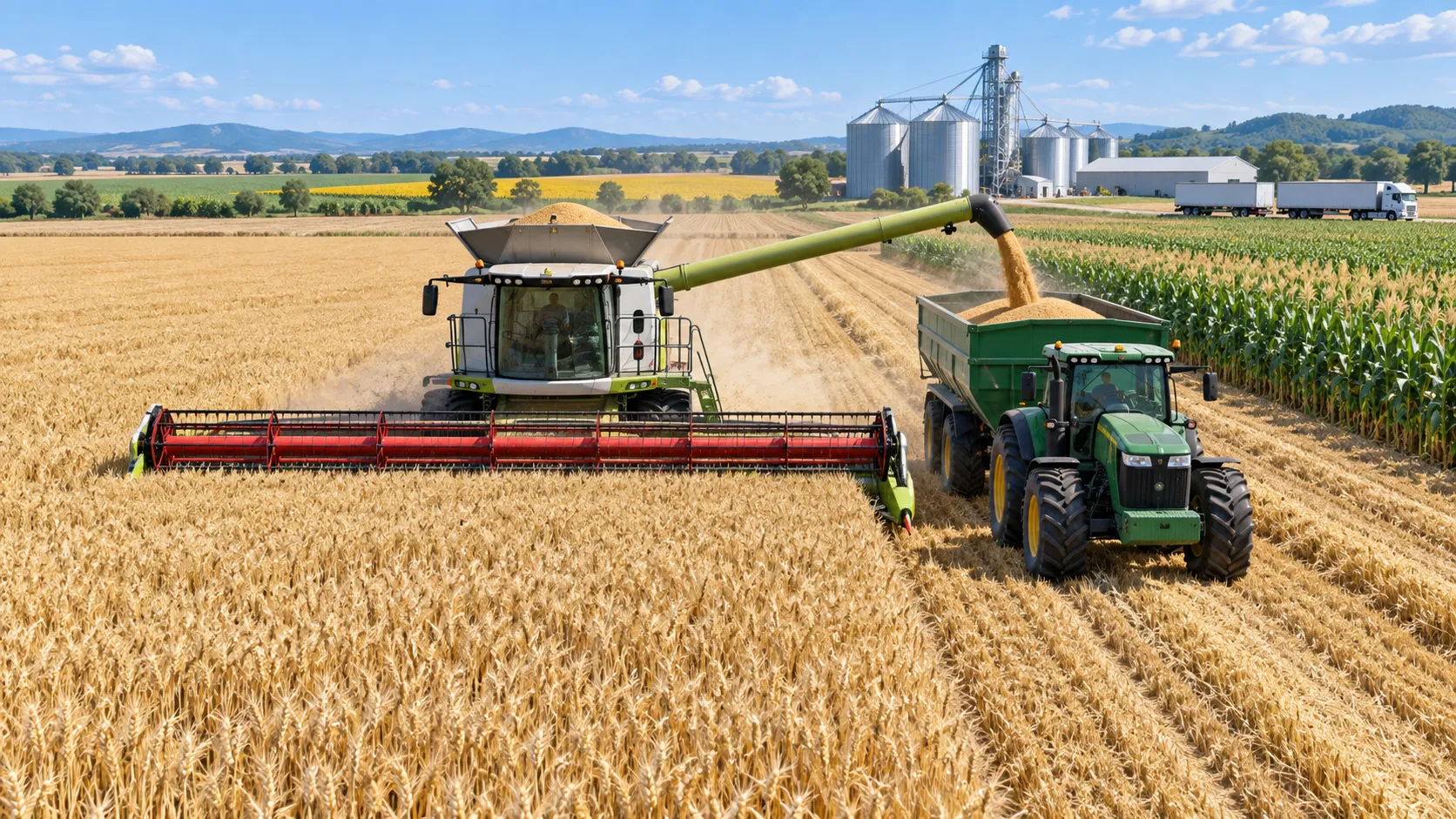
Selecting Grain Farm Equipment by Acreage, Crop Mix, and Harvest Window
Agricultural equipment selection for grain farming: match machinery to acreage, crop mix, and harvest windows to improve uptime, efficiency, and returns.
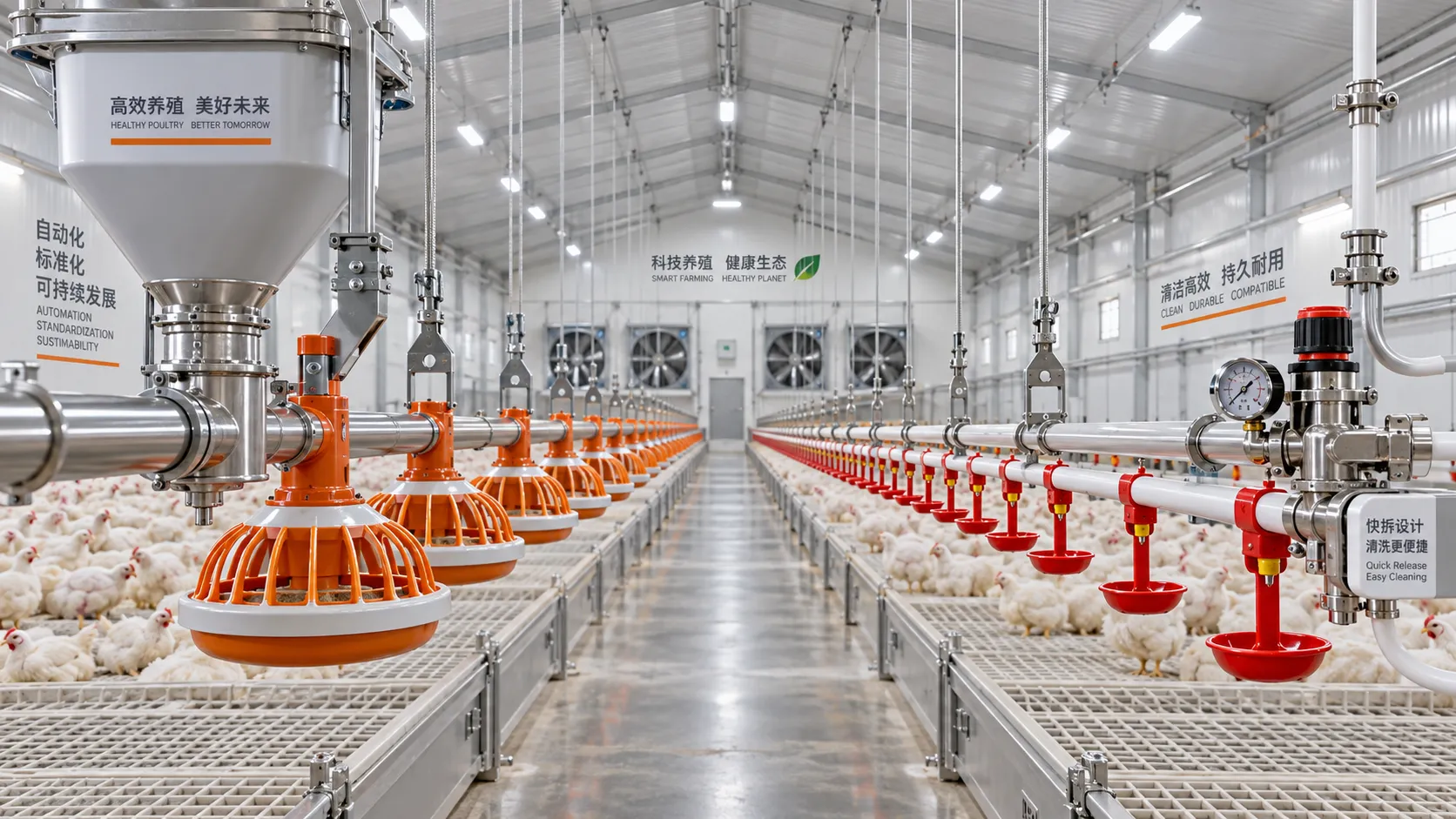
Poultry Equipment Selection: Evaluating Durability, Cleaning, and Compatibility
Poultry equipments selection guide: evaluate durability, cleaning access, and system compatibility to improve hygiene, reduce downtime, and support efficient flock management.
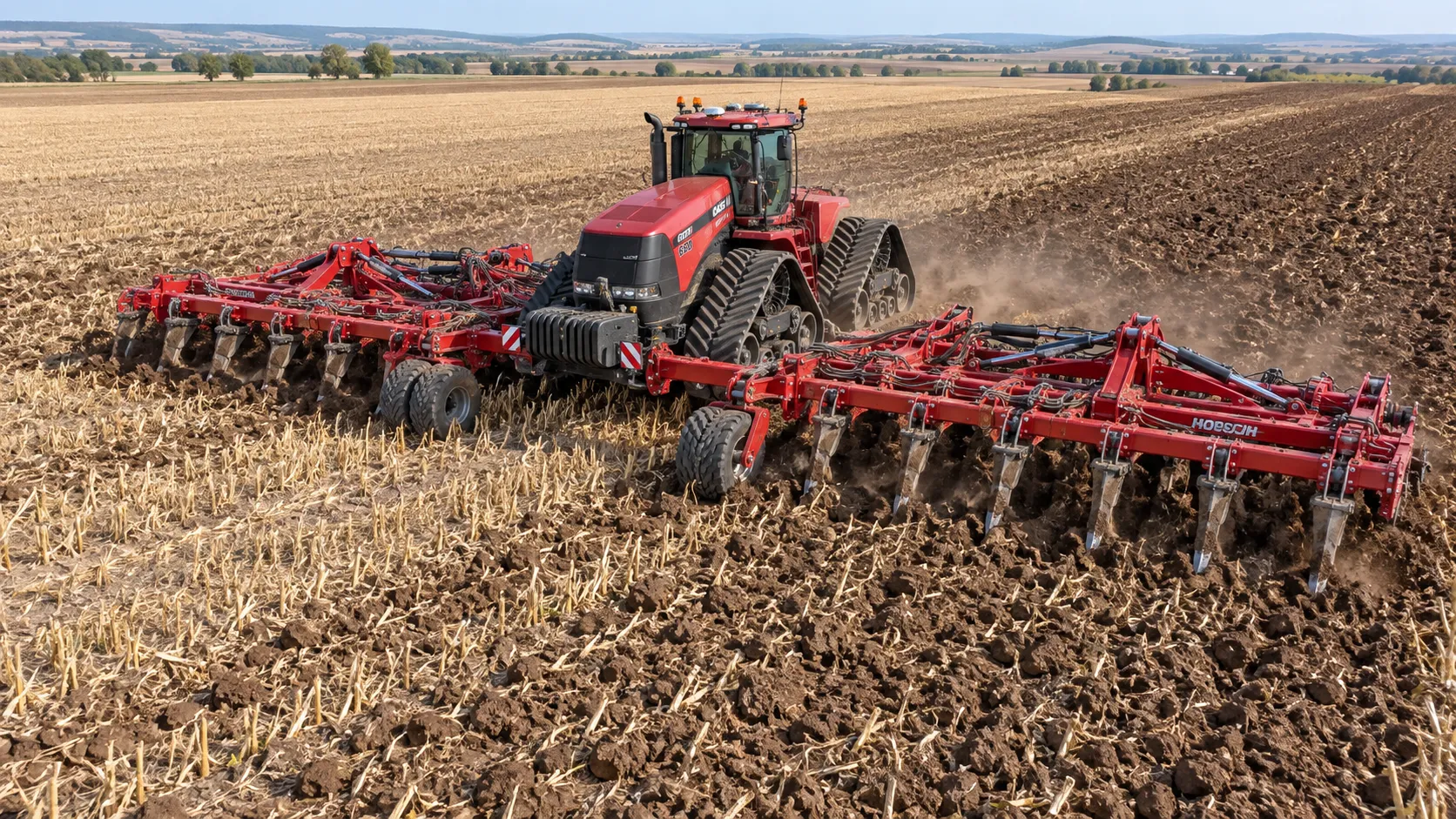
How to Select Heavy-Duty Farm Implements for High-Acreage, High-Horsepower Operations
Heavy duty farm implements: learn how to match draft, hydraulics, hitch capacity, frame strength, and field conditions for reliable high-acreage performance.
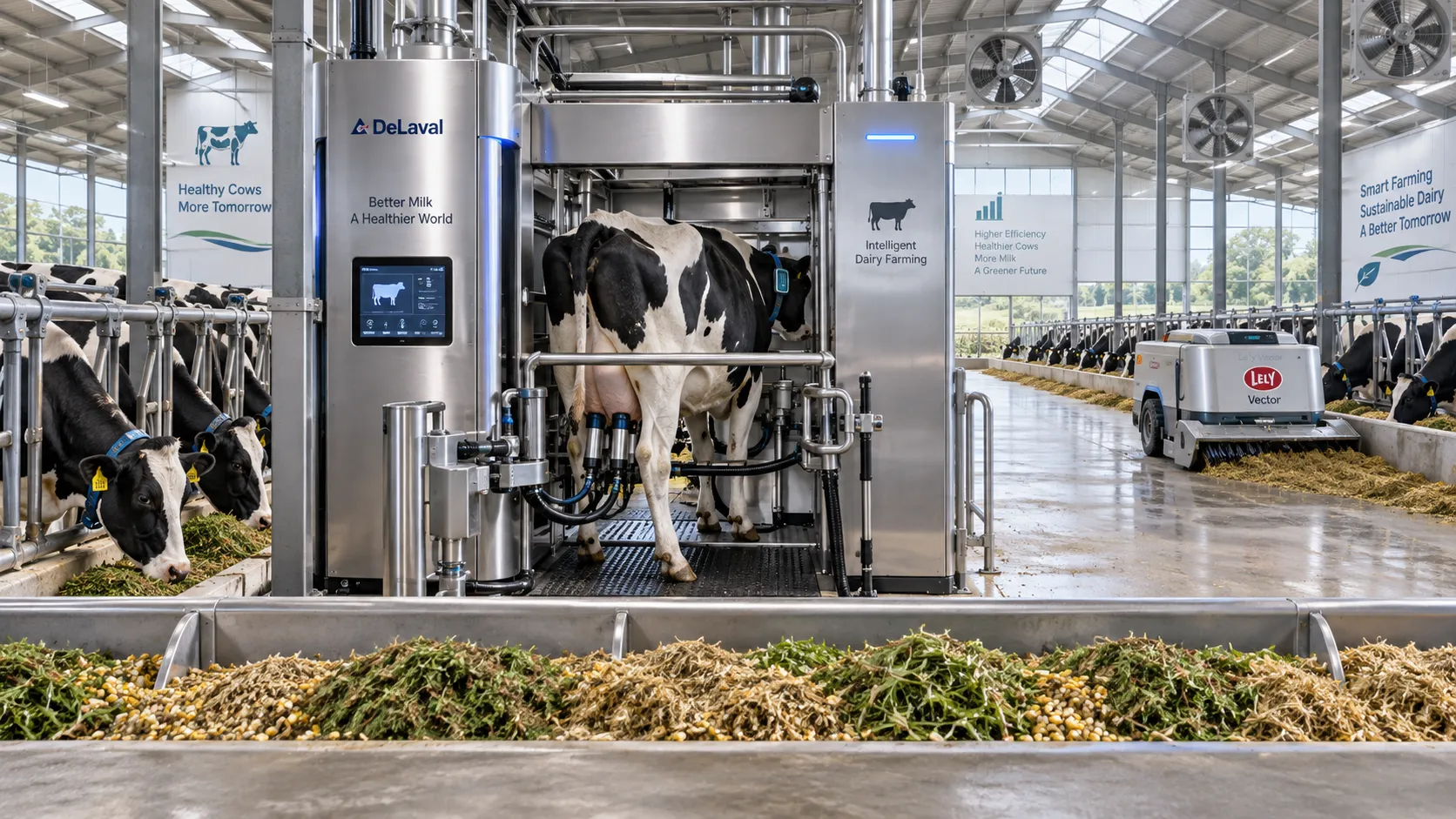
Smart Farming Technology for Dairy Farms: Where Automation Delivers Measurable ROI
Smart farming technology for dairy farms delivers measurable ROI through automation, precision feeding, health monitoring, and data-driven cost control.
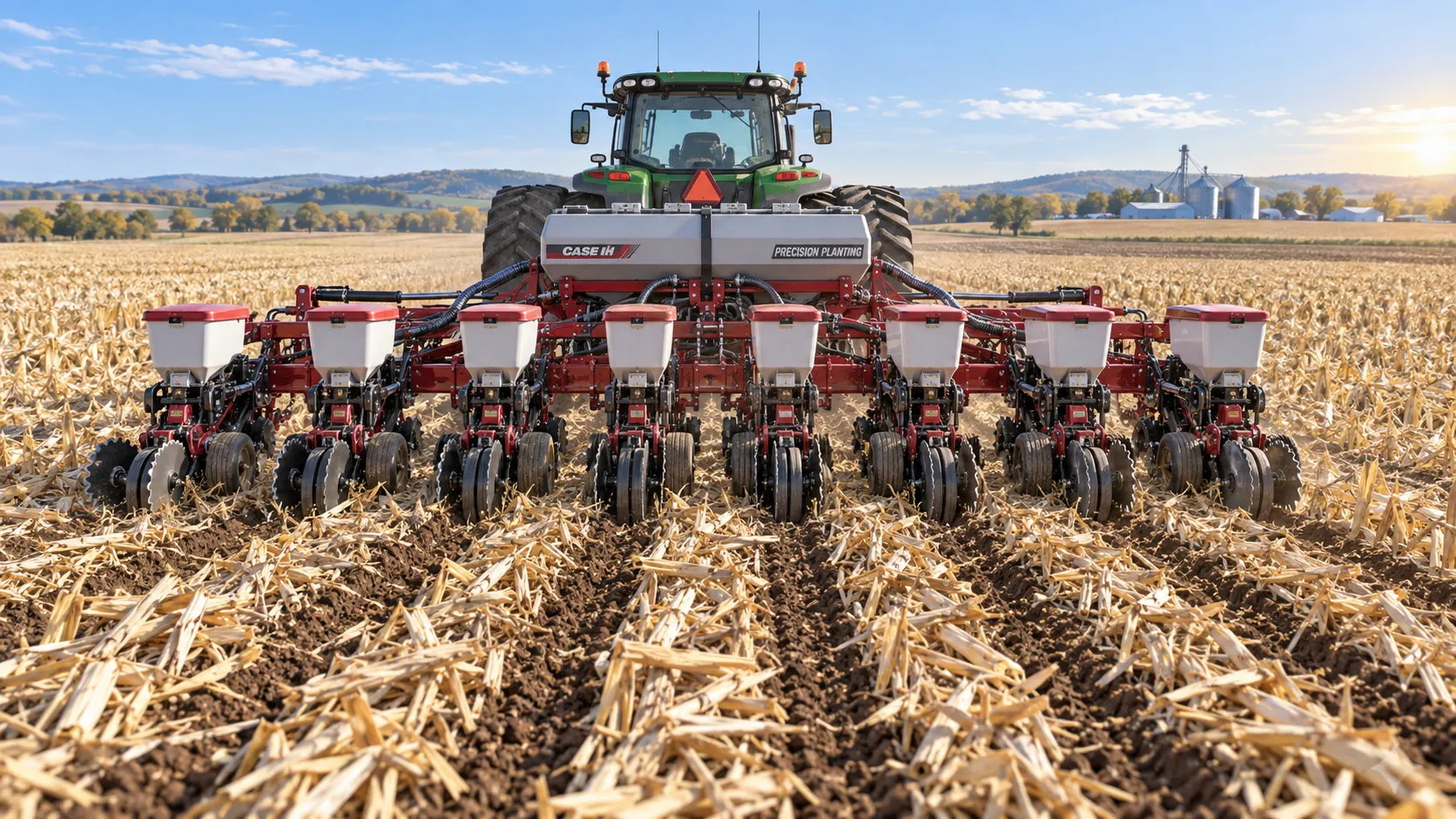
How to Select a Heavy-Duty Seeder for Large Acreage and High-Residue Fields
Heavy duty seeders for large acreage: compare residue handling, depth control, downforce, metering accuracy, and precision features to select the right model.
Related News
- 00
0000-00
Automated Water-Saving Irrigation: How to Cut Water Use Without Reducing Crop Yields - 00
0000-00
How to Evaluate Drip Irrigation System Manufacturers for Large Farm Projects - 00
0000-00
Wireless Agricultural Automation for Remote Irrigation and Field Monitoring - 00
0000-00
Designing Water-Saving Drip Irrigation Systems for High-Value Orchards - 00
0000-00
How to Choose Irrigation Solutions for Arid Regions Based on Water Source and Crop Needs
Popular Tags
Hydrological Resource Strategist
Weekly Insights
Stay ahead with our curated technology reports delivered every Monday.