
Red Sea Rerouting Extends Drip Irrigation Logic Transit
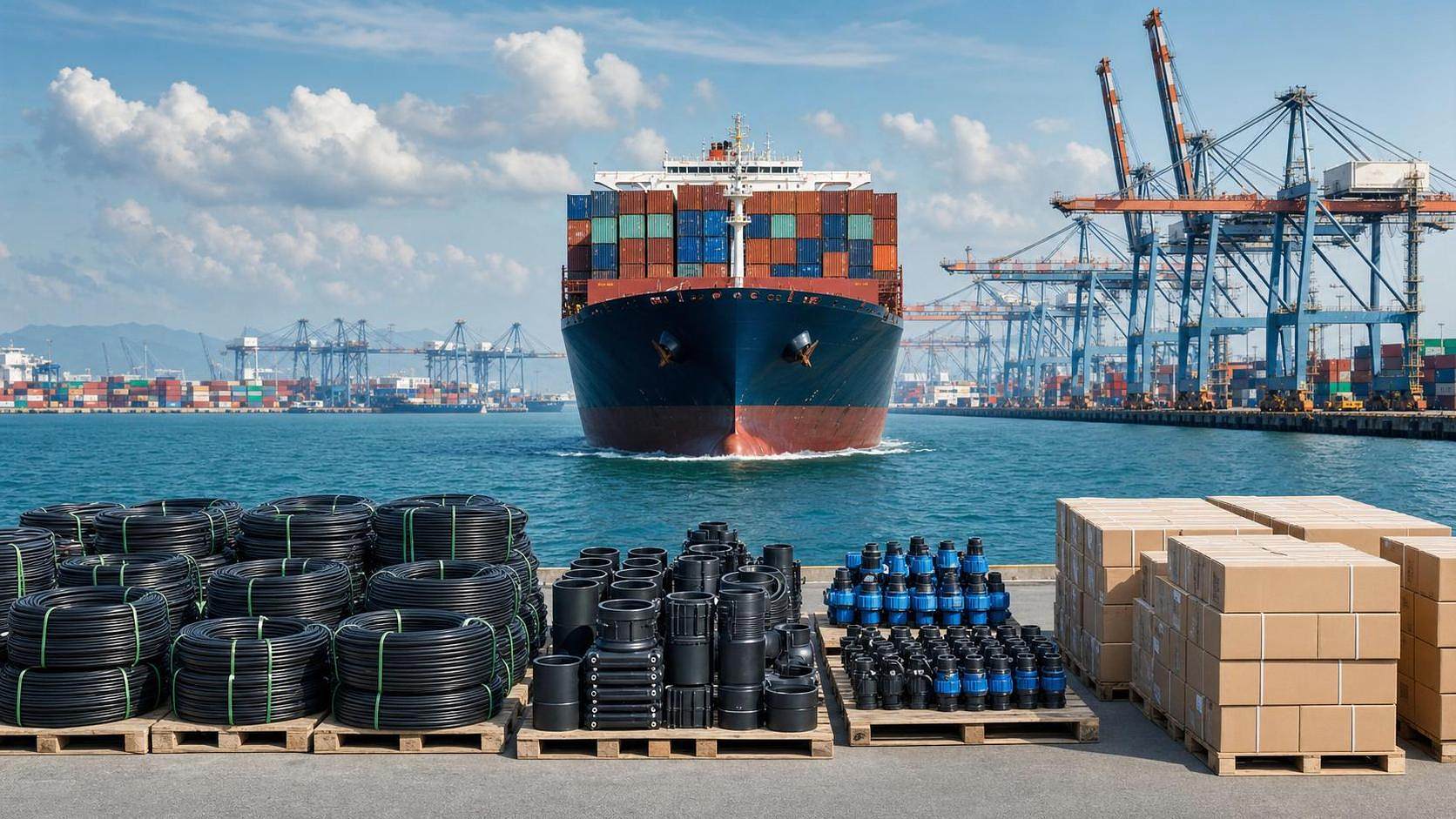




On June 26, 2026, a joint notice from Maersk and MSC signaled an immediate operating-rule change for Asia-Europe shipments of Drip Irrigation Logic equipment: containers on these routes are being diverted around the Cape of Good Hope because of continuing security risks in the Red Sea. The direct effect is a longer average sea transit time, rising from 31 days to 52 days, alongside tighter capacity at major Chinese irrigation equipment export ports including Qingdao and Ningbo and a 23% month-on-month freight increase in the first half of July. For exporters, buyers, manufacturers, and logistics providers, this matters less as a one-day shipping disruption than as a practical change in delivery assumptions, booking conditions, and execution risk across trade and fulfillment.
What has been confirmed so far
The confirmed facts are limited but commercially significant. Maersk and MSC issued a joint notice on June 26 stating that, due to ongoing security risks in the Red Sea, all Asia-Europe route containers for Drip Irrigation Logic equipment would be rerouted via the Cape of Good Hope. As a result, the average shipping time has extended from 31 days to 52 days. At the same time, major Chinese export ports for irrigation equipment, specifically Qingdao and Ningbo, are facing tight vessel space, and freight rates in the first half of July rose 23% month on month.
Where the pressure is likely to surface first
Export delivery commitments are under immediate strain
From an industry perspective, exporters of Drip Irrigation Logic equipment are likely to feel the impact first because the route change alters the practical baseline for shipment planning. The main pressure points are shipment scheduling, contract delivery dates, customer communication, and booking execution. What deserves closer attention is whether existing export documentation, shipment milestones, and promised dispatch windows still align with the longer transit cycle rather than the former 31-day assumption.
Procurement and project buyers face timing risk
For procurement-side participants, the issue is not only higher freight but also a longer and less flexible replenishment window. Analysis shows that buyers relying on imported equipment or components from these Asia-Europe flows may need to recheck inbound timing against installation plans, tender schedules, or inventory assumptions. The practical focus should be on delivery clauses, planned receipt dates, and whether supplier confirmations remain valid under the revised shipping path.
Manufacturing and assembly planning may need adjustment
Manufacturers and assemblers connected to export orders may also face indirect disruption if tighter space at Qingdao and Ningbo changes loading predictability. Observably, the exposure here sits in finished-goods dispatch, packing sequence, warehouse release timing, and coordination with forwarders. Companies in this part of the chain should pay closer attention to booking status, dispatch documentation readiness, and any internal quality-release timing that could cause missed sailings in a tighter capacity environment.
Logistics and after-sales coordination become more sensitive
Supply chain service providers and after-sales teams may be affected because longer transit times can reshape the timing of installation support, replacement parts planning, and service commitments. It is more appropriate to understand this as an execution-risk issue rather than a confirmed regulatory outcome. The operational concern is whether service schedules, customer acceptance timing, and traceability records remain synchronized when the transport leg has been extended by three weeks.
Practical checks companies should make now
Revalidate delivery language and trade documents
Analysis shows that companies should first review shipment-related documents already in circulation, including order confirmations, dispatch plans, and any customer-facing delivery statements tied to the previous transit norm. The key issue is not that formal trade rules have been rewritten in the input facts, but that the carrier notice changes the operating conditions under which those documents will be performed.
Watch for execution wording from carriers and counterparties
What deserves closer attention is the follow-through in execution language: carrier booking practices, revised sailing expectations, and any updated wording used by buyers or sellers in delivery coordination. Since the input does not provide detailed implementation rules beyond the route diversion and timing impact, companies should treat this as an area to monitor rather than a settled compliance framework.
Check tender, specification, and service commitments against the new timeline
For businesses supplying equipment into project-based or specification-driven transactions, the longer voyage may affect technical submission timing, promised commissioning support, and shipment-linked milestones. Observably, this is especially relevant where delivery timing is tied to acceptance, service attendance, or scheduled installation windows. Firms should confirm whether current commitments still match the revised transport reality.
Review supplier and port coordination discipline
With space tight at Qingdao and Ningbo, companies should pay attention to booking lead time, cargo readiness, and the completeness of shipment files before handover. Analysis shows that when capacity tightens, procedural gaps in packing lists, technical documents, or release timing can become more costly, even if the underlying product certification or compliance status has not changed.
Why this looks more like an execution signal than a finished rule set
Observably, this development should be read first as a concrete execution signal from major carriers rather than as a standalone new regulatory regime. The route diversion is real and already reflected in transit time and freight movement, but the broader implications for contracts, compliance handling, customer acceptance, and procurement timing still depend on how market participants apply the new shipping conditions in practice. From an industry perspective, the value of this update lies in showing that transport security risk has now translated into measurable operating changes for this equipment flow.
How the market should interpret this stage
At this stage, it is more appropriate to understand the development as an implemented logistics change with wider commercial and compliance implications still unfolding. The confirmed facts already affect planning assumptions for delivery, booking, and cost. However, the full impact on tender execution, customer documentation, service timing, and supply-chain coordination still requires ongoing observation rather than fixed conclusions.
Basis of this article and what still needs verification
This article is based on the user-provided news title, event date, and event summary. For developments of this kind, relevant source categories typically include official carrier notices, statements from regulatory authorities, customs or trade administration updates, industry association releases, standards-related documents, and reporting by established business media. No specific official source link was provided in the input, so the precise official link remains to be verified. What still requires continued monitoring includes later implementation details, compliance interpretation in actual transactions, changes in tender or delivery documents, market feedback from affected businesses, and how companies adjust execution under the longer shipping cycle.
Related News

When Does Agricultural Machinery Leasing Cost Less Than Owning Equipment?
Agricultural machinery leasing can lower farm costs when use is seasonal or uncertain. Compare utilization, maintenance, cash flow, and risk to make a smarter equipment decision.

How to Evaluate Precision Fertilization System Suppliers for Farm-Scale Deployment
Precision fertilization systems suppliers: learn how to compare accuracy, integration, uptime, service, and total cost for confident farm-scale deployment.

ISOBUS for Smart Agriculture: How It Connects Tractors, Implements, and Farm Data
ISOBUS for smart agriculture connects tractors, implements, terminals, and farm data—helping growers improve precision, documentation, and smarter field decisions.
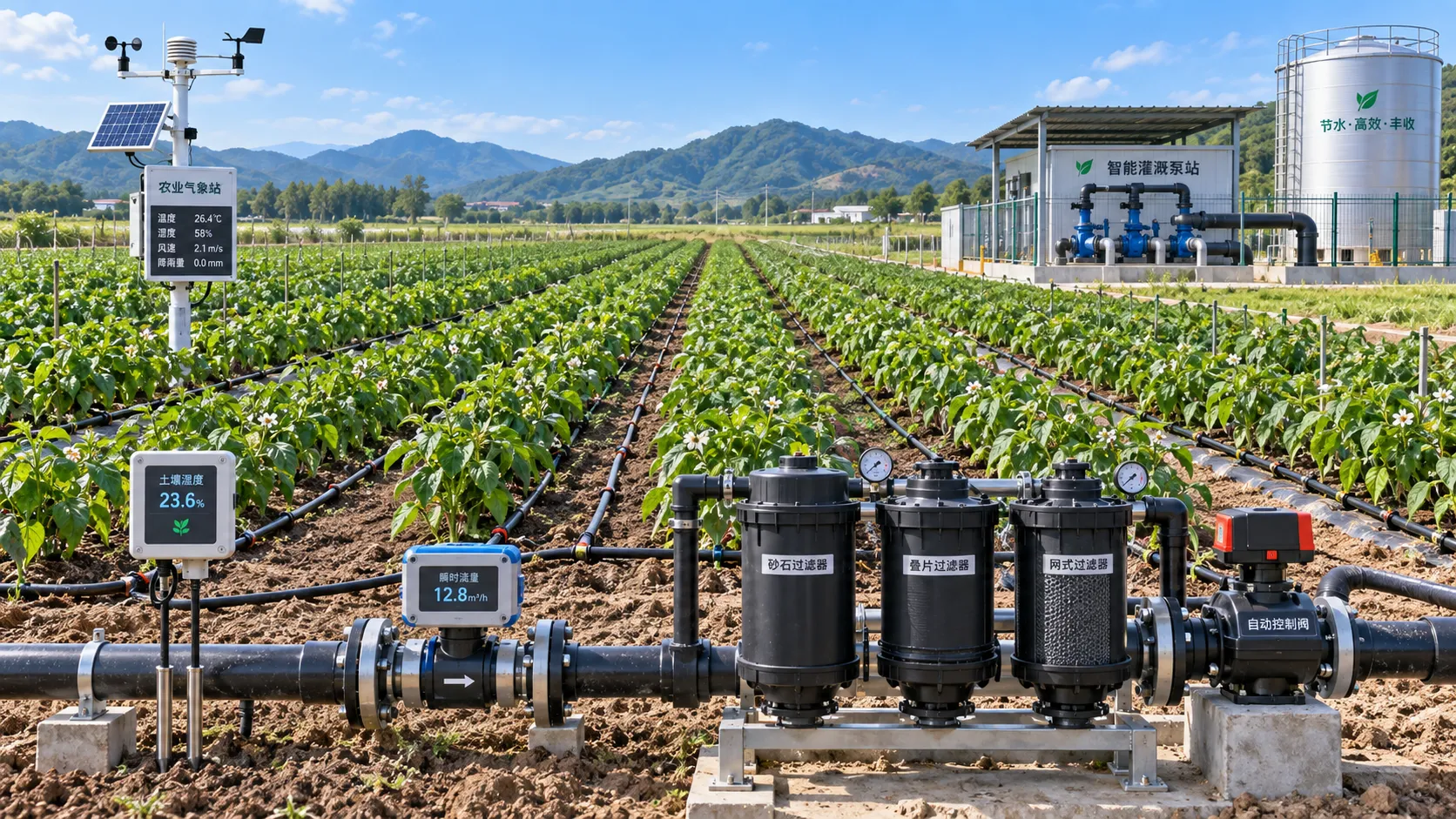
Automated Water-Saving Irrigation: How to Cut Water Use Without Reducing Crop Yields
Automated water-saving irrigation helps farms cut water use, protect crop yields, improve scheduling, and gain reliable control with sensors, flow monitoring, and smart zones.

Selecting Grain Farm Equipment by Acreage, Crop Mix, and Harvest Window
Agricultural equipment selection for grain farming: match machinery to acreage, crop mix, and harvest windows to improve uptime, efficiency, and returns.
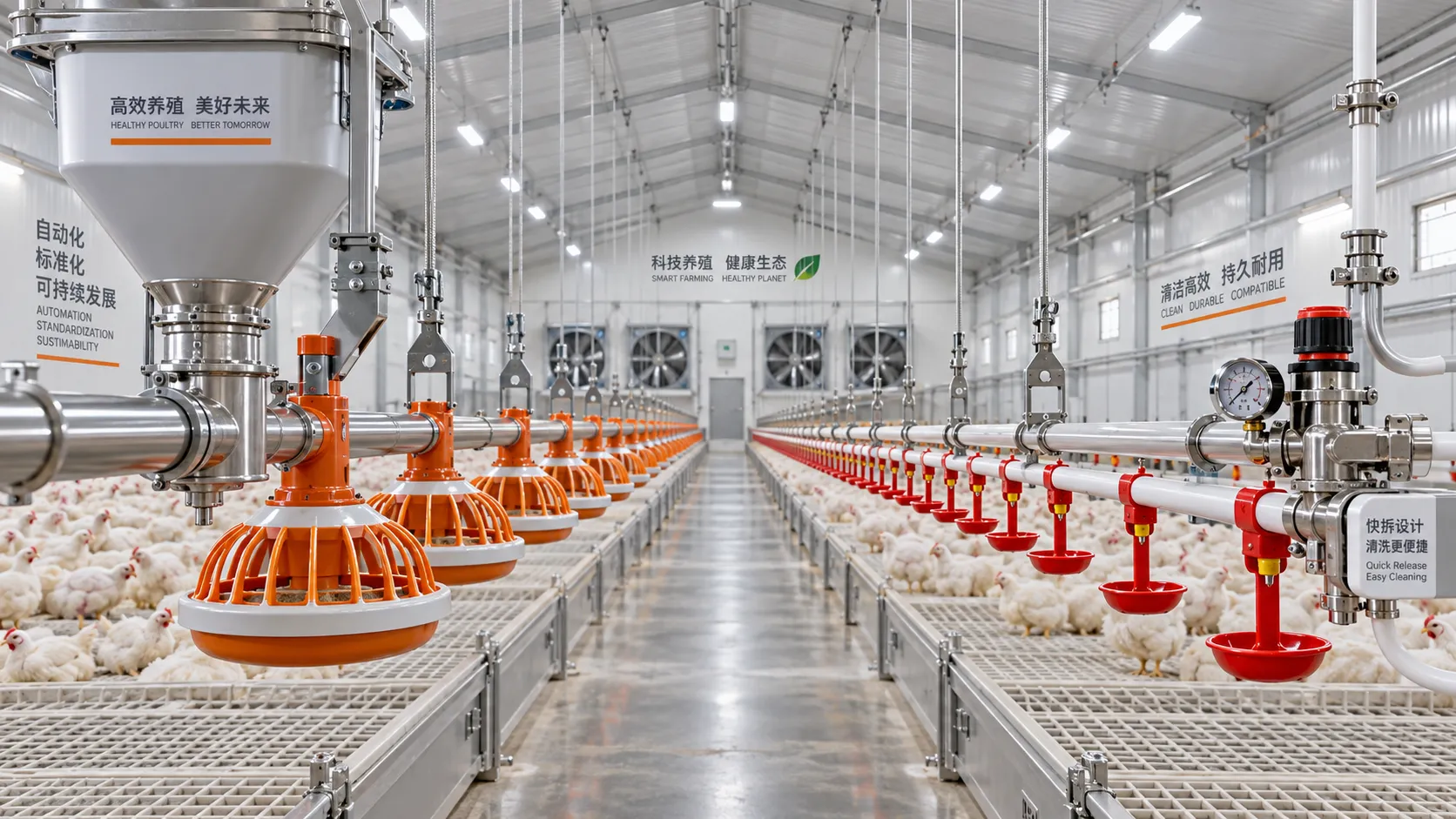
Poultry Equipment Selection: Evaluating Durability, Cleaning, and Compatibility
Poultry equipments selection guide: evaluate durability, cleaning access, and system compatibility to improve hygiene, reduce downtime, and support efficient flock management.

How to Select Heavy-Duty Farm Implements for High-Acreage, High-Horsepower Operations
Heavy duty farm implements: learn how to match draft, hydraulics, hitch capacity, frame strength, and field conditions for reliable high-acreage performance.
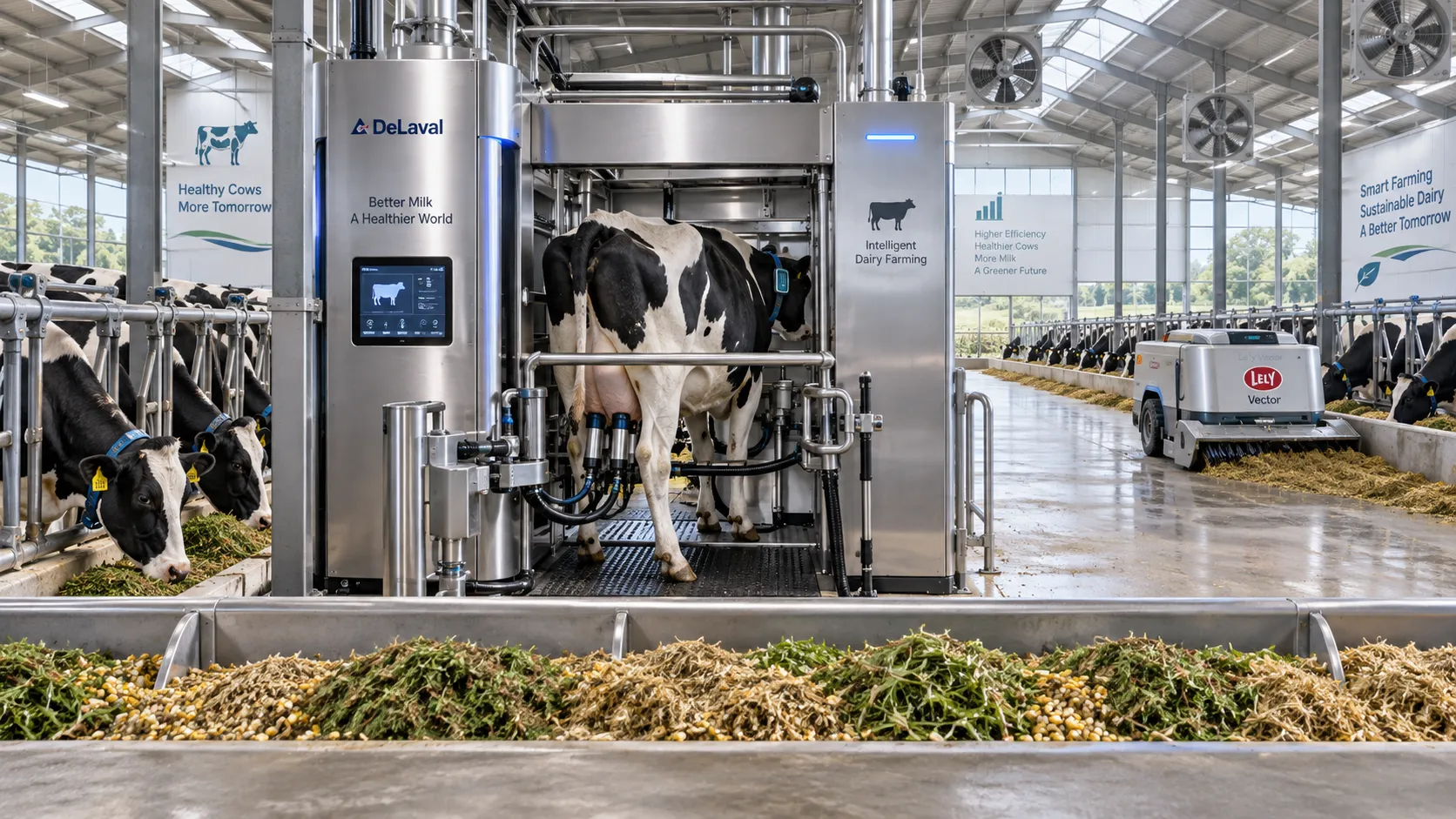
Smart Farming Technology for Dairy Farms: Where Automation Delivers Measurable ROI
Smart farming technology for dairy farms delivers measurable ROI through automation, precision feeding, health monitoring, and data-driven cost control.

How to Select a Heavy-Duty Seeder for Large Acreage and High-Residue Fields
Heavy duty seeders for large acreage: compare residue handling, depth control, downforce, metering accuracy, and precision features to select the right model.
Related News
- 00
0000-00
Automated Water-Saving Irrigation: How to Cut Water Use Without Reducing Crop Yields - 00
0000-00
How to Evaluate Drip Irrigation System Manufacturers for Large Farm Projects - 00
0000-00
Wireless Agricultural Automation for Remote Irrigation and Field Monitoring - 00
0000-00
Designing Water-Saving Drip Irrigation Systems for High-Value Orchards - 00
0000-00
How to Choose Irrigation Solutions for Arid Regions Based on Water Source and Crop Needs
Popular Tags
Hydrological Resource Strategist
Weekly Insights
Stay ahead with our curated technology reports delivered every Monday.