
Agri-Tech Myanmar 2026 Signals New Market Access for Drip Irrigation
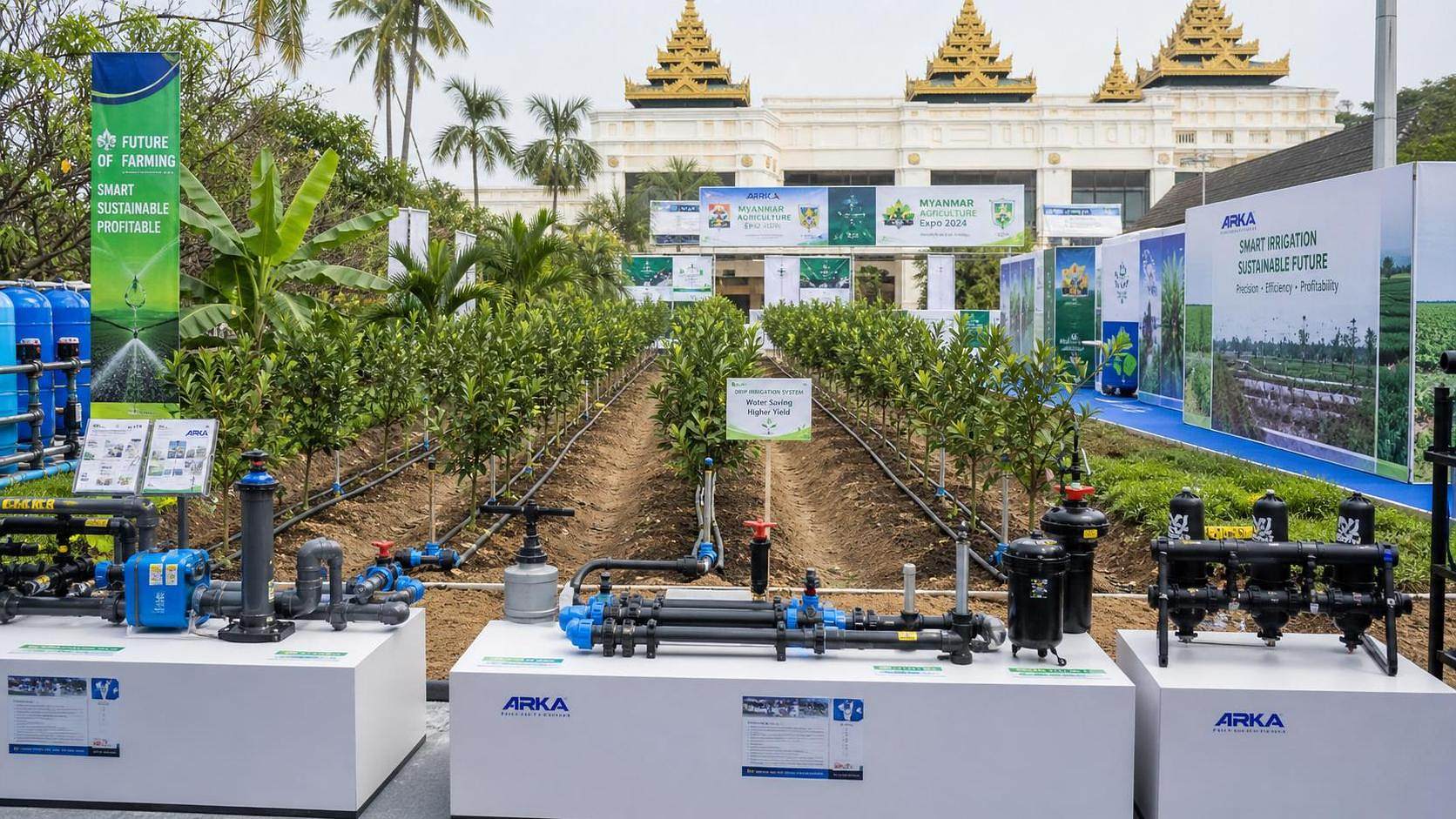




On June 26, 2026, Agri-Tech Myanmar 2026 opened at YCC in Yangon with a showcase of domestic seasonal fruit led by the Myanmar Fruit, Flower and Vegetable Producer and Exporter Sales Association, while also introducing a localized Drip Irrigation Logic solution designed for tropical conditions. For the industry, the more relevant signal is not only the exhibition itself, but the explicit opening of a matching channel for irrigation equipment importers, which may affect export suppliers, buyers, after-sales providers and document preparation around procurement, technical alignment and delivery readiness.
A trade-facing signal emerged alongside the exhibition launch
According to the provided event information, Agri-Tech Myanmar 2026 opened on June 26, 2026 at YCC in Yangon. The event included a sales promotion of Myanmar seasonal fruit organized by the Myanmar Fruit, Flower and Vegetable Producer and Exporter Sales Association.
The same event also marked the first systematic presentation of a localized Drip Irrigation Logic solution adapted to tropical climate conditions. In addition, the exhibition explicitly opened a docking channel for irrigation equipment importers.
The event attracted on-site inquiries from buyers from Southeast Asia and the Middle East. The summary further indicates that this creates a new overseas scenario for Chinese drip irrigation manufacturers built around a combined offer of products and agronomic services.
Why this matters across supply, procurement and market entry
For irrigation equipment exporters, access may start with specification alignment
Analysis shows that the explicit opening of an importer docking channel can be read as a market access signal for suppliers of irrigation equipment, especially those seeking direct contact with import-side buyers. The immediate impact is likely to fall on product presentation, technical documentation, model matching for tropical use conditions and the ability to explain service support together with the equipment offer.
What deserves closer attention is whether buyers begin to expect not only hardware quotations, but also agronomic adaptation, installation logic or localized operating proposals. Even without confirmed new regulatory text, this kind of procurement setting can influence what is treated as necessary supporting material during supplier selection.
For buyers and import-side counterparties, due diligence may broaden
From an industry perspective, buyers using such a docking channel may place greater weight on whether equipment can be presented as suitable for local climate conditions and whether the supplier can support post-delivery use. This can affect how procurement teams review technical files, product descriptions, service capability and delivery commitments.
Observably, where a solution is presented as localized, buyers may also pay closer attention to consistency between marketing claims, technical documents and after-sales arrangements. That does not confirm a new formal rule, but it can shape practical purchasing thresholds in cross-border negotiations.
For service providers, the export offer may no longer end at shipment
Analysis shows that the event summary points to a new export scenario centered on “product + agronomic service.” This matters for installation support teams, distributors, after-sales providers and other supply-chain service participants because commercial discussions may increasingly extend beyond equipment supply alone.
The business effect may appear in delivery planning, service scope definition, response commitments and traceability of field performance claims. Companies involved in service fulfillment should therefore watch for changes in tender language, technical appendices or buyer requests, even if no formal execution rules were provided in the input.
What companies should watch next
Keep compliance files consistent with tropical-use claims
Analysis shows that suppliers presenting localized irrigation solutions should pay attention to whether product specifications, test descriptions, operating instructions and commercial materials consistently support the claimed application scenario. Where procurement discussions become more technical, mismatched documentation can slow buyer review even before any order is placed.
Prepare for closer scrutiny of service capability
What deserves closer attention is the practical meaning of the “product + agronomic service” model. Exporters, distributors and service partners may need clearer internal definitions of who provides technical guidance, who handles after-sales response and what documents support those commitments during buyer engagement.
Track changes in purchasing language and bid requirements
Observably, the opening of an importer docking channel may influence how future inquiries or procurement files are framed. Companies should monitor whether technical bid alignment, service scope statements, delivery terms or supplier qualification requests begin to reflect stronger expectations for localized adaptation.
Stay alert to execution signals rather than assuming settled rules
From an industry perspective, the current information does not confirm a new published regulation, certification rule or binding trade measure. Companies should therefore avoid treating the event as a fully defined compliance regime and instead focus on following later official wording, procurement practices and market-side execution signals.
This looks more like an execution signal than a completed rule change
In editorial observation, this development is better understood as a practical market-access and procurement signal rather than a fully articulated policy shift. The explicit importer docking channel and the structured presentation of a localized irrigation solution suggest that buyers may increasingly evaluate suitability, service support and operational fit together, especially in export-facing discussions.
At the same time, it remains too early to treat this as a settled change in formal certification, mandatory standards or binding import compliance requirements based on the provided information alone. Continued attention is warranted because commercial practice often moves before detailed rule interpretation becomes clear.
How the market should read this stage
The industry significance of this event lies in the way an agricultural exhibition platform is also being used to connect fruit trade visibility, irrigation equipment access and service-linked export positioning. For companies in drip irrigation and related supply chains, the current stage is more appropriately understood as an early implementation signal in market practice.
A rational reading is that suppliers should not assume immediate hard-rule changes, but they also should not ignore the possibility that procurement expectations, technical review standards and service-linked delivery requirements may tighten through actual buyer behavior. The next phase depends on how follow-up inquiries, procurement documents and execution feedback develop.
Basis of this article and what still needs verification
This article is generated based on the user-provided news title, event date and event summary. For events of this type, relevant source categories usually include official event announcements, regulator releases, trade or customs authority information, industry association notices, standards organization documents and reporting by established industry media.
No specific official source link was provided in the input, so the precise official basis still requires further verification. Follow-up attention should remain on any later policy detail, execution guidance, certification interpretation, tender document changes, industry feedback and company-level implementation developments related to the market access channel and localized irrigation offering described in the event summary.
Related News
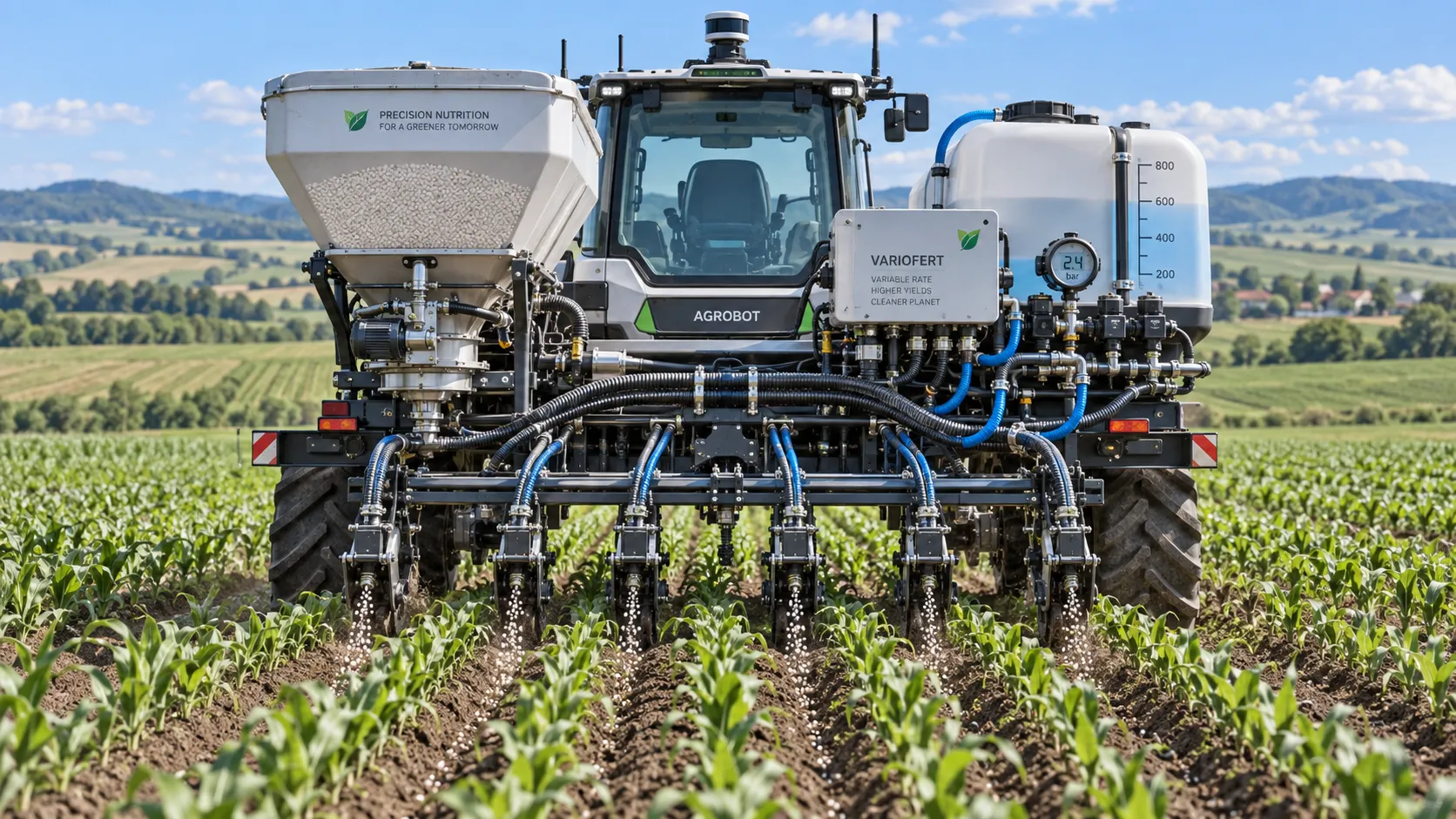
How Sensor Feedback Enables Accurate Variable-Rate Fertilization in Field Conditions
Precision fertilization systems with sensor feedback improve variable-rate accuracy by verifying flow, managing latency, and ensuring reliable field application.
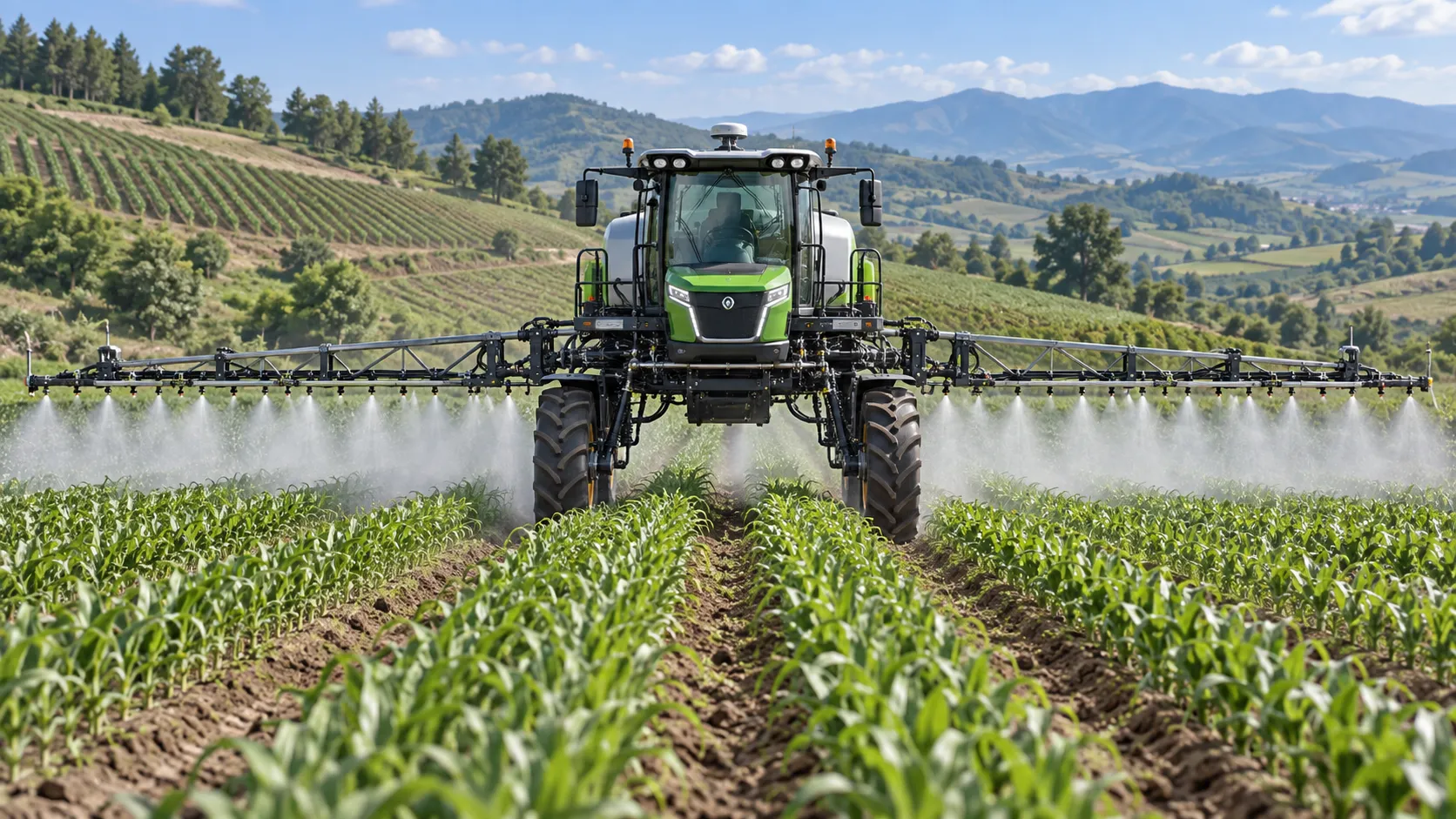
How to Select Precision Crop Protection Equipment for Variable Field Conditions
Precision crop protection equipment selection made simple: compare terrain, canopy, weather, control accuracy, and data workflows for reliable applications.
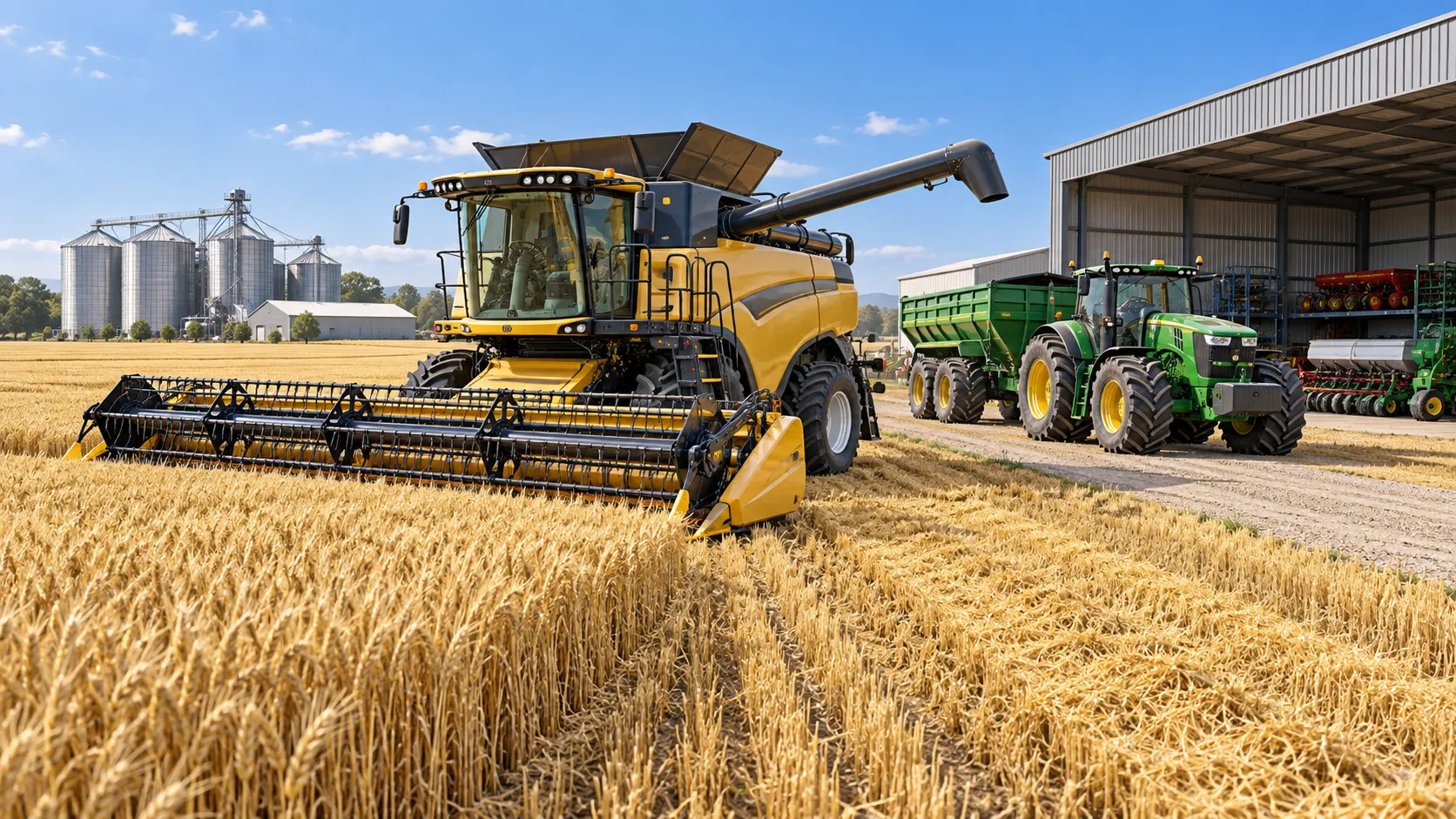
When Does Agricultural Machinery Leasing Cost Less Than Owning Equipment?
Agricultural machinery leasing can lower farm costs when use is seasonal or uncertain. Compare utilization, maintenance, cash flow, and risk to make a smarter equipment decision.
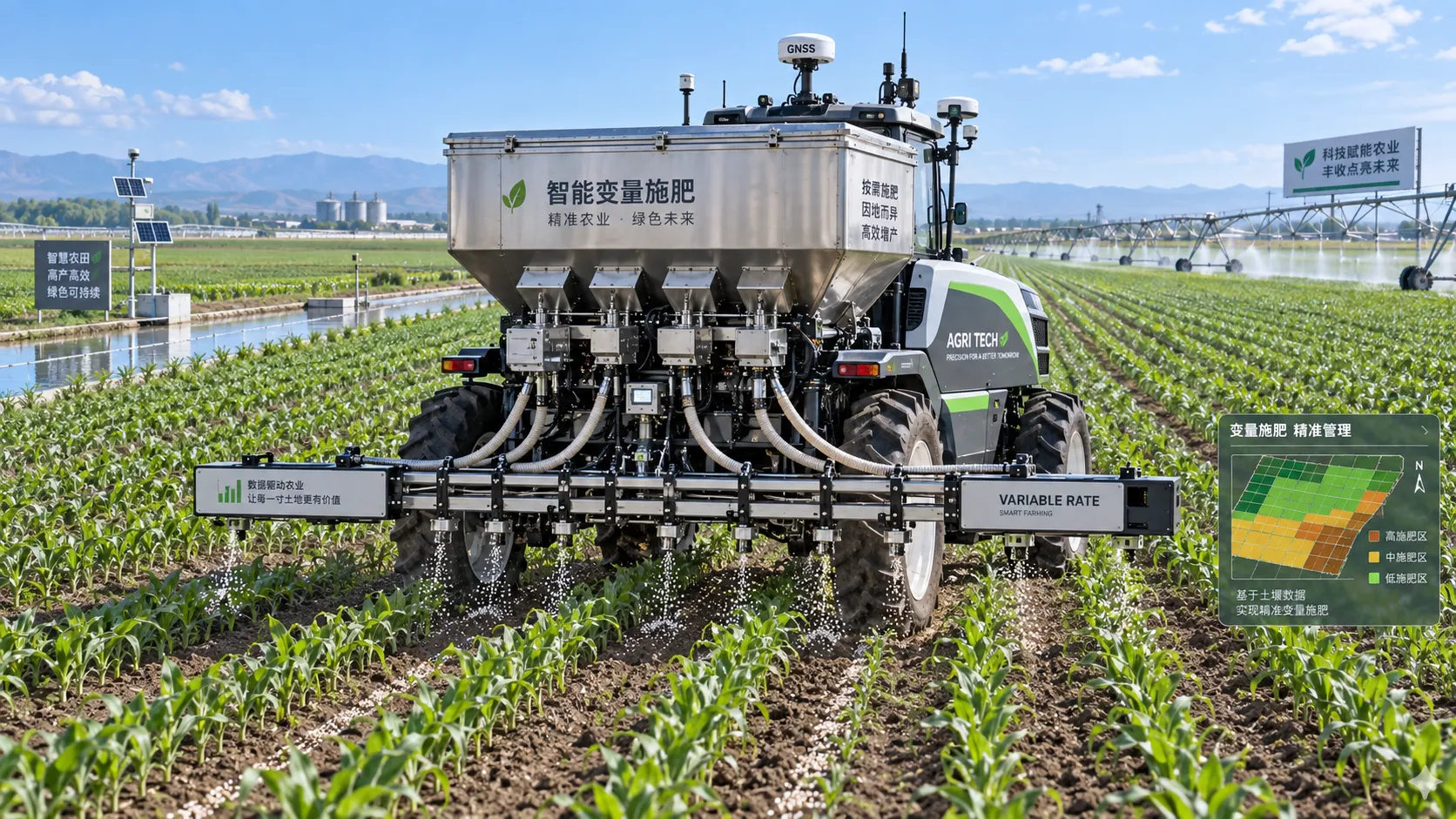
How to Evaluate Precision Fertilization System Suppliers for Farm-Scale Deployment
Precision fertilization systems suppliers: learn how to compare accuracy, integration, uptime, service, and total cost for confident farm-scale deployment.
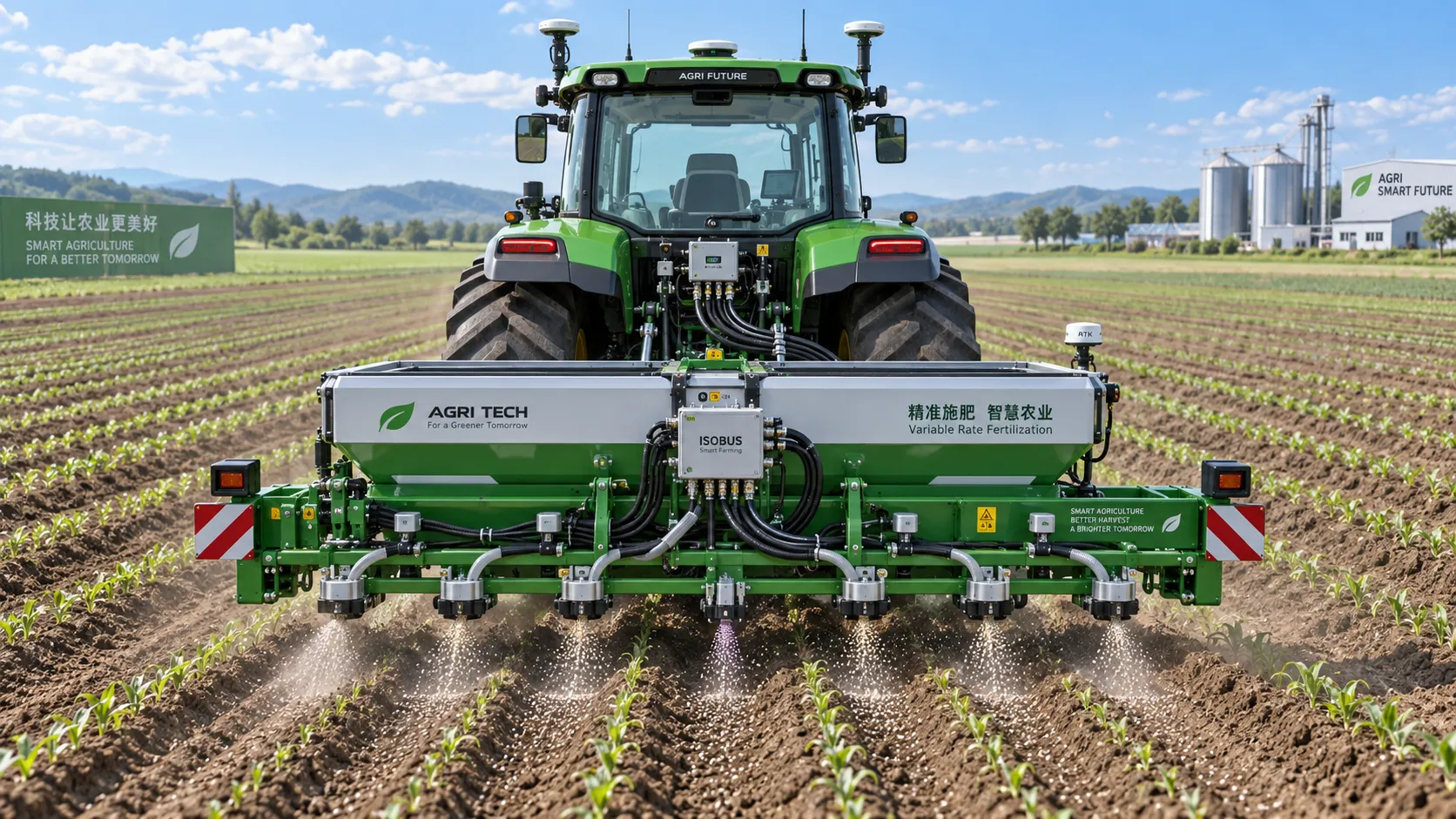
ISOBUS for Smart Agriculture: How It Connects Tractors, Implements, and Farm Data
ISOBUS for smart agriculture connects tractors, implements, terminals, and farm data—helping growers improve precision, documentation, and smarter field decisions.
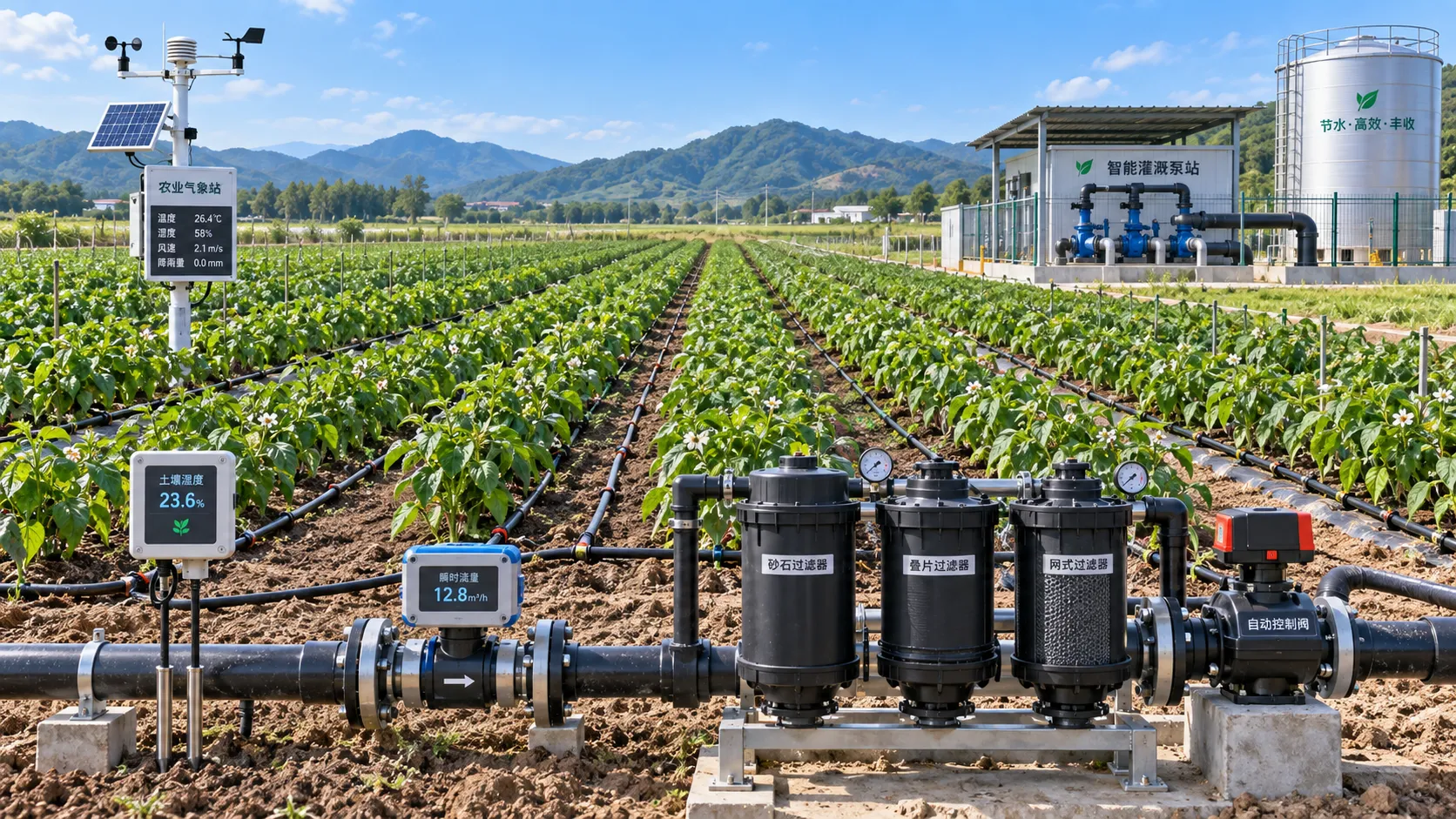
Automated Water-Saving Irrigation: How to Cut Water Use Without Reducing Crop Yields
Automated water-saving irrigation helps farms cut water use, protect crop yields, improve scheduling, and gain reliable control with sensors, flow monitoring, and smart zones.
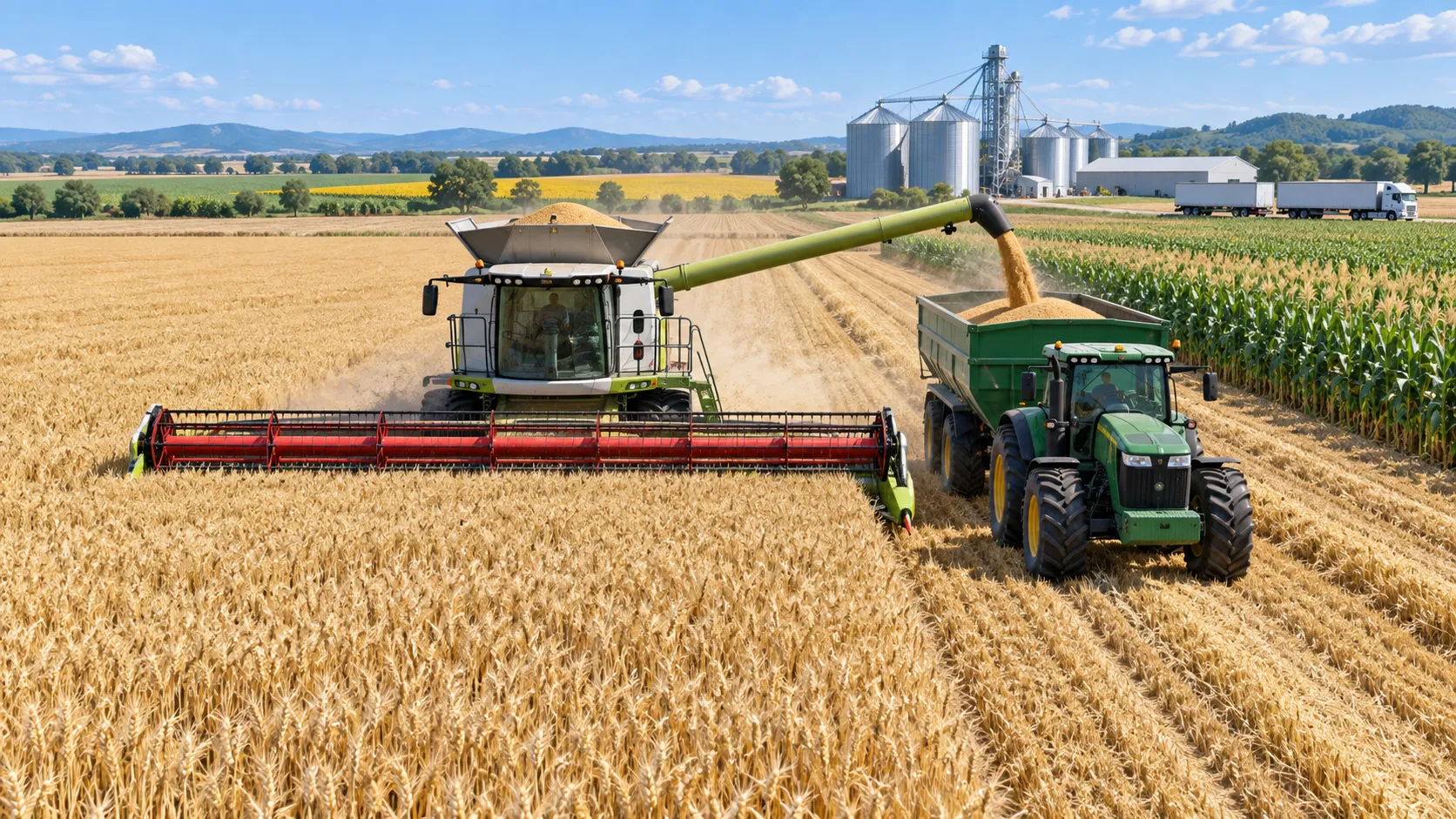
Selecting Grain Farm Equipment by Acreage, Crop Mix, and Harvest Window
Agricultural equipment selection for grain farming: match machinery to acreage, crop mix, and harvest windows to improve uptime, efficiency, and returns.
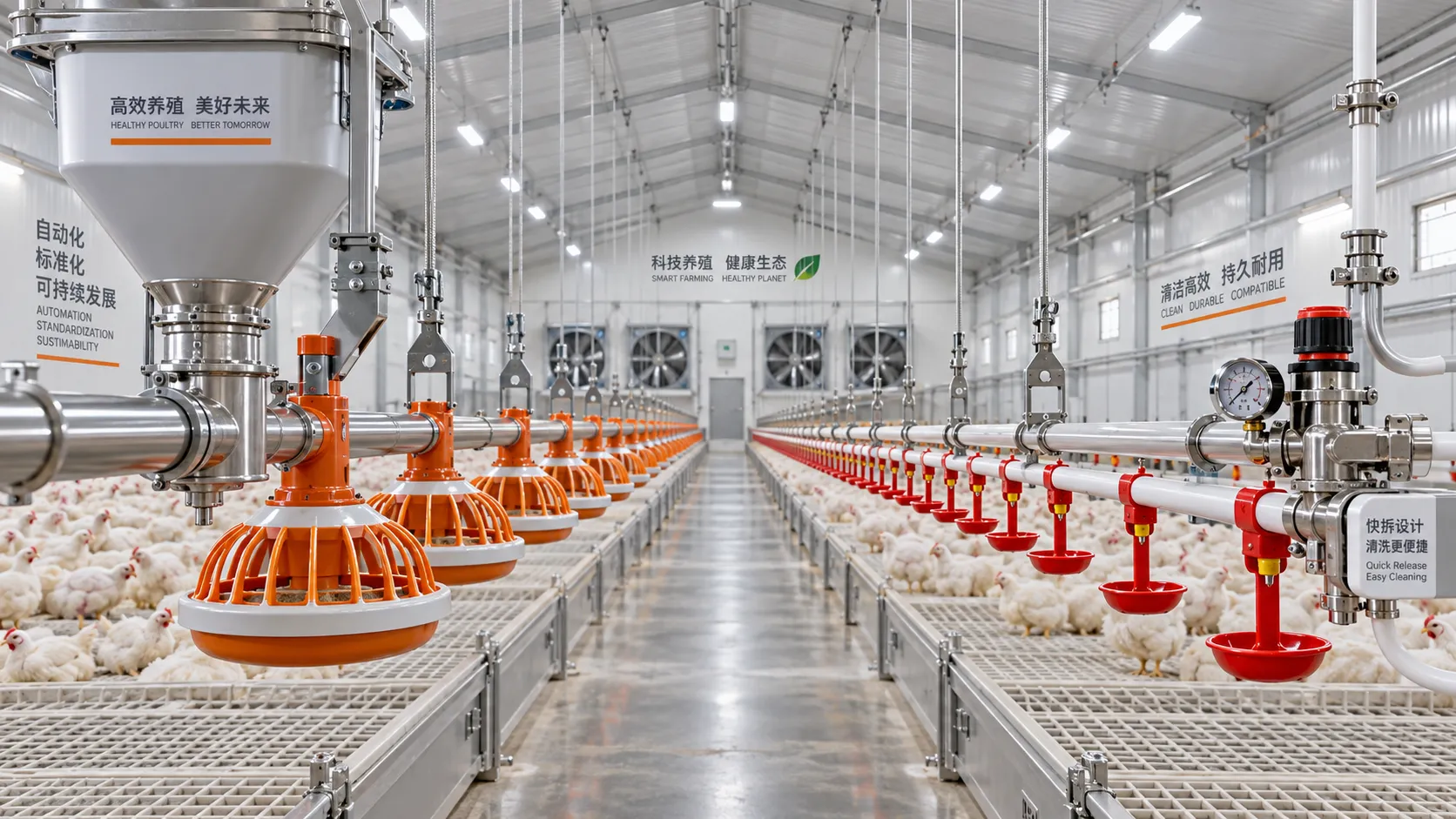
Poultry Equipment Selection: Evaluating Durability, Cleaning, and Compatibility
Poultry equipments selection guide: evaluate durability, cleaning access, and system compatibility to improve hygiene, reduce downtime, and support efficient flock management.
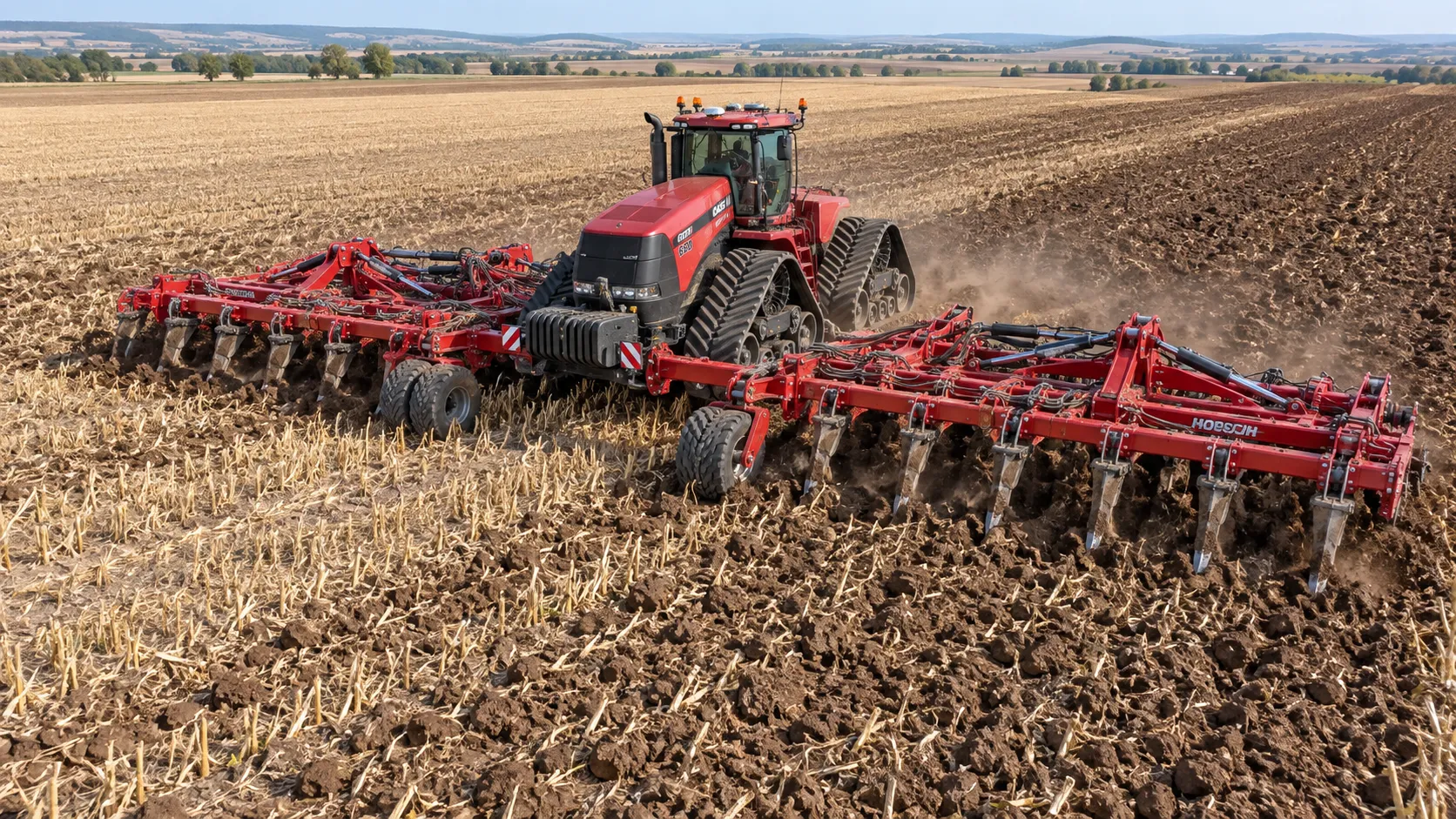
How to Select Heavy-Duty Farm Implements for High-Acreage, High-Horsepower Operations
Heavy duty farm implements: learn how to match draft, hydraulics, hitch capacity, frame strength, and field conditions for reliable high-acreage performance.
Related News
- 00
0000-00
Automated Water-Saving Irrigation: How to Cut Water Use Without Reducing Crop Yields - 00
0000-00
How to Evaluate Drip Irrigation System Manufacturers for Large Farm Projects - 00
0000-00
Wireless Agricultural Automation for Remote Irrigation and Field Monitoring - 00
0000-00
Designing Water-Saving Drip Irrigation Systems for High-Value Orchards - 00
0000-00
How to Choose Irrigation Solutions for Arid Regions Based on Water Source and Crop Needs
Popular Tags
Hydrological Resource Strategist
Weekly Insights
Stay ahead with our curated technology reports delivered every Monday.