
Q1 2026 Renewable Installations Boost Smart Irrigation Export
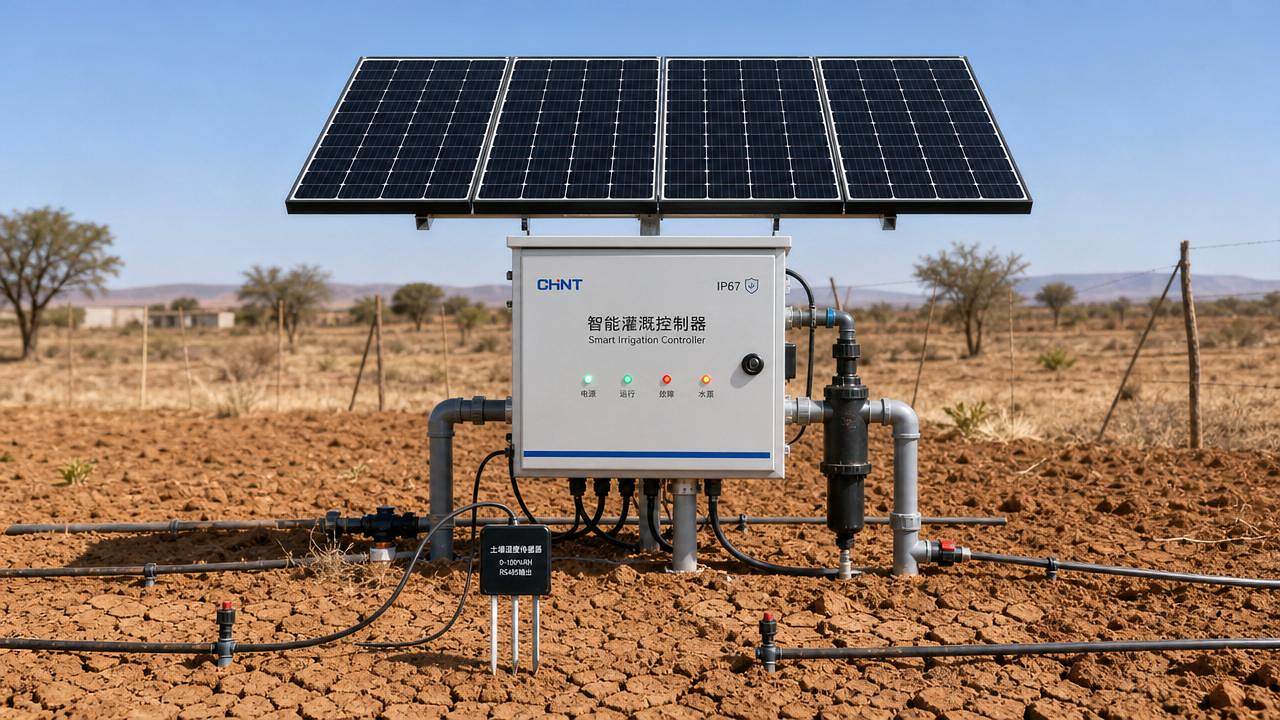




China’s Q1 2026 renewable energy capacity additions—58.93 GW, accounting for 70% of total new power installations—signal growing grid decoupling and off-grid energy readiness, with direct implications for manufacturers and exporters of solar-integrated smart irrigation systems targeting electricity-constrained markets in the Middle East, Africa, and Latin America.
Event Overview
On May 7, 2026, the National Energy Administration of China reported that renewable energy accounted for 70% of all newly installed power generation capacity nationwide in Q1 2026, totaling 58.93 gigawatts. This trend is accelerating integration of off-grid photovoltaic (PV) power supply and AI-based load scheduling modules into Chinese-made drip irrigation controllers, soil moisture sensors, and center-pivot sprinkler systems.
Industries Affected
Direct Exporters of Smart Irrigation Equipment
These enterprises face increased demand for PV-ready, low-grid-dependency configurations in regions with unstable or absent grid infrastructure. The shift affects product certification requirements, shipping logistics (e.g., bundled PV components), and after-sales service models requiring hybrid power expertise.
Manufacturers of Irrigation Control Hardware
Producers of controllers, sensors, and pivot drive systems are seeing rising R&D and production emphasis on low-voltage DC compatibility, MPPT charge controller integration, and edge-AI firmware capable of dynamic load shedding based on real-time solar yield. Design cycles and component sourcing strategies are adapting accordingly.
Suppliers of Power Management Components
Vendors of lithium-iron-phosphate (LiFePO4) battery modules, DC-DC converters, and solar charge controllers are experiencing tighter specification alignment requests from irrigation OEMs—particularly around IP67-rated enclosures, wide-temperature operation, and modularity for field retrofitting.
Distribution and Channel Partners in Target Markets
Regional distributors in the Middle East, Africa, and Latin America must now support technical pre-sales for hybrid power configurations—including solar sizing, battery autonomy estimation, and maintenance protocols distinct from AC-powered systems. Local training and documentation localization are becoming prerequisites for tender eligibility.
What Relevant Enterprises or Practitioners Should Focus On
Monitor official guidance on export classification and green technology incentives
Analysis shows that the NEA’s reporting frequency and framing may precede formal policy instruments—such as revised export tax rebate categories or preferential financing schemes for integrated agri-PV systems. Tracking subsequent NEA bulletins and Ministry of Commerce notices is advised.
Assess inventory and procurement plans for PV-compatible hardware subassemblies
Observably, demand for DC-input solenoid valves, 24–48 V DC motors, and embedded AI inference chips (e.g., low-power NPU modules) is shifting earlier in the supply chain. Procurement teams should review lead times and minimum order quantities for these components ahead of peak tender seasons in Q3–Q4.
Distinguish between policy signaling and near-term commercial traction
Current data reflects national-level generation capacity trends—not yet verified project-level adoption rates of solar-powered irrigation units. From an industry perspective, pilot deployments in Egypt, Kenya, and Colombia remain limited; scaling depends on local subsidy mechanisms and microfinancing availability—not just equipment readiness.
Prepare technical documentation and field support protocols for hybrid systems
Manufacturers and distributors should begin updating user manuals, commissioning checklists, and remote diagnostics dashboards to explicitly cover PV input monitoring, battery state-of-charge alerts, and AI-driven irrigation scheduling under variable irradiance—especially for non-grid-tied installations.
Editorial Perspective / Industry Observation
This update is better understood as a structural signal—not yet an operational outcome. It reflects maturing domestic clean energy infrastructure that enables export-grade product adaptation, rather than confirming immediate overseas deployment volumes. Observably, the 70% renewables share underscores improved system-level confidence in intermittent power sources, which lowers perceived technical risk for off-grid irrigation solutions. However, actual market penetration remains contingent on localized financial, regulatory, and after-sales enablers—not just hardware capability. Sustained attention is warranted because this metric is likely to serve as a benchmark for future green export policy calibration.
Conclusion: The Q1 2026 renewable installation data does not indicate a sudden surge in smart irrigation exports—but it does confirm a strengthening technical foundation for such growth. It is more appropriately interpreted as an upstream enabler, highlighting where product development, supply chain alignment, and market-facing capability must converge to capture emerging opportunities in energy-constrained agricultural regions.
Information Source: National Energy Administration of China (May 7, 2026 bulletin). Note: Ongoing observation is recommended for follow-up policy documents related to agricultural green technology export facilitation, expected in Q2–Q3 2026.
Related News

How to Select Precision Crop Protection Equipment for Variable Field Conditions
Precision crop protection equipment selection made simple: compare terrain, canopy, weather, control accuracy, and data workflows for reliable applications.

When Does Agricultural Machinery Leasing Cost Less Than Owning Equipment?
Agricultural machinery leasing can lower farm costs when use is seasonal or uncertain. Compare utilization, maintenance, cash flow, and risk to make a smarter equipment decision.
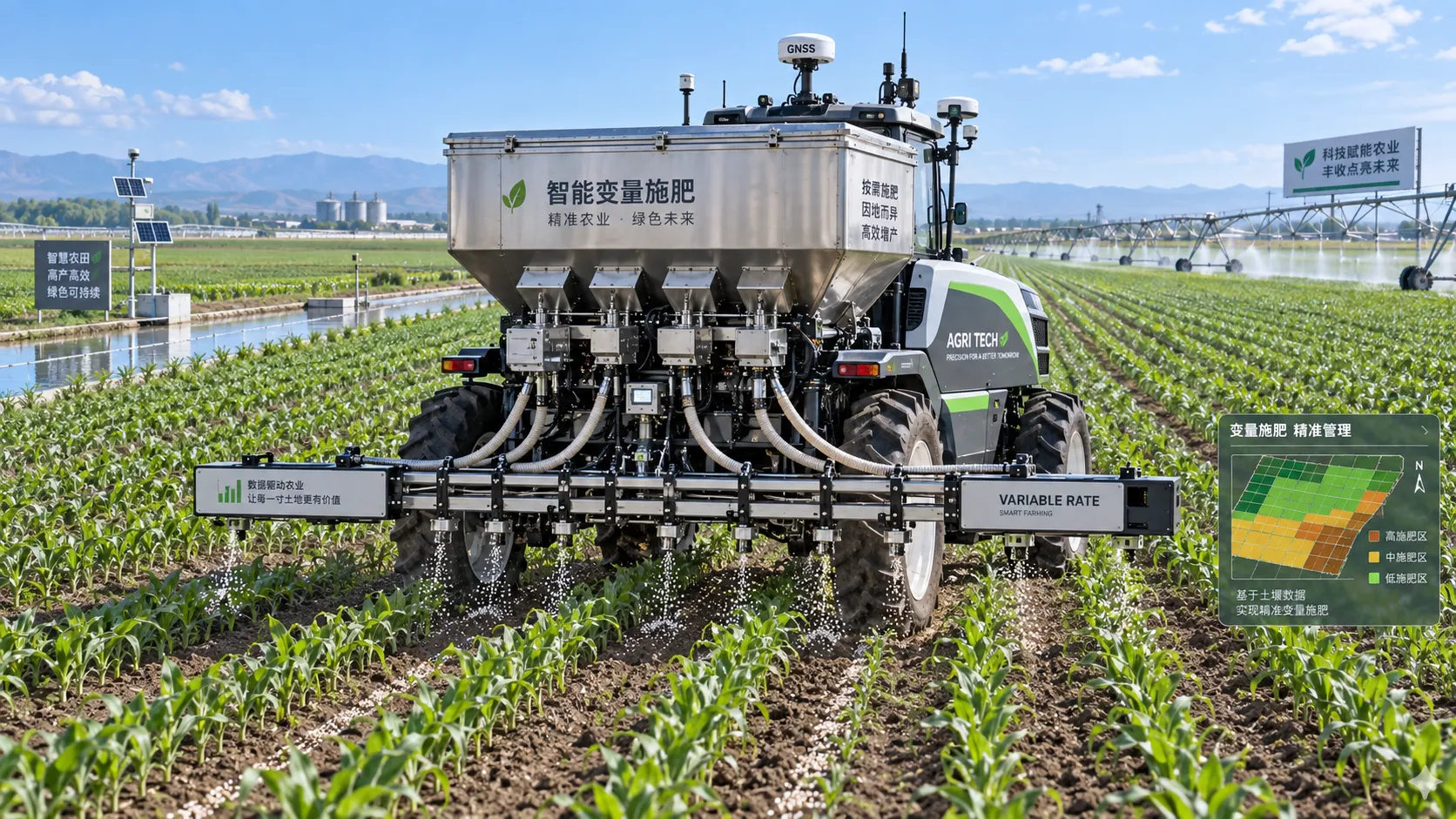
How to Evaluate Precision Fertilization System Suppliers for Farm-Scale Deployment
Precision fertilization systems suppliers: learn how to compare accuracy, integration, uptime, service, and total cost for confident farm-scale deployment.
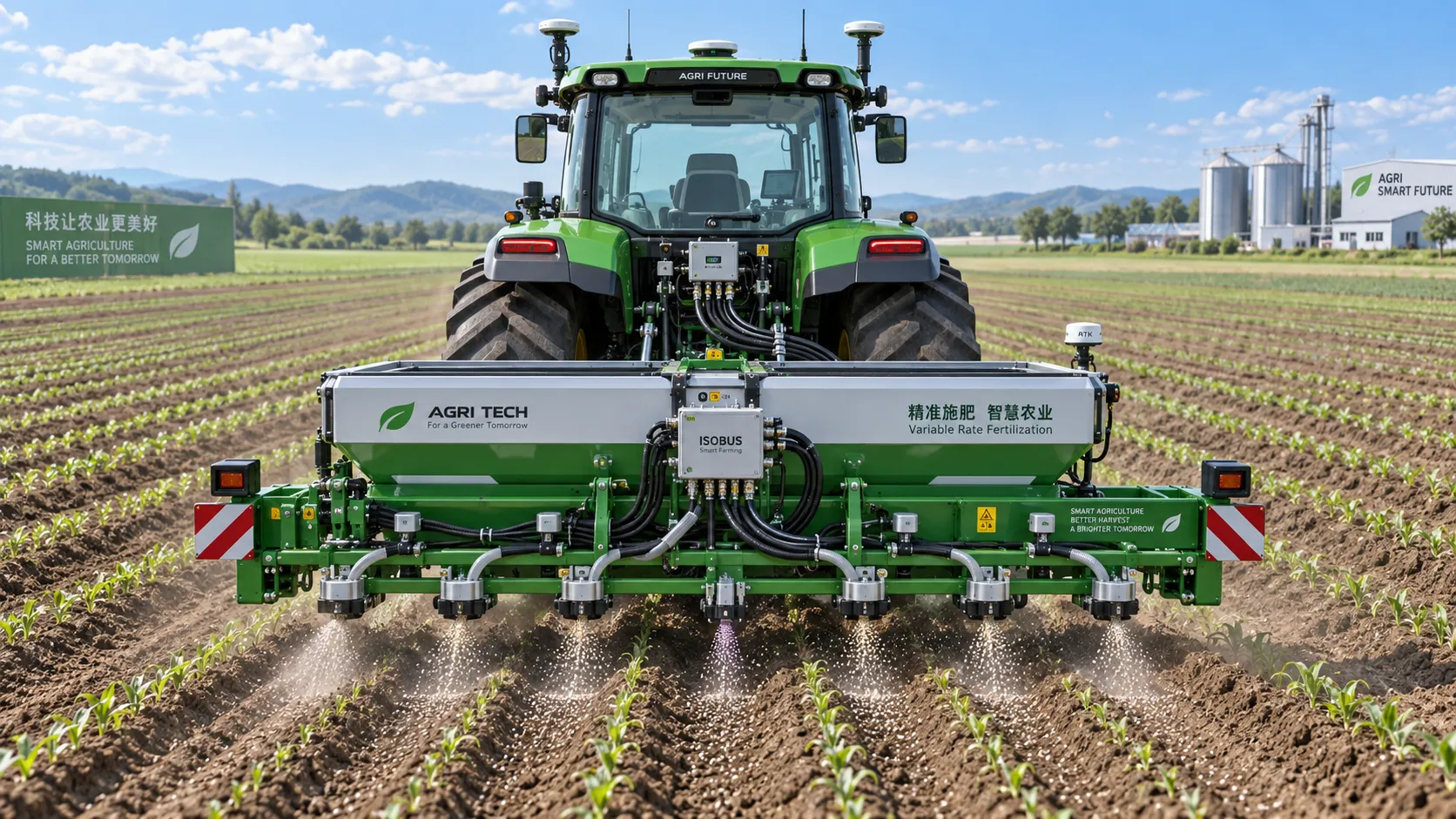
ISOBUS for Smart Agriculture: How It Connects Tractors, Implements, and Farm Data
ISOBUS for smart agriculture connects tractors, implements, terminals, and farm data—helping growers improve precision, documentation, and smarter field decisions.
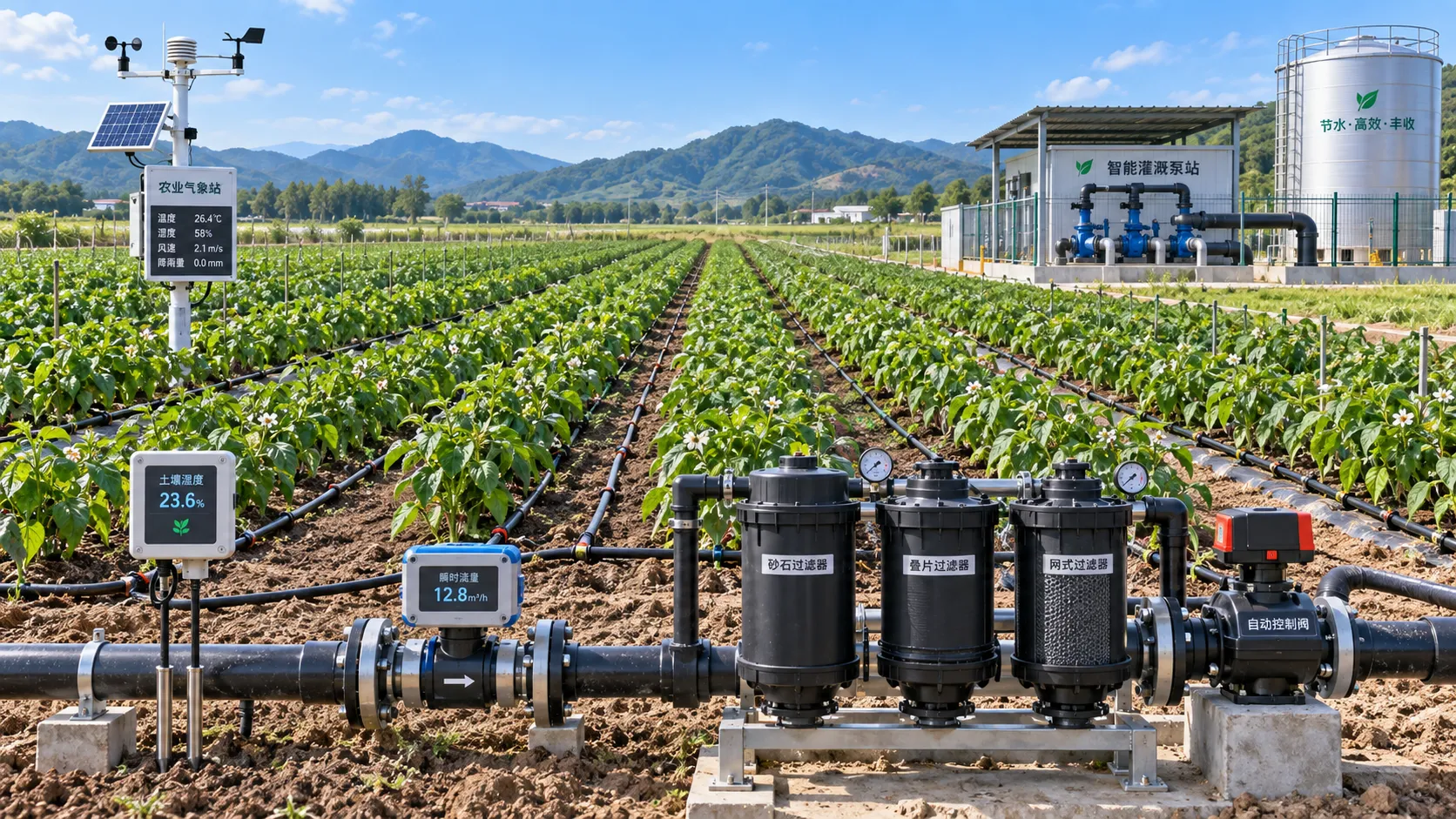
Automated Water-Saving Irrigation: How to Cut Water Use Without Reducing Crop Yields
Automated water-saving irrigation helps farms cut water use, protect crop yields, improve scheduling, and gain reliable control with sensors, flow monitoring, and smart zones.

Selecting Grain Farm Equipment by Acreage, Crop Mix, and Harvest Window
Agricultural equipment selection for grain farming: match machinery to acreage, crop mix, and harvest windows to improve uptime, efficiency, and returns.
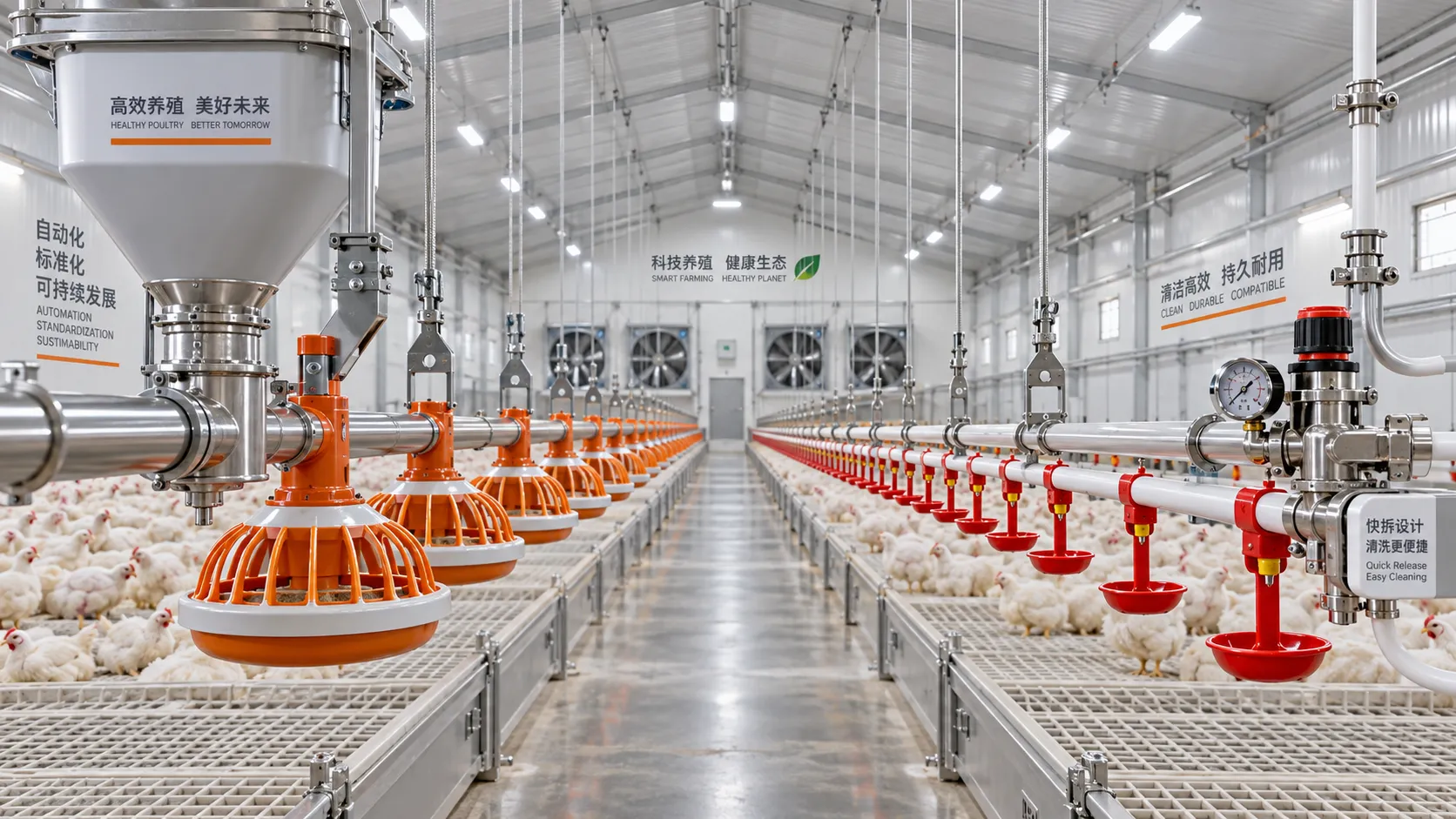
Poultry Equipment Selection: Evaluating Durability, Cleaning, and Compatibility
Poultry equipments selection guide: evaluate durability, cleaning access, and system compatibility to improve hygiene, reduce downtime, and support efficient flock management.
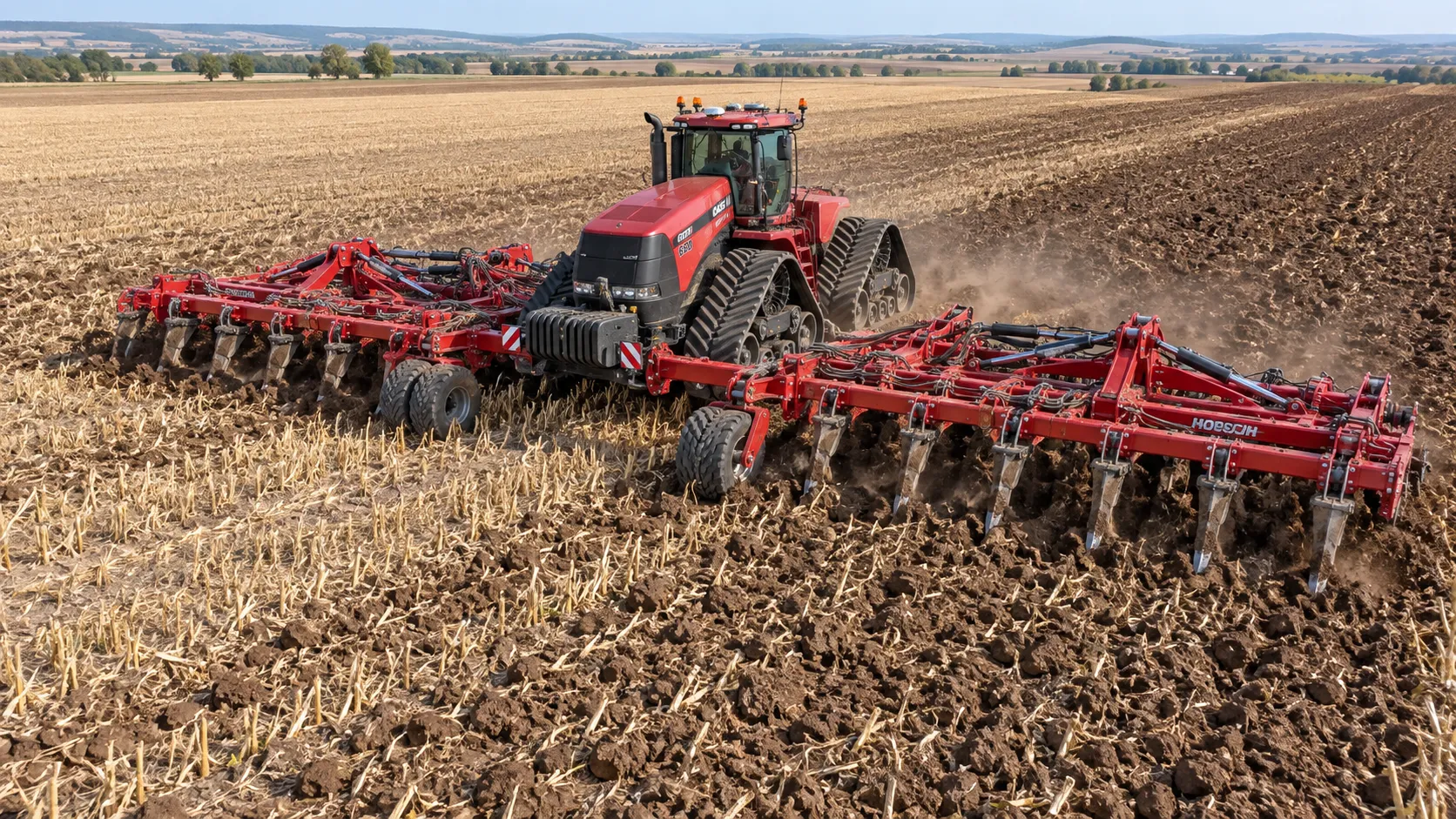
How to Select Heavy-Duty Farm Implements for High-Acreage, High-Horsepower Operations
Heavy duty farm implements: learn how to match draft, hydraulics, hitch capacity, frame strength, and field conditions for reliable high-acreage performance.
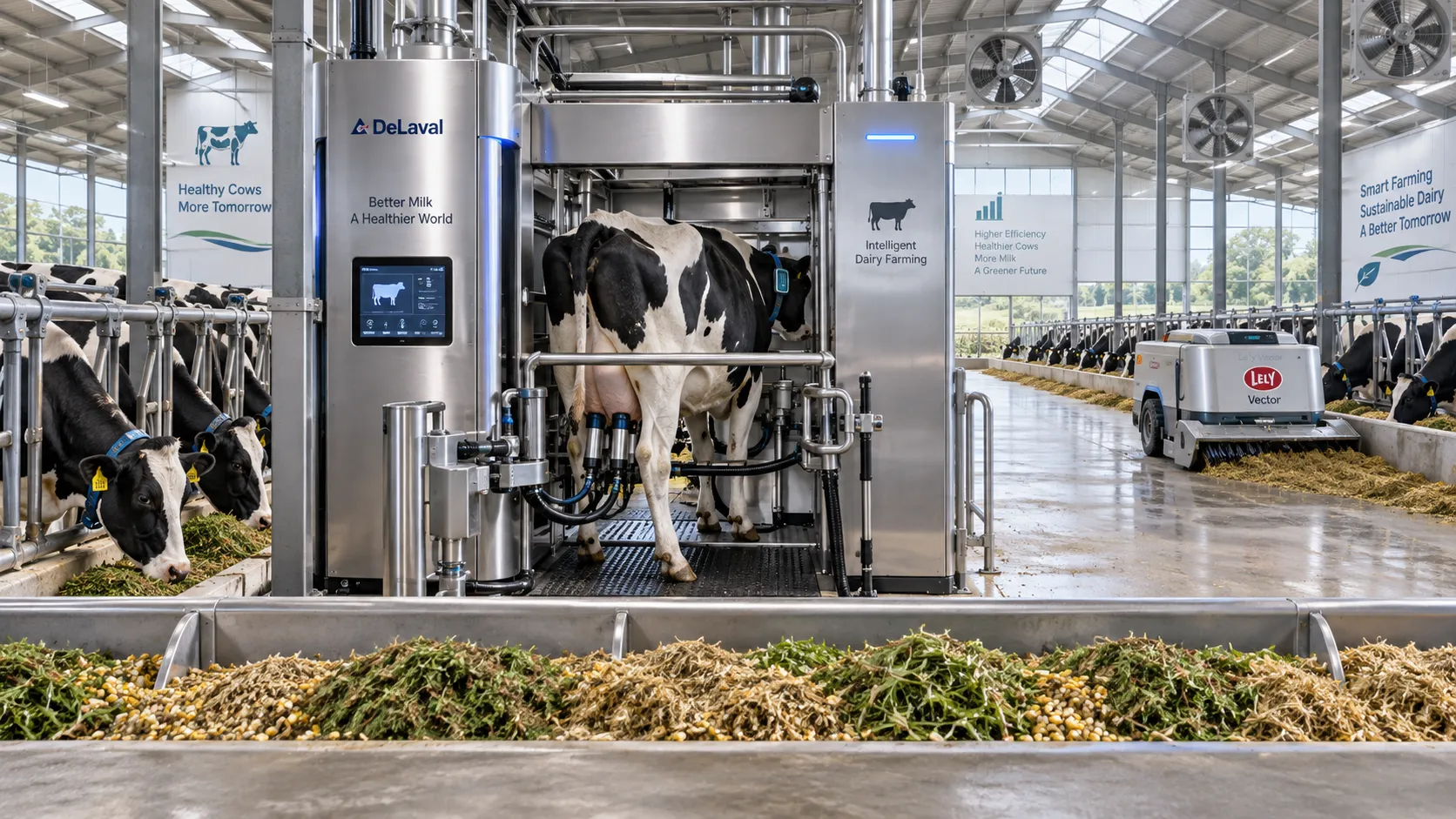
Smart Farming Technology for Dairy Farms: Where Automation Delivers Measurable ROI
Smart farming technology for dairy farms delivers measurable ROI through automation, precision feeding, health monitoring, and data-driven cost control.
Related News
- 00
0000-00
Automated Water-Saving Irrigation: How to Cut Water Use Without Reducing Crop Yields - 00
0000-00
How to Evaluate Drip Irrigation System Manufacturers for Large Farm Projects - 00
0000-00
Wireless Agricultural Automation for Remote Irrigation and Field Monitoring - 00
0000-00
Designing Water-Saving Drip Irrigation Systems for High-Value Orchards - 00
0000-00
How to Choose Irrigation Solutions for Arid Regions Based on Water Source and Crop Needs
Popular Tags
Hydrological Resource Strategist
Weekly Insights
Stay ahead with our curated technology reports delivered every Monday.