
Intelligent Irrigation Systems and the Payback Problem
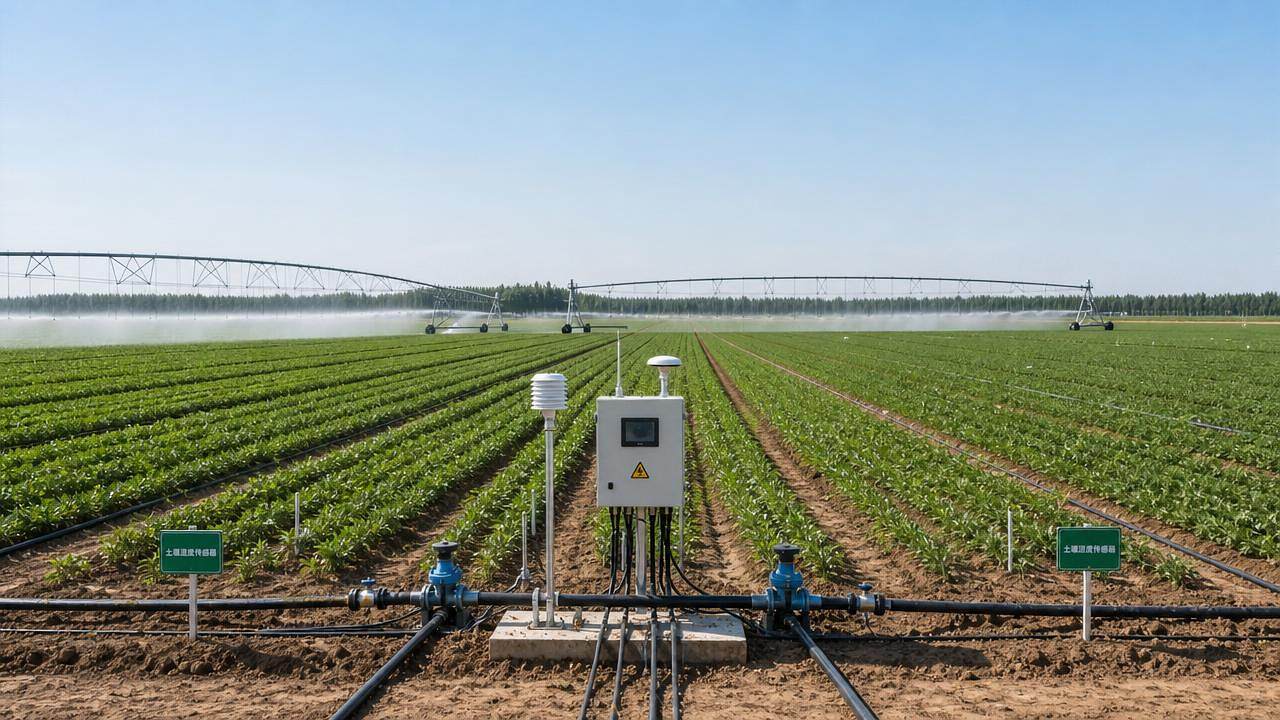




For procurement teams evaluating intelligent irrigation systems, the real question is not innovation alone, but how quickly that investment turns into measurable operational value. From water efficiency and labor savings to maintenance demands and long-term scalability, payback can vary widely. This article examines the factors shaping return on investment, helping buyers make more confident, data-informed decisions in a market where performance and cost discipline must go hand in hand.
Understanding intelligent irrigation systems in practical terms
Intelligent irrigation systems combine field hardware, data collection, automation logic, and control software to manage water application with greater precision than conventional fixed-schedule irrigation. In practical farm operations, this can include soil moisture sensors, pressure monitors, weather-based controllers, variable-rate irrigation, remote pump management, telemetry dashboards, and alert systems that detect leaks, clogging, or uneven distribution.
For buyers in large-scale agriculture, the value of intelligent irrigation systems is not limited to water savings. Their real significance lies in improving decision quality across the irrigation cycle: when to irrigate, how much to apply, which field zone needs priority, and how to coordinate energy use, labor availability, and crop stage. In the Agriculture 4.0 environment observed by AP-Strategy, irrigation is no longer an isolated utility function. It is increasingly connected to machinery planning, agronomic timing, sustainability reporting, and risk control.
This is why the payback problem receives so much attention. A system may appear technically advanced yet deliver disappointing financial returns if installation complexity, data quality issues, or poor fit with field conditions undermine adoption. Conversely, even a moderate system can produce a strong payback when matched to high-value crops, water-stressed regions, or labor-constrained operations.
Why the industry is paying closer attention
Global agriculture faces a more demanding operating context than it did a decade ago. Water scarcity, electricity price volatility, stricter environmental standards, and pressure to document resource efficiency are all pushing irrigation decisions into the strategic center of farm management. Procurement teams are therefore evaluating intelligent irrigation systems not only as equipment purchases, but as infrastructure investments tied to productivity, compliance, and resilience.
In many regions, irrigation costs now reflect more than pumping alone. Buyers must consider maintenance crews, system downtime, water allocation limits, field variability, yield sensitivity, and the opportunity cost of delayed irrigation. At the same time, digital technologies have matured. Sensors are more reliable, cloud platforms are easier to use, and integration with weather feeds, satellite imagery, and farm management software is becoming more common. These changes make intelligent irrigation systems more accessible, but they also raise expectations. Buyers increasingly expect measurable outcomes, not just digital features.
For an intelligence-led platform such as AP-Strategy, this shift is especially important because irrigation decisions intersect with machinery utilization, crop scheduling, and the broader move toward resource-saving standards. A farm that invests in precision equipment but continues using inefficient irrigation logic often leaves a major source of value unrealized.
What shapes the payback period
The payback of intelligent irrigation systems is rarely determined by one headline metric. Instead, it depends on a set of interacting variables. Procurement teams should evaluate these factors together rather than treating water savings as the only source of return.
- Water cost and scarcity: The higher the price of water, pumping, or allocation access, the faster precision control can generate visible savings.
- Crop value and sensitivity: High-value crops and yield-sensitive growth stages often justify a shorter payback because timing accuracy matters more.
- Field variability: Farms with uneven soil conditions, slope differences, or distribution inefficiencies benefit more from site-specific irrigation logic.
- Labor availability: Remote monitoring and automated control reduce manual checks, night operations, and emergency interventions.
- Energy efficiency: Better scheduling can lower pumping costs by avoiding unnecessary runtime and improving pressure management.
- Maintenance performance: Systems that detect leaks, clogging, or pressure drops early can reduce hidden losses and protect asset life.
- Adoption discipline: The best technology still requires users to trust data, respond to alerts, and maintain sensors correctly.
A common buyer mistake is to ask, “How many seasons until payback?” without first defining the baseline. If a farm currently over-irrigates, lacks moisture visibility, and depends on manual scheduling, the potential return can be substantial. If the existing system is already efficient and well-managed, the financial gap may be narrower, and the case may depend more on risk reduction and scalability than on direct savings alone.
Industry overview: where value typically comes from
The table below summarizes the main operational levers that influence return on intelligent irrigation systems and why they matter in procurement evaluation.
Typical system types and their business relevance
Not all intelligent irrigation systems are built for the same operational reality. Procurement teams should distinguish among system classes rather than comparing all solutions on a single price line.
A smaller upgrade path may deliver faster payback than a fully integrated platform if the operation lacks digital readiness. On the other hand, large enterprises with multiple fields, pump stations, and reporting obligations may gain more from an ecosystem approach, even if the upfront cost is higher. The best procurement decision is therefore context-based, not feature-based.
Where intelligent irrigation systems create the strongest value
The business case tends to be strongest in operations where irrigation errors are expensive. This includes high-value horticulture, broadacre farms under water restrictions, seed production environments, and operations managing dispersed fields with limited technical staff. In these settings, small gains in uniformity, timing, or fault detection can translate into meaningful operational improvements.
There is also growing value in regions where climate variability creates less predictable irrigation windows. Intelligent irrigation systems help farms respond to changing evapotranspiration patterns, rainfall uncertainty, and heat stress more dynamically. That flexibility is increasingly important for businesses trying to protect both yield and resource use targets.
From a broader industry perspective, these systems support traceability and sustainability narratives that matter to processors, exporters, and finance partners. Water-use efficiency is no longer only an internal operating metric. It can affect market access, stakeholder confidence, and long-term competitiveness.
What procurement teams should examine before buying
A high-quality procurement process for intelligent irrigation systems should go beyond technical brochures. Buyers should test whether the proposed solution fits the physical, agronomic, and organizational realities of the farm. Several checkpoints are especially important.
- Baseline measurement: Document current water use, labor input, pressure stability, downtime frequency, and irrigation uniformity before evaluating return claims.
- Infrastructure compatibility: Confirm whether pumps, valves, pipelines, power supply, and communications can support the new system without major hidden upgrades.
- Data usability: A platform that generates data but cannot support quick field decisions may underperform despite technical sophistication.
- Service capacity: Local technical support, spare parts access, and commissioning expertise are often decisive in long-cycle agricultural assets.
- Scalability: Buyers should ask whether the system can expand by field, crop, or region without requiring a complete replacement.
- Cyber and connectivity resilience: Remote control functions must include reliable fallback modes in case of signal loss or software issues.
Procurement teams should also challenge vendor payback models. Savings assumptions should be tied to the farm’s actual pumping costs, cropping pattern, water source, and labor structure. If the proposal depends on ideal user behavior, perfect sensor placement, or unusually high reduction percentages, the forecast may be overly optimistic.
Common reasons payback falls short
Even well-designed intelligent irrigation systems can disappoint when implementation discipline is weak. One common issue is underestimating change management. Farm teams may continue irrigating by habit rather than by data, which limits the system’s effect. Another issue is poor sensor maintenance, leading to unreliable readings and loss of user trust. In some cases, communication infrastructure is too weak for stable monitoring, especially across remote or fragmented fields.
There is also the problem of overbuying. Some farms invest in highly complex platforms with analytics and integrations they are not prepared to use. The result is higher cost without corresponding benefit. For this reason, the best intelligent irrigation systems are not necessarily the most advanced on paper; they are the ones aligned with operational maturity and management capacity.
A practical framework for decision-making
A useful way to evaluate intelligent irrigation systems is to separate return into three layers. First is direct efficiency: water, energy, and labor savings. Second is production protection: reduced yield loss, improved crop consistency, and fewer irrigation-related failures. Third is strategic capability: better reporting, expansion readiness, and alignment with sustainability goals. The strongest business case appears when all three layers are present, even if one of them is less dramatic in the first season.
For many buyers, a phased approach is the most disciplined option. Starting with priority fields, critical zones, or the most water-intensive crops allows performance to be validated before wider deployment. This method reduces risk, improves user adoption, and creates farm-specific evidence for broader capital planning.
Final perspective for buyers
Intelligent irrigation systems should be viewed neither as a simple utility upgrade nor as a purely digital trend purchase. They are operational assets whose payback depends on agronomic fit, infrastructure readiness, user adoption, and the economic context of water, labor, and energy. For procurement teams, the core task is to identify where precision water management solves a real business constraint and where claimed savings are truly measurable.
In a market shaped by food security pressures, climate volatility, and higher expectations for resource efficiency, intelligent irrigation systems are becoming more strategically relevant. Buyers who combine technical evaluation with realistic field economics will be better positioned to secure systems that deliver not only innovation, but durable operating value. For organizations tracking Agriculture 4.0 transitions, that is where smarter irrigation moves from a promising concept to a justified investment.
Related News
When Does Agricultural Machinery Leasing Cost Less Than Owning Equipment?
Agricultural machinery leasing can lower farm costs when use is seasonal or uncertain. Compare utilization, maintenance, cash flow, and risk to make a smarter equipment decision.
How to Evaluate Precision Fertilization System Suppliers for Farm-Scale Deployment
Precision fertilization systems suppliers: learn how to compare accuracy, integration, uptime, service, and total cost for confident farm-scale deployment.
ISOBUS for Smart Agriculture: How It Connects Tractors, Implements, and Farm Data
ISOBUS for smart agriculture connects tractors, implements, terminals, and farm data—helping growers improve precision, documentation, and smarter field decisions.
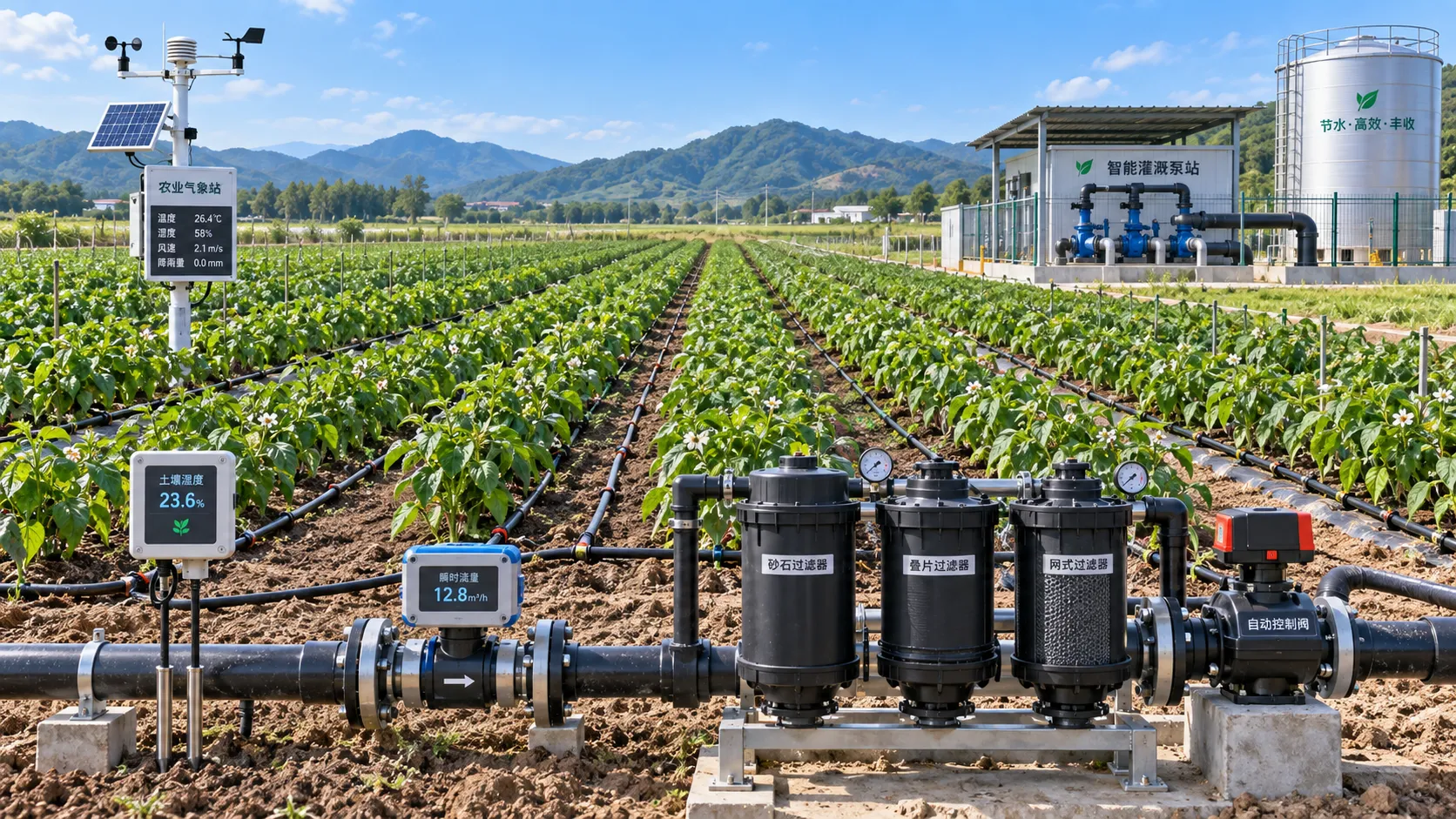
Automated Water-Saving Irrigation: How to Cut Water Use Without Reducing Crop Yields
Automated water-saving irrigation helps farms cut water use, protect crop yields, improve scheduling, and gain reliable control with sensors, flow monitoring, and smart zones.
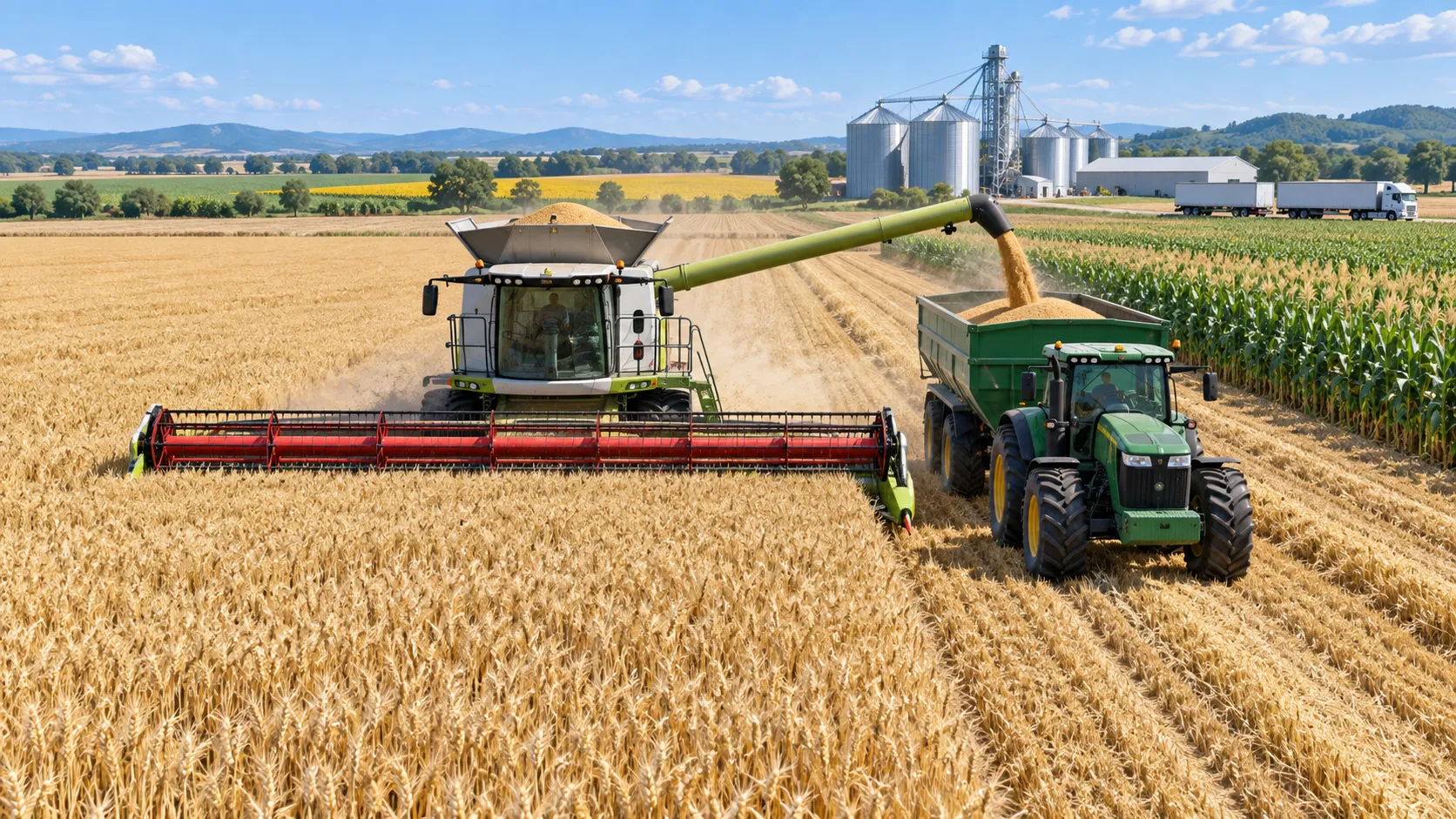
Selecting Grain Farm Equipment by Acreage, Crop Mix, and Harvest Window
Agricultural equipment selection for grain farming: match machinery to acreage, crop mix, and harvest windows to improve uptime, efficiency, and returns.
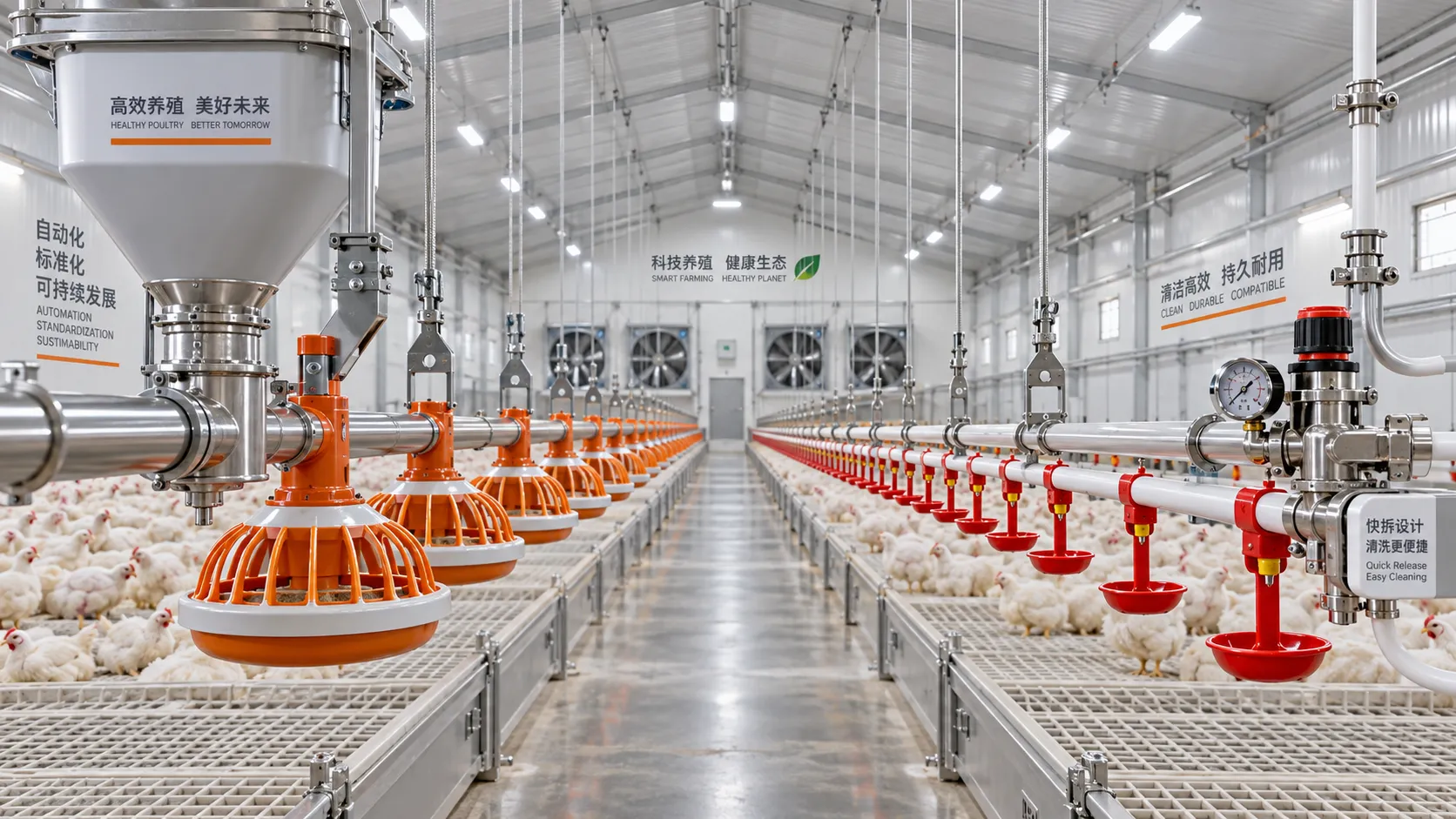
Poultry Equipment Selection: Evaluating Durability, Cleaning, and Compatibility
Poultry equipments selection guide: evaluate durability, cleaning access, and system compatibility to improve hygiene, reduce downtime, and support efficient flock management.
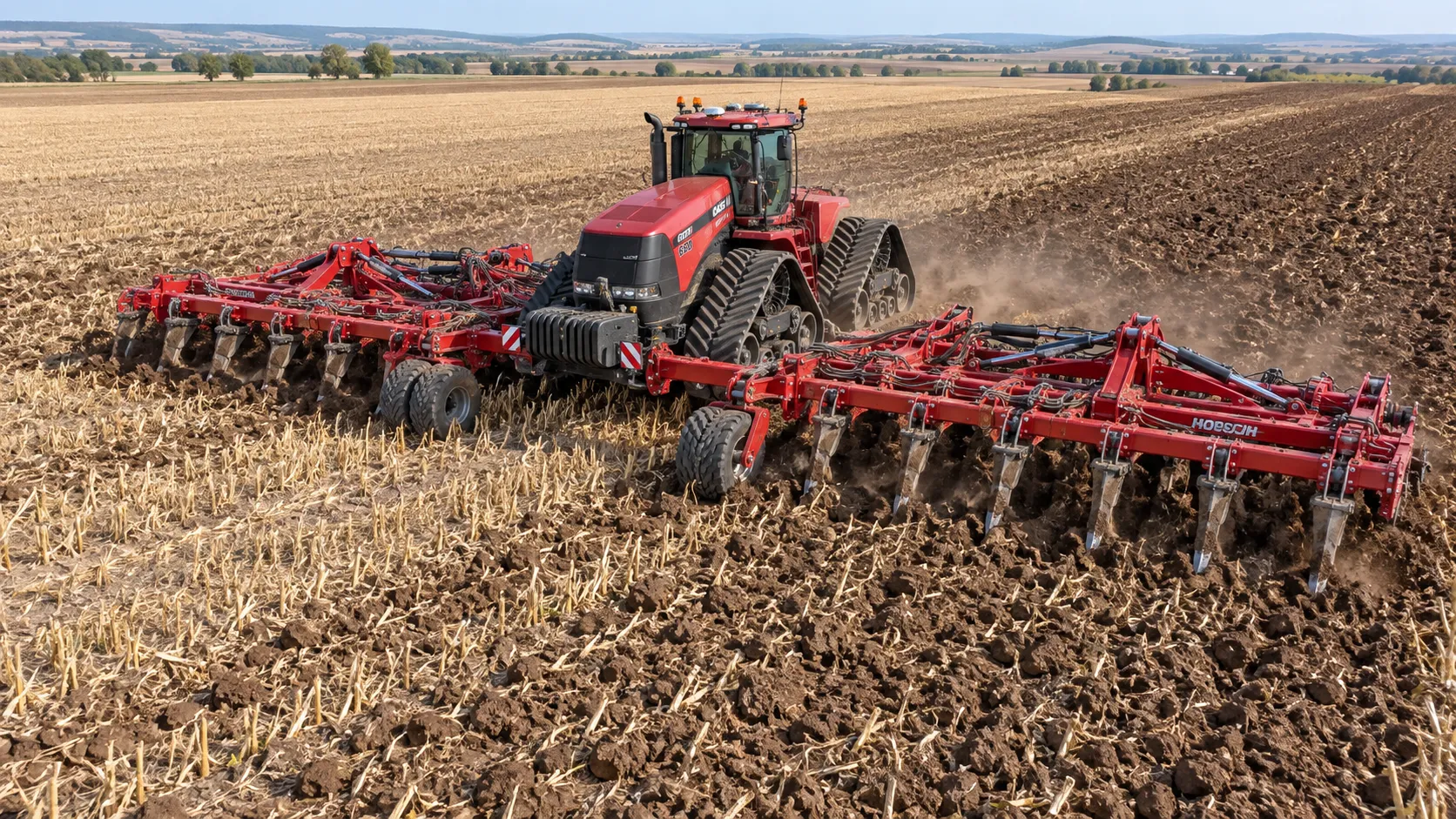
How to Select Heavy-Duty Farm Implements for High-Acreage, High-Horsepower Operations
Heavy duty farm implements: learn how to match draft, hydraulics, hitch capacity, frame strength, and field conditions for reliable high-acreage performance.
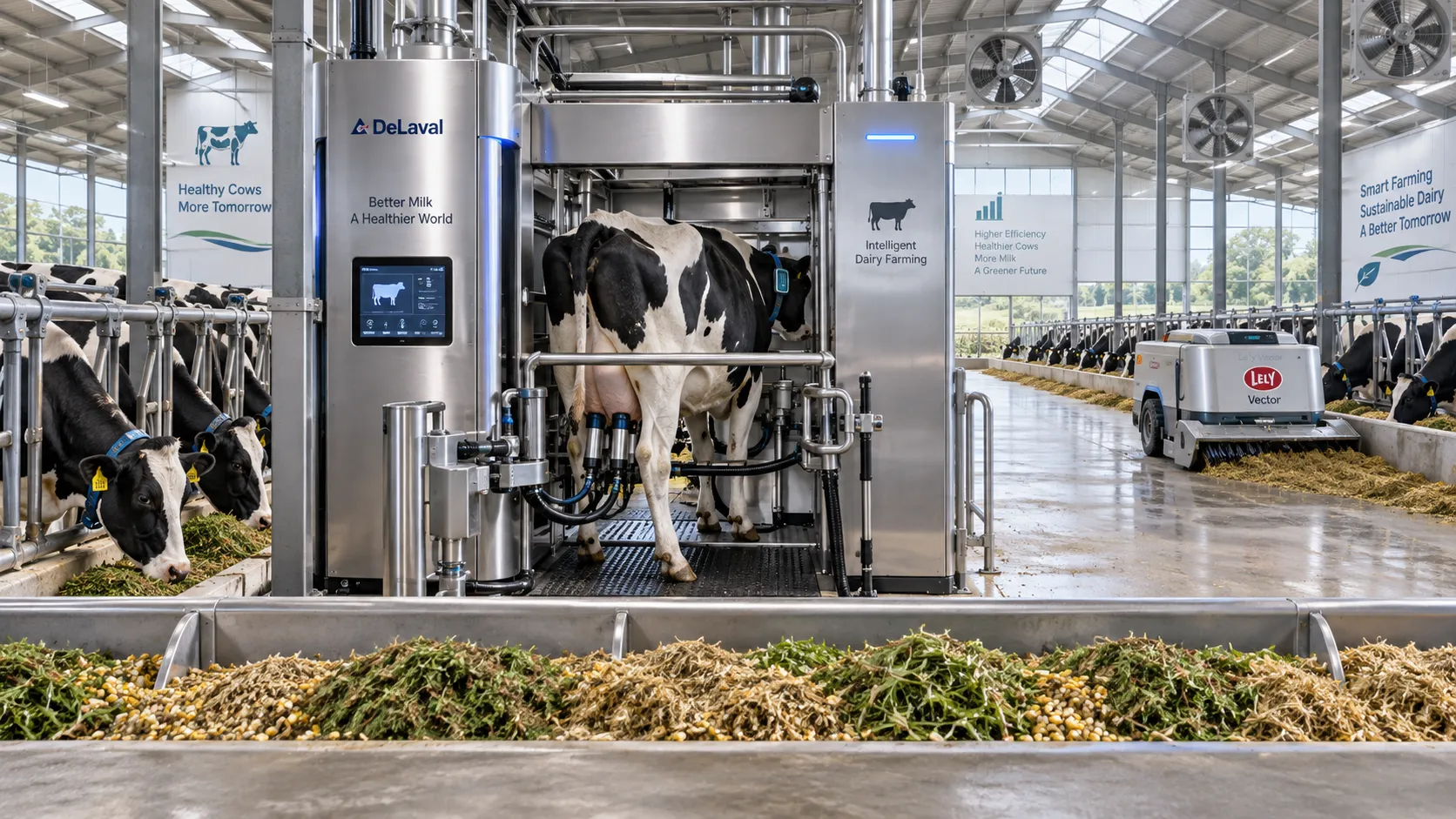
Smart Farming Technology for Dairy Farms: Where Automation Delivers Measurable ROI
Smart farming technology for dairy farms delivers measurable ROI through automation, precision feeding, health monitoring, and data-driven cost control.
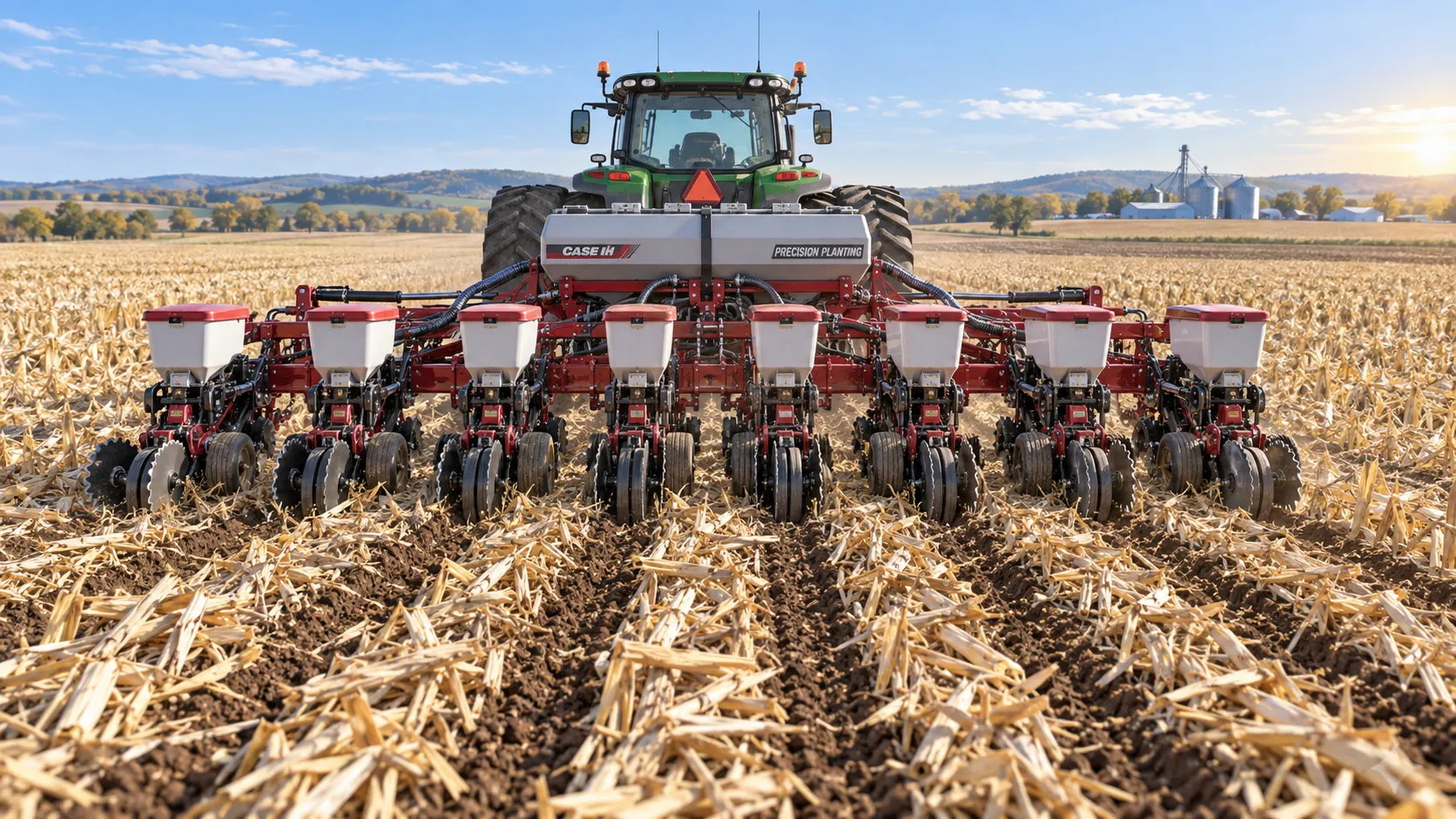
How to Select a Heavy-Duty Seeder for Large Acreage and High-Residue Fields
Heavy duty seeders for large acreage: compare residue handling, depth control, downforce, metering accuracy, and precision features to select the right model.
Related News
- 00
0000-00
Automated Water-Saving Irrigation: How to Cut Water Use Without Reducing Crop Yields - 00
0000-00
How to Evaluate Drip Irrigation System Manufacturers for Large Farm Projects - 00
0000-00
Wireless Agricultural Automation for Remote Irrigation and Field Monitoring - 00
0000-00
Designing Water-Saving Drip Irrigation Systems for High-Value Orchards - 00
0000-00
How to Choose Irrigation Solutions for Arid Regions Based on Water Source and Crop Needs
Popular Tags
Hydrological Resource Strategist
Weekly Insights
Stay ahead with our curated technology reports delivered every Monday.