
1071 New Chinese National Standards Take Effect May 2026
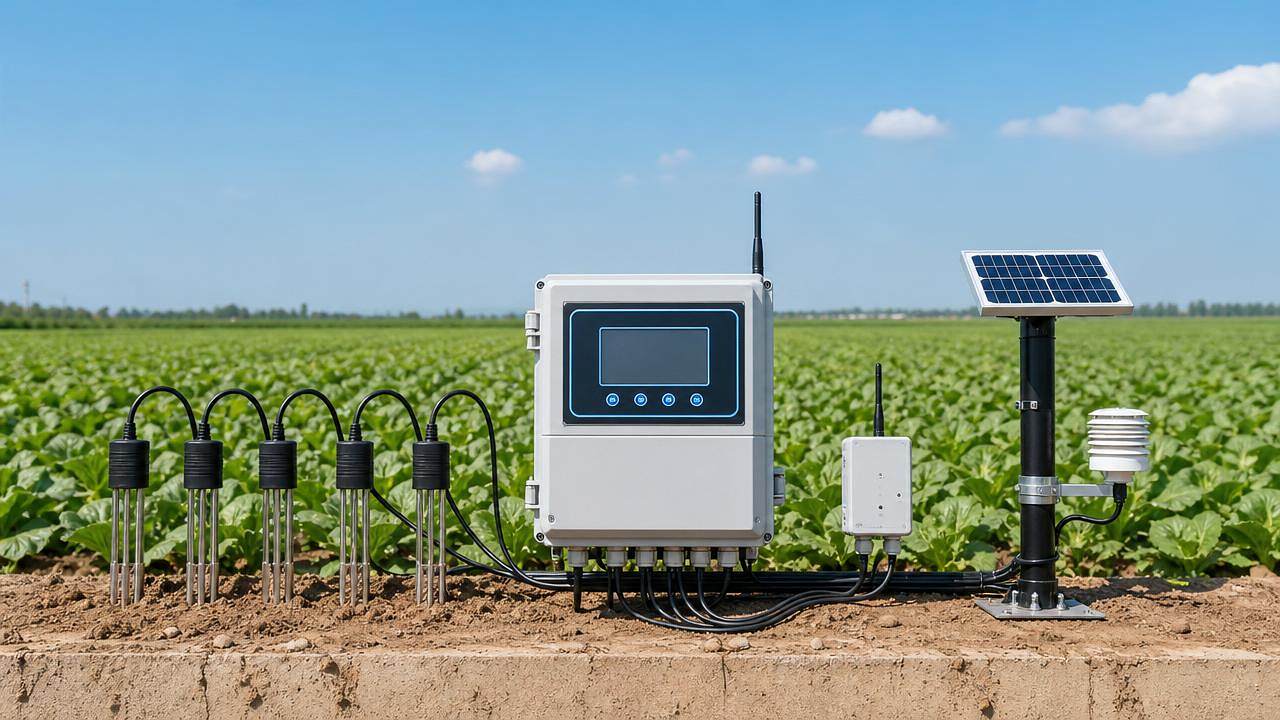




Starting 1 May 2026, China will implement 1071 newly approved national standards, including key specifications for agricultural IoT sensing and control devices, smart irrigation system communication architectures, and cybersecurity requirements—directly affecting exporters of smart irrigation controllers, soil sensors, and center-pivot sprinkler systems targeting CE/UKCA-marked markets.
Event Overview
Effective 1 May 2026, 1071 national standards issued by the Standardization Administration of China (SAC) enter into force. Among them is GB/T XXXXX–2025: Internet of Things – Logistics Parks – Part 1: General Requirements for Application Systems, alongside other standards explicitly covering agricultural IoT perception and control equipment, communication network architecture for irrigation systems, and mandatory security provisions. Publicly available information confirms these standards impose binding requirements on data interfaces, encrypted transmission, and remote diagnostic capabilities for relevant products.
Industries Affected
Export-oriented manufacturing enterprises
These firms produce smart irrigation controllers, soil moisture sensors, and center-pivot sprinkler systems intended for EU or UK markets. The new standards introduce technical prerequisites—including interface protocols and encryption methods—that may conflict with current CE/UKCA conformity assessment pathways. Compliance verification now requires cross-referencing both Chinese national standards and EU/UK regulatory frameworks.
International importers and distributors
Overseas buyers sourcing such agricultural IoT hardware from Chinese suppliers must reassess product compliance documentation. Under the new standards, evidence of conformance to data interface definitions, secure transmission mechanisms, and remote diagnostic functionality becomes a prerequisite—not just for domestic sale in China, but increasingly for contractual acceptance and customs clearance in downstream markets where regulatory scrutiny is tightening.
Supply chain certification and testing service providers
Third-party labs and certification bodies supporting export compliance face updated scope requirements. Testing protocols for data interoperability, cryptographic implementation, and firmware-level remote diagnostics—previously optional or market-driven—may now be formally referenced in SAC-recognized test reports aligned with the new GB/T series.
What Enterprises and Practitioners Should Focus On Now
Monitor official SAC implementation guidance and transitional arrangements
While the effective date is fixed at 1 May 2026, SAC may issue supplementary notices clarifying enforcement timelines, grandfathering clauses, or alignment interpretations with existing international standards (e.g., ISO/IEC 27001, IEC 62443). These documents—once published—will determine whether legacy product lines require re-certification or only new designs must comply.
Map affected product categories against specific standard clauses
Not all 1071 standards apply uniformly. Enterprises should identify which exact GB/T numbers reference agricultural IoT devices and irrigation systems (e.g., those specifying Modbus-TCP over TLS, MQTT-SN security profiles, or diagnostic command sets), then audit current product firmware, API documentation, and communication stack configurations against those clauses—not generic IoT standards.
Distinguish between policy signal and operational impact
Analysis shows that the new standards reflect a broader shift toward mandating baseline cybersecurity and interoperability in industrial IoT—but do not automatically invalidate existing CE/UKCA certifications. Their immediate effect lies in procurement due diligence and contract terms, not automatic market withdrawal. Current business continuity depends more on buyer expectations than regulatory enforcement outside China.
Prepare technical documentation and supplier communications in advance
Manufacturers should update datasheets, user manuals, and firmware release notes to explicitly state conformance with applicable new GB/T standards. Importers should initiate dialogue with Chinese suppliers before Q4 2025 to confirm readiness—and request evidence (e.g., test reports, interface specification sheets) supporting claims related to encrypted data transmission and remote diagnostics.
Editorial Perspective / Industry Observation
Observably, this rollout signals China’s institutionalization of technical sovereignty in agricultural digital infrastructure—not merely harmonization with global norms. From an industry perspective, it marks the formal integration of IoT security and data exchange requirements into national mandatory frameworks for agri-tech hardware. Analysis suggests this is primarily a regulatory signal rather than an immediate compliance trigger outside China; however, its influence is likely to cascade through supply chains as multinationals align internal procurement policies with emerging national baselines. Continued attention is warranted because future revisions may tighten linkage to international conformity assessments—or extend applicability to additional product families beyond irrigation and sensing.
Conclusion
This development underscores how national standardization activity increasingly shapes cross-border trade conditions—not only for market access within China, but also for upstream compliance expectations in export-dependent sectors. It is best understood not as a standalone regulatory event, but as one component of a longer-term recalibration of technical requirements across agricultural IoT value chains. Current readiness hinges less on urgent redesign and more on precise clause-level mapping, proactive documentation, and calibrated supplier engagement.
Information Sources
Main source: Standardization Administration of China (SAC), official announcement of approved national standards (2025 edition), effective date confirmed as 1 May 2026.
Note: Specific GB/T numbers beyond the cited logistics park standard have not been publicly disclosed in full; their detailed scope remains subject to ongoing official publication and interpretation.
Related News
How to Select Precision Crop Protection Equipment for Variable Field Conditions
Precision crop protection equipment selection made simple: compare terrain, canopy, weather, control accuracy, and data workflows for reliable applications.
When Does Agricultural Machinery Leasing Cost Less Than Owning Equipment?
Agricultural machinery leasing can lower farm costs when use is seasonal or uncertain. Compare utilization, maintenance, cash flow, and risk to make a smarter equipment decision.
How to Evaluate Precision Fertilization System Suppliers for Farm-Scale Deployment
Precision fertilization systems suppliers: learn how to compare accuracy, integration, uptime, service, and total cost for confident farm-scale deployment.
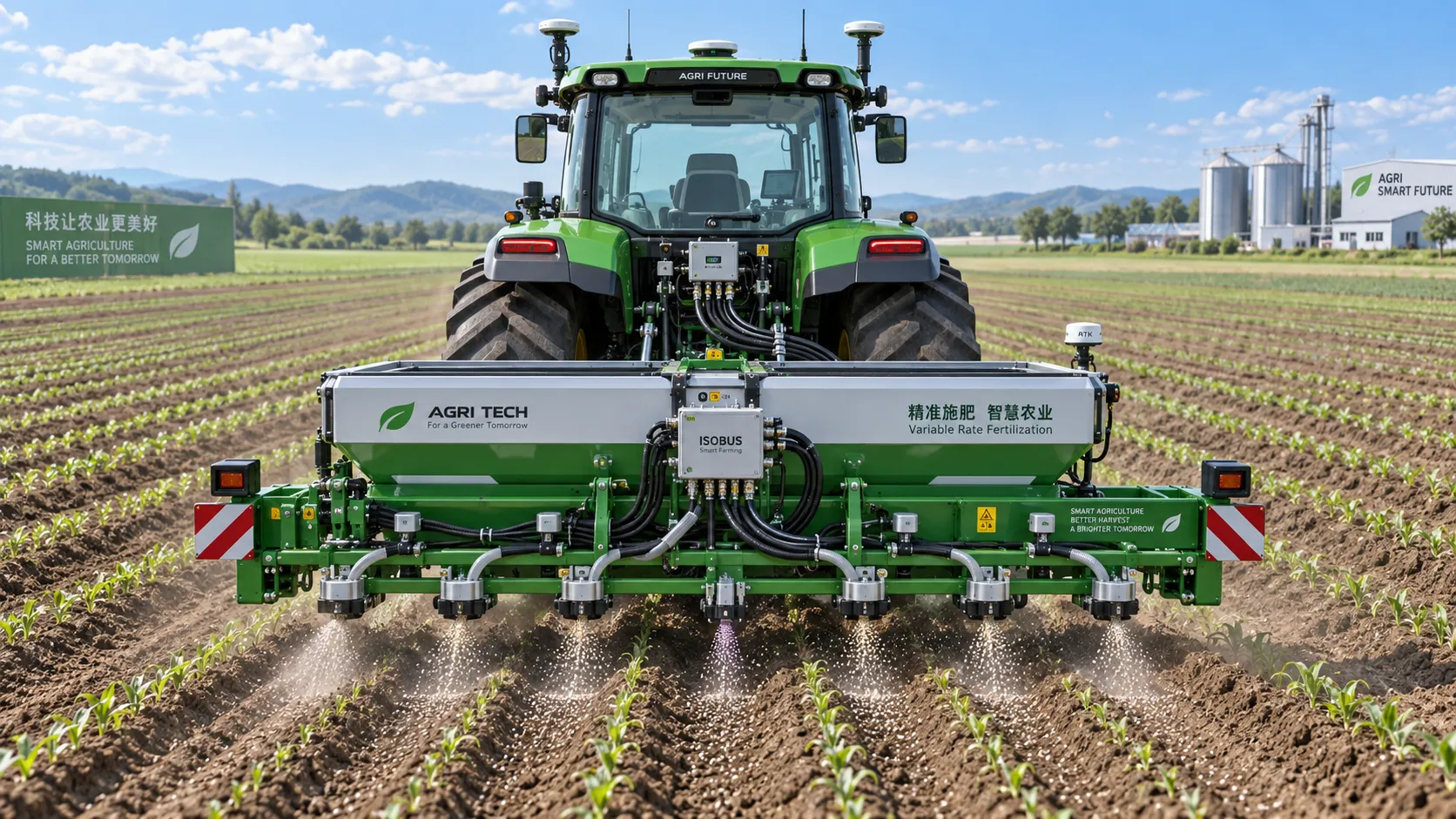
ISOBUS for Smart Agriculture: How It Connects Tractors, Implements, and Farm Data
ISOBUS for smart agriculture connects tractors, implements, terminals, and farm data—helping growers improve precision, documentation, and smarter field decisions.
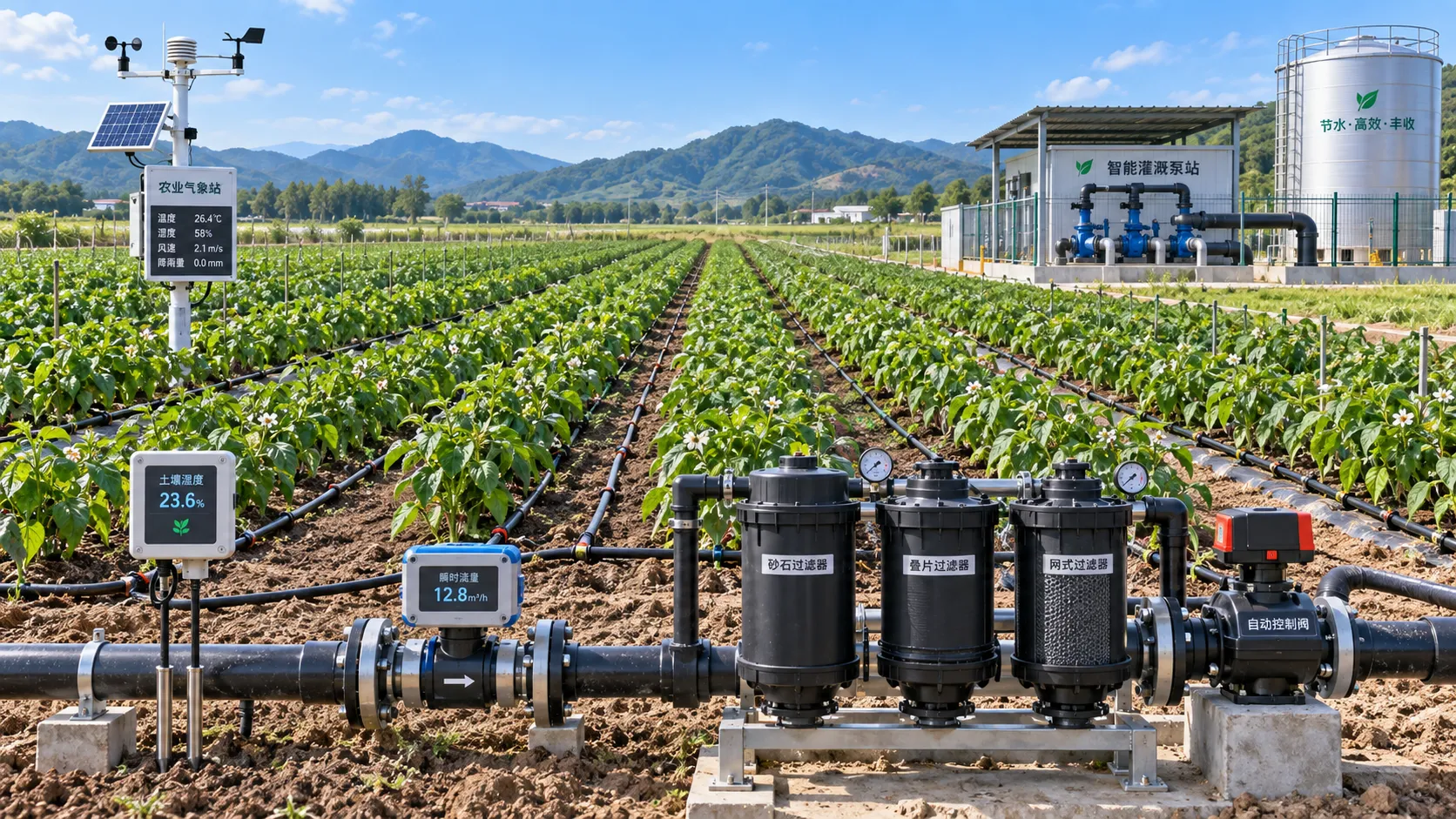
Automated Water-Saving Irrigation: How to Cut Water Use Without Reducing Crop Yields
Automated water-saving irrigation helps farms cut water use, protect crop yields, improve scheduling, and gain reliable control with sensors, flow monitoring, and smart zones.
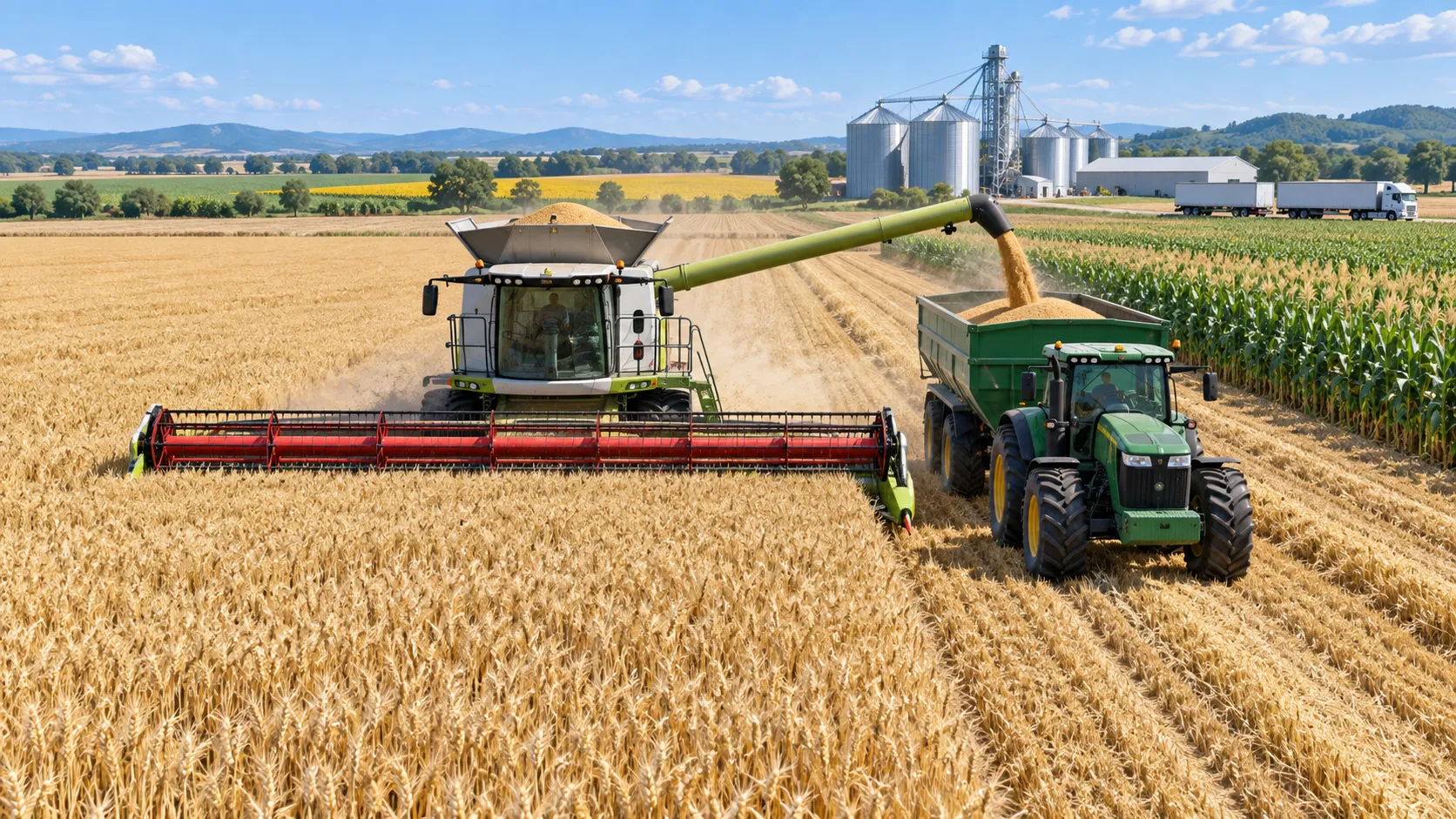
Selecting Grain Farm Equipment by Acreage, Crop Mix, and Harvest Window
Agricultural equipment selection for grain farming: match machinery to acreage, crop mix, and harvest windows to improve uptime, efficiency, and returns.
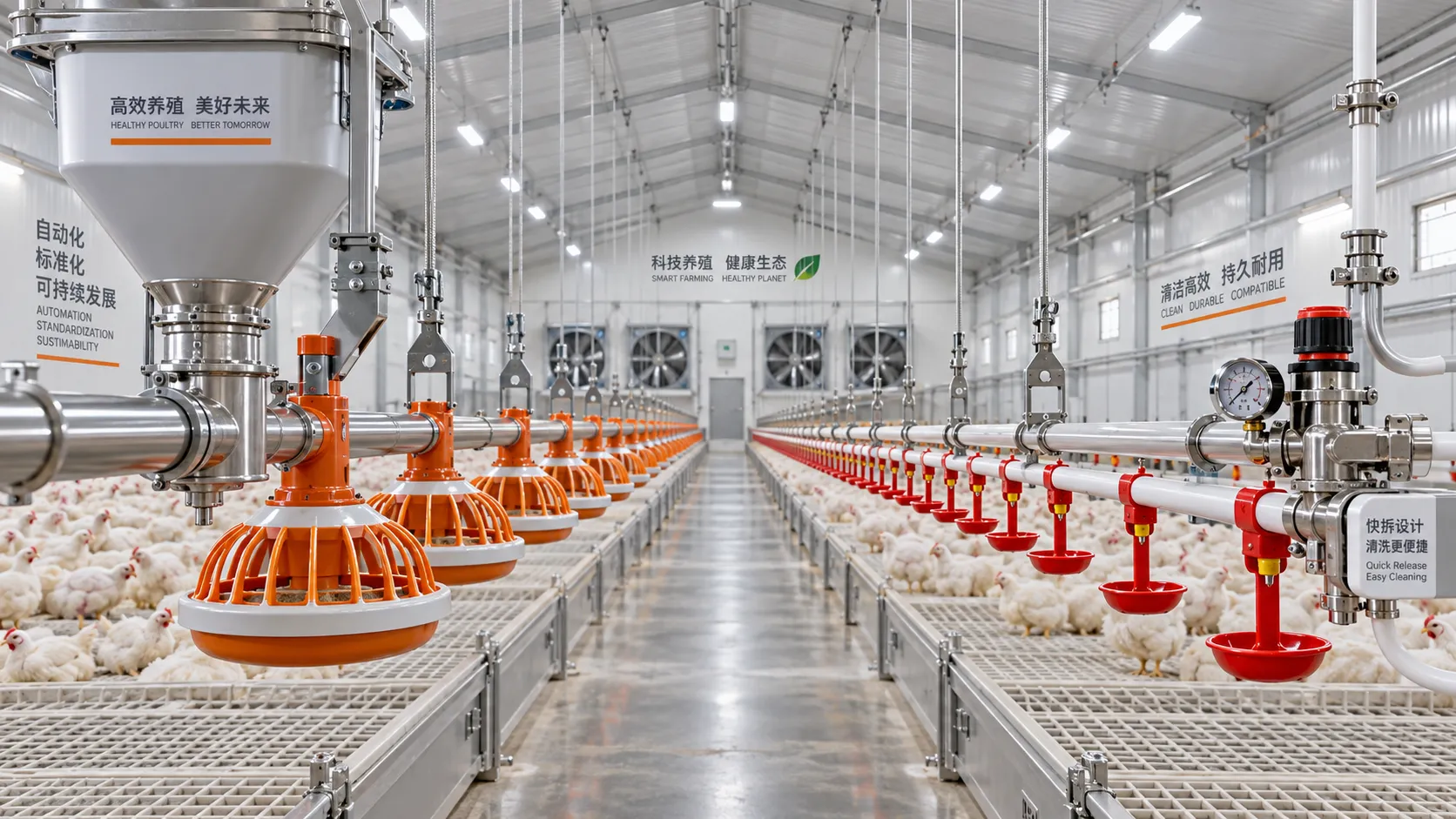
Poultry Equipment Selection: Evaluating Durability, Cleaning, and Compatibility
Poultry equipments selection guide: evaluate durability, cleaning access, and system compatibility to improve hygiene, reduce downtime, and support efficient flock management.
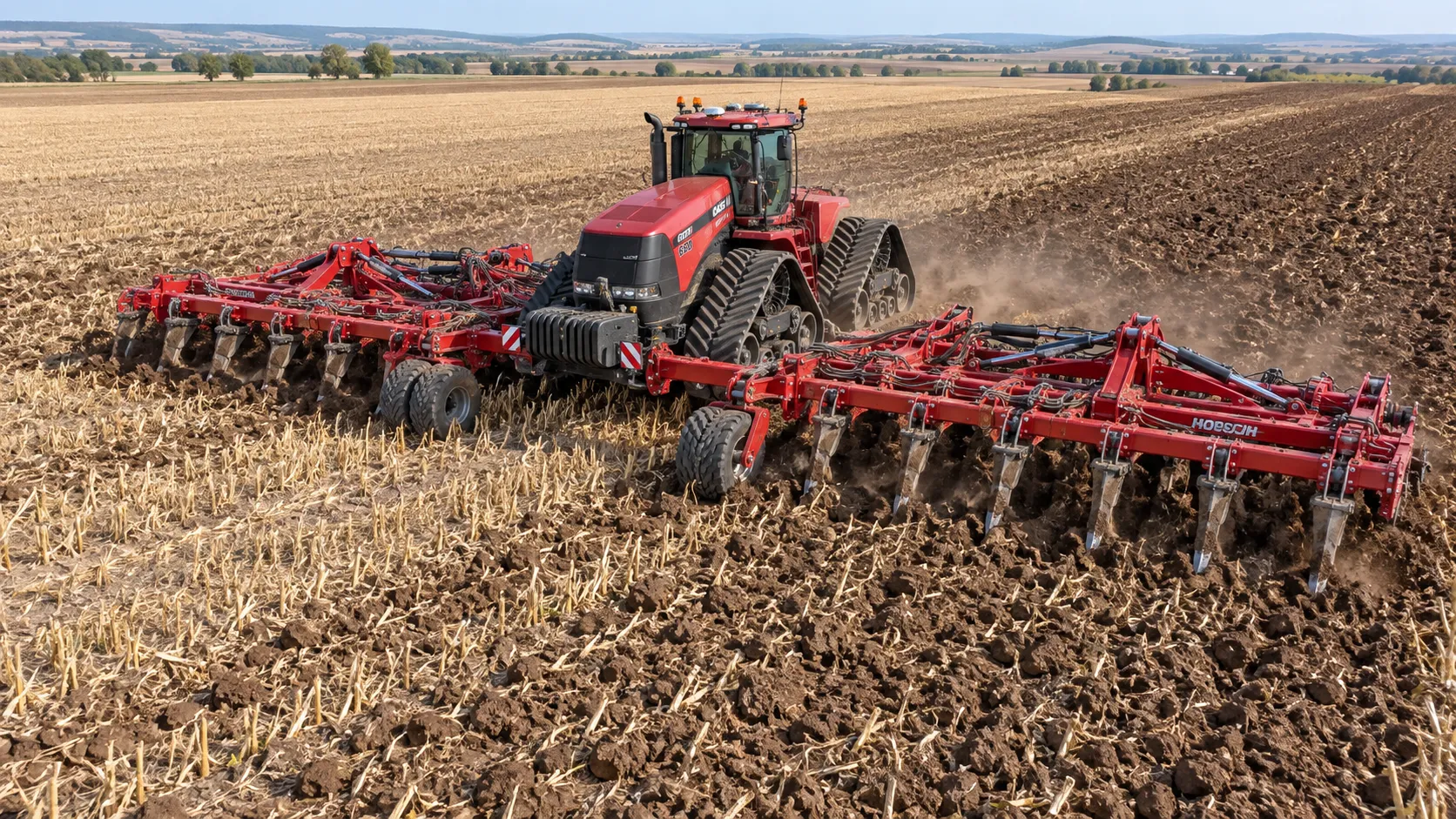
How to Select Heavy-Duty Farm Implements for High-Acreage, High-Horsepower Operations
Heavy duty farm implements: learn how to match draft, hydraulics, hitch capacity, frame strength, and field conditions for reliable high-acreage performance.
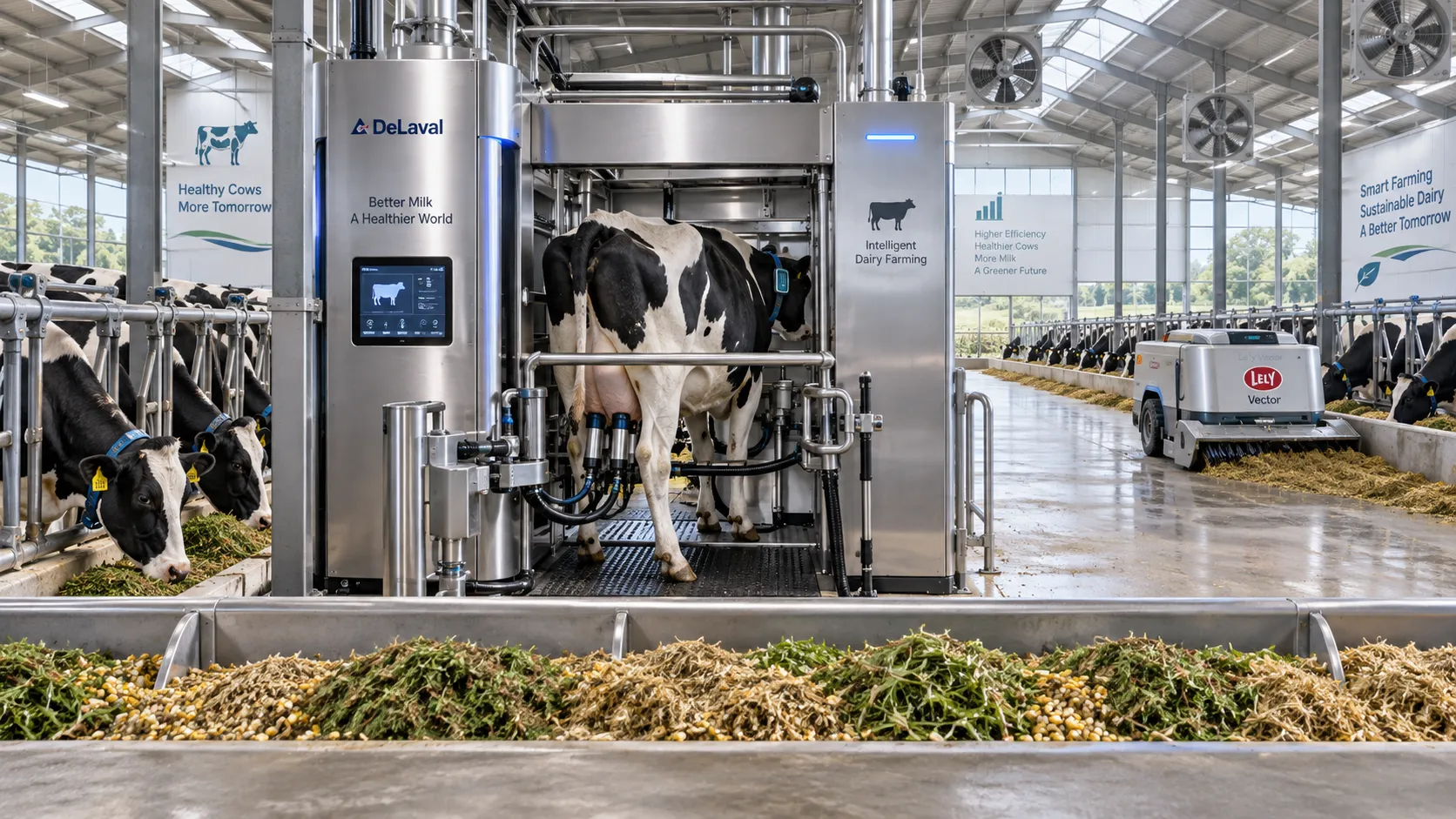
Smart Farming Technology for Dairy Farms: Where Automation Delivers Measurable ROI
Smart farming technology for dairy farms delivers measurable ROI through automation, precision feeding, health monitoring, and data-driven cost control.
Related News
- 00
0000-00
Automated Water-Saving Irrigation: How to Cut Water Use Without Reducing Crop Yields - 00
0000-00
How to Evaluate Drip Irrigation System Manufacturers for Large Farm Projects - 00
0000-00
Wireless Agricultural Automation for Remote Irrigation and Field Monitoring - 00
0000-00
Designing Water-Saving Drip Irrigation Systems for High-Value Orchards - 00
0000-00
How to Choose Irrigation Solutions for Arid Regions Based on Water Source and Crop Needs
Popular Tags
Hydrological Resource Strategist
Weekly Insights
Stay ahead with our curated technology reports delivered every Monday.