
China Grants Zero Tariffs to 20 African Countries for Drip Irrigation Components
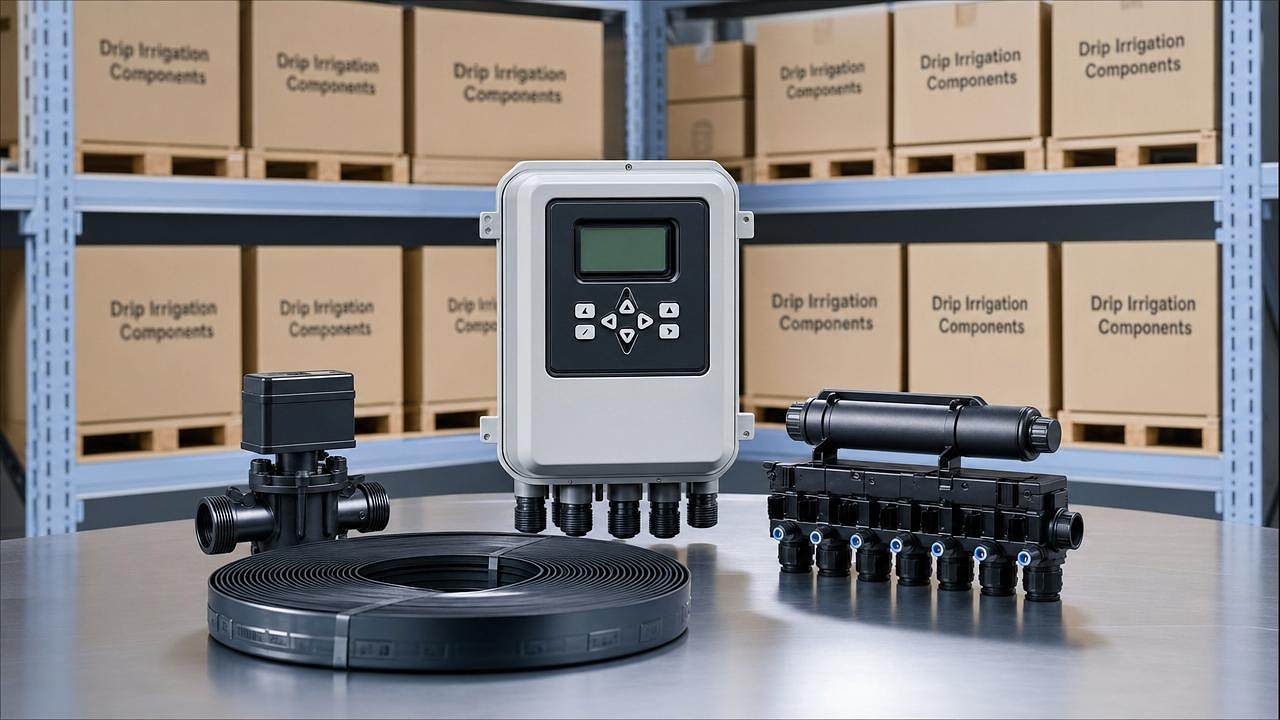




Effective May 1, 2026, China has implemented zero-tariff treatment for smart irrigation controllers, drip tape drive modules, and other core components of Drip Irrigation Logic exported to 20 African countries with which it maintains diplomatic relations. This policy shift directly impacts agricultural technology exporters, irrigation equipment manufacturers, and supply chain stakeholders engaged in Africa-facing water-smart agriculture projects.
Event Overview
Starting May 1, 2026, China applied zero-tariff treatment to designated drip irrigation components—including smart irrigation controllers and drip tape drive modules—exported to 20 African countries with formal diplomatic ties. According to customs data, the average clearance time for the first batch of declared exports fell to 1.8 working days, representing approximately a 30% reduction compared to pre-policy levels.
Industries Affected by This Policy Change
Direct Exporters (Irrigation Equipment Manufacturers & Tech Providers)
These enterprises face reduced landed costs and faster customs processing for qualifying products shipped to the 20 beneficiary African countries. The shortened lead time enhances responsiveness in public tenders and infrastructure-linked agricultural development projects across Africa.
Component Suppliers & Module Assemblers
Suppliers of sub-assemblies used in smart irrigation controllers or drive modules may see increased order visibility from exporters seeking to qualify goods under the zero-tariff regime. Eligibility hinges on origin documentation and harmonized system (HS) code alignment with the official tariff list.
Logistics & Cross-Border Compliance Service Providers
Faster average clearance times signal demand for streamlined documentation support, particularly for HS classification verification, certificate of origin preparation, and post-clearance audit readiness. These services become more operationally critical as export volumes scale under the new regime.
Agricultural Development Project Implementers (Non-Resident)
International project contractors and technical assistance providers deploying Chinese-sourced drip systems in Africa may benefit indirectly through improved bid competitiveness and tighter delivery scheduling—provided their procurement channels align with the tariff exemption criteria.
What Relevant Enterprises or Practitioners Should Monitor and Do Now
Track official HS code specifications and eligibility updates
The zero-tariff treatment applies only to explicitly listed product categories. Enterprises must verify whether their specific controller models or drive module configurations fall within the published HS codes—and monitor for potential revisions or expansions issued by China’s Ministry of Commerce or General Administration of Customs.
Confirm origin compliance and documentation workflows
Eligibility requires valid certificates of origin and adherence to rules of origin criteria. Exporters should audit current documentation practices, especially for multi-tier supply chains involving imported subcomponents, to avoid disqualification at customs.
Distinguish between policy announcement and operational readiness
While average clearance time improved to 1.8 working days in early data, this reflects initial declarations—not yet sustained throughput. Enterprises should treat the 30% speed-up as an early indicator rather than a guaranteed baseline; performance may vary by port, documentation accuracy, and volume surges.
Adjust lead-time assumptions for Africa-bound tenders and contracts
With faster clearance confirmed, tender submissions and contractual delivery schedules referencing Chinese-sourced irrigation hardware can now reflect shorter end-to-end timelines—but only for shipments meeting all zero-tariff conditions. Internal planning tools and client communications should reflect this conditional improvement.
Editorial Perspective / Industry Observation
Observably, this measure functions primarily as a trade facilitation signal—not yet a structural market expansion. It lowers procedural friction for a defined set of products entering a targeted group of African markets, but does not alter broader non-tariff barriers such as certification requirements, local after-sales service expectations, or currency settlement constraints. Analysis shows that its immediate value lies in improving bid agility and cash conversion cycles for qualified exporters—not in automatically increasing market share. The policy’s longer-term significance will depend on whether it triggers follow-on actions, such as mutual recognition agreements or joint standards development, which remain unannounced and unconfirmed.
From an industry perspective, the most notable feature is timing: implementation coincides with several multilateral African irrigation investment initiatives scheduled for 2026–2027. That alignment suggests coordinated intent—but remains speculative without supporting documentation from either Chinese or African authorities.
Current interpretation should emphasize conditionality: benefits are real but bounded by precise product scope, country list, and compliance rigor. It is better understood as a calibrated adjustment to existing trade architecture—not a paradigm shift.
Conclusion
This policy marks a concrete step toward lowering transactional friction for select irrigation technologies entering 20 African markets. Its primary impact is procedural efficiency—reducing customs clearance time and associated cost uncertainty—not automatic demand generation or regulatory harmonization. For stakeholders, the event signals increased operational feasibility for compliant exports, but not a de facto simplification of Africa market entry overall. It is more accurately interpreted as a targeted trade facilitation measure whose practical utility depends entirely on strict adherence to eligibility criteria and ongoing monitoring of implementation fidelity.
Source Attribution
Main source: Official announcement from China’s Ministry of Commerce and related customs clearance statistics released by the General Administration of Customs of China.
Note: Expansion beyond the initial 20 countries, inclusion of additional product categories, or integration with regional African trade frameworks (e.g., AfCFTA alignment) remains unconfirmed and subject to future observation.
Related News
How to Compare Agricultural Equipment Platforms for Fleet Management and ROI
Agricultural equipment platform comparison: evaluate fleet data, maintenance, precision workflows, and ROI to choose a system that delivers measurable results.
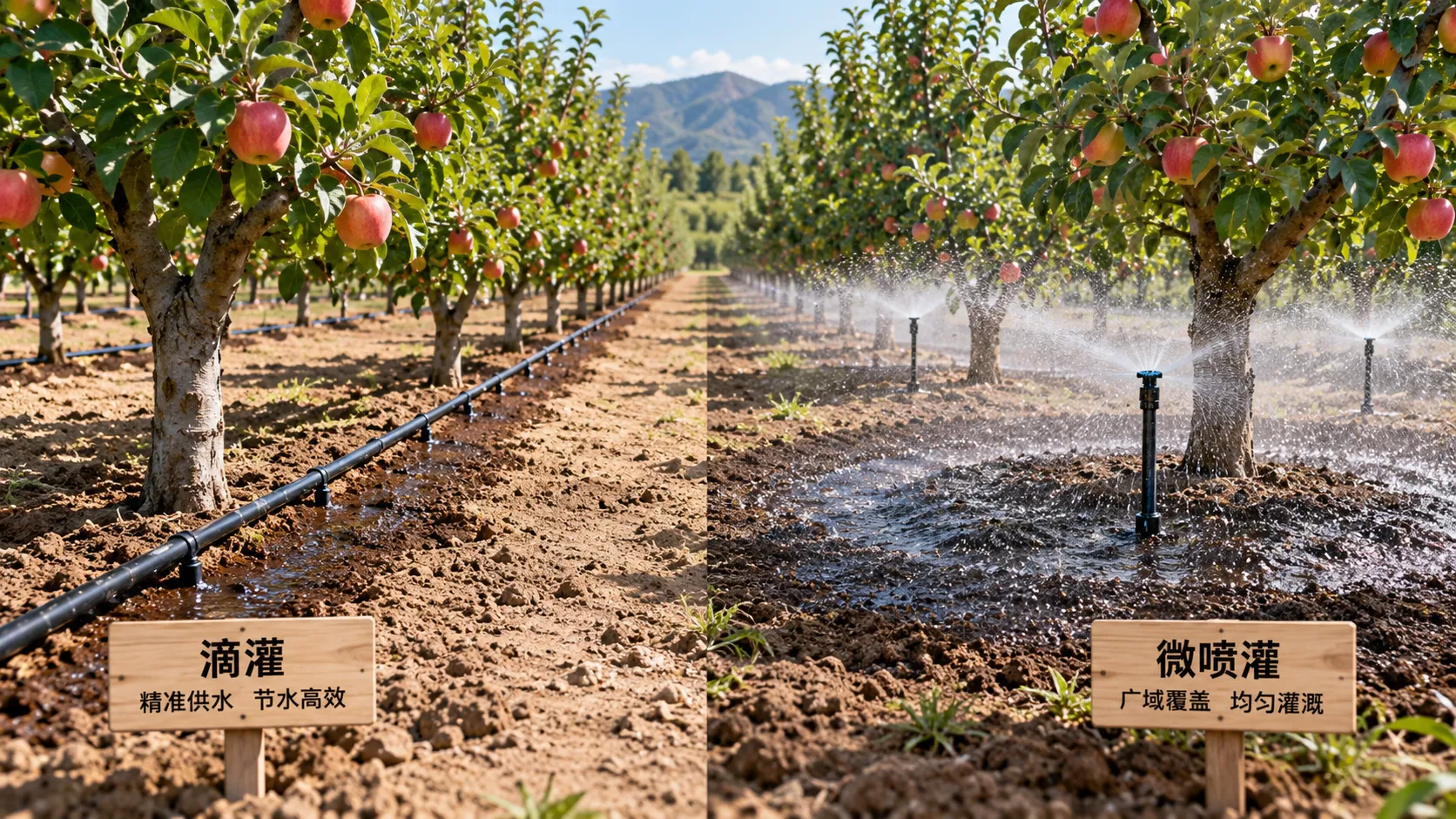
Drip vs. Micro-Sprinkler Irrigation: Which System Fits Your Orchard?
Irrigation solution comparison for orchards: discover whether drip or micro-sprinklers best match your water, soil, roots, fertigation, and frost needs.
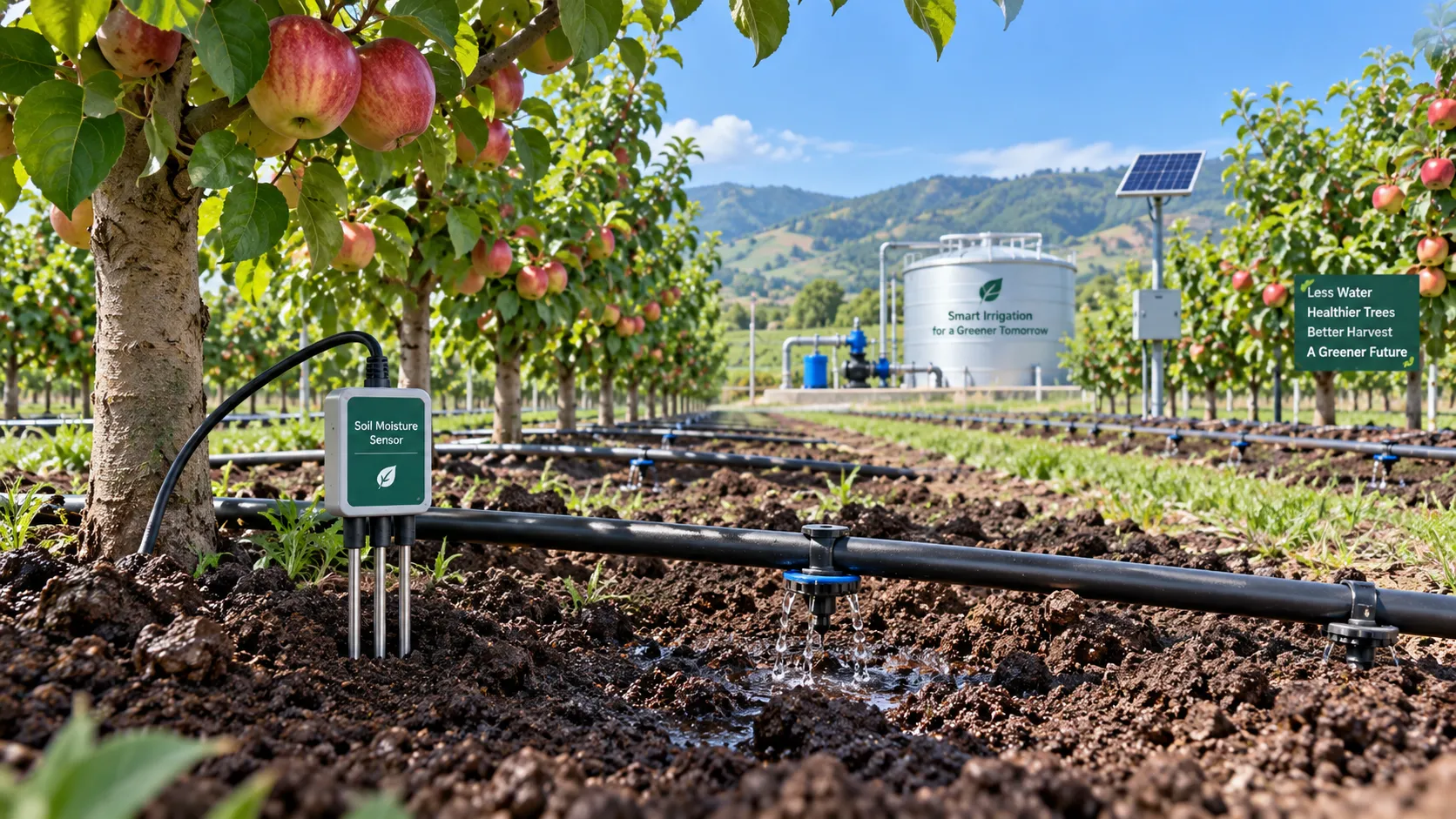
Orchard Water Management: Using Soil Moisture Data to Schedule Irrigation
Agricultural water management for orchards made practical: use soil moisture data to optimize irrigation timing, protect yield, reduce costs, and improve resilience.
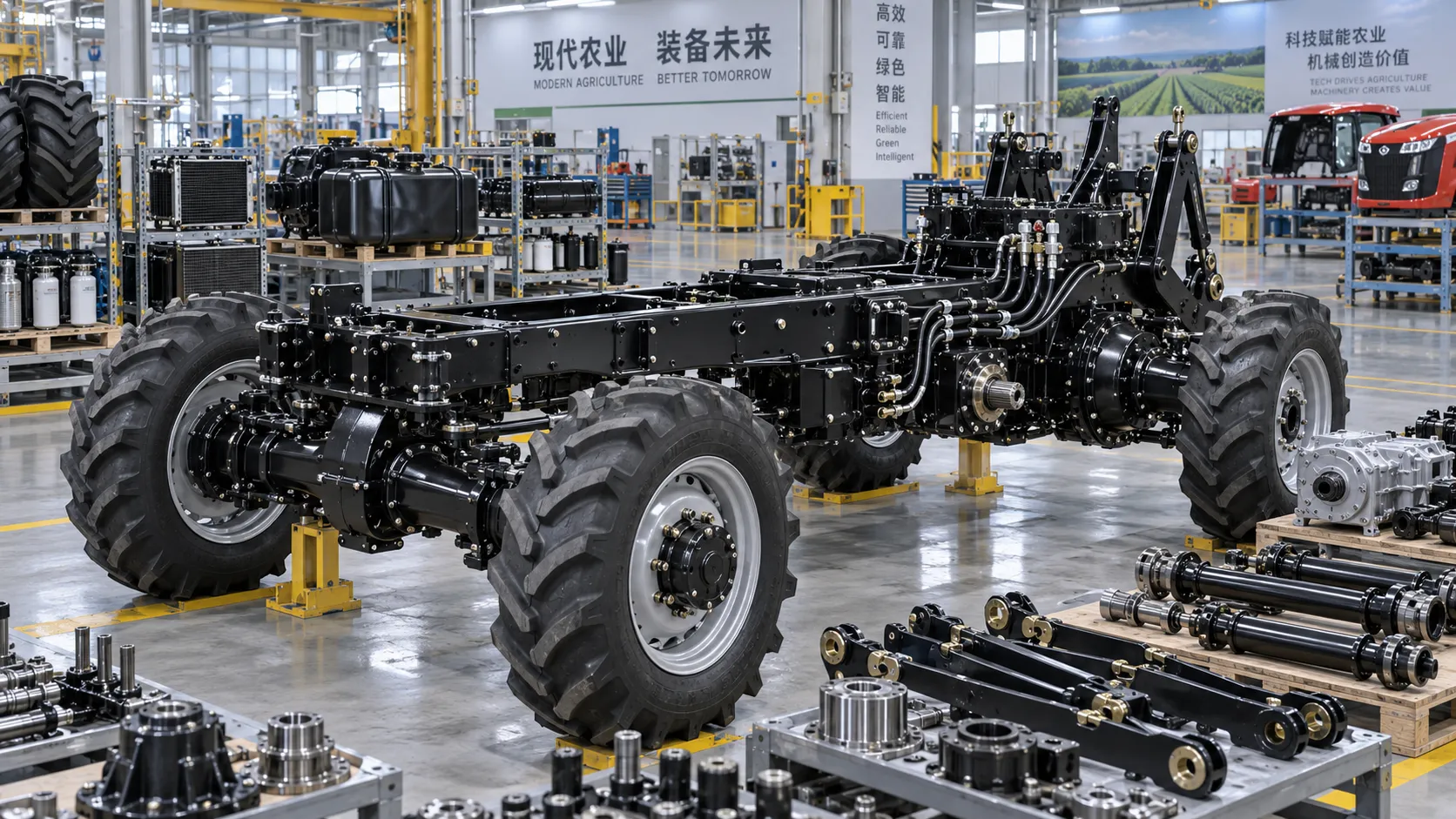
Tractor Chassis Price: What Buyers Should Compare Beyond the Initial Quote
Tractor chassis price is only the start. Compare load capacity, compatibility, durability, and lifecycle costs to choose a reliable, high-value chassis.
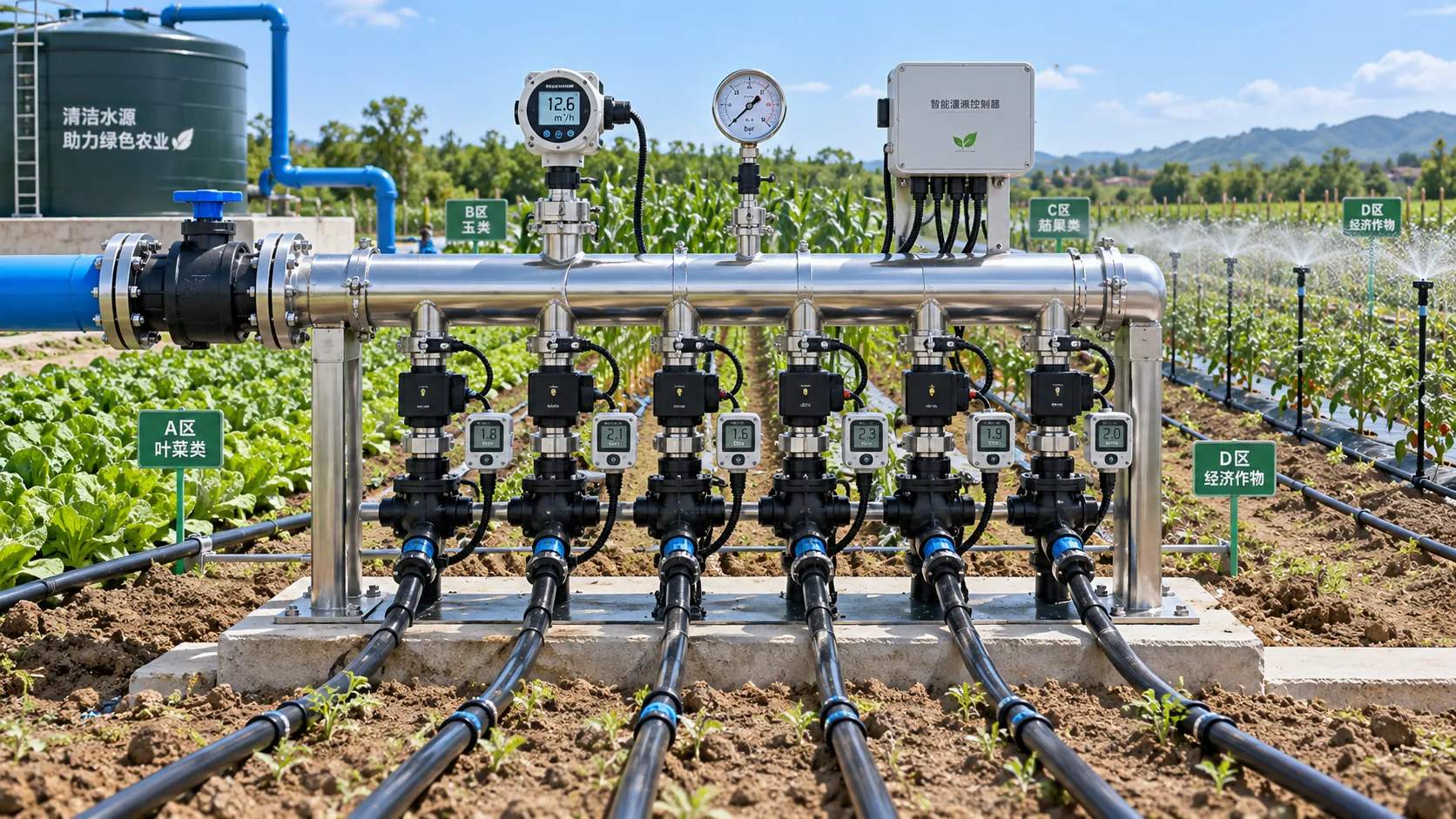
How to Select Smart Irrigation Valves for Multi-Zone Water Management?
Intelligent irrigation systems valves: learn how to match smart valves with multi-zone flow, pressure, control, feedback, and communication needs for reliable water management.
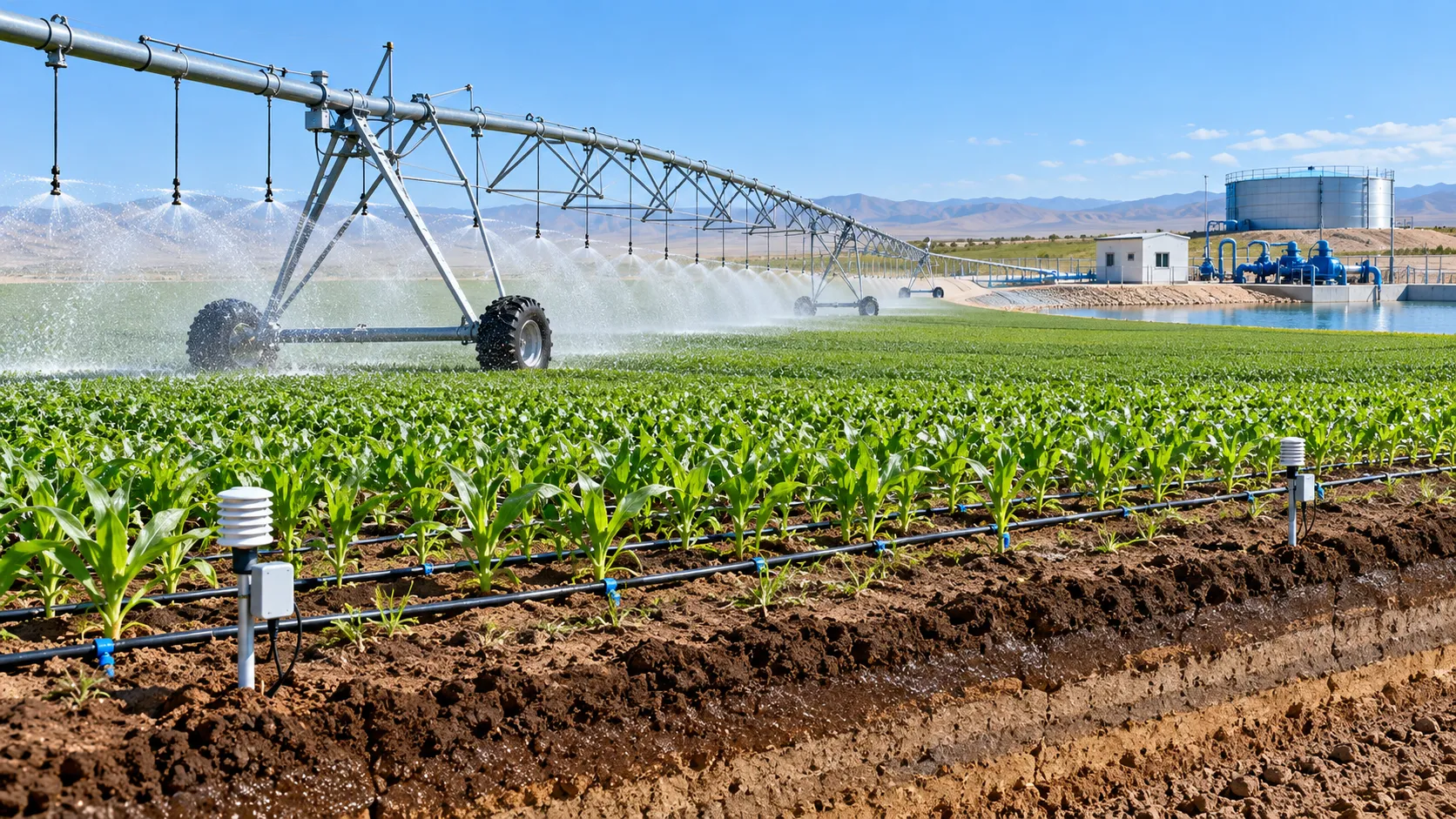
Climate-Smart Farming for Drought: A Practical Plan for Protecting Yields
Climate-smart farming for drought: build smarter water budgets, protect critical crop stages, improve irrigation uniformity, and safeguard yields with practical field-proven strategies.
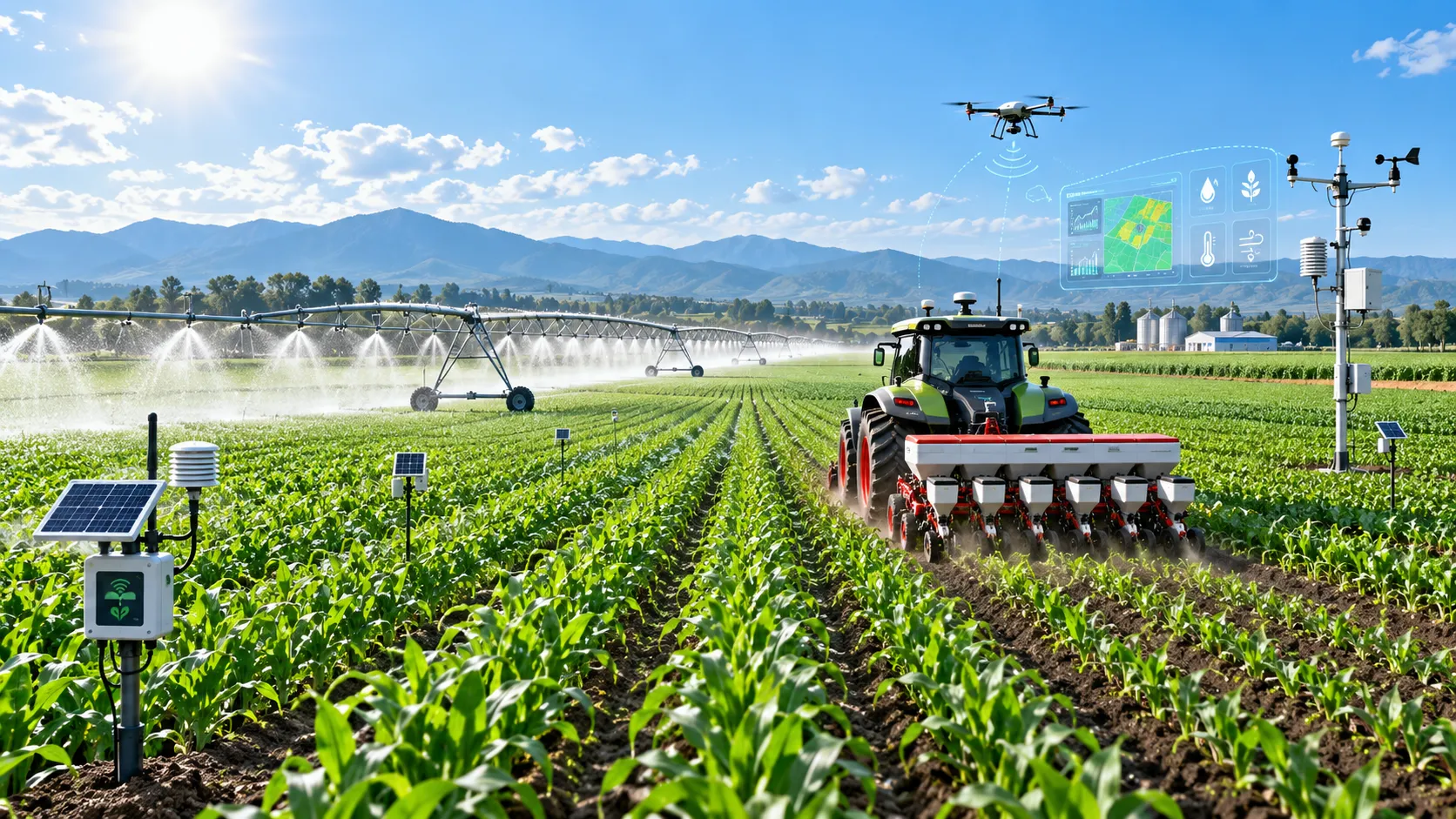
How Digital Agriculture Platforms Turn Field Data Into Better Input Decisions
Digital agriculture platforms turn field data into smarter fertilizer, water, seed, and equipment decisions—helping farms cut risk, improve margins, and scale sustainability.
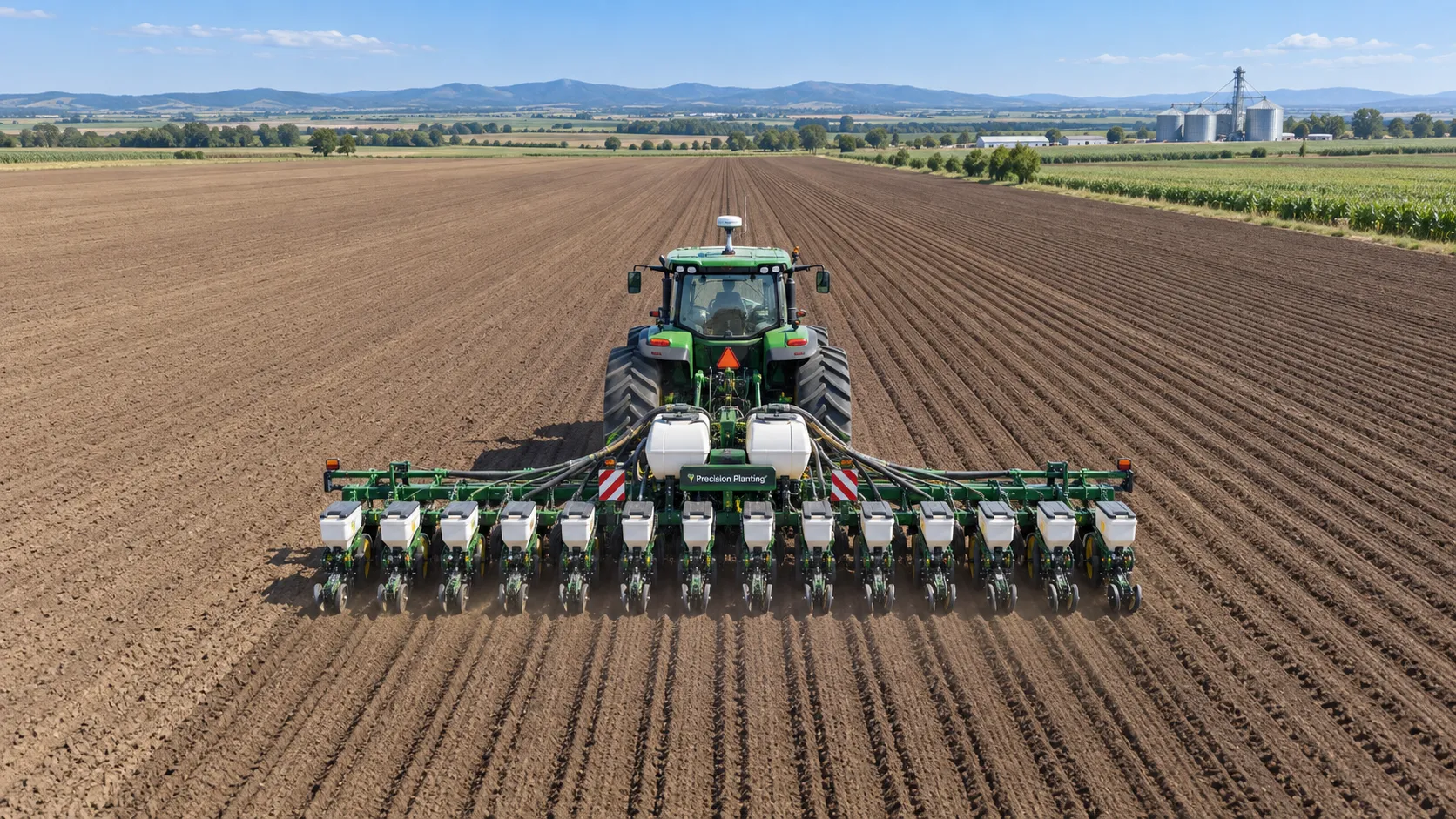
GPS-Guided Farm Machinery: Where It Delivers Measurable Field Efficiency Gains
Agri-mechanization GPS guided systems deliver measurable field efficiency gains through reduced overlap, precise planting, smarter inputs, and reliable farm data.

How Sensor Feedback Enables Accurate Variable-Rate Fertilization in Field Conditions
Precision fertilization systems with sensor feedback improve variable-rate accuracy by verifying flow, managing latency, and ensuring reliable field application.
Related News
- 00
0000-00
Drip vs. Micro-Sprinkler Irrigation: Which System Fits Your Orchard? - 00
0000-00
How to Select Smart Irrigation Valves for Multi-Zone Water Management? - 00
0000-00
Automated Water-Saving Irrigation: How to Cut Water Use Without Reducing Crop Yields - 00
0000-00
How to Evaluate Drip Irrigation System Manufacturers for Large Farm Projects - 00
0000-00
Wireless Agricultural Automation for Remote Irrigation and Field Monitoring
Popular Tags
Hydrological Resource Strategist
Weekly Insights
Stay ahead with our curated technology reports delivered every Monday.