
Indonesia Export Controls Shift Irrigation Outlook
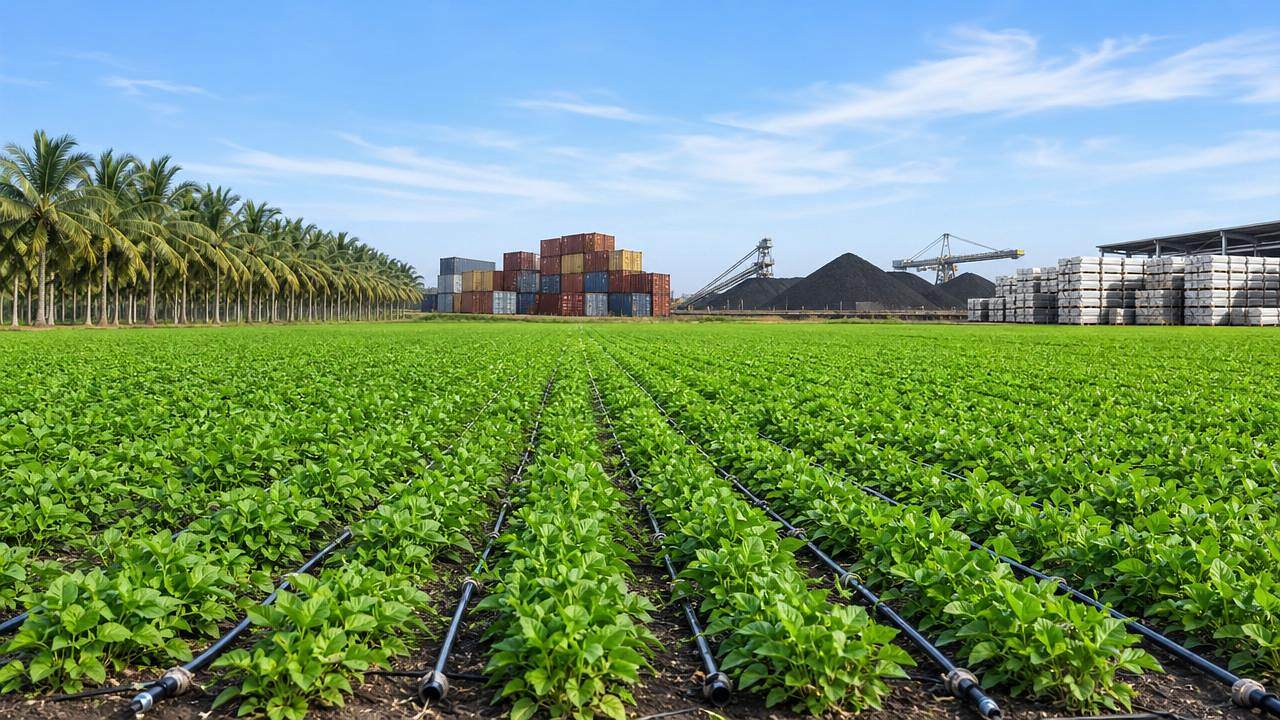




On June 1, 2026, Indonesia began implementing centralized export controls for palm oil, coal, and ferroalloys, with Danantara Energy Company identified in the provided information as the sole state-owned export entity. The development is drawing attention from export trade, infrastructure funding, agricultural water management, drip irrigation systems, and supply chain service sectors because the reported acceleration of local infrastructure fund recovery and a fiscal tilt toward agricultural water projects may affect procurement priorities and tender activity.
Event Overview
According to the provided information, the Indonesian government started applying state-owned exclusive export control over palm oil, coal, and ferroalloys from June 1, 2026. Danantara Energy Company is described as the only export entity under this arrangement.
The same information states that this policy has led to faster fund recovery for local infrastructure projects and that fiscal resources are being directed more toward agricultural water conservancy. Irrigation equipment importers from multiple countries have also reported that Indonesia’s Ministry of Public Works has initiated a new round of preliminary price inquiries for drip irrigation system tenders.
Within this context, Drip Irrigation Logic is described as one of the key evaluation targets due to its cost-performance profile and localized installation support. No confirmed tender result, procurement volume, contract value, or implementation schedule has been provided in the available information.
Which Segments May Be Affected
Export Trade Companies in Palm Oil, Coal, and Ferroalloys
From an industry perspective, companies involved in the export trade of palm oil, coal, and ferroalloys are the most directly exposed to the policy change because the export function is now described as being concentrated under a single state-owned entity.
The main impact may appear in export channel adjustment, contract execution coordination, shipment planning, and communication with buyers. Companies previously involved in direct export operations may need to pay closer attention to how export procedures, documentation, and allocation arrangements are implemented after the centralized control takes effect.
Infrastructure and Public Project Stakeholders
Analysis shows that the reported acceleration of fund recovery for local infrastructure projects is a key part of the event’s broader industry relevance. If infrastructure-related capital circulation improves as described, public project planning and procurement preparation may become more active.
The impact is likely to be most visible in project-side budgeting, procurement timing, and early-stage supplier inquiries. However, this should not be interpreted as a confirmed increase in all infrastructure spending, because the available information only points to faster fund recovery and a fiscal shift toward agricultural water conservancy.
Agricultural Water Conservancy and Irrigation Procurement
Currently, what deserves closer attention is the reported fiscal inclination toward agricultural water projects. This directly connects the export control development with the drip irrigation system supply chain, because the Indonesian Ministry of Public Works is said to have started preliminary price inquiries for a new round of drip irrigation system tenders.
The impact for this segment is mainly reflected in early procurement activity, supplier qualification review, pricing comparison, and installation-support evaluation. For irrigation system providers, the current stage appears to be more about being assessed and compared than about confirmed contract awards.
Drip Irrigation Equipment Suppliers and Local Installation Partners
From an industry perspective, drip irrigation equipment suppliers may see indirect benefits if agricultural water conservancy procurement becomes more active. The mention of Drip Irrigation Logic as a key evaluation target indicates that price competitiveness and local installation support are important factors in the current assessment process.
The potential impact may include more detailed technical inquiries, requests for localized service plans, and closer evaluation of total project delivery capability. Suppliers that cannot support installation coordination or after-sales execution may face a more complex review process, even if their equipment pricing is competitive.
Supply Chain and Import Service Providers
Observably, importers and supply chain service providers are also relevant to this development because irrigation equipment importers from multiple countries have already provided feedback on the new round of preliminary price inquiries.
The main areas of impact may include import scheduling, customs documentation preparation, supplier communication, and contingency planning for tender-related delivery timelines. At this stage, the effect is indirect, but it may become more operationally significant if preliminary inquiries move toward formal procurement.
What Companies and Practitioners Should Watch and How to Respond
Track Official Follow-up on Export Control Implementation
Companies connected to palm oil, coal, and ferroalloy exports should monitor subsequent official statements, implementation rules, and procedural adjustments related to the state-owned exclusive export mechanism. The practical priority is to clarify whether existing contracts, export documentation, shipping schedules, and buyer communication processes require changes.
For companies indirectly connected to Indonesian infrastructure and agricultural projects, the export control itself should be watched not only as a trade issue but also as a possible funding and procurement signal.
Separate Policy Signals from Confirmed Procurement Results
Better understood as a developing signal, the reported preliminary price inquiry for drip irrigation systems does not equal a confirmed tender award. Companies should distinguish between early market inquiry, supplier evaluation, formal tender release, and final contract execution.
For Drip Irrigation Logic and other irrigation suppliers, the practical response is to prepare verifiable pricing, installation support descriptions, delivery capacity information, and project communication materials without assuming that evaluation automatically leads to procurement.
Focus on Agricultural Water Conservancy and Drip Irrigation Requirements
Currently, what deserves closer attention is the connection between fiscal focus and agricultural water conservancy. Suppliers and importers should pay attention to whether future public-sector inquiries place more weight on localized installation support, system suitability, cost control, and service response capability.
Procurement teams should also prepare to compare drip irrigation system quotations in a more structured way, including equipment scope, installation support, delivery conditions, and after-service arrangements. This is especially relevant because the available information identifies high cost-performance and local installation support as key evaluation factors.
Prepare Supply Chain and Communication Contingency Plans
From an industry perspective, companies should avoid waiting until a formal tender is released before preparing operational plans. Importers, logistics partners, and equipment suppliers can review lead times, documentation requirements, and local coordination channels in advance.
The practical objective is not to overcommit inventory or capacity, but to ensure that if preliminary inquiries move into formal procurement, suppliers can respond quickly with consistent technical, commercial, and delivery information.
Editorial View / Industry Observation
Analysis shows that this event is not only a commodity export policy development. Its broader industry significance lies in the possible connection between centralized export control, infrastructure fund recovery, and agricultural water conservancy procurement activity.
At the current stage, it is more appropriate to view the development as a policy and procurement signal rather than a fully formed market result. The reported preliminary price inquiries suggest that irrigation-related procurement may be entering a more active evaluation phase, but confirmed tender outcomes have not been provided.
For the drip irrigation system supply chain, the key issue is whether Indonesia’s public-sector focus on agricultural water projects continues and whether early supplier evaluation turns into formal procurement. This is why irrigation equipment providers, importers, installation partners, and supply chain service companies need to keep monitoring the next steps.
Conclusion
Indonesia’s centralized export control over palm oil, coal, and ferroalloys from June 1, 2026, has implications beyond commodity trade. Based on the available information, the development is linked to faster infrastructure fund recovery, a fiscal tilt toward agricultural water conservancy, and preliminary price inquiries for drip irrigation systems.
A neutral reading is that Drip Irrigation Logic and related irrigation supply chain participants may receive an indirect positive signal, especially where cost-performance and localized installation support are being evaluated. However, the current situation is better understood as an early-stage industry signal rather than a confirmed procurement outcome. Companies should respond by tracking official updates, preparing tender-related materials, and maintaining realistic supply chain readiness.
Information Sources
- Provided event brief on Indonesia’s June 1, 2026 centralized export control for palm oil, coal, and ferroalloys.
- Provided information identifying Danantara Energy Company as the sole state-owned export entity.
- Provided importer feedback regarding preliminary price inquiries by Indonesia’s Ministry of Public Works for drip irrigation system tenders.
- Items requiring continued observation: formal tender release, confirmed procurement scope, contract awards, implementation schedule, and any further official clarification on export control procedures.
Related News
Choosing Crop Protection Equipment for Hot, Windy Middle Eastern Farms
Compare crop protection equipment Middle East farms need for hot, windy conditions. Discover key nozzle, drift-control, and durability checks to choose the right sprayer.
Choosing an Agriculture 4.0 Supplier: Compatibility, Support, and Total Cost
Choose an Agriculture 4.0 supplier with confidence. Learn how to verify compatibility, assess support, and compare total ownership costs to avoid hidden fees and costly downtime.
Low-Pressure Drip Irrigation: How to Fix Uneven Watering Without Raising Pressure
Optimize low pressure water-saving irrigation systems: discover how to fix uneven watering, clear blockages, and reduce hydraulic losses without raising supply pressure.
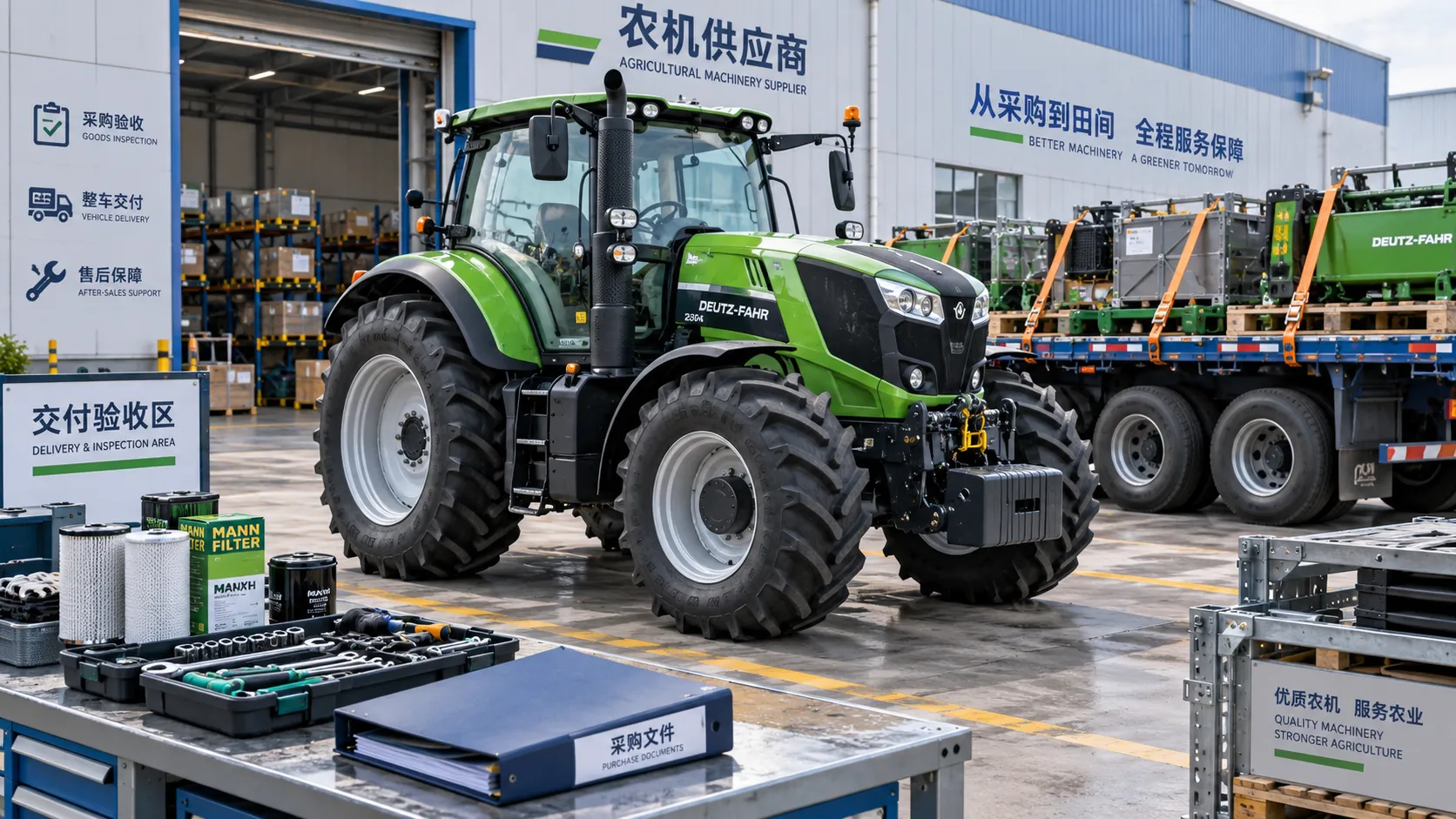
Comparing Farm Equipment Supplier Quotes: Price, Freight, and Warranty
Simplify supplier comparison for farm equipment price: assess freight, field-ready costs, and warranty coverage. Learn how to avoid hidden charges and choose a reliable supplier.
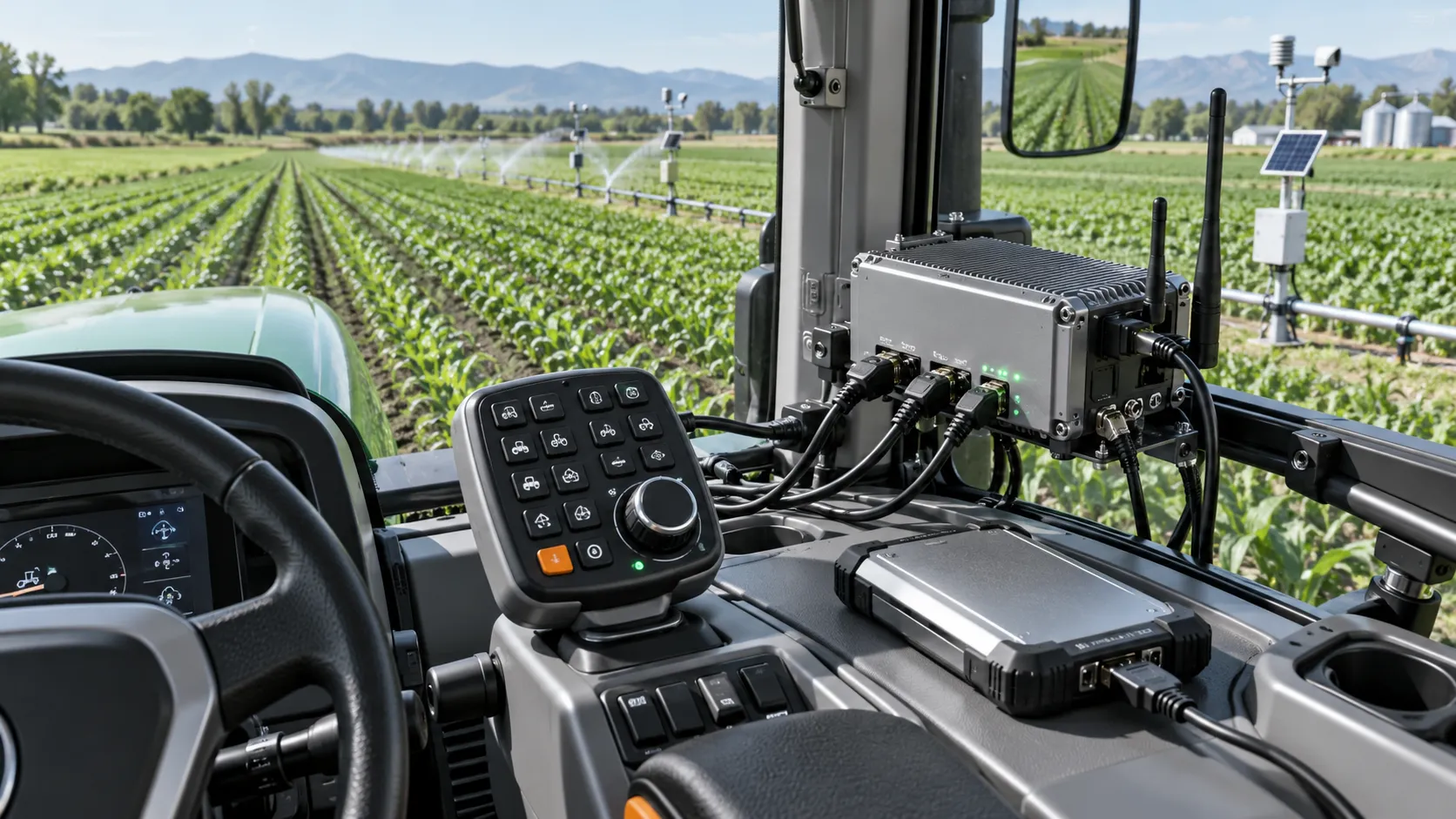
Choosing a Digital Farming Platform Provider: Compatibility and Data Ownership
Compare digital farming platforms providers on equipment compatibility, data ownership, and export rights. Discover practical checks to avoid lock-in and choose with confidence.
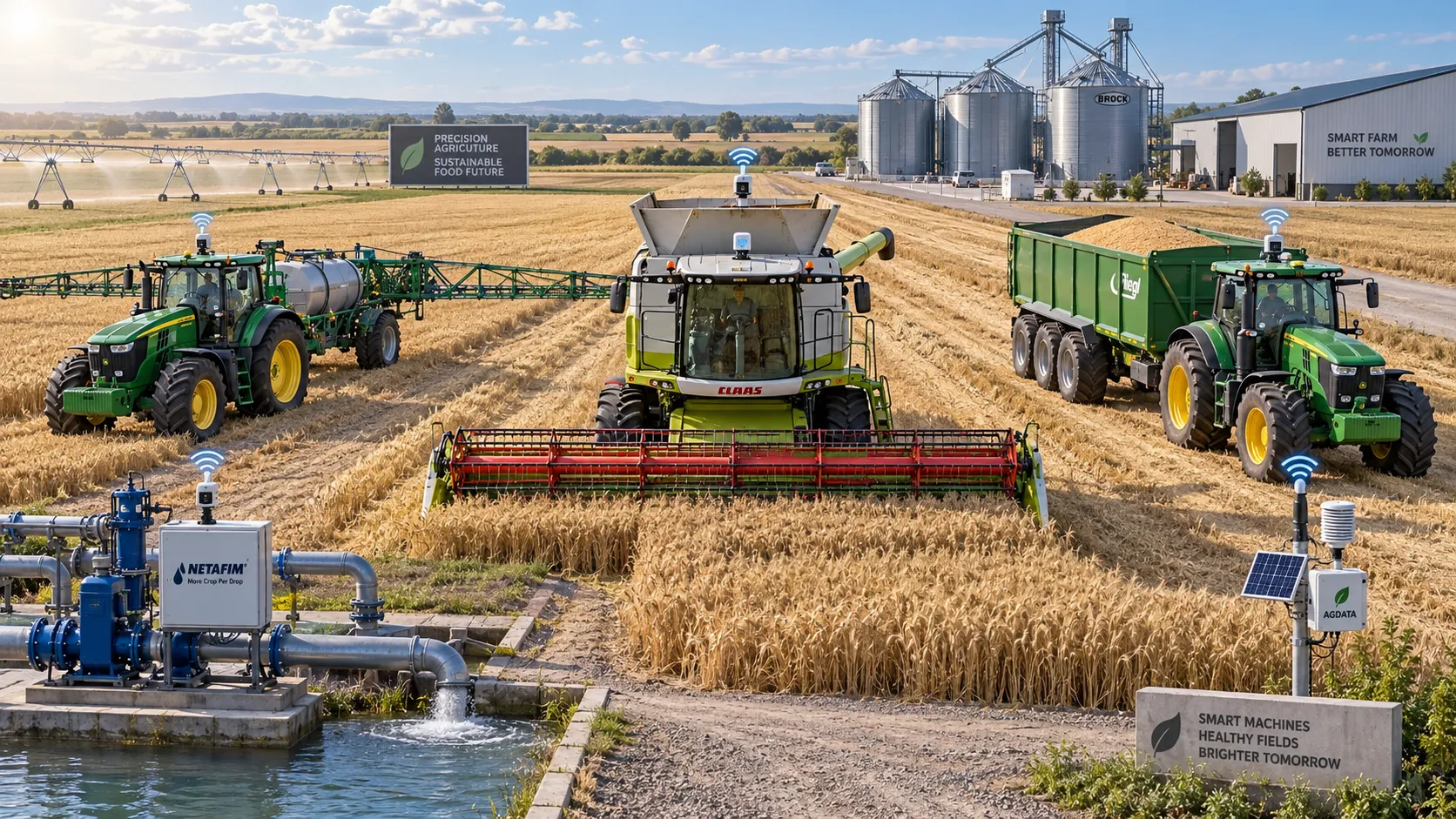
How Large-Scale Farm Telematics Cuts Downtime Across Mixed Fleets
Large-scale farm equipment telematics cuts mixed-fleet downtime with real-time alerts, smarter maintenance, and stronger operational control. Learn how to protect critical farm workflows.
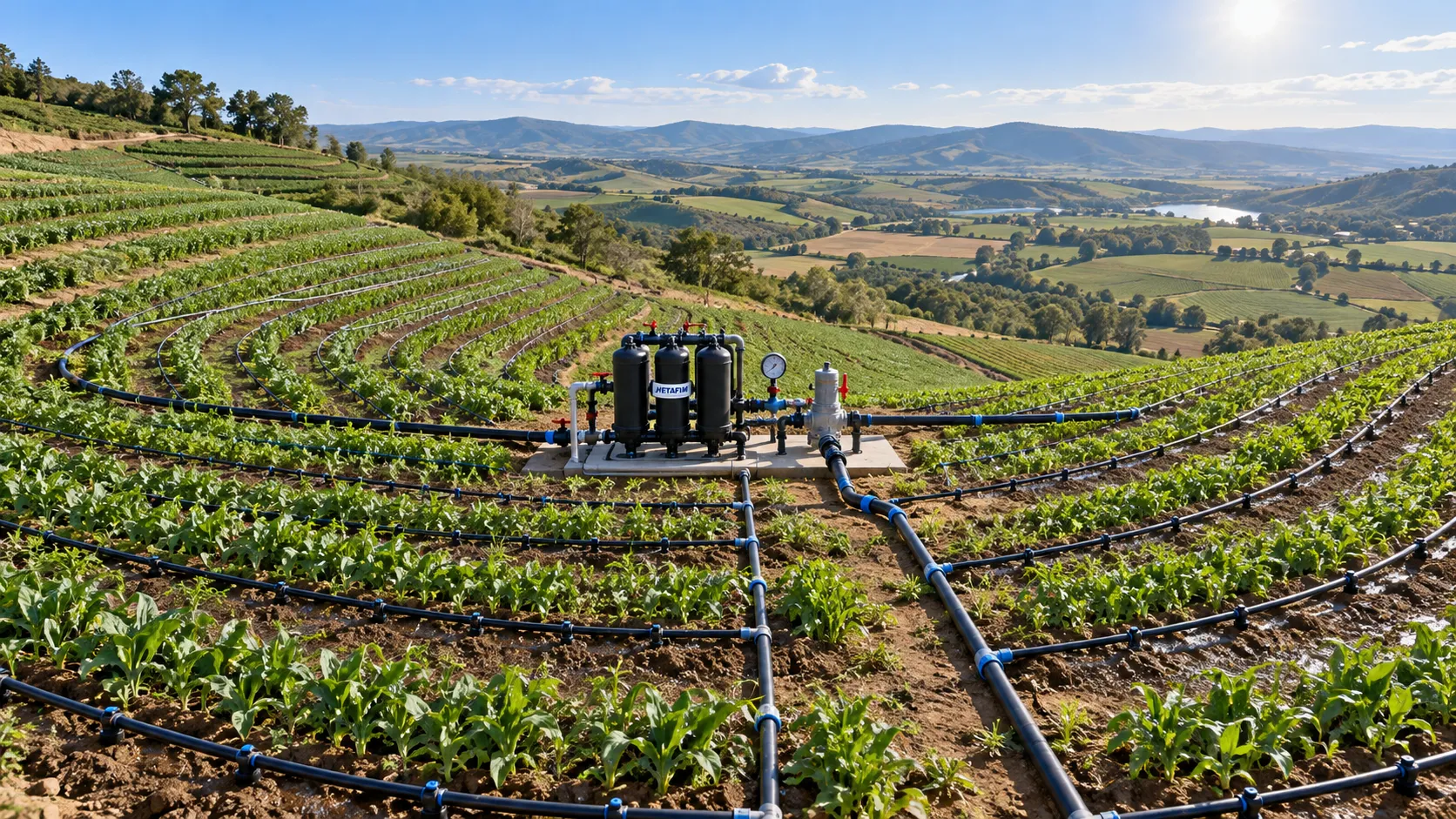
How to Size Low-Pressure Water-Saving Irrigation Systems for Uneven Fields
Low pressure water-saving irrigation systems for uneven fields: learn zoning, pressure mapping, pipe sizing, and pump selection to improve uniformity and reduce water waste.

Farm Machinery Sourcing: How to Vet Suppliers, Specs, and Lifecycle Costs
Farm machinery information for sourcing: learn to vet suppliers, compare specifications, control lifecycle costs, and secure reliable uptime for smarter equipment purchases.

How telemetry for agriculture helps identify equipment downtime
Telemetry for agriculture helps detect early warning signs, prioritize maintenance, and reduce costly equipment downtime before field operations are disrupted.
Related News
- 00
0000-00
Low-Pressure Drip Irrigation: How to Fix Uneven Watering Without Raising Pressure - 00
0000-00
How to Size Low-Pressure Water-Saving Irrigation Systems for Uneven Fields - 00
0000-00
Drip vs. Micro-Sprinkler Irrigation: Which System Fits Your Orchard? - 00
0000-00
How to Select Smart Irrigation Valves for Multi-Zone Water Management? - 00
0000-00
Automated Water-Saving Irrigation: How to Cut Water Use Without Reducing Crop Yields
Popular Tags
Hydrological Resource Strategist
Weekly Insights
Stay ahead with our curated technology reports delivered every Monday.