
Climate-Resilient Agriculture Planning: Water, Seed, and Soil Choices
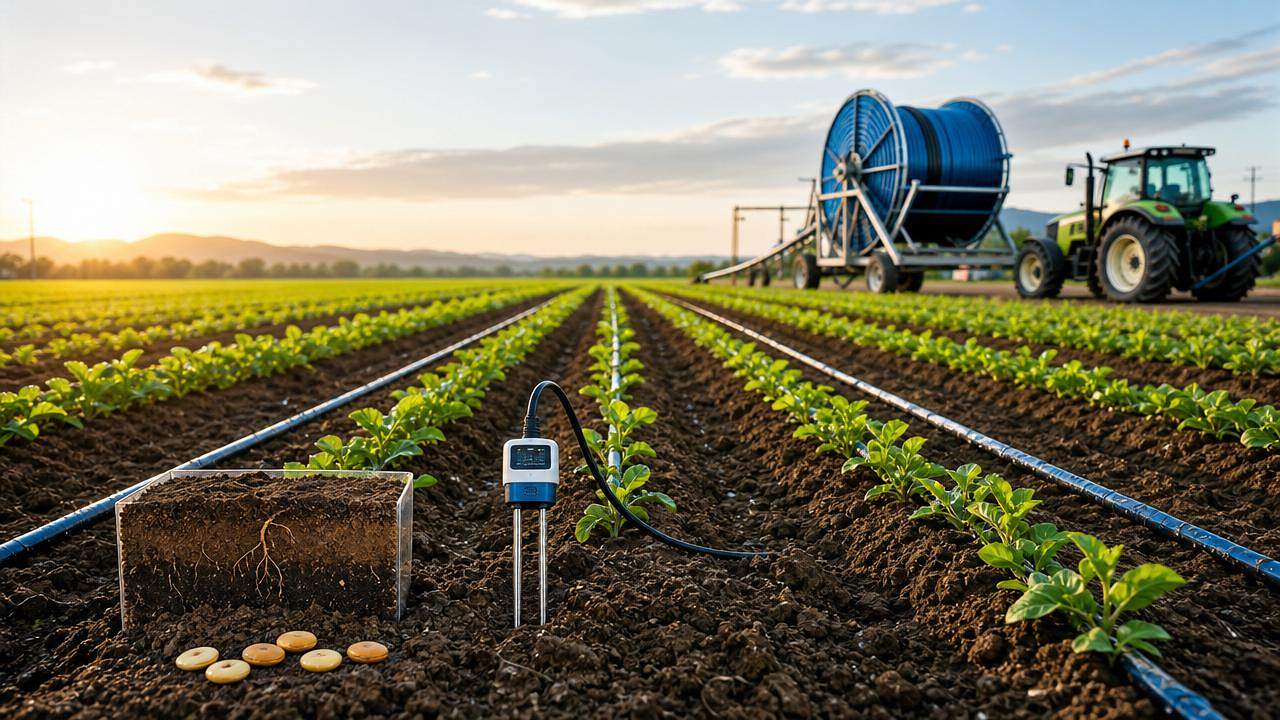




Climate-Resilient Agriculture Planning: Water, Seed, and Soil Choices
For farms, irrigation upgrades, and agri-infrastructure portfolios, climate-resilient agriculture is no longer a future concept. It is a planning requirement.
Water volatility, seed performance, and soil degradation now affect timelines, capital efficiency, and harvest reliability.
This guide explains how to align irrigation strategy, seed selection, and soil management with risk-based decisions.
The goal is practical: build agricultural systems that withstand drought, flooding, heat stress, and shifting production windows.
What Does Climate-Resilient Agriculture Really Mean?
Climate-resilient agriculture means designing production systems that can absorb climate shocks while maintaining output, soil function, and operational continuity.
It is not only about drought tolerance. It also covers drainage, heat response, pest shifts, salinity, and input efficiency.
A resilient system connects water control, seed genetics, field machinery, soil biology, and data feedback.
In Agriculture 4.0, climate-resilient agriculture depends on mechanical capacity and digital intelligence working together.
Large-scale machinery prepares fields quickly. Sensors detect stress. Irrigation networks respond before yield loss becomes visible.
This makes planning more measurable. Decisions can be based on water budgets, soil thresholds, and crop-stage risk.
Why is resilience different from productivity?
Productivity asks how much a field can produce under favorable conditions. Resilience asks how much remains during stress.
High-yield systems can fail when water timing, seed choice, or soil structure is poorly matched.
Climate-resilient agriculture balances peak yield with harvest stability, resource efficiency, and recovery speed after extreme events.
How Should Water Strategy Be Planned Under Climate Risk?
Water planning is the first pillar of climate-resilient agriculture because climate stress often appears through water imbalance.
The same region may face drought, sudden rainfall, and irrigation restrictions within one production cycle.
A strong plan evaluates water source reliability, field distribution, energy demand, and crop water sensitivity.
Intelligent irrigation systems improve this process by linking weather forecasts, soil moisture sensors, and evapotranspiration models.
Drip irrigation, pivot systems, and variable-rate control can all support climate-resilient agriculture when correctly matched to terrain.
What should be checked before upgrading irrigation?
- Water source stability during peak crop demand.
- Pump capacity, pressure losses, and filtration needs.
- Soil infiltration rate and drainage constraints.
- Crop-stage sensitivity to water stress.
- Automation readiness and sensor maintenance capacity.
The best irrigation upgrade is not always the most advanced system. It is the one that reduces risk per unit of water.
For sandy soils, frequent low-volume irrigation may protect root zones. For clay soils, drainage and timing may matter more.
Climate-resilient agriculture also requires backup logic. Storage ponds, alternative wells, and emergency scheduling can prevent crop failure.
How Do Seed Choices Influence Climate-Resilient Agriculture?
Seed choice is a biological risk decision. It determines how crops respond to heat, water stress, disease, and shorter seasons.
In climate-resilient agriculture, seed selection should consider more than yield trials under normal conditions.
Important traits include drought tolerance, root depth, maturity length, pest resistance, and performance under variable planting dates.
Hybrid seed can improve uniformity and stress response, but it must match water availability and local soil constraints.
Should seed selection prioritize yield or stability?
The answer depends on production risk. In volatile regions, stable performance often delivers better long-term financial results.
Climate-resilient agriculture favors varieties that protect harvest windows and reduce input waste during abnormal seasons.
A seed with slightly lower peak yield may outperform if it survives heat stress during flowering.
Trial data should be reviewed across dry years, wet years, delayed planting, and disease pressure.
What seed data is most useful?
- Yield stability across different rainfall patterns.
- Heat tolerance during reproductive stages.
- Root architecture and water extraction ability.
- Disease resistance under humid conditions.
- Compatibility with mechanized planting and harvesting.
Seed planning should also coordinate with equipment capacity. Planting speed, row spacing, and harvest timing affect crop performance.
Why Is Soil Management Central to Resilience?
Soil is the storage system of climate-resilient agriculture. It stores water, nutrients, carbon, and biological activity.
Healthy soil reduces irrigation pressure during drought and improves drainage during heavy rainfall.
Poor soil structure increases runoff, compaction, nutrient loss, and root stress.
The practical focus should be infiltration, organic matter, compaction control, and erosion prevention.
Which soil practices improve climate-resilient agriculture?
- Cover crops to protect soil surface and improve biology.
- Reduced tillage to preserve structure and moisture.
- Controlled traffic to limit machinery compaction.
- Organic amendments to increase water-holding capacity.
- Precision fertilization to avoid nutrient imbalance.
Large tractor chassis and tillage tools must be managed carefully. Power helps productivity, but excessive passes can damage soil.
Climate-resilient agriculture benefits when field operations are timed according to soil moisture, not only calendar availability.
Compaction maps, yield maps, and sensor data can reveal where corrective actions create the highest return.
How Can Equipment and Digital Tools Support Better Decisions?
Equipment choices shape the practical success of climate-resilient agriculture. Machinery determines timing, precision, and field recovery capacity.
Combine harvesters, intelligent farm tools, and irrigation controllers all influence loss reduction and resource efficiency.
For example, fast harvesting can reduce exposure to late-season storms. Accurate cleaning systems can reduce crop loss.
Variable-rate tools can adjust seeding, fertilization, and irrigation according to soil and yield zones.
What data should guide investment?
Useful data connects agronomy with operations. Weather risk alone is not enough for climate-resilient agriculture planning.
Decision data should include machinery windows, fuel demand, water delivery limits, labor availability, and harvest loss patterns.
Satellite imagery can detect stress zones. Soil probes can confirm moisture status. Harvester data can show productivity variation.
The strongest systems convert these signals into prescription maps, maintenance schedules, and seasonal contingency plans.
What Are the Common Mistakes in Climate-Resilient Agriculture Planning?
One common mistake is treating resilience as a single purchase. No product alone delivers climate-resilient agriculture.
A drip system cannot solve poor soil structure. A drought-tolerant seed cannot overcome badly timed irrigation.
Another mistake is planning only for average conditions. Climate risk is defined by extremes, not averages.
Short-term cost cutting can also create long-term exposure. Skipping drainage, sensors, or soil testing may increase losses later.
Which warning signs deserve attention?
- Irrigation decisions made without soil moisture data.
- Seed choices based only on top-yield marketing claims.
- Repeated machinery compaction in the same traffic lanes.
- No backup plan for delayed planting or harvest.
- No comparison between water cost and yield response.
Climate-resilient agriculture works best when risk is quantified before capital is committed.
FAQ and Decision Table for Climate-Resilient Agriculture
This table shows why climate-resilient agriculture should be planned as a connected system.
Water, seed, soil, and machinery decisions should be reviewed together before seasonal budgets are finalized.
What Implementation Steps Create the Fastest Progress?
Implementation should begin with a baseline assessment. Measure water availability, soil condition, current yield variation, and operational bottlenecks.
Next, rank risks by probability and impact. Drought, flooding, heat, and harvest delays may require different responses.
Then match each risk with a practical intervention. Climate-resilient agriculture improves when actions are specific and measurable.
- Map field zones by soil type, yield history, and water access.
- Select seeds using stress-year performance data.
- Upgrade irrigation where water response is strongest.
- Reduce compaction through traffic planning and timing.
- Use sensors and machinery data for seasonal adjustment.
Cost planning should separate urgent protection from long-cycle transformation.
Some actions, such as soil testing and irrigation scheduling, can begin quickly.
Others, including reservoir expansion, full automation, or equipment renewal, need phased investment.
Conclusion: Build Resilience Before the Next Shock
Climate-resilient agriculture is a practical framework for protecting harvest reliability under unstable environmental conditions.
Its strongest results come from coordinated decisions across water systems, seed genetics, soil health, and intelligent machinery.
A useful next step is to create a field-level resilience scorecard covering water, seed, soil, equipment, and data readiness.
Review the weakest category first, then connect upgrades to measurable production risks.
With disciplined planning, climate-resilient agriculture can turn uncertainty into a structured investment pathway.
The result is stronger food security, smarter cultivation, and more reliable performance across changing growing seasons.
Related News
Choosing an Agriculture 4.0 Supplier: Compatibility, Support, and Total Cost
Choose an Agriculture 4.0 supplier with confidence. Learn how to verify compatibility, assess support, and compare total ownership costs to avoid hidden fees and costly downtime.
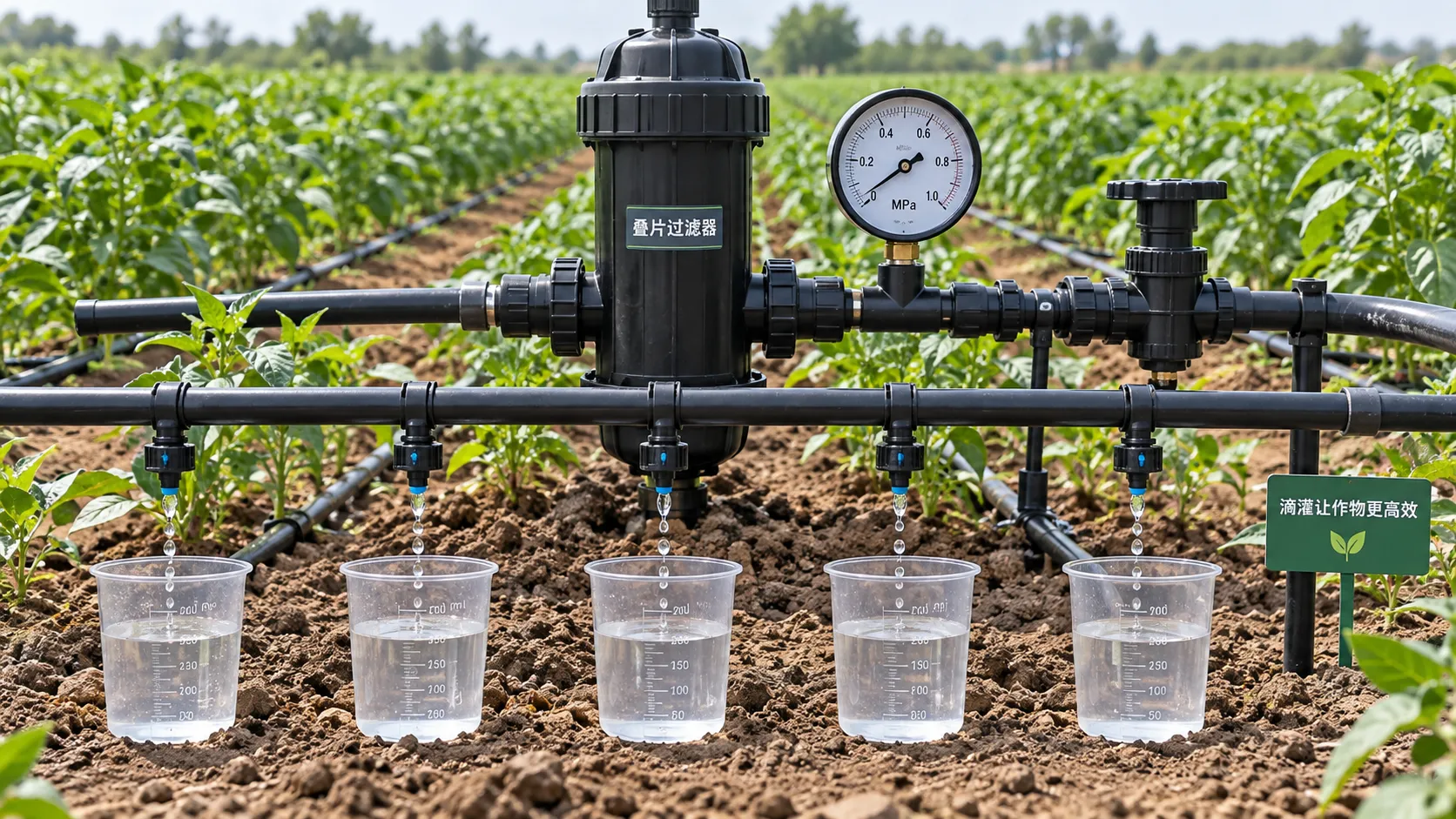
Low-Pressure Drip Irrigation: How to Fix Uneven Watering Without Raising Pressure
Optimize low pressure water-saving irrigation systems: discover how to fix uneven watering, clear blockages, and reduce hydraulic losses without raising supply pressure.
Comparing Farm Equipment Supplier Quotes: Price, Freight, and Warranty
Simplify supplier comparison for farm equipment price: assess freight, field-ready costs, and warranty coverage. Learn how to avoid hidden charges and choose a reliable supplier.
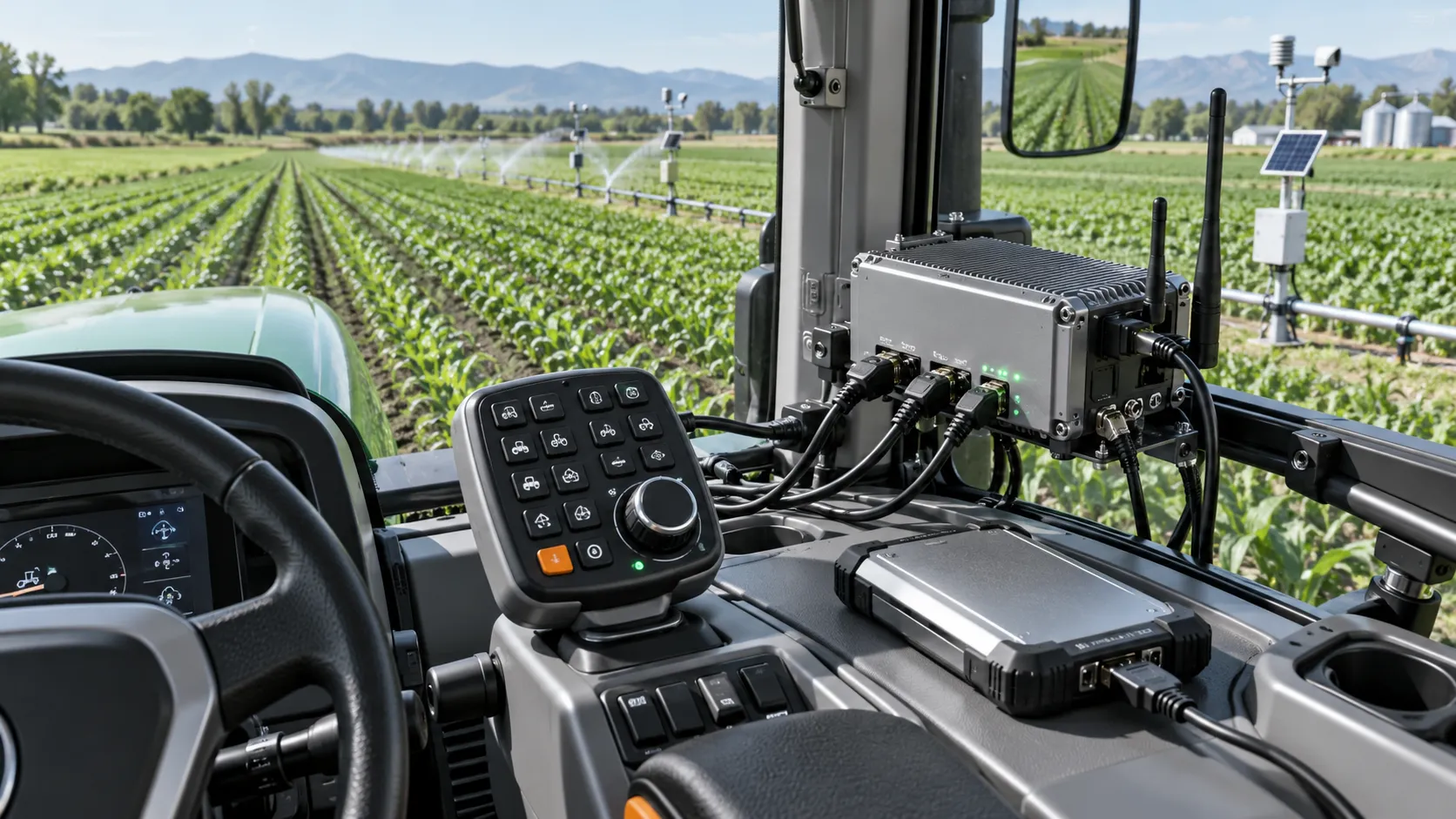
Choosing a Digital Farming Platform Provider: Compatibility and Data Ownership
Compare digital farming platforms providers on equipment compatibility, data ownership, and export rights. Discover practical checks to avoid lock-in and choose with confidence.
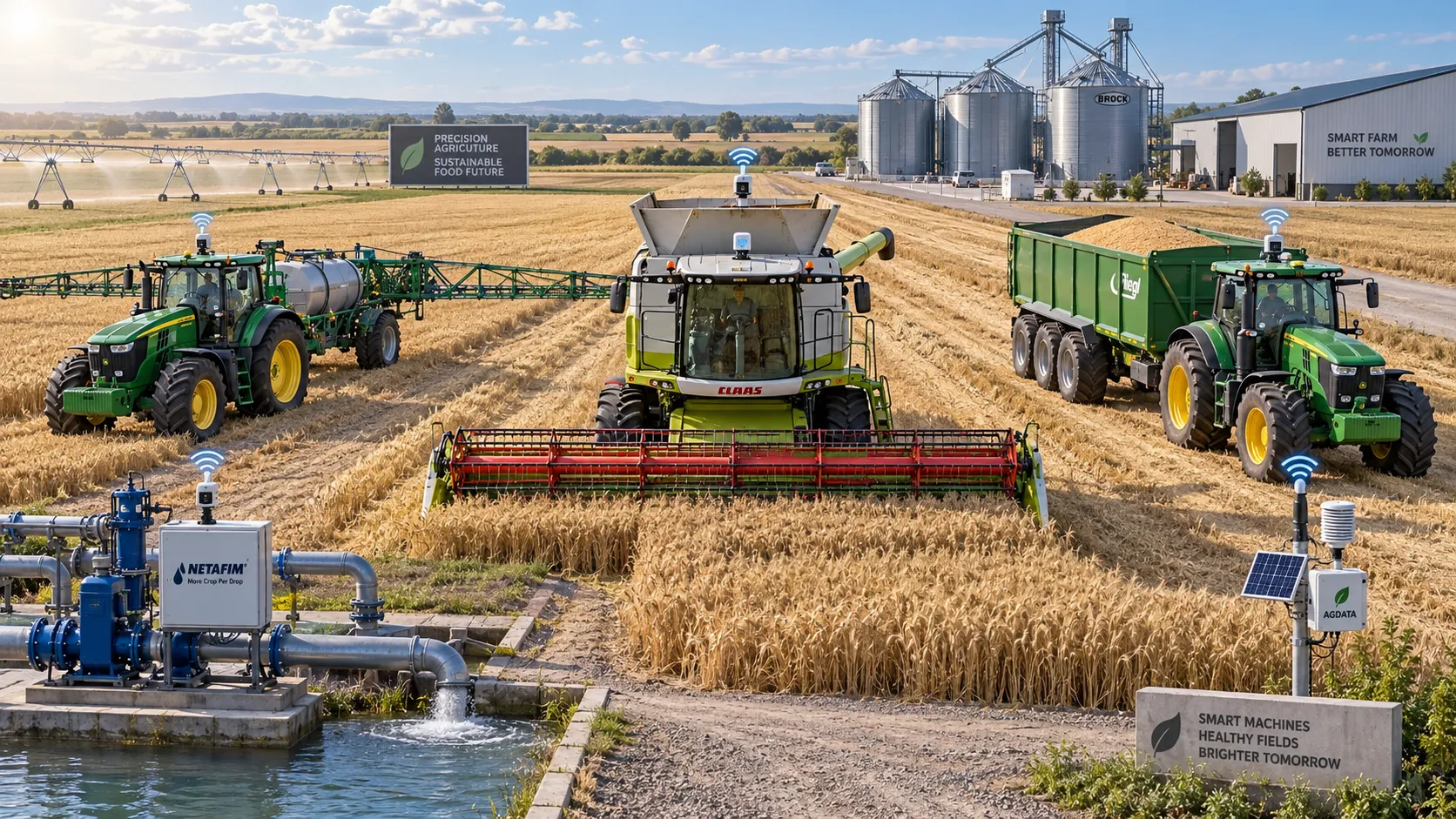
How Large-Scale Farm Telematics Cuts Downtime Across Mixed Fleets
Large-scale farm equipment telematics cuts mixed-fleet downtime with real-time alerts, smarter maintenance, and stronger operational control. Learn how to protect critical farm workflows.
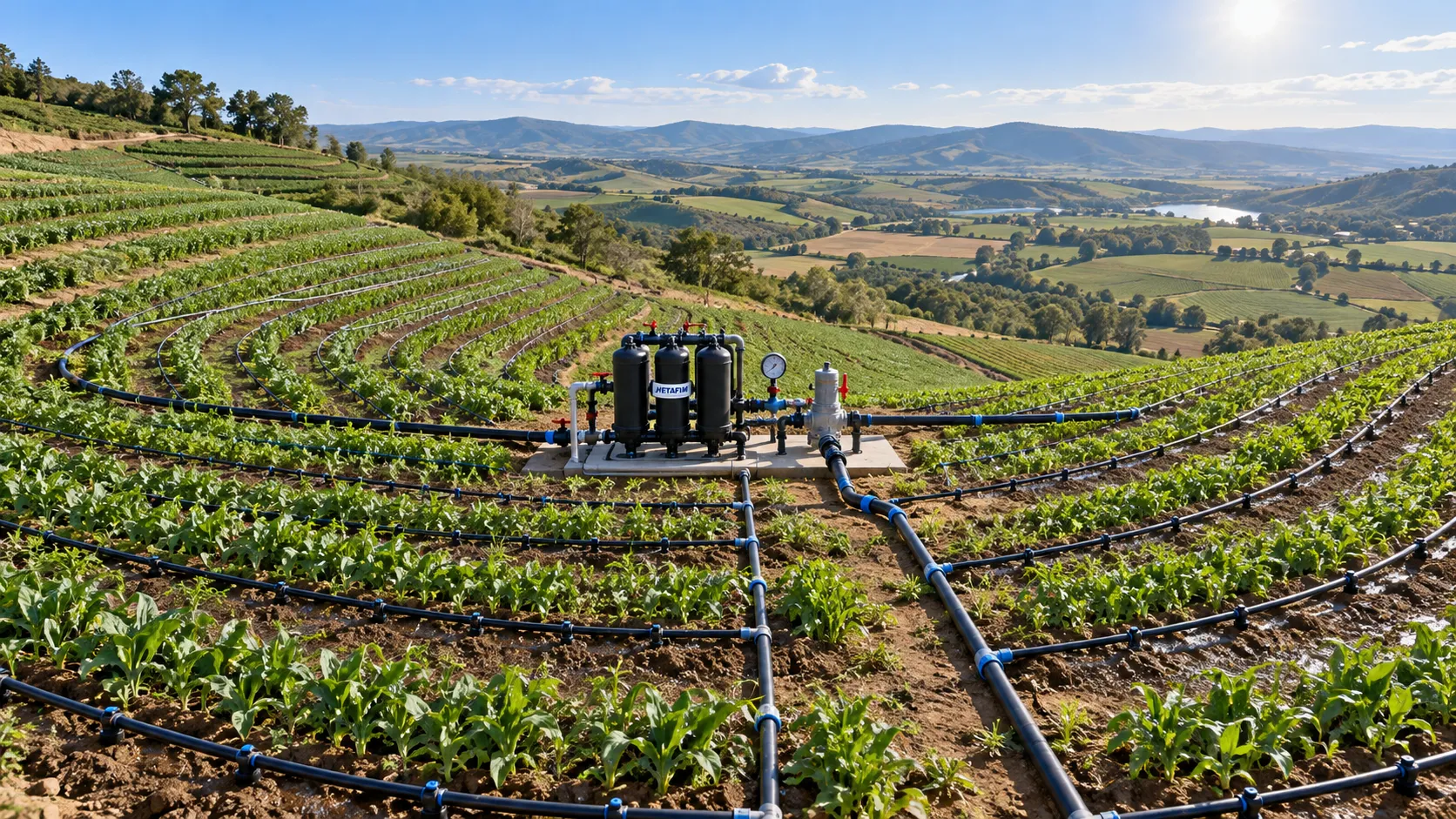
How to Size Low-Pressure Water-Saving Irrigation Systems for Uneven Fields
Low pressure water-saving irrigation systems for uneven fields: learn zoning, pressure mapping, pipe sizing, and pump selection to improve uniformity and reduce water waste.
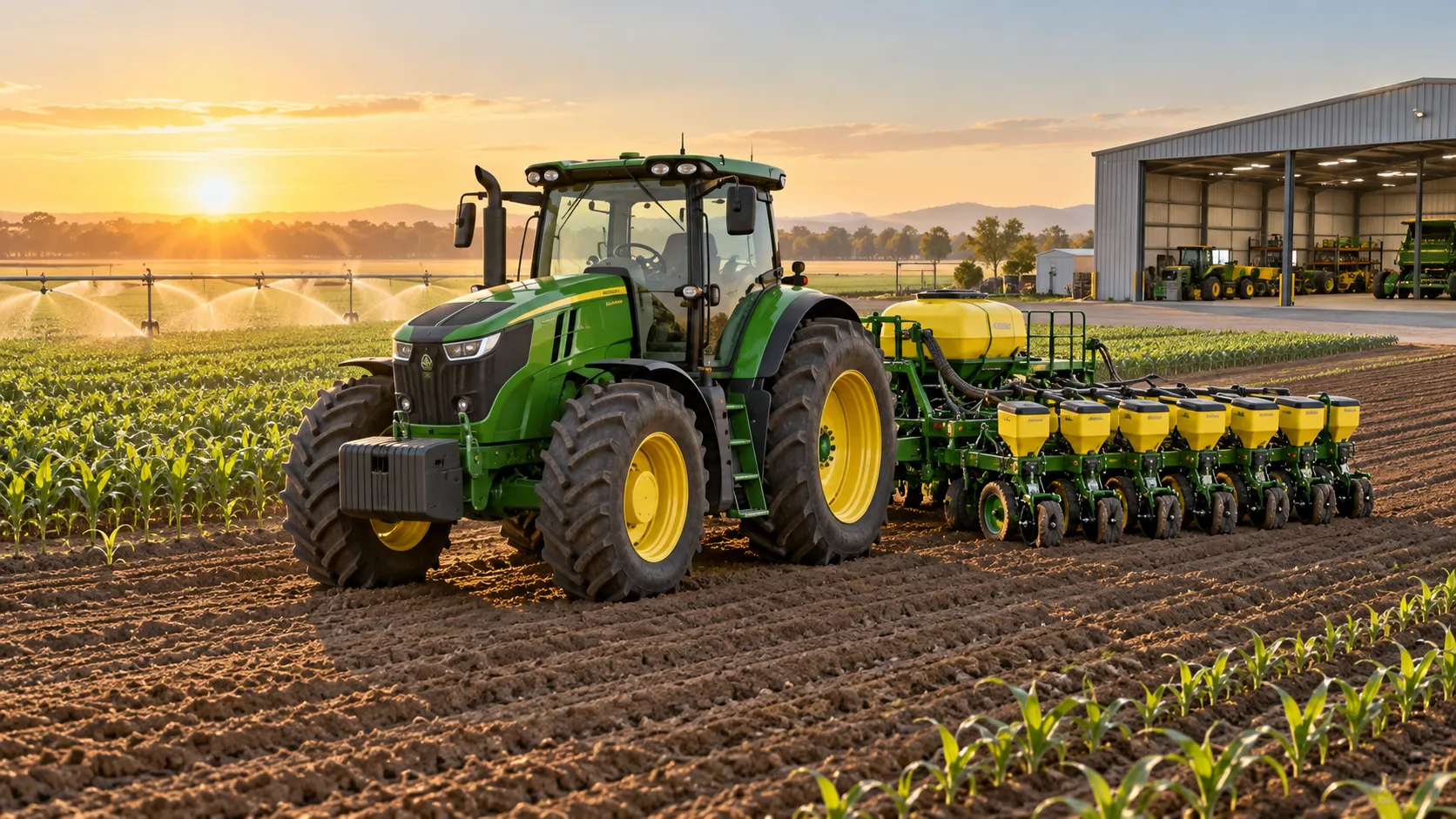
Farm Machinery Sourcing: How to Vet Suppliers, Specs, and Lifecycle Costs
Farm machinery information for sourcing: learn to vet suppliers, compare specifications, control lifecycle costs, and secure reliable uptime for smarter equipment purchases.
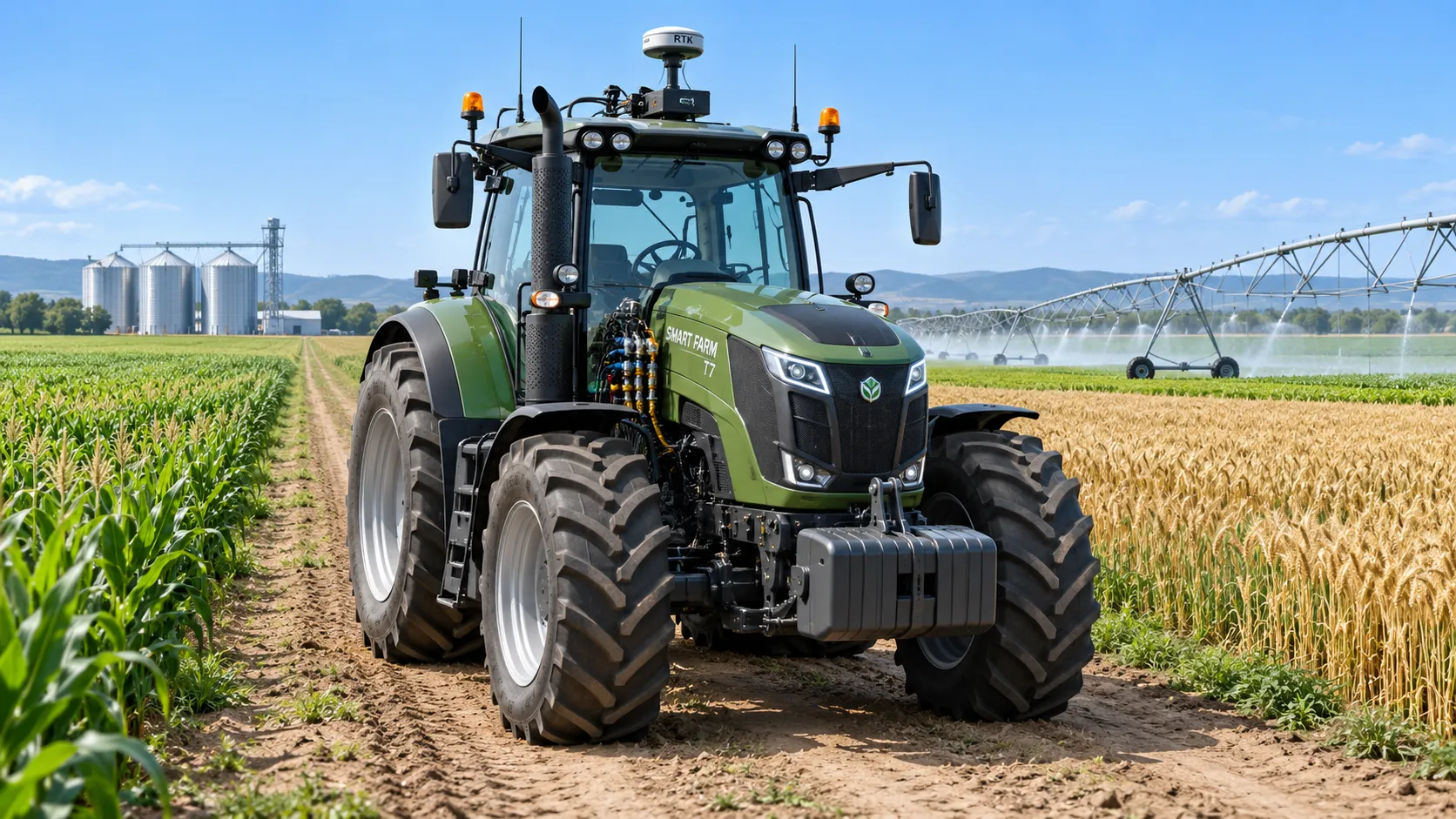
How telemetry for agriculture helps identify equipment downtime
Telemetry for agriculture helps detect early warning signs, prioritize maintenance, and reduce costly equipment downtime before field operations are disrupted.
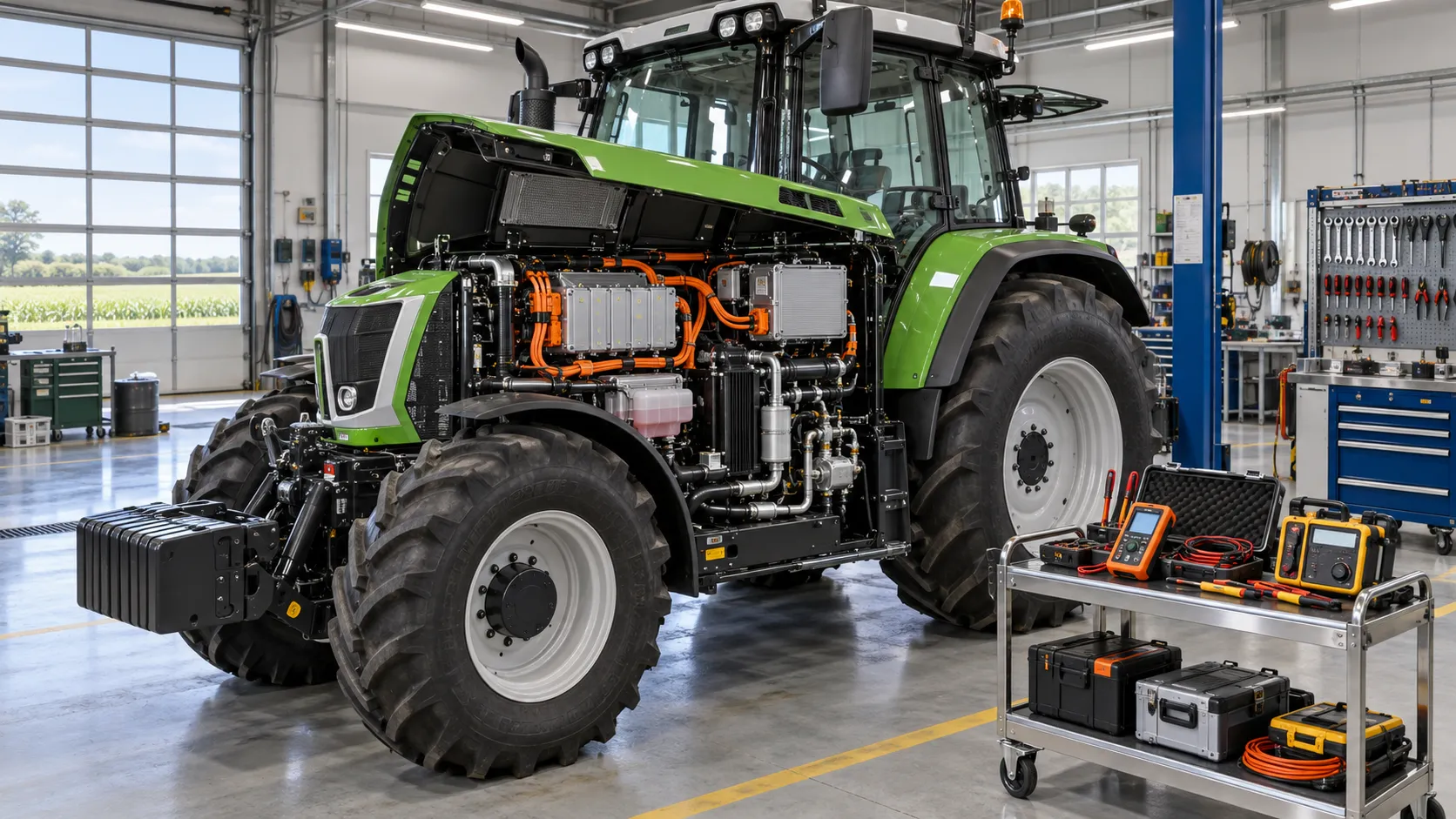
What maintenance challenges come with hybrid agricultural machines?
Hybrid agricultural machines demand smarter maintenance. Discover key challenges in high-voltage safety, batteries, software diagnostics, cooling, and parts planning.
Related News
- 00
0000-00
Low-Pressure Drip Irrigation: How to Fix Uneven Watering Without Raising Pressure - 00
0000-00
How to Size Low-Pressure Water-Saving Irrigation Systems for Uneven Fields - 00
0000-00
Drip vs. Micro-Sprinkler Irrigation: Which System Fits Your Orchard? - 00
0000-00
How to Select Smart Irrigation Valves for Multi-Zone Water Management? - 00
0000-00
Automated Water-Saving Irrigation: How to Cut Water Use Without Reducing Crop Yields
Popular Tags
Hydrological Resource Strategist
Weekly Insights
Stay ahead with our curated technology reports delivered every Monday.