
USDA Extends FAIR Act Relief for Variable Rate Tech Imports
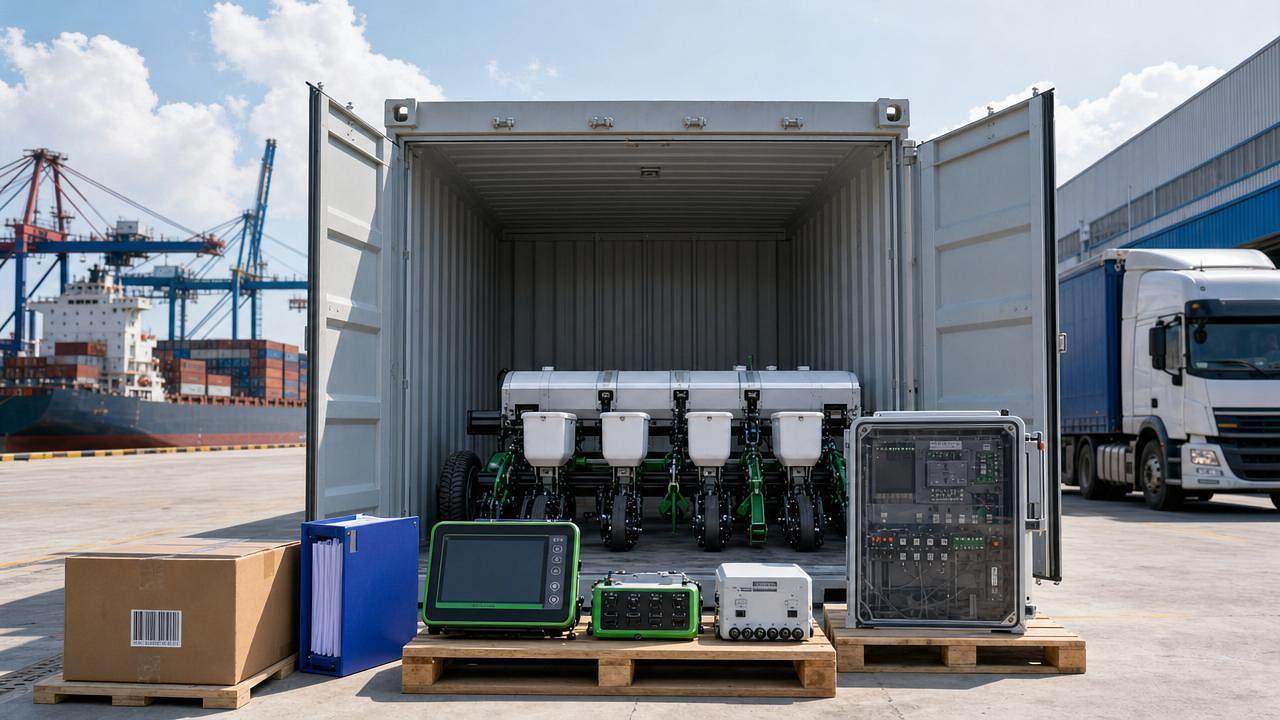




On June 11, 2026, the U.S. Department of Agriculture (USDA) and U.S. Customs and Border Protection (CBP) announced a temporary FAIR Act exemption for Variable Rate Tech equipment declared for import on or after July 1, 2026. The measure allows importers to submit final technical specifications and end-use declarations within 90 days after cargo arrival, delaying tariff classification and customs valuation. For smart agricultural equipment importers, customs brokers, distributors, and downstream buyers, the development is worth close attention because it directly addresses clearance bottlenecks tied to delayed cross-border verification of technical data.
What the agencies announced
According to the information provided, the temporary exemption applies to Variable Rate Tech equipment imported from July 1, 2026 onward. The covered scope includes variable-rate fertilizer applicators, prescription seeding terminals, and AI decision modules. Under the mechanism announced by USDA and CBP, importers may complete the submission of final technical parameters and intended-use statements within 90 days after the goods arrive. As a result, the final determination of tariff classification and dutiable value can be postponed. The stated purpose of the measure is to ease customs congestion caused by lags in verifying technical data for smart agricultural machinery in cross-border trade.
Where the operational impact may appear first
Import-side compliance and customs handling
From an industry perspective, direct importers and customs-facing teams are likely to feel the change first because the exemption shifts part of the documentation timetable from pre-clearance to a defined post-arrival window. The main impact may appear in entry processing, classification preparation, and coordination over technical files and use declarations. What deserves closer attention is whether internal workflows are ready to complete missing documentation within the 90-day period.
Equipment suppliers and channel partners
Analysis shows that manufacturers, overseas suppliers, and distribution partners involved in Variable Rate Tech equipment may also be affected because technical specifications now play an even more visible role in customs treatment. The business impact is likely to center on product documentation, handoff accuracy, and timing of data delivery to importers. Parties in the sales and channel chain should pay attention to whether product information is complete enough to support later tariff classification and valuation review.
Downstream buyers planning delivery schedules
Observably, farm equipment buyers, project teams, and service providers downstream may not be the direct subjects of the exemption, but they can still be affected through shipment timing, release planning, and contract communication. The relevant issue is less about the existence of the temporary mechanism itself and more about how delayed final determination may influence internal scheduling, acceptance expectations, or communication around import status.
What companies should monitor now
How official wording is applied in practice
What deserves closer attention is the difference between a policy mechanism and day-to-day implementation. Companies should monitor how USDA and CBP describe the practical use of the temporary exemption in follow-up communications, especially around documentation timing, submission expectations, and treatment of covered equipment categories.
Which product files need to be ready earlier
Analysis shows that the 90-day flexibility does not remove the importance of technical documentation; it changes when missing details may be supplied. Importers and suppliers should therefore focus on the availability of technical parameters and end-use statements for variable-rate fertilizer applicators, prescription seeding terminals, and AI decision modules, since those items are explicitly named in the provided information.
How to align supply chain communication
From an industry perspective, procurement, logistics, customs, and customer-facing teams should align on what the delayed final determination means and what it does not mean. The key practical issue is to avoid treating the exemption as a blanket simplification when it is instead a temporary pathway for later submission of required information.
Whether delivery and contract assumptions need adjustment
Observably, companies handling cross-border smart agricultural equipment should review how they communicate shipment progress, customs milestones, and documentation responsibilities. This is particularly relevant where delivery commitments or customer updates depend on assumptions about when tariff classification and customs valuation become final.
Why this looks more like an operational signal than a final outcome
Analysis shows that this announcement is best read first as an operational response to a specific trade-processing problem: delayed verification of technical data for smart agricultural machinery. It signals that regulators recognize documentation timing as a friction point in importing increasingly data-dependent equipment. At the same time, it is more appropriate to understand this as a targeted and still developing trade facilitation measure rather than a fully settled long-term framework. Continued attention is warranted because the practical effect will depend on how consistently the exemption is applied and how market participants adapt their documentation processes.
How the market may frame this development
For the industry, the immediate significance lies in the acknowledgment that customs treatment for smart agricultural equipment can be constrained by the pace of technical verification. That makes this announcement relevant not only for import clearance, but also for supplier coordination and post-arrival compliance planning. A neutral reading is that the measure may reduce friction in the short term, while its broader meaning as a policy signal still requires observation. At this stage, it is more appropriate to understand the development as a near-term procedural adjustment with wider implications only if implementation proves consistent over time.
Basis of this article and what still needs verification
This article is based on the user-provided news title, event date, and event summary concerning the USDA and CBP announcement on June 11, 2026. For this type of industry update, commonly relevant source types may include official agency announcements, company statements, industry association updates, authoritative media reports, and standards-related documents. A specific official source link was not provided in the input, so the exact public text and any follow-up clarification still require ongoing verification. Areas for continued monitoring include any further official wording on scope, application practice, and documentation expectations for covered Variable Rate Tech imports.
Related News
How RTK Satellite Positioning Improves Accuracy in Precision Farming Operations
RTK satellite positioning boosts precision farming with repeatable guidance, lower overlap, and better field data. Learn what to verify before choosing an RTK system.
EU Rule Takes Effect: EN 16924:2026 for Drip Irrigation Logic
EN 16924:2026 now reshapes EU access for Drip Irrigation Logic products. Learn how certification, CE marking, customs, and warehouse risks impact exporters and buyers.
How Autonomous Machinery for Crop Scouting Helps Growers Detect Field Issues Earlier
Autonomous machinery for crop scouting helps growers spot irrigation gaps, pest pressure, and crop stress earlier, turning field data into faster decisions and smarter action.
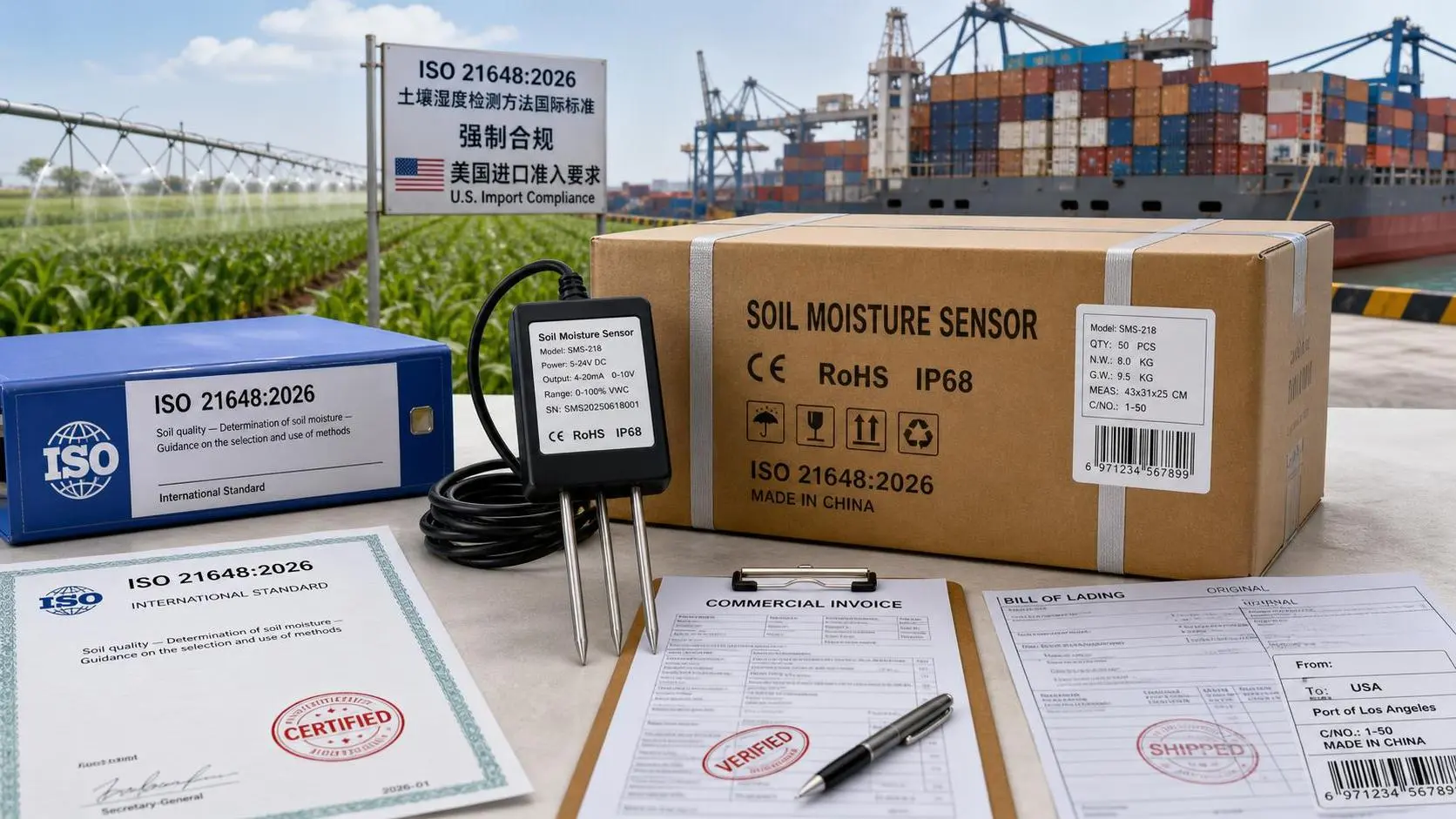
USDA Rule Makes ISO 21648:2026 Mandatory
USDA Rule Makes ISO 21648:2026 Mandatory for soil moisture sensors entering the U.S. Learn how the new USDA import compliance guide impacts certification, CBP entry, suppliers, and delivery plans.
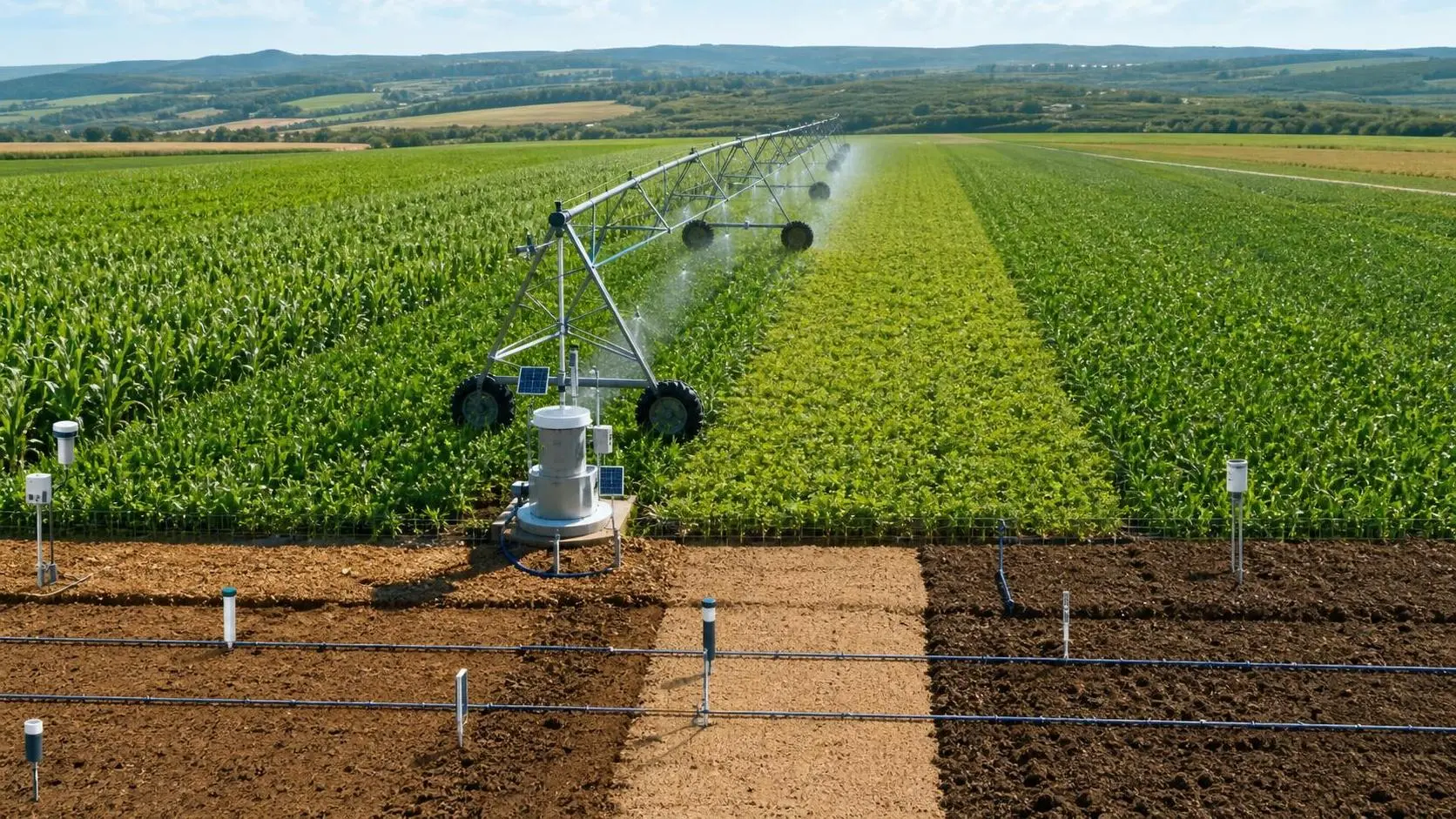
How Digital Farming Improves Irrigation Planning With Soil Data and GPS Mapping
Digital farming for irrigation planning turns soil data and GPS mapping into smarter watering decisions, helping farms reduce waste, improve field precision, and boost operational efficiency.
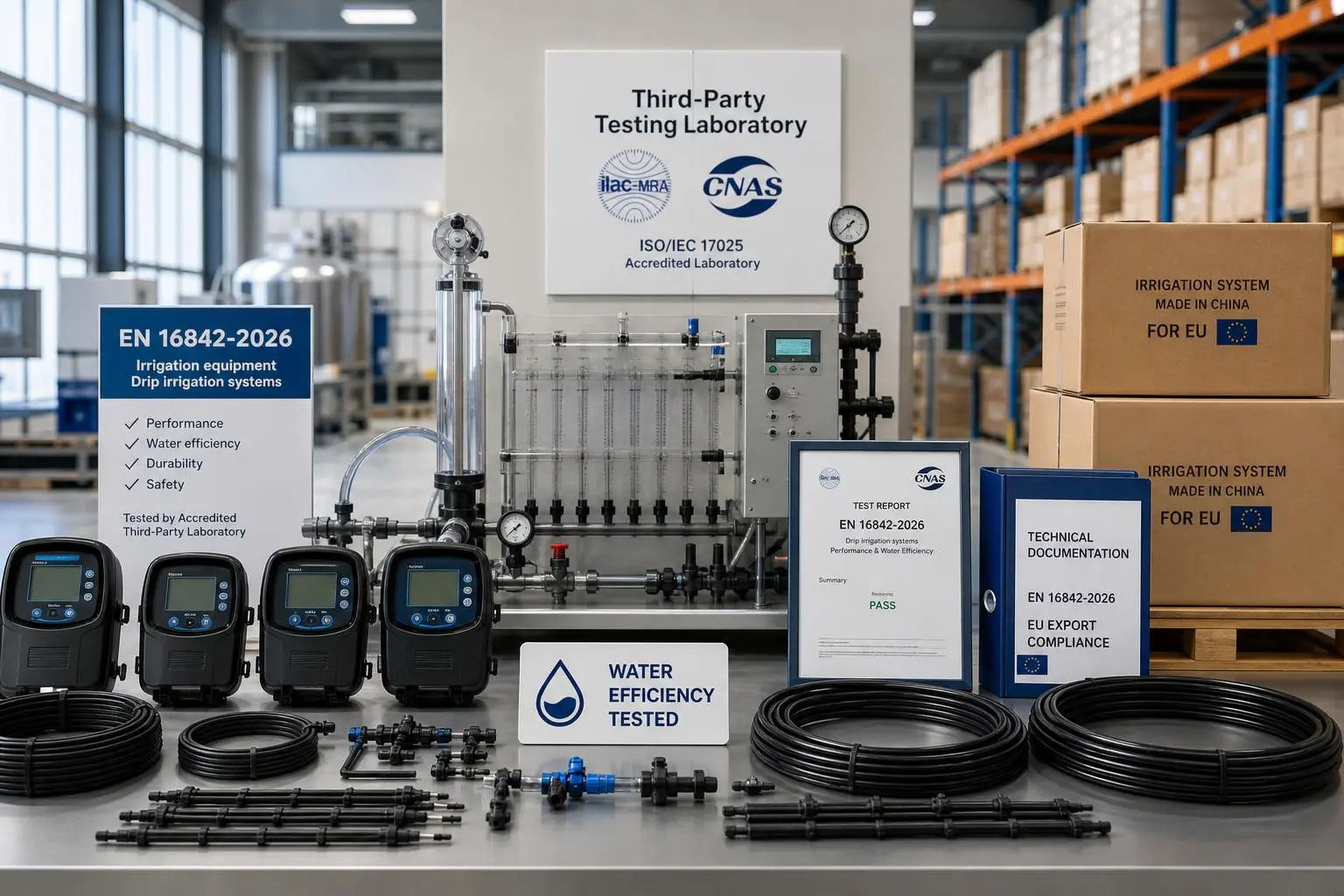
EU Rule Takes Effect: EN 16842-2026 Required for Drip Irrigation Logic Exports
EN 16842-2026 now makes third-party certification mandatory for Drip Irrigation Logic exports to the EU. Learn the compliance risks, customs impact, and supplier checks now.

How to Evaluate Autonomous Machinery for Vineyards by Terrain, Tasks, and ROI
Autonomous machinery for vineyards: learn how to evaluate terrain fit, task suitability, safety, and ROI to choose the right solution and reduce procurement risk.
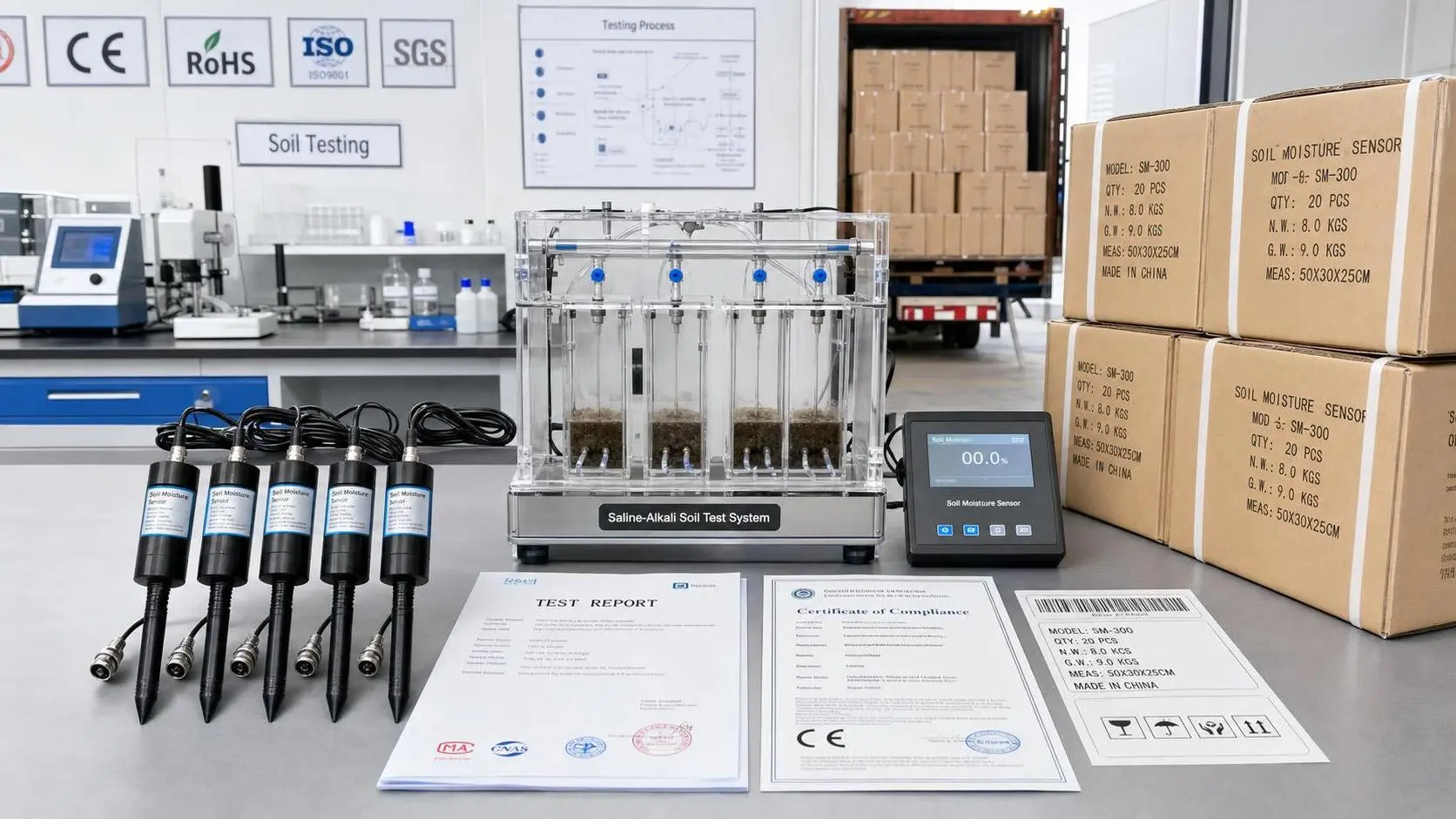
USDA Tightens Import Rules for Soil Moisture Sensors
Soil Moisture Sensors face new USDA import rules from Oct. 1, 2026. Learn how ISO 11274-3:2026 testing may impact customs clearance, lead times, and supplier planning.
How to Use a Global Agricultural Equipment Directory to Compare Suppliers and Reduce Sourcing Risk
Agricultural equipment directory global sourcing starts with smarter supplier comparison. Learn how to assess fit, compliance, support, and market readiness to reduce sourcing risk.
Related News
- 00
0000-00
How Smart Agricultural Implements Use ISOBUS to Improve Precision and Equipment Compatibility - 00
0000-00
USDA Broadens VRT EQIP Support to Smaller Farms - 00
0000-00
EU Rule Takes Effect for Variable Rate Tech Safety Certification - 00
0000-00
How Precision Farming Equipment With Telemetry Improves Field Monitoring and Input Control - 00
0000-00
How Digital Farming Technology Improves Crop Monitoring Accuracy and Field Decisions
Popular Tags
Tractor Power Architect
Weekly Insights
Stay ahead with our curated technology reports delivered every Monday.