
How to Compare Precision Agriculture Tools by Accuracy, Compatibility, and Field Size
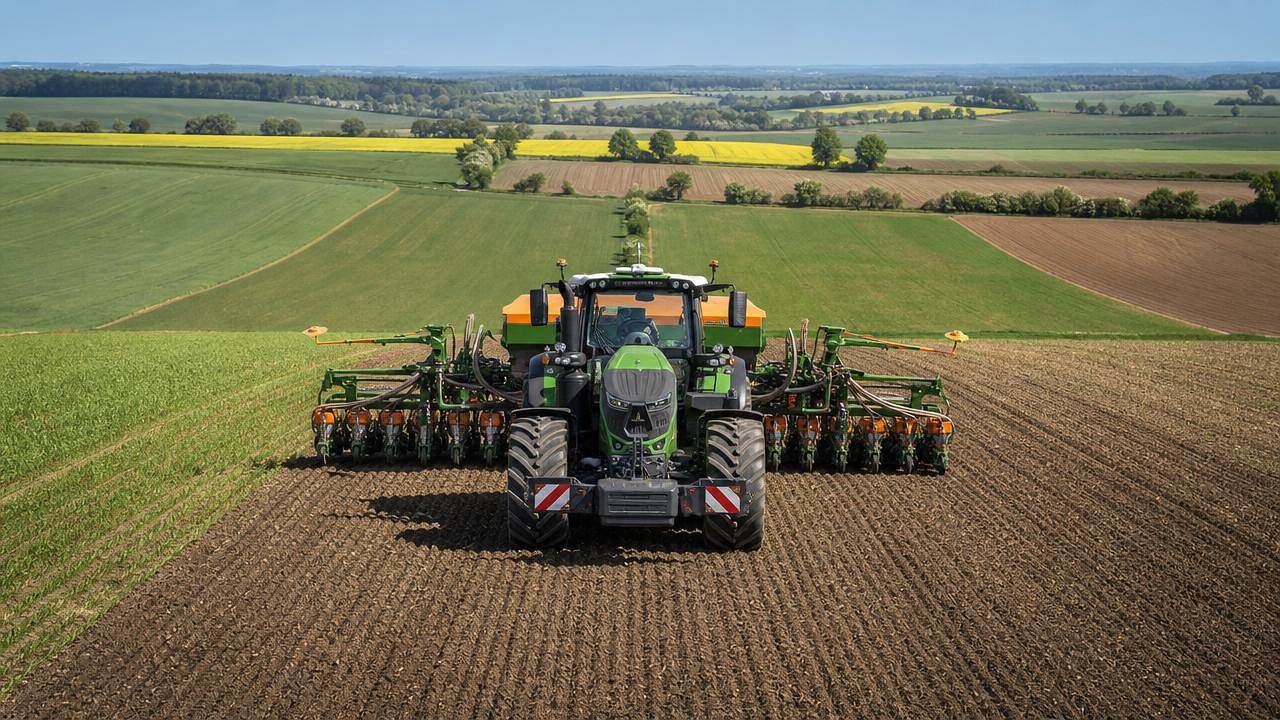




How to Compare Precision Agriculture Tools by Accuracy, Compatibility, and Field Size
Choosing precision agriculture tools is not just a feature checklist exercise.
For serious evaluation, the real question is operational fit.
That means testing accuracy, compatibility, and field-size performance together.
A tool that performs well in one category can still fail in daily use.
This is especially true when farms scale fast or machinery fleets are mixed.
At AP-Strategy, long-cycle equipment decisions are best judged through field logic.
The strongest precision agriculture tools support measurable results, clean data flow, and flexible deployment.
This guide offers a practical structure for comparing options with more confidence.
Start with the real job, not the product sheet
Many evaluations begin too high in the stack.
Teams compare dashboards, subscription tiers, and sensor counts before defining field tasks.
A better starting point is the agronomic and mechanical objective.
For example, are you optimizing seed placement, spraying accuracy, irrigation timing, or harvest loss tracking?
Different precision agriculture tools are built around different decision loops.
Some tools guide machines in real time.
Others generate prescriptions from maps, weather, and sensor feedback.
When the use case is clear, comparison becomes much more objective.
Define the evaluation baseline
- List the target operation, such as planting, fertilizing, irrigation, or harvest support.
- Identify the machinery involved, including tractors, implements, combines, and controllers.
- Define the expected gain, such as lower overlap, lower input waste, or better yield uniformity.
- Set a usable evaluation period across weather, soil, and crop variability.
Compare accuracy in terms that matter on the ground
Accuracy is the first headline metric, but it is often misunderstood.
In precision agriculture tools, accuracy is not only a positioning number.
It also includes repeatability, response speed, signal stability, and execution quality.
A guidance system may advertise sub-inch precision.
That sounds strong, but value drops if correction signals are unstable.
The same issue appears in variable-rate systems.
Prescription accuracy means little if the controller lags behind machine speed.
So the best comparison focuses on applied accuracy, not only stated accuracy.
What to measure
- Pass-to-pass consistency during straight and curved operations.
- Line reacquisition after turns, signal drops, or headland transitions.
- Controller response under different travel speeds and terrain conditions.
- Sensor reliability in dust, vibration, canopy cover, and moisture shifts.
- Map-to-action delay between data capture and machine output.
From a decision perspective, accuracy should be translated into cost and output.
Ask how much overlap is removed.
Ask how much skip risk is reduced.
Then connect those answers to seed, fertilizer, chemical, water, and labor efficiency.
Treat compatibility as a system-level requirement
Compatibility is where many precision agriculture tools win or lose long-term value.
A tool can be accurate and still create operational friction.
That happens when it cannot speak cleanly with displays, controllers, and farm software.
Mixed fleets make this even more important.
Large operations often run multiple tractor brands, several implement generations, and different data platforms.
In that environment, compatibility means more than physical connection.
It means stable data exchange, workflow continuity, and upgrade flexibility.
Key compatibility checkpoints
- Support for common standards such as ISOBUS and major correction signal formats.
- Interoperability with existing guidance displays, section control, and rate controllers.
- Clean import and export for maps, prescriptions, boundaries, and machine logs.
- Connection options for telemetry, cloud syncing, and remote diagnostics.
- Ability to scale without replacing core hardware too early.
This is where AP-Strategy often sees hidden costs emerge.
A low-price tool may demand middleware, custom cabling, retraining, or manual data cleanup.
Those frictions rarely appear in marketing materials, but they shape adoption speed.
Match precision agriculture tools to field size and field pattern
Field size changes tool economics more than many buyers expect.
A system that works well on compact, regular fields may underperform on large, irregular blocks.
The reverse is also true.
Some advanced precision agriculture tools deliver excellent results on broad-acre operations.
Yet they feel oversized for farms with fragmented parcels and frequent transport moves.
So field size should be assessed with field shape, turning frequency, and labor structure.
Practical field-size considerations
- Large fields often benefit most from auto-steer, section control, and fleet-level data visibility.
- Smaller fragmented fields need fast setup, strong line recovery, and simpler operator workflows.
- Irregular boundaries increase the value of headland automation and overlap management.
- Multi-crop operations need profiles that adapt quickly across implements and seasons.
A useful benchmark is productive time per field day.
If a tool saves inputs but slows setup every move, gains can disappear.
That is why field-size fit should include machine uptime, operator workload, and logistics efficiency.
Use a weighted comparison model
When several precision agriculture tools look similar, a weighted model sharpens the decision.
It prevents one impressive feature from dominating the entire review.
More importantly, it keeps technical scoring tied to business priorities.
The exact weights can change, but the structure keeps evaluation transparent.
Check field performance before full deployment
Short pilots often reveal more than long presentations.
The goal is not perfect statistical certainty.
The goal is to expose practical weaknesses early.
For precision agriculture tools, pilots should cover real machine combinations and real operating windows.
A useful pilot checklist includes:
- Run the tool in at least two field sizes.
- Test at different speeds and during long operating hours.
- Switch operators to evaluate learning curve and workflow clarity.
- Verify data export into the current management platform.
- Track actual overlap, skip rate, and time lost to setup or troubleshooting.
This stage also helps judge vendor support quality.
Response speed during a pilot is often a strong signal of post-sale performance.
Watch the hidden risks behind promising specs
Some precision agriculture tools look excellent in controlled comparisons.
The trouble starts when real operations add variability.
The most common risks include:
- Signal dependence in areas with unstable correction coverage.
- Subscription models that raise yearly operating cost over time.
- Vendor lock-in that limits future equipment choices.
- Data silos that reduce visibility across planting, spraying, and harvest.
- Operator resistance when interfaces are too complex for peak-season use.
From recent market shifts, one clearer signal is platform convergence.
Buyers increasingly prefer precision agriculture tools that can grow across autonomous, electric, and sensor-rich workflows.
That also means open integration is becoming a strategic advantage, not a minor feature.
Build the final decision around long-term productivity
The best precision agriculture tools are not always the most advanced on paper.
They are the ones that stay reliable across seasons, machines, and field conditions.
That is the core of smart selection.
In practical terms, compare every option against three questions.
- Does it deliver usable accuracy under real field stress?
- Does it fit the current machinery and future data architecture?
- Does it improve daily productivity across actual field sizes?
If the answer is clear on all three, the selection becomes much stronger.
That is also where AP-Strategy places the highest value.
Hard mechanical performance, precision algorithms, and sustainability goals need to work as one system.
When precision agriculture tools are evaluated that way, decisions become less risky and more productive.
Use this framework to score options, run focused pilots, and move toward a better-fit deployment with fewer surprises.
Related News
How RTK Satellite Positioning Improves Accuracy in Precision Farming Operations
RTK satellite positioning boosts precision farming with repeatable guidance, lower overlap, and better field data. Learn what to verify before choosing an RTK system.
EU Rule Takes Effect: EN 16924:2026 for Drip Irrigation Logic
EN 16924:2026 now reshapes EU access for Drip Irrigation Logic products. Learn how certification, CE marking, customs, and warehouse risks impact exporters and buyers.
How Autonomous Machinery for Crop Scouting Helps Growers Detect Field Issues Earlier
Autonomous machinery for crop scouting helps growers spot irrigation gaps, pest pressure, and crop stress earlier, turning field data into faster decisions and smarter action.
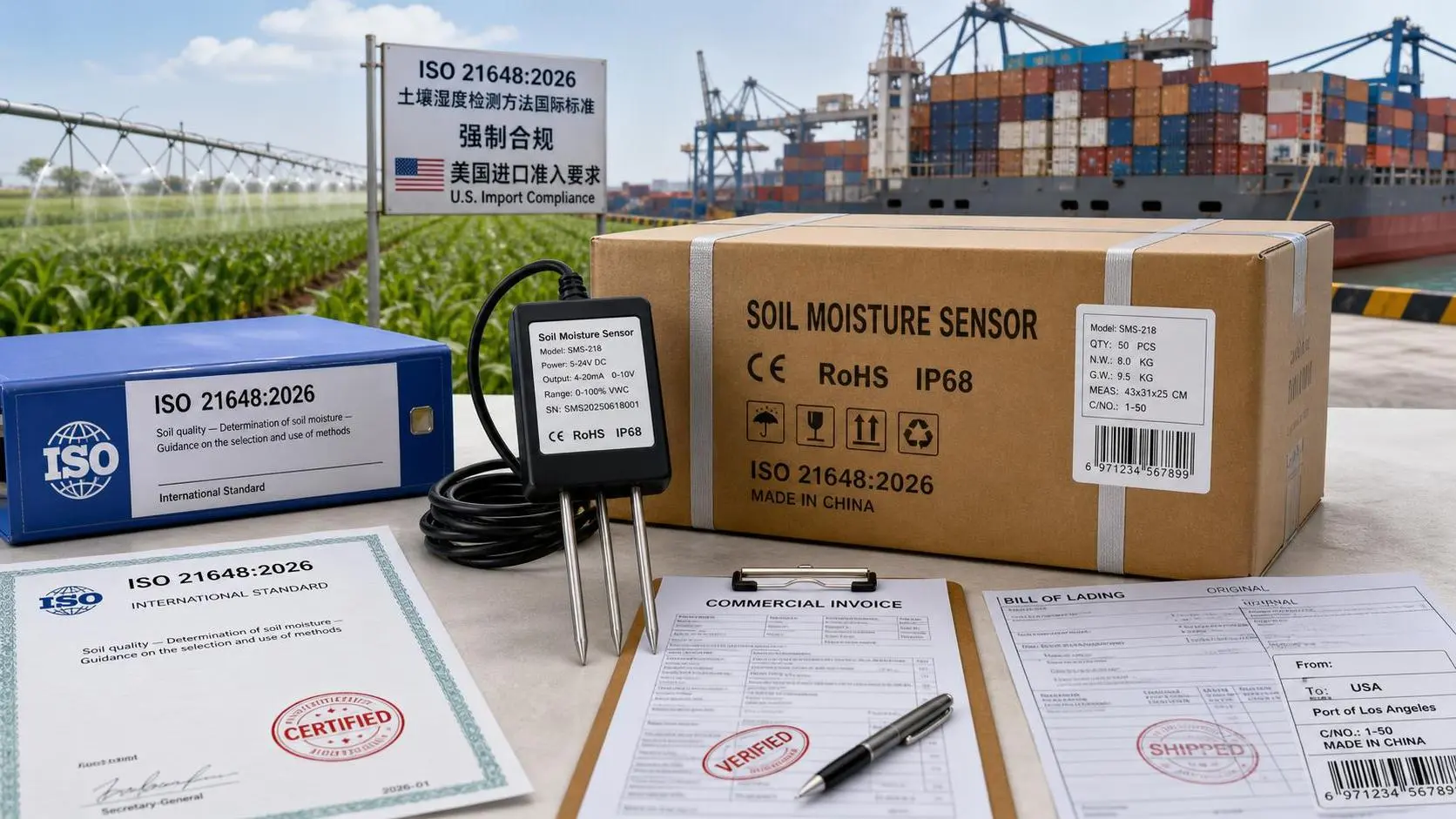
USDA Rule Makes ISO 21648:2026 Mandatory
USDA Rule Makes ISO 21648:2026 Mandatory for soil moisture sensors entering the U.S. Learn how the new USDA import compliance guide impacts certification, CBP entry, suppliers, and delivery plans.
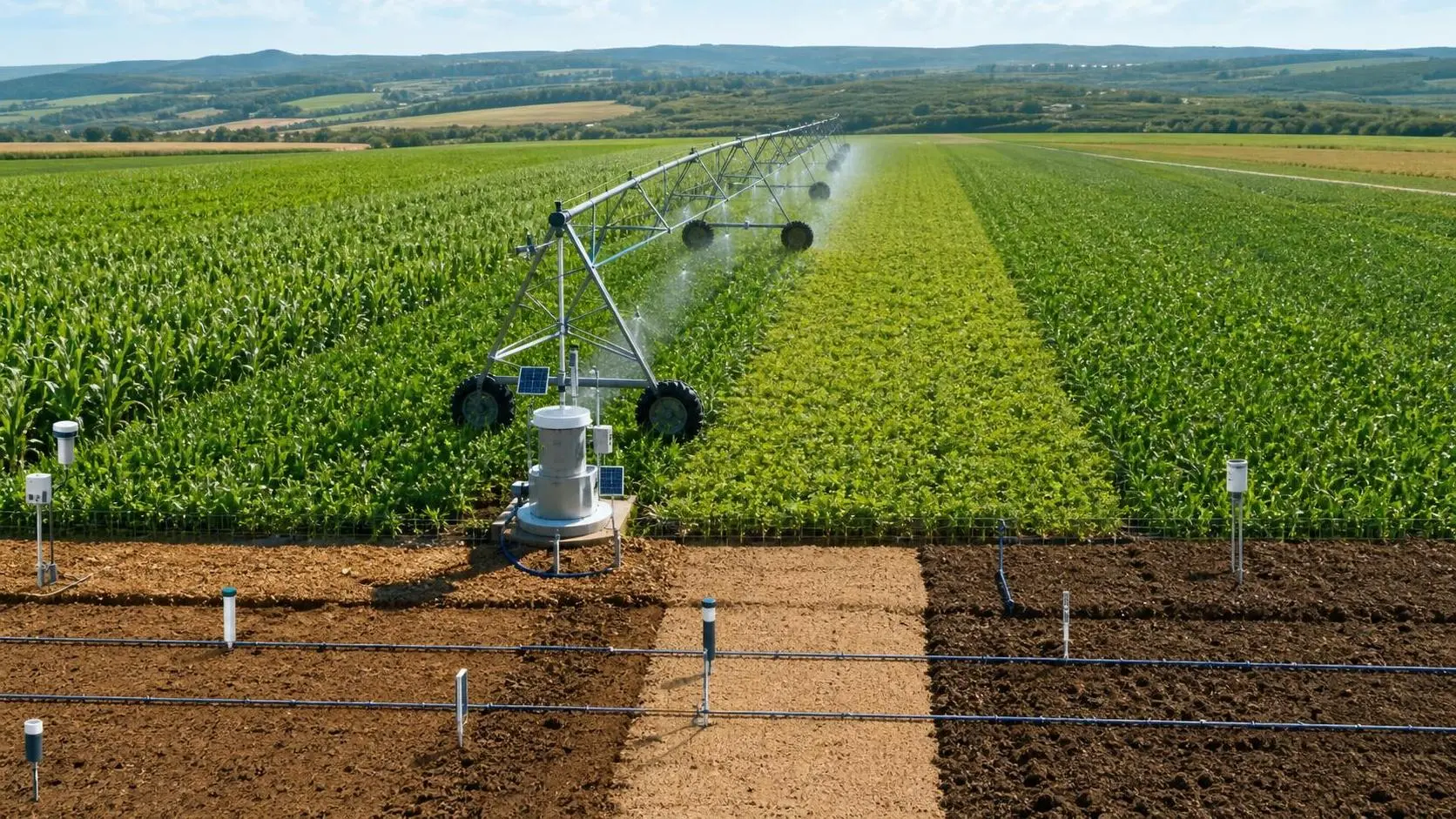
How Digital Farming Improves Irrigation Planning With Soil Data and GPS Mapping
Digital farming for irrigation planning turns soil data and GPS mapping into smarter watering decisions, helping farms reduce waste, improve field precision, and boost operational efficiency.
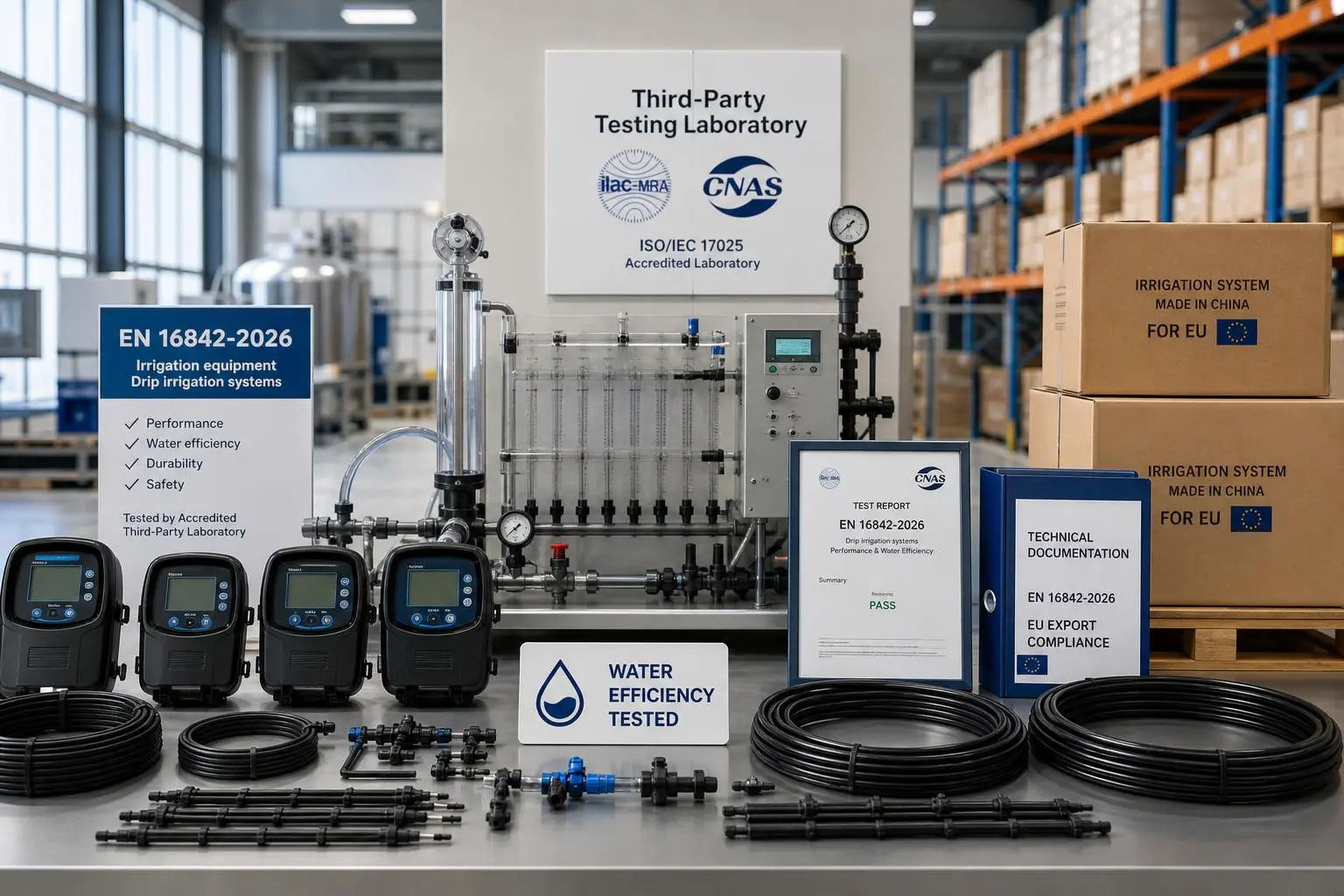
EU Rule Takes Effect: EN 16842-2026 Required for Drip Irrigation Logic Exports
EN 16842-2026 now makes third-party certification mandatory for Drip Irrigation Logic exports to the EU. Learn the compliance risks, customs impact, and supplier checks now.
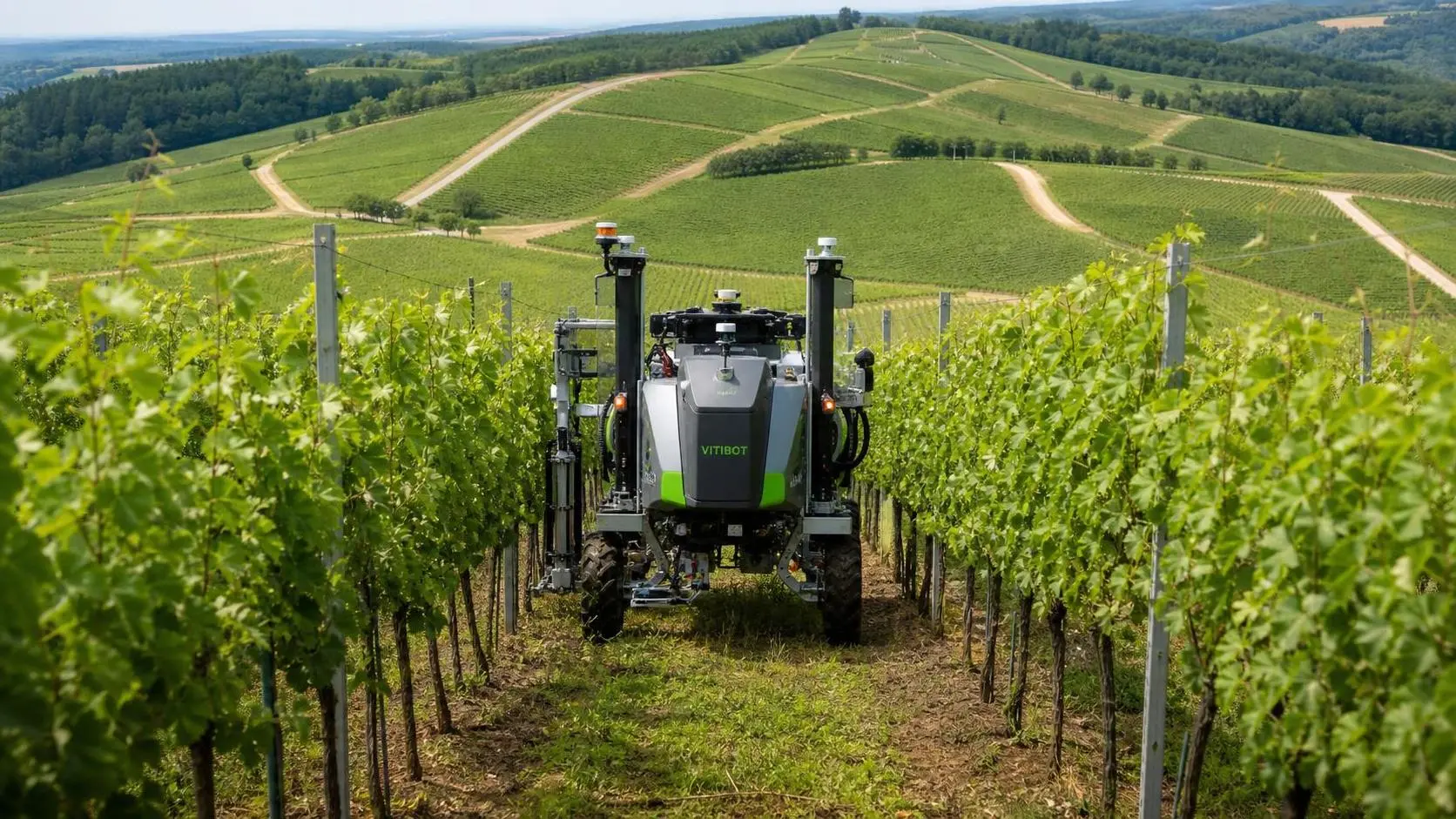
How to Evaluate Autonomous Machinery for Vineyards by Terrain, Tasks, and ROI
Autonomous machinery for vineyards: learn how to evaluate terrain fit, task suitability, safety, and ROI to choose the right solution and reduce procurement risk.
USDA Tightens Import Rules for Soil Moisture Sensors
Soil Moisture Sensors face new USDA import rules from Oct. 1, 2026. Learn how ISO 11274-3:2026 testing may impact customs clearance, lead times, and supplier planning.
How to Use a Global Agricultural Equipment Directory to Compare Suppliers and Reduce Sourcing Risk
Agricultural equipment directory global sourcing starts with smarter supplier comparison. Learn how to assess fit, compliance, support, and market readiness to reduce sourcing risk.
Related News
- 00
0000-00
How Smart Agricultural Implements Use ISOBUS to Improve Precision and Equipment Compatibility - 00
0000-00
USDA Broadens VRT EQIP Support to Smaller Farms - 00
0000-00
EU Rule Takes Effect for Variable Rate Tech Safety Certification - 00
0000-00
How Precision Farming Equipment With Telemetry Improves Field Monitoring and Input Control - 00
0000-00
How Digital Farming Technology Improves Crop Monitoring Accuracy and Field Decisions
Popular Tags
Tractor Power Architect
Weekly Insights
Stay ahead with our curated technology reports delivered every Monday.