
USDA Broadens FAIR Act Relief for VRT Importers
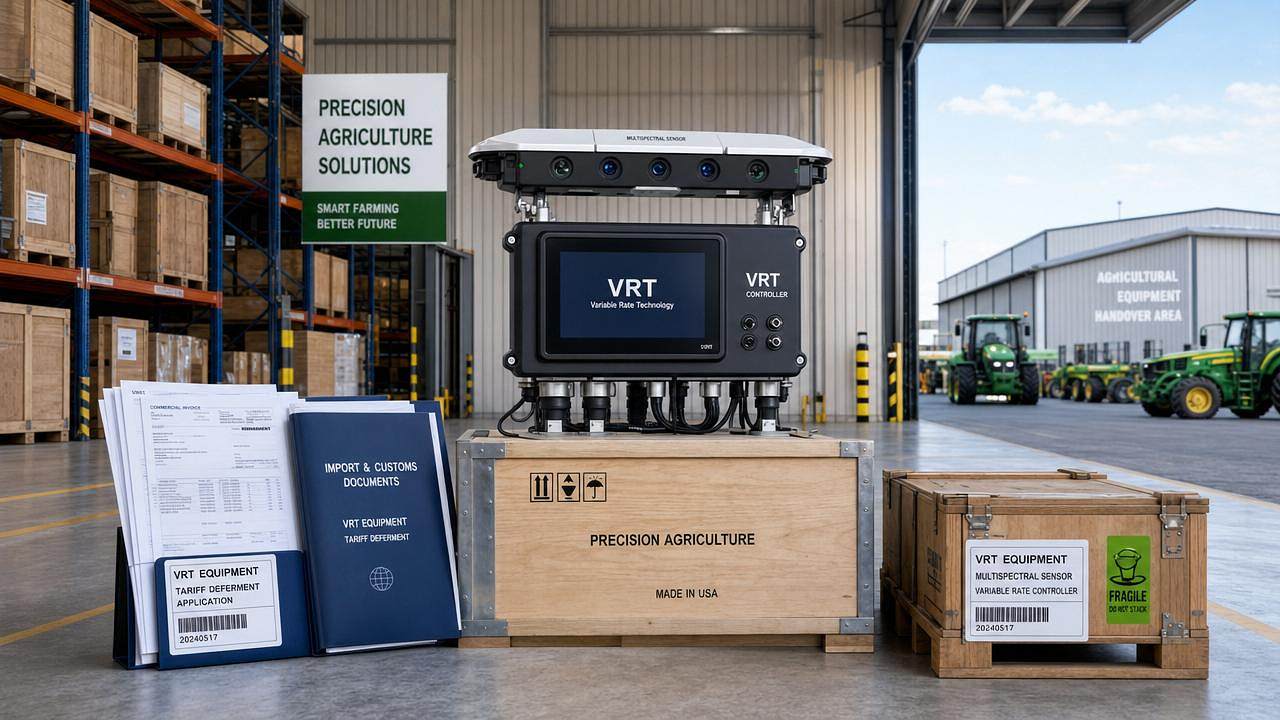




On June 2, 2026, the USDA expanded the scope of a FAIR Act exemption affecting imports of Variable Rate Tech equipment, allowing tariff assessment to be deferred until final-use verification is completed. For importers, system integrators, procurement teams, and logistics participants handling smart agricultural equipment, this is worth close attention because it changes how customs timing, compliance sequencing, and cash-flow exposure may be managed for products that incorporate VRT functions.
What the USDA change confirms
According to the information provided, the USDA formally broadened the applicable scope of the FAIR Act exemption in June 2026. The confirmed change allows imported equipment related to Variable Rate Tech to defer tariff determination before final-use verification is finished.
The measure applies to smart agricultural equipment that includes components such as variable-rate fertilization or spraying controllers and integrated multispectral sensor modules. The provided information also indicates that the adjustment is relevant to system-level products that need embedded VRT modules, including Drip Irrigation Logic and Self-propelled Sprayers.
The stated practical effect is a simplified customs clearance process, together with lower capital occupancy and reduced compliance uncertainty for importers.
Where the change may be felt first
Import workflows tied to embedded VRT functions
From an industry perspective, direct trading companies and import-facing procurement teams may feel the impact first because the rule change relates directly to when tariff assessment is finalized. The main operational effect may appear in customs filing preparation, internal import costing, and the way teams organize documentation for final-use verification. What deserves closer attention is whether product descriptions, technical files, and import declarations clearly show that the equipment falls within VRT-related use scenarios described in the update.
System manufacturers assembling smart farm equipment
Manufacturing businesses that import modules for integration into larger systems may also be affected, especially where products rely on embedded controllers or sensor modules to deliver variable-rate functionality. Analysis shows that the relevant issue is not only tariff timing, but also whether product architecture, bill-of-material descriptions, and procurement specifications are consistent with the imported equipment's stated end use. Any mismatch between technical documentation and declared application could create follow-up compliance pressure even if customs processing becomes simpler at the front end.
Supply chain and delivery coordination
Supply chain service providers, including customs-facing logistics coordinators and delivery planners, may need to adjust milestone management rather than product design. Observably, a deferred tariff assessment framework can affect when costs are recognized, when documents must be complete, and how shipment handover is coordinated between importer, integrator, and end-use project teams. In practice, the key point is likely to be document readiness across the import and delivery chain rather than only faster border movement.
What companies should monitor now
Consistency between technical scope and declared use
Analysis shows that businesses should review whether imported controllers, sensor integration modules, and related system products are described consistently across customs documents, technical specifications, and procurement records. Because the tariff determination is deferred until final-use verification is completed, the link between product configuration and stated end use becomes an important compliance reference point.
Readiness for follow-up verification
What deserves closer attention is the quality of supporting materials that may be used to explain how the equipment is deployed in practice. Where the input information does not provide detailed execution rules, companies should treat verification readiness as an area to monitor rather than assume a uniform operating standard has already been established.
Procurement and delivery planning assumptions
Importers and buyers may wish to reassess procurement timing, landed-cost assumptions, and delivery scheduling for equipment that embeds VRT modules. This should be understood as a practical planning issue: simplified clearance and delayed tariff assessment may reduce immediate pressure, but they do not eliminate the need for disciplined documentation and traceability later in the process.
Watching for implementation language
Observably, the current update is most useful as a signal to monitor official wording, implementation practice, and downstream commercial documents. Businesses should pay attention to how the change is reflected in procurement files, product qualification materials, and any compliance review language used in actual transactions.
How this update is best understood at this stage
From an industry perspective, this development is more appropriate to understand as an implemented rule change with clear operational relevance, but also as an execution signal that still requires follow-up observation. The confirmed facts point to easier customs handling and lower importer uncertainty for eligible VRT-related equipment. However, the input does not provide detailed procedural guidance, so market participants should avoid treating the current information as a complete map of every documentation or verification requirement.
Analysis shows that the real significance lies in sequencing: tariff assessment can be postponed ahead of final-use verification, which may improve trade and procurement flexibility, but it also increases the importance of later-stage consistency between imported goods, declared application, and supporting records.
Why the market will keep watching this area
In summary, the USDA's expansion of the FAIR Act exemption matters because it changes the practical compliance rhythm for imports of VRT-related agricultural equipment and system products. The immediate takeaway is not that all uncertainty has been removed, but that customs treatment, working-capital planning, and documentation strategy may shift for affected importers and integrators.
It is more appropriate to understand this update as a meaningful operational adjustment that has already taken shape, while the finer points of implementation, verification practice, and market response still deserve continued attention.
Basis of this article and points for further verification
This article is generated based on the user-provided news title, event date, and event summary. For developments of this kind, commonly relevant source types may include official notices, releases from regulatory bodies, customs or trade administration updates, industry association communications, standard-setting documents, and reporting by authoritative media.
No specific official source link was provided in the input, so the underlying official publication path still requires further verification. Observably, the next points worth monitoring include detailed implementation language, compliance interpretation, changes in procurement or tender documents, industry feedback, and how companies apply the rule in actual import and delivery workflows.
Related News
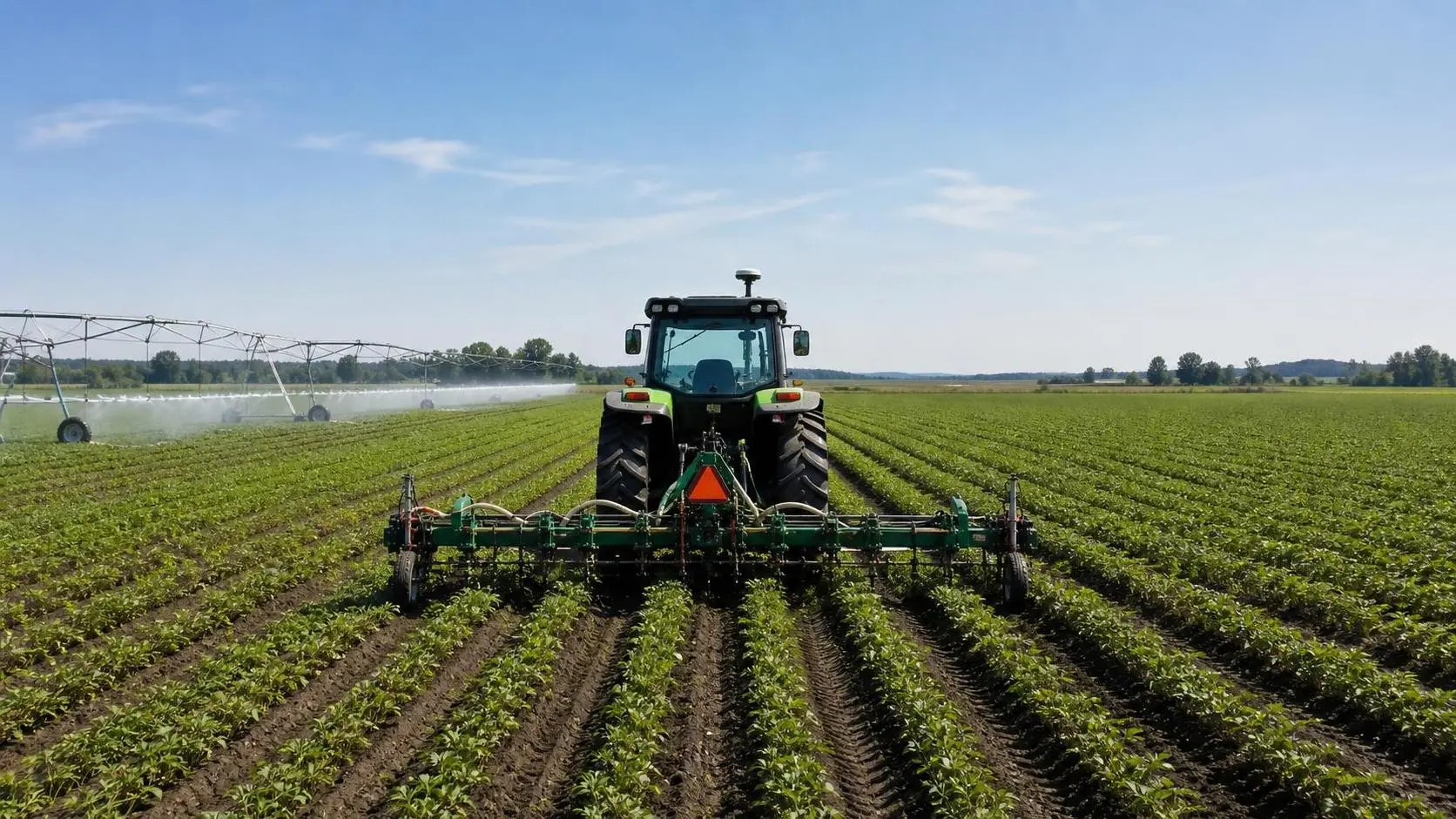
How RTK Satellite Positioning Improves Accuracy in Precision Farming Operations
RTK satellite positioning boosts precision farming with repeatable guidance, lower overlap, and better field data. Learn what to verify before choosing an RTK system.
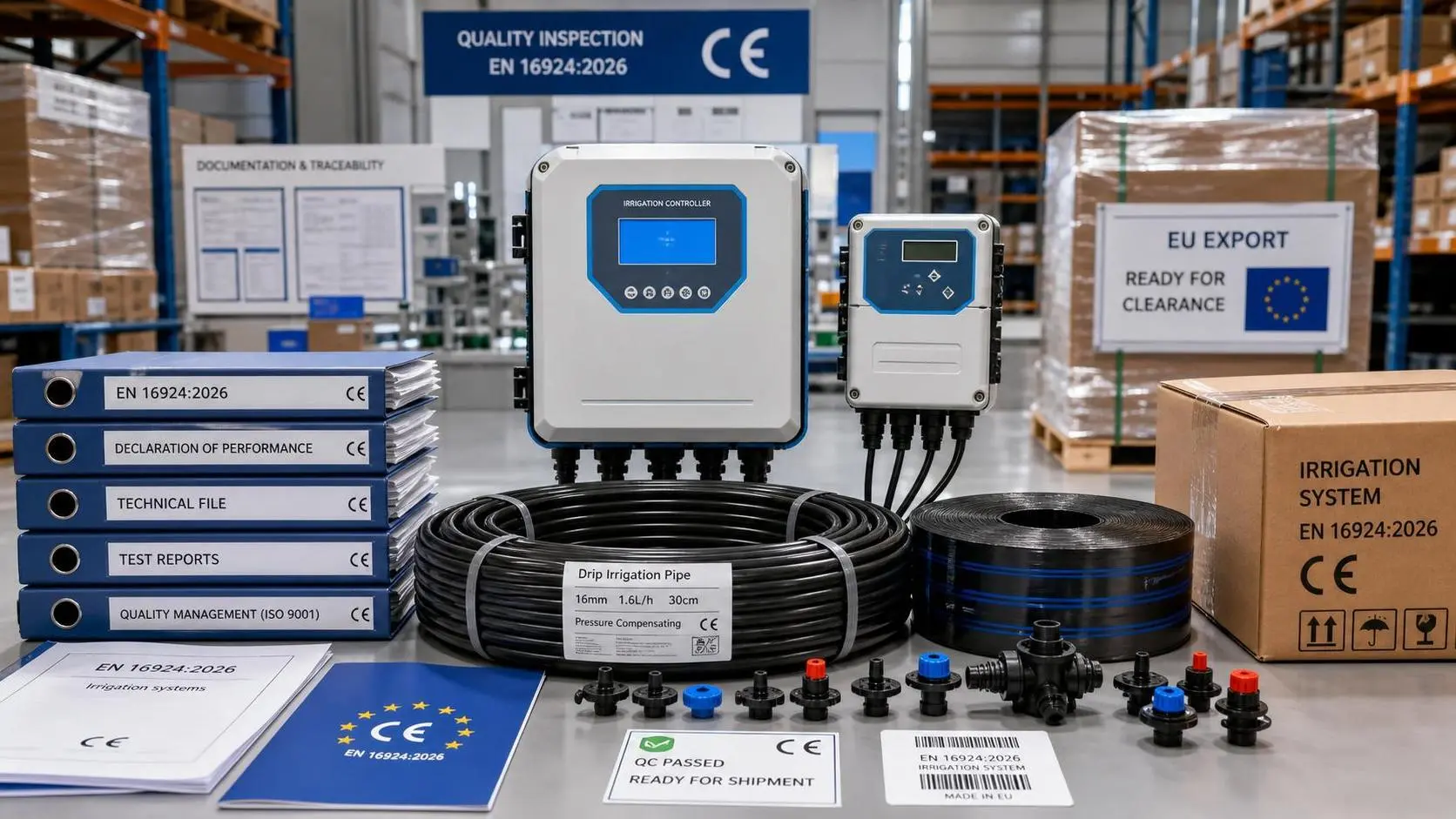
EU Rule Takes Effect: EN 16924:2026 for Drip Irrigation Logic
EN 16924:2026 now reshapes EU access for Drip Irrigation Logic products. Learn how certification, CE marking, customs, and warehouse risks impact exporters and buyers.

How Autonomous Machinery for Crop Scouting Helps Growers Detect Field Issues Earlier
Autonomous machinery for crop scouting helps growers spot irrigation gaps, pest pressure, and crop stress earlier, turning field data into faster decisions and smarter action.
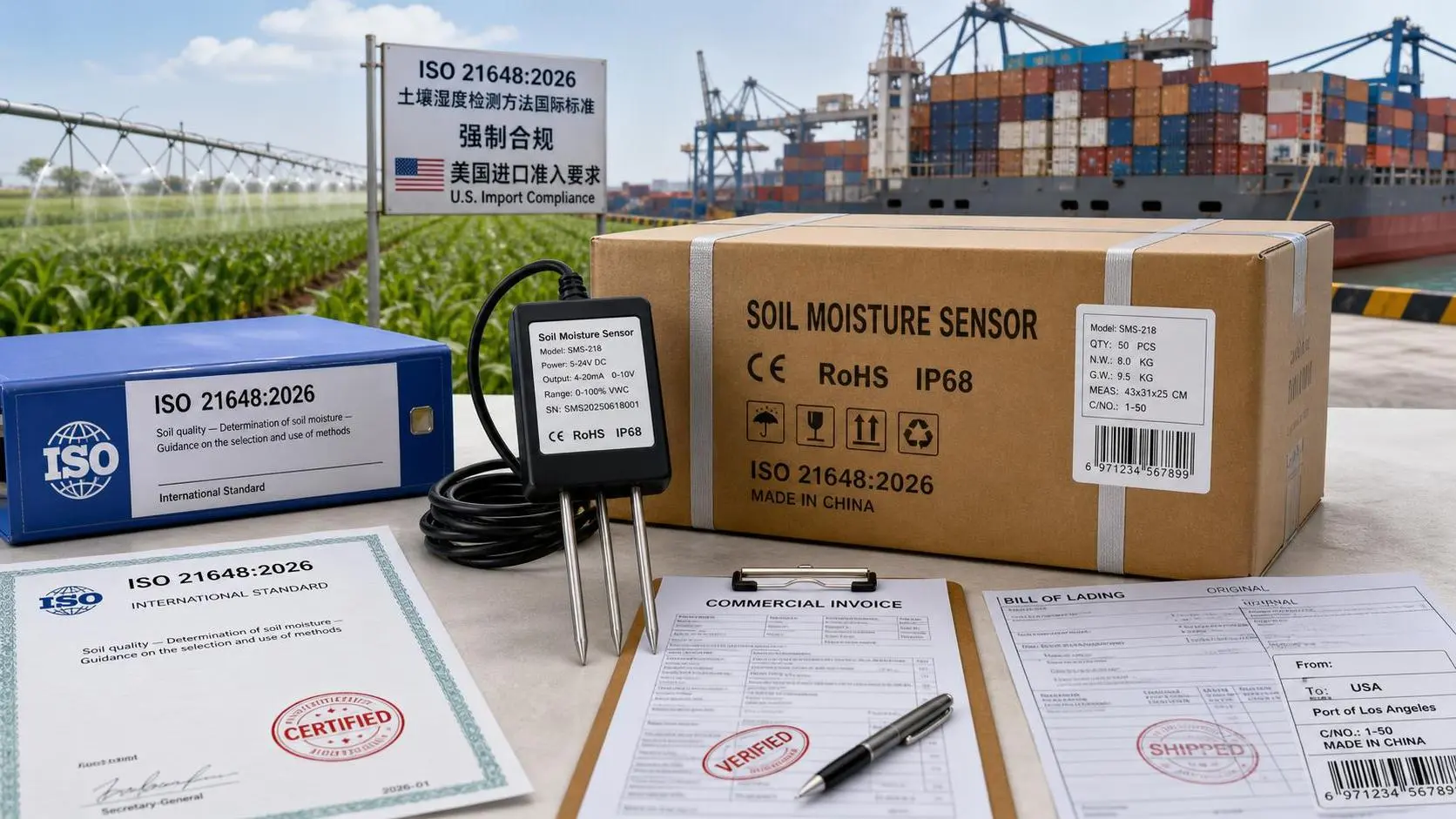
USDA Rule Makes ISO 21648:2026 Mandatory
USDA Rule Makes ISO 21648:2026 Mandatory for soil moisture sensors entering the U.S. Learn how the new USDA import compliance guide impacts certification, CBP entry, suppliers, and delivery plans.
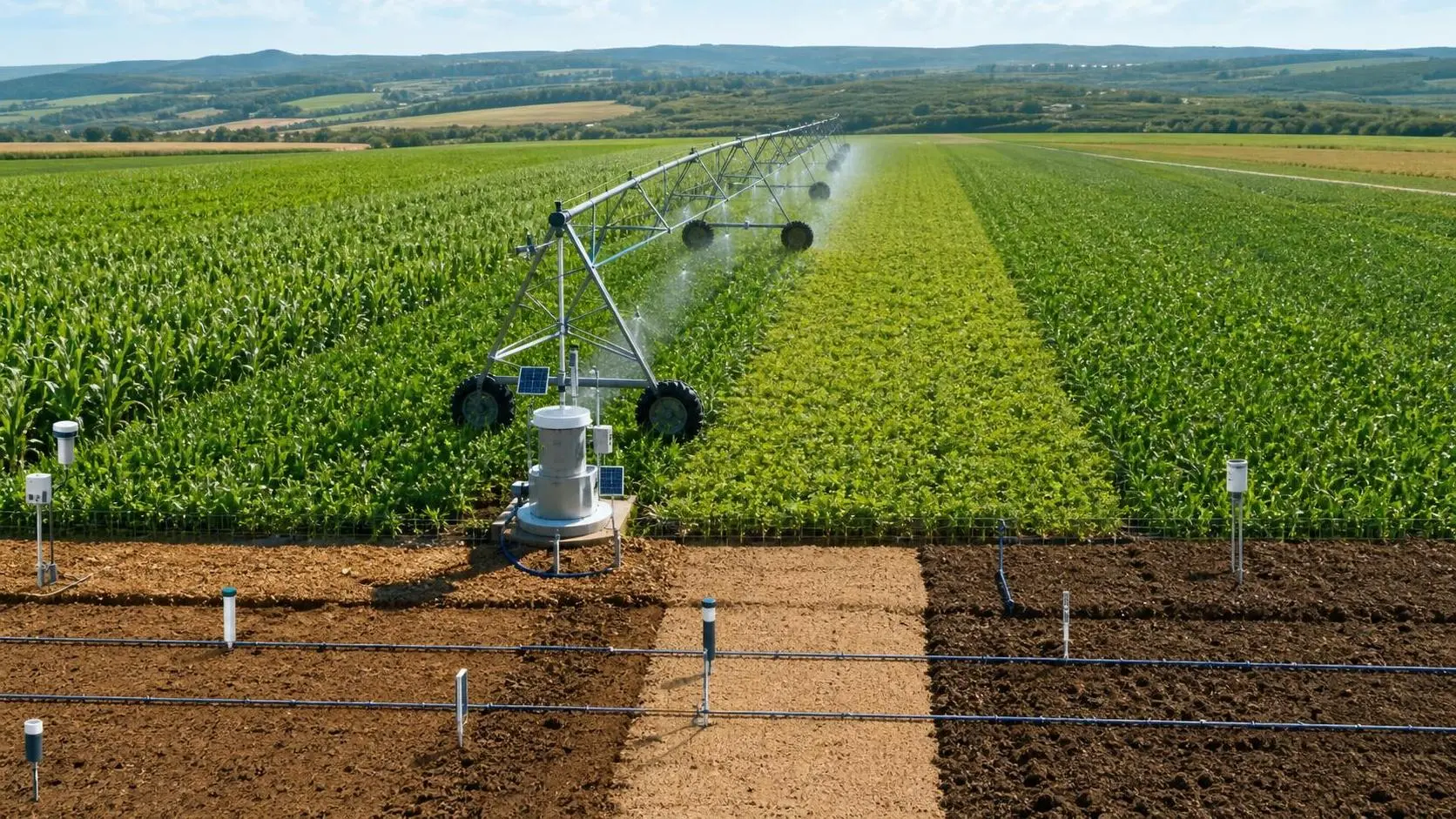
How Digital Farming Improves Irrigation Planning With Soil Data and GPS Mapping
Digital farming for irrigation planning turns soil data and GPS mapping into smarter watering decisions, helping farms reduce waste, improve field precision, and boost operational efficiency.
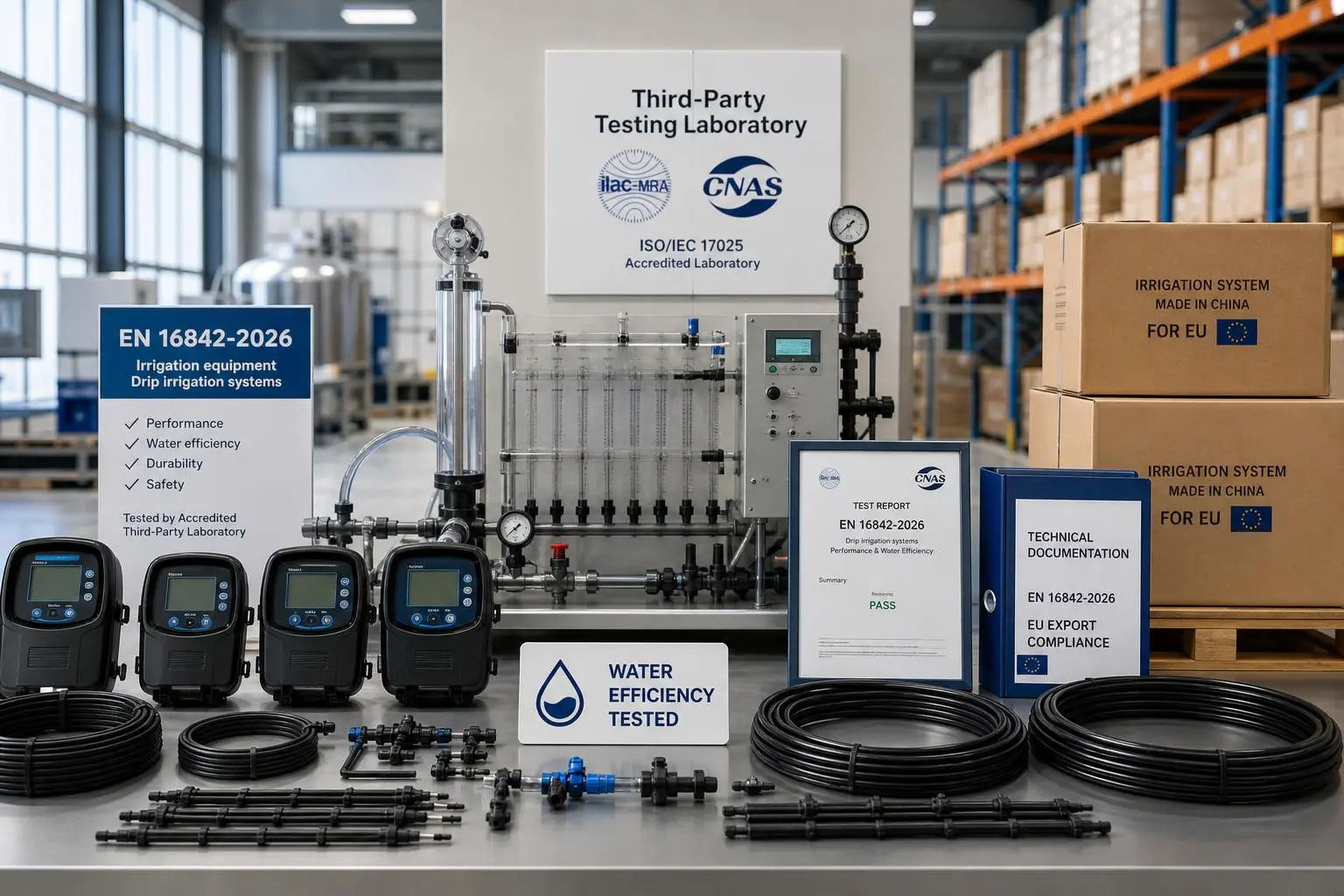
EU Rule Takes Effect: EN 16842-2026 Required for Drip Irrigation Logic Exports
EN 16842-2026 now makes third-party certification mandatory for Drip Irrigation Logic exports to the EU. Learn the compliance risks, customs impact, and supplier checks now.

How to Evaluate Autonomous Machinery for Vineyards by Terrain, Tasks, and ROI
Autonomous machinery for vineyards: learn how to evaluate terrain fit, task suitability, safety, and ROI to choose the right solution and reduce procurement risk.
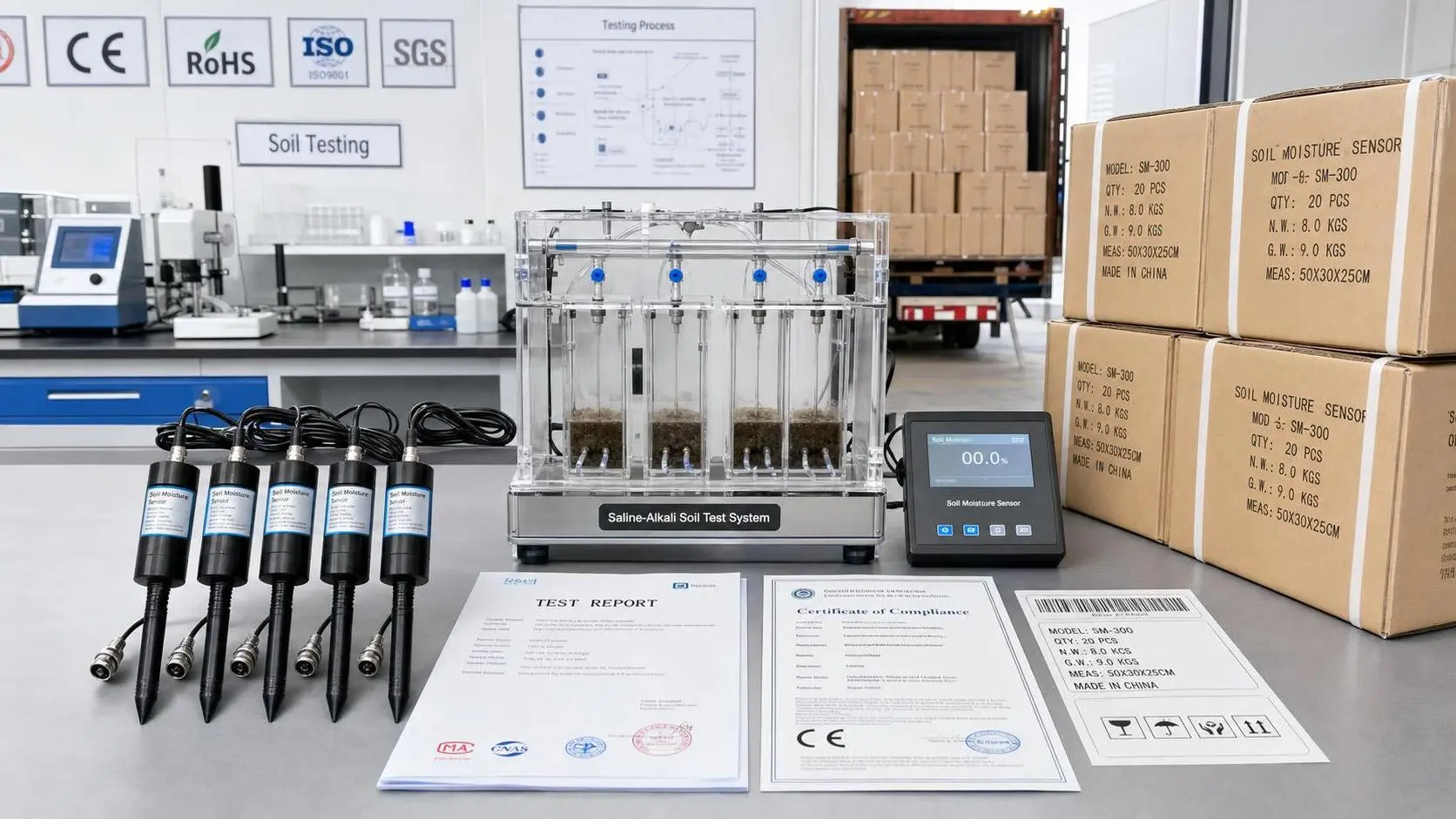
USDA Tightens Import Rules for Soil Moisture Sensors
Soil Moisture Sensors face new USDA import rules from Oct. 1, 2026. Learn how ISO 11274-3:2026 testing may impact customs clearance, lead times, and supplier planning.
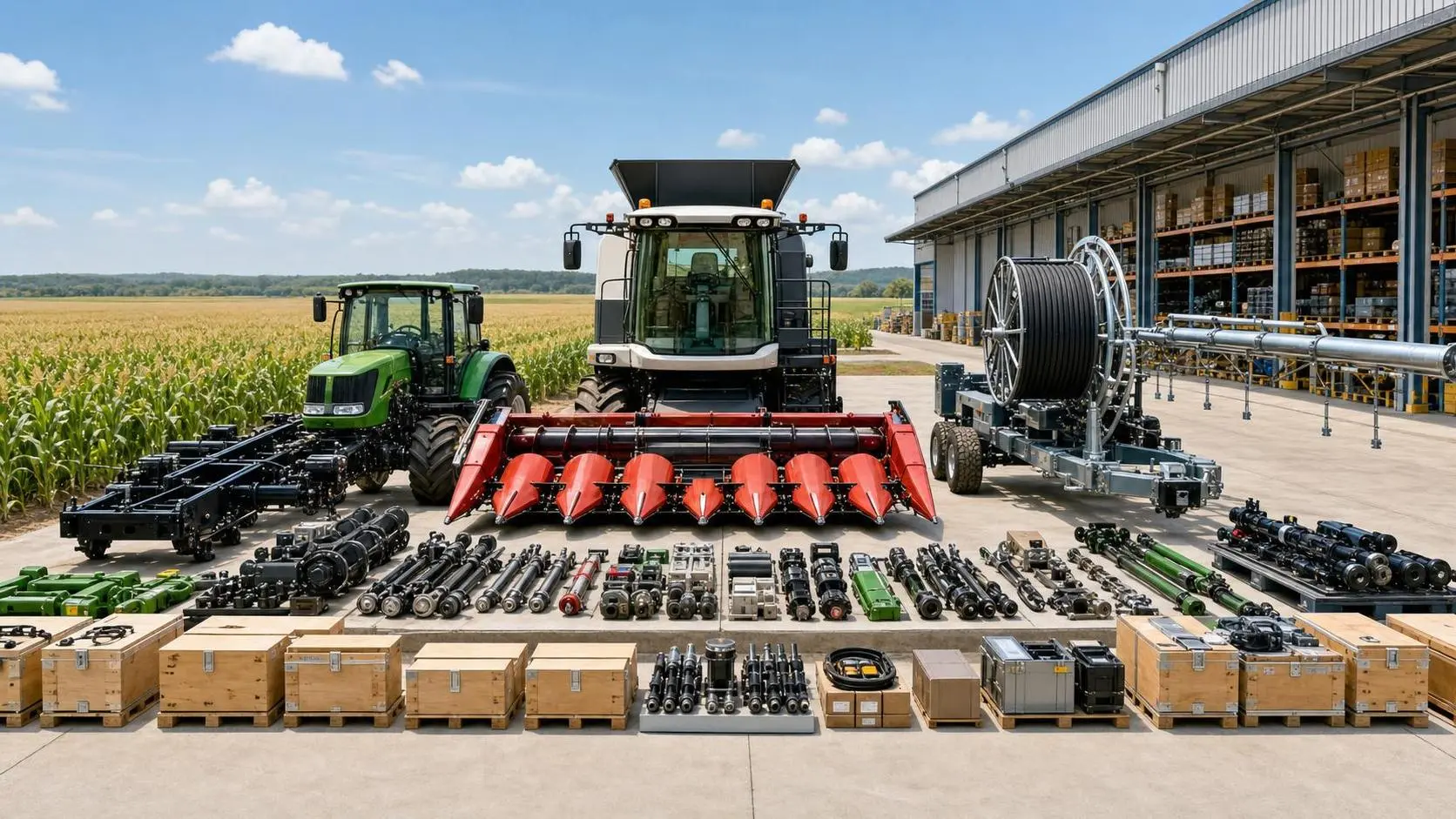
How to Use a Global Agricultural Equipment Directory to Compare Suppliers and Reduce Sourcing Risk
Agricultural equipment directory global sourcing starts with smarter supplier comparison. Learn how to assess fit, compliance, support, and market readiness to reduce sourcing risk.
Related News
- 00
0000-00
How Smart Agricultural Implements Use ISOBUS to Improve Precision and Equipment Compatibility - 00
0000-00
USDA Broadens VRT EQIP Support to Smaller Farms - 00
0000-00
EU Rule Takes Effect for Variable Rate Tech Safety Certification - 00
0000-00
How Precision Farming Equipment With Telemetry Improves Field Monitoring and Input Control - 00
0000-00
How Digital Farming Technology Improves Crop Monitoring Accuracy and Field Decisions
Popular Tags
Tractor Power Architect
Weekly Insights
Stay ahead with our curated technology reports delivered every Monday.