
How Precision Farming Algorithms Use Yield, Soil, and Weather Data to Improve Input Rates
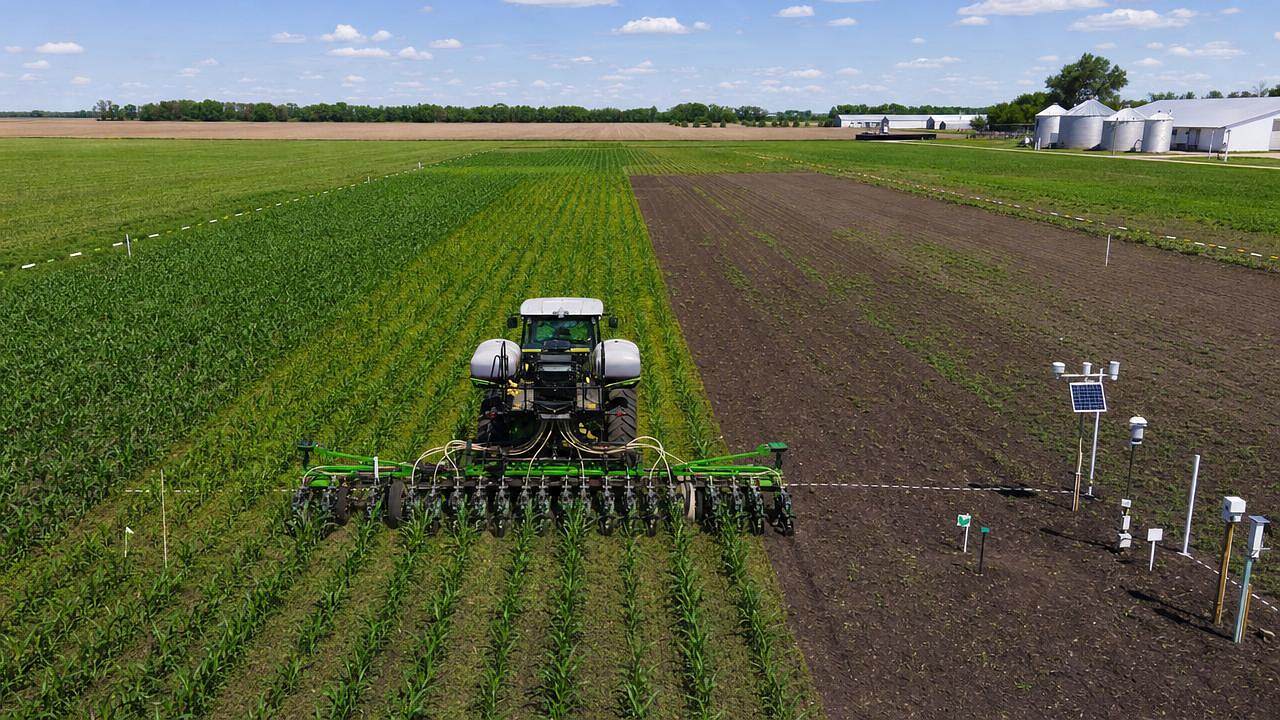




How Precision Farming Algorithms Use Yield, Soil, and Weather Data to Improve Input Rates
For technical evaluators, precision farming algorithms now sit close to daily field decisions.
They no longer act as distant analytics tools with unclear operational value.
Instead, they turn yield history, soil variability, and weather behavior into practical input-rate recommendations.
That includes seed populations, fertilizer timing, nitrogen zones, and irrigation depth.
In Agriculture 4.0, the real question is not whether data exists.
The real question is whether precision farming algorithms can convert data into stable, repeatable, machine-ready decisions.
That is where technical assessment becomes more demanding and more valuable.
Why input-rate optimization starts with data alignment
Input-rate decisions fail when field data layers do not align in time, scale, or accuracy.
A yield map may show strong variability, but the cause may remain hidden.
Soil texture, drainage limits, compaction, or heat stress may each explain the same yield result.
Good precision farming algorithms do not treat these layers as isolated inputs.
They compare them, weight them, and filter noise before generating a prescription map.
This matters because wrong prescriptions do not only reduce efficiency.
They also affect machine productivity, operator confidence, and seasonal cost control.
In practical evaluation, three alignment checks usually come first.
- Spatial alignment between field boundaries, guidance lines, and application zones.
- Temporal alignment between soil tests, yield seasons, and weather windows.
- Operational alignment between algorithm output and controller compatibility.
When these checks are weak, even advanced precision farming algorithms lose credibility quickly.
How yield data guides variable-rate decisions
Yield data is often the most visible layer in precision farming systems.
It shows what the field actually delivered under real machine and crop conditions.
That makes it useful, but not automatically reliable.
Combine sensor lag, calibration drift, header width errors, and delayed GPS signals can distort the map.
So, effective precision farming algorithms first clean the raw harvest layer.
After cleaning, yield history supports zone classification.
Stable high-yield zones may justify stronger nutrient replacement strategies.
Stable low-yield zones may require root-cause analysis before more inputs are added.
That distinction is important.
A poor zone does not always need more fertilizer or more seed.
Sometimes it needs drainage correction, traffic management, or different hybrid selection.
From an evaluation standpoint, strong yield-based models usually include:
- Multi-year yield normalization across different rainfall seasons.
- Outlier removal for stoppages, overlap, and sensor anomalies.
- Confidence scoring for each management zone.
- Response curves linking past yields to future input sensitivity.
This is where precision farming algorithms start moving beyond mapping and into decision science.
Why soil data changes the prescription logic
Soil data adds the physical explanation that yield maps often lack.
Texture, organic matter, pH, cation exchange capacity, salinity, and moisture-holding capacity all shape input response.
Without these variables, rate recommendations can look precise while remaining agronomically weak.
For example, sandy areas may show lower nitrogen retention.
Heavy clay zones may limit root access after rainfall.
Acidic patches may suppress nutrient uptake even when fertilizer volume appears sufficient.
Precision farming algorithms that recognize these differences can adjust not only the rate, but also the placement and timing.
That opens more useful decisions, such as:
- Lowering seed density in drought-prone, shallow-root zones.
- Shifting nitrogen applications toward split timing in leaching-risk soils.
- Changing irrigation setpoints based on infiltration limits.
- Holding back inputs where soil constraints cap yield potential.
This also explains why soil sampling density matters.
Sparse or outdated samples can force precision farming algorithms to interpolate too aggressively.
In technical reviews, that usually weakens trust in the final prescription map.
Weather data turns static maps into dynamic decisions
Yield and soil layers describe field potential, but weather determines how that potential changes in season.
That is why weather integration separates static planning from adaptive execution.
Rainfall forecasts, evapotranspiration, temperature stress, solar radiation, and wind all affect input efficiency.
A nitrogen plan before heavy rain does not carry the same risk as the same plan after saturation.
An irrigation rate during peak heat should not mirror a cool, low-demand week.
Precision farming algorithms use this moving weather layer to recalibrate recommendations.
In better systems, this recalibration happens within clear decision thresholds.
This weather responsiveness makes precision farming algorithms much more valuable in unstable climate patterns.
It also raises the bar for validation, because forecast quality now affects prescription quality.
What technical evaluators should test in algorithm performance
In real deployments, model accuracy alone is not enough.
Precision farming algorithms must also fit equipment workflows and agronomic decision timing.
That includes tractors, spreaders, planters, irrigation controllers, and data-transfer standards.
A practical evaluation framework often includes five checkpoints.
- Data integrity: Check calibration history, missing values, and zone consistency.
- Model transparency: Confirm how each layer influences the final rate.
- Actionability: Verify export formats for field terminals and control units.
- Response stability: Compare recommendations across seasons and stress events.
- Economic relevance: Measure whether rate changes improve margin, not just map detail.
More clearly, the strongest precision farming algorithms are not always the most complex ones.
They are the ones that hold up under variable machine behavior, mixed weather, and imperfect field records.
That is especially relevant for large-scale operations managing several fields and equipment brands.
Common risks that reduce value from precision farming algorithms
The market often treats algorithm-driven farming as a clean digital upgrade.
In practice, the value chain is messier.
Several common issues can weaken rate performance even when the software looks advanced.
- Overfitting to one season, especially after unusual rainfall or market pressure.
- Ignoring machine execution limits, such as controller lag or section overlap.
- Using poor weather feeds with weak local relevance.
- Confusing correlation with agronomic causation.
- Applying narrow soil datasets across highly variable terrain.
These risks explain why field validation remains essential.
Small-strip trials, controlled comparisons, and post-season layer reviews still matter.
They show whether the prescription performed as intended under real operational constraints.
Why this matters for intelligent machinery and future standards
The next phase of mechanized agriculture depends on closed-loop decisions.
Machines will not just apply rates.
They will increasingly adjust rates using live sensor feedback, historical field memory, and forecast-driven risk models.
That trend is already visible in intelligent irrigation systems, planter control, and nutrient application platforms.
For AP-Strategy and the broader Agriculture 4.0 landscape, this creates a more serious standard question.
How should precision farming algorithms be judged across different crops, climates, machine platforms, and sustainability targets?
The answer will likely combine agronomic validity, equipment interoperability, and measurable resource efficiency.
In simple terms, better precision farming algorithms should deliver three outcomes at once.
- Higher confidence in where rates should rise, hold, or fall.
- Stronger fit between digital prescriptions and machine execution.
- Clear evidence of savings, resilience, and field productivity.
That also means evaluation cannot stop at software dashboards.
It should extend to the field, the machine, and the season-end result.
Final takeaways for smarter input-rate decisions
Precision farming algorithms improve input rates when they connect yield evidence, soil constraints, and weather dynamics in one decision framework.
When one layer is missing or weak, the prescription becomes less dependable.
When the layers are aligned, input strategies become more targeted, more defensible, and easier to scale across modern farm equipment.
That is the practical value behind precision farming algorithms in today’s mechanized, data-rich farming environment.
The most useful next step is simple.
Review whether the current system can explain its rate decisions, export them reliably, and prove results across multiple seasons.
If it can, the algorithm is likely moving from digital promise to real field performance.
Related News
How RTK Satellite Positioning Improves Accuracy in Precision Farming Operations
RTK satellite positioning boosts precision farming with repeatable guidance, lower overlap, and better field data. Learn what to verify before choosing an RTK system.
EU Rule Takes Effect: EN 16924:2026 for Drip Irrigation Logic
EN 16924:2026 now reshapes EU access for Drip Irrigation Logic products. Learn how certification, CE marking, customs, and warehouse risks impact exporters and buyers.
How Autonomous Machinery for Crop Scouting Helps Growers Detect Field Issues Earlier
Autonomous machinery for crop scouting helps growers spot irrigation gaps, pest pressure, and crop stress earlier, turning field data into faster decisions and smarter action.
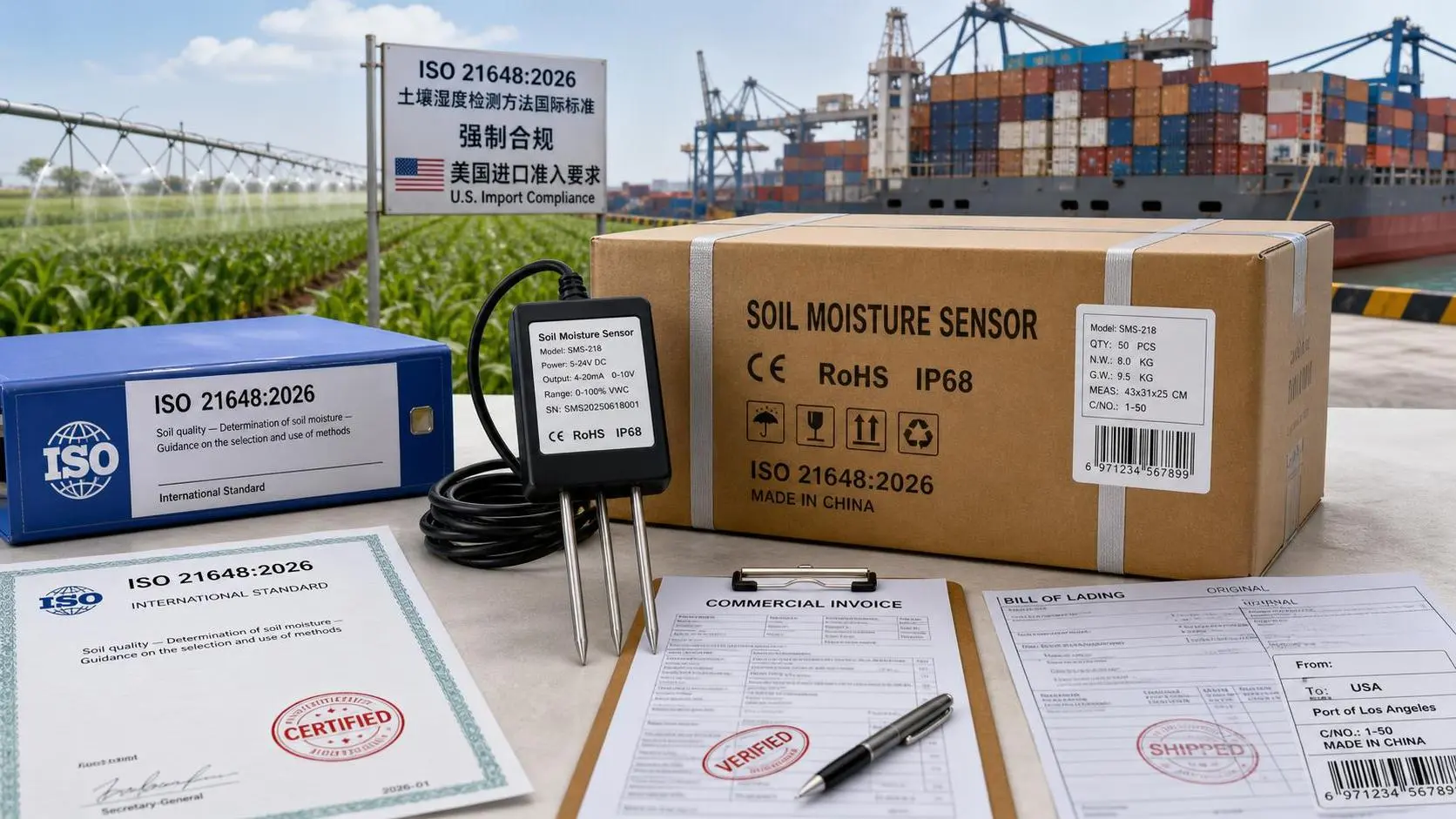
USDA Rule Makes ISO 21648:2026 Mandatory
USDA Rule Makes ISO 21648:2026 Mandatory for soil moisture sensors entering the U.S. Learn how the new USDA import compliance guide impacts certification, CBP entry, suppliers, and delivery plans.
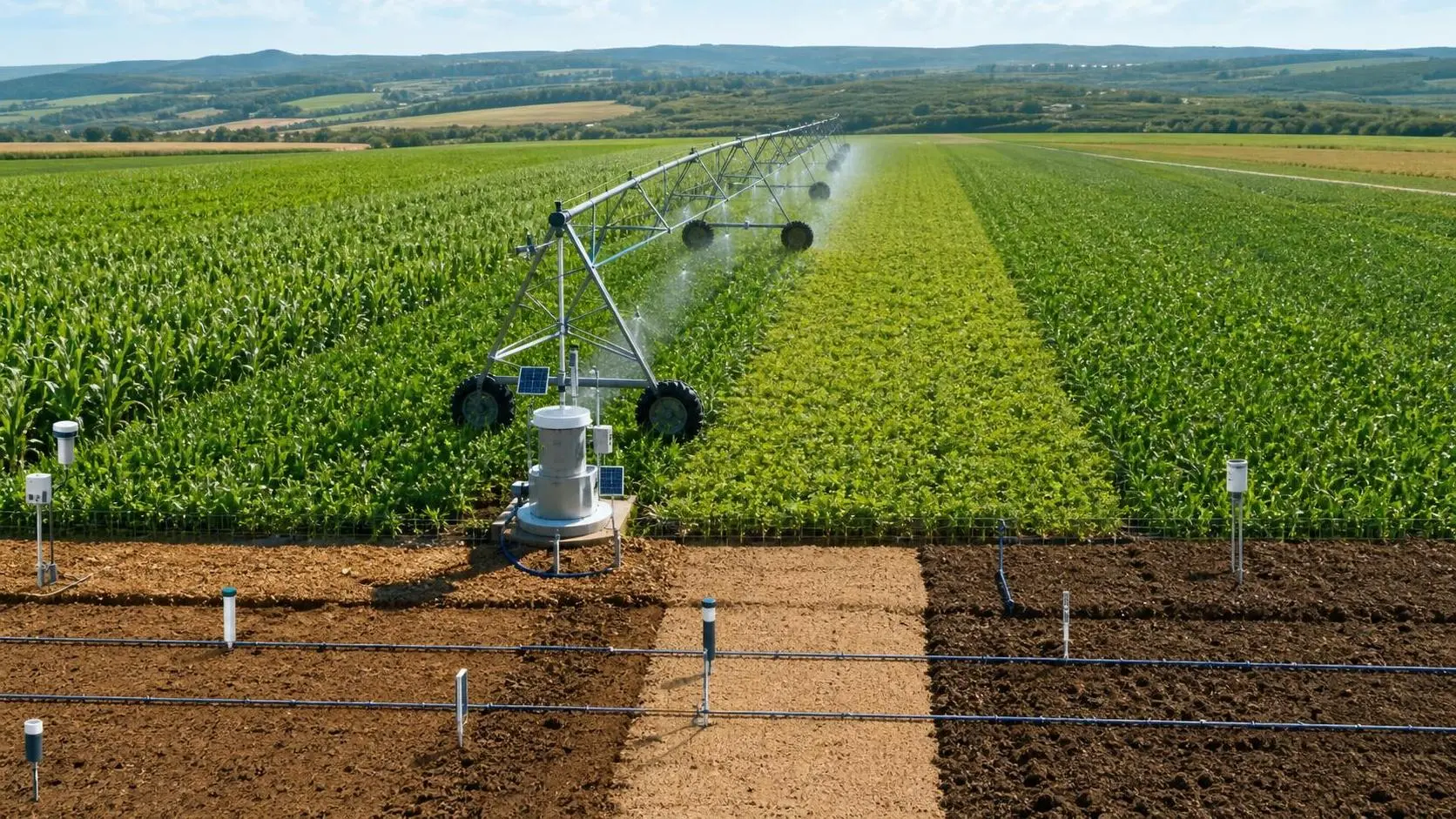
How Digital Farming Improves Irrigation Planning With Soil Data and GPS Mapping
Digital farming for irrigation planning turns soil data and GPS mapping into smarter watering decisions, helping farms reduce waste, improve field precision, and boost operational efficiency.
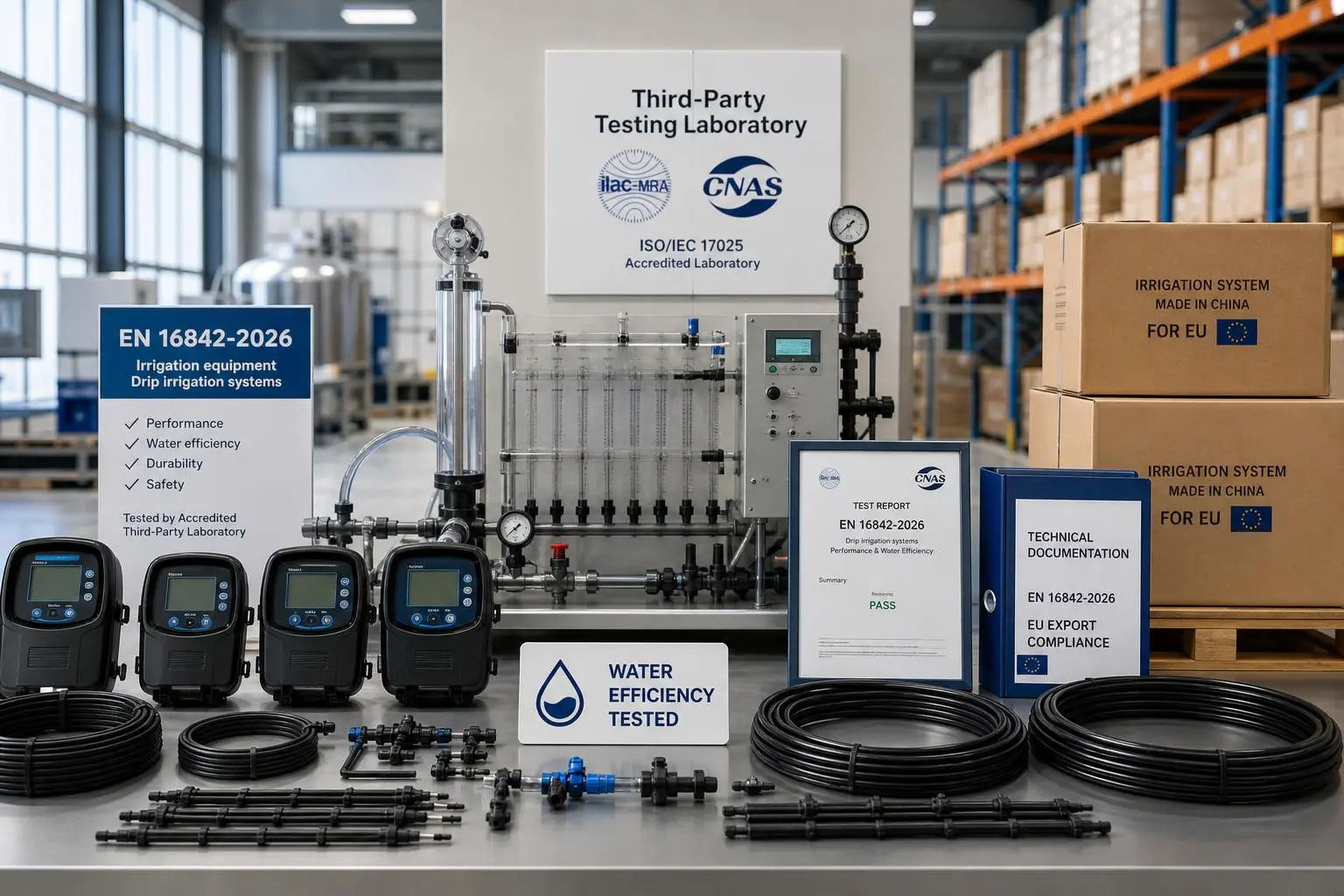
EU Rule Takes Effect: EN 16842-2026 Required for Drip Irrigation Logic Exports
EN 16842-2026 now makes third-party certification mandatory for Drip Irrigation Logic exports to the EU. Learn the compliance risks, customs impact, and supplier checks now.
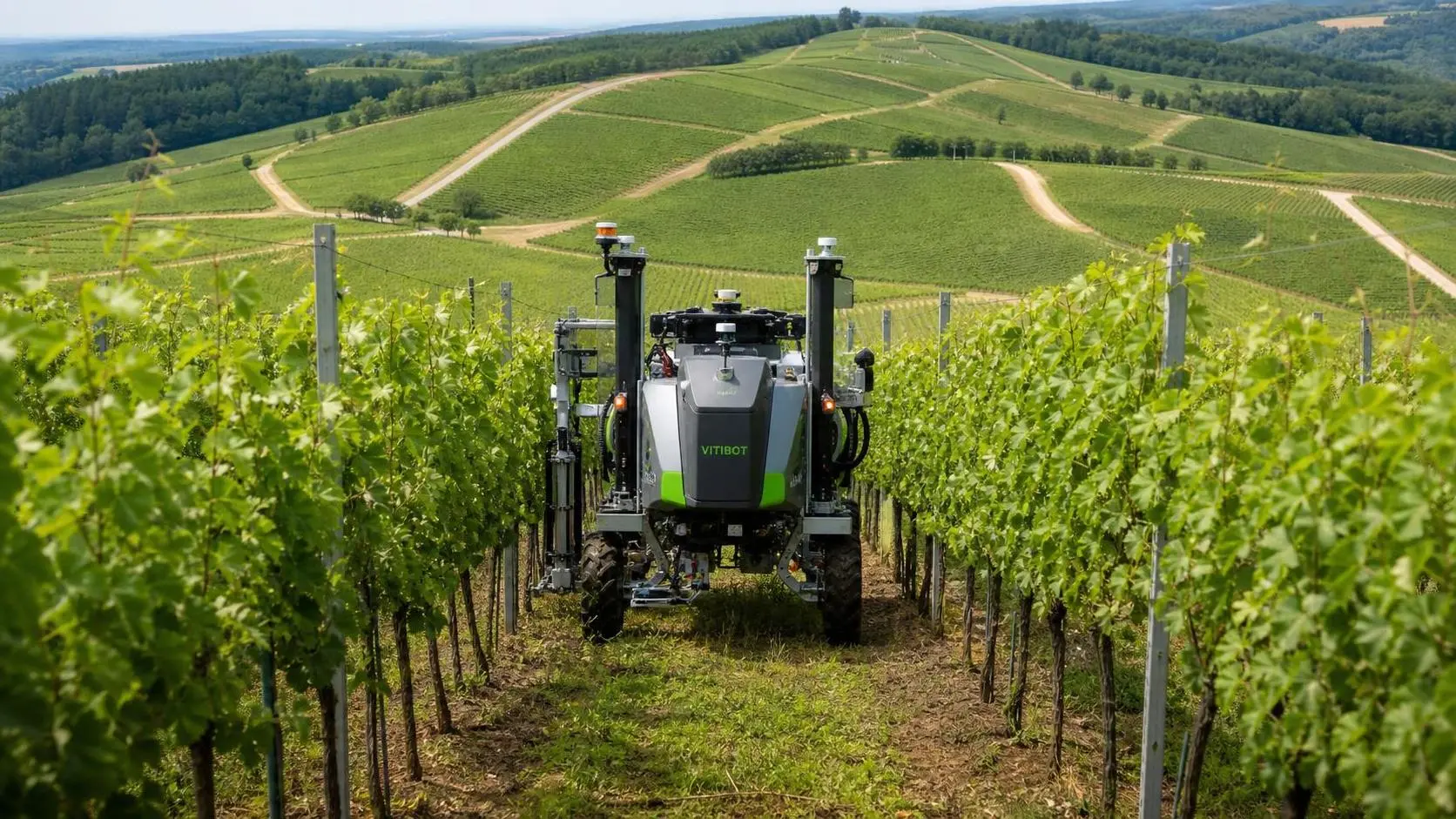
How to Evaluate Autonomous Machinery for Vineyards by Terrain, Tasks, and ROI
Autonomous machinery for vineyards: learn how to evaluate terrain fit, task suitability, safety, and ROI to choose the right solution and reduce procurement risk.
USDA Tightens Import Rules for Soil Moisture Sensors
Soil Moisture Sensors face new USDA import rules from Oct. 1, 2026. Learn how ISO 11274-3:2026 testing may impact customs clearance, lead times, and supplier planning.
How to Use a Global Agricultural Equipment Directory to Compare Suppliers and Reduce Sourcing Risk
Agricultural equipment directory global sourcing starts with smarter supplier comparison. Learn how to assess fit, compliance, support, and market readiness to reduce sourcing risk.
Related News
- 00
0000-00
How Smart Agricultural Implements Use ISOBUS to Improve Precision and Equipment Compatibility - 00
0000-00
USDA Broadens VRT EQIP Support to Smaller Farms - 00
0000-00
EU Rule Takes Effect for Variable Rate Tech Safety Certification - 00
0000-00
How Precision Farming Equipment With Telemetry Improves Field Monitoring and Input Control - 00
0000-00
How Digital Farming Technology Improves Crop Monitoring Accuracy and Field Decisions
Popular Tags
Tractor Power Architect
Weekly Insights
Stay ahead with our curated technology reports delivered every Monday.