
EU Tightens EMC Certification for Variable Rate Tech





Effective October 1, 2026, a revised EU certification requirement brings a clearer compliance threshold for Variable Rate Tech systems exported to the European market. The update matters not only for equipment makers, but also for exporters, buyers, testing providers, and delivery planning teams, because EMC performance for soil-sensing and multi-sensor coordination is now tied more directly to market access and shipment readiness.
What the updated EU requirement confirms
The European Commission updated its CE certification guidance for smart agricultural equipment on June 10, 2026. Under that update, all Variable Rate Tech systems exported to the EU from October 1, 2026, including variable fertilization and seeding controllers as well as closed-loop feedback units, must pass EMC testing under EN IEC 61000-6-4:2023. The testing focus is on the stability of multi-source sensor coordination in complex electromagnetic conditions found in field operations. The information provided also states that only 12 Chinese manufacturers have completed pre-testing so far.
Where the compliance shift may be felt first
Export projects face a stricter market-entry checkpoint
From an industry perspective, exporters are likely to feel the change first because the new requirement is linked to whether affected systems can proceed through EU-facing compliance steps. What deserves closer attention is the timing effect: certification readiness may become a practical condition for shipment scheduling, customs documentation preparation, and customer acceptance discussions, especially for products already positioned as CE-compliant smart agricultural equipment.
Manufacturing and integration teams may need to revisit technical validation
Analysis shows that manufacturers of controllers and closed-loop units may need to pay closer attention to how sensor subsystems work together under electromagnetic interference, rather than treating EMC as a narrow component-level matter. For businesses assembling multi-source sensing and control functions, the operational impact may appear in design verification, test preparation, technical file review, and coordination between hardware and control-system teams.
Procurement and buyer-side qualification may become more document-driven
Observably, buyers and procurement teams involved in EU-oriented supply programs may need to place more weight on EMC test status, technical reports, and supplier qualification evidence before confirming orders. This does not by itself confirm a uniform market response, but it does suggest that certification-related documents could become more important in supplier screening, delivery confirmation, and risk review for affected product categories.
Testing and certification service providers may see tighter execution demands
For testing laboratories, certification support firms, and related compliance service providers, the update points to a more specific assessment focus around field-condition sensor stability. Analysis shows that service demand may shift from general CE preparation toward earlier pre-test planning, test sequencing, and technical document alignment for Variable Rate Tech products intended for the EU market.
What companies should monitor now
Check whether the product scope clearly falls within the new requirement
Companies should first review whether their exported systems fall within the covered scope described in the update, especially where product portfolios include variable fertilization controllers, seeding controllers, or closed-loop feedback units. Where product boundaries are not simple, it is more appropriate to treat scope confirmation as a compliance review issue rather than assume exclusion.
Prepare EMC evidence as part of trade and delivery readiness
What deserves closer attention is whether EMC testing under EN IEC 61000-6-4:2023 is already reflected in technical files, declarations, internal quality records, or customer-facing compliance packages. Even where final enforcement practice is not fully described in the input, companies should monitor whether test reports and supporting documentation begin to influence order release, delivery commitments, or acceptance procedures.
Reassess lead times for projects tied to the EU market
Analysis shows that businesses serving EU customers may need to revisit project schedules where certification and pre-testing are not yet complete. This is particularly relevant for teams managing procurement planning, production sequencing, and outbound delivery coordination, because compliance timing can become a practical bottleneck even before any formal shipment issue appears.
Follow how the requirement is reflected in commercial documents
It is more appropriate to understand the current stage as one in which companies should watch for downstream changes in tender specifications, purchase terms, technical annexes, after-sales commitments, and traceability records. The input does not provide those execution details, so this remains a monitoring point rather than a confirmed market-wide outcome.
How this signal should be read at this stage
Observably, this development is more than a routine wording update because it links EU market access for affected Variable Rate Tech systems to a specific EMC testing benchmark and a defined implementation date. At the same time, analysis shows it should not yet be overstated as a fully settled industry outcome across all business scenarios. The more reasonable reading is that this is an implemented compliance signal with immediate practical relevance, while the exact pace of market-wide execution, document interpretation, and buyer-side adoption still requires continued observation.
A compliance change with trade implications, not just a technical note
For the industry, the significance of this update lies in how a technical testing requirement can influence export qualification, supplier selection, project timing, and delivery confidence. The current information supports a cautious conclusion: this is best understood as a rule change already entering execution, with its broader commercial effects likely to depend on how certification practice, procurement documents, and enterprise readiness develop after October 1, 2026.
Basis of this article and points for continued verification
This article is generated based on the user-provided news title, event date, and event summary. For developments of this kind, commonly relevant source types may include official notices, regulator publications, trade or customs authority information, industry association updates, standards organization documents, and reporting by authoritative industry media. A specific official source link was not provided in the input, so the exact source path still requires continued verification. Follow-up attention should remain on implementation details, certification interpretation, tender document changes, market feedback, and how affected companies carry out compliance preparation in practice.
Related News

Specification Planning: A Practical Framework for Defining Equipment Requirements
Application guidance for specification planning: define measurable equipment requirements, prioritize performance, and avoid costly procurement mistakes.

How North American Farms Can Select Crop Monitoring Systems by Acreage and Connectivity
Crop monitoring systems North America: learn how to match acreage, connectivity, sensors, and data workflows for reliable, actionable farm decisions.

Where to Find Reliable Product Information for Comparing Farm Equipment
Product information resources agriculture buyers can trust: compare farm equipment with technical specs, manuals, field data, dealer support, and lifecycle insights.
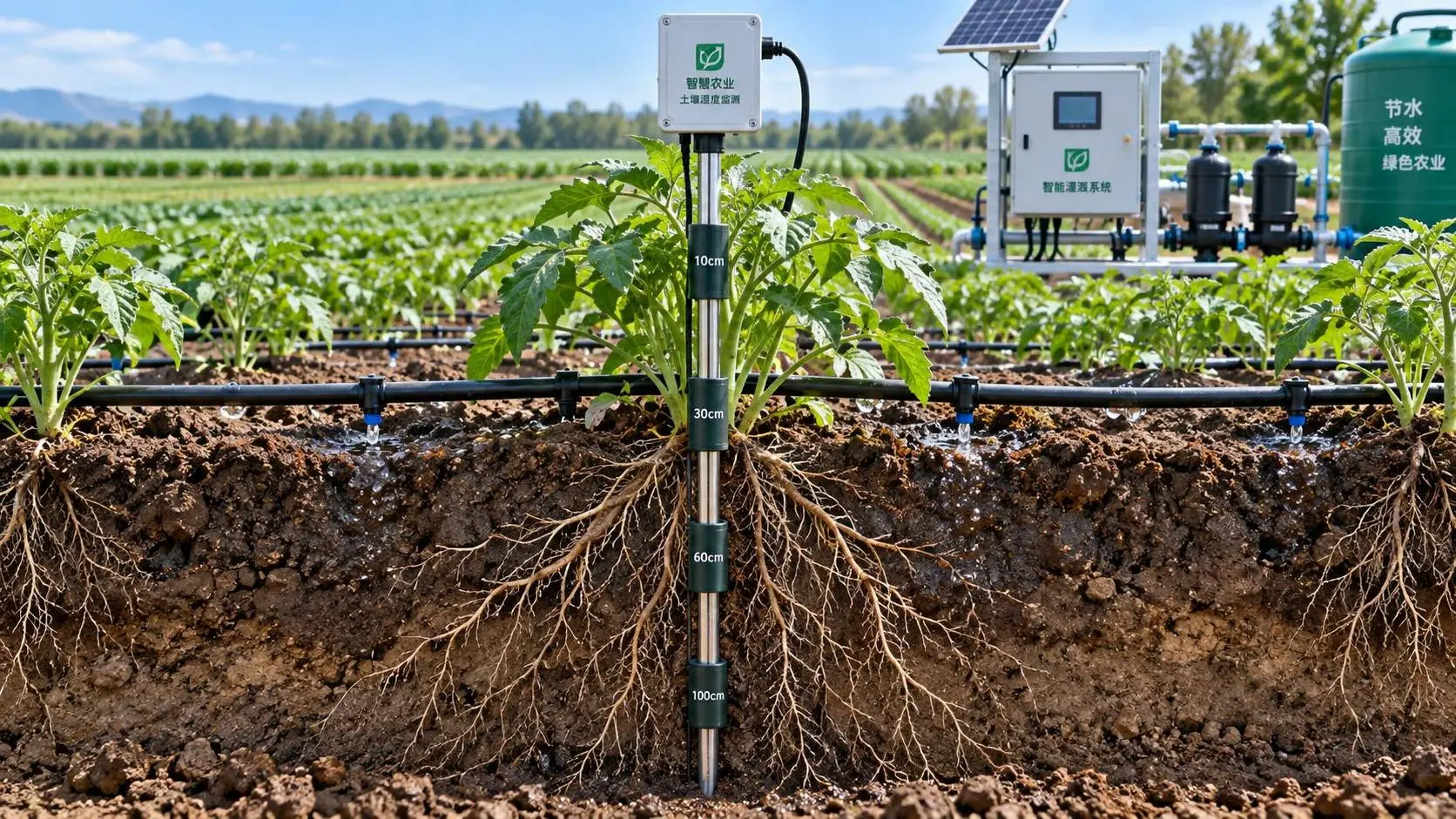
Selecting Real-Time Soil Moisture Sensors for Irrigation Zone Control
Soil moisture sensors real time: learn how to select reliable probes, optimize zone control, improve irrigation decisions, and scale precision water management.
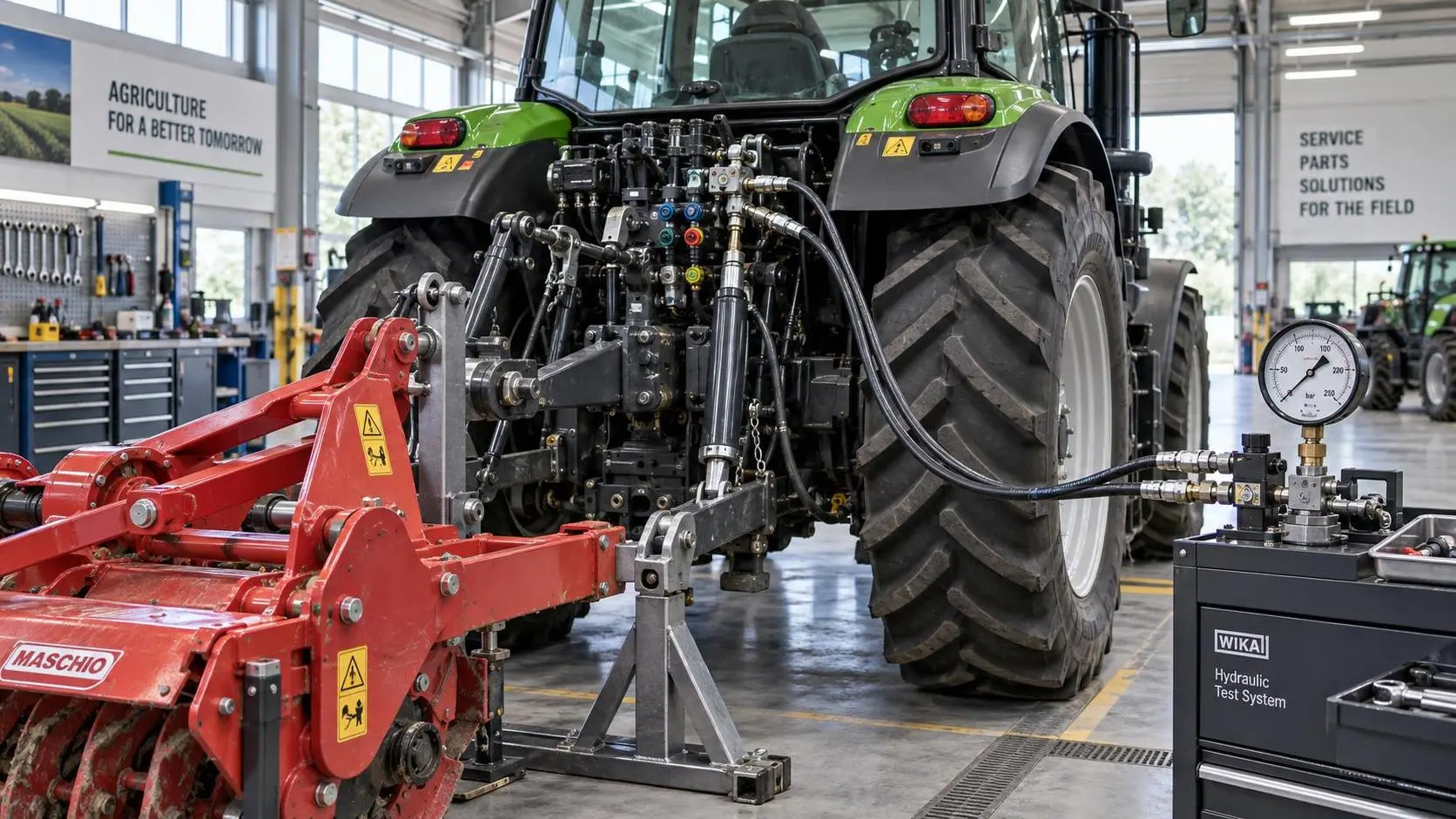
Tractor Hydraulic Systems Troubleshooting: Diagnosing Weak Lift and Slow Implements
Tractor hydraulic systems troubleshooting made practical: diagnose weak lifts and slow implements with proven pressure, flow, valve, and oil-supply checks.

How Tractor Intelligence Systems Improve Field Efficiency and Input Accuracy
Agricultural machinery intelligence for tractors improves field efficiency, input accuracy, data traceability, and implement control. Explore smarter evaluation strategies.
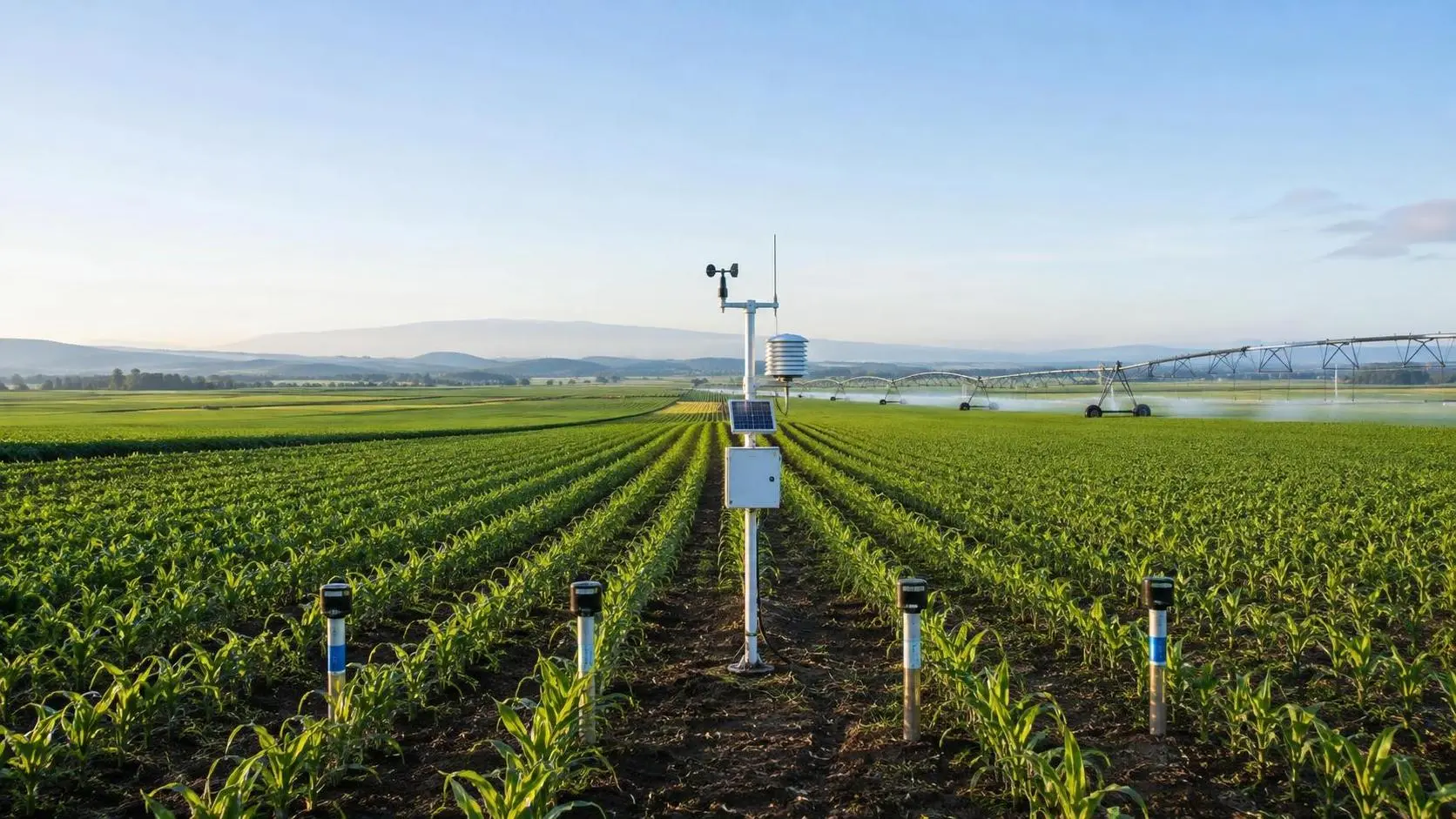
How to Evaluate Crop Monitoring System Manufacturers for Large-Scale Farms
Compare crop monitoring systems manufacturers for large-scale farms. Evaluate data quality, integration, durability, lifecycle costs, support, and pilots for smarter decisions.
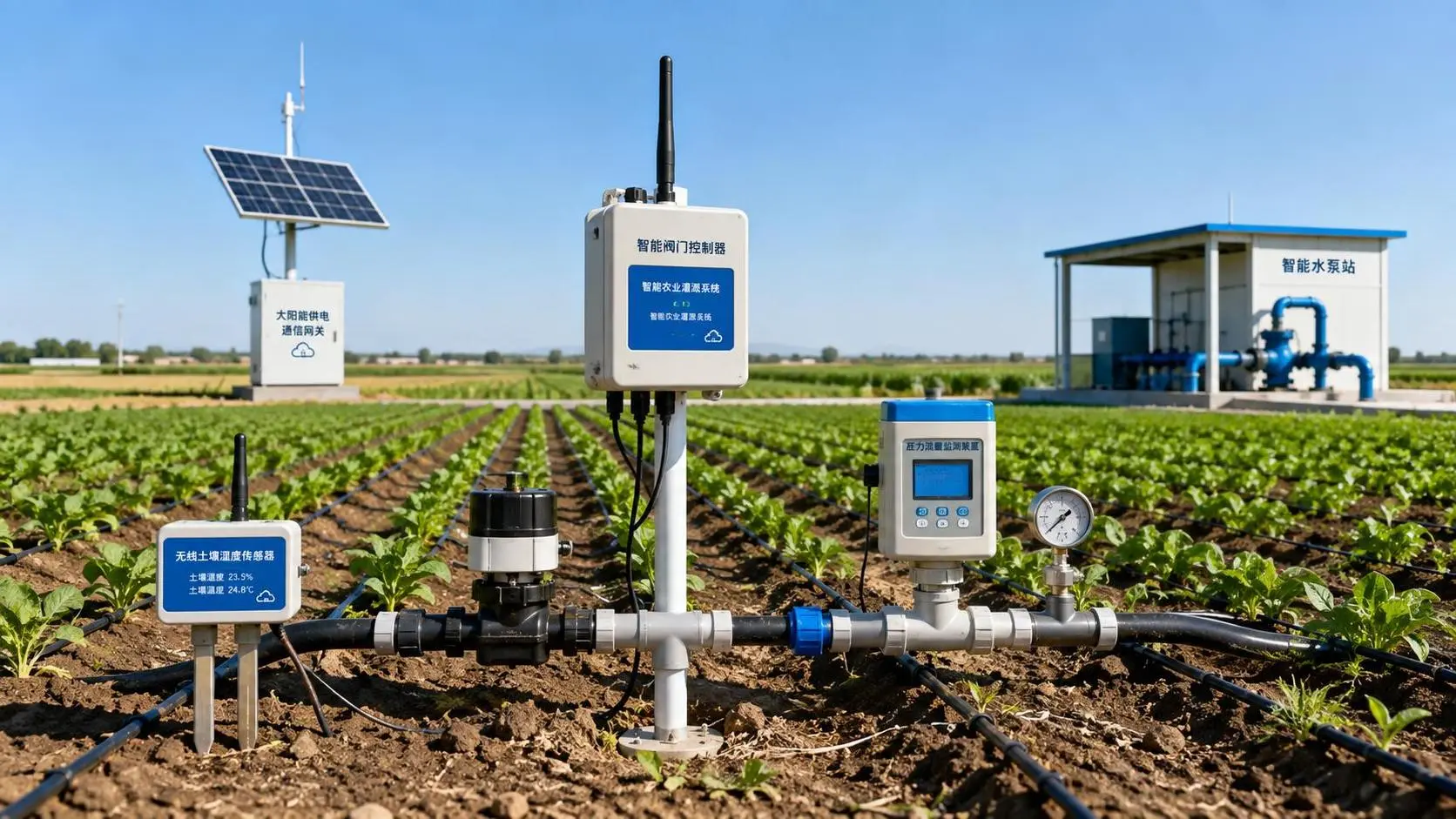
Wireless Agricultural Automation for Remote Irrigation and Field Monitoring
Agricultural automation wireless solutions improve remote irrigation with reliable field data, local control, flow verification, and smarter monitoring. Explore resilient deployment strategies.

Agricultural Product Information Market Guide: Key Data for Sourcing Decisions
Agricultural product information market guide for smarter sourcing—compare machinery, irrigation, precision tools, lifecycle costs, and supplier risk.
Related News
- 00
0000-00
Precision Farming Solutions with Drone Data for Field Mapping and Crop Decisions - 00
0000-00
Precision Farming Systems for Yield Mapping: Key Technologies and Field Applications - 00
0000-00
How to Validate Precision Farming Algorithm Accuracy Before Field Deployment - 00
0000-00
How to Evaluate Precision Fertilization Equipment for Latin America Farms - 00
0000-00
How Precision Agriculture Improves Water Management with Sensors, GPS, and VRT
Popular Tags
Tractor Power Architect
Weekly Insights
Stay ahead with our curated technology reports delivered every Monday.