
Precision Agriculture Technology for Climate Resilience in Drought-Prone Fields
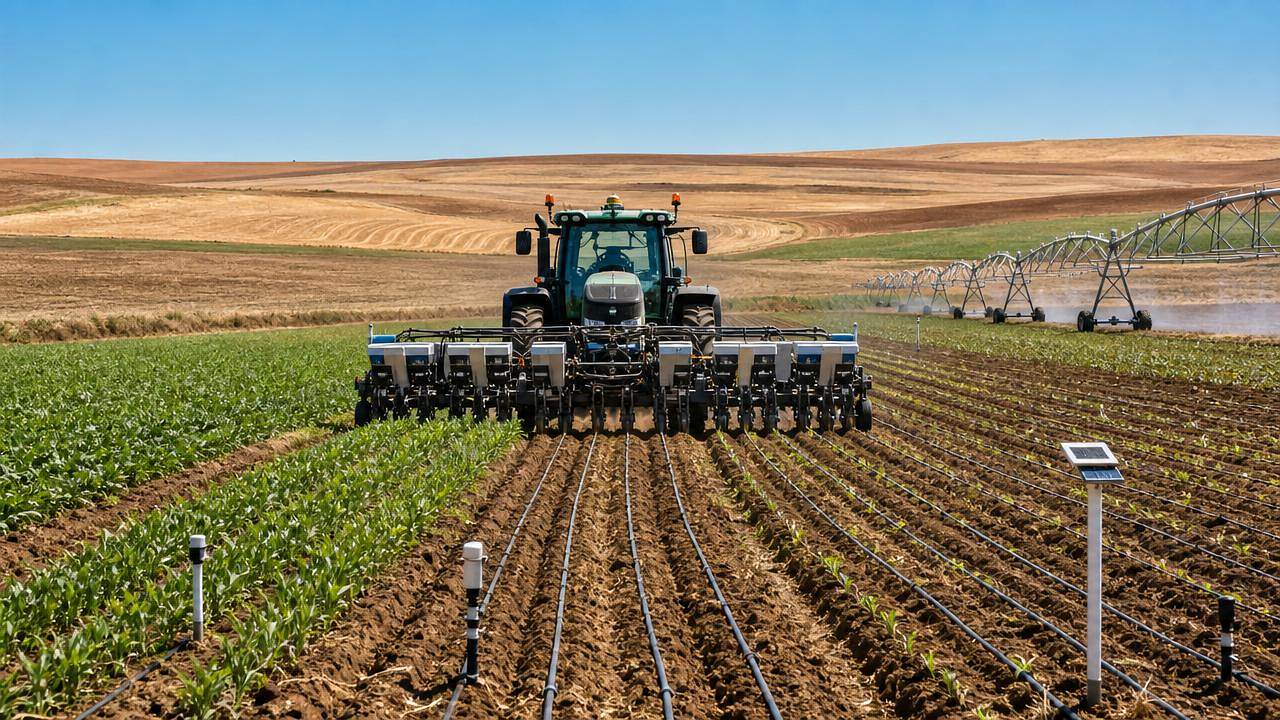




Why drought pressure changes the way field technology is judged
Precision agriculture technology for climate resilience matters most when drought stops being seasonal noise and becomes an operating constraint across the whole field system.
In dry regions, yield protection is no longer tied to irrigation alone. Soil variation, machine timing, telemetry quality, and crop stress visibility all shape outcomes.
That is why precision agriculture technology for climate resilience is increasingly assessed as an integrated capability, not a single device category.
The operational question is practical. Which tools keep field decisions accurate when moisture is uneven, labor windows are short, and water allocation is tightly monitored?
Within the AP-Strategy perspective, this means reading drought resilience through five connected layers: machinery capacity, harvesting stability, chassis traction, intelligent implements, and water-saving irrigation networks.
The most useful benchmark is not whether a platform is advanced on paper. It is whether data, hydraulics, sensing, and water delivery stay coordinated under stress.
Actual field conditions rarely fail in the same way
Different drought-prone fields create different decision pressures, even when annual rainfall figures look similar.
A broadacre grain field with variable topsoil loses consistency through patchy emergence and uneven nutrient uptake. An orchard or row crop block often struggles more with timing and emitter performance.
Mixed terrain adds another layer. Tractor chassis behavior, implement depth stability, and wheel slip affect whether prescription maps can actually be executed.
This is where precision agriculture technology for climate resilience becomes a site-specific judgment process rather than a generic modernization project.
A common mistake is to compare systems by sensor count or software dashboards alone. In practice, resilience depends on how those systems behave when the field stops behaving uniformly.
When irrigation is available but water is tightly rationed
In this setting, the main challenge is not access to water. It is knowing where limited water creates the highest physiological return.
Soil moisture probes, canopy temperature sensing, and evapotranspiration models become more valuable when tied to valve control and zone-level scheduling.
The best systems avoid uniform response. They prioritize stressed blocks, flag clogged emitters early, and document water use by management zone.
Here, precision agriculture technology for climate resilience should be judged by irrigation responsiveness, data latency, and the ability to verify that scheduled water reached the intended root zone.
When dryland fields rely on timing more than irrigation
Dryland production faces a different reality. There may be no irrigation buffer, so every pass across the field carries greater agronomic consequence.
Seeder depth control, residue handling, compaction management, and variable-rate input placement become critical resilience tools.
In these fields, precision agriculture technology for climate resilience often delivers more through operational accuracy than through visible hardware complexity.
The stronger platforms connect weather windows, soil maps, and machine guidance well enough to reduce wasted passes and preserve residual moisture.
What high-frequency scenarios usually prioritize
Across modern agricultural equipment ecosystems, the same technology stack is rarely evaluated the same way in every drought scenario.
The comparison below shows where priorities usually diverge.
The pattern is clear. Precision agriculture technology for climate resilience is only useful when the evaluation criteria match the field bottleneck.
Where machinery-data integration makes the biggest difference
Many drought strategies fail because water, field operations, and harvest data are managed as separate workflows.
AP-Strategy consistently highlights this integration issue because modern resilience depends on more than agronomy. It also depends on machine behavior under constrained conditions.
For example, tractor chassis performance is not just a mobility topic. In drought-prone soils, unstable traction changes implement depth, disturbs soil structure, and weakens prescription accuracy.
Combine harvesters reveal another layer. Heat stress and uneven maturation create variable crop flow, which can raise separation loss if machine settings are too static.
This makes precision agriculture technology for climate resilience a continuous loop: observe, execute, measure, and recalibrate with machine data included.
- Link irrigation records with yield maps instead of reviewing them separately.
- Compare chassis slip data against field moisture zones before changing prescriptions.
- Use harvester loss feedback to identify stress-driven stand variability, not only operator settings.
- Check whether sensor alerts lead to machine action within the same working window.
Before rollout, confirm the conditions that often get overlooked
The most common misjudgment is assuming similar drought conditions create similar technical requirements.
They do not. Shallow soils, long irrigation runs, salinity pressure, and fragmented field layouts can all change the best-fit architecture.
Another frequent issue is overvaluing acquisition specifications while underestimating implementation friction.
Precision agriculture technology for climate resilience needs communication stability, calibration discipline, service access, and staff routines that match the field season.
A strong drought package on paper can underperform if flow meters are not maintained, if prescriptions are built on outdated maps, or if telemetry coverage drops in remote blocks.
Useful checks before scaling across more hectares
- Verify whether sensor density matches field variability rather than average field size.
- Review data compatibility between irrigation controls, tractor terminals, and harvest systems.
- Estimate maintenance intervals for probes, emitters, filters, and hydraulic components.
- Check whether prescription changes can be applied quickly during short weather windows.
- Model resilience value across three seasons, not one drought event.
A practical path for stronger climate resilience decisions
The most reliable use of precision agriculture technology for climate resilience starts with a narrow question: where does drought currently break operational consistency?
In some fields, the answer is irrigation response time. In others, it is seeding accuracy, traction control, or harvest loss visibility.
That is why climate resilience planning works better when each field system is reviewed through scenario fit, not technology enthusiasm.
A grounded next step is to map the driest operational moments of the season, compare them with current machine and water data, and define which decisions still rely on guesswork.
From there, build a field adaptation standard that covers sensing, machinery response, interoperability, maintenance burden, and evidence quality.
That approach aligns with the AP-Strategy view of Agriculture 4.0: resilient productivity is created when intelligent irrigation, machine performance, and decision intelligence work as one field system.
Related News
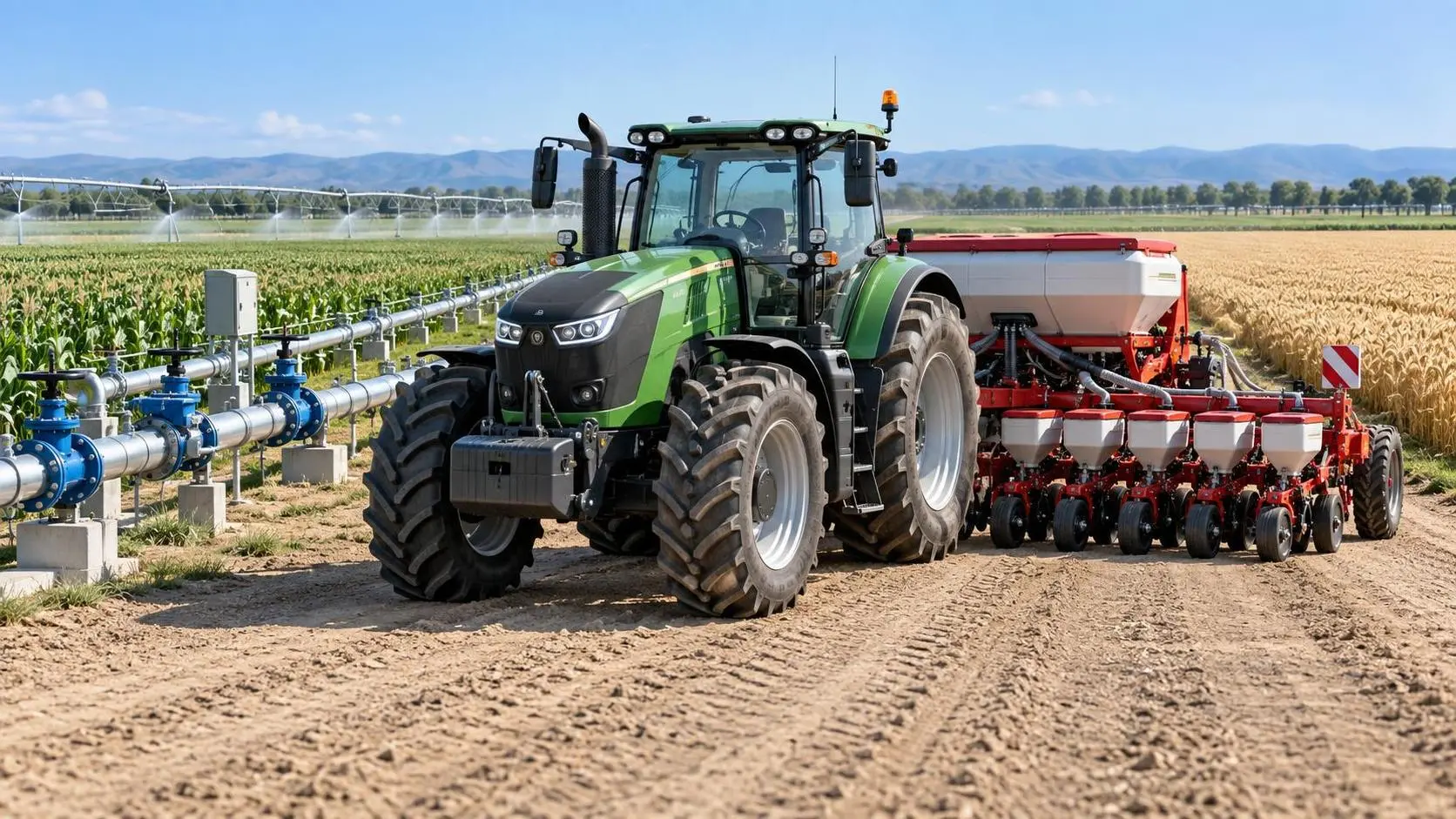
Specification Planning: A Practical Framework for Defining Equipment Requirements
Application guidance for specification planning: define measurable equipment requirements, prioritize performance, and avoid costly procurement mistakes.

How North American Farms Can Select Crop Monitoring Systems by Acreage and Connectivity
Crop monitoring systems North America: learn how to match acreage, connectivity, sensors, and data workflows for reliable, actionable farm decisions.

Where to Find Reliable Product Information for Comparing Farm Equipment
Product information resources agriculture buyers can trust: compare farm equipment with technical specs, manuals, field data, dealer support, and lifecycle insights.
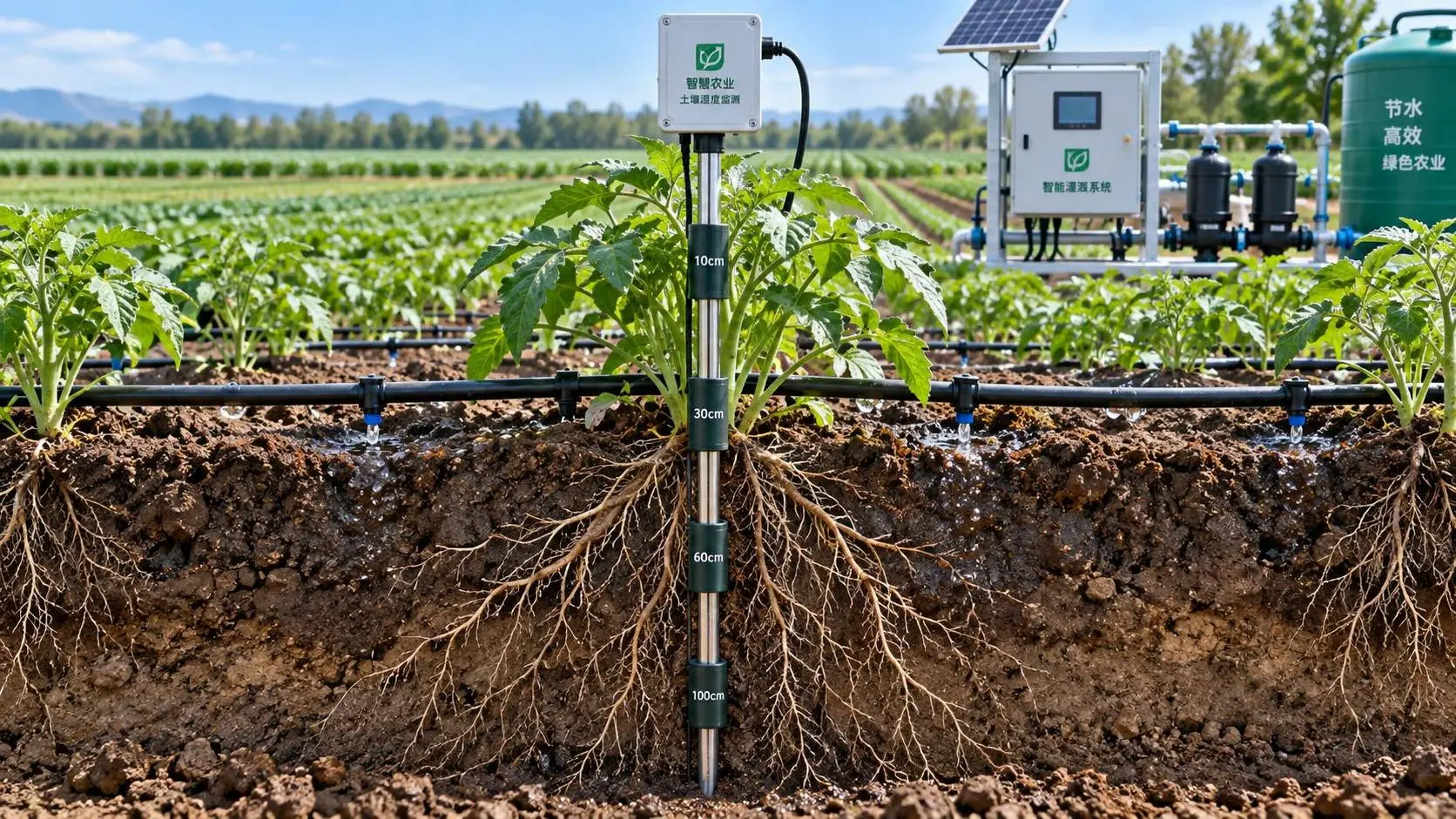
Selecting Real-Time Soil Moisture Sensors for Irrigation Zone Control
Soil moisture sensors real time: learn how to select reliable probes, optimize zone control, improve irrigation decisions, and scale precision water management.
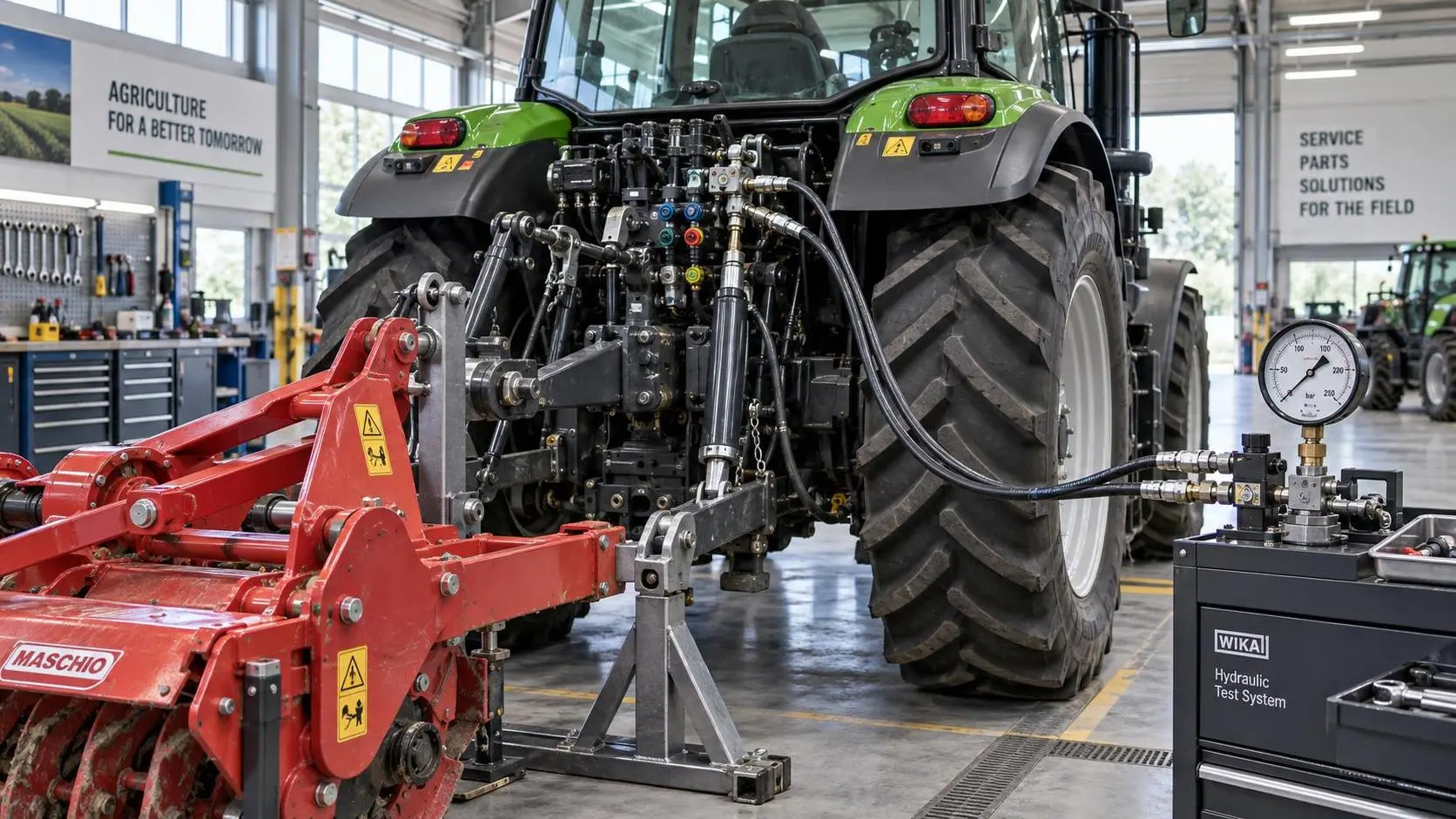
Tractor Hydraulic Systems Troubleshooting: Diagnosing Weak Lift and Slow Implements
Tractor hydraulic systems troubleshooting made practical: diagnose weak lifts and slow implements with proven pressure, flow, valve, and oil-supply checks.
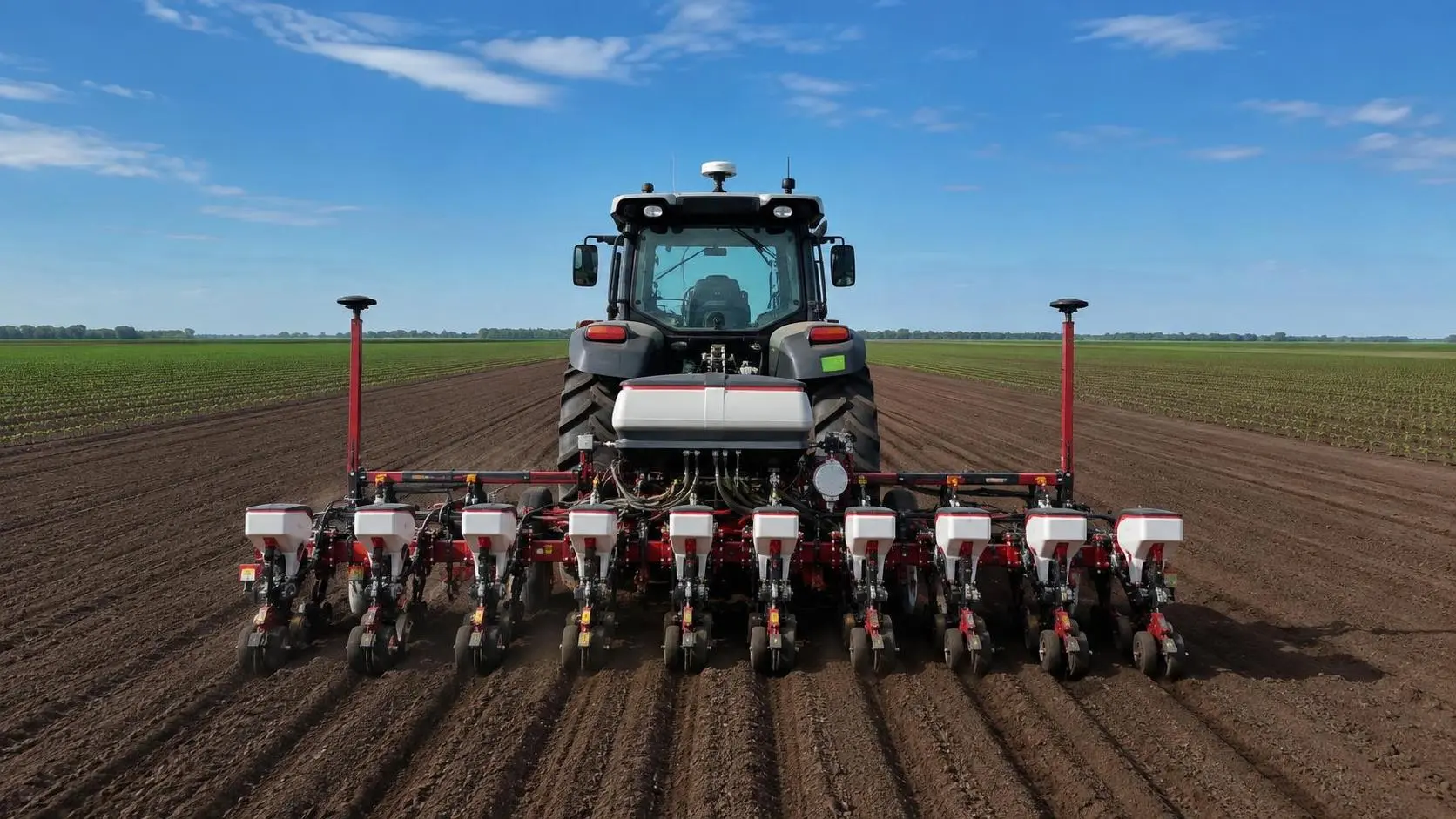
How Tractor Intelligence Systems Improve Field Efficiency and Input Accuracy
Agricultural machinery intelligence for tractors improves field efficiency, input accuracy, data traceability, and implement control. Explore smarter evaluation strategies.
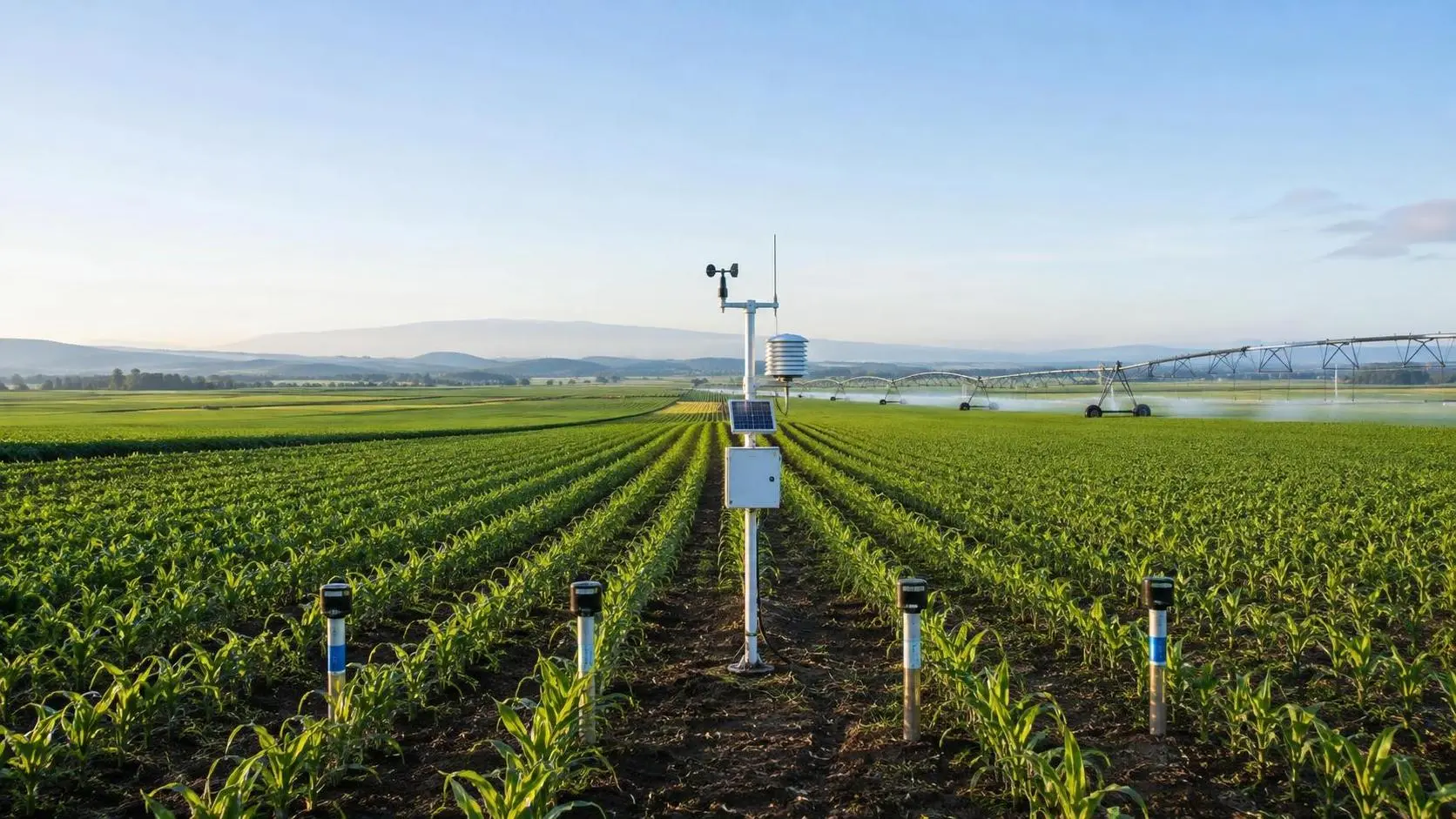
How to Evaluate Crop Monitoring System Manufacturers for Large-Scale Farms
Compare crop monitoring systems manufacturers for large-scale farms. Evaluate data quality, integration, durability, lifecycle costs, support, and pilots for smarter decisions.
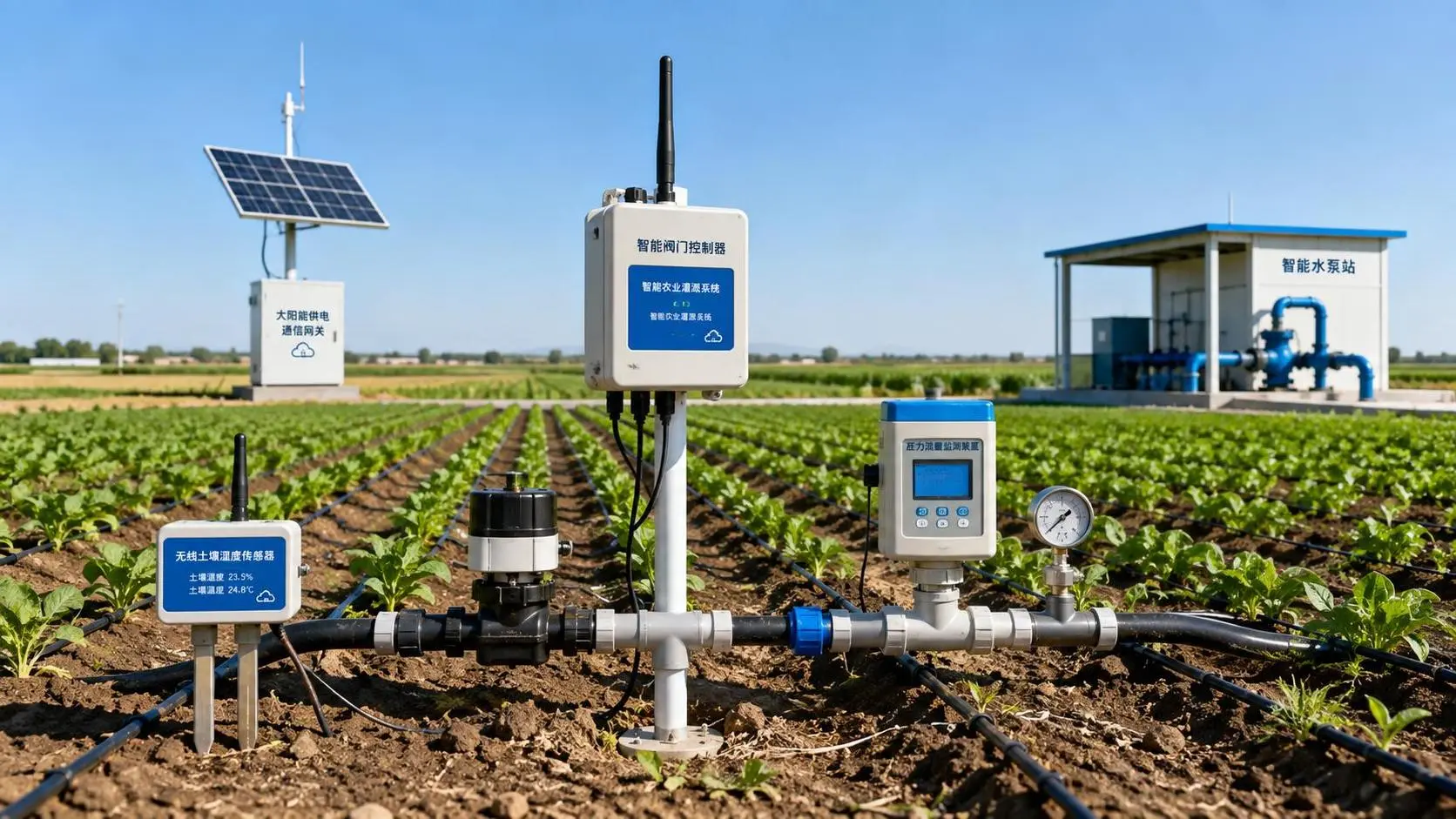
Wireless Agricultural Automation for Remote Irrigation and Field Monitoring
Agricultural automation wireless solutions improve remote irrigation with reliable field data, local control, flow verification, and smarter monitoring. Explore resilient deployment strategies.
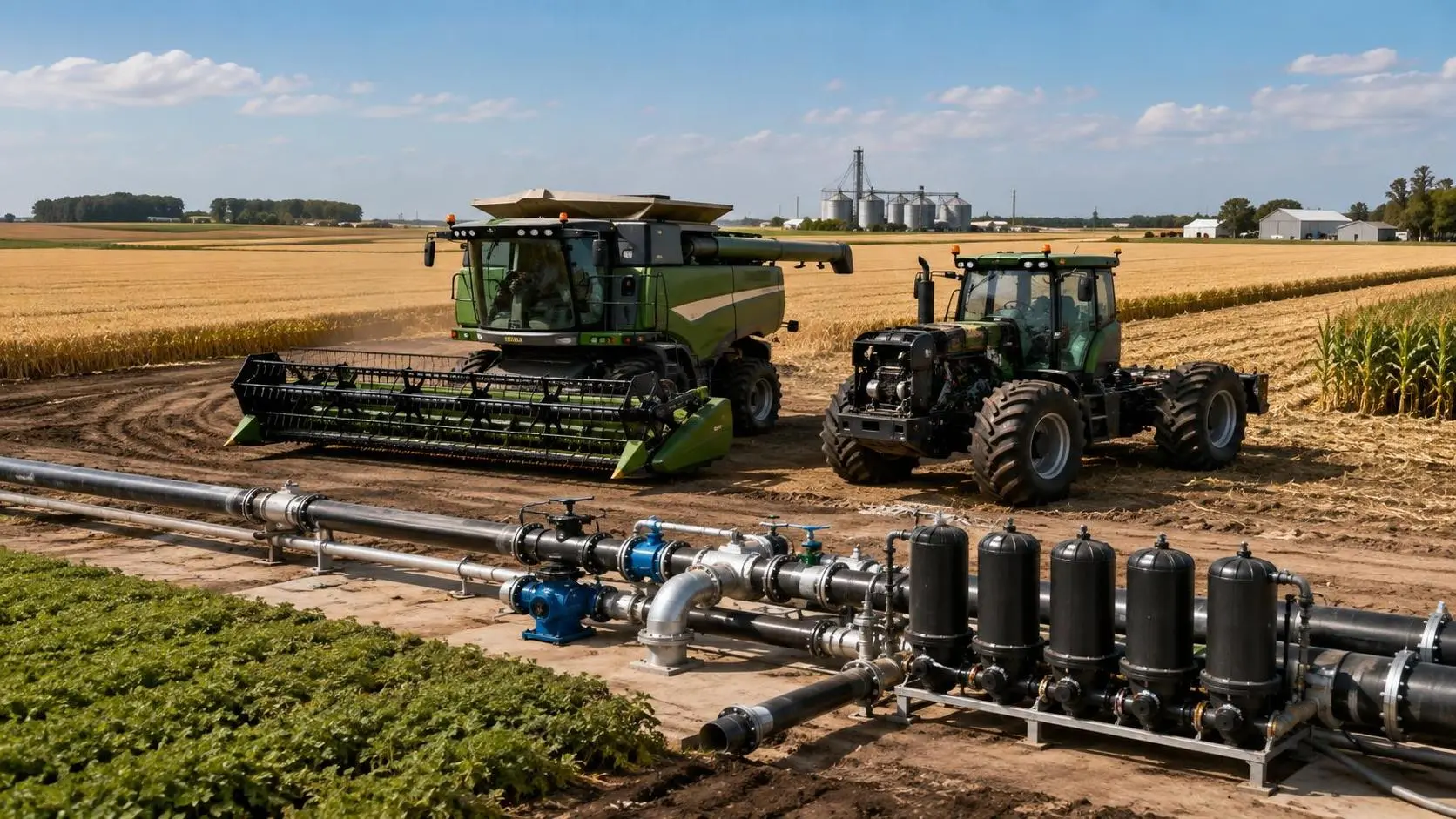
Agricultural Product Information Market Guide: Key Data for Sourcing Decisions
Agricultural product information market guide for smarter sourcing—compare machinery, irrigation, precision tools, lifecycle costs, and supplier risk.
Related News
- 00
0000-00
Precision Farming Solutions with Drone Data for Field Mapping and Crop Decisions - 00
0000-00
Precision Farming Systems for Yield Mapping: Key Technologies and Field Applications - 00
0000-00
How to Validate Precision Farming Algorithm Accuracy Before Field Deployment - 00
0000-00
How to Evaluate Precision Fertilization Equipment for Latin America Farms - 00
0000-00
How Precision Agriculture Improves Water Management with Sensors, GPS, and VRT
Popular Tags
Tractor Power Architect
Weekly Insights
Stay ahead with our curated technology reports delivered every Monday.