
India Plans Fast-Track VRT Certification





The timing of the event is not explicitly stated in the source input, but the policy signal is clear: India is moving to create a faster import certification route for Variable Rate Tech (VRT) equipment under a draft Smart Farm Import Fast Track scheme. For suppliers, importers, certification-related service providers, and procurement teams handling variable-rate fertilization or seeding controllers and prescription map execution terminals, this matters because it points to a possible change in how BIS mandatory certification is sequenced, timed, and documented for market entry.
What the draft scheme confirms at this stage
According to the provided information, India’s Ministry of Agriculture released a draft Smart Farm Import Acceleration Plan on June 15, 2026. The draft creates a separate certification channel for VRT-type equipment, including variable-rate fertilization and seeding controllers as well as prescription map execution terminals.
The confirmed change in the draft is procedural: the BIS mandatory certification cycle for the covered category would be shortened from the current 26 weeks to 8 weeks. The draft also states that some localization adaptation tests would be exempted for the covered equipment.
The consultation period runs until July 15, 2026, and the measure is expected to be formally implemented in Q4 2026. No further execution details are confirmed in the provided input.
Where the rule shift may be felt first
For equipment importers and market-entry teams
Analysis shows these companies may be affected first because the draft directly addresses imported VRT equipment and the certification path tied to entry into the Indian market. The main impact would likely fall on certification scheduling, import launch planning, and the preparation sequence for compliance files. What deserves closer attention is whether product documentation, application dossiers, and model classification will need to be adjusted to fit the new standalone channel once the final rules are published.
For manufacturers supplying VRT systems
From an industry perspective, manufacturers of variable-rate controllers and prescription map execution terminals may see the most practical effect in pre-shipment compliance preparation and product configuration decisions. If part of the localization adaptation testing is exempted, companies will need to examine which technical materials remain necessary and which product variants are actually covered. At this stage, however, that should be treated as a point for follow-up review rather than as a settled compliance outcome.
For procurement and delivery planning functions
Observably, procurement teams and channel partners may need to reassess delivery assumptions if a certification cycle that currently takes 26 weeks is formally reduced to 8 weeks for covered equipment. The practical issue is not only faster clearance in principle, but also how contracts, shipment windows, and customer delivery commitments are aligned with the final implementation timing. Until the draft becomes effective, businesses should avoid treating the shorter cycle as an already available operational condition.
For certification and testing service providers
Certification-related firms and testing service providers may need to monitor how the separate channel is defined in practice, especially if the final text clarifies which tests remain mandatory and which localization steps are exempted. Their role may shift from managing long baseline review periods to helping clients classify products correctly, assemble supporting files more precisely, and respond to updated review expectations under the new route.
What companies should track before the draft becomes practice
Check product scope against the VRT category
Analysis shows one immediate task is to verify whether a product clearly falls within the VRT grouping described in the draft. Companies dealing with variable-rate fertilization or seeding controllers and prescription map execution terminals should review product definitions, model descriptions, and technical positioning so they are ready if the final rule uses narrow product scoping.
Prepare compliance files for a shorter review window
If the final measure keeps the proposed 8-week cycle, documentation quality may become more important rather than less. Importers and manufacturers should therefore pay attention to technical files, test materials, product descriptions, and any supporting compliance records that may need to be submitted in a more compressed timeline.
Watch the final wording on test exemptions
What deserves closer attention is the exact wording around the exemption of certain localization adaptation tests. The draft confirms the direction of travel, but the provided information does not define the boundaries, conditions, or evidence requirements for those exemptions. That makes this an area where compliance teams should wait for formal language before changing validation plans.
Align contracts and delivery promises with implementation timing
Because the measure is still in draft form and is expected to be implemented in Q4 2026, exporters, buyers, and distributors should be careful not to convert a proposed fast-track path into immediate commercial commitments. Bid documents, procurement schedules, and delivery discussions may need wording that reflects the draft status and the possibility of further clarification after the consultation period closes.
Why this looks more like a policy signal than a settled operating rule
From an industry perspective, this development is better understood as a concrete regulatory signal rather than a completed market-access change. The proposed compression of the BIS certification timeline and the partial test exemption indicate an intent to lower procedural friction for a defined class of smart farming imports. At the same time, the consultation window and the lack of detailed execution language in the provided input mean the market still needs to watch how the final text defines scope, evidence standards, and implementation practice.
Observably, the most important near-term question is not whether the draft points to easier access in principle, but how consistently the final framework will be translated into certification handling, procurement documents, and actual import workflows once implemented.
How this update is best understood for now
This draft matters because it signals a possible change in the compliance path for imported VRT equipment in India, with potential effects on certification timing, product launch preparation, and delivery planning. But it is more appropriate to understand this as a rule development that is moving toward implementation, not as a fully effective operating condition today.
A neutral reading is that the draft creates a meaningful watch point for companies involved in smart agriculture equipment, especially those whose business depends on BIS-related approval timing. The next stage of industry attention should focus on final wording, execution standards, and whether the proposed faster route is reflected consistently in real certification and import practice after Q4 2026.
Basis of this article and what still needs verification
This article is generated solely from the user-provided news title, event timing note, and event summary. The specific official source link was not provided in the input, so it still needs to be verified against later official publication records or other authoritative disclosures.
For this type of development, relevant source categories typically include official ministry notices, regulator releases, trade or customs authority updates, industry association communications, standard-setting documents, and reporting by established professional media. Further observation is still needed on the final policy text, certification interpretation, any changes in tender or procurement documentation, industry feedback, and how companies implement the rule in practice once it is formally introduced.
Related News
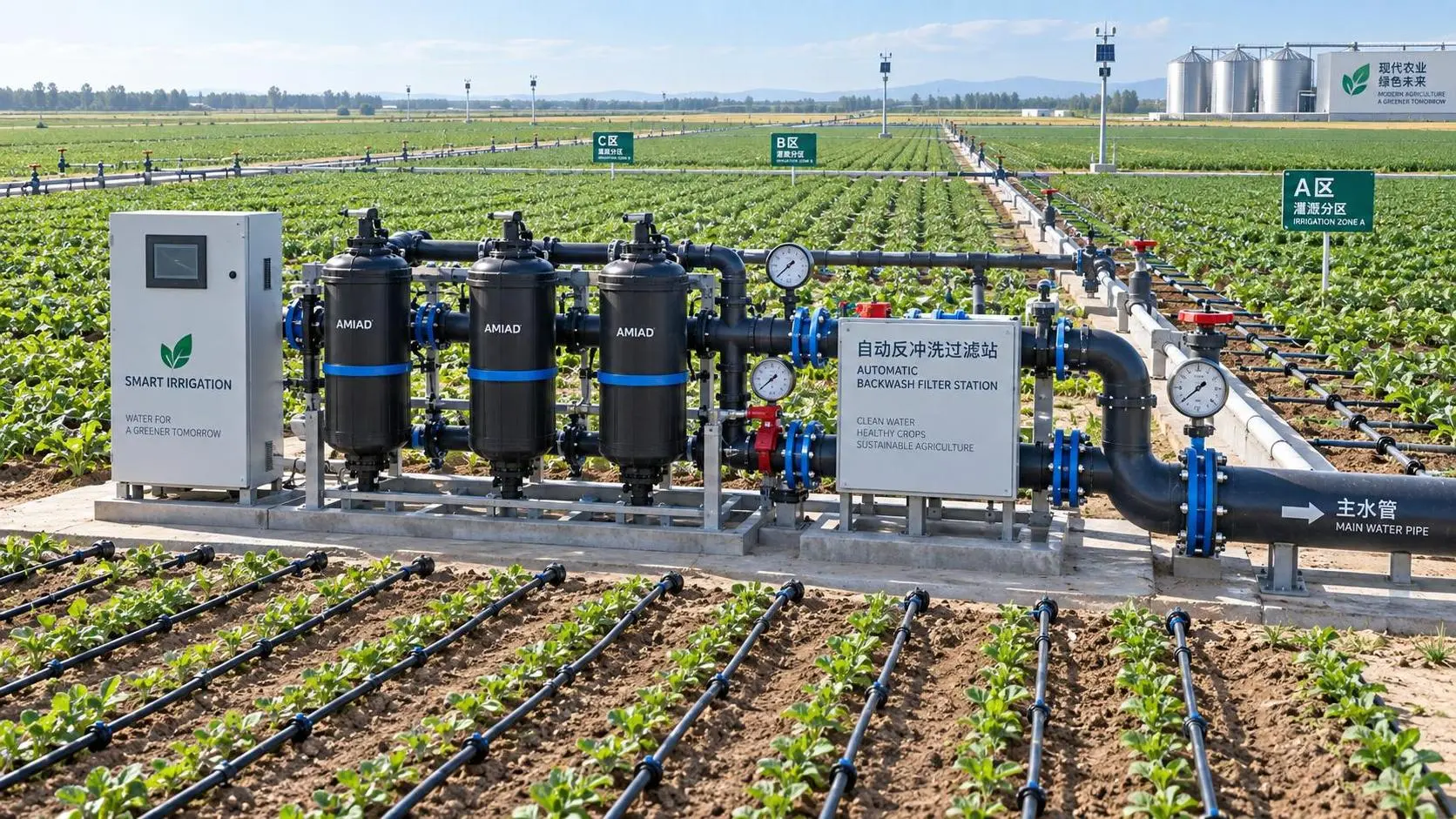
How to Evaluate Drip Irrigation System Manufacturers for Large Farm Projects
Drip irrigation systems manufacturer evaluation guide for large farms: compare hydraulic design, filtration, quality control, scalability, delivery, and support.

Specification Planning: A Practical Framework for Defining Equipment Requirements
Application guidance for specification planning: define measurable equipment requirements, prioritize performance, and avoid costly procurement mistakes.

How North American Farms Can Select Crop Monitoring Systems by Acreage and Connectivity
Crop monitoring systems North America: learn how to match acreage, connectivity, sensors, and data workflows for reliable, actionable farm decisions.

Where to Find Reliable Product Information for Comparing Farm Equipment
Product information resources agriculture buyers can trust: compare farm equipment with technical specs, manuals, field data, dealer support, and lifecycle insights.
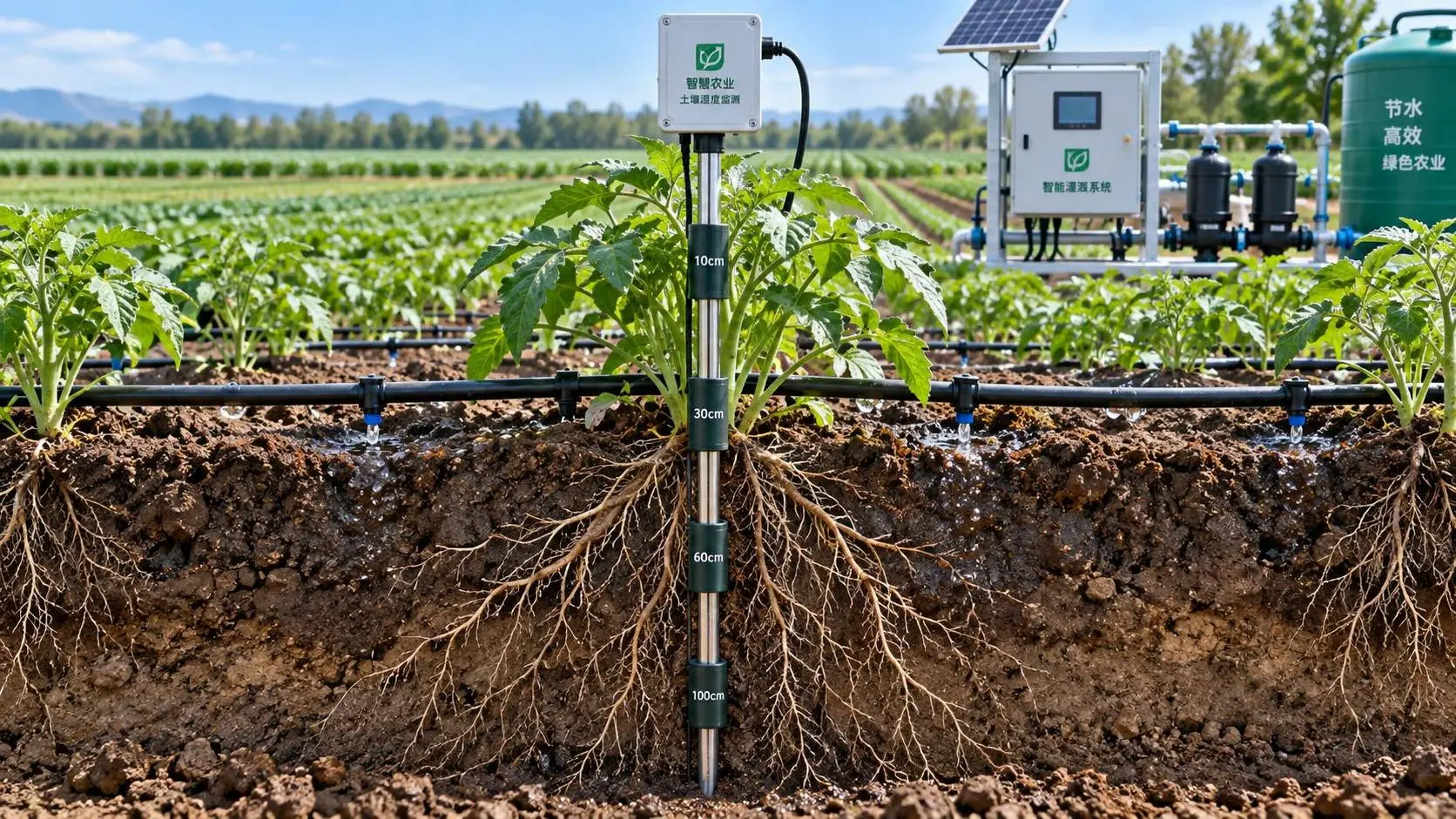
Selecting Real-Time Soil Moisture Sensors for Irrigation Zone Control
Soil moisture sensors real time: learn how to select reliable probes, optimize zone control, improve irrigation decisions, and scale precision water management.
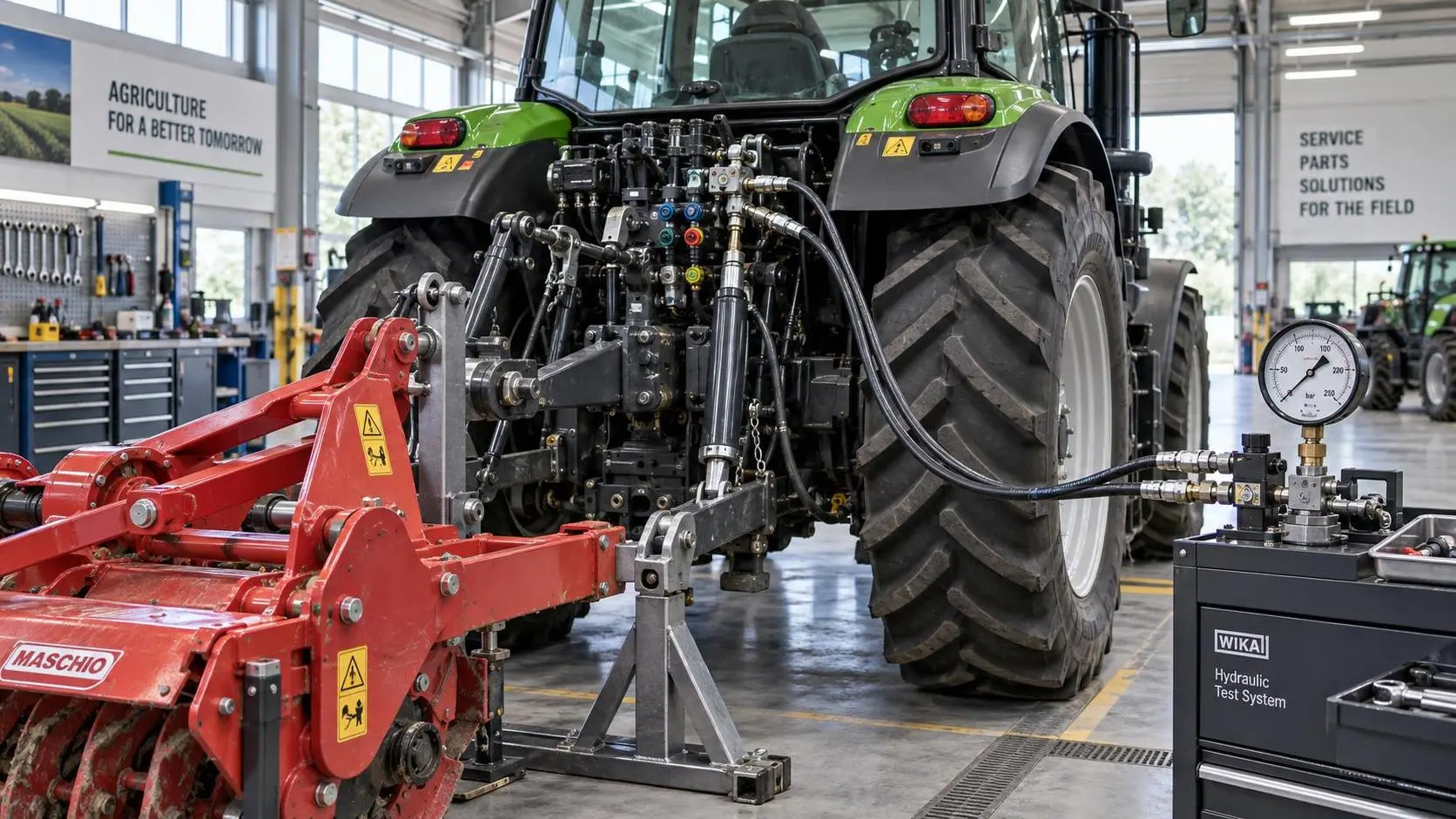
Tractor Hydraulic Systems Troubleshooting: Diagnosing Weak Lift and Slow Implements
Tractor hydraulic systems troubleshooting made practical: diagnose weak lifts and slow implements with proven pressure, flow, valve, and oil-supply checks.
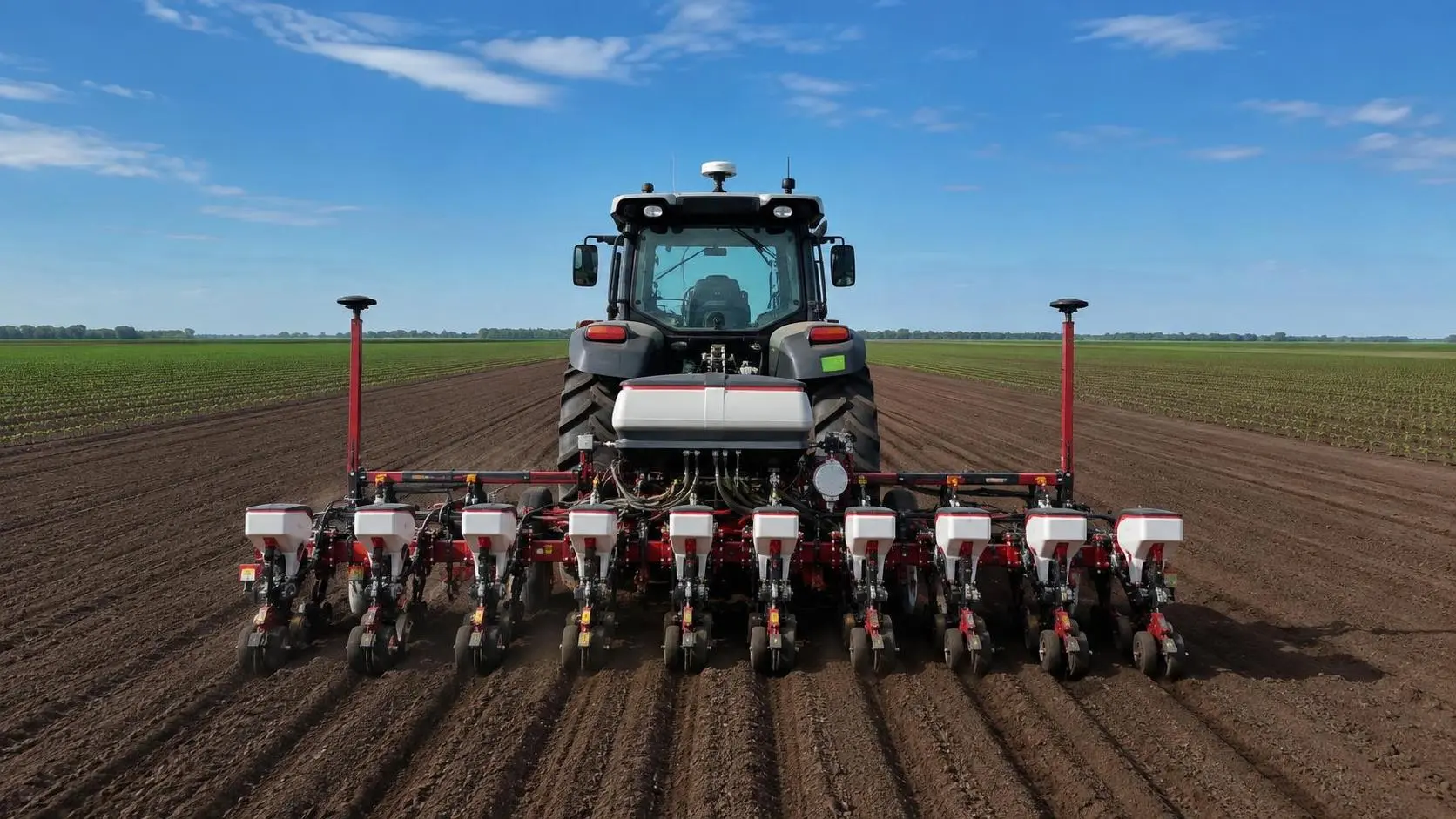
How Tractor Intelligence Systems Improve Field Efficiency and Input Accuracy
Agricultural machinery intelligence for tractors improves field efficiency, input accuracy, data traceability, and implement control. Explore smarter evaluation strategies.
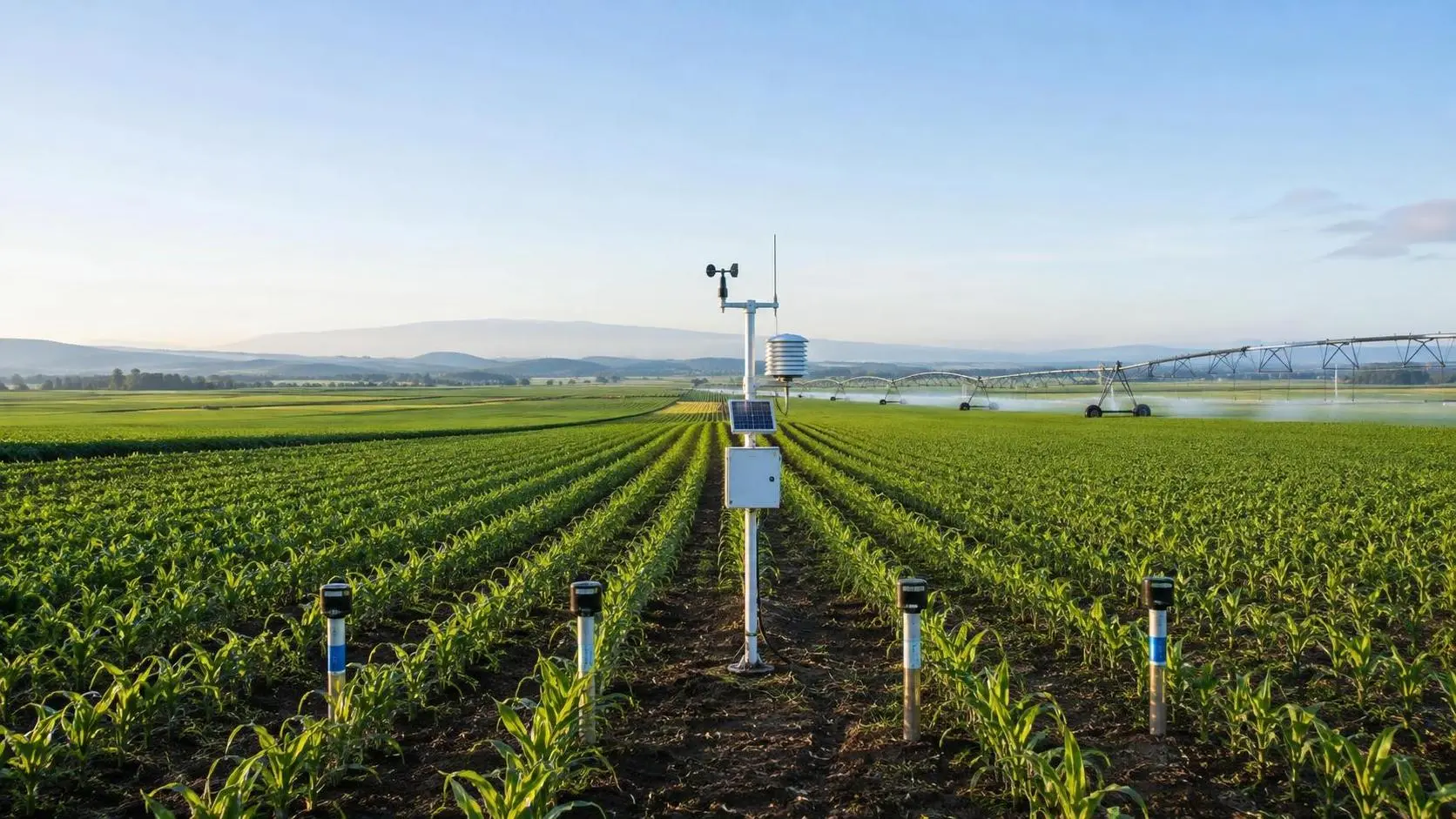
How to Evaluate Crop Monitoring System Manufacturers for Large-Scale Farms
Compare crop monitoring systems manufacturers for large-scale farms. Evaluate data quality, integration, durability, lifecycle costs, support, and pilots for smarter decisions.
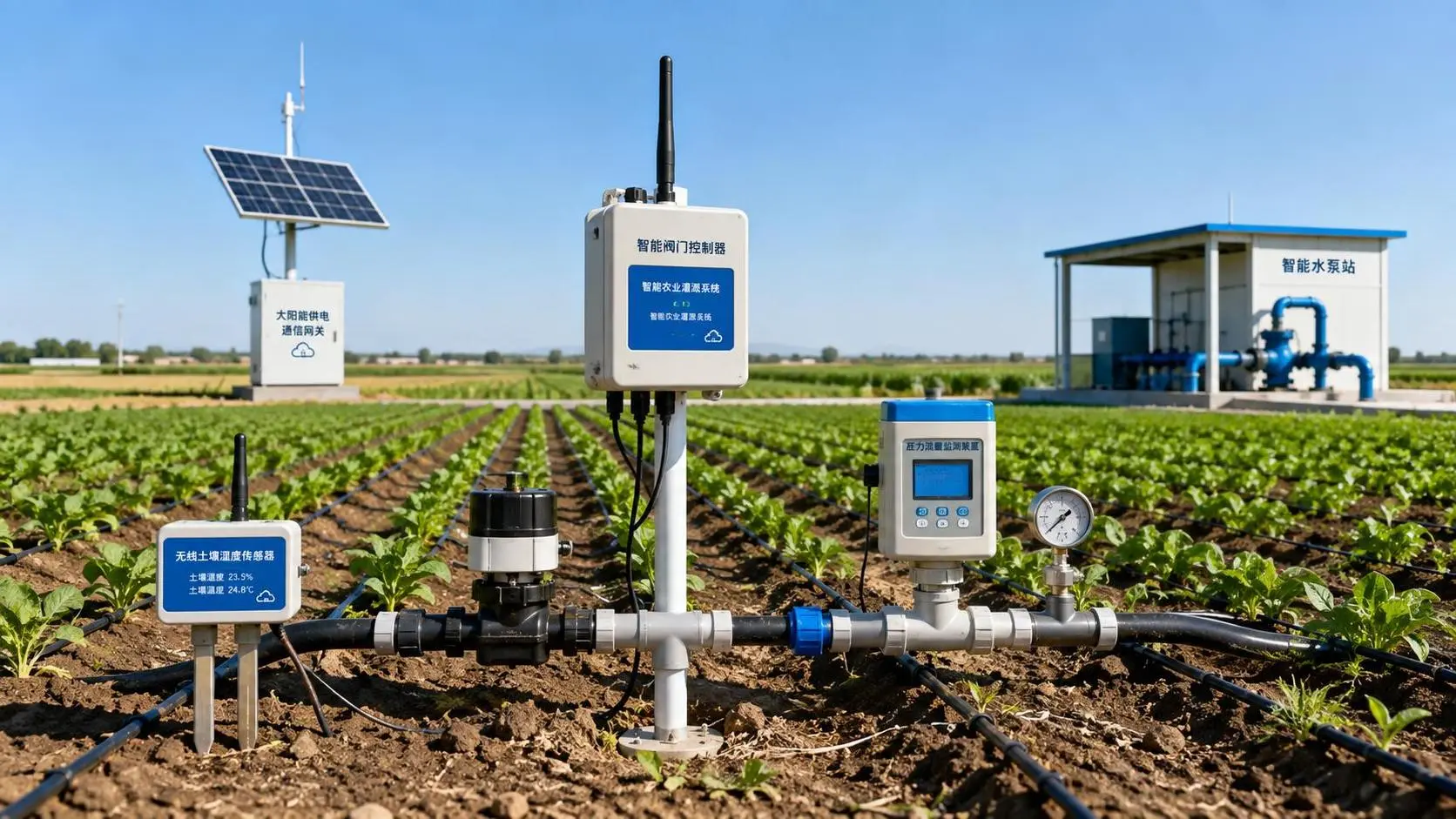
Wireless Agricultural Automation for Remote Irrigation and Field Monitoring
Agricultural automation wireless solutions improve remote irrigation with reliable field data, local control, flow verification, and smarter monitoring. Explore resilient deployment strategies.
Related News
- 00
0000-00
Precision Farming Solutions with Drone Data for Field Mapping and Crop Decisions - 00
0000-00
Precision Farming Systems for Yield Mapping: Key Technologies and Field Applications - 00
0000-00
How to Validate Precision Farming Algorithm Accuracy Before Field Deployment - 00
0000-00
How to Evaluate Precision Fertilization Equipment for Latin America Farms - 00
0000-00
How Precision Agriculture Improves Water Management with Sensors, GPS, and VRT
Popular Tags
Tractor Power Architect
Weekly Insights
Stay ahead with our curated technology reports delivered every Monday.