
Precision Agriculture Technology for Sustainable Farming: Key Systems and Field Uses




Precision Agriculture Technology for Sustainable Farming: Key Systems and Field Uses
Precision agriculture technology for sustainable farming is reshaping how large operations plan, plant, protect, and harvest.
It helps operators reduce waste, improve field visibility, and respond faster to weather, labor, and input pressure.
That matters even more now, as food security, carbon targets, and water constraints move from policy language into daily operating decisions.
For large farms and agribusiness groups, the real question is no longer whether to adopt these systems.
The better question is which systems create measurable field value first, and how to scale them without adding complexity.
Why Precision Agriculture Technology for Sustainable Farming Matters Now
From a business angle, precision agriculture technology for sustainable farming connects profitability with resource discipline.
It uses location-based data, machine intelligence, and sensor feedback to match inputs with real field conditions.
That sounds technical, but the practical result is simple.
Less overlap. Lower input loss. Better timing. More stable output quality.
In recent seasons, three signals have become clearer across global operations.
- Input costs remain volatile, especially fuel, fertilizer, and crop protection products.
- Water availability is less predictable, pushing irrigation efficiency higher on the investment list.
- Buyers and regulators increasingly expect traceable sustainability performance, not general claims.
This is where precision agriculture technology for sustainable farming becomes a working system, not a marketing label.
The Core Systems Behind Smart Field Performance
A strong precision strategy usually starts with a small group of connected systems.
Each system solves a different field problem, but the highest returns appear when they work together.
1. Guidance and Auto-Steering Systems
Satellite-guided steering reduces overlap during tillage, planting, spraying, and harvesting.
It also lowers operator fatigue, which matters during long seasonal windows.
For large fleets, this technology standardizes pass accuracy across shifts and field teams.
2. Variable Rate Application Platforms
Variable rate systems adjust seed, fertilizer, or chemical dosage by zone, soil pattern, or crop need.
This is one of the most practical examples of precision agriculture technology for sustainable farming.
Instead of treating every hectare equally, the system treats each area according to its productive potential.
3. Field Sensors and Remote Monitoring
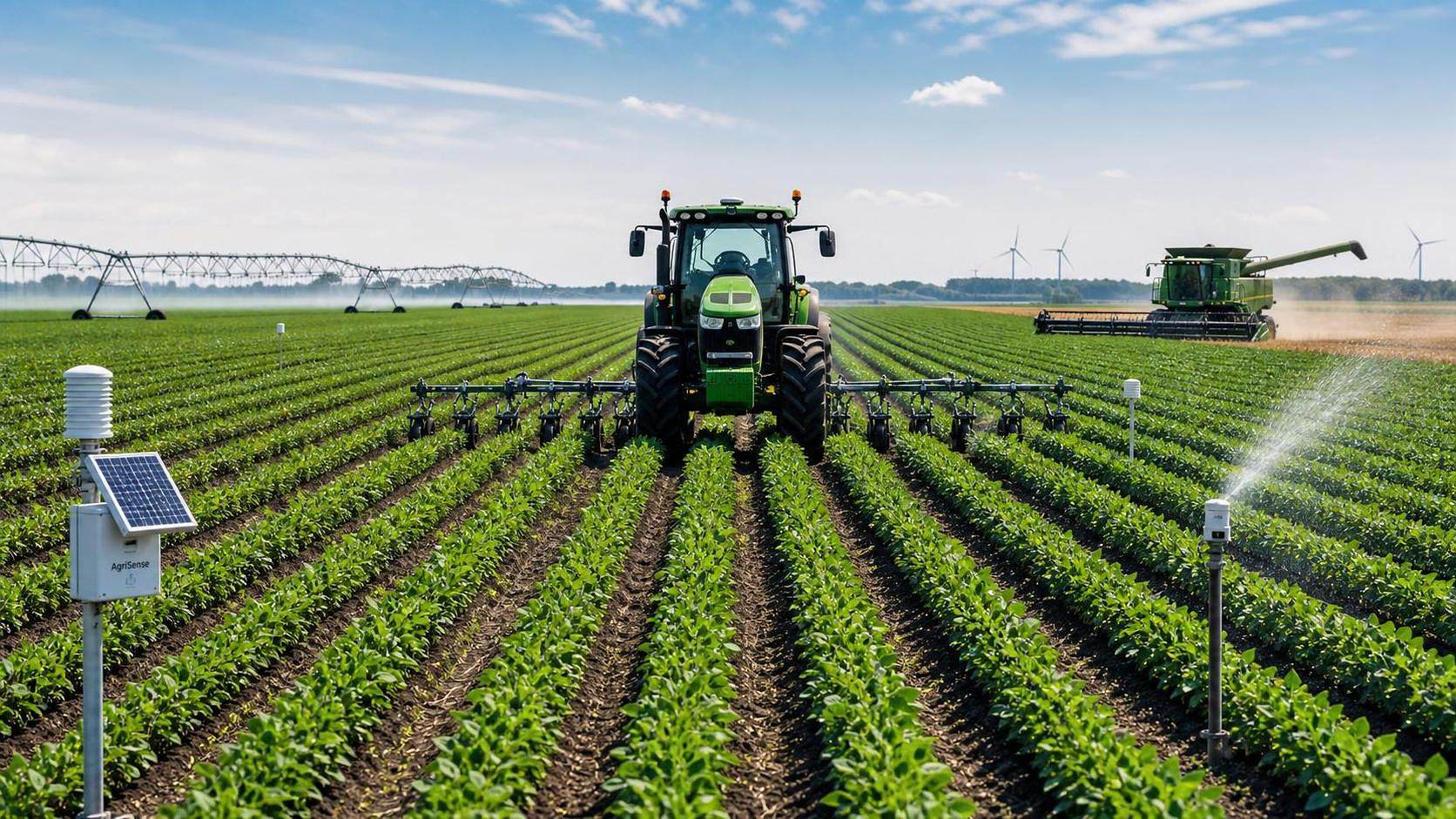
Soil moisture probes, weather stations, canopy sensors, and machine telematics create live field awareness.
Operators can spot stress earlier, track machine behavior, and respond before small issues become expensive delays.
4. Yield Mapping and Harvest Analytics
Combine harvesters now generate more than output totals.
They reveal yield variability, moisture patterns, and in some cases cleaning loss behavior.
That data feeds future seeding plans, drainage improvements, and hybrid input strategies.
Key Field Uses Across the Crop Cycle
The strength of precision agriculture technology for sustainable farming is that it supports decisions across the full production cycle.
Pre-Season Planning
Before equipment enters the field, historical yield maps and soil data help identify high-response zones.
That makes budget allocation more accurate, especially where land productivity varies sharply.
Planting Operations
At planting, auto-guidance and prescription maps improve row consistency and seed placement discipline.
The business benefit is not only emergence quality.
It is also stronger confidence that the crop starts from a more uniform foundation.
Crop Nutrition and Protection
Mid-season applications are where input leakage often grows.
Precision application systems reduce overuse and support better environmental control.
This helps protect margins while supporting sustainability reporting with field-level evidence.
Harvest and Post-Season Review
At harvest, smart combines capture performance data that goes beyond throughput.
Loss analysis, moisture trends, and area-based yield results help refine next season’s operating model.
This closed-loop process is one reason precision agriculture technology for sustainable farming keeps gaining traction.
Smart Irrigation as a High-Impact Use Case
Water-saving irrigation is one of the clearest investment cases in sustainable agriculture technology.
In many regions, water is now the limiting factor, not just a production input.
Smart irrigation combines moisture sensing, weather forecasting, flow control, and scheduling logic.
The result is more accurate irrigation timing and better control of runoff or unnecessary pumping.
For enterprises operating across different geographies, this matters for both cost and compliance.
- It reduces water waste in high-stress growing periods.
- It supports energy savings where pumping costs are material.
- It improves traceability for sustainability audits and reporting frameworks.
- It strengthens crop resilience during irregular rainfall cycles.
In practice, smart irrigation often becomes the gateway system for broader precision agriculture technology for sustainable farming adoption.
How to Evaluate Deployment Priorities
Not every operation should digitize everything at once.
A better path is to rank systems by operational pain point, asset readiness, and measurable return window.
This type of review keeps investments anchored to business outcomes.
It also prevents disconnected technology purchases that look modern but solve very little.
Common Risks and How to Avoid Them
The most common failure is not technical.
It is poor integration between machinery, agronomy workflows, and decision ownership.
Several risks show up repeatedly in the field.
- Data is collected, but no clear team uses it for action.
- Machines from different brands do not exchange information smoothly.
- Operators receive tools without enough training or seasonal support.
- Projects focus on hardware first, while workflow redesign is ignored.
The fix is usually straightforward.
- Start with one defined business problem.
- Choose interoperable systems where possible.
- Assign ownership for data review and field action.
- Track a short list of operating metrics every season.
That is how precision agriculture technology for sustainable farming moves from pilot status into repeatable operating discipline.
A Practical Roadmap for Scalable Adoption
A realistic deployment roadmap usually follows four stages.
Stage 1: Build the Data Base
Collect reliable field boundaries, machine records, soil data, and harvest history.
Stage 2: Standardize Core Machine Functions
Deploy guidance, section control, and telematics across priority equipment groups.
Stage 3: Add Variable Decision Layers
Introduce prescription-based seeding, fertilization, and irrigation scheduling where field variability justifies it.
Stage 4: Close the Feedback Loop
Use yield, cost, and resource data to refine each next cycle.
This step matters because sustainable farming is not achieved by one machine upgrade.
It is achieved by repeated operational learning backed by connected systems.
Final Takeaway
Precision agriculture technology for sustainable farming is now a practical operating model for modern field businesses.
Its strongest value appears when guidance, input control, harvest analytics, and smart irrigation work as one system.
The opportunity is not just higher yield.
It is lower waste, stronger resilience, better compliance readiness, and more confident capital planning.
For organizations shaping long-cycle agricultural strategy, the best next move is to identify one high-friction field process and digitize it with clear metrics.
That is often the simplest path to turning precision agriculture technology for sustainable farming into measurable business value.
Related News
How to Evaluate Agricultural Product Information Sources for Reliable Farm Decisions
Agricultural product information reference guide: evaluate reliable farm data, verify claims, and make smarter machinery, irrigation, and crop decisions.
Farm Machinery Guide: Matching Tractor Horsepower and Implements to Farm Size
Farm machinery guide for tractors: match horsepower, implement width, hydraulics, traction, and fleet capacity to farm size for lower costs and reliable field performance.
How to Evaluate Drip Irrigation System Manufacturers for Large Farm Projects
Drip irrigation systems manufacturer evaluation guide for large farms: compare hydraulic design, filtration, quality control, scalability, delivery, and support.
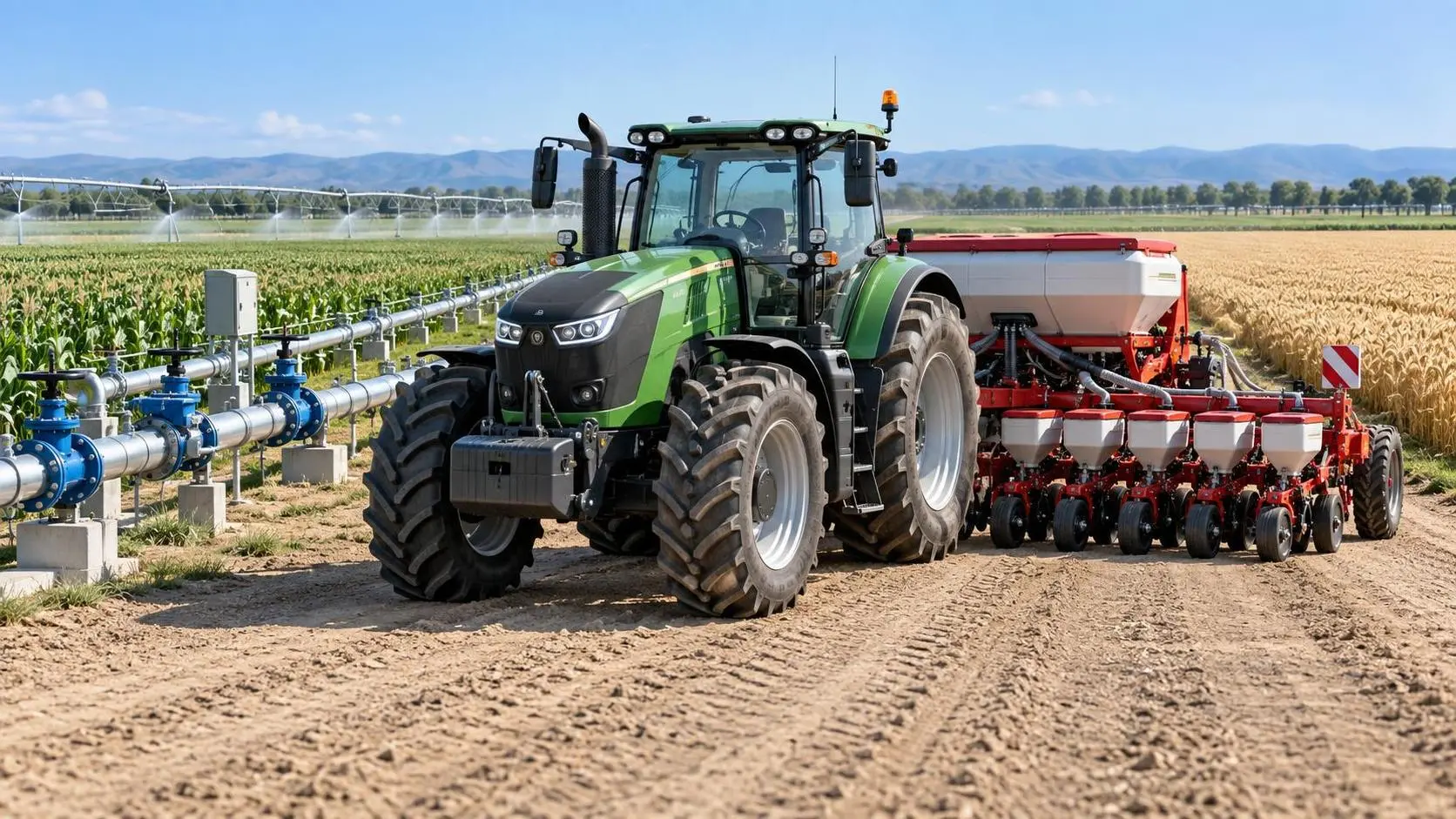
Specification Planning: A Practical Framework for Defining Equipment Requirements
Application guidance for specification planning: define measurable equipment requirements, prioritize performance, and avoid costly procurement mistakes.

How North American Farms Can Select Crop Monitoring Systems by Acreage and Connectivity
Crop monitoring systems North America: learn how to match acreage, connectivity, sensors, and data workflows for reliable, actionable farm decisions.

Where to Find Reliable Product Information for Comparing Farm Equipment
Product information resources agriculture buyers can trust: compare farm equipment with technical specs, manuals, field data, dealer support, and lifecycle insights.
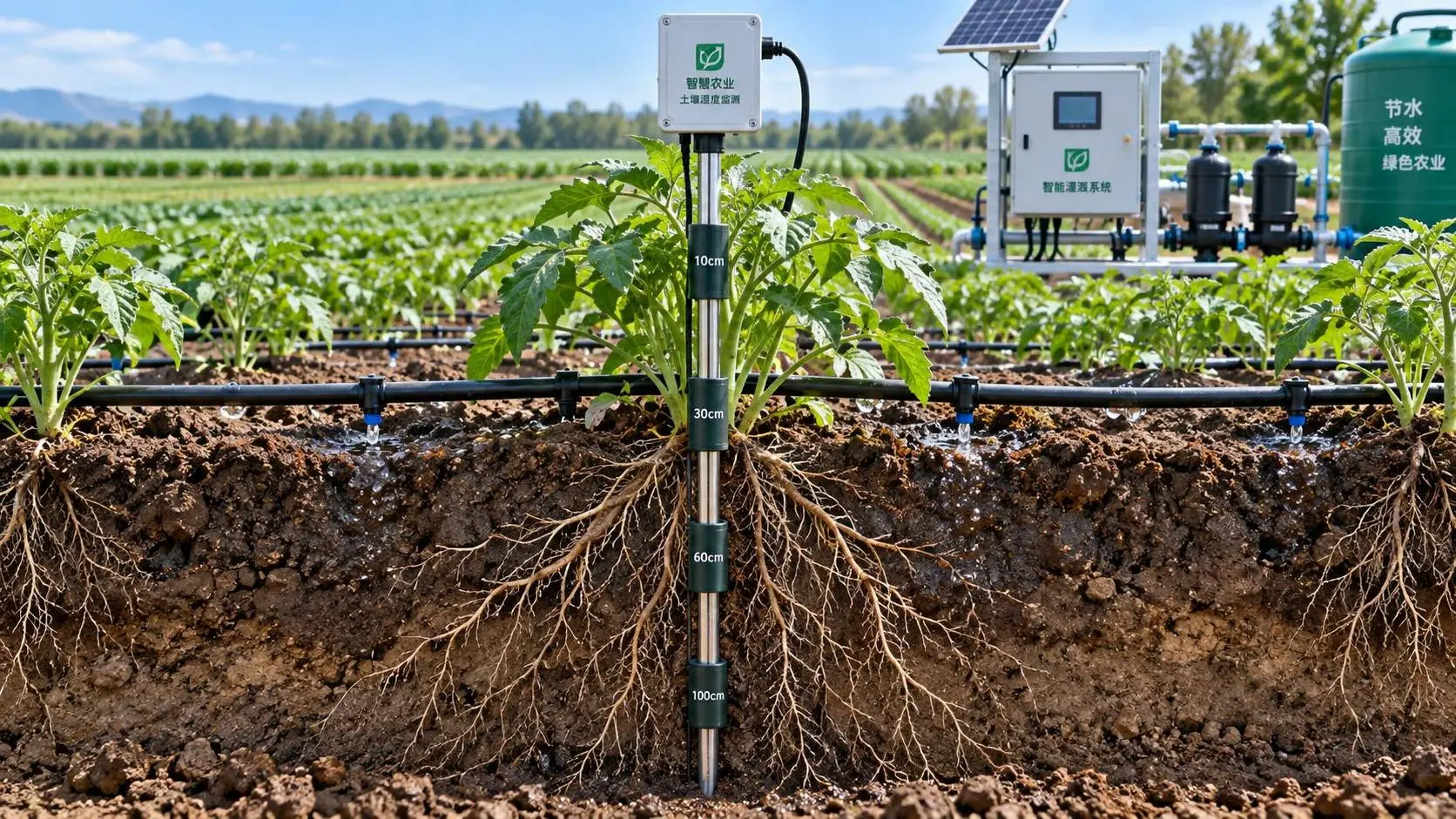
Selecting Real-Time Soil Moisture Sensors for Irrigation Zone Control
Soil moisture sensors real time: learn how to select reliable probes, optimize zone control, improve irrigation decisions, and scale precision water management.
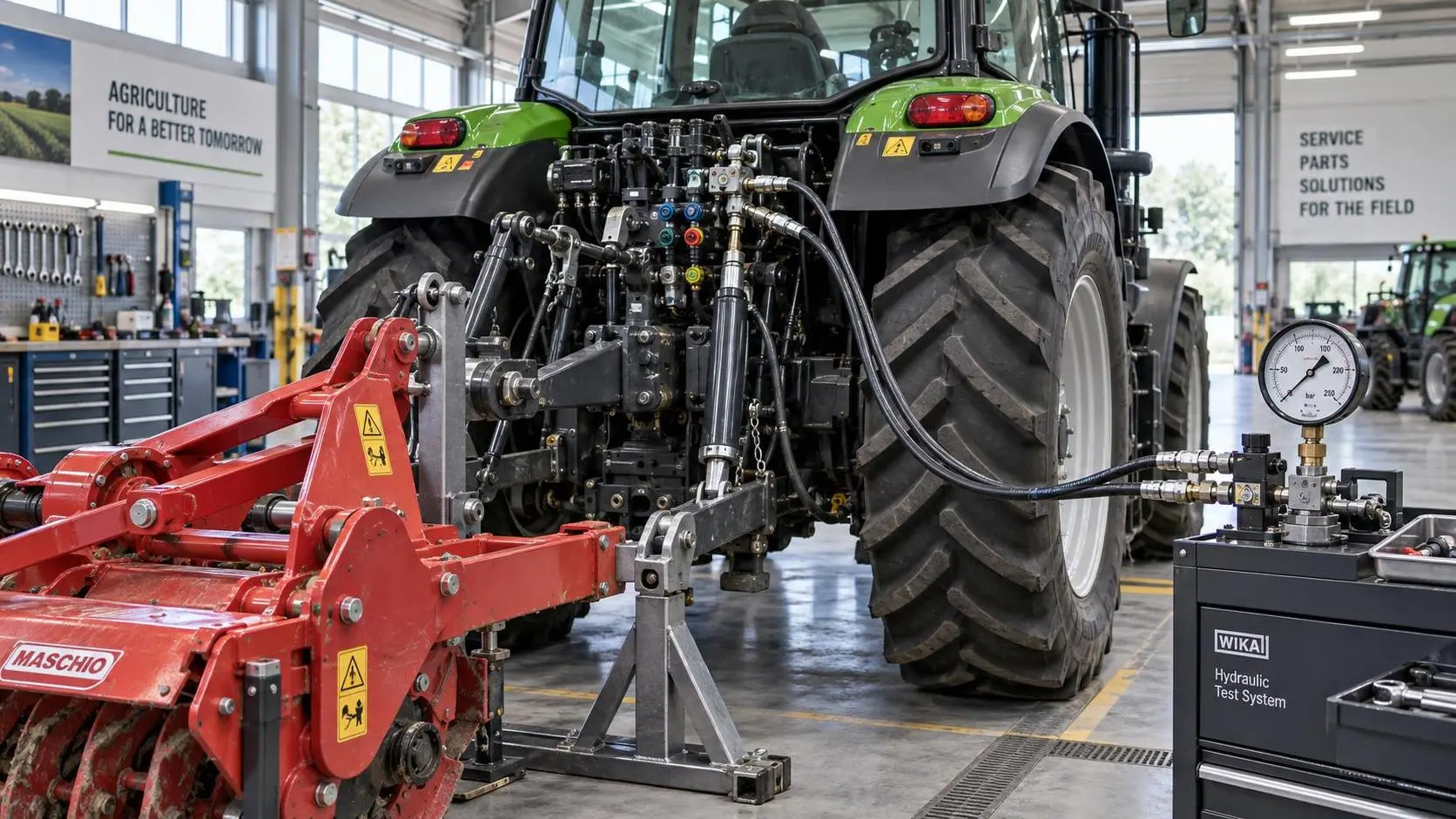
Tractor Hydraulic Systems Troubleshooting: Diagnosing Weak Lift and Slow Implements
Tractor hydraulic systems troubleshooting made practical: diagnose weak lifts and slow implements with proven pressure, flow, valve, and oil-supply checks.
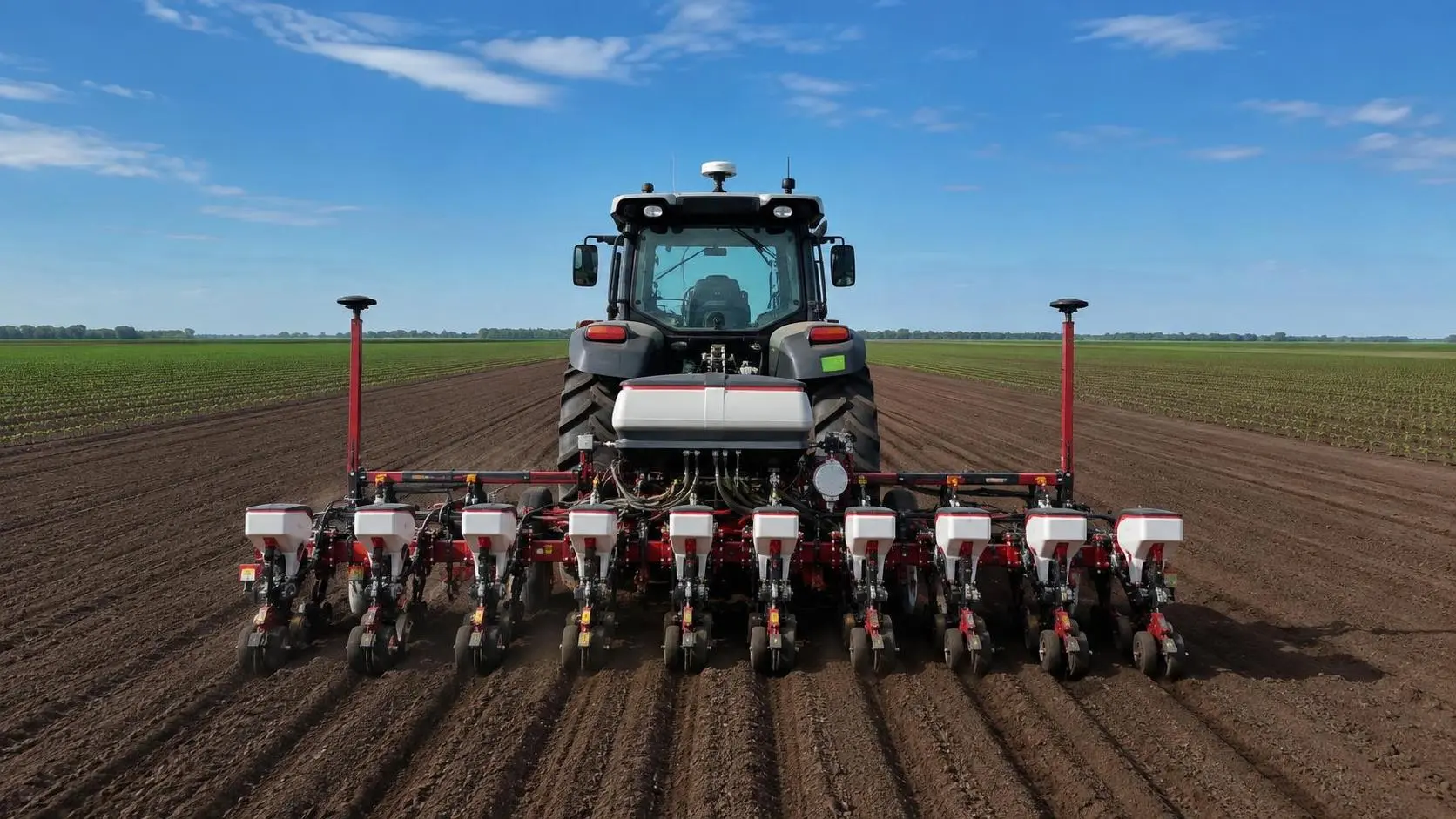
How Tractor Intelligence Systems Improve Field Efficiency and Input Accuracy
Agricultural machinery intelligence for tractors improves field efficiency, input accuracy, data traceability, and implement control. Explore smarter evaluation strategies.
Related News
- 00
0000-00
Precision Farming Solutions with Drone Data for Field Mapping and Crop Decisions - 00
0000-00
Precision Farming Systems for Yield Mapping: Key Technologies and Field Applications - 00
0000-00
How to Validate Precision Farming Algorithm Accuracy Before Field Deployment - 00
0000-00
How to Evaluate Precision Fertilization Equipment for Latin America Farms - 00
0000-00
How Precision Agriculture Improves Water Management with Sensors, GPS, and VRT
Popular Tags
Tractor Power Architect
Weekly Insights
Stay ahead with our curated technology reports delivered every Monday.