
Precision Fertilization Tools: How to Compare Accuracy, Compatibility, and ROI
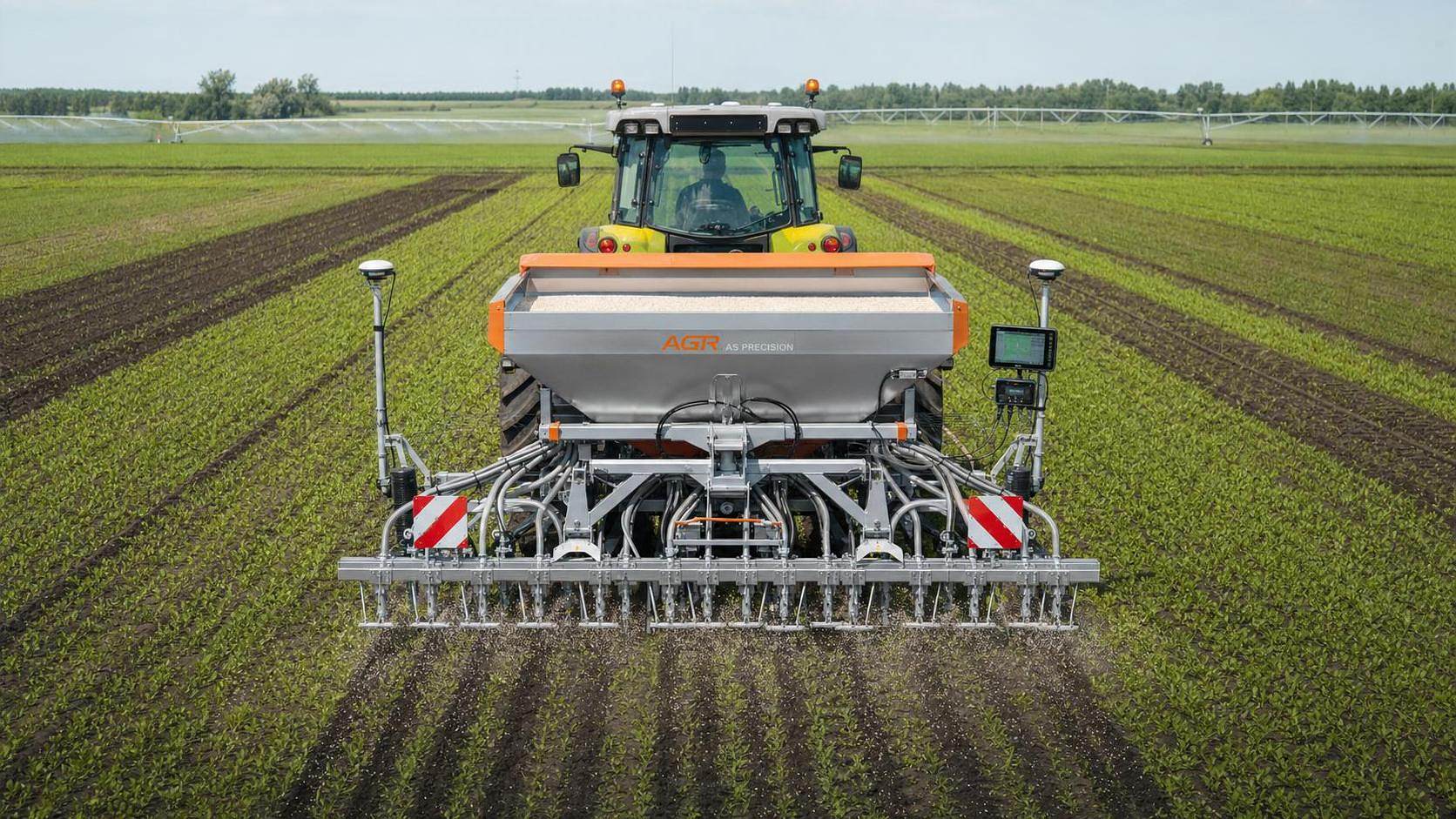




Precision fertilization tools sit at the center of a practical Agriculture 4.0 question: how to place nutrients with enough precision to improve yield without overpaying for complexity. For capital planning, the real comparison is no longer unit price alone. Accuracy in the field, compatibility with existing machinery, and the speed of return on investment shape whether a purchase strengthens productivity or creates another integration burden.
That is why this topic matters across the broader agri-equipment chain. Nutrient application now connects with tractor chassis control, satellite positioning, implement electronics, farm data platforms, and even irrigation strategy. In the AP-Strategy view of the market, precision decisions are becoming part of a larger system where mechanical reliability, digital intelligence, and resource efficiency must work together.
What precision fertilization tools really include
The term covers more than one machine category. It may refer to variable-rate spreaders, section-controlled applicators, sensor-guided nutrient systems, prescription map software, flow control modules, and telemetry-enabled controllers.
Some solutions are hardware-led. Others depend on software, GNSS correction quality, and agronomic data layers. In practice, the tool is not only the applicator. It is the full chain that turns field variability into a measured nutrient response.
This distinction matters during comparison. Two systems may look similar in brochures, yet differ sharply in metering stability, response speed, controller logic, and data export options. Those differences often determine whether field performance matches the promised specification.
Why the market is paying closer attention
Fertilizer remains one of the most sensitive input costs in modern farming. At the same time, pressure is rising from margin volatility, nutrient-use regulations, and sustainability targets tied to water quality and soil health.
Precision fertilization tools address this pressure by reducing overlap, limiting misapplication, and improving zone-based treatment. The value is especially visible in large-acreage operations where small efficiency gains scale quickly.
Another reason is equipment convergence. Fertilizer application is no longer isolated from the rest of the fleet. It increasingly shares data with combine yield maps, tractor guidance systems, smart irrigation planning, and farm management software.
This system-level shift aligns with AP-Strategy’s intelligence framework. Buyers are evaluating machines as connected assets, not standalone units. That changes how performance should be judged.
Accuracy means more than rate control
When suppliers describe accuracy, the first claim usually concerns application rate. That is important, but it is only one layer. A strong comparison should separate at least four technical dimensions.
Metering precision
This is the ability to deliver the intended nutrient volume or weight under changing speed, terrain, and material conditions. Granular products, blends, and liquid formulations do not behave the same way.
Spatial accuracy
GNSS quality, correction source, and controller response influence whether nutrients are placed in the correct zone. In variable-rate programs, delayed response can reduce the value of a well-built prescription map.
Section and boundary control
Headlands, irregular field shapes, and overlap zones create hidden losses. Better section control reduces double application and improves consistency at field edges where manual judgment often fails.
Calibration stability
A system may calibrate well on day one, then drift under vibration, moisture, or heavy-duty scheduling. Long-term repeatability matters more than a single test result.
Compatibility should be checked at three levels
Many procurement mistakes come from treating compatibility as a simple hitch or hydraulic question. For precision fertilization tools, compatibility has mechanical, electronic, and data dimensions.
Mechanical fit
Check chassis capacity, PTO requirements, hydraulic flow, axle load distribution, and terrain suitability. A capable applicator can still underperform if the tractor platform cannot support stable operation.
Electronic communication
ISOBUS support, terminal compatibility, sensor inputs, controller updates, and auto-guidance integration should be reviewed in detail. “Compatible” can mean basic connection, not full-function control.
Data workflow
Prescription files, as-applied records, cloud sync, and third-party platform exports must fit the operation’s digital workflow. If agronomic data cannot move easily, the intelligence value declines fast.
This is where broader fleet context matters. An operation already using combine harvest data, irrigation monitoring, and guidance correction services should compare how new precision fertilization tools fit that ecosystem, not just the fertilizer season.
Where ROI is created, and where it is lost
Return on investment is often narrowed to fertilizer savings per hectare. That is one piece, but a realistic model should include at least six value drivers.
- Reduced overlap and lower nutrient waste.
- Yield improvement from better placement and timing.
- Lower rework caused by uneven application.
- Faster field operations through automation.
- Better compliance with reporting or environmental rules.
- Higher residual asset value for connected equipment.
At the same time, ROI can be weakened by hidden costs. Subscription fees, correction signals, software licensing, calibration downtime, operator training, and service response times can materially affect the payback period.
The most expensive option is not always the worst value. Likewise, the lowest-cost system may become expensive if it cannot integrate with existing machinery or requires frequent manual adjustment.
A practical ROI screen
A useful comparison asks how quickly a tool converts agronomic intent into measurable field outcomes. If the answer depends on too many workarounds, the projected return is probably overstated.
Typical comparison scenarios across operations
Not every operation needs the same level of sophistication. Precision fertilization tools should be compared against field size, crop diversity, labor structure, and the maturity of the digital stack.
In broadacre grain systems, section control, variable-rate maps, and accurate logging often create the clearest return. In mixed operations, compatibility with multiple tractor platforms can matter more than advanced analytics.
For regions under water or nutrient regulation, integration with irrigation planning and traceable application data becomes more valuable. Here, precision fertilization tools support both field performance and documentation discipline.
Operations expanding toward autonomy may also prioritize upgrade paths. A tool that works today but cannot connect with future fleet automation may limit long-term capital efficiency.
Questions that improve the purchase decision
A structured evaluation usually produces better outcomes than a specification-only comparison. Before shortlisting suppliers, it helps to test several questions against real operating conditions.
- How does the system perform with the actual fertilizer products used most often?
- Which tractor terminals, controllers, and guidance services are fully supported?
- What latency appears between map command and field application change?
- Which costs continue after purchase, including subscriptions and software maintenance?
- How quickly can service teams resolve calibration or sensor issues during peak season?
- Can as-applied data be reused across agronomy, compliance, and planning workflows?
Answers to these questions reveal whether a system is ready for real workload conditions. They also expose the gap between headline capability and usable value.
A more durable way to compare options
The most reliable approach is to compare precision fertilization tools as part of an operational architecture. That means linking agronomic goals, machinery fit, data interoperability, service support, and lifecycle cost.
AP-Strategy’s broader market lens is useful here because fertilizer application increasingly touches the same decision framework as tractor performance, combine data quality, and intelligent irrigation planning. Precision is not a standalone feature. It is a coordination capability.
The next step is straightforward: map current fleet interfaces, rank fields by response variability, and build a comparison matrix around measurable accuracy, confirmed compatibility, and realistic payback assumptions. That process usually leads to better decisions than starting from price alone.
Related News
How to Evaluate Agricultural Product Information Sources for Reliable Farm Decisions
Agricultural product information reference guide: evaluate reliable farm data, verify claims, and make smarter machinery, irrigation, and crop decisions.
Farm Machinery Guide: Matching Tractor Horsepower and Implements to Farm Size
Farm machinery guide for tractors: match horsepower, implement width, hydraulics, traction, and fleet capacity to farm size for lower costs and reliable field performance.
How to Evaluate Drip Irrigation System Manufacturers for Large Farm Projects
Drip irrigation systems manufacturer evaluation guide for large farms: compare hydraulic design, filtration, quality control, scalability, delivery, and support.
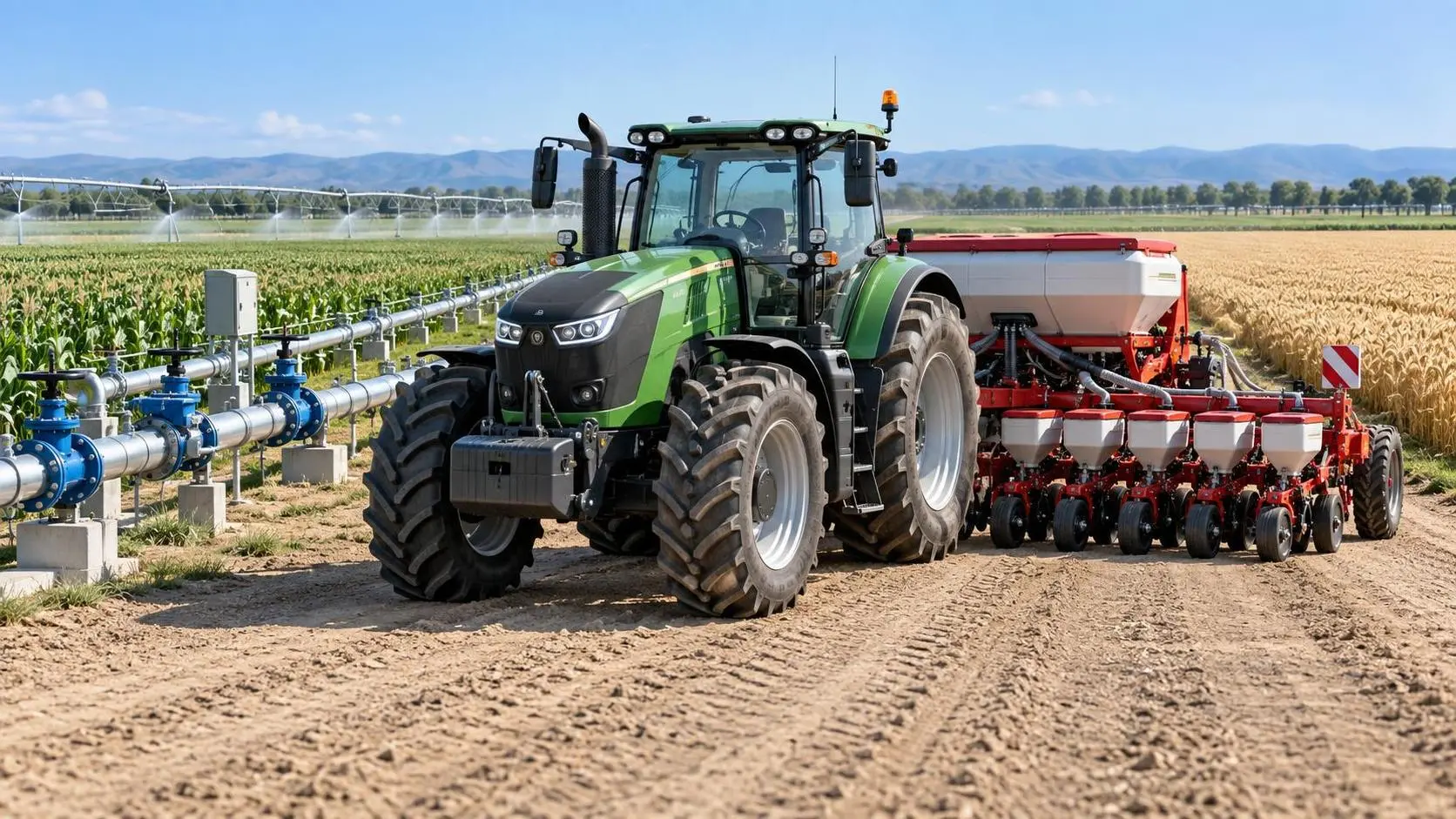
Specification Planning: A Practical Framework for Defining Equipment Requirements
Application guidance for specification planning: define measurable equipment requirements, prioritize performance, and avoid costly procurement mistakes.

How North American Farms Can Select Crop Monitoring Systems by Acreage and Connectivity
Crop monitoring systems North America: learn how to match acreage, connectivity, sensors, and data workflows for reliable, actionable farm decisions.

Where to Find Reliable Product Information for Comparing Farm Equipment
Product information resources agriculture buyers can trust: compare farm equipment with technical specs, manuals, field data, dealer support, and lifecycle insights.
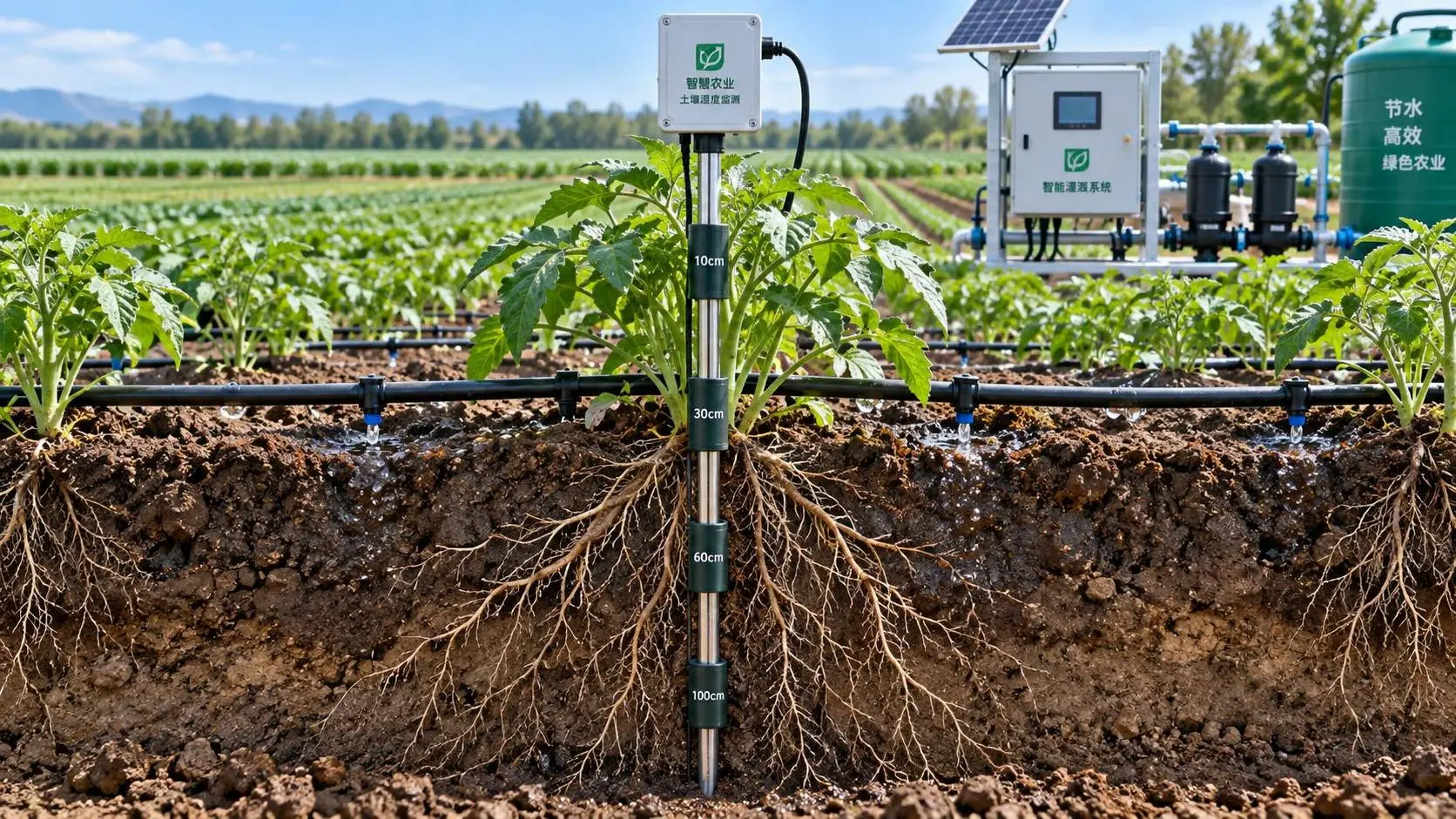
Selecting Real-Time Soil Moisture Sensors for Irrigation Zone Control
Soil moisture sensors real time: learn how to select reliable probes, optimize zone control, improve irrigation decisions, and scale precision water management.
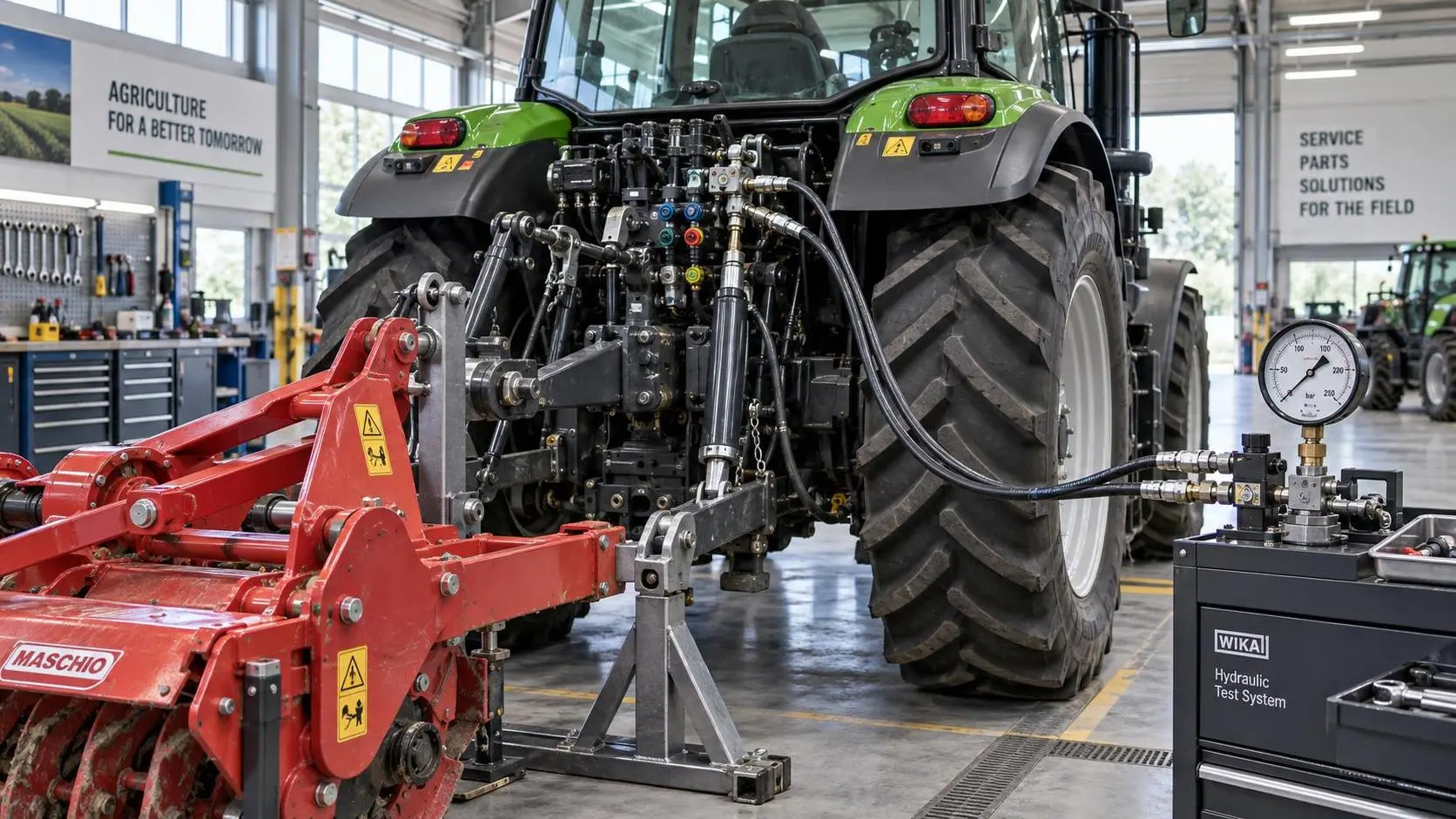
Tractor Hydraulic Systems Troubleshooting: Diagnosing Weak Lift and Slow Implements
Tractor hydraulic systems troubleshooting made practical: diagnose weak lifts and slow implements with proven pressure, flow, valve, and oil-supply checks.
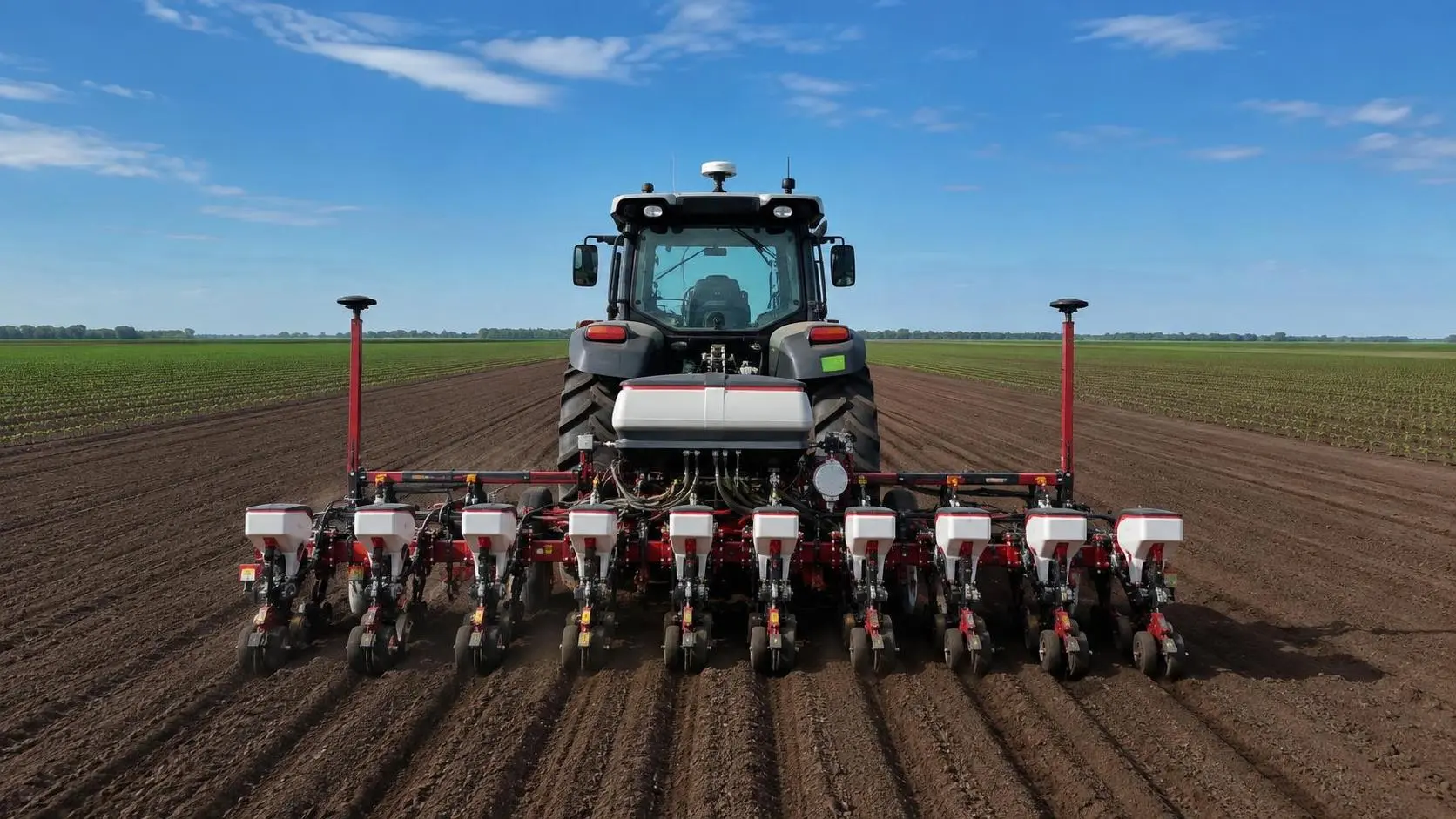
How Tractor Intelligence Systems Improve Field Efficiency and Input Accuracy
Agricultural machinery intelligence for tractors improves field efficiency, input accuracy, data traceability, and implement control. Explore smarter evaluation strategies.
Related News
- 00
0000-00
Precision Farming Solutions with Drone Data for Field Mapping and Crop Decisions - 00
0000-00
Precision Farming Systems for Yield Mapping: Key Technologies and Field Applications - 00
0000-00
How to Validate Precision Farming Algorithm Accuracy Before Field Deployment - 00
0000-00
How to Evaluate Precision Fertilization Equipment for Latin America Farms - 00
0000-00
How Precision Agriculture Improves Water Management with Sensors, GPS, and VRT
Popular Tags
Tractor Power Architect
Weekly Insights
Stay ahead with our curated technology reports delivered every Monday.