
EN 17772:2026 adds carbon module rule for VRT devices
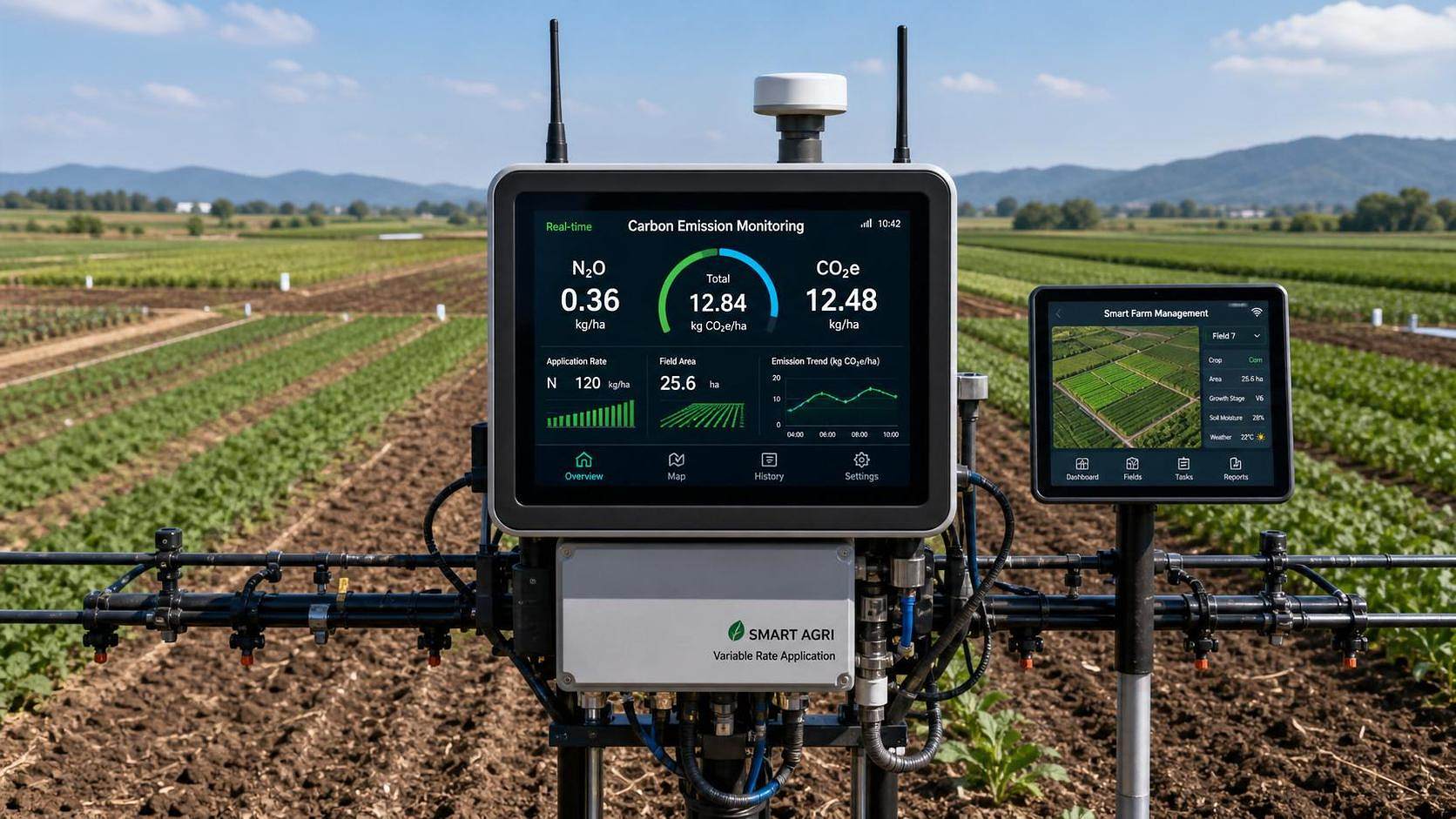




On June 14, 2026, CEN released the revised agricultural smart equipment standard EN 17772:2026, introducing a new compliance requirement for Variable Rate Tech equipment. For manufacturers, exporters, software teams, and farm platform integrators, the key issue is not only the publication of a new standard but the shift of carbon accounting from an external reporting topic into a built-in device function tied to product design, firmware, interface output, and delivery readiness.
What the revised standard now requires
According to the provided event information, the updated EN 17772:2026 was formally issued by CEN on June 14, 2026.
The standard applies to Variable Rate Tech devices, including variable fertilizer applicators, seeding controllers, and spraying systems.
From January 2027, these devices must integrate a carbon emissions calculation engine aligned with ISO 14067 and must be able to output N₂O/CO₂e data per unit of operating area to farm management platforms.
The provided information also states that Chinese exporting companies need to add carbon accounting dashboard functions in firmware upgrades and user interfaces.
Where the rule change may be felt first
Product design and equipment manufacturing move into compliance scope
From an industry perspective, equipment manufacturers are likely to be affected first because the rule is framed as a built-in functional requirement rather than a separate document obligation. The impact is likely to appear in product definition, controller architecture, firmware design, interface display, and data output capability. What deserves closer attention is whether technical files, product specifications, and delivery descriptions will need to reflect the presence of an ISO 14067-aligned calculation function and unit-area emissions output.
Export delivery may depend on software completeness, not hardware alone
For export-oriented suppliers, the practical change is that compliance may no longer rest only on the mechanical or agronomic performance of VRT equipment. Analysis shows that firmware version control, UI revisions, and platform data interface readiness may become part of shipment preparation, customer acceptance, or pre-delivery review. This means exporters should pay attention to whether contracts, technical appendices, and after-sales commitments need to address carbon dashboard functions and emissions data output capability.
Farm platform integrators and service providers face data-connection pressure
The requirement to output N₂O/CO₂e data to farm management platforms suggests that software integration and data exchange become more relevant in the supply chain. Observably, system integrators, digital agriculture service providers, and related support teams may need to review whether existing platforms can receive, display, or process the required unit-area emissions data. The main operational impact is likely to fall on interface alignment, data field mapping, and post-installation support.
Procurement and technical evaluation may start checking carbon functions earlier
Buyers, distributors, and channel-side technical evaluators may also need to adjust their review focus. Analysis shows that when a standard turns carbon calculation into an embedded equipment capability, procurement review may increasingly look at software functions, interface visibility, and output compatibility alongside core operating performance. For companies involved in tender support or specification alignment, this raises the importance of checking whether bid documents, technical responses, and product comparison materials clearly describe the carbon module function.
Practical points companies should watch now
Review whether existing VRT models need firmware updates
The provided event summary directly points to firmware upgrades as a required area of response for Chinese exporters. Companies should therefore first identify which existing VRT product lines fall within the scope of the revised standard and whether current firmware already supports the required calculation and output functions. If not, the immediate issue is not only development workload but also version management across products already planned for export.
Check UI and dashboard presentation against delivery expectations
The event information specifically mentions the need to add a carbon accounting dashboard in the user interface. What deserves closer attention is that interface changes can affect manuals, customer training, demonstration procedures, and acceptance expectations. If execution details are not yet fully provided, companies should treat this as an area requiring close follow-up rather than assume a settled review method.
Prepare technical documents for compliance discussions
Analysis shows that once a calculation engine and output function become mandatory, companies may need to recheck technical descriptions, product datasheets, software function lists, and related support materials used in export sales or customer communication. Even where no detailed enforcement format is provided in the input, it is prudent to prepare documentation that can explain how the device performs carbon calculation and how the relevant N₂O/CO₂e data is made available to farm management systems.
Watch for implementation language in certification and procurement practice
The current information confirms the standard update and the January 2027 requirement, but it does not provide further detail on practical review procedures. For that reason, companies should closely monitor later wording in certification communication, customer technical checklists, procurement specifications, and service requirements. It is more appropriate to understand this stage as one that requires implementation tracking rather than assuming all execution criteria are already fully clarified.
How this development is best understood at this stage
Observably, this update is more than a routine technical revision because it places carbon accounting logic inside the equipment itself. That changes the compliance conversation from reporting around the product to functionality within the product. At the same time, the currently confirmed facts are limited to the publication of the revised standard, the covered equipment types, the January 2027 timing, the ISO 14067 alignment requirement, the unit-area N₂O/CO₂e output requirement, and the need for firmware and UI updates for Chinese exporters.
Analysis shows that the market significance lies in the execution signal: carbon data capability is moving closer to a product access and delivery issue for VRT equipment. However, it would be premature to treat all downstream certification practice, tender language, or customer acceptance methods as fully settled without further supporting documents.
What the announcement means for the market now
At this point, the development is best read as a concrete compliance change with clear product-level implications, rather than as a general sustainability statement. For companies linked to VRT equipment exports, software updates, system integration, and customer delivery preparation, the issue deserves immediate internal review. A cautious reading is still necessary, because the confirmed information establishes the direction and requirement, while many practical implementation details may still need to be validated through subsequent market and compliance signals.
Basis of this article and what still needs verification
This article is generated from the user-provided news title, event date, and event summary. The discussion is based on the supplied information about the EN 17772:2026 revision, the June 14, 2026 release timing, the requirement for an ISO 14067-aligned carbon calculation engine, the obligation to output unit-area N₂O/CO₂e data, and the note that Chinese exporters need firmware and UI dashboard updates.
For events of this type, source categories commonly relevant to later verification include official announcements, regulator releases, trade or customs authority information, industry association notices, standards organization documents, and reporting by authoritative media. A specific official source link was not provided in the input, so further verification is still needed. What remains worth tracking includes implementation detail, certification interpretation, changes in tender documents, industry feedback, and how companies execute the new requirement in actual delivery and after-sales practice.
Related News

When Does Agricultural Machinery Leasing Cost Less Than Owning Equipment?
Agricultural machinery leasing can lower farm costs when use is seasonal or uncertain. Compare utilization, maintenance, cash flow, and risk to make a smarter equipment decision.

How to Evaluate Precision Fertilization System Suppliers for Farm-Scale Deployment
Precision fertilization systems suppliers: learn how to compare accuracy, integration, uptime, service, and total cost for confident farm-scale deployment.
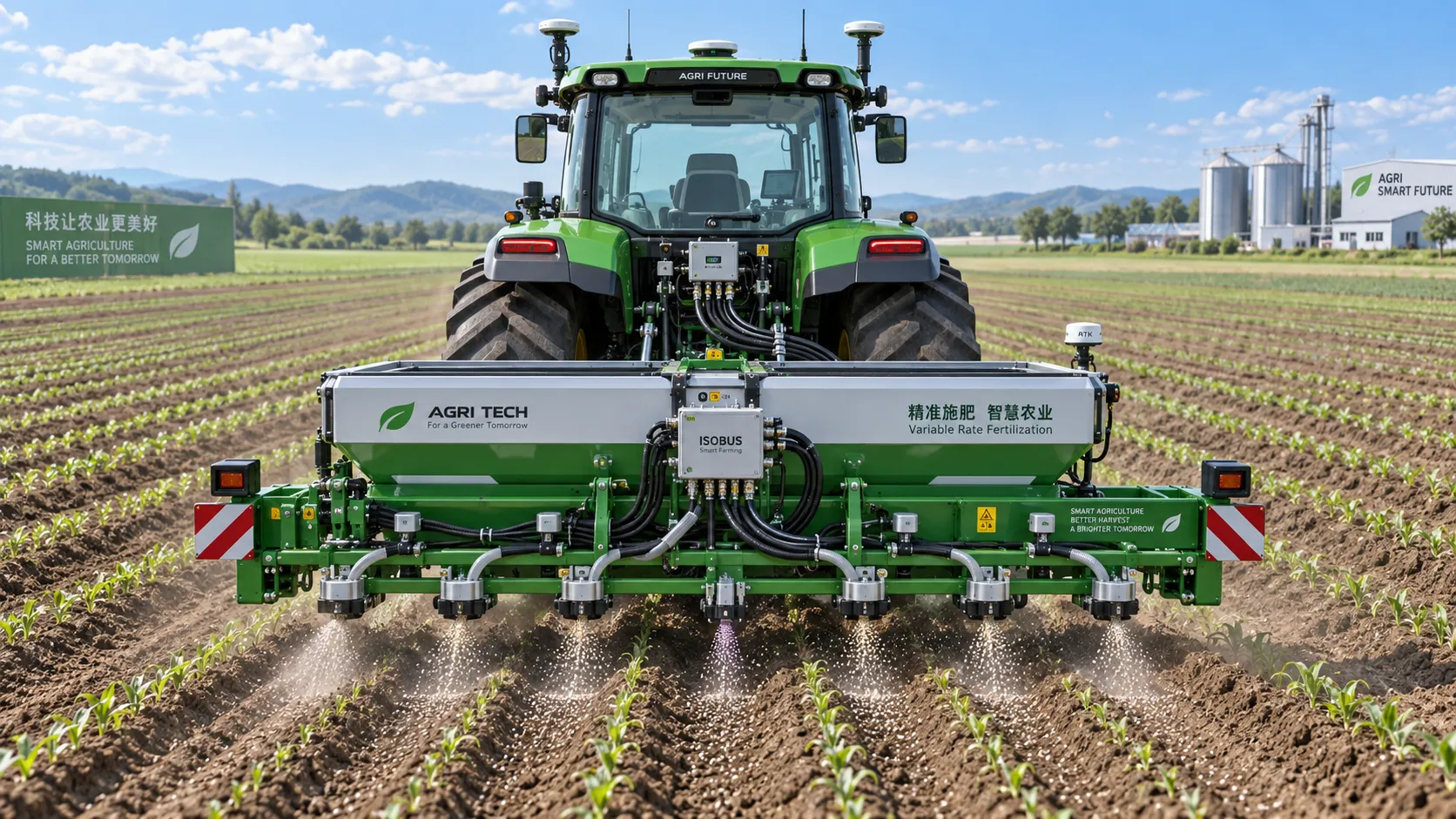
ISOBUS for Smart Agriculture: How It Connects Tractors, Implements, and Farm Data
ISOBUS for smart agriculture connects tractors, implements, terminals, and farm data—helping growers improve precision, documentation, and smarter field decisions.
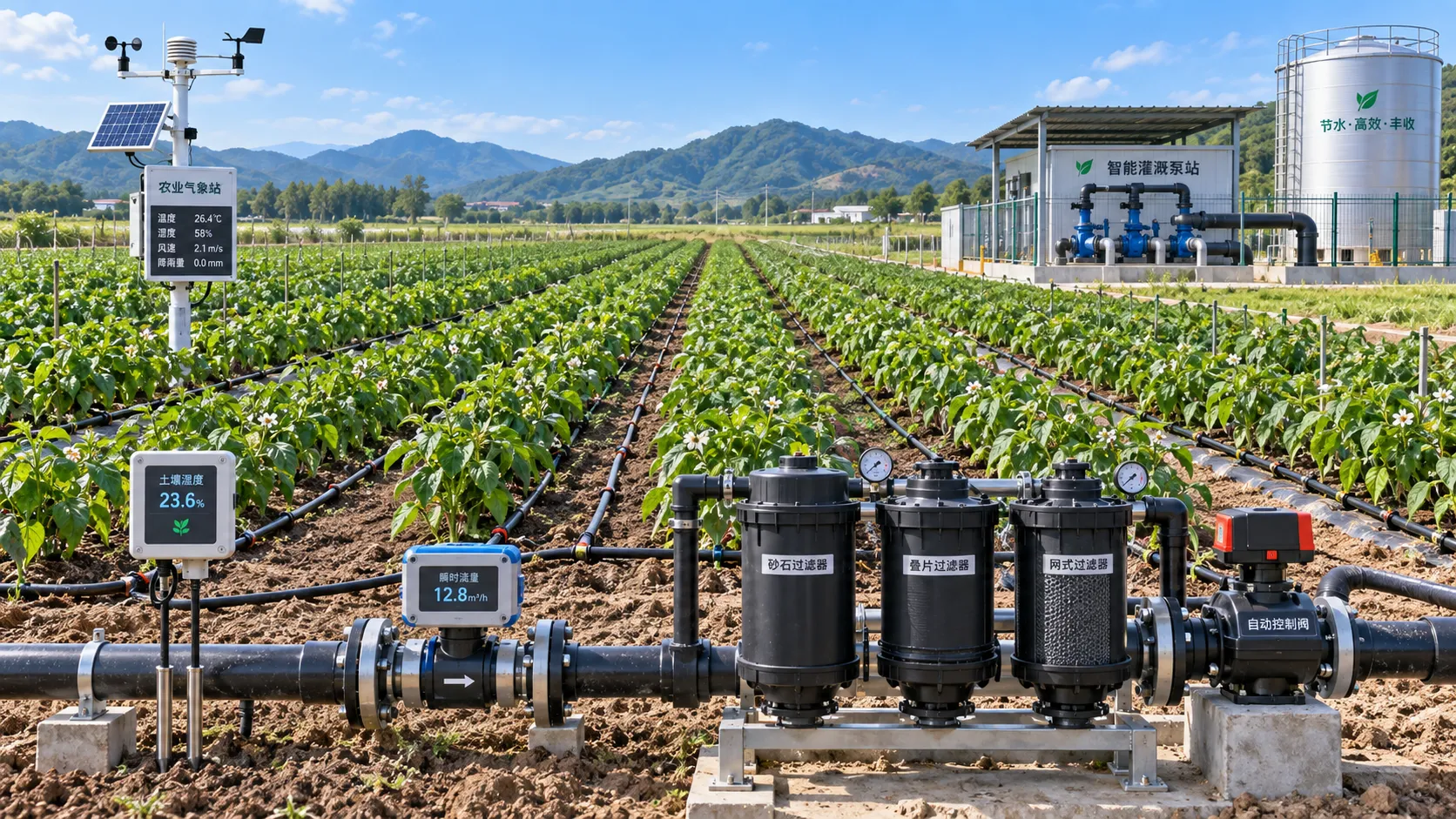
Automated Water-Saving Irrigation: How to Cut Water Use Without Reducing Crop Yields
Automated water-saving irrigation helps farms cut water use, protect crop yields, improve scheduling, and gain reliable control with sensors, flow monitoring, and smart zones.
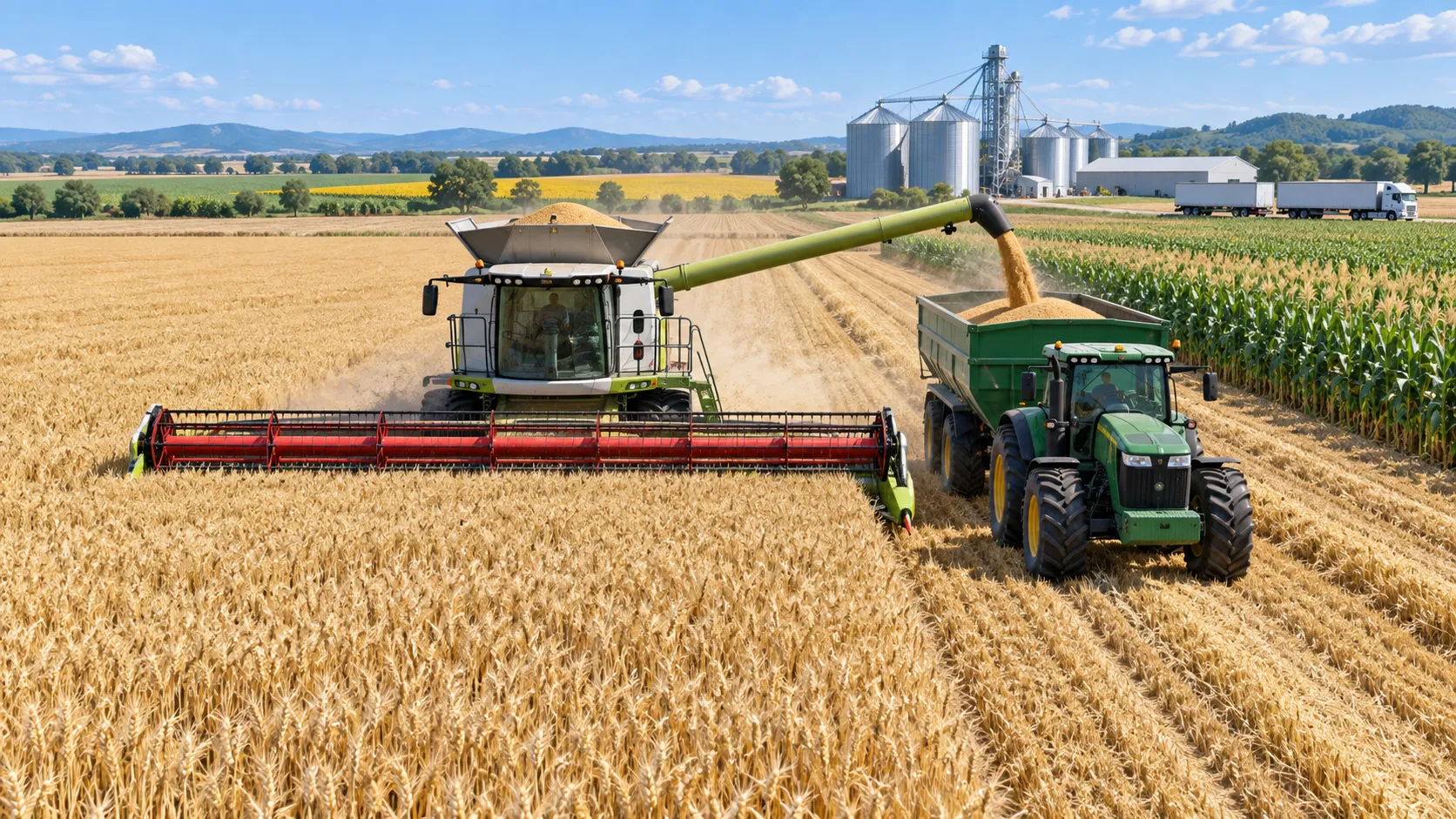
Selecting Grain Farm Equipment by Acreage, Crop Mix, and Harvest Window
Agricultural equipment selection for grain farming: match machinery to acreage, crop mix, and harvest windows to improve uptime, efficiency, and returns.
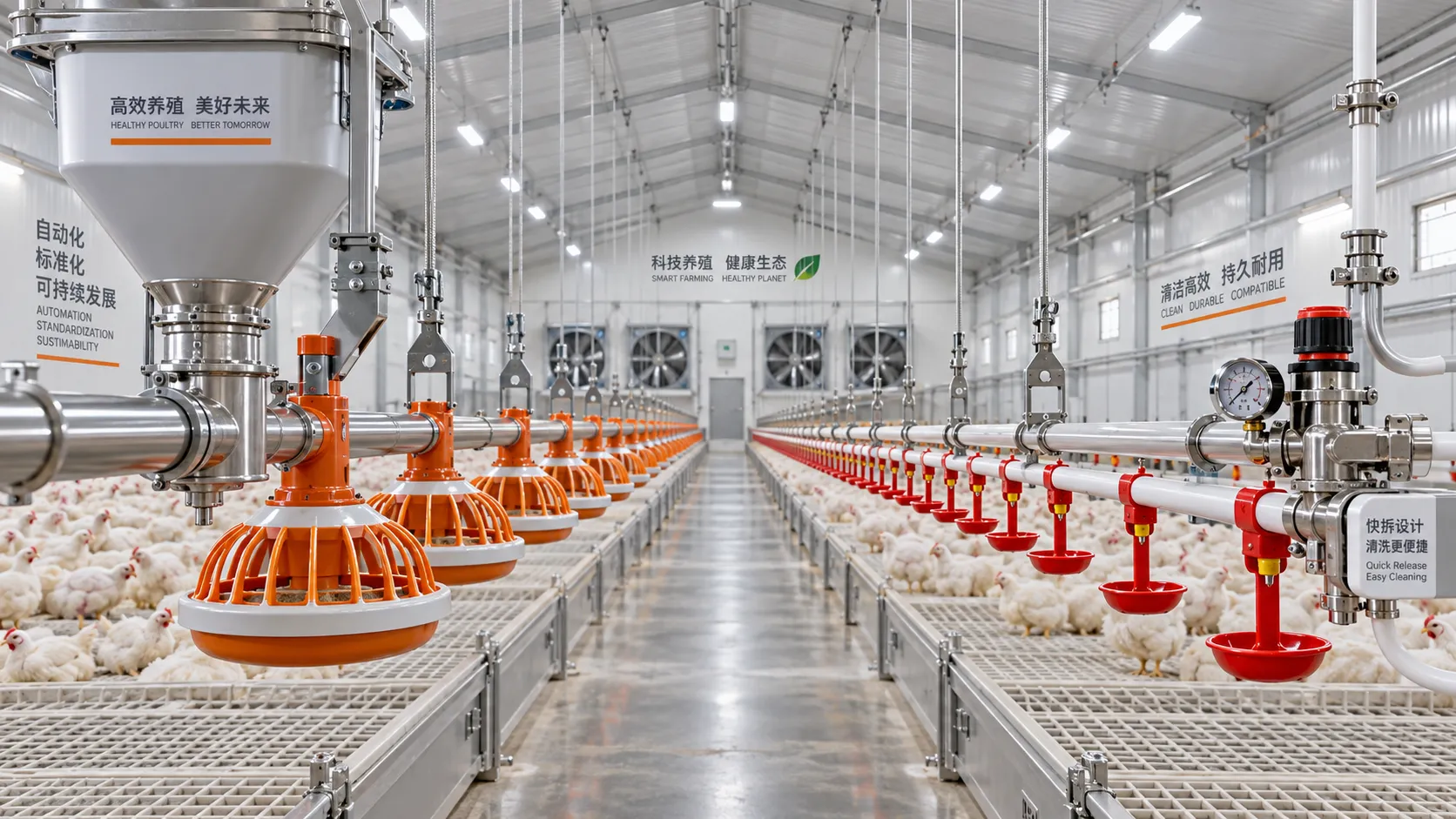
Poultry Equipment Selection: Evaluating Durability, Cleaning, and Compatibility
Poultry equipments selection guide: evaluate durability, cleaning access, and system compatibility to improve hygiene, reduce downtime, and support efficient flock management.
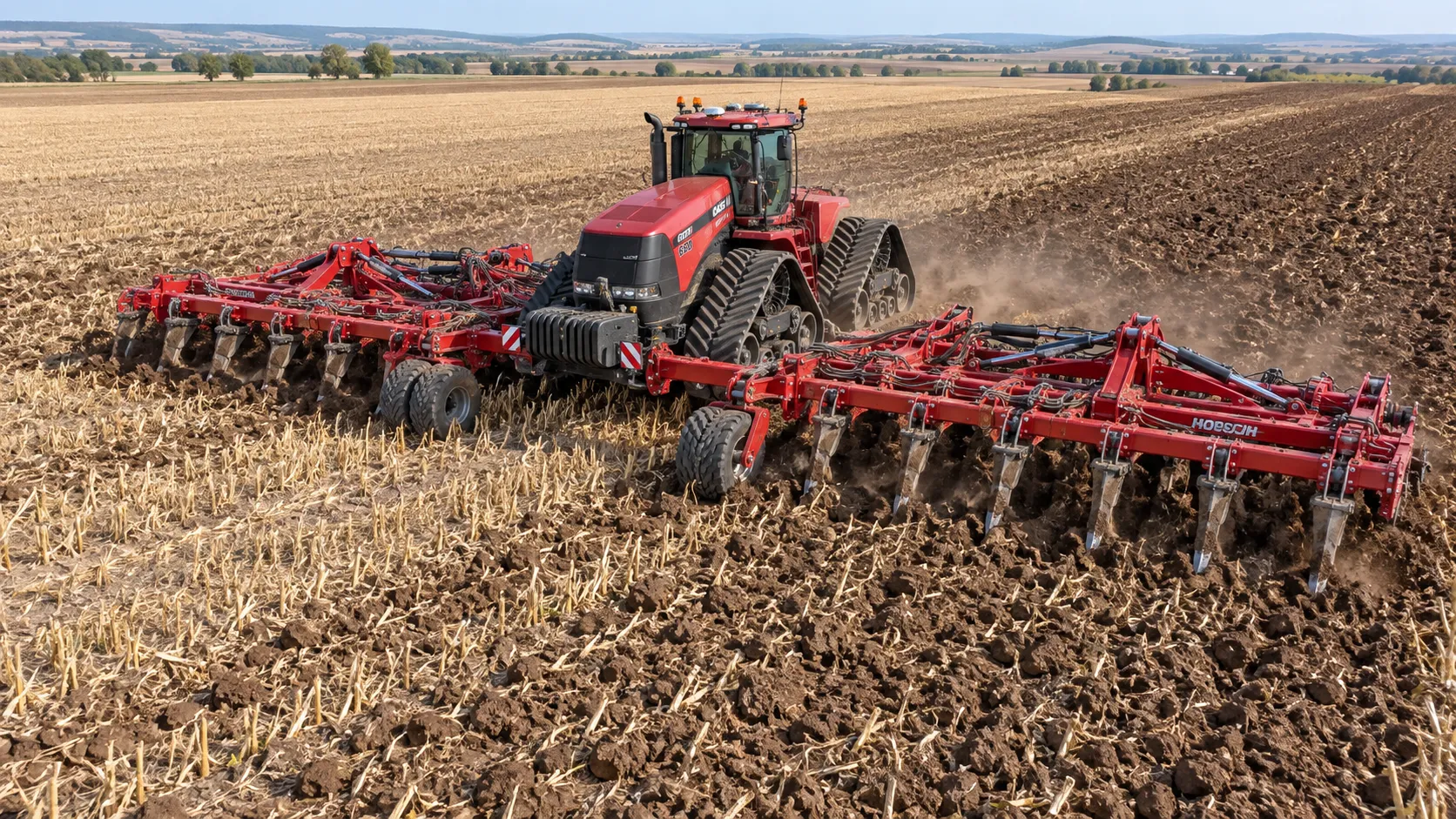
How to Select Heavy-Duty Farm Implements for High-Acreage, High-Horsepower Operations
Heavy duty farm implements: learn how to match draft, hydraulics, hitch capacity, frame strength, and field conditions for reliable high-acreage performance.
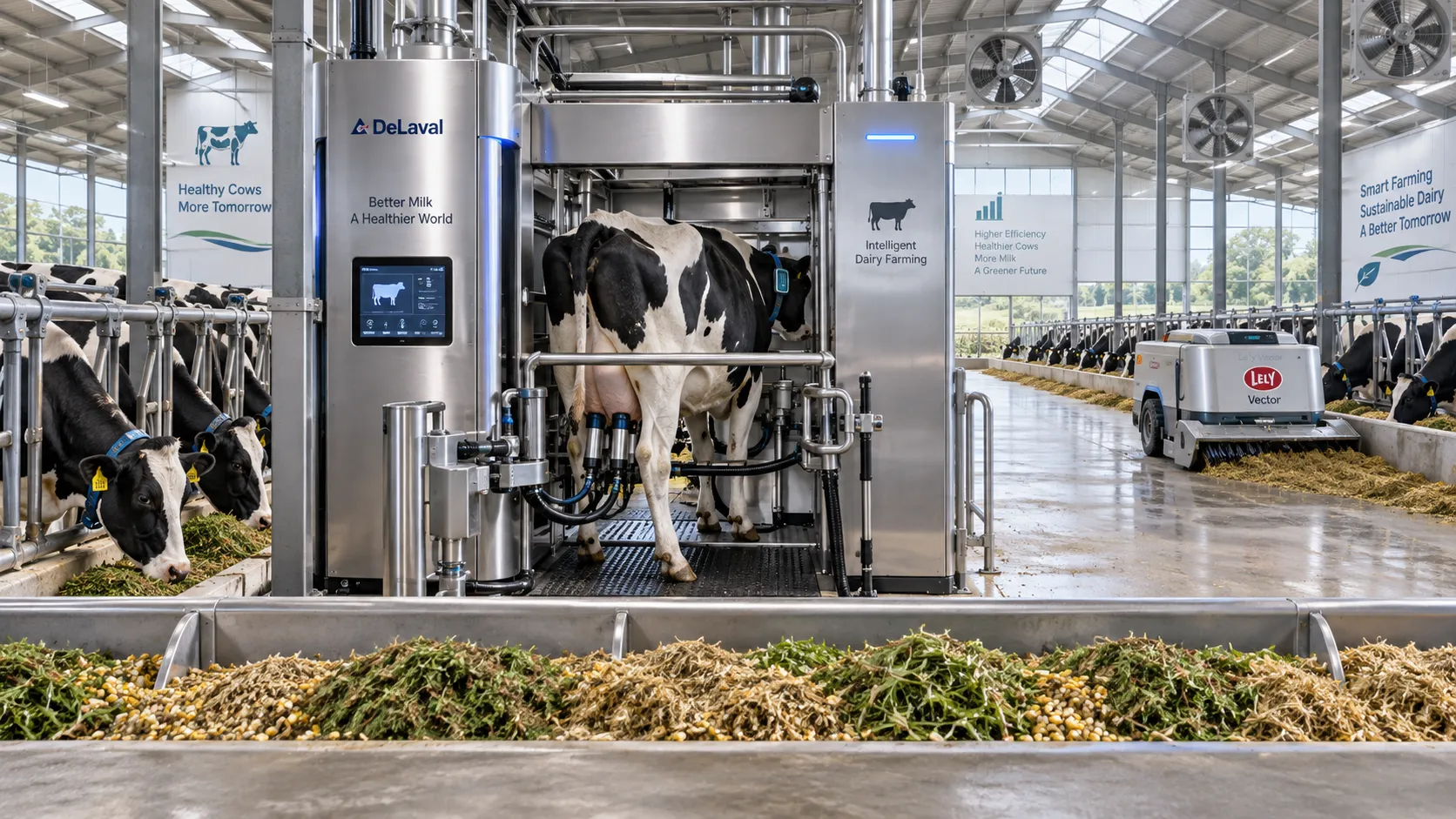
Smart Farming Technology for Dairy Farms: Where Automation Delivers Measurable ROI
Smart farming technology for dairy farms delivers measurable ROI through automation, precision feeding, health monitoring, and data-driven cost control.
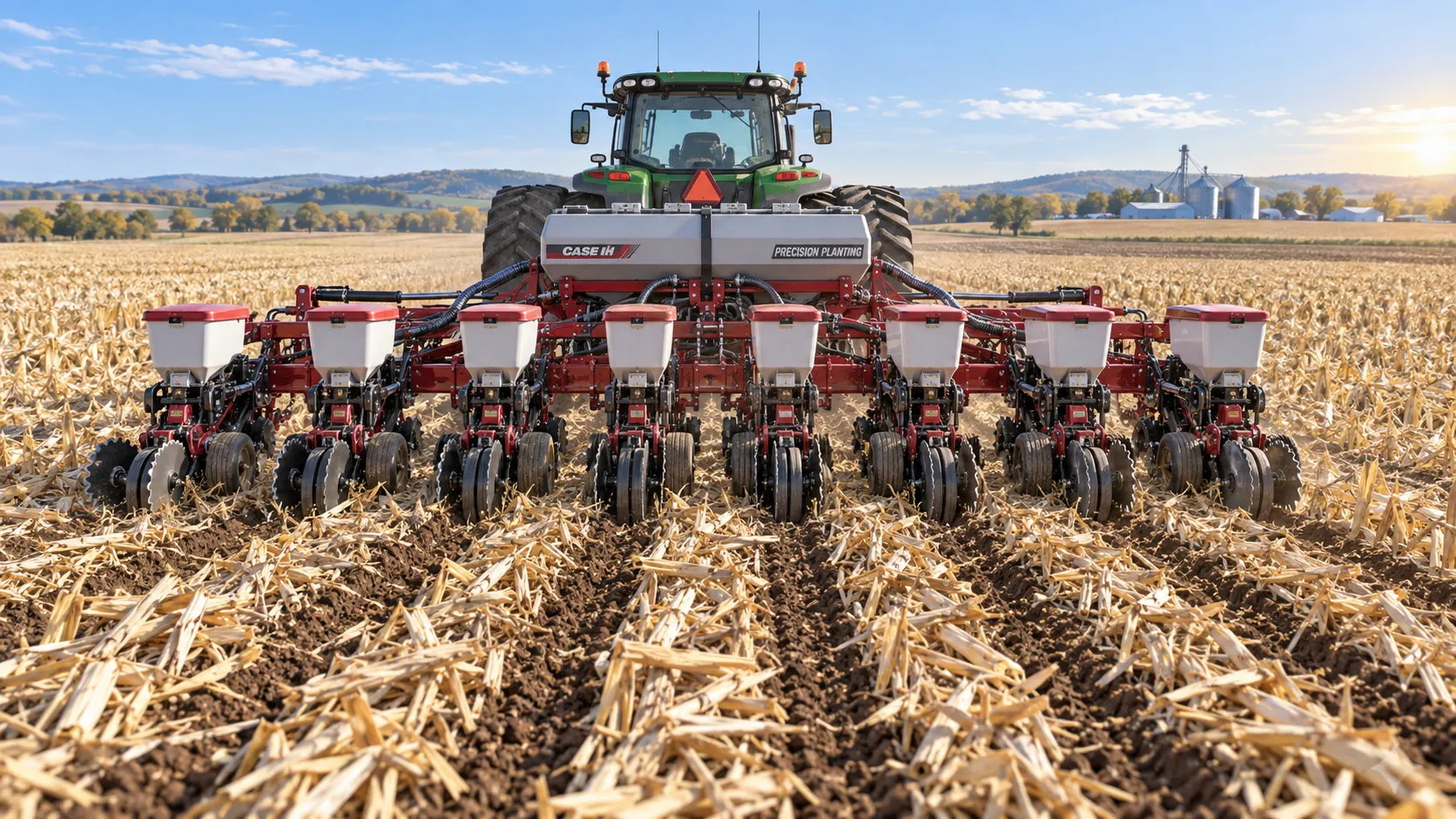
How to Select a Heavy-Duty Seeder for Large Acreage and High-Residue Fields
Heavy duty seeders for large acreage: compare residue handling, depth control, downforce, metering accuracy, and precision features to select the right model.
Related News
- 00
0000-00
How to Evaluate Precision Fertilization System Suppliers for Farm-Scale Deployment - 00
0000-00
How to Select a Precision Fertilization System for Variable Corn Field Conditions - 00
0000-00
When does equipment for sustainable farming justify a higher capital spend? - 00
0000-00
Precision Farming Solutions with Drone Data for Field Mapping and Crop Decisions - 00
0000-00
Precision Farming Systems for Yield Mapping: Key Technologies and Field Applications
Popular Tags
Tractor Power Architect
Weekly Insights
Stay ahead with our curated technology reports delivered every Monday.