
How Precision Agriculture Improves Food Security: Tools, Data, and Farm Use Cases
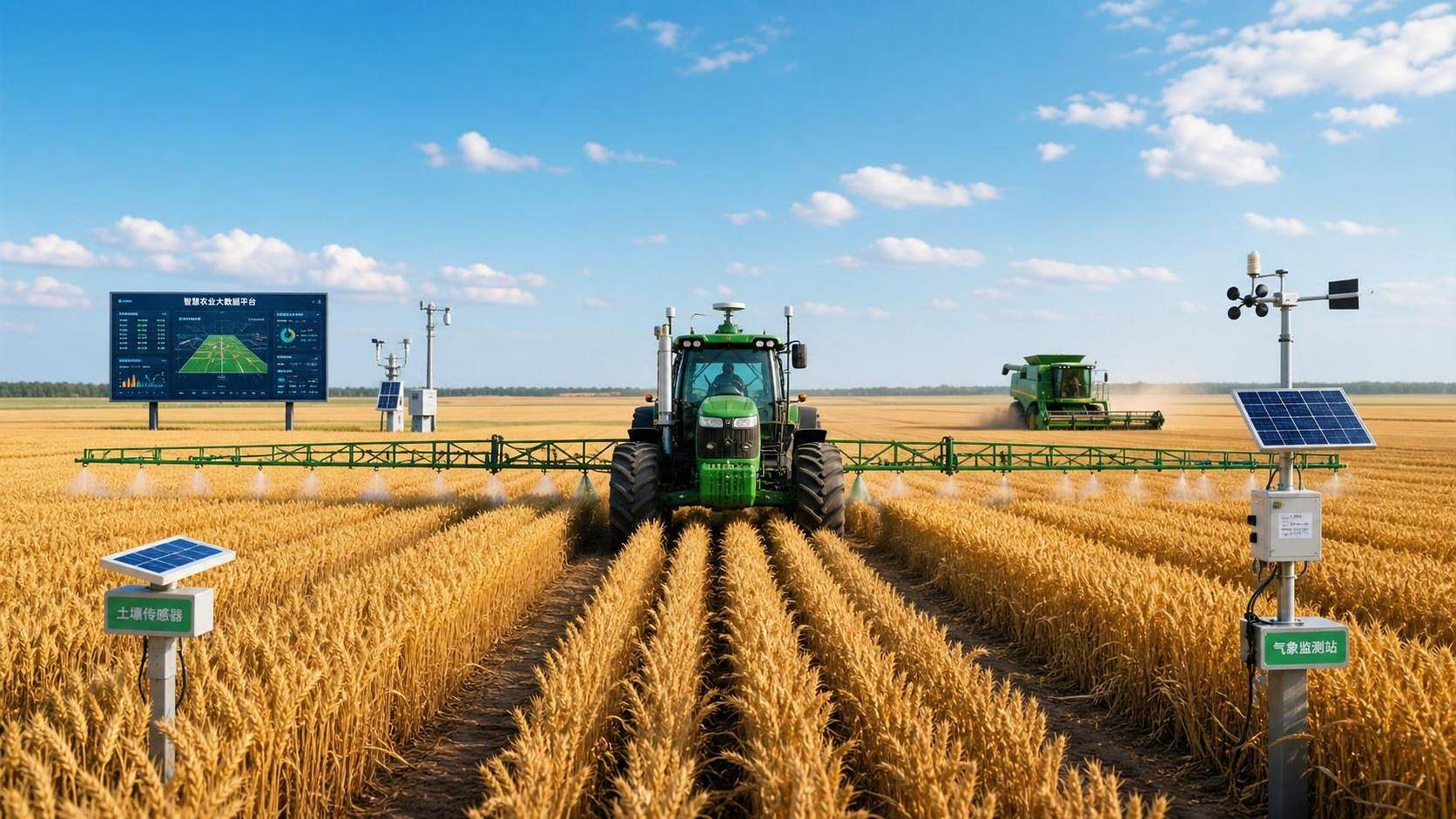




How Precision Agriculture Improves Food Security: Tools, Data, and Farm Use Cases
As climate pressure, input volatility, and yield risks reshape modern farming, food security through precision agriculture is moving from theory to field reality.
By combining smart machinery, sensor-driven data, satellite guidance, and targeted irrigation, farms can cut waste and protect output.
The real value is not just better technology. It is better decisions, made faster, under tighter resource and weather pressure.
Why Food Security Through Precision Agriculture Matters Now
Food security is no longer only about planting more acres. It is about protecting every hectare, every liter of water, and every hour of machine time.
Recent seasons have shown how fragile supply can become. Drought, labor shortages, fertilizer swings, and fuel costs now hit farms at the same time.
That is why food security through precision agriculture has become a practical response, not a future concept.
Precision systems help growers place inputs where they return the most value. They also reduce avoidable losses across planting, crop care, irrigation, and harvest.
For large operations, this means stronger consistency. For regional food systems, it means more reliable output from limited land and water resources.
The Core Tools Behind Precision Farming Results
Food security through precision agriculture depends on a connected toolset. No single device solves the problem by itself.
1. GNSS Guidance and Auto-Steering
Satellite guidance keeps tractors and sprayers on accurate paths. This reduces overlap, skips, and fuel waste.
On large fields, even small overlap errors can raise seed, fertilizer, and chemical costs far more than expected.
2. Variable Rate Technology
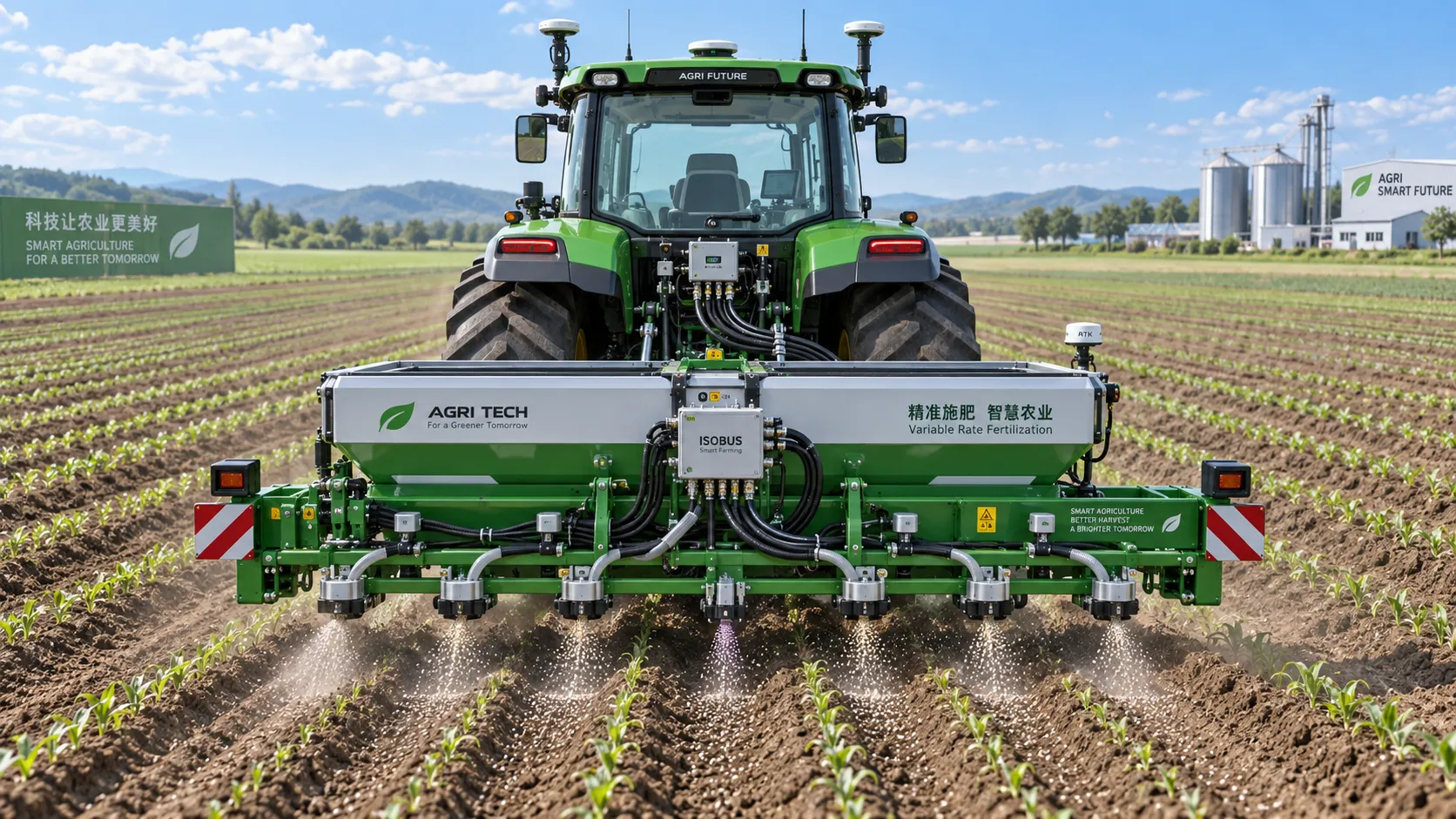
Variable rate application adjusts seed, nutrients, and crop protection to field zones instead of treating every area the same.
This is one of the clearest ways to turn field variability into measurable gains in both yield stability and input efficiency.
3. Smart Sensors and Field Monitoring
Soil moisture sensors, canopy sensors, weather stations, and machine telematics provide the live signals behind better field decisions.
These tools help operators act earlier, before stress becomes visible and before losses spread across a field.
4. Intelligent Irrigation Systems
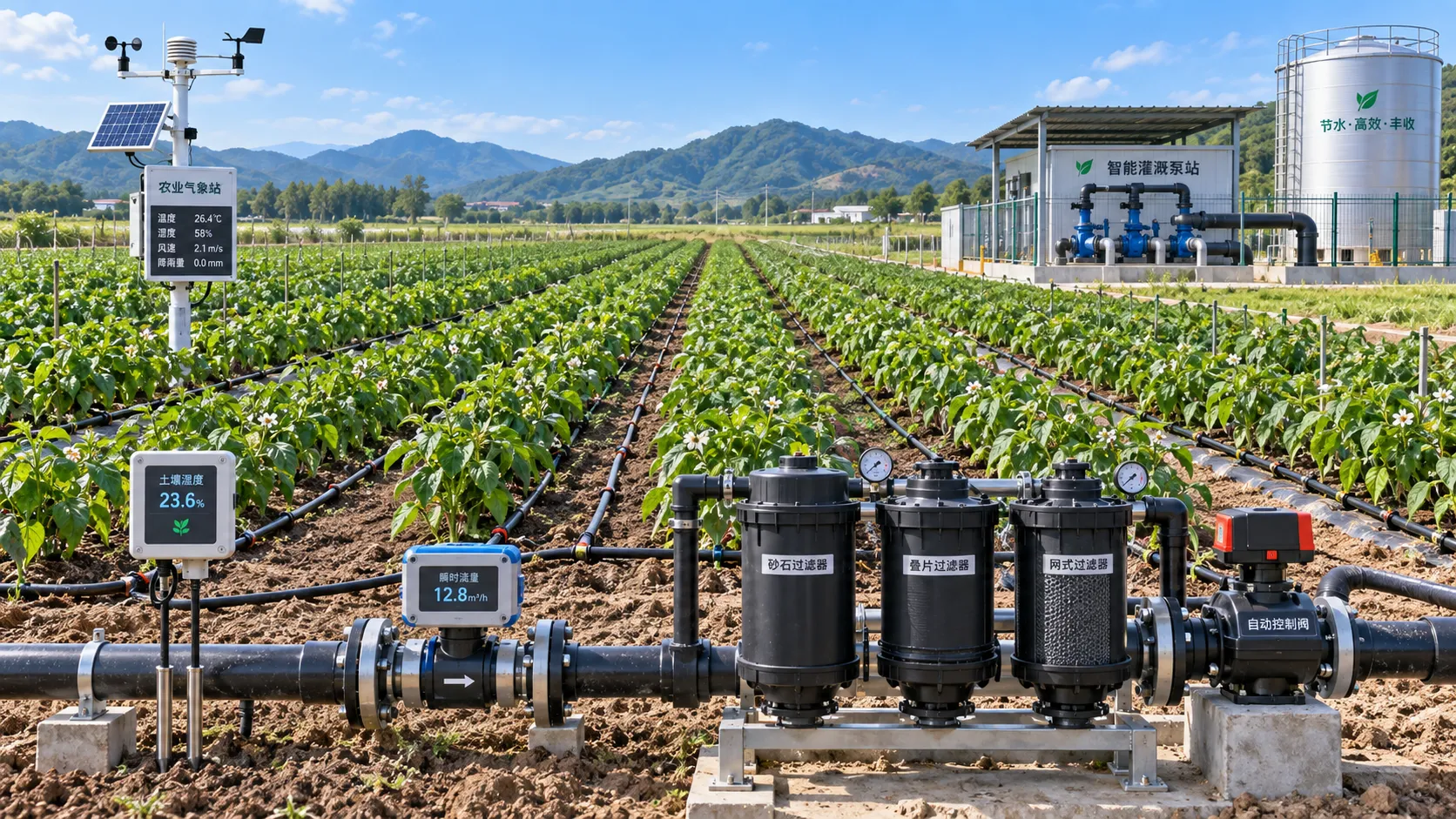
Smart irrigation uses moisture data, evapotranspiration models, and flow controls to apply water with higher precision.
In water-stressed regions, this can be the difference between a managed season and a severe yield shortfall.
How Data Turns Equipment Into a Food Security System
Machines create value faster when data connects field conditions, operator actions, and crop outcomes.
That connection is central to food security through precision agriculture because it helps farms move from reactive work to planned execution.
Useful data usually comes from five sources:
- Historical yield maps showing strong and weak field zones.
- Soil tests identifying nutrient levels and pH variation.
- Satellite or drone imagery revealing crop stress patterns.
- Weather data tracking rainfall, heat, and disease pressure.
- Machine telemetry measuring speed, loss, fuel use, and uptime.
When these layers are stitched together, managers can build prescriptions instead of relying on averages.
That means seed density can match soil potential. Fertilizer can follow real field demand. Irrigation can respond to root-zone stress.
The result is more stable output per unit of land, which is the practical backbone of food security through precision agriculture.
Farm Use Cases That Deliver Measurable Impact
The strongest case for precision farming comes from field use, not product brochures.
Variable Seeding in Mixed-Potential Fields
A farm with sandy ridges and heavier lowland soil rarely benefits from one fixed seeding rate.
Using zone maps, operators can reduce seed in low-return areas and push population in stronger zones.
This protects yield potential without overspending where emergence or moisture limits crop performance.
Nitrogen Application Based on Crop Need
Nitrogen is one of the biggest cost and risk drivers in cereal production.
Sensor-based or map-based application allows farms to direct more nitrogen where biomass and yield response justify it.
That lowers runoff risk while supporting grain quality and more dependable harvest outcomes.
Harvest Optimization with Combine Data
Food security through precision agriculture also depends on what happens at harvest.
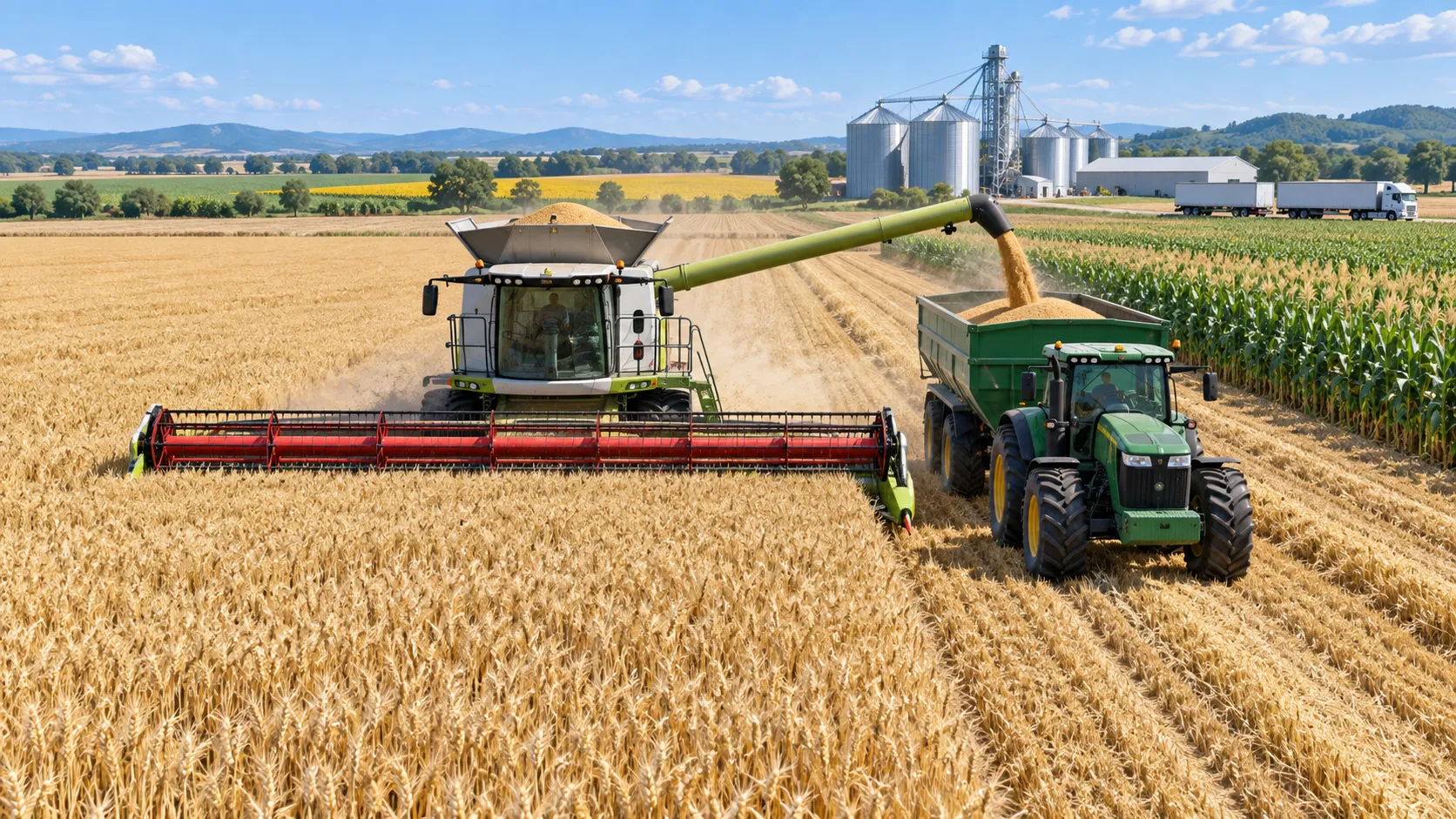
Modern combine harvesters can track grain loss, moisture, throughput, and cleaning performance in real time.
That helps crews adjust settings quickly in changing crop conditions, reducing avoidable losses at the final stage.
Precision Irrigation Under Water Stress
Where water access is limited, irrigation timing matters as much as irrigation volume.
Smart scheduling can prevent overwatering early and water deficits later, especially during flowering and grain fill.
This is a direct example of food security through precision agriculture improving resilience against climate and supply shocks.
What Large-Scale Operations Should Prioritize First
Not every farm needs a full digital stack on day one. Strong results usually come from phased adoption.
- Start with field mapping, guidance, and reliable machine data collection.
- Add variable rate seeding or fertilizer where field variability is already obvious.
- Integrate moisture sensing and irrigation control in water-sensitive production areas.
- Use combine harvest data to measure whether in-season decisions actually improved results.
This step-by-step path keeps investment tied to field evidence. It also reduces the risk of buying disconnected tools that never shape decisions.
For many operations, the biggest breakthrough is not hardware alone. It is building a repeatable decision process around trusted data.
Common Barriers and How to Avoid Them
Precision systems can disappoint when farms chase features before solving workflow issues.
- Poor data quality leads to weak prescriptions and weak confidence.
- Operator training gaps reduce the value of advanced machine functions.
- Software fragmentation makes field records hard to compare across seasons.
- No baseline metrics means farms cannot prove return on investment.
The practical fix is simple. Standardize data capture, define priority fields, and review outcomes after each major operation.
That discipline makes food security through precision agriculture more than a strategy phrase. It turns it into an operating model.
Why AP-Strategy Tracks This Shift Closely
AP-Strategy follows the points where machinery performance, agronomic intelligence, and water efficiency meet real production pressure.
That includes large-scale agri-machinery, combine harvesting technology, tractor chassis evolution, intelligent farm tools, and smart irrigation systems.
More importantly, it looks at how these systems connect to global food security, equipment demand, and long-cycle farm investment decisions.
In practice, that means reading beyond product launches and focusing on field use, machine economics, and resource efficiency outcomes.
Final Takeaway
Food security through precision agriculture improves when farms can measure variability, respond faster, and waste less across every production stage.
The winning model is not technology for its own sake. It is a connected system of machines, data, and field actions that protect harvest reliability.
For operations facing tighter margins and harsher climate pressure, that shift is becoming essential.
The next practical step is clear: identify one high-variability field, connect the right data sources, and build one precision workflow that can scale.
Related News

When Does Agricultural Machinery Leasing Cost Less Than Owning Equipment?
Agricultural machinery leasing can lower farm costs when use is seasonal or uncertain. Compare utilization, maintenance, cash flow, and risk to make a smarter equipment decision.

How to Evaluate Precision Fertilization System Suppliers for Farm-Scale Deployment
Precision fertilization systems suppliers: learn how to compare accuracy, integration, uptime, service, and total cost for confident farm-scale deployment.
ISOBUS for Smart Agriculture: How It Connects Tractors, Implements, and Farm Data
ISOBUS for smart agriculture connects tractors, implements, terminals, and farm data—helping growers improve precision, documentation, and smarter field decisions.
Automated Water-Saving Irrigation: How to Cut Water Use Without Reducing Crop Yields
Automated water-saving irrigation helps farms cut water use, protect crop yields, improve scheduling, and gain reliable control with sensors, flow monitoring, and smart zones.
Selecting Grain Farm Equipment by Acreage, Crop Mix, and Harvest Window
Agricultural equipment selection for grain farming: match machinery to acreage, crop mix, and harvest windows to improve uptime, efficiency, and returns.
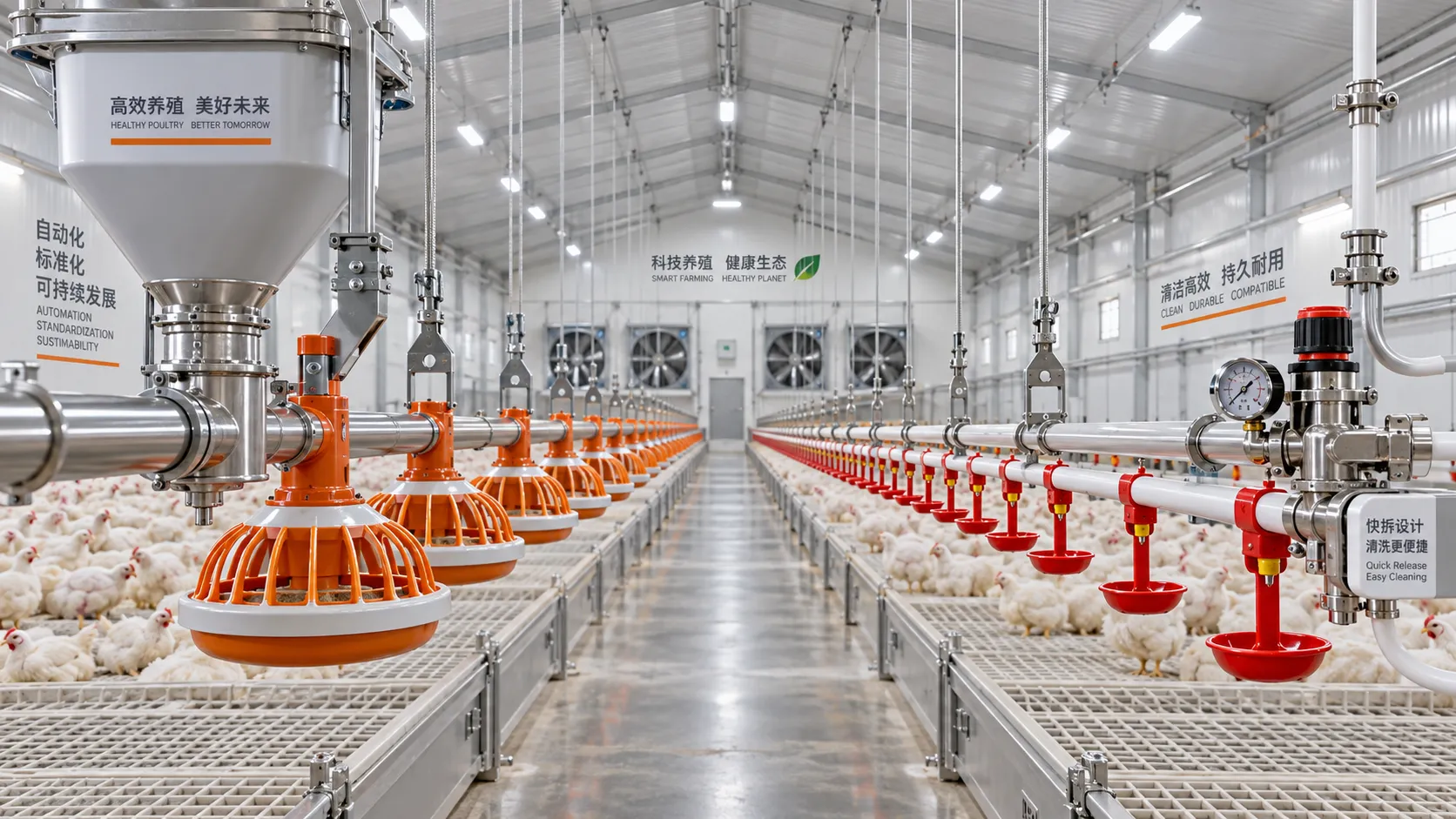
Poultry Equipment Selection: Evaluating Durability, Cleaning, and Compatibility
Poultry equipments selection guide: evaluate durability, cleaning access, and system compatibility to improve hygiene, reduce downtime, and support efficient flock management.
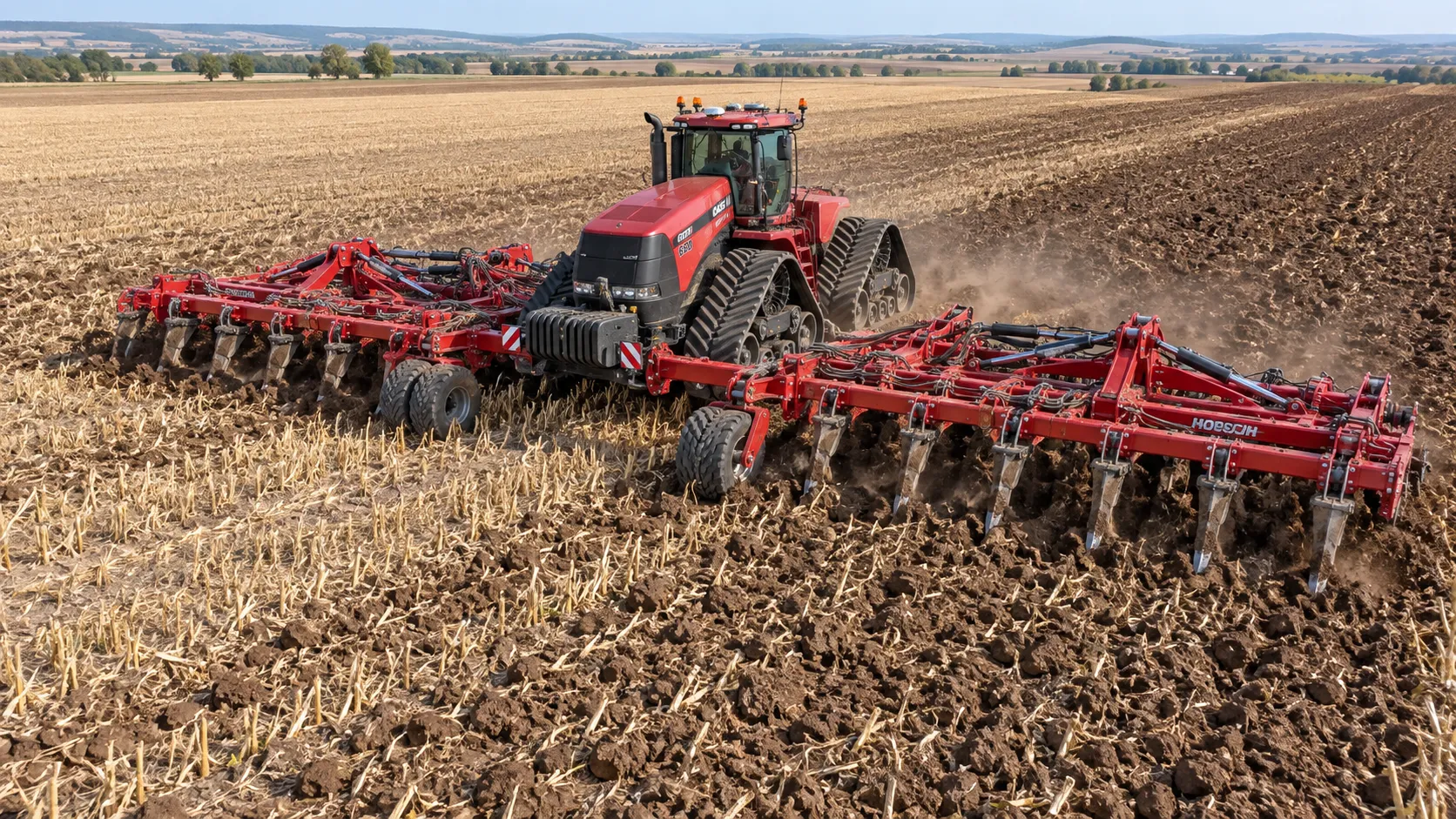
How to Select Heavy-Duty Farm Implements for High-Acreage, High-Horsepower Operations
Heavy duty farm implements: learn how to match draft, hydraulics, hitch capacity, frame strength, and field conditions for reliable high-acreage performance.
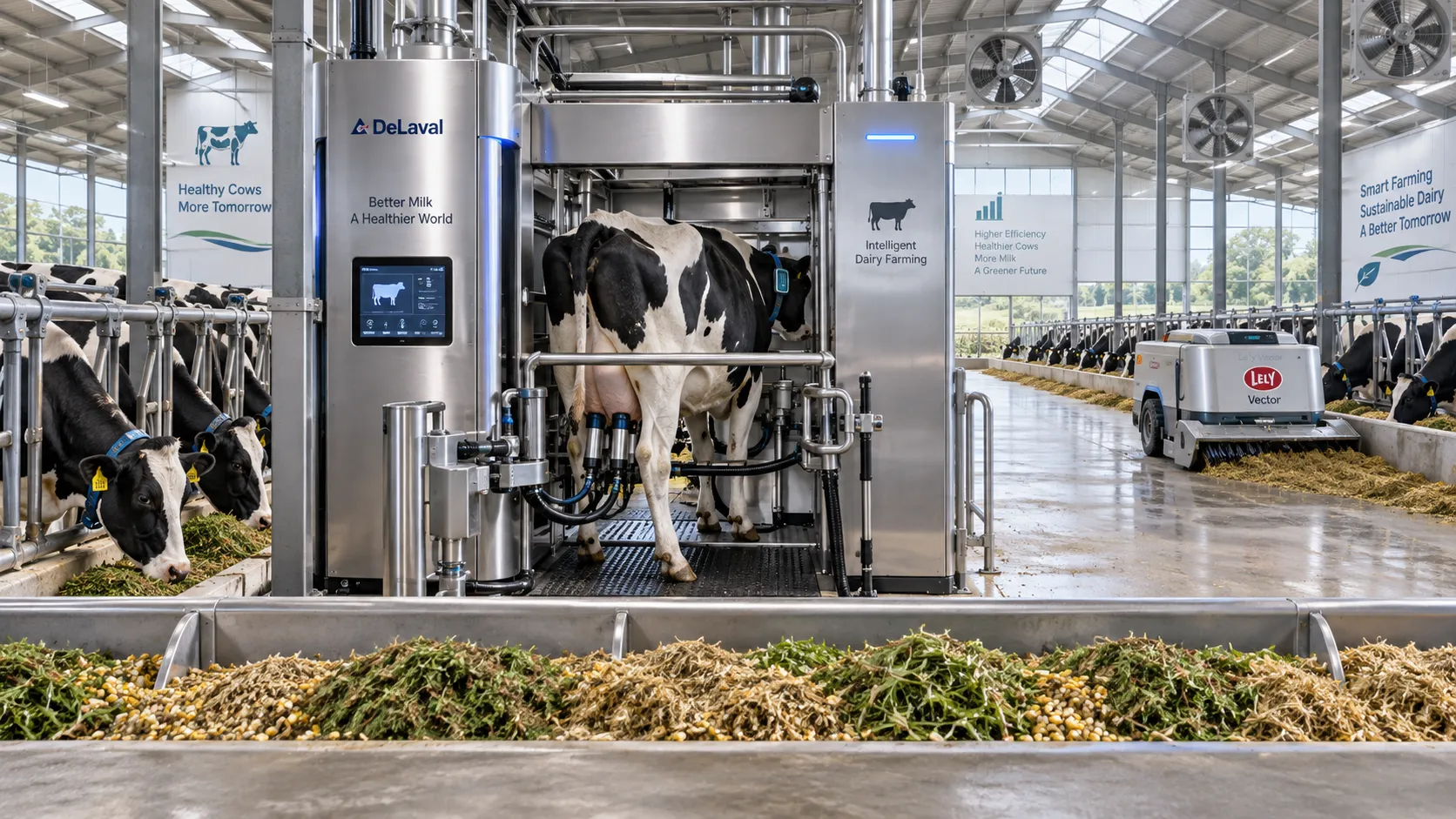
Smart Farming Technology for Dairy Farms: Where Automation Delivers Measurable ROI
Smart farming technology for dairy farms delivers measurable ROI through automation, precision feeding, health monitoring, and data-driven cost control.
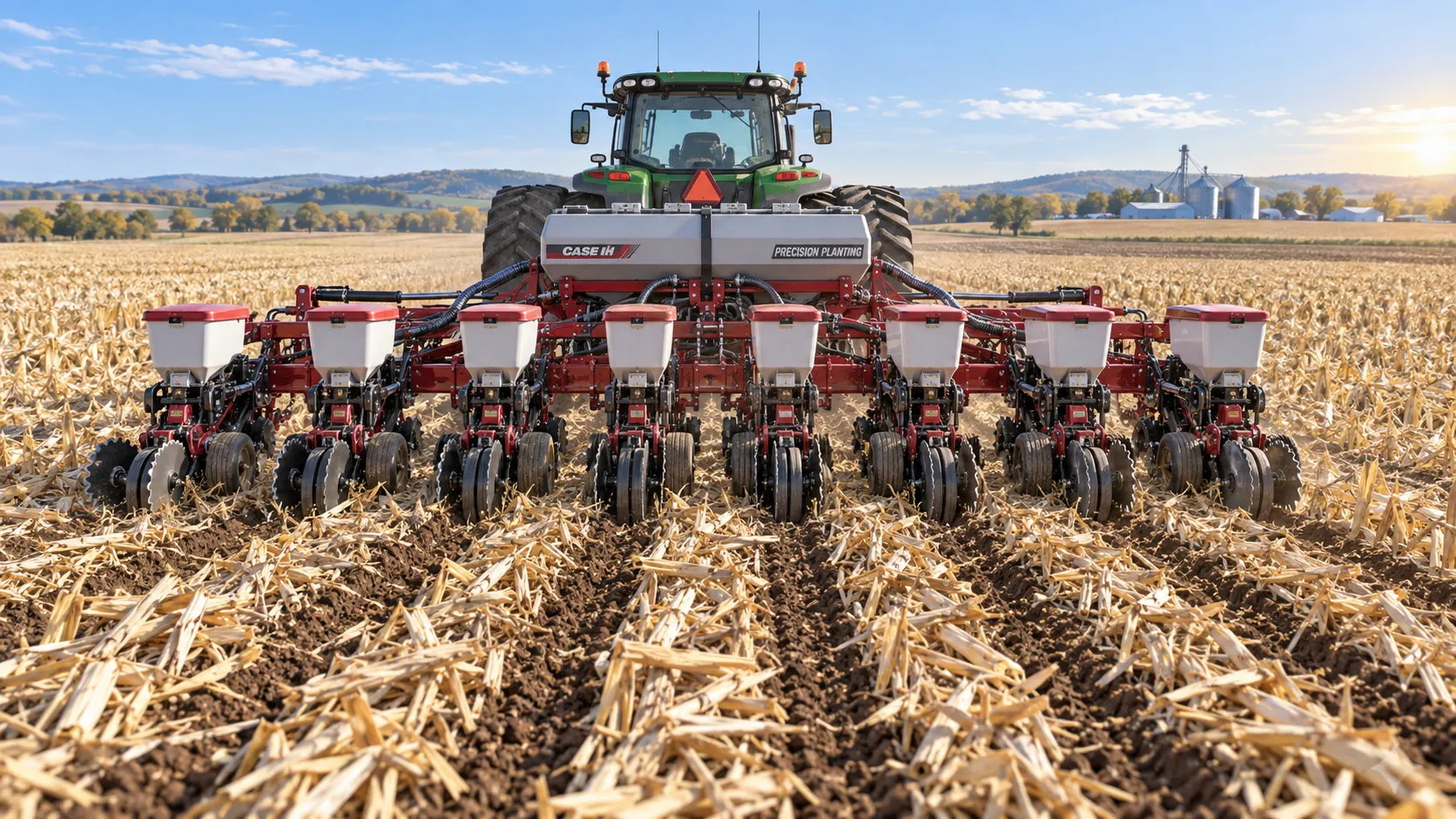
How to Select a Heavy-Duty Seeder for Large Acreage and High-Residue Fields
Heavy duty seeders for large acreage: compare residue handling, depth control, downforce, metering accuracy, and precision features to select the right model.
Related News
- 00
0000-00
How to Evaluate Precision Fertilization System Suppliers for Farm-Scale Deployment - 00
0000-00
How to Select a Precision Fertilization System for Variable Corn Field Conditions - 00
0000-00
When does equipment for sustainable farming justify a higher capital spend? - 00
0000-00
Precision Farming Solutions with Drone Data for Field Mapping and Crop Decisions - 00
0000-00
Precision Farming Systems for Yield Mapping: Key Technologies and Field Applications
Popular Tags
Tractor Power Architect
Weekly Insights
Stay ahead with our curated technology reports delivered every Monday.