
EN 17772:2026 Takes Effect for Variable Rate Tech in the EU
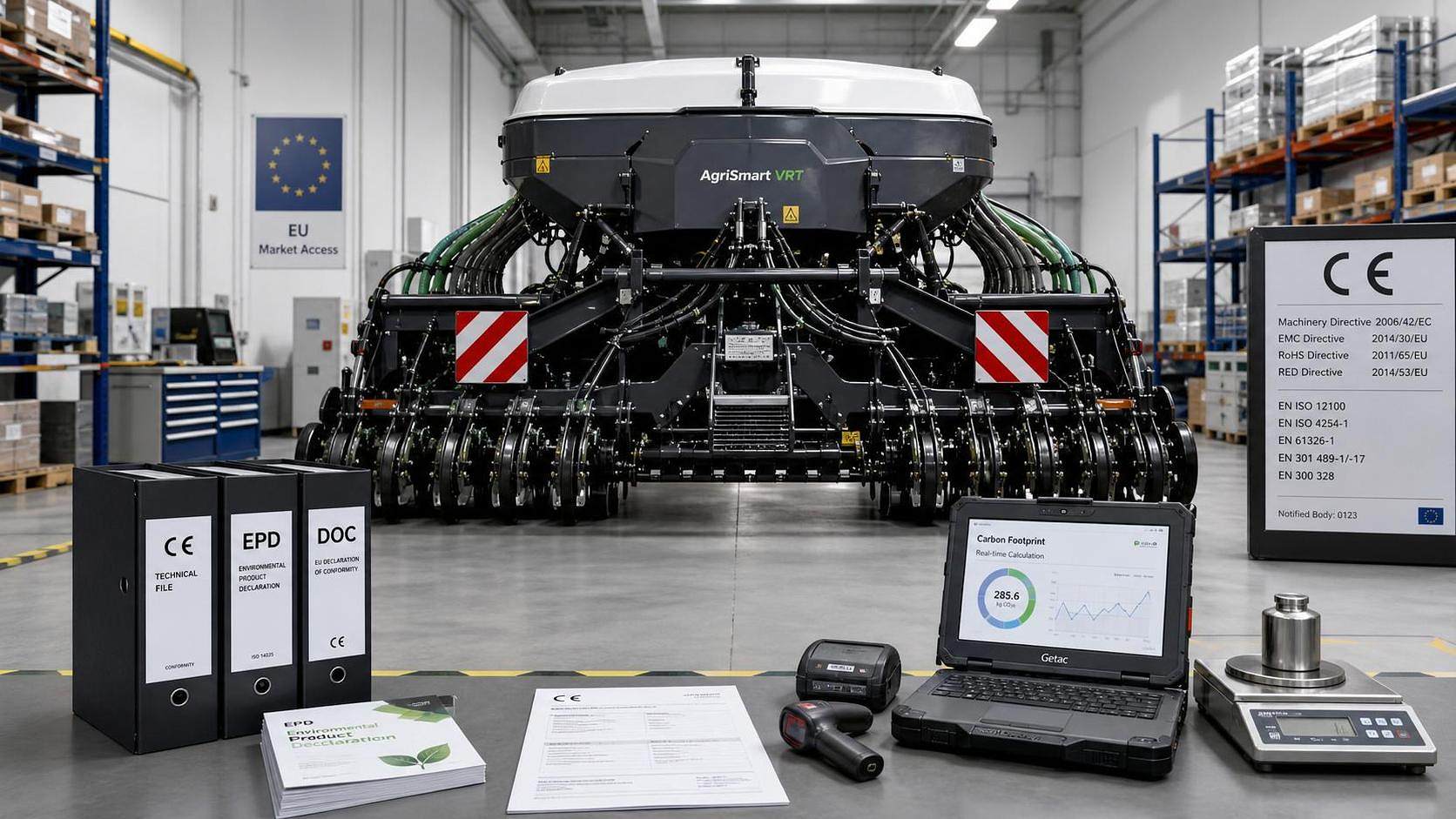




As of October 1, 2026, EN 17772:2026 is in force for Variable Rate Tech equipment sold in the EU, making this a practical compliance issue rather than a distant policy signal. The requirement centers on certified real-time carbon footprint calculation capability together with a dual CE and EPD compliance declaration, which puts immediate attention on exporters, equipment manufacturers, certification preparation, and customer delivery planning—especially for Chinese suppliers of smart fertilizer machines, precision spraying systems, and integrated seeding platforms targeting the European market.
What the standard now requires
The Official Journal of the European Union published the mandatory EN 17772:2026 standard on June 20, 2026. According to the information provided, from October 1, 2026 onward, all Variable Rate Tech equipment sold in the EU must integrate a certified real-time carbon footprint calculation module.
The same information states that affected products must also complete a dual compliance declaration covering CE and EPD. For manufacturers that do not meet the requirement, the consequence identified in the input is clear: the product will not be able to complete CE type examination.
The directly affected product groups named in the input are smart fertilizer machines, precision spraying systems, and integrated seeding platforms exported from China to Europe.
Where the pressure is likely to appear first
Export-oriented equipment makers face an immediate market-access issue
From an industry perspective, manufacturers shipping Variable Rate Tech equipment to the EU are the first group likely to feel the impact because the requirement is tied to whether a product can proceed through CE type examination. The pressure is therefore not limited to product design; it also reaches documentation readiness, model configuration, and export scheduling.
Certification and compliance workflows become a core business step
Analysis shows that the requirement for a certified carbon footprint algorithm module and a CE+EPD dual declaration shifts part of the commercial risk into the compliance process itself. For businesses already selling into Europe, the key exposure is whether existing product lines and pending shipments align with the new documentation and technical expectations from the implementation date.
Buyers and channel partners may focus more on delivery certainty
Observably, EU-side buyers, distributors, and project channels may pay closer attention to whether a supplier can demonstrate readiness for both the embedded calculation function and the related declarations. The likely business impact is not only on procurement decisions, but also on communication cycles, order confirmation, and acceptance timing.
What companies should watch now
Separate the legal requirement from internal assumptions
What deserves closer attention is keeping internal compliance work strictly aligned with the confirmed requirement: a certified real-time carbon footprint calculation module and a CE+EPD dual declaration for Variable Rate Tech equipment sold in the EU from October 1, 2026. Companies should avoid building decisions around unverified interpretations that go beyond the information currently confirmed.
Review affected product lines and export documentation
For manufacturers of smart fertilizer machines, precision spraying systems, and integrated seeding platforms, the immediate practical question is which EU-bound models are covered and whether current technical files, declarations, and certification planning match the new standard. This is especially important where delivery commitments depend on successful CE type examination.
Check supplier and module readiness in the delivery chain
Analysis shows that compliance may depend not only on the finished equipment maker, but also on whether the embedded module and related certification basis are ready within the supply chain. For that reason, supplier qualifications, supporting documents, and implementation timing deserve early review before export milestones are reached.
Prepare customer communication around timing and conformity
Observably, businesses serving EU customers may need a clearer external communication approach on implementation status, conformity declarations, and delivery timing. This is less about marketing language and more about reducing uncertainty in procurement, acceptance, and order execution.
Why this looks like more than a short-term adjustment
Analysis shows that this development is already a concrete compliance threshold because the mandatory implementation date has arrived and the consequence for non-compliant products is directly linked to CE type examination. In that sense, it is more appropriate to understand this not as a speculative regulatory direction, but as an active market-entry condition for the affected category.
At the same time, it is also more appropriate to view it as a longer-term signal about how technical equipment requirements and environmental disclosure expectations may increasingly converge in product access decisions. That broader reading remains an observation rather than a confirmed trend conclusion, so it still warrants continued monitoring.
How the market should read this development
For the agricultural equipment and precision application segment, the immediate significance of EN 17772:2026 lies in compliance execution, not abstract policy discussion. The confirmed facts point to a direct link between embedded carbon footprint calculation capability, CE+EPD declarations, and the ability to move products through EU market-access procedures.
From a neutral industry reading, this is best understood as both an immediate operational change for affected exporters and a policy signal worth following over time. The short-term issue is execution readiness; the longer-term issue is whether similar requirements become more influential across adjacent product categories and trade workflows.
Basis of this article and points for further verification
This article is based on the user-provided news title, event date, and event summary concerning EN 17772:2026 and its mandatory implementation on October 1, 2026. The information provided refers to a publication in the Official Journal of the European Union on June 20, 2026, but no specific official source link was included in the input, so the exact link still needs to be continuously verified.
For this type of industry update, commonly relevant source categories include official notices, standardization documents, company compliance disclosures, industry association information, and reporting by authoritative trade media. Based on the current input, the most important follow-up points to watch are whether there are further official clarifications on implementation wording, how certification practice is applied in real business cases, and whether additional documentation expectations emerge in connection with CE and EPD declarations.
Related News

When Does Agricultural Machinery Leasing Cost Less Than Owning Equipment?
Agricultural machinery leasing can lower farm costs when use is seasonal or uncertain. Compare utilization, maintenance, cash flow, and risk to make a smarter equipment decision.
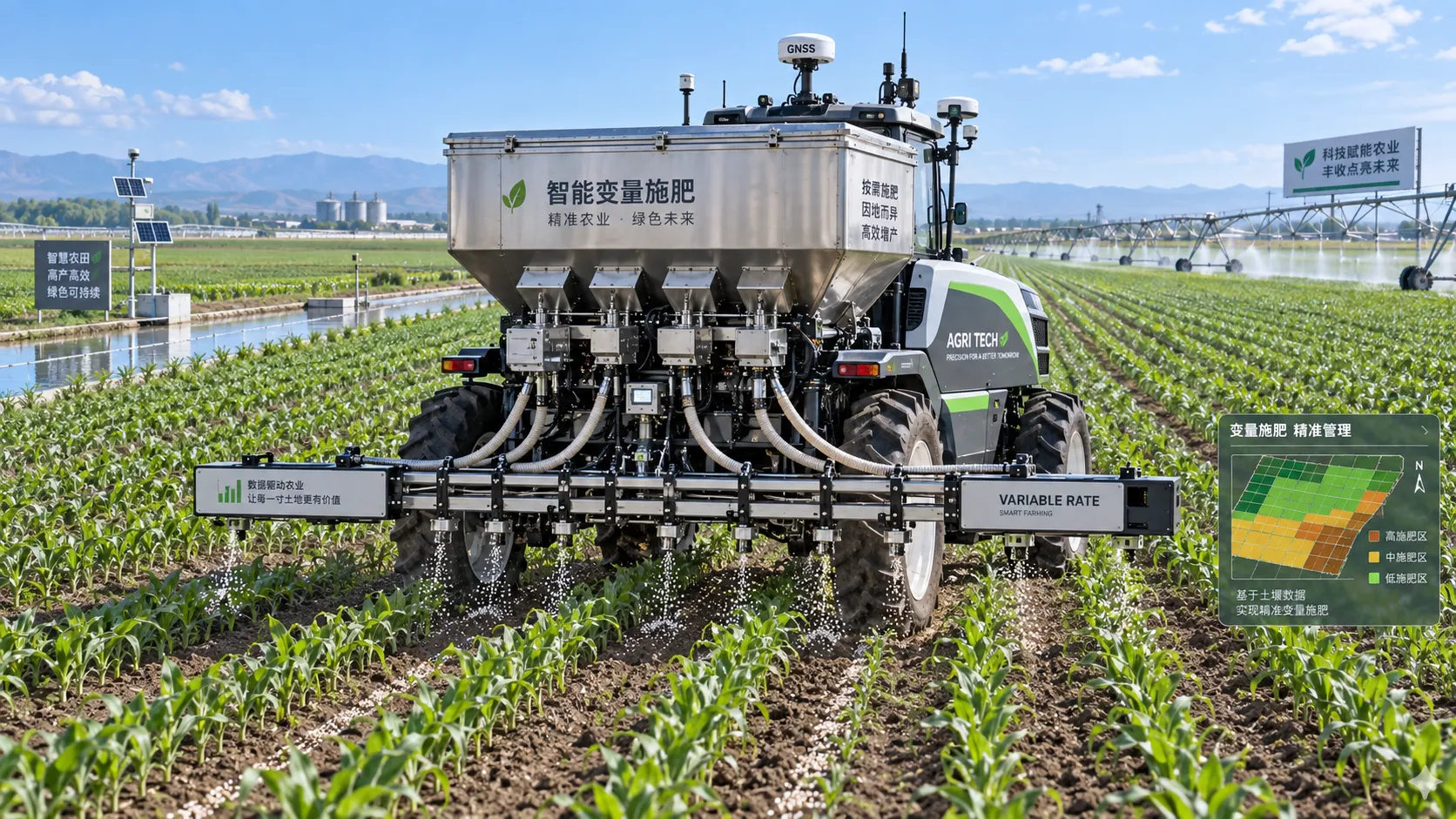
How to Evaluate Precision Fertilization System Suppliers for Farm-Scale Deployment
Precision fertilization systems suppliers: learn how to compare accuracy, integration, uptime, service, and total cost for confident farm-scale deployment.
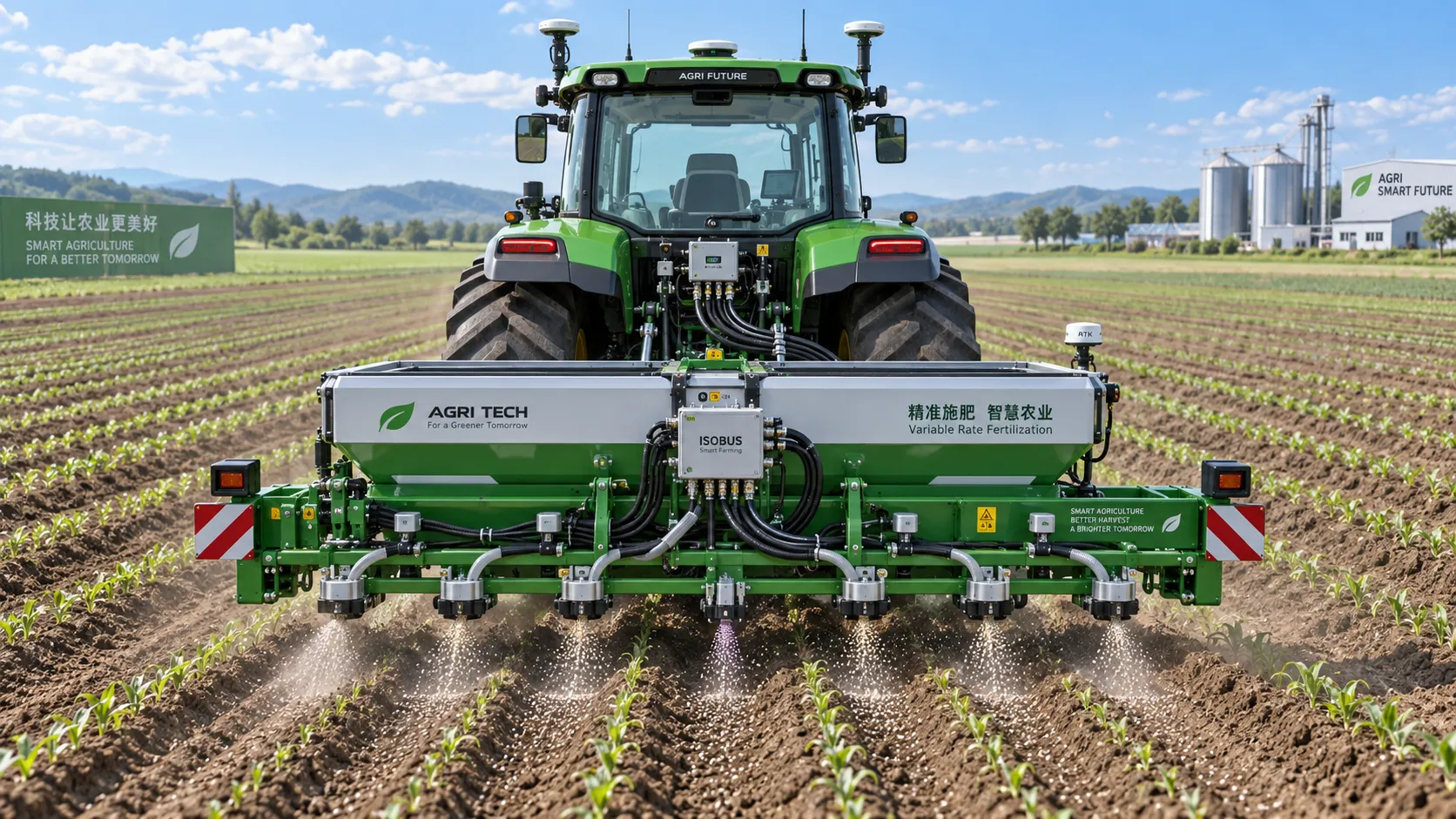
ISOBUS for Smart Agriculture: How It Connects Tractors, Implements, and Farm Data
ISOBUS for smart agriculture connects tractors, implements, terminals, and farm data—helping growers improve precision, documentation, and smarter field decisions.
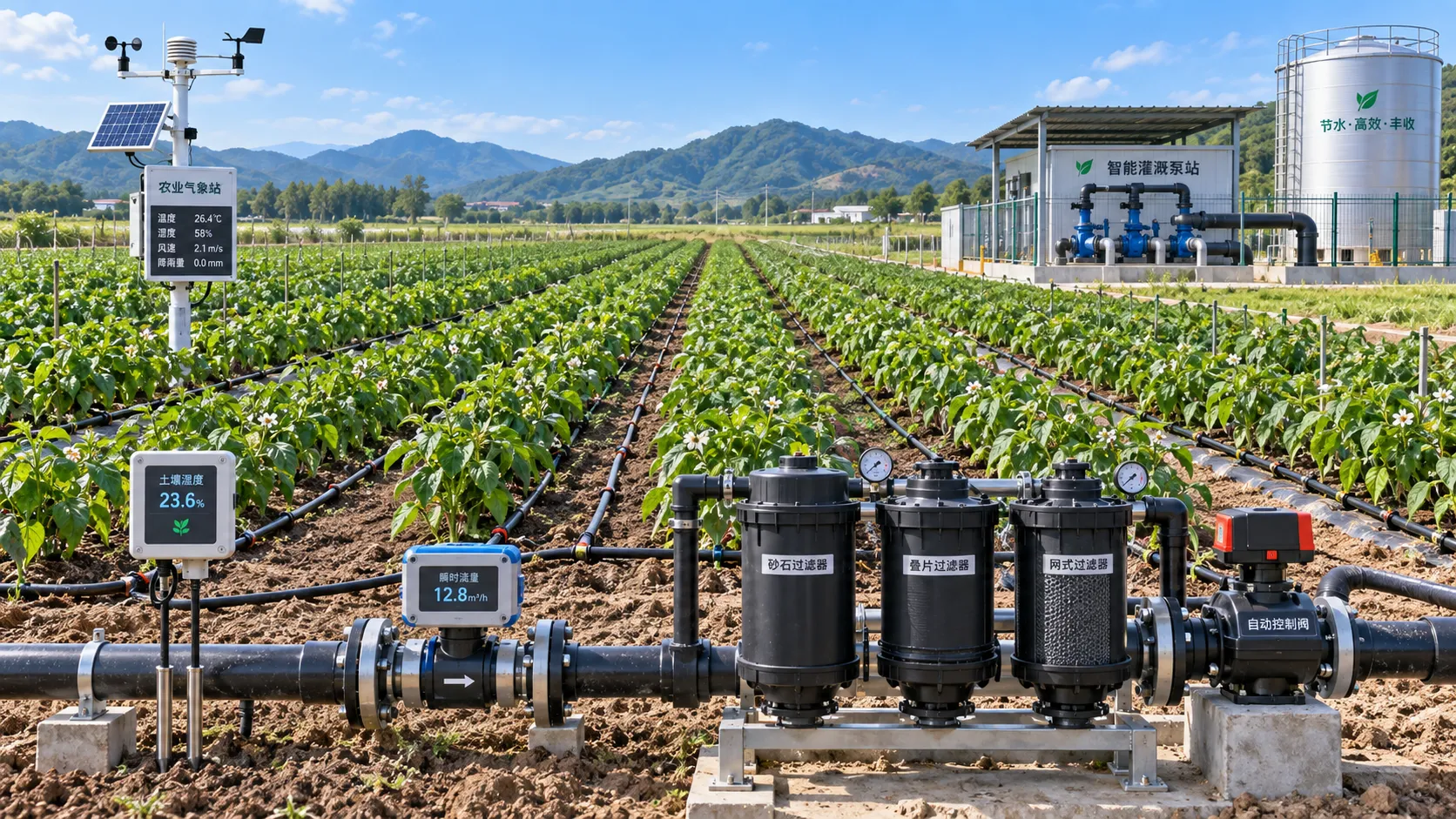
Automated Water-Saving Irrigation: How to Cut Water Use Without Reducing Crop Yields
Automated water-saving irrigation helps farms cut water use, protect crop yields, improve scheduling, and gain reliable control with sensors, flow monitoring, and smart zones.
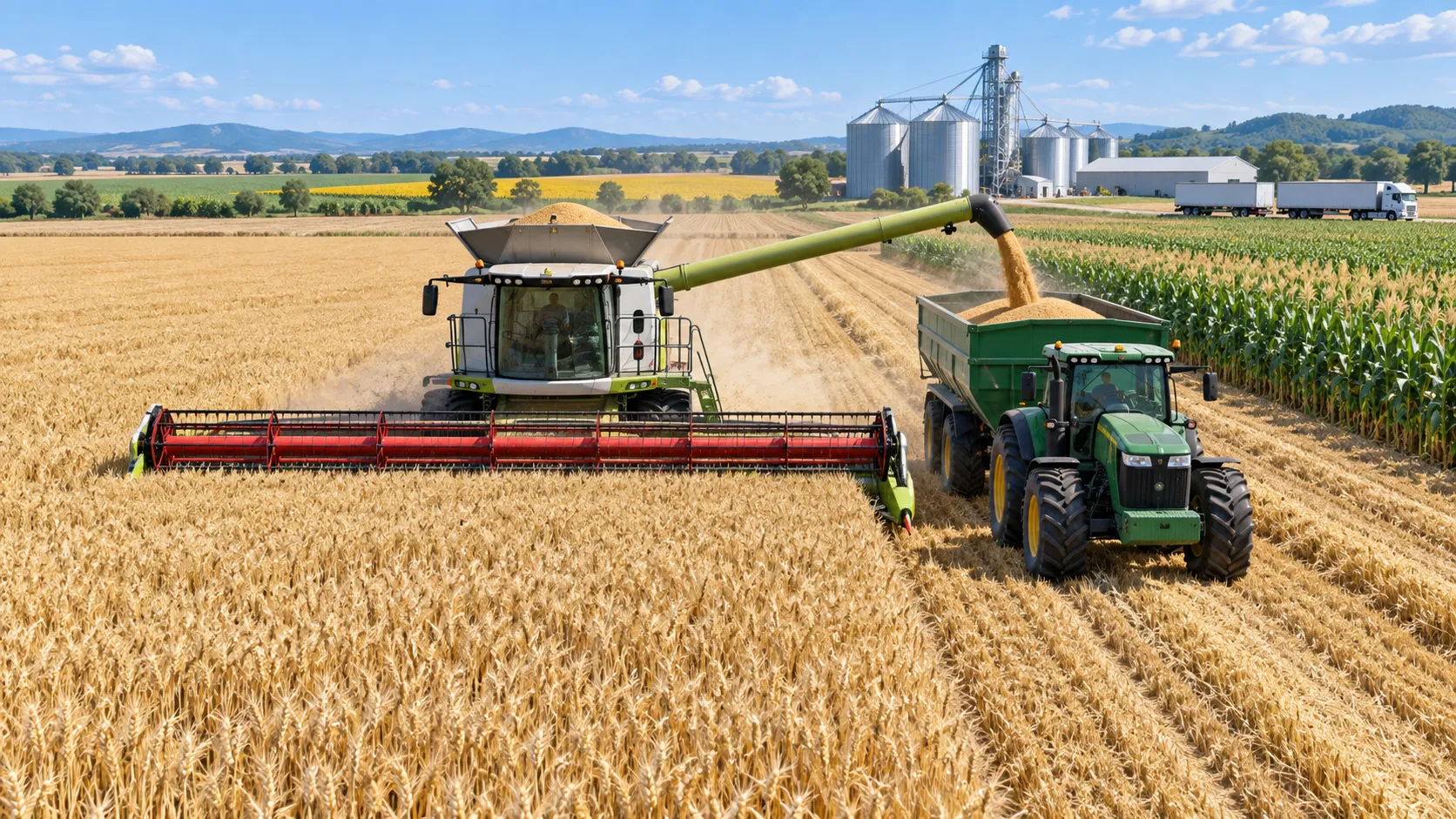
Selecting Grain Farm Equipment by Acreage, Crop Mix, and Harvest Window
Agricultural equipment selection for grain farming: match machinery to acreage, crop mix, and harvest windows to improve uptime, efficiency, and returns.
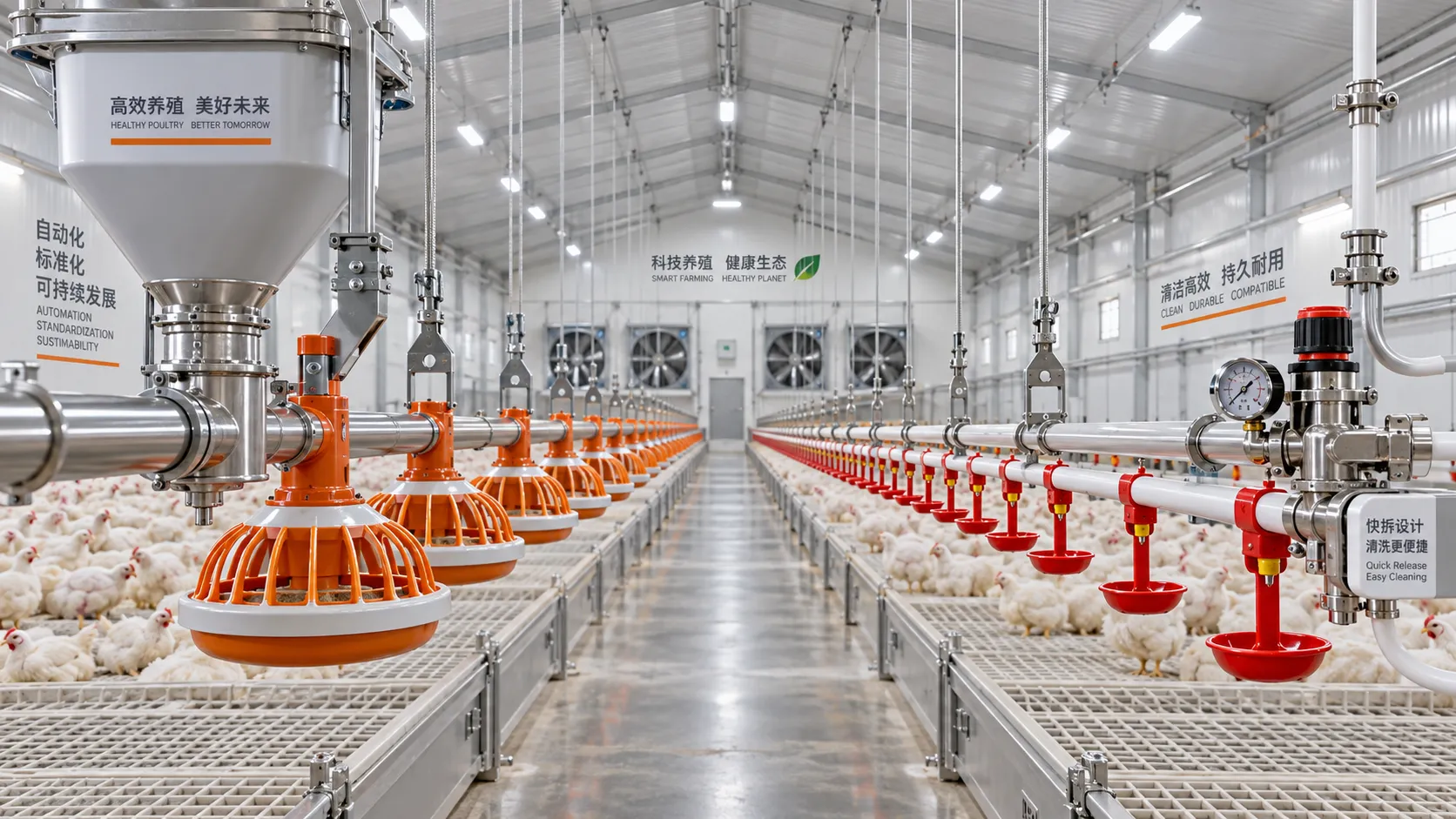
Poultry Equipment Selection: Evaluating Durability, Cleaning, and Compatibility
Poultry equipments selection guide: evaluate durability, cleaning access, and system compatibility to improve hygiene, reduce downtime, and support efficient flock management.
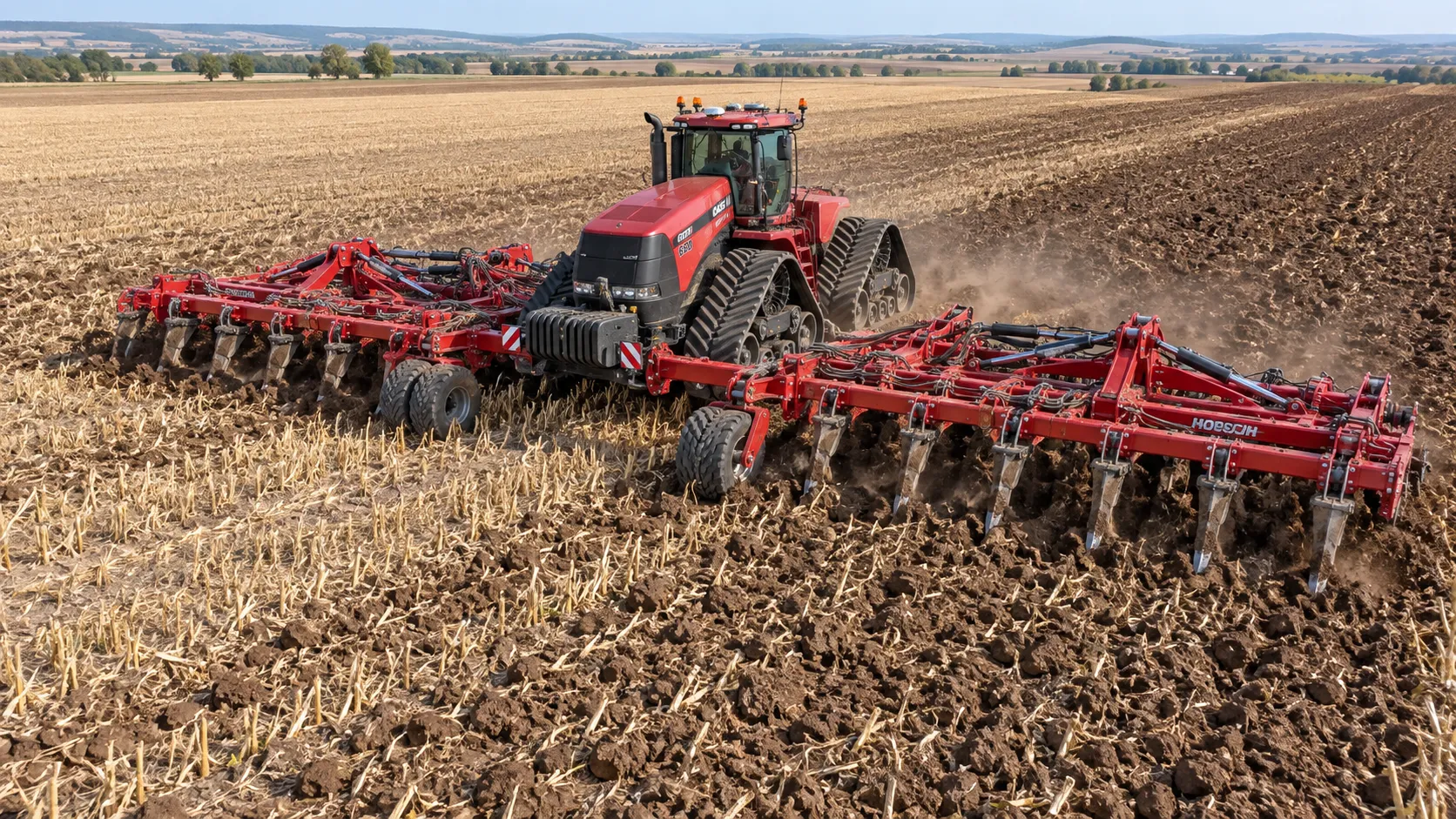
How to Select Heavy-Duty Farm Implements for High-Acreage, High-Horsepower Operations
Heavy duty farm implements: learn how to match draft, hydraulics, hitch capacity, frame strength, and field conditions for reliable high-acreage performance.
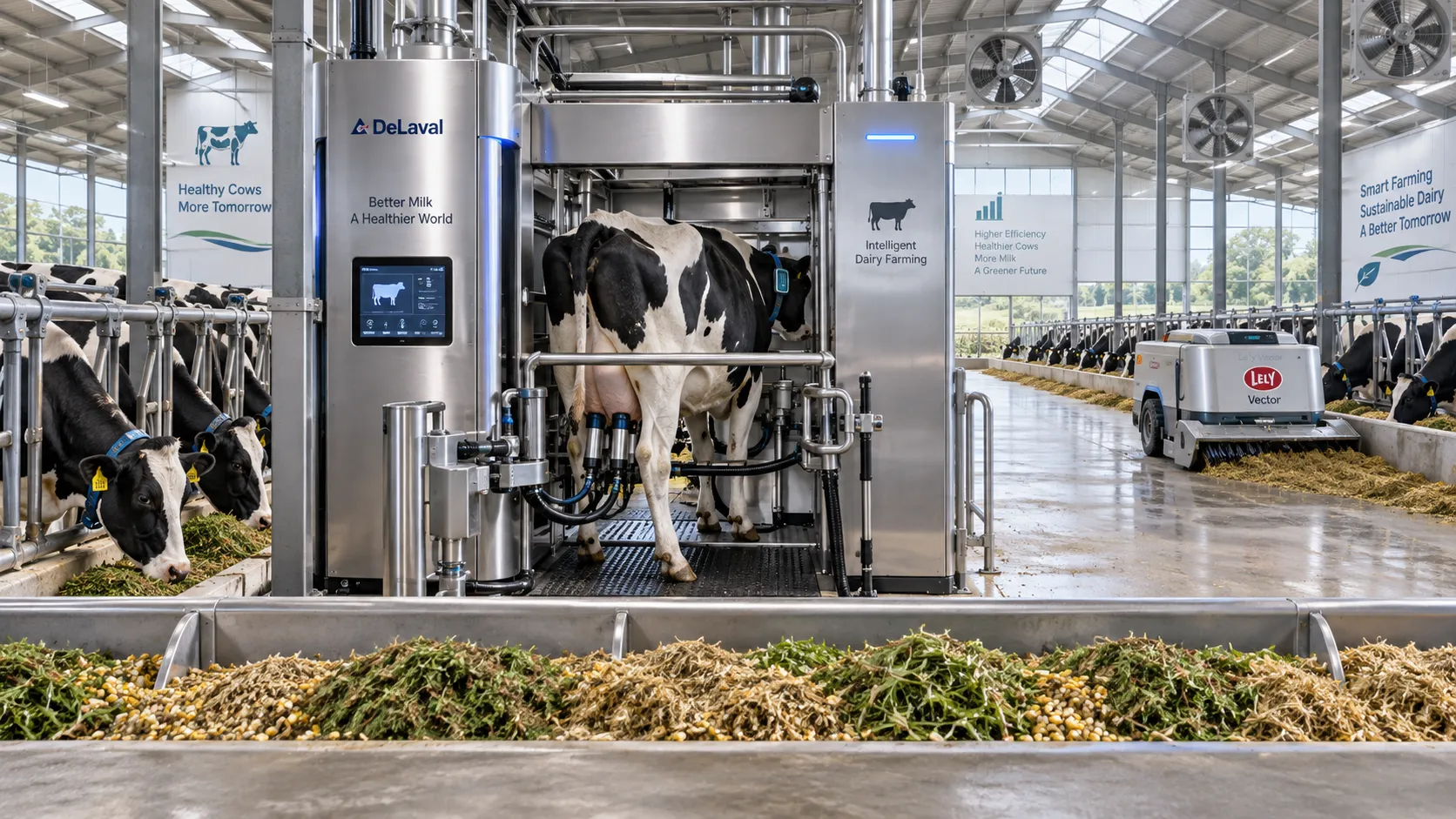
Smart Farming Technology for Dairy Farms: Where Automation Delivers Measurable ROI
Smart farming technology for dairy farms delivers measurable ROI through automation, precision feeding, health monitoring, and data-driven cost control.
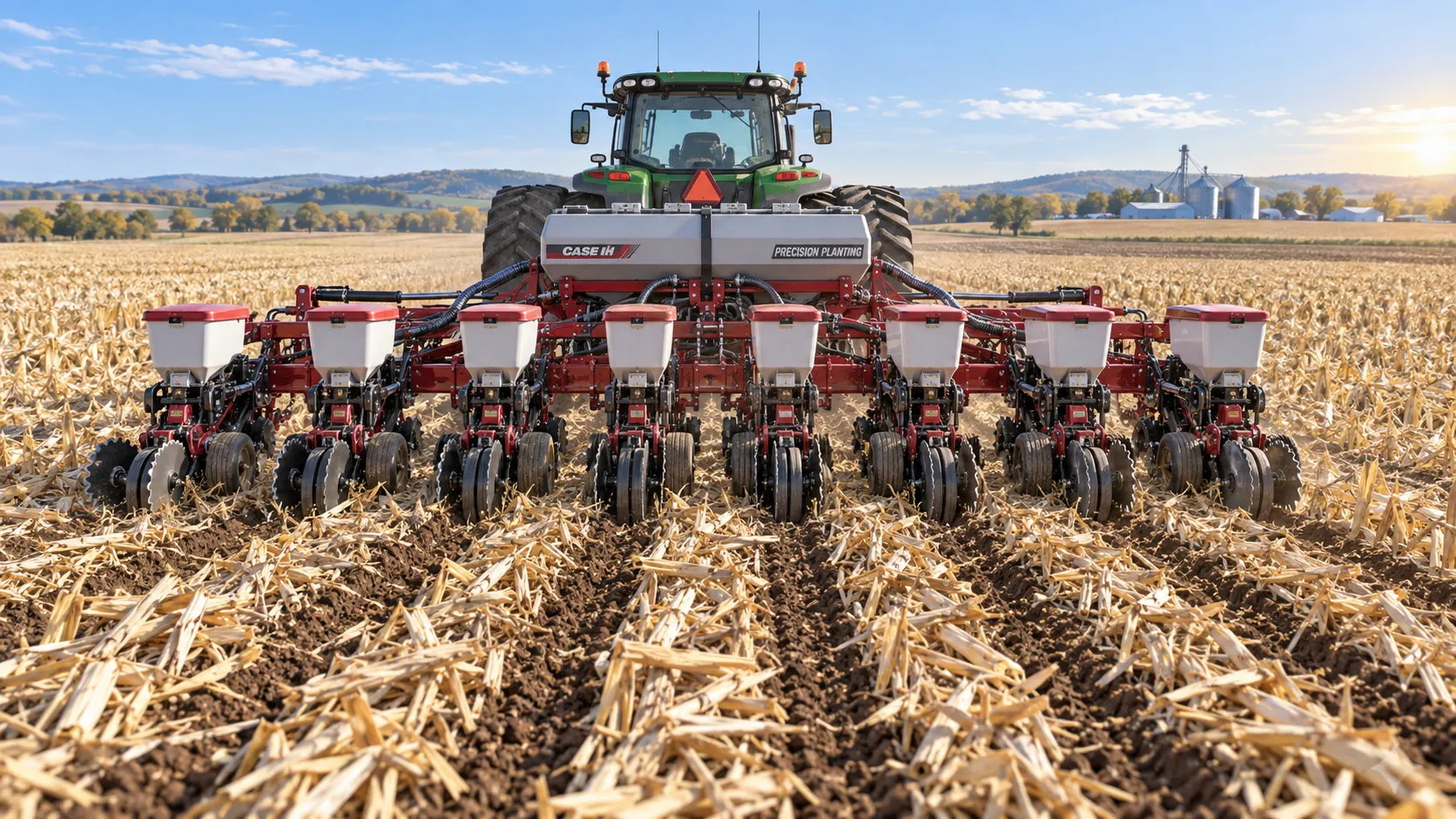
How to Select a Heavy-Duty Seeder for Large Acreage and High-Residue Fields
Heavy duty seeders for large acreage: compare residue handling, depth control, downforce, metering accuracy, and precision features to select the right model.
Related News
- 00
0000-00
How to Evaluate Precision Fertilization System Suppliers for Farm-Scale Deployment - 00
0000-00
How to Select a Precision Fertilization System for Variable Corn Field Conditions - 00
0000-00
When does equipment for sustainable farming justify a higher capital spend? - 00
0000-00
Precision Farming Solutions with Drone Data for Field Mapping and Crop Decisions - 00
0000-00
Precision Farming Systems for Yield Mapping: Key Technologies and Field Applications
Popular Tags
Tractor Power Architect
Weekly Insights
Stay ahead with our curated technology reports delivered every Monday.