
Precision Fertilization Tools: Key Features, Compatibility, and Total Cost Before You Buy
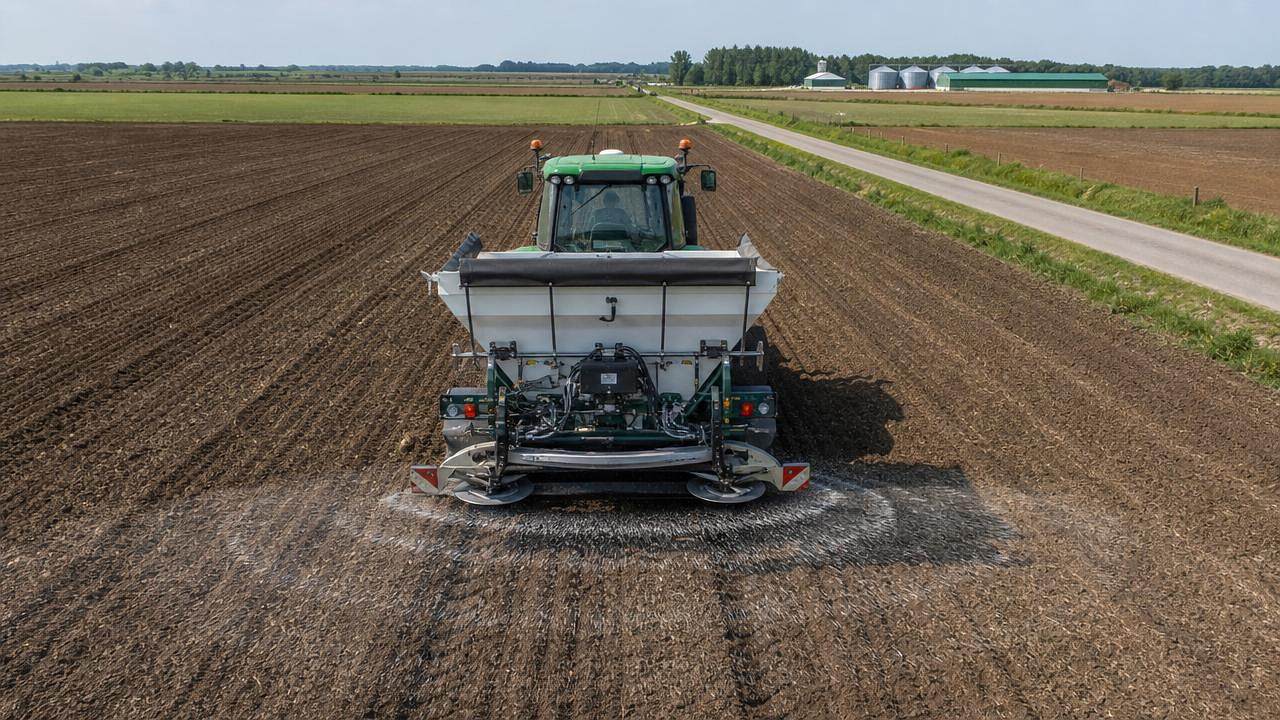




Precision fertilization tools: what matters before the quote looks attractive?
Precision fertilization tools are no longer niche add-ons for advanced farms.
They now sit inside a broader Agriculture 4.0 workflow, where spreaders, controllers, sensors, maps, and software must work as one system.
That is why early comparisons often go wrong.
A lower unit price can still lead to a costly mismatch once compatibility, calibration effort, downtime risk, and data handling are included.
In practical terms, the real purchase decision is not just about applying fertilizer more accurately.
It is about choosing a toolset that fits machinery fleets, agronomic targets, and long-cycle operating economics.
This is also the lens often used by AP-Strategy when tracking intelligent farm tools across global mechanization, irrigation, and harvesting systems.
What exactly counts as precision fertilization tools today?
The term covers more than one machine category.
It may include variable-rate spreaders, section control systems, prescription map software, flow sensors, rate controllers, telematics modules, and data platforms.
Some solutions are hardware-first.
Others depend heavily on satellite positioning, field boundaries, soil analytics, and machine feedback loops.
A useful buying question is simple: where does the precision actually come from?
If the answer is only “better control,” the evaluation is still too shallow.
Good precision fertilization tools combine three layers.
- Execution layer: the spreader, applicator, or injection hardware.
- Decision layer: rate logic, map input, and section control rules.
- Proof layer: logs, traceability, and performance records.
Without all three, the system may apply fertilizer, but it may not deliver accountable precision.
Which features usually separate a useful system from an expensive gadget?
Feature lists can look impressive, yet only a few functions shape field value.
The first is rate accuracy under changing field speed.
If application drifts when terrain, moisture, or travel speed changes, the promised precision disappears.
The second is section or nozzle-level control.
This matters when fields have irregular boundaries, headlands, or overlapping passes.
The third is data interoperability.
In real operations, a system that cannot read agronomic files or export usable logs becomes isolated very quickly.
The fourth is calibration simplicity.
Even a technically advanced applicator loses value if every material change requires long setup delays.
A short comparison table helps filter the noise.
If a vendor cannot show these points clearly, the brochure is probably doing more work than the equipment.
Will the tool actually fit existing machines, software, and field workflows?
This is where many purchases become expensive later.
Precision fertilization tools rarely operate alone.
They interact with tractor terminals, ISOBUS architecture, hydraulic capacity, GNSS correction services, and farm management platforms.
Compatibility should be checked in three directions.
- Mechanical fit: hitch class, load limits, spread width, power demand.
- Electronic fit: terminal support, controller language, wiring, sensors.
- Digital fit: maps, telematics, reporting, and API access.
More often than not, digital fit creates the hidden cost.
For example, a machine may support variable-rate application, yet still require manual file conversion before every field job.
That extra step adds labor, delays, and error risk.
In the AP-Strategy view of Agriculture 4.0, useful compatibility is not only machine-to-machine.
It is machine-to-data and machine-to-decision compatibility as well.
Before signing, request a workflow demonstration using real field files, not only a showroom interface.
How should total cost be calculated beyond the purchase price?
The total cost of ownership usually decides whether precision fertilization tools pay back on schedule.
The headline price covers only one part of the investment.
A more realistic cost model includes implementation, training, upgrades, service, and seasonal productivity effects.
A practical checklist looks like this.
- Base equipment cost and optional modules.
- Terminal, sensor, or GNSS subscription requirements.
- Software licenses, cloud storage, or annual support fees.
- Operator training time and calibration learning curve.
- Parts wear, service intervals, and in-season repair response.
- Input savings versus yield stability over several seasons.
One common mistake is overestimating fertilizer savings and underestimating integration cost.
Another is assuming every field will benefit equally from variable-rate logic.
Returns are often stronger where soil variability, input prices, and data quality already justify differentiated application.
Where conditions are uniform, value may come more from logging, compliance, and overlap reduction than from aggressive rate changes.
What risks and buying mistakes show up most often after installation?
The biggest risk is not technical failure.
It is underuse.
Many systems are purchased for full precision workflows, then used only in manual-rate mode because setup feels too complex.
Another risk is weak agronomic input.
Precision fertilization tools cannot fix poor sampling, outdated maps, or inconsistent nutrient strategies.
There is also a timing risk.
If installation, training, and software setup happen too close to the application season, the system may start under pressure and perform badly.
A short decision table can prevent most of these issues.
The best protection is a pre-season acceptance checklist linked to actual fields, materials, and operators.
So how do you narrow the shortlist without slowing the buying cycle?
Start by defining the operating problem, not the preferred brand.
If the goal is overlap reduction, section control may matter more than advanced analytics.
If the goal is nutrient zoning, map handling and agronomic integration become central.
Then compare each option against the same field-based questions.
- What inputs will the system need every season?
- Which existing machines can use it immediately?
- What data can be shared across platforms?
- How long until operators can use core functions confidently?
- What does a realistic three-year cost picture show?
This approach keeps the review practical and prevents attractive technology from outrunning operational readiness.
In a market shaped by food security, sustainability pressure, and connected machinery, precision fertilization tools should be evaluated as part of a wider intelligent equipment strategy.
The next step is straightforward.
Build a short matrix for features, compatibility, data flow, support, and total cost, then test each finalist against a real application workflow.
That usually reveals more than any sales presentation, and it leads to a better long-term fit.
Related News
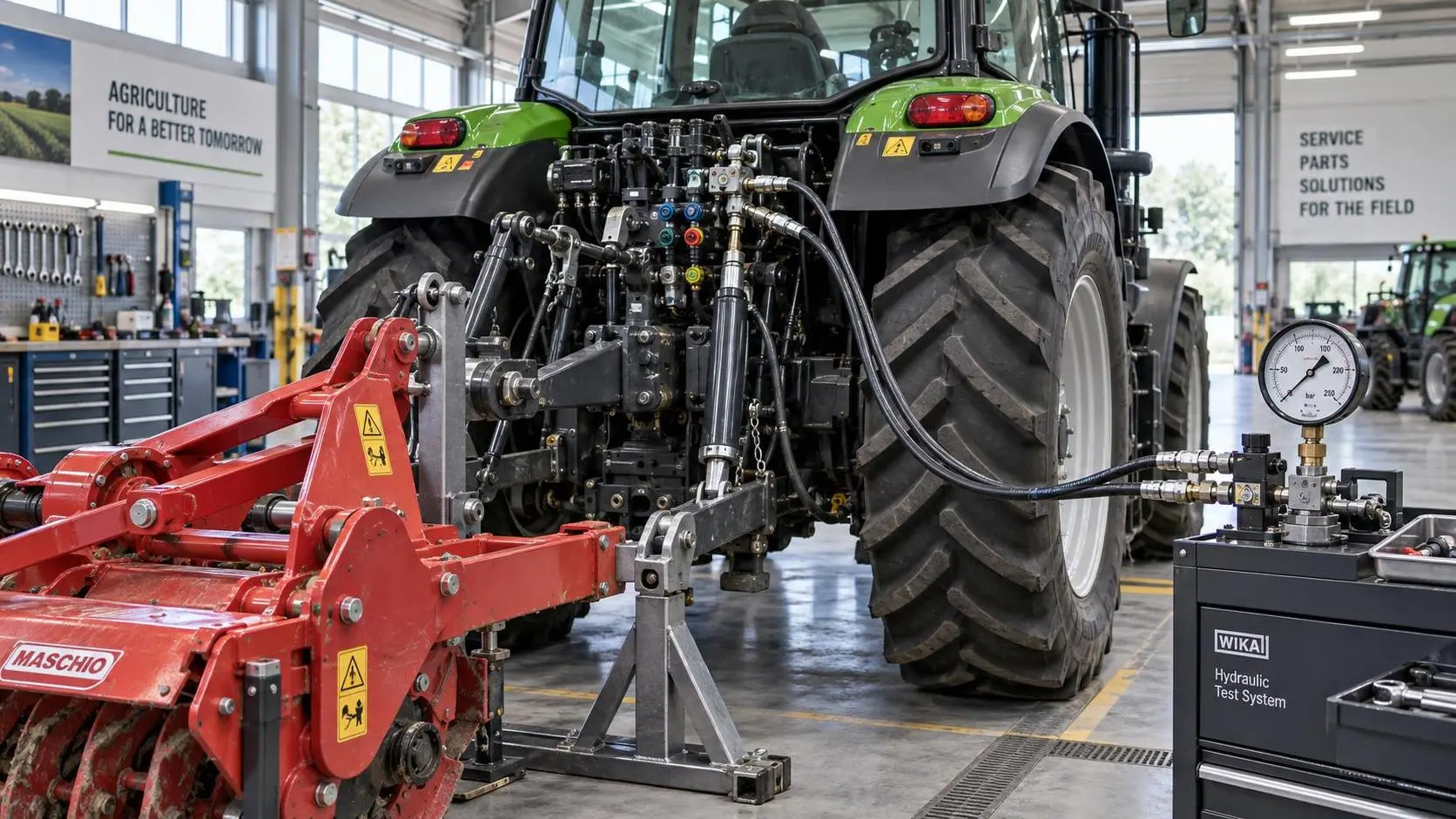
Tractor Hydraulic Systems Troubleshooting: Diagnosing Weak Lift and Slow Implements
Tractor hydraulic systems troubleshooting made practical: diagnose weak lifts and slow implements with proven pressure, flow, valve, and oil-supply checks.
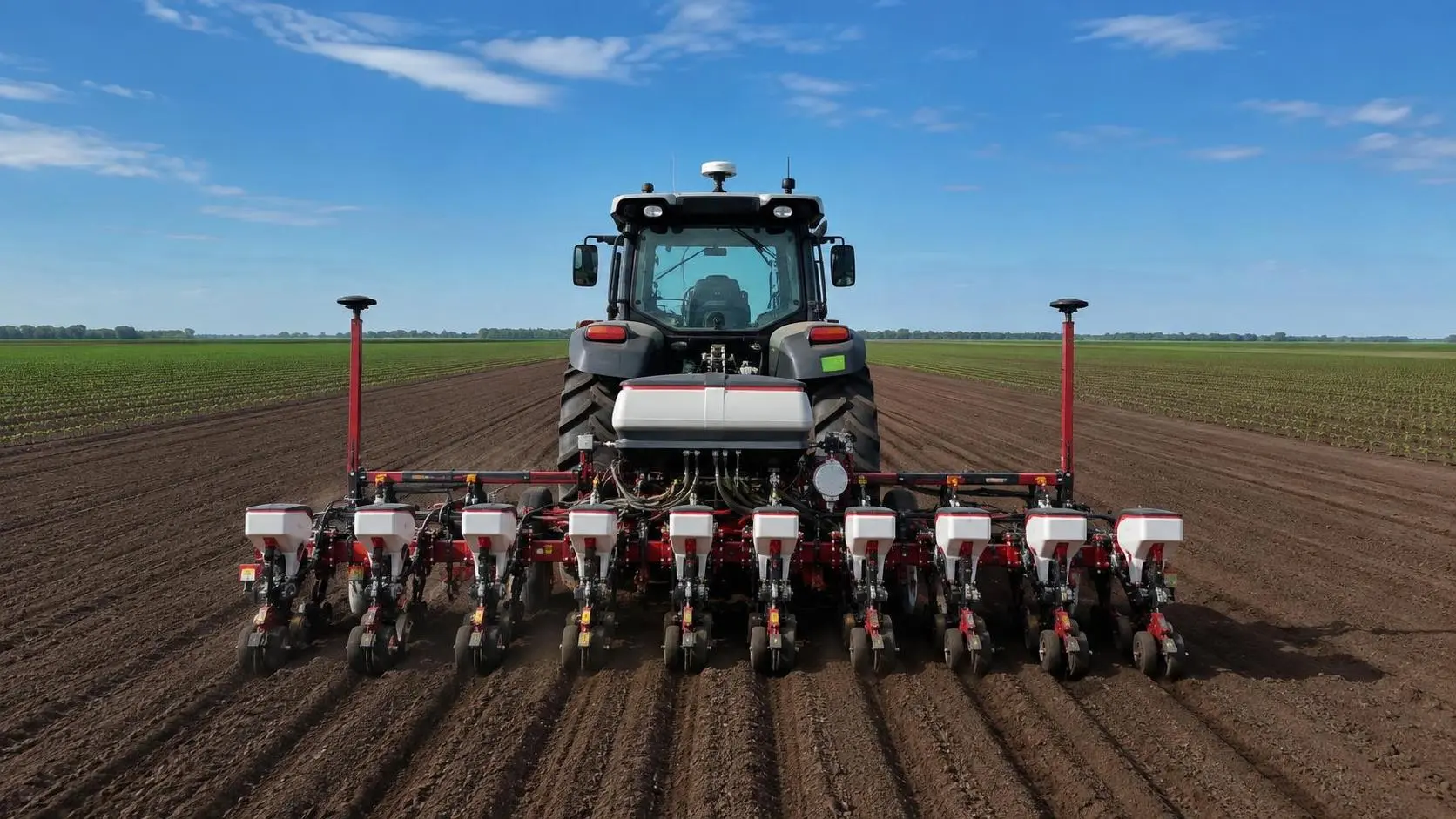
How Tractor Intelligence Systems Improve Field Efficiency and Input Accuracy
Agricultural machinery intelligence for tractors improves field efficiency, input accuracy, data traceability, and implement control. Explore smarter evaluation strategies.
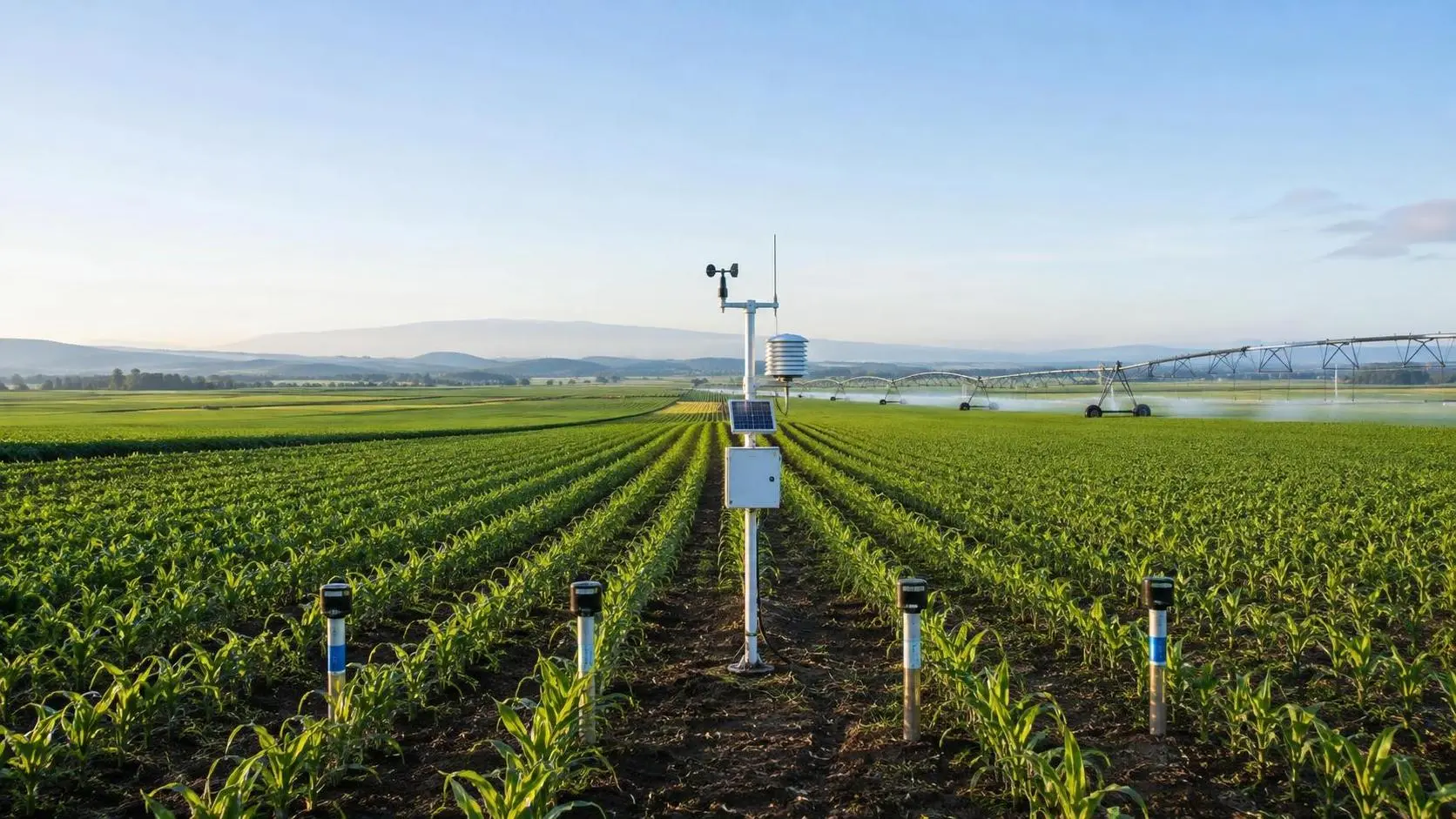
How to Evaluate Crop Monitoring System Manufacturers for Large-Scale Farms
Compare crop monitoring systems manufacturers for large-scale farms. Evaluate data quality, integration, durability, lifecycle costs, support, and pilots for smarter decisions.
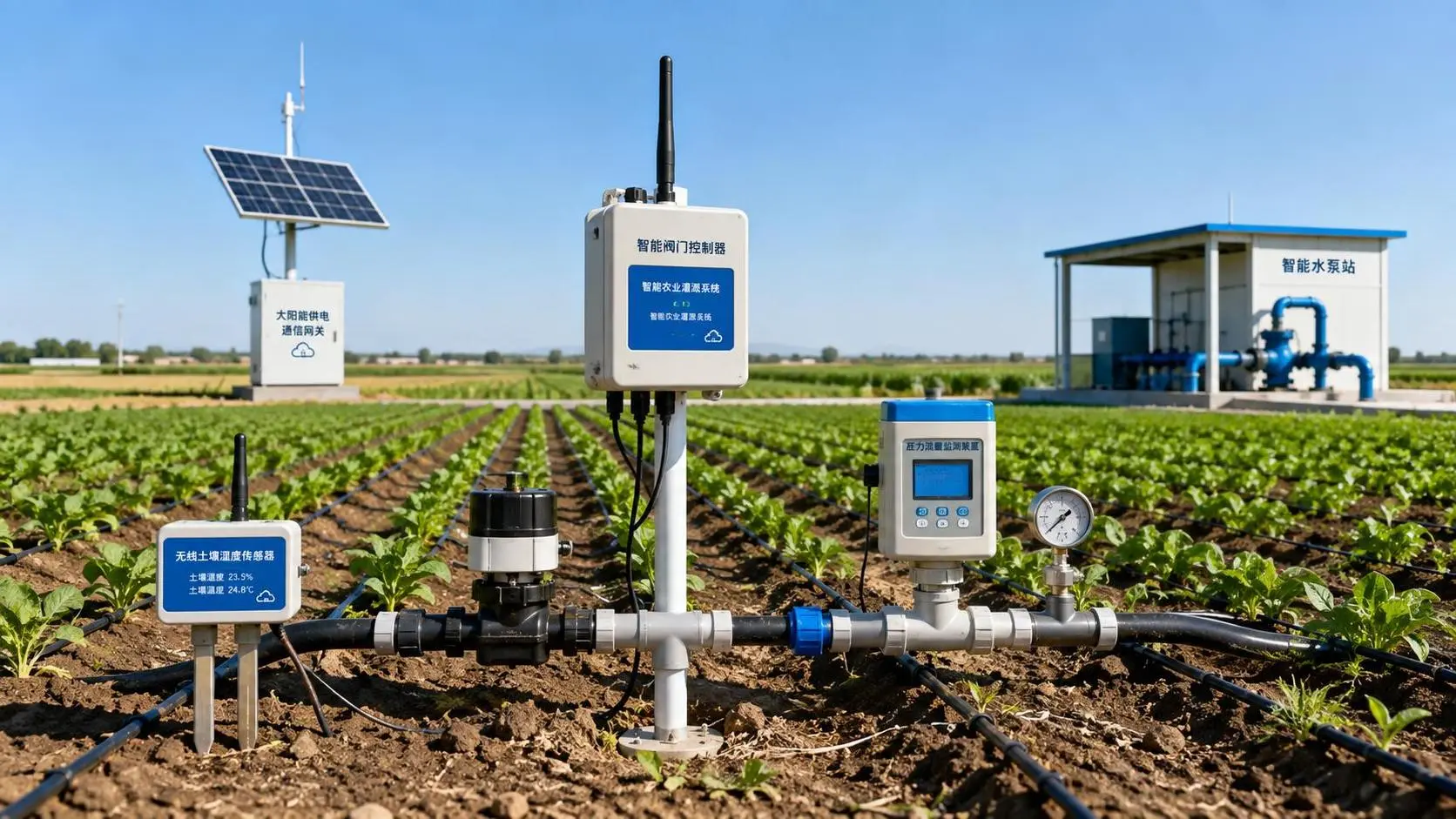
Wireless Agricultural Automation for Remote Irrigation and Field Monitoring
Agricultural automation wireless solutions improve remote irrigation with reliable field data, local control, flow verification, and smarter monitoring. Explore resilient deployment strategies.
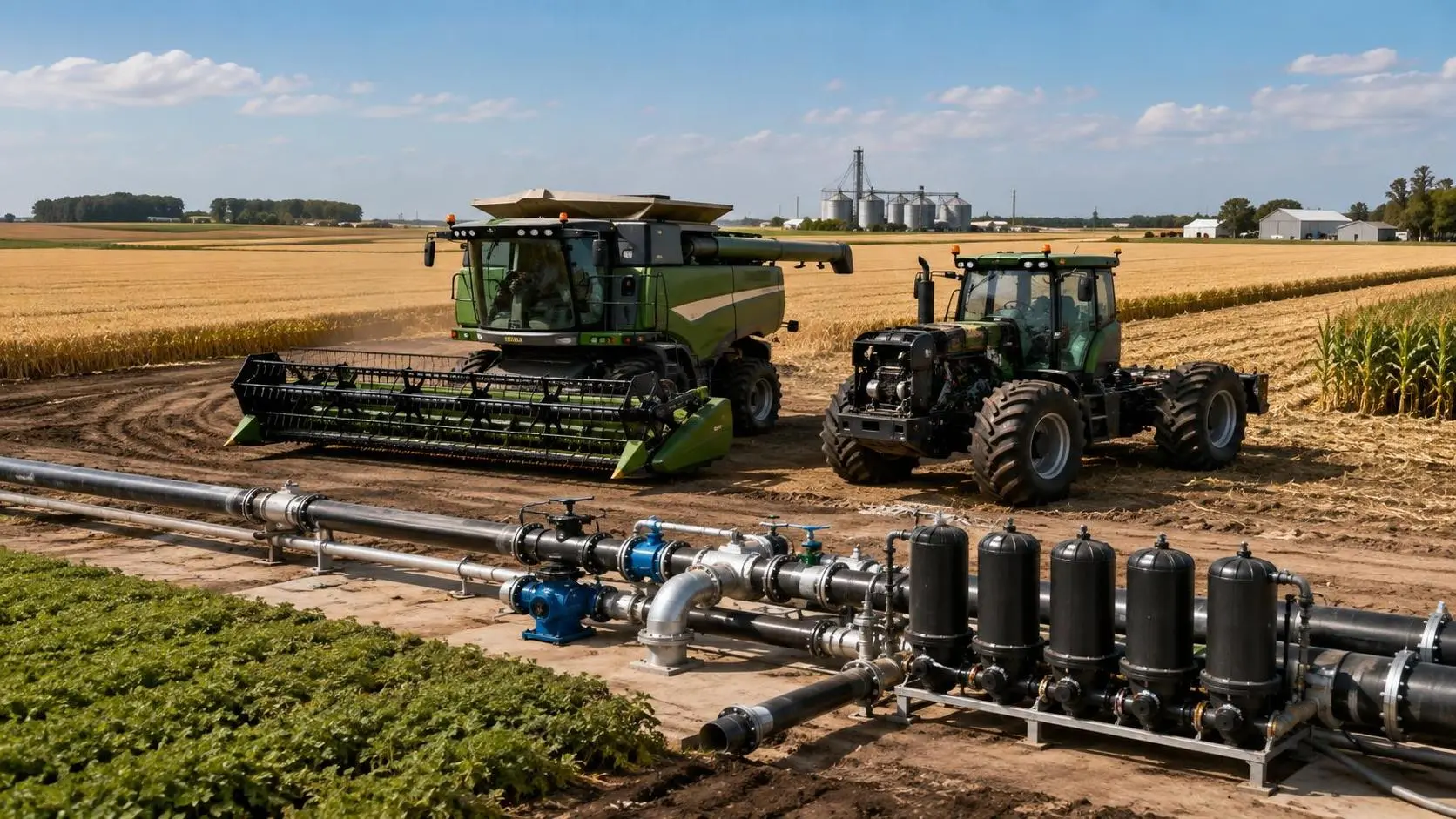
Agricultural Product Information Market Guide: Key Data for Sourcing Decisions
Agricultural product information market guide for smarter sourcing—compare machinery, irrigation, precision tools, lifecycle costs, and supplier risk.
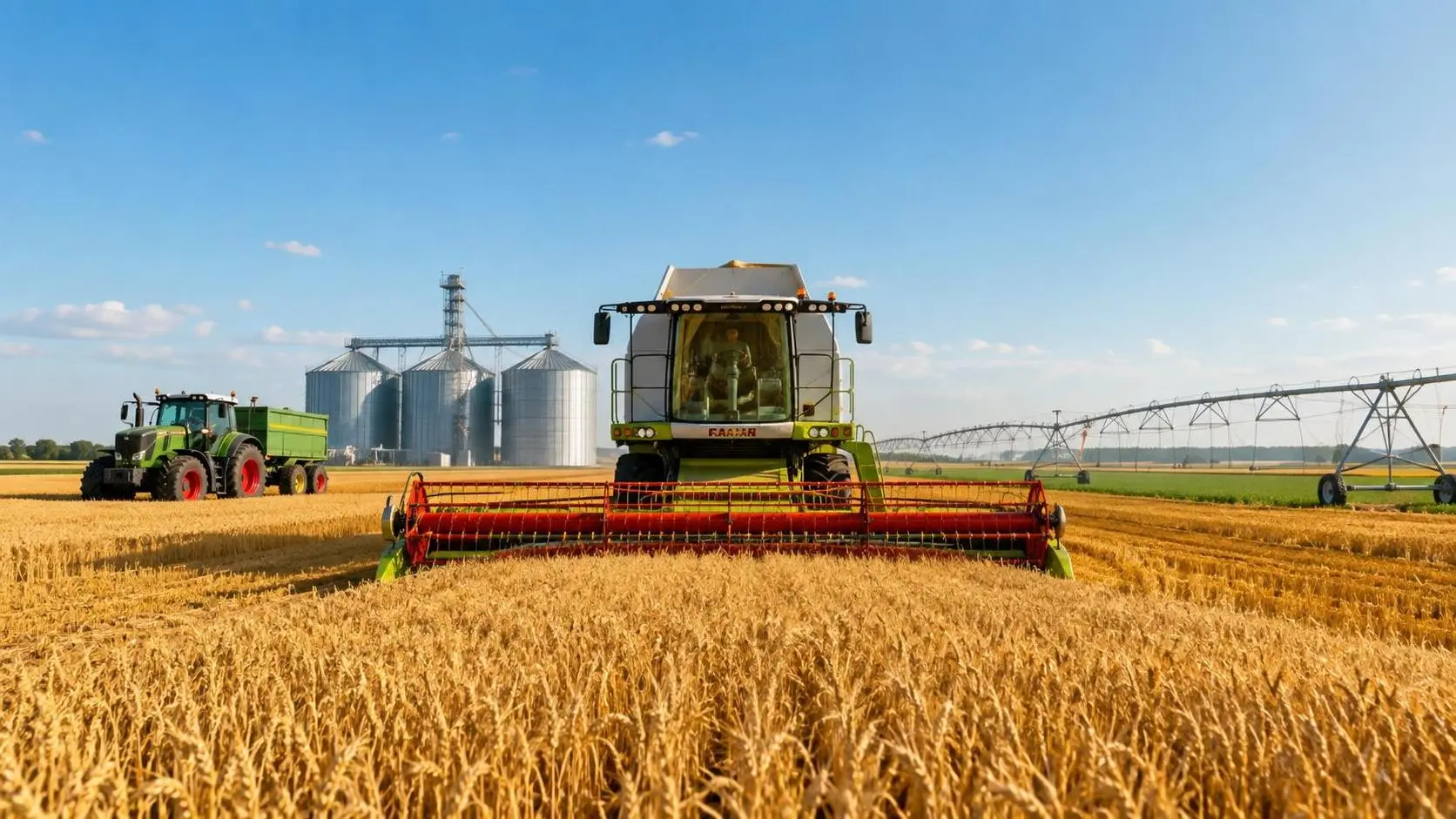
Large-Scale Farm Equipment Cost Comparison: Price, Fuel, and Lifecycle Value
Large-scale farm equipment cost comparison: evaluate price, fuel, maintenance, downtime, and lifecycle value to choose tractors, combines, irrigation, and smart tools with confidence.
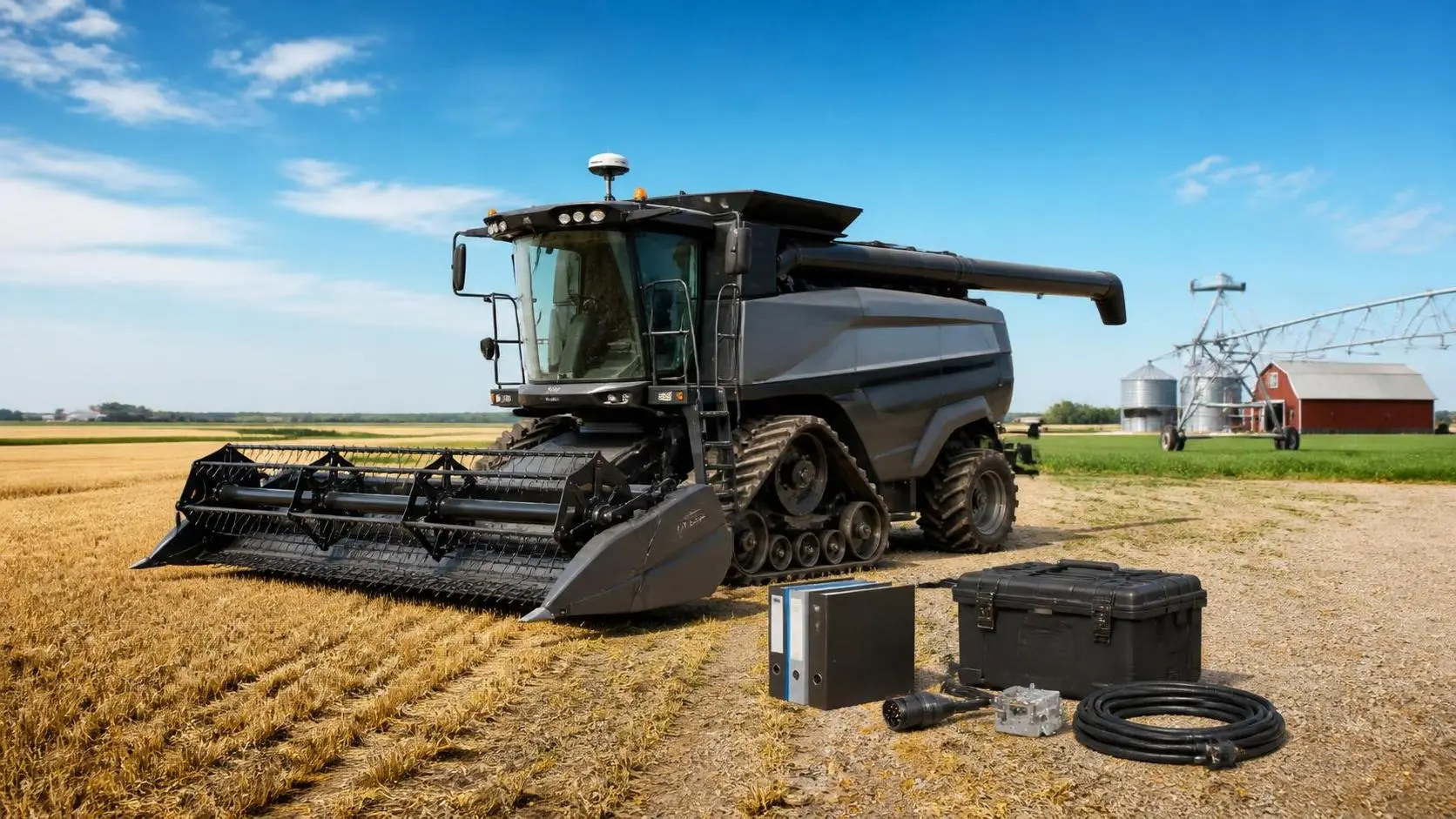
A Procurement Specification Preparation Example for Buying Farm Equipment
Procurement specification preparation example for farm equipment: learn to define requirements, compare suppliers, control lifecycle costs, and buy with confidence.
What Tractor Horsepower Is Needed for a Three-Bottom Moldboard Plow?
What tractor horsepower is needed for three-bottom moldboard plow? Compare 60–100 hp needs by soil, depth, traction, and plow width for a confident equipment match.
How Does Climate-Smart Farming Reduce Water Use in Semi-Arid Areas?
How does climate-smart farming reduce water use in semi-arid zones? Discover precision irrigation, soil monitoring, and smarter crop planning for resilient yields.
Related News
- 00
0000-00
Precision Farming Solutions with Drone Data for Field Mapping and Crop Decisions - 00
0000-00
Precision Farming Systems for Yield Mapping: Key Technologies and Field Applications - 00
0000-00
How to Validate Precision Farming Algorithm Accuracy Before Field Deployment - 00
0000-00
How to Evaluate Precision Fertilization Equipment for Latin America Farms - 00
0000-00
How Precision Agriculture Improves Water Management with Sensors, GPS, and VRT
Popular Tags
Tractor Power Architect
Weekly Insights
Stay ahead with our curated technology reports delivered every Monday.