
Precision Farming Algorithms Explained: Which Models Improve Yield, Water Use, and Input Timing?
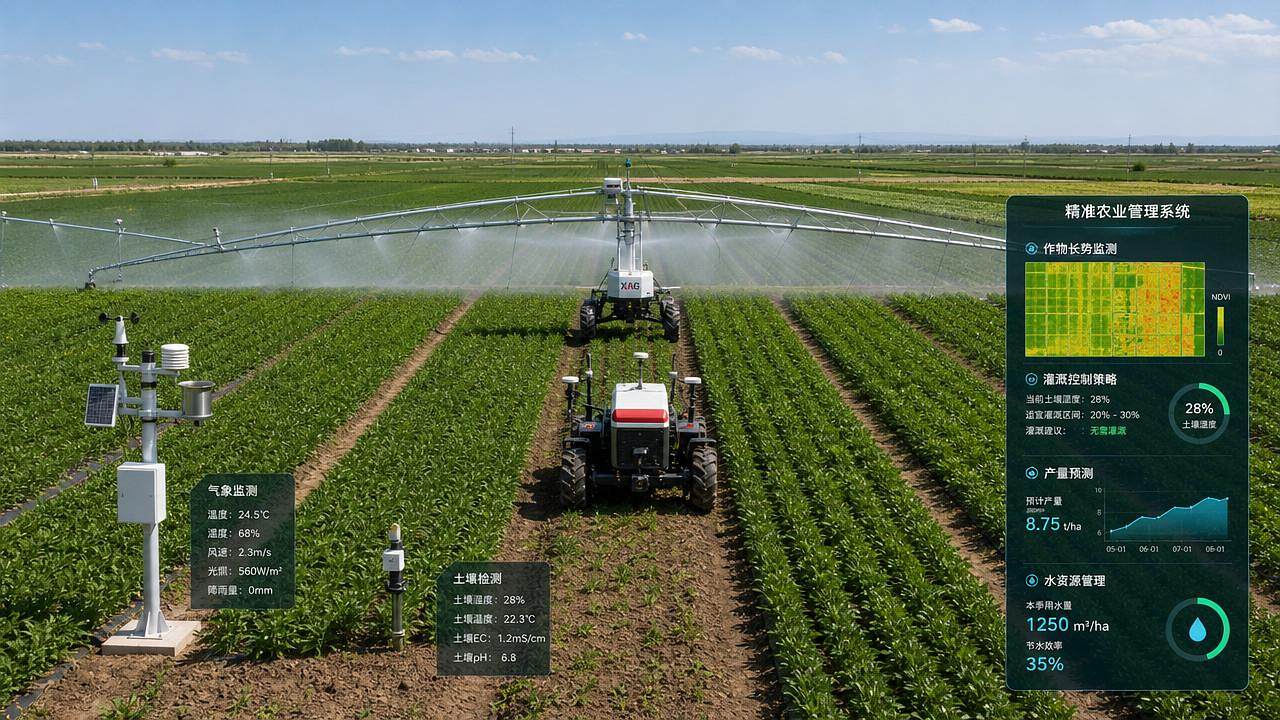




Precision farming algorithms have moved from experimental software to operational tools that influence planting, irrigation, fertilization, and harvest decisions. In large-scale agriculture, their value is no longer abstract. They help convert field variability into measurable actions, linking machine control, sensor feedback, and agronomic timing. For operations evaluating Agriculture 4.0 investments, the real question is not whether algorithms matter, but which models improve yield, water use, and input timing under real field conditions.
Why algorithm choice now matters more than raw data volume
Farms already collect large datasets from GNSS guidance, yield monitors, soil probes, weather stations, drones, and irrigation controllers. Yet data alone rarely improves field performance.
The improvement comes from models that interpret patterns, estimate risk, and trigger decisions at the right time. That is where precision farming algorithms create value.
This matters across the broader agri-equipment ecosystem. A combine harvester with advanced loss sensing, a tractor chassis with responsive hydraulic control, and a smart irrigation network all depend on decision logic.
AP-Strategy often frames this as an intelligence stitching problem. Mechanical capability, field data, and sustainability targets only align when algorithm performance matches the operating environment.
What precision farming algorithms actually do in the field
At a practical level, precision farming algorithms convert field observations into recommendations or automated actions. The outputs may look simple, but the underlying logic differs by task.
Three decision layers are usually involved
- Prediction models estimate likely outcomes such as yield potential, crop stress, evapotranspiration, or nutrient demand.
- Classification models identify zones, anomalies, weed pressure, disease signatures, or machine operating states.
- Optimization models recommend rates, schedules, routes, or timing windows under cost, resource, and weather constraints.
When people discuss precision farming algorithms, they often focus on artificial intelligence alone. In practice, useful systems combine statistics, rules, process models, and machine learning.
A reliable irrigation scheduler may use weather forecasts, soil moisture thresholds, crop coefficients, and pump capacity constraints together, not a single black-box model.
Which model families improve yield most consistently
Yield improvement is the hardest outcome to attribute because weather, genetics, soil condition, and operator execution all interact. Still, some model types tend to produce stronger results.
Zone-based prescription models
These models divide fields into management zones using yield history, elevation, conductivity, soil texture, and remote sensing. They support variable-rate seeding, nitrogen, and crop protection.
Their strength is operational clarity. They fit current machinery workflows and work well where stable field variability exists across multiple seasons.
Supervised machine learning for yield response
Random forest, gradient boosting, and similar methods often outperform simple regression when many variables interact. They are useful for estimating yield response to nitrogen, planting density, or irrigation depth.
These models are strongest when high-quality historical data is available. Their weakness appears when training data is sparse, biased, or poorly synchronized.
Process-based crop growth models
Crop simulation models estimate development stages, biomass accumulation, and stress effects. They are valuable when evaluating seasonal scenarios rather than only immediate sensor readings.
They become especially relevant in regions with unstable rainfall or policy pressure around input efficiency, because they explain why a recommendation changes.
The models that matter most for water efficiency
Water-saving performance is often easier to verify than yield because flow, pressure, moisture, and runtime can be measured directly. That makes irrigation algorithms a major focus area.
Evapotranspiration and water balance models
These remain foundational. They estimate crop water demand using weather variables, growth stage, and soil water storage. They are widely trusted because the agronomic logic is transparent.
Sensor-fusion irrigation models
These combine soil moisture probes, canopy temperature, remote sensing, and weather predictions. They respond faster than fixed-threshold systems, especially in heterogeneous fields.
For intelligent irrigation systems, this category is often the most practical. It balances field feedback with forecast risk, which is critical where pumping energy and water rights both matter.
Optimization models for irrigation timing
Some of the best water results come not from predicting stress better, but from scheduling water more intelligently. Optimization algorithms can account for pump capacity, labor windows, tariff periods, and expected rainfall.
This is where precision farming algorithms move beyond agronomy and into asset coordination. The strongest systems treat irrigation as both a biological and operational problem.
Why input timing often decides economic performance
Input timing is frequently undervalued because rate control attracts more attention. Yet a well-timed nitrogen pass or fungicide application can outperform a more sophisticated prescription delivered too late.
Timing models usually depend on event detection, short-range forecasting, and operational readiness. In other words, they sit at the intersection of agronomy, weather intelligence, and machine availability.
Useful timing models include
- Growth-stage prediction models for applying nutrients or crop protection within narrow biological windows.
- Rainfall probability models that reduce wash-off risk or avoid unnecessary irrigation cycles.
- Trafficability models that estimate whether heavy equipment can enter fields without causing compaction.
- Machine-state algorithms that flag calibration drift, nozzle issues, or harvester loss conditions before they affect output.
For AP-Strategy’s focus areas, this has direct relevance. Tractor chassis performance, implement control, and combine feedback systems all become more valuable when timing algorithms trigger action at the right moment.
How to judge algorithm quality beyond vendor claims
Not all precision farming algorithms deserve deployment at scale. Some look accurate in demonstrations but fail when exposed to weather volatility, noisy sensors, or inconsistent machine settings.
A sound evaluation usually starts with context, not marketing language. The same model can perform very differently in irrigated maize, dryland cereals, or specialty crops.
Key criteria worth examining
- Data compatibility with existing machinery, sensors, and farm management systems.
- Temporal resolution, meaning how quickly the model can detect and respond to field change.
- Spatial resolution that matches implement capability and true field variability.
- Explainability, especially where agronomic accountability or compliance reporting is required.
- Robustness under missing data, calibration drift, or partial sensor failure.
- Economic validation through replicated strips, season-on-season comparisons, and operational cost tracking.
Usually, the most dependable precision farming algorithms are not the most complex ones. They are the models that remain stable across seasons and fit the decision speed of actual farm operations.
Where these models are heading next
The next phase is not simply more AI. It is tighter integration between agronomic models, machine telematics, hydrological forecasting, and commercial decision tools.
That direction fits the broader Agriculture 4.0 landscape. Farms need algorithms that can coordinate yield protection, water allocation, machine utilization, and sustainability reporting at the same time.
This is also why cross-domain intelligence matters. A field recommendation has greater value when it reflects irrigation limits, harvester efficiency, soil trafficability, and regional policy signals together.
A practical next step is to map each major decision point across the season, then identify which precision farming algorithms already support it and where gaps remain. From there, comparisons become clearer: not which platform sounds smarter, but which model improves a specific field outcome with repeatable evidence.
Related News
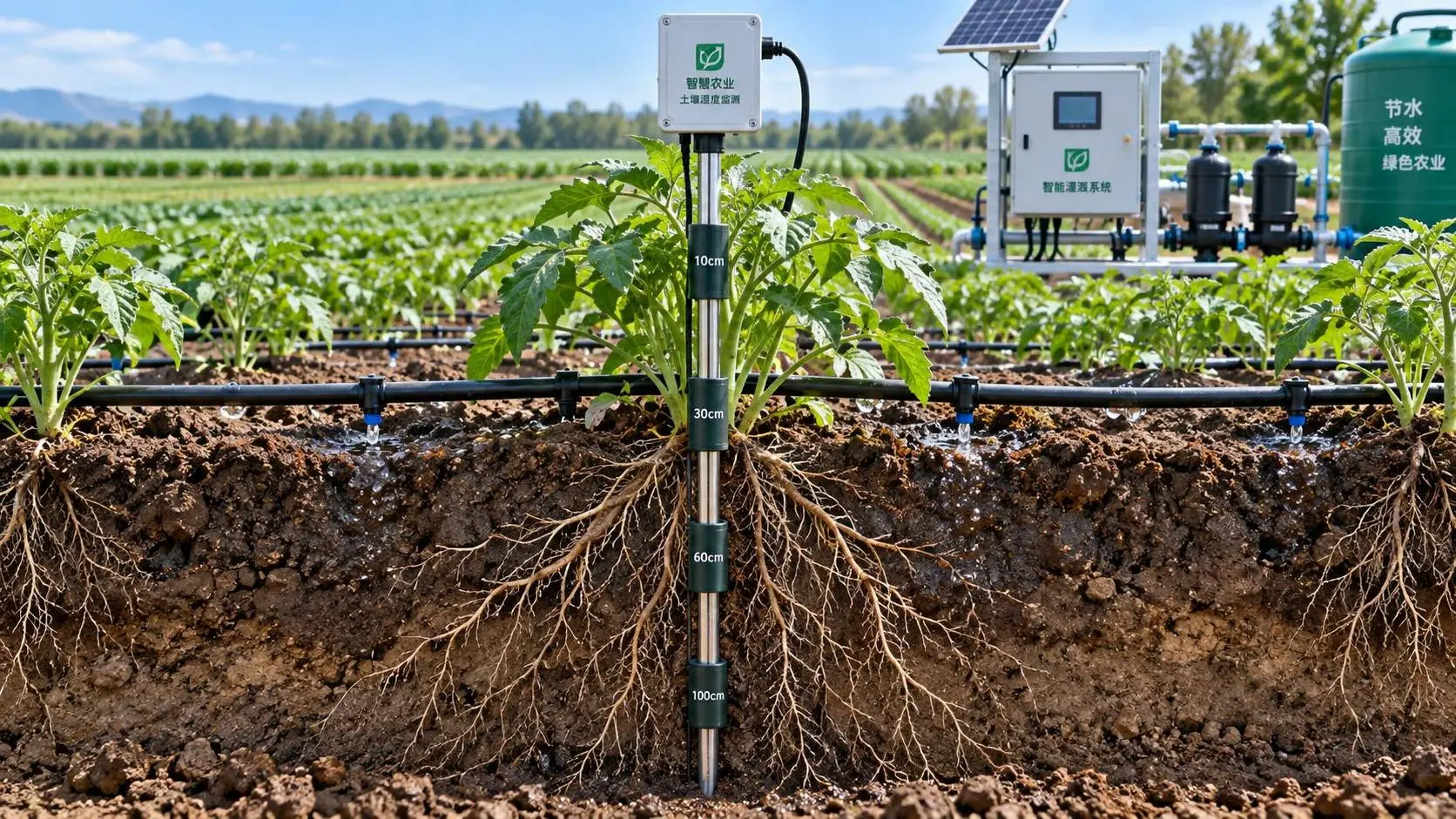
Selecting Real-Time Soil Moisture Sensors for Irrigation Zone Control
Soil moisture sensors real time: learn how to select reliable probes, optimize zone control, improve irrigation decisions, and scale precision water management.
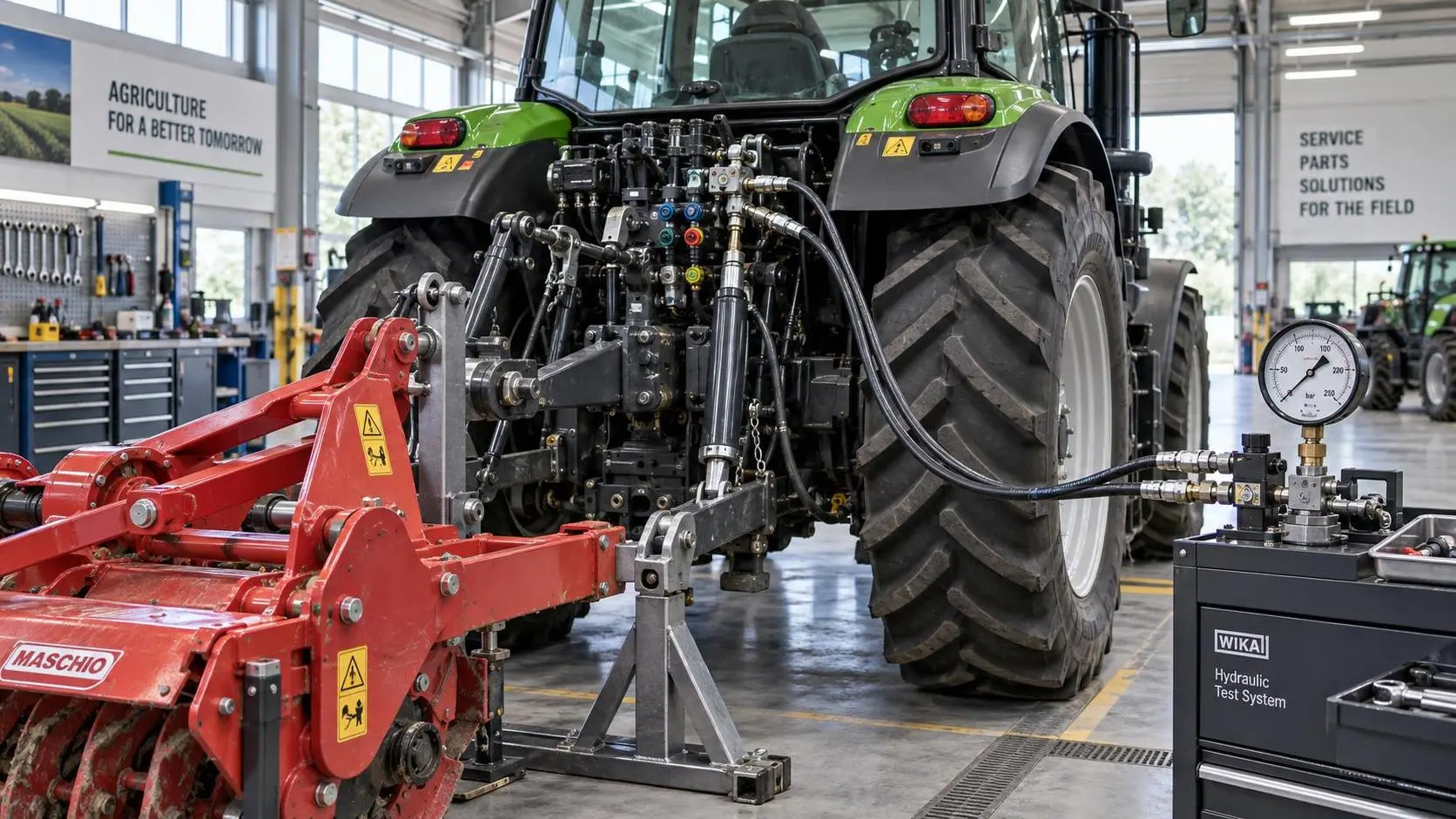
Tractor Hydraulic Systems Troubleshooting: Diagnosing Weak Lift and Slow Implements
Tractor hydraulic systems troubleshooting made practical: diagnose weak lifts and slow implements with proven pressure, flow, valve, and oil-supply checks.
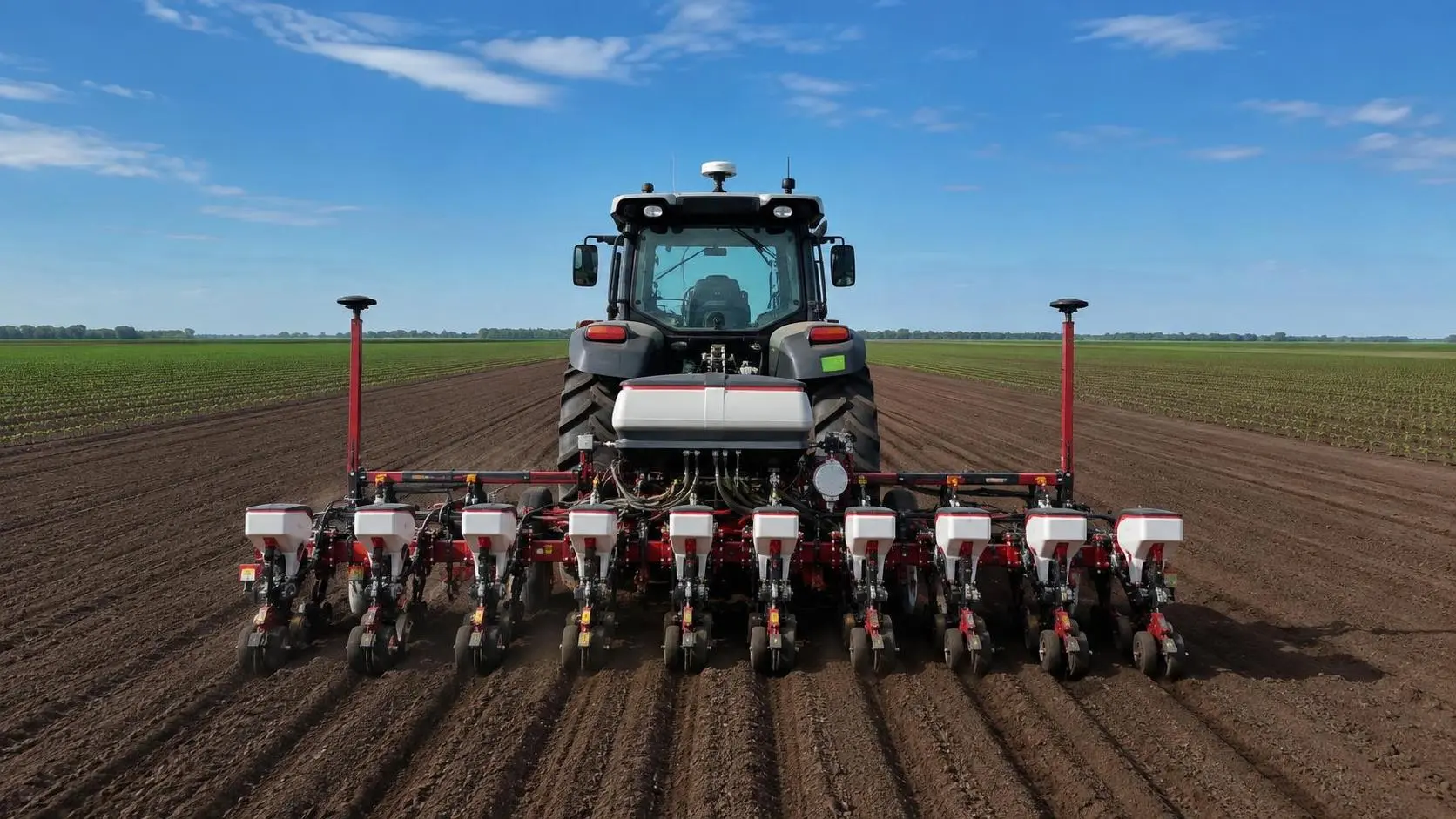
How Tractor Intelligence Systems Improve Field Efficiency and Input Accuracy
Agricultural machinery intelligence for tractors improves field efficiency, input accuracy, data traceability, and implement control. Explore smarter evaluation strategies.
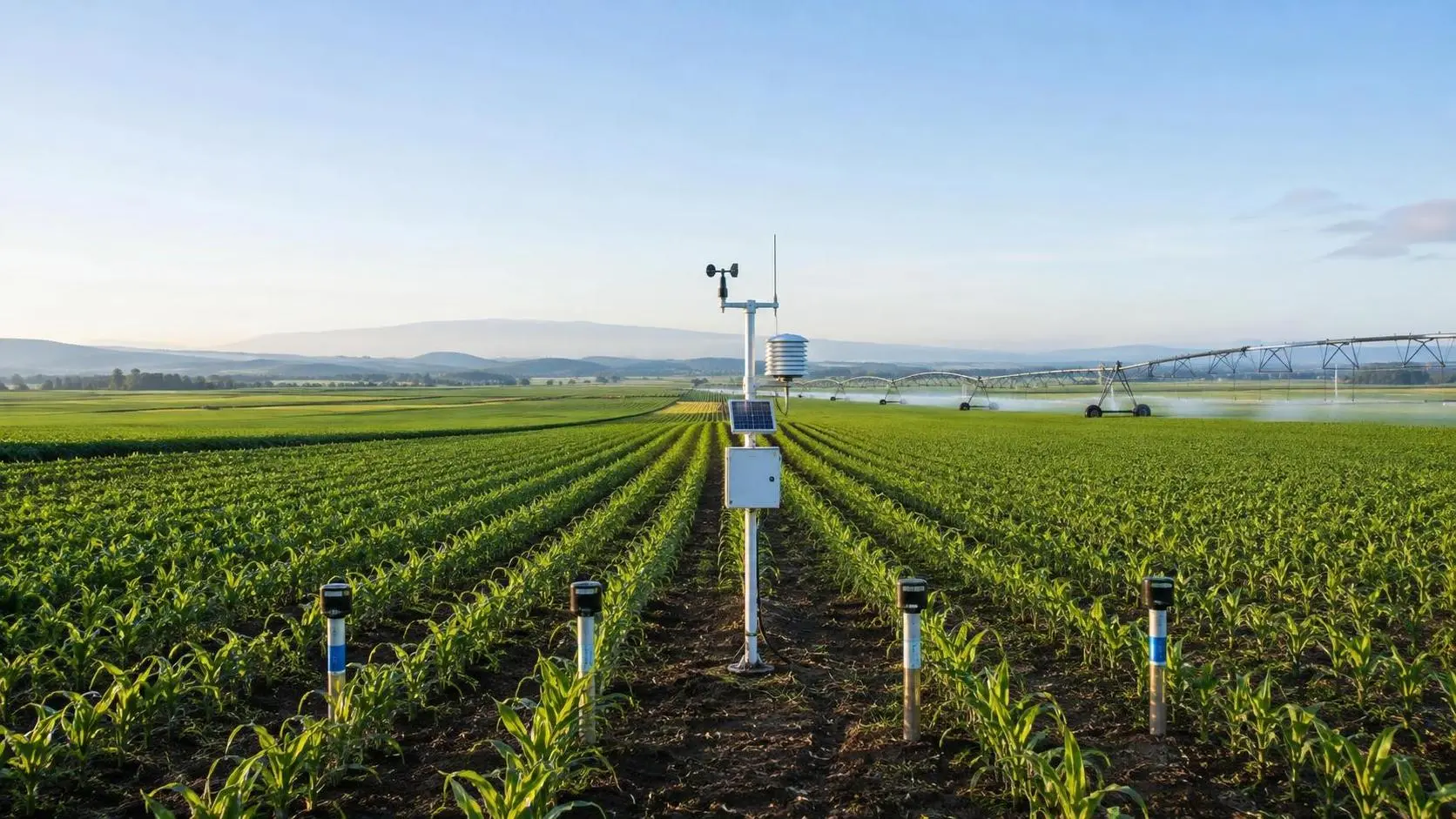
How to Evaluate Crop Monitoring System Manufacturers for Large-Scale Farms
Compare crop monitoring systems manufacturers for large-scale farms. Evaluate data quality, integration, durability, lifecycle costs, support, and pilots for smarter decisions.
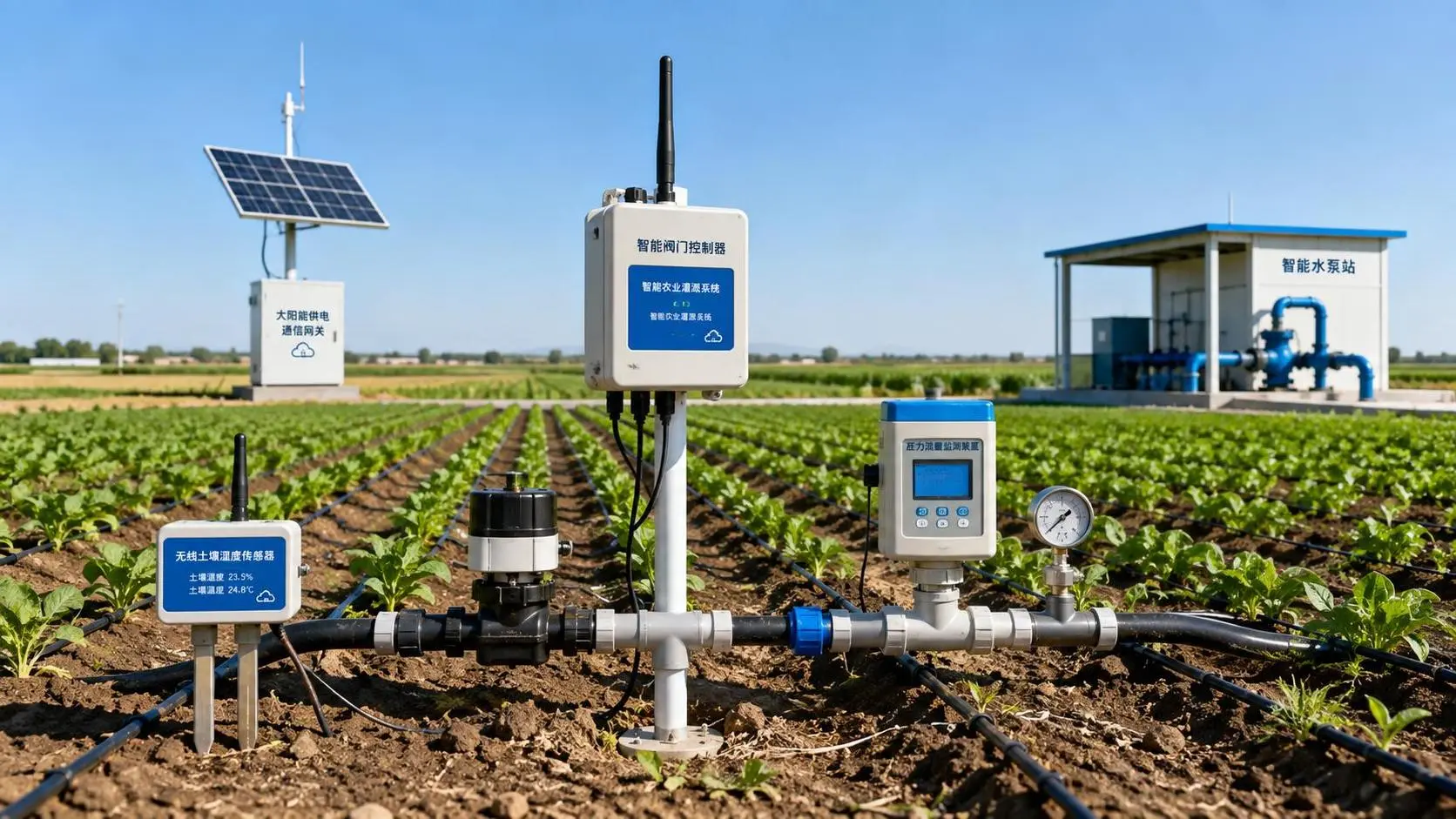
Wireless Agricultural Automation for Remote Irrigation and Field Monitoring
Agricultural automation wireless solutions improve remote irrigation with reliable field data, local control, flow verification, and smarter monitoring. Explore resilient deployment strategies.
Agricultural Product Information Market Guide: Key Data for Sourcing Decisions
Agricultural product information market guide for smarter sourcing—compare machinery, irrigation, precision tools, lifecycle costs, and supplier risk.
Large-Scale Farm Equipment Cost Comparison: Price, Fuel, and Lifecycle Value
Large-scale farm equipment cost comparison: evaluate price, fuel, maintenance, downtime, and lifecycle value to choose tractors, combines, irrigation, and smart tools with confidence.
A Procurement Specification Preparation Example for Buying Farm Equipment
Procurement specification preparation example for farm equipment: learn to define requirements, compare suppliers, control lifecycle costs, and buy with confidence.
What Tractor Horsepower Is Needed for a Three-Bottom Moldboard Plow?
What tractor horsepower is needed for three-bottom moldboard plow? Compare 60–100 hp needs by soil, depth, traction, and plow width for a confident equipment match.
Related News
- 00
0000-00
Precision Farming Solutions with Drone Data for Field Mapping and Crop Decisions - 00
0000-00
Precision Farming Systems for Yield Mapping: Key Technologies and Field Applications - 00
0000-00
How to Validate Precision Farming Algorithm Accuracy Before Field Deployment - 00
0000-00
How to Evaluate Precision Fertilization Equipment for Latin America Farms - 00
0000-00
How Precision Agriculture Improves Water Management with Sensors, GPS, and VRT
Popular Tags
Tractor Power Architect
Weekly Insights
Stay ahead with our curated technology reports delivered every Monday.