
Nicaragua Sugar Quota Notice Highlights Green Channel for VRA Exporters
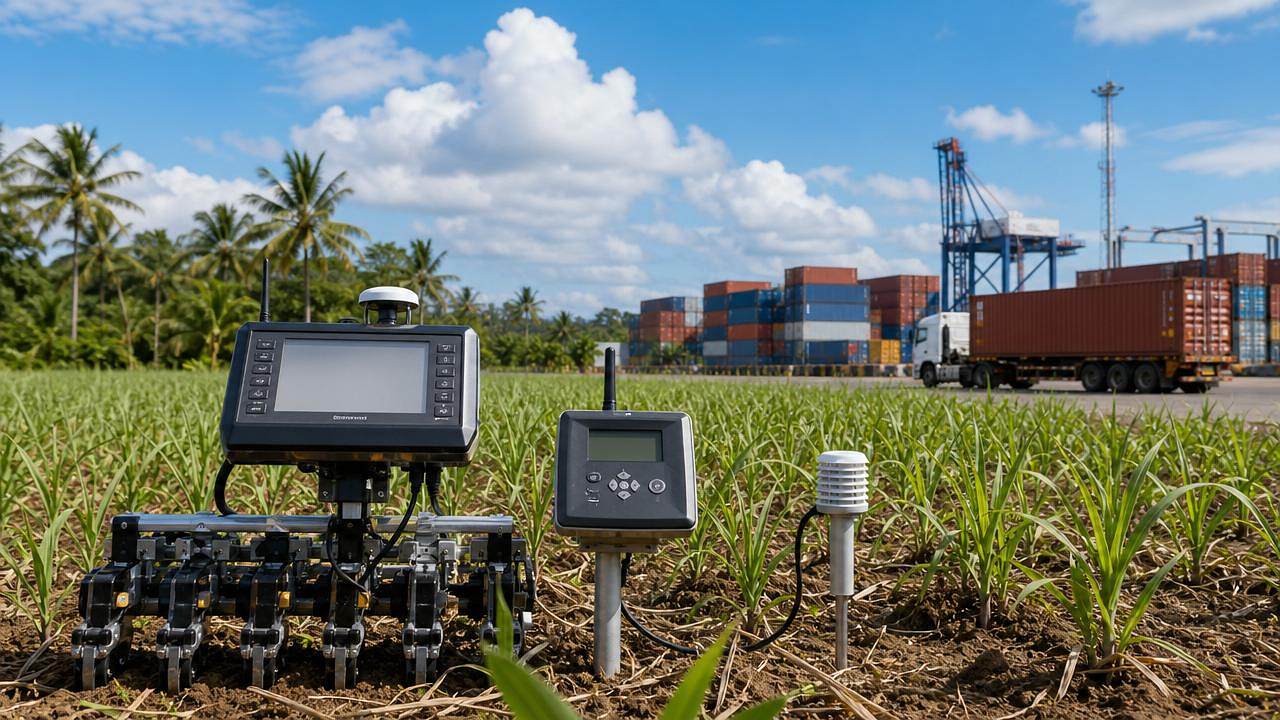




The timing of the underlying event is not specified in the source input, but the policy signal now drawing industry attention comes from a June 20 public notice by China’s Ministry of Commerce on the proposed allocation list for Nicaragua’s 2026 sugar import tariff quota. Of particular relevance to agricultural technology exporters, 12 Chinese companies were identified as smart agriculture support service providers, a status tied to zero quota restrictions for eligible VRA equipment and an inspection-free customs green channel in Nicaragua. For exporters, supply chain teams, and buyers of precision agriculture equipment, the development is worth watching because it links a sugar trade allocation notice with practical market access conditions for specific agri-tech hardware.
What the notice confirms
According to the provided information, the Ministry of Commerce published on June 20 a proposed list of companies for the 2026 Nicaragua sugar import tariff quota. Within that list, 12 Chinese agricultural technology export companies were classified as smart agriculture support service providers.
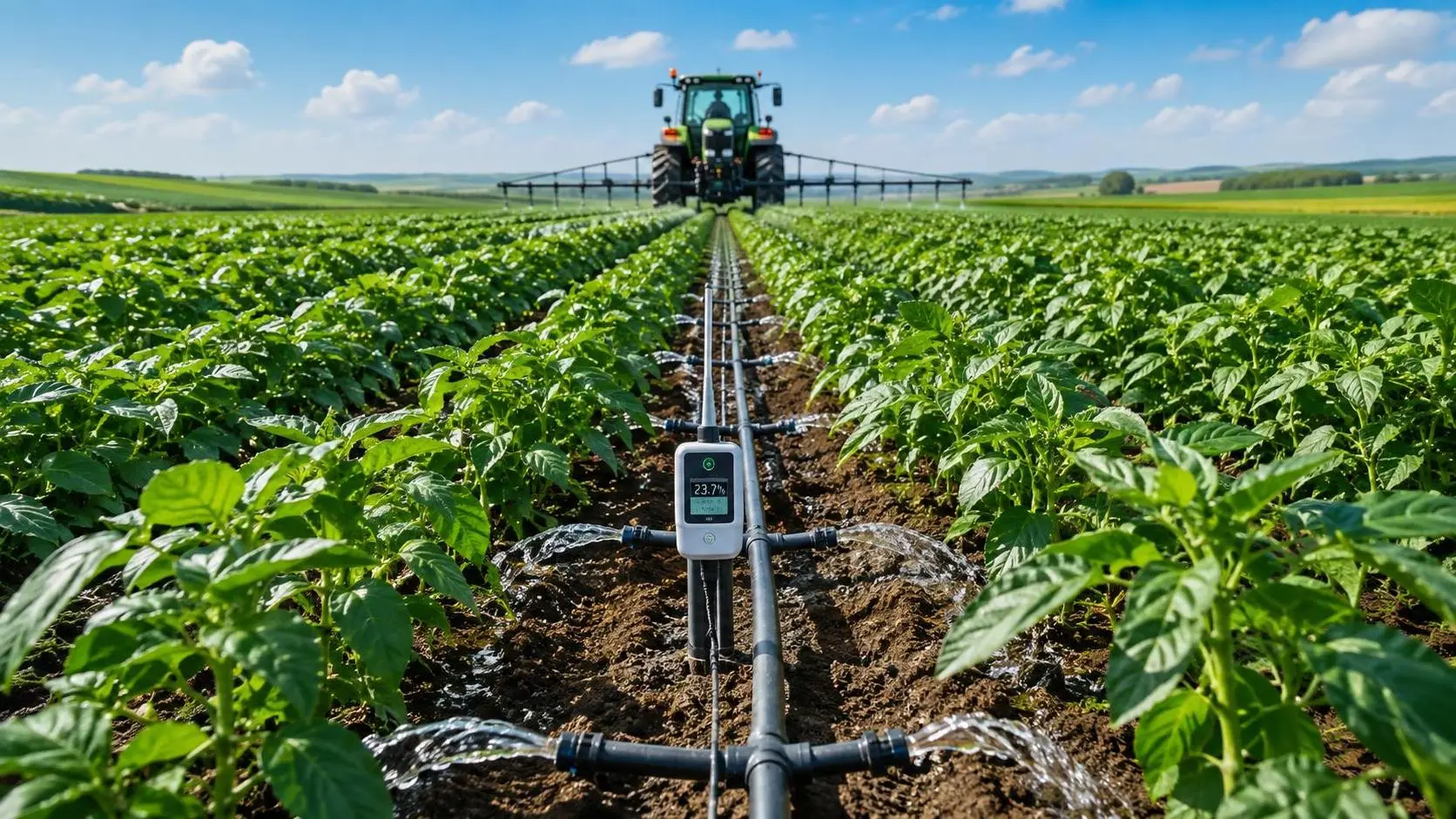
The confirmed benefit attached to that classification is that VRA (Variable Rate Application) equipment covered by the arrangement can receive zero quota restrictions from Nicaragua’s Ministry of Agriculture, along with an inspection-free customs green channel. The applicable equipment includes variable-rate fertilizing and seeding terminals linked to GPS Guidance Systems and Soil Moisture Sensors.
Why this matters across the supply chain
For agri-tech exporters, market access may become more execution-focused
Analysis shows the immediate relevance is strongest for companies already exporting, or preparing to export, precision agriculture equipment tied to variable-rate application. The potential impact is not only commercial but also operational, because quota treatment and customs handling can affect shipment planning, delivery certainty, and customer onboarding in the destination market.
What deserves closer attention is whether a company’s product scope, documentation, and commercial positioning clearly match the smart agriculture support and VRA-related categories referenced in the notice.
For supply chain and customs service providers, documentation discipline becomes more important
From an industry perspective, logistics partners, customs brokers, and trade compliance teams may be affected where shipments involve equipment presented as eligible for the green channel. The practical issue is likely to center on how product descriptions, technical specifications, and supporting documents are prepared and aligned with the stated policy treatment.
The key operational concern is not simply faster clearance in principle, but whether each shipment can demonstrate that the equipment falls within the applicable category described in the available information.
For buyers and channel partners, equipment eligibility may shape procurement timing
Observably, importers, distributors, and end users considering variable-rate fertilizing or seeding terminals may view this as a signal that certain equipment categories could move with fewer border frictions. That can matter in procurement scheduling, supplier selection, and installation planning.
At the same time, buyers still need to distinguish between a favorable policy signal and confirmed execution conditions for specific transactions, models, and supplier qualifications.
What companies should monitor now
Watch for follow-up wording and implementation detail
Analysis shows the current information is meaningful, but still limited. Companies should closely monitor whether subsequent official wording further clarifies eligible equipment, applicable procedures, or any boundaries around the smart agriculture support service provider classification.
Check product mapping against the stated equipment scope
Businesses dealing in precision agriculture hardware should review whether their products genuinely align with the equipment scope described in the input, especially variable-rate fertilizing and seeding terminals linked with GPS Guidance Systems and Soil Moisture Sensors. This is a practical distinction that may affect customer communication and shipment preparation.
Prepare trade and technical documents carefully
What deserves closer attention is the difference between policy language and customs execution. Companies may need to ensure that technical descriptions, commercial invoices, packing documents, and supporting product materials are internally consistent if they expect to benefit from the stated facilitation measures.
Align customer communication with verified facts
For sales and account teams, a cautious communication approach is advisable. The confirmed facts support discussion of a favorable treatment framework, but not blanket claims covering all products, all shipments, or all future transactions. Keeping communications tied to verified scope can reduce execution risk later.
How this signal should be read at this stage
Observably, this development should not be read only as a sugar quota notice in the narrow trade sense. It also points to a policy interface between agricultural commodity arrangements and supporting smart agriculture equipment access. That is the broader industry takeaway.
At the same time, it is more appropriate to understand this as a targeted policy signal rather than a fully settled market outcome. The information provided confirms classification and stated facilitation treatment, but it does not by itself answer every implementation question that exporters, buyers, and logistics providers may face in actual transactions.
A measured takeaway for the industry
From an industry perspective, the clearest significance of this update is that eligible VRA-related equipment has been placed closer to facilitated market entry conditions in Nicaragua through a recognized service-provider framework. For the companies involved, that can matter in sales execution, customs handling, and client confidence.
Still, the most reasonable interpretation for now is that this is a meaningful operational signal that warrants close follow-up, rather than a basis for broad assumptions. Businesses connected to precision agriculture exports should treat it as actionable for review and preparation, while continuing to verify how the framework is implemented in practice.
Basis of this article and what still needs verification
This article is based on the user-provided news title, event timing note, and event summary. The specific official source link was not provided in the input, so continued verification remains necessary.
For this type of development, commonly relevant source categories include official government notices, company disclosures, industry association updates, authoritative media reports, and technical or standards-related documents where applicable. The next points to monitor are any follow-up official clarification on eligible equipment scope, implementation procedures, and how the stated facilitation is applied in real trade operations.
Related News
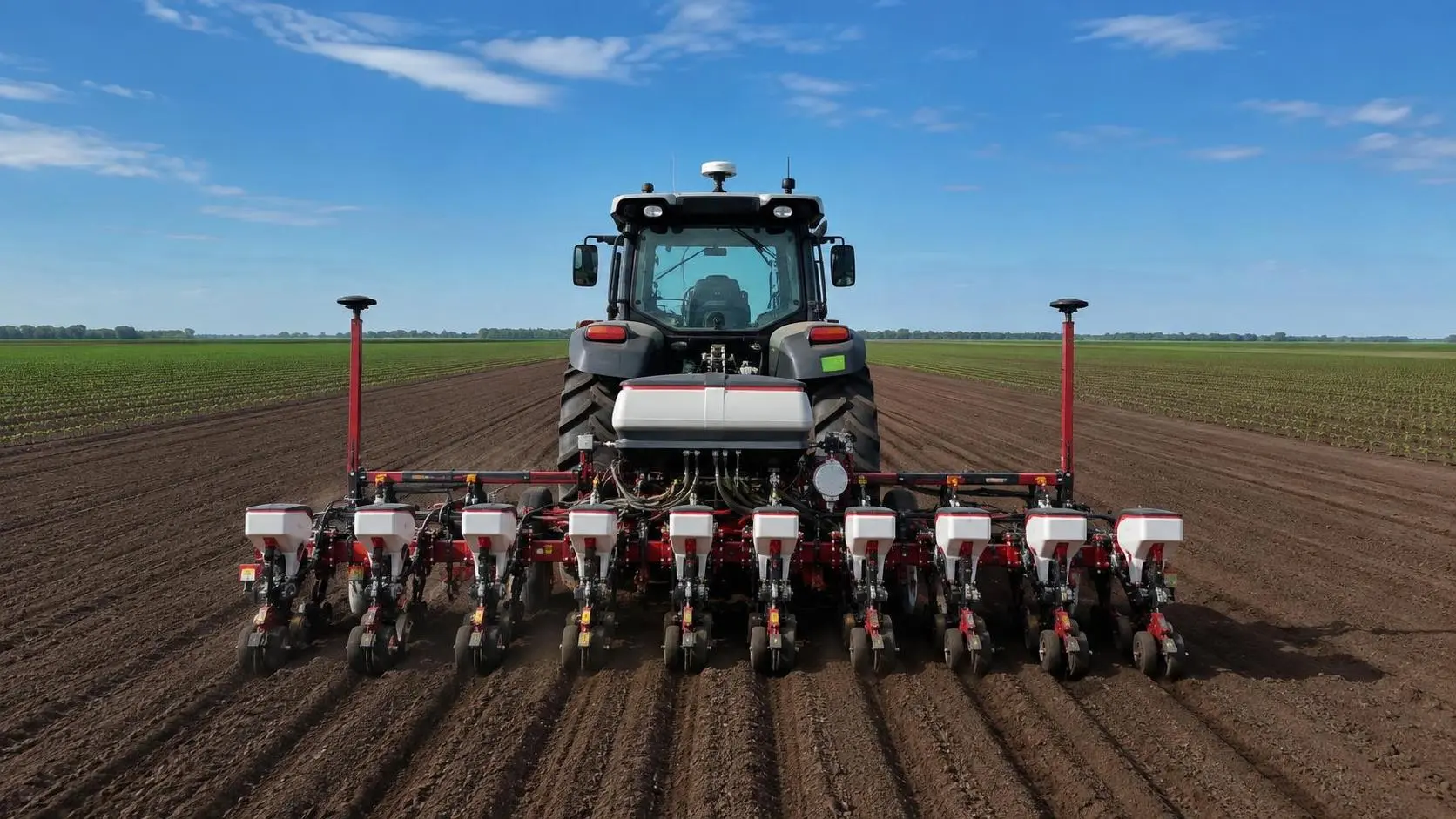
How Tractor Intelligence Systems Improve Field Efficiency and Input Accuracy
Agricultural machinery intelligence for tractors improves field efficiency, input accuracy, data traceability, and implement control. Explore smarter evaluation strategies.
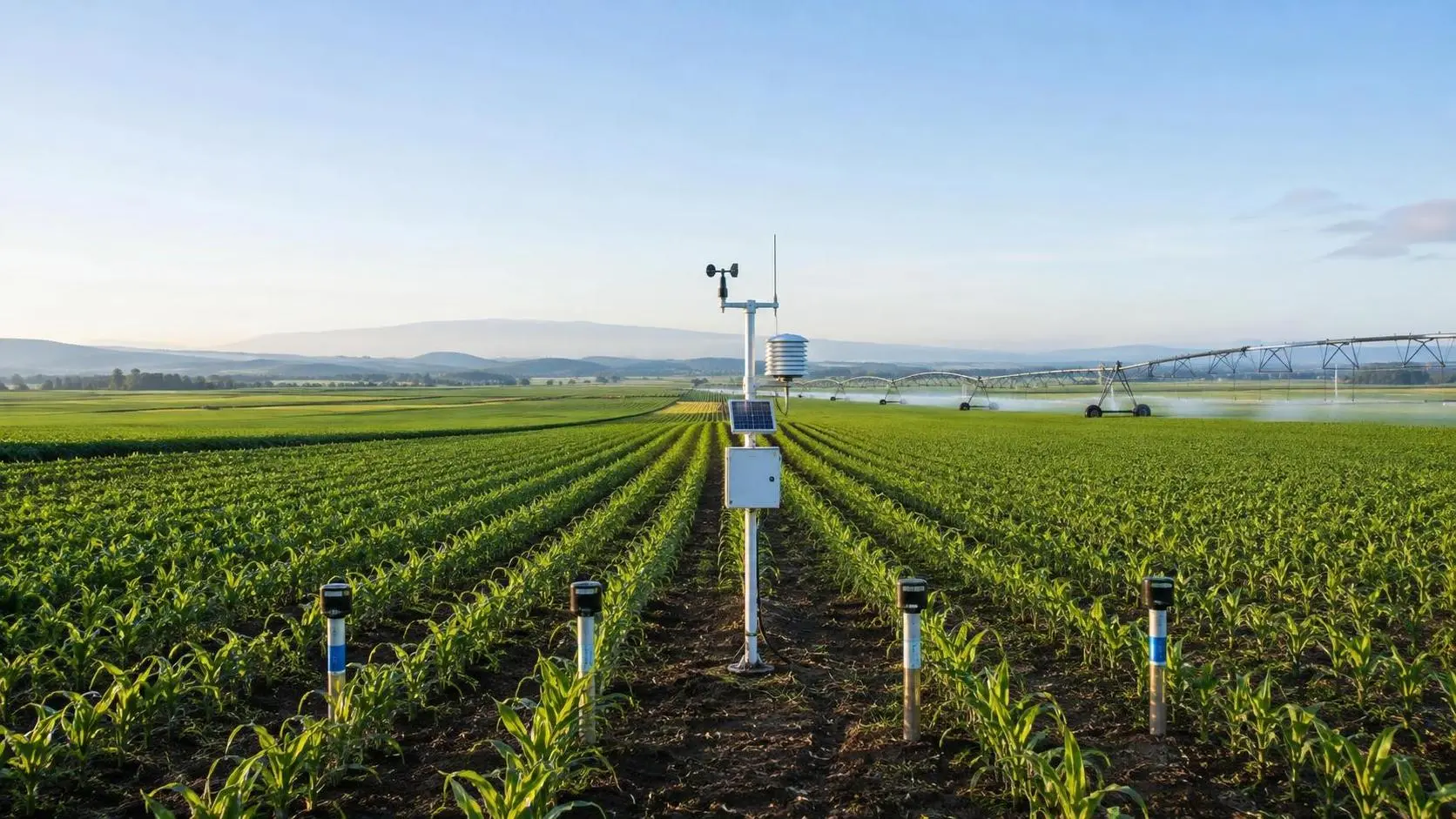
How to Evaluate Crop Monitoring System Manufacturers for Large-Scale Farms
Compare crop monitoring systems manufacturers for large-scale farms. Evaluate data quality, integration, durability, lifecycle costs, support, and pilots for smarter decisions.
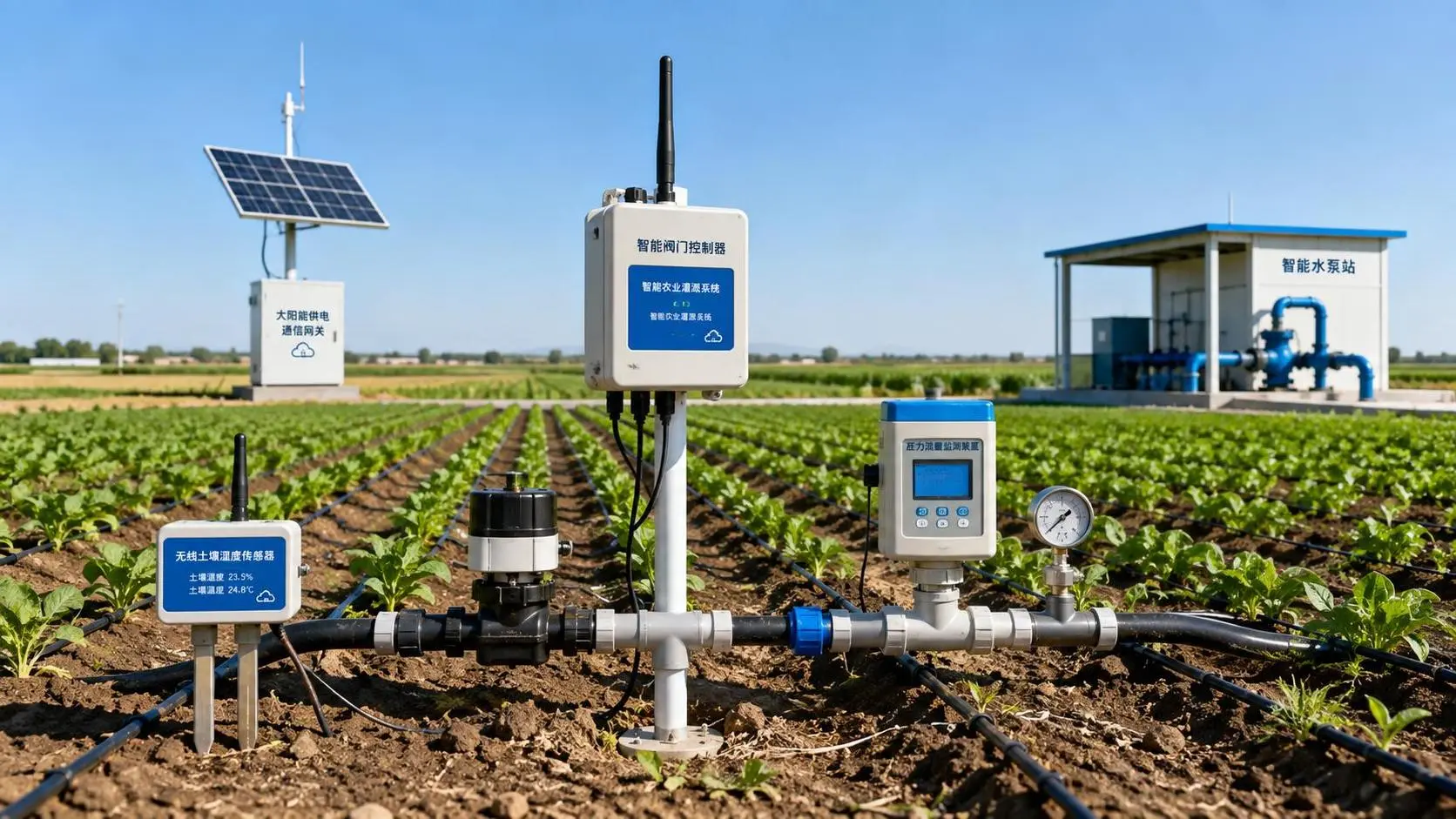
Wireless Agricultural Automation for Remote Irrigation and Field Monitoring
Agricultural automation wireless solutions improve remote irrigation with reliable field data, local control, flow verification, and smarter monitoring. Explore resilient deployment strategies.
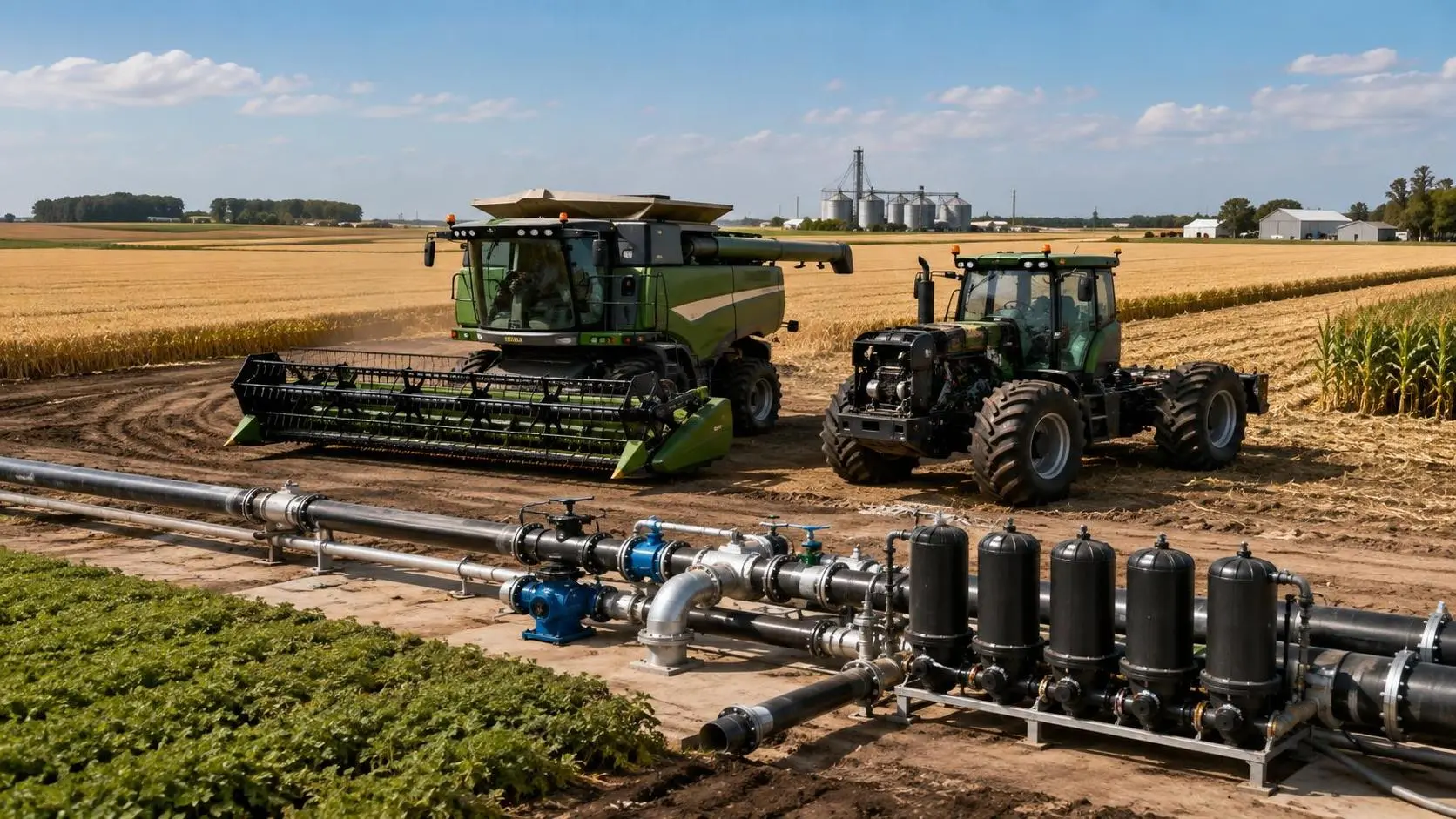
Agricultural Product Information Market Guide: Key Data for Sourcing Decisions
Agricultural product information market guide for smarter sourcing—compare machinery, irrigation, precision tools, lifecycle costs, and supplier risk.
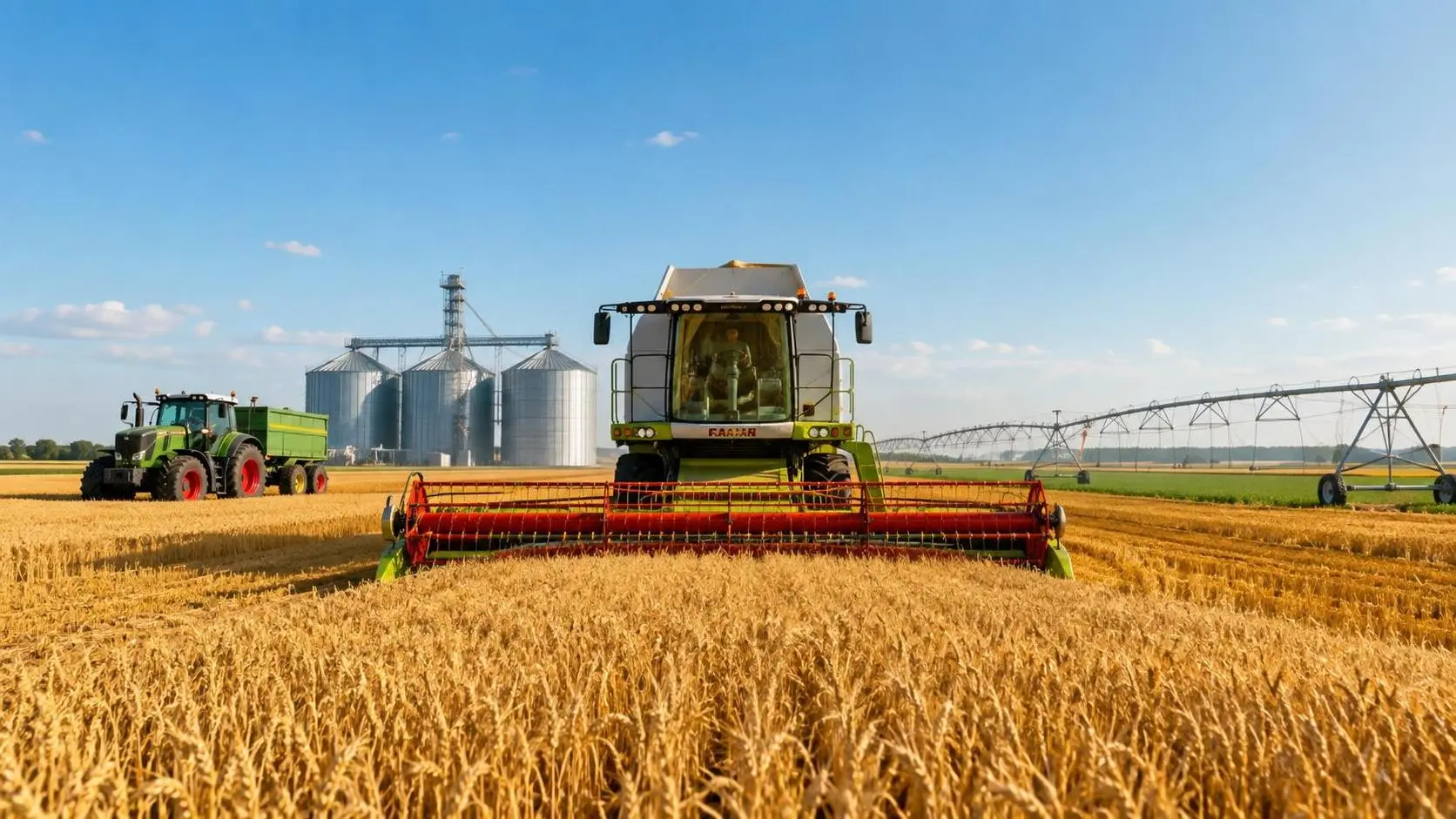
Large-Scale Farm Equipment Cost Comparison: Price, Fuel, and Lifecycle Value
Large-scale farm equipment cost comparison: evaluate price, fuel, maintenance, downtime, and lifecycle value to choose tractors, combines, irrigation, and smart tools with confidence.

A Procurement Specification Preparation Example for Buying Farm Equipment
Procurement specification preparation example for farm equipment: learn to define requirements, compare suppliers, control lifecycle costs, and buy with confidence.
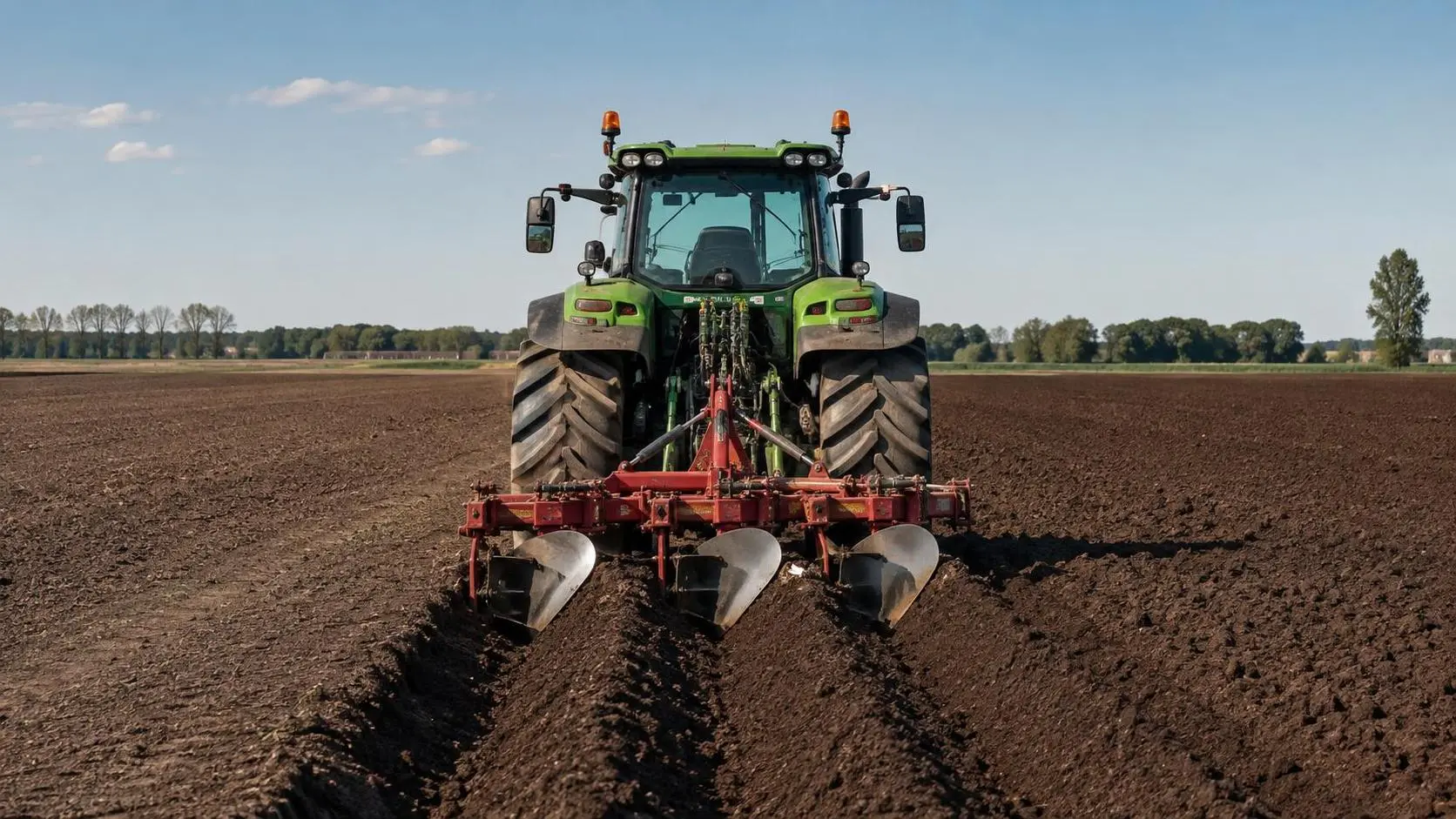
What Tractor Horsepower Is Needed for a Three-Bottom Moldboard Plow?
What tractor horsepower is needed for three-bottom moldboard plow? Compare 60–100 hp needs by soil, depth, traction, and plow width for a confident equipment match.
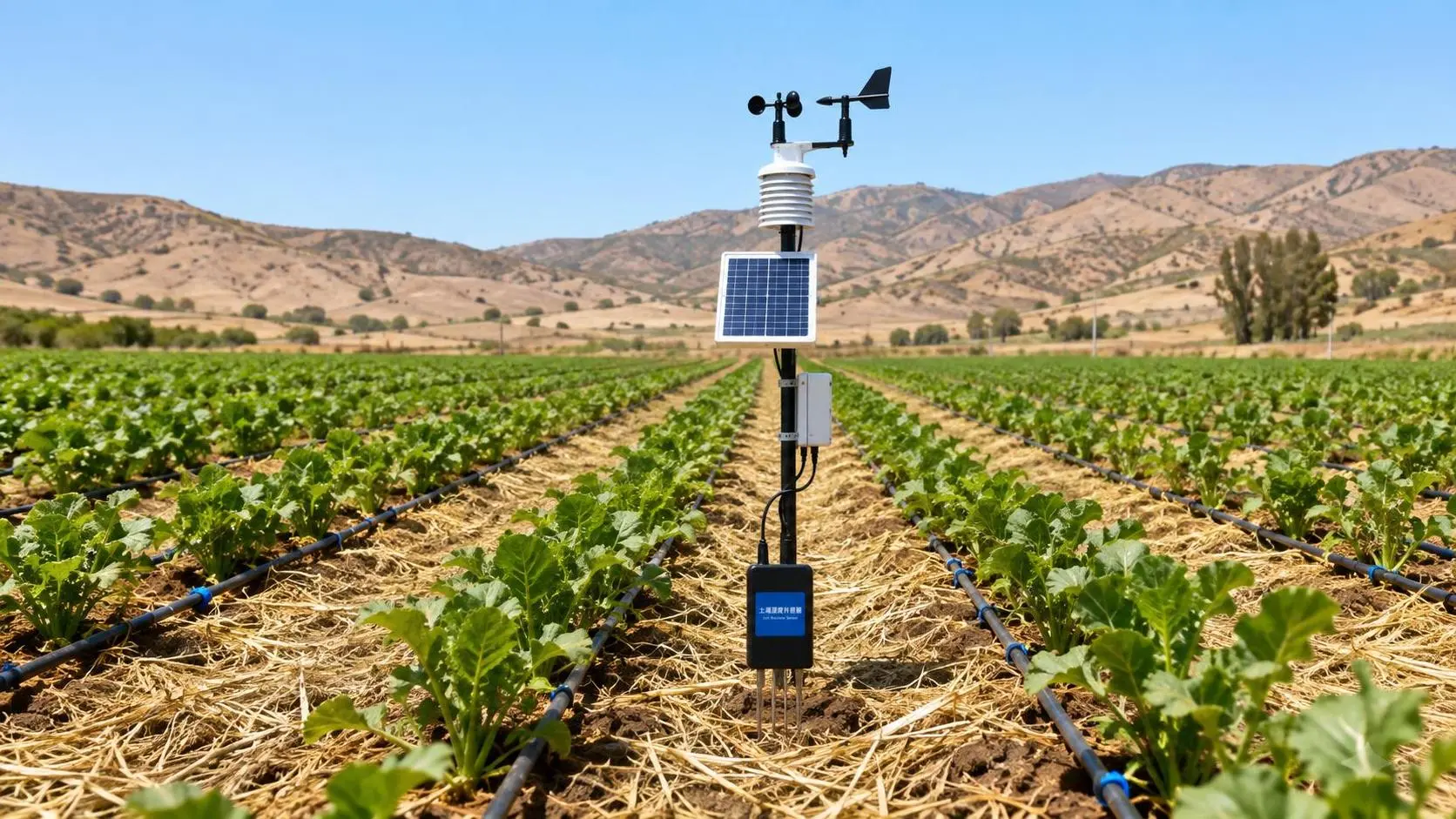
How Does Climate-Smart Farming Reduce Water Use in Semi-Arid Areas?
How does climate-smart farming reduce water use in semi-arid zones? Discover precision irrigation, soil monitoring, and smarter crop planning for resilient yields.
Can Sustainable Farming Be Profitable Without Reducing Yields?
Are sustainable farming practices profitable without yield loss? Discover precision strategies that cut waste, protect yields, and improve farm margins.
Related News
- 00
0000-00
Precision Farming Solutions with Drone Data for Field Mapping and Crop Decisions - 00
0000-00
Precision Farming Systems for Yield Mapping: Key Technologies and Field Applications - 00
0000-00
How to Validate Precision Farming Algorithm Accuracy Before Field Deployment - 00
0000-00
How to Evaluate Precision Fertilization Equipment for Latin America Farms - 00
0000-00
How Precision Agriculture Improves Water Management with Sensors, GPS, and VRT
Popular Tags
Tractor Power Architect
Weekly Insights
Stay ahead with our curated technology reports delivered every Monday.