
Egypt Fertilizer Deal Signals New Demand for Smart Application Systems
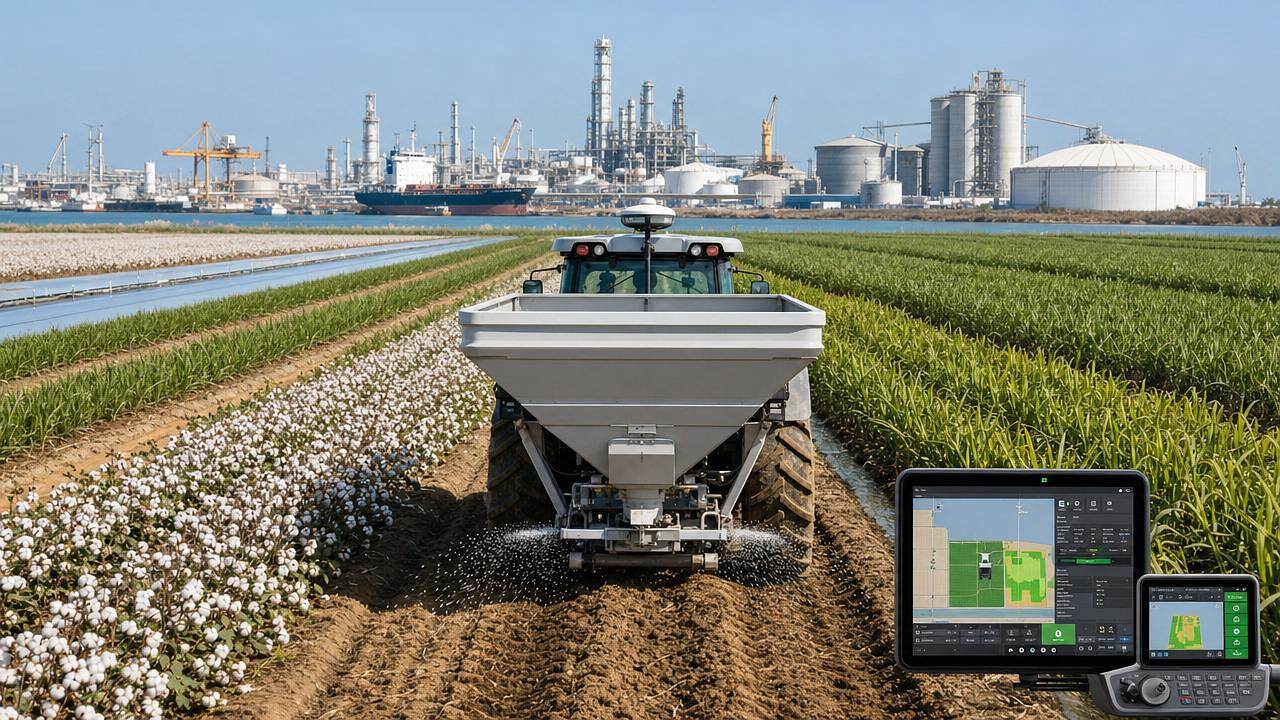




On May 28, 2026, a fertilizer production and smart agricultural service agreement worth USD 740 million was signed in Egypt’s Suez Canal Economic Zone, with an explicit requirement to build a precision fertilization management platform based on GPS Guidance Systems and Variable Rate Tech. For manufacturers, exporters, procurement teams, and delivery service providers linked to smart fertilization equipment, this matters less as a routine project update and more as a concrete implementation signal: technical requirements are being written directly into project construction, which may affect product specifications, compliance review, documentation readiness, and export delivery planning.
What the signed agreement clearly establishes
The confirmed facts are limited but commercially meaningful. The agreement was signed on May 28, 2026, in the Suez Canal Economic Zone in Egypt, with a total value of USD 740 million and a focus on fertilizer production together with smart agricultural services. The project specifically requires a precision fertilization management platform built around GPS Guidance Systems and Variable Rate Tech. Based on the event summary, this is expected to accelerate digital upgrading across 2 million hectares of cotton and sugarcane fields and create an initial large-scale deployment scenario for China-made variable-rate fertilizer controllers, BeiDou-compatible operation terminals, and integrated hydraulic control systems.
Why the requirement matters across the supply chain
Specification-driven opportunities for equipment exporters
From an industry perspective, exporters of variable-rate fertilizer controllers, BeiDou-compatible terminals, and integrated hydraulic control systems may be affected first because the agreement does not describe digital farming in general terms; it names the technical direction of the supporting platform. That means the commercial opportunity is likely to depend on whether exported products can align with precision application workflows, guidance functions, control interfaces, and project-side technical documentation. What deserves closer attention is not only shipment capacity, but also whether product files, operating descriptions, and system-level compatibility materials are ready for buyer review and tender-stage comparison.
New coordination pressure for procurement and project delivery
For procurement teams and supply chain service providers, the stated platform requirement may shift purchasing from single-device sourcing toward coordinated delivery of control hardware, terminals, and hydraulic integration components. Analysis shows that this can affect supplier qualification checks, delivery sequencing, spare-parts planning, and acceptance preparation. Even without confirmed implementation details, companies involved in fulfillment should pay attention to whether future procurement documents place more weight on bundled technical capability, installation support, and traceable configuration records rather than price alone.
Compliance work may move closer to pre-delivery stages
For compliance-related firms, testing service providers, and after-sales operators, the direct mention of GPS Guidance Systems and Variable Rate Tech suggests that technical conformity may become a practical gate in project execution. Observably, this does not yet confirm a new certification rule, but it does indicate that equipment performance claims, control logic descriptions, interface consistency, and operating documentation may face closer scrutiny before shipment, during installation, or at acceptance. In that context, documentation completeness and service responsiveness can become as relevant as hardware supply itself.
What companies should watch next
Prepare technical files around the stated application scenario
Analysis shows that companies targeting this demand should prioritize document readiness tied to precision fertilization functions already named in the agreement. That includes product specifications, control architecture descriptions, operation manuals, interface explanations, and any available test or inspection materials that help explain how equipment supports guided operation and variable-rate application. The current priority is not to assume a final rulebook exists, but to reduce friction if technical review becomes more formal in later procurement stages.
Track how future procurement language defines compatibility
What deserves closer attention is whether subsequent procurement notices, technical appendices, or implementation documents define compatibility in a narrow or broad way. For example, companies should watch how guidance systems, variable-rate functions, terminal connectivity, and hydraulic integration are described in future bidding or purchasing materials. Since the input does not provide those details, it is more appropriate to treat this as a monitoring point rather than a confirmed requirement set.
Review delivery, service, and traceability arrangements
For exporters and delivery teams, the likely move toward field-scale deployment means post-shipment execution may matter more than ordinary equipment sales. Observably, companies should review whether they can support installation coordination, fault response, parts replacement, software or terminal configuration checks, and quality traceability records. The event summary supports attention to these issues because the opportunity described is a first large-scale deployment scenario, which often places pressure on delivery consistency and service follow-through even when formal rules are still evolving.
Do not separate trade preparation from compliance preparation
From an industry perspective, firms should avoid treating export paperwork and technical compliance as separate tracks. If future tenders or purchase documents tie commercial eligibility to technical alignment, then quotations, packing plans, technical submittals, and after-sales commitments may need to be prepared in a coordinated way. The current information does not confirm a new trade rule or a mandatory certification path, but it does support early preparation for tighter alignment between transaction documents and technical proof.
How this signal is best understood at this stage
Analysis shows that this development is best read as an execution signal rather than a fully defined regulatory regime. The significance lies in the fact that precision fertilization requirements tied to GPS Guidance Systems and Variable Rate Tech are being embedded in a sizable fertilizer and smart agriculture project, creating a more concrete demand framework for related equipment. At the same time, the market still needs to observe how this requirement is translated into procurement language, technical acceptance standards, compatibility expectations, and service obligations. In other words, the direction is clearer than the rule detail.
A practical reading for exporters and suppliers
At this point, it is more appropriate to understand the event as an early large-scale implementation cue with trade and compliance implications, not as proof that all execution standards are already fixed. For companies connected to smart fertilization systems, the near-term value of this development lies in preparing for specification alignment, documentation review, coordinated delivery, and possible changes in buyer-side qualification expectations. The commercial opening appears real, but the exact rules of entry and execution still require continued observation.
Basis of this article and what still needs verification
This article is generated from the user-provided news title, event date, and event summary. For developments of this type, relevant source categories usually include official announcements, releases by regulatory or trade-related authorities, customs or commerce information, industry association updates, standards documentation, and reporting by established media outlets. No specific official source link was provided in the input, so the underlying official documentation and subsequent implementation materials still need to be verified on an ongoing basis. What remains important to monitor includes any later policy detail, compliance interpretation, tender document changes, technical specification wording, industry feedback, and actual execution by participating companies.
Related News
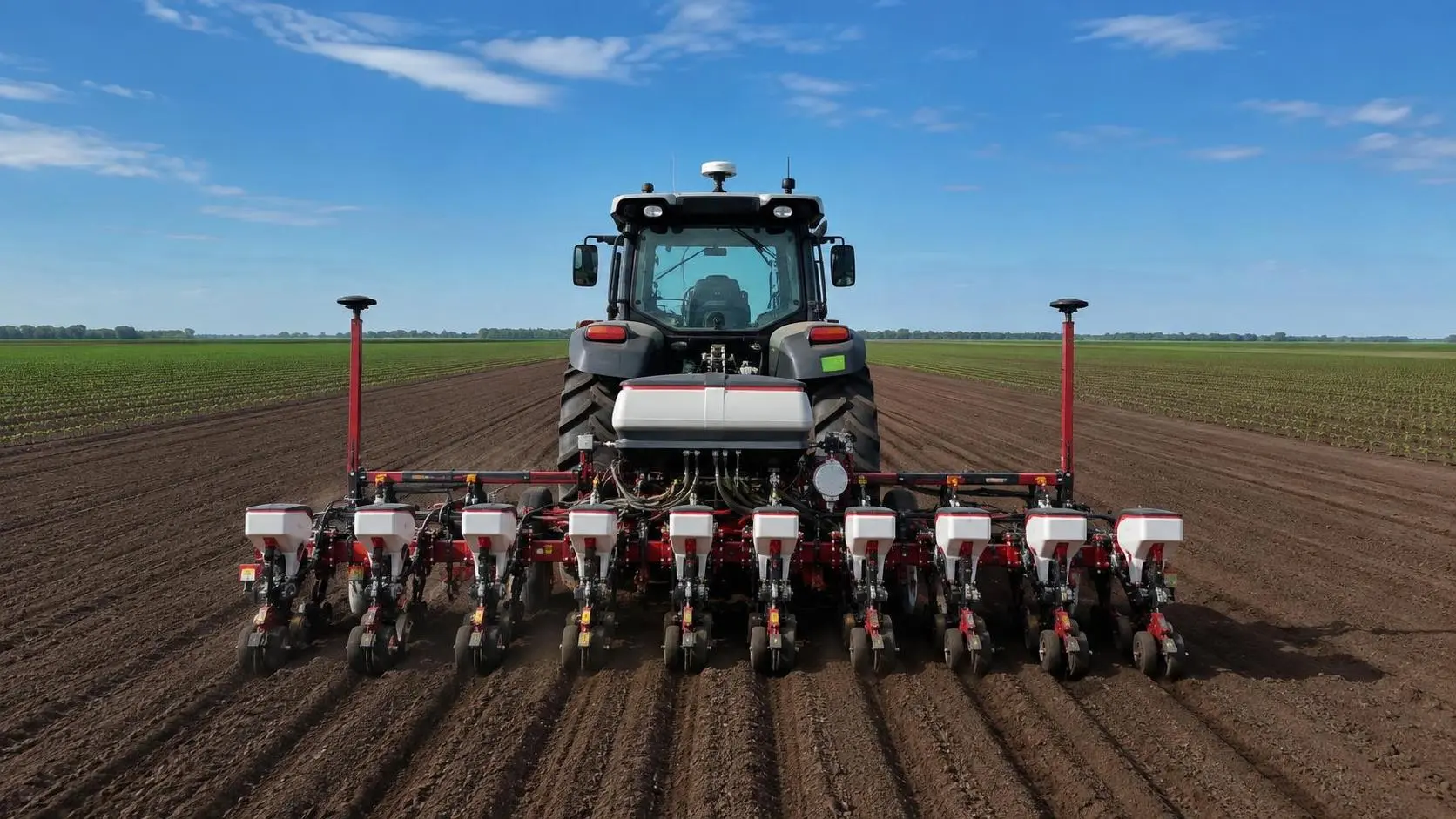
How Tractor Intelligence Systems Improve Field Efficiency and Input Accuracy
Agricultural machinery intelligence for tractors improves field efficiency, input accuracy, data traceability, and implement control. Explore smarter evaluation strategies.
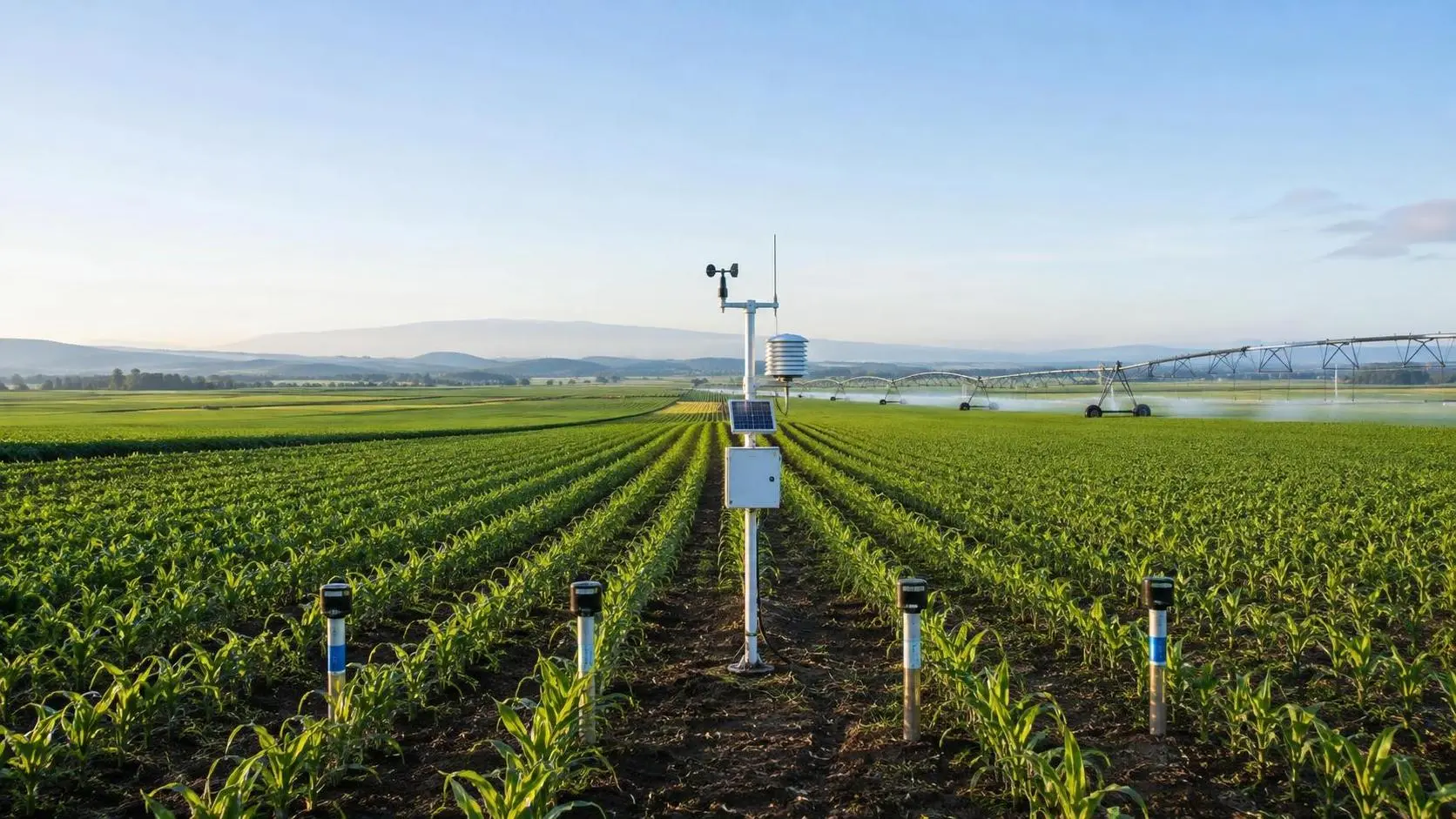
How to Evaluate Crop Monitoring System Manufacturers for Large-Scale Farms
Compare crop monitoring systems manufacturers for large-scale farms. Evaluate data quality, integration, durability, lifecycle costs, support, and pilots for smarter decisions.
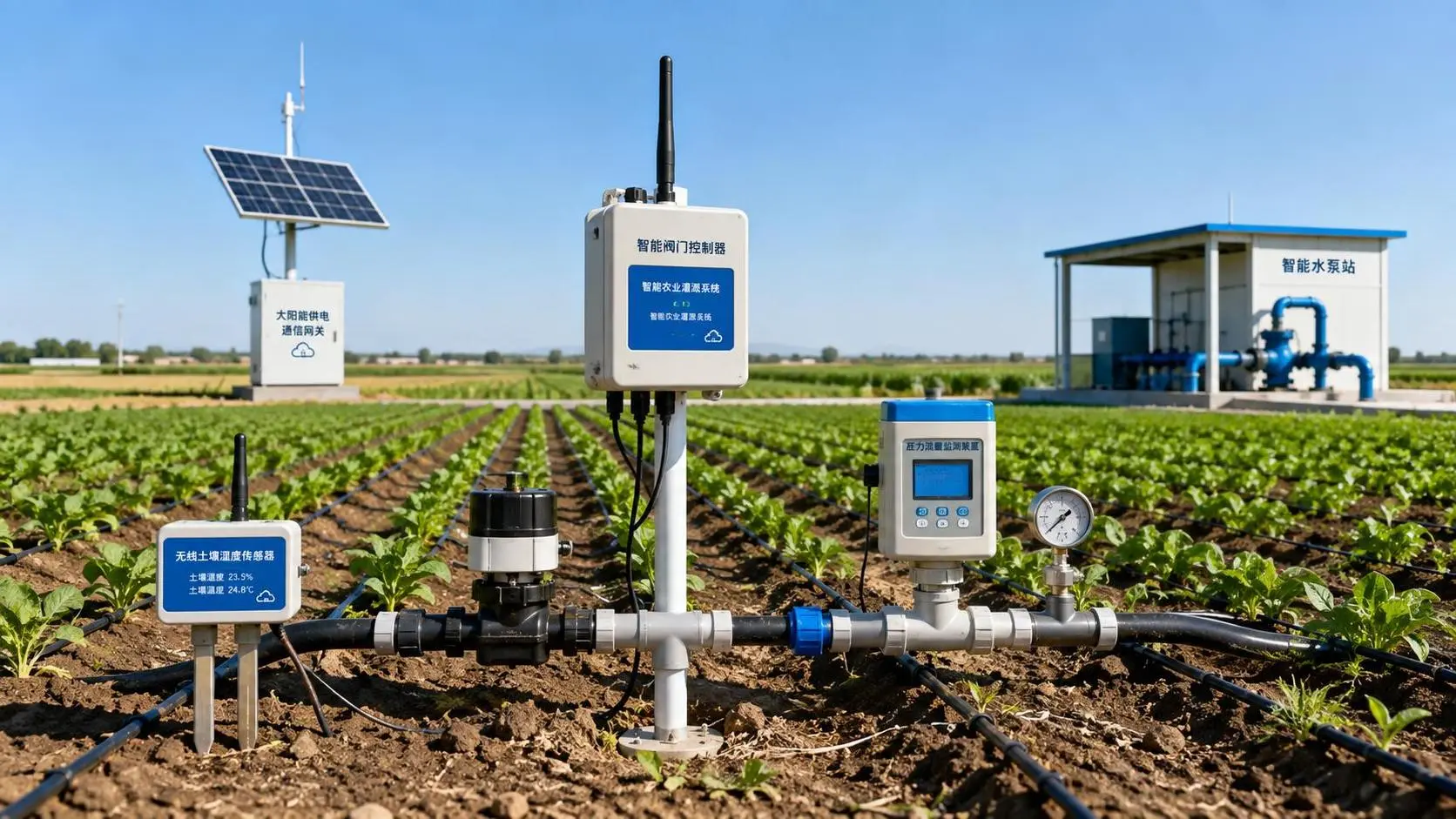
Wireless Agricultural Automation for Remote Irrigation and Field Monitoring
Agricultural automation wireless solutions improve remote irrigation with reliable field data, local control, flow verification, and smarter monitoring. Explore resilient deployment strategies.
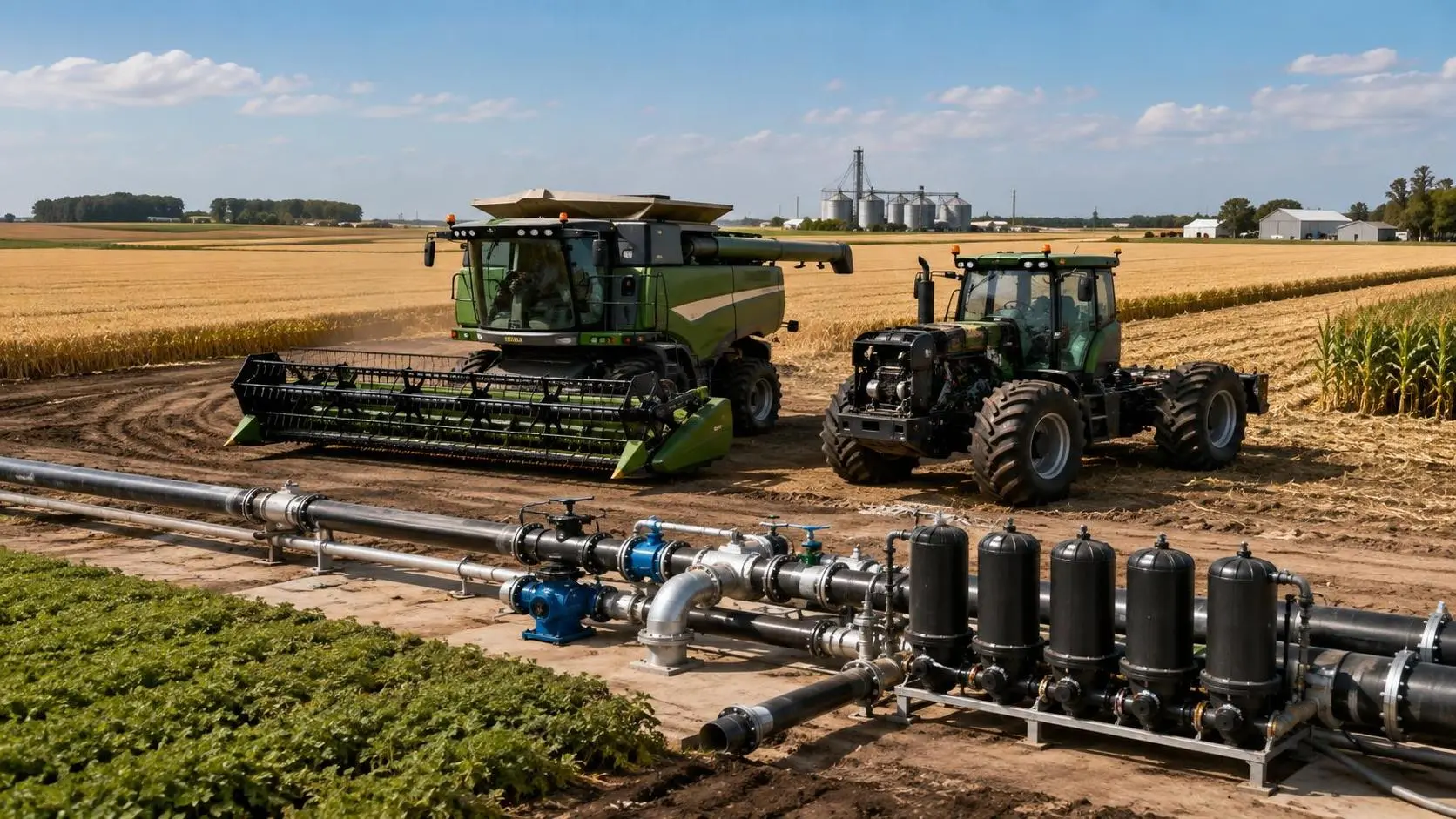
Agricultural Product Information Market Guide: Key Data for Sourcing Decisions
Agricultural product information market guide for smarter sourcing—compare machinery, irrigation, precision tools, lifecycle costs, and supplier risk.

Large-Scale Farm Equipment Cost Comparison: Price, Fuel, and Lifecycle Value
Large-scale farm equipment cost comparison: evaluate price, fuel, maintenance, downtime, and lifecycle value to choose tractors, combines, irrigation, and smart tools with confidence.

A Procurement Specification Preparation Example for Buying Farm Equipment
Procurement specification preparation example for farm equipment: learn to define requirements, compare suppliers, control lifecycle costs, and buy with confidence.
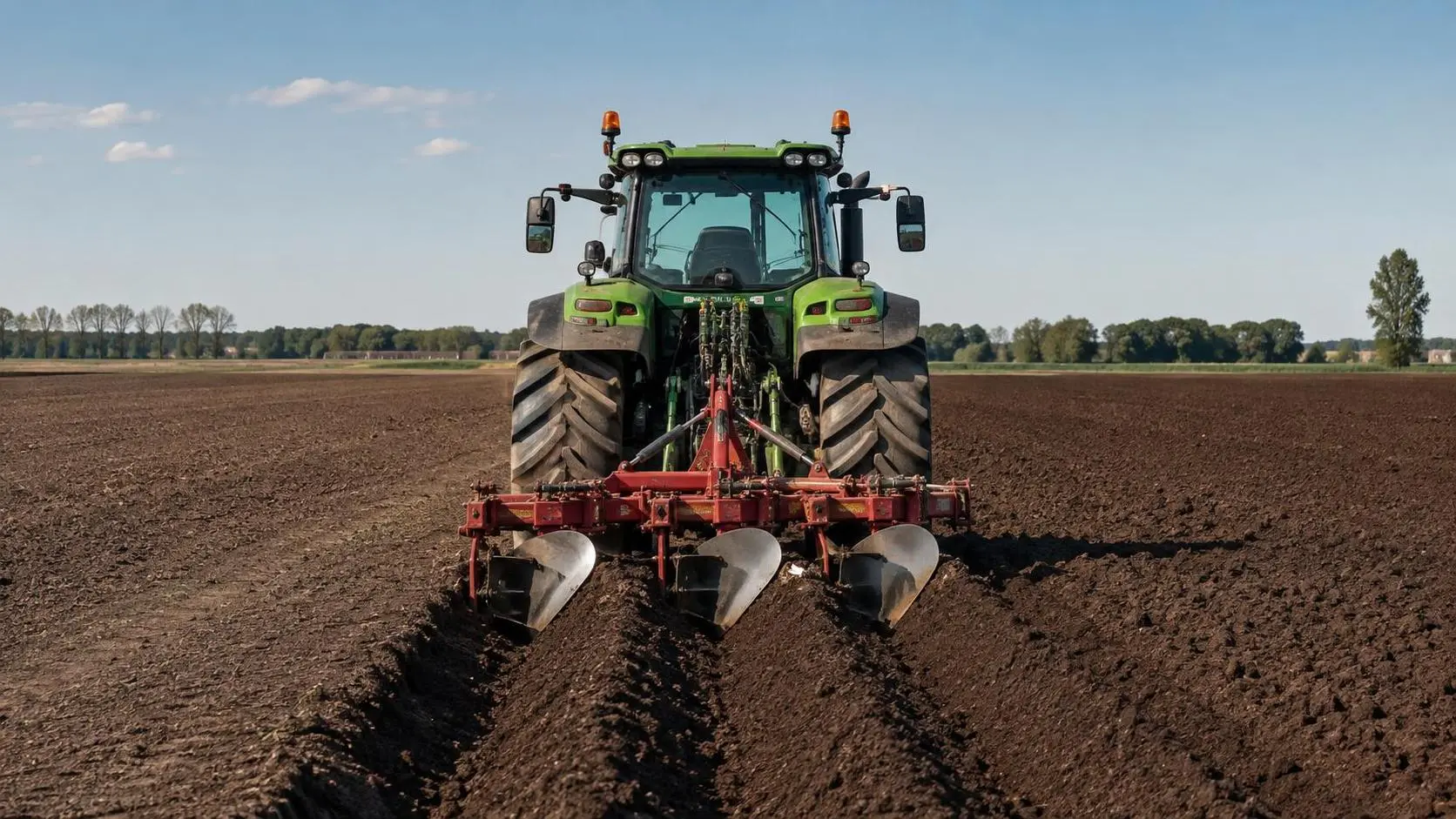
What Tractor Horsepower Is Needed for a Three-Bottom Moldboard Plow?
What tractor horsepower is needed for three-bottom moldboard plow? Compare 60–100 hp needs by soil, depth, traction, and plow width for a confident equipment match.
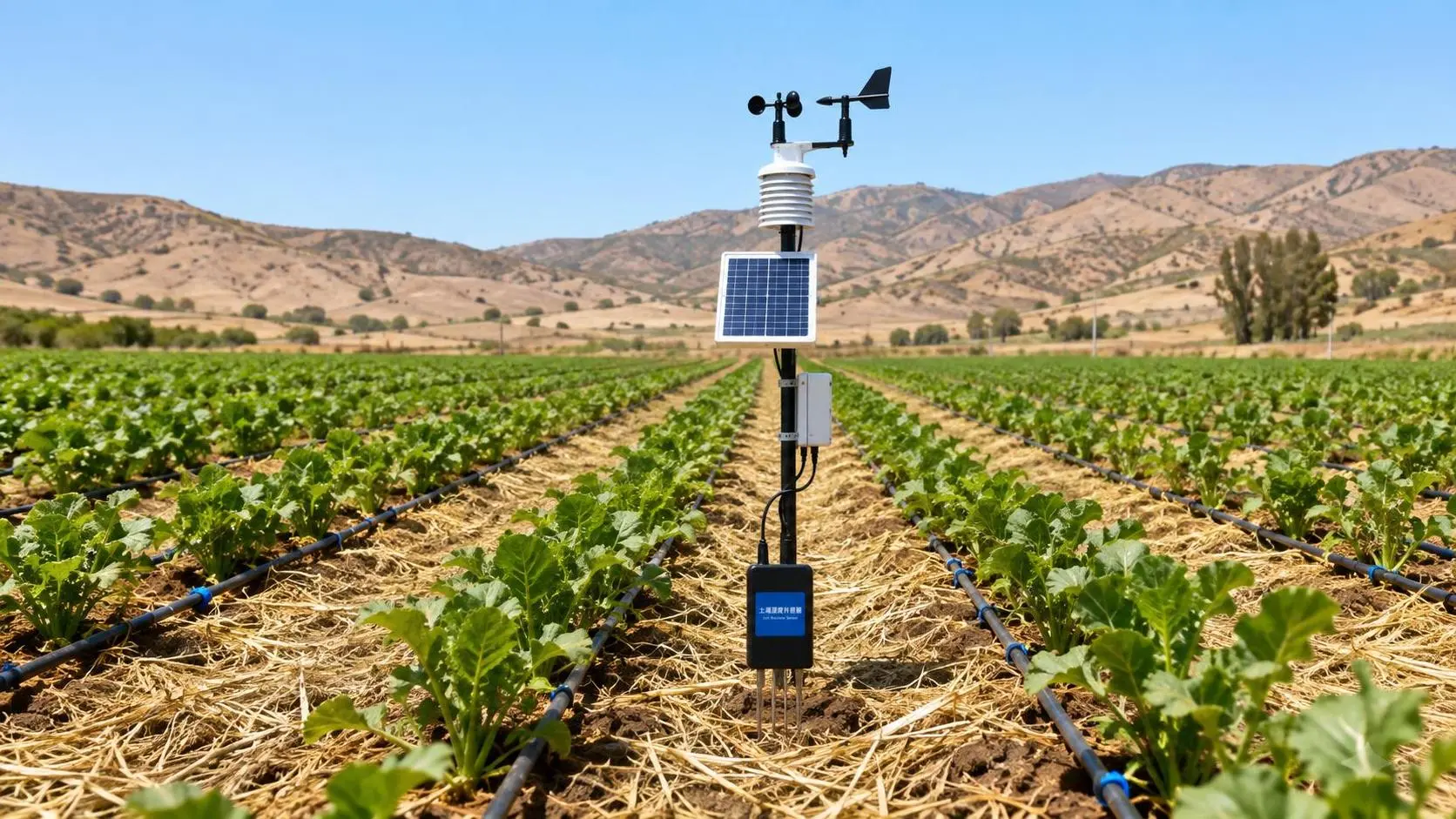
How Does Climate-Smart Farming Reduce Water Use in Semi-Arid Areas?
How does climate-smart farming reduce water use in semi-arid zones? Discover precision irrigation, soil monitoring, and smarter crop planning for resilient yields.
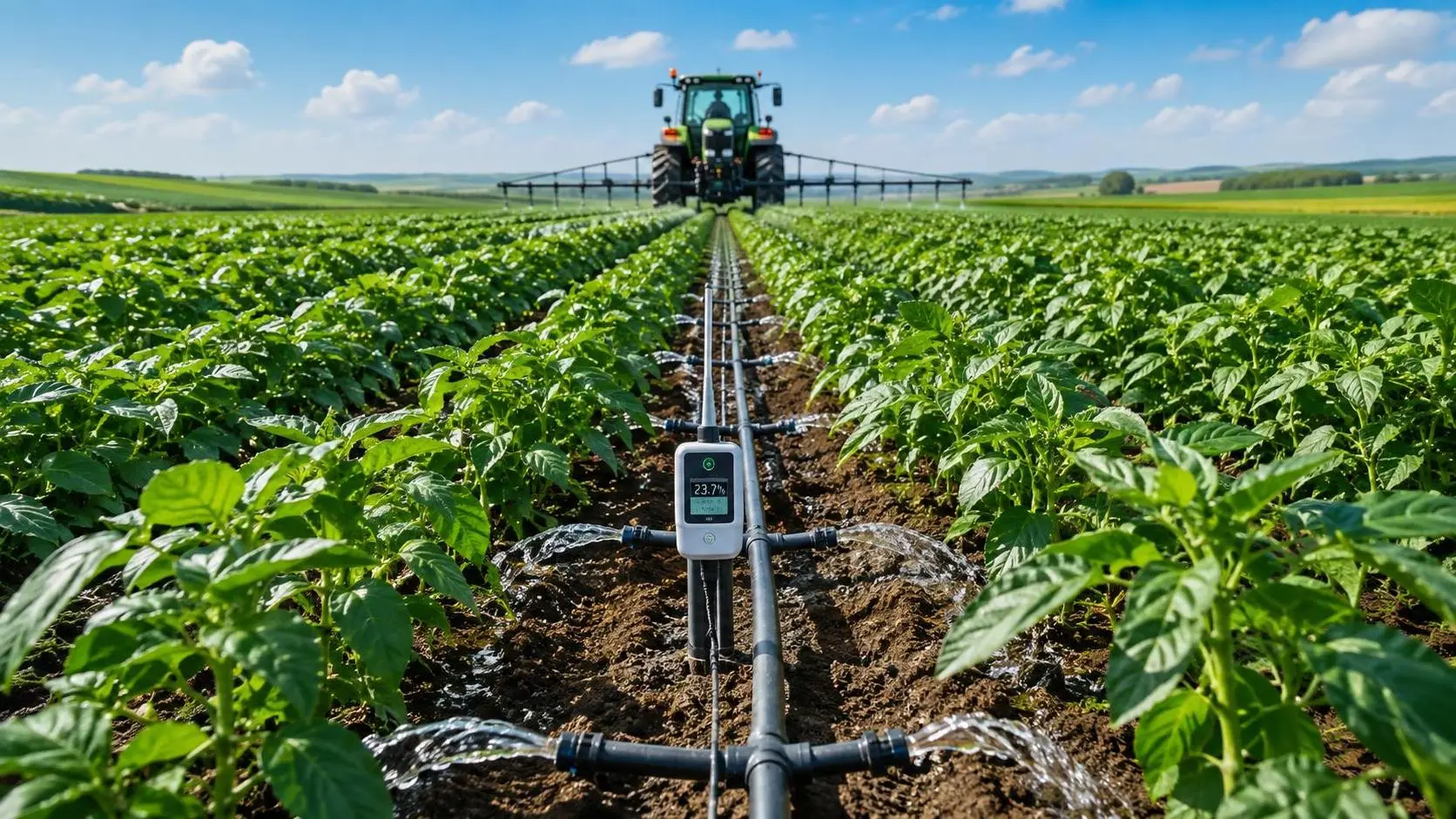
Can Sustainable Farming Be Profitable Without Reducing Yields?
Are sustainable farming practices profitable without yield loss? Discover precision strategies that cut waste, protect yields, and improve farm margins.
Related News
- 00
0000-00
Precision Farming Solutions with Drone Data for Field Mapping and Crop Decisions - 00
0000-00
Precision Farming Systems for Yield Mapping: Key Technologies and Field Applications - 00
0000-00
How to Validate Precision Farming Algorithm Accuracy Before Field Deployment - 00
0000-00
How to Evaluate Precision Fertilization Equipment for Latin America Farms - 00
0000-00
How Precision Agriculture Improves Water Management with Sensors, GPS, and VRT
Popular Tags
Tractor Power Architect
Weekly Insights
Stay ahead with our curated technology reports delivered every Monday.