
Precision Agriculture Tools Buying Guide: Key Features, Compatibility, and Data Accuracy
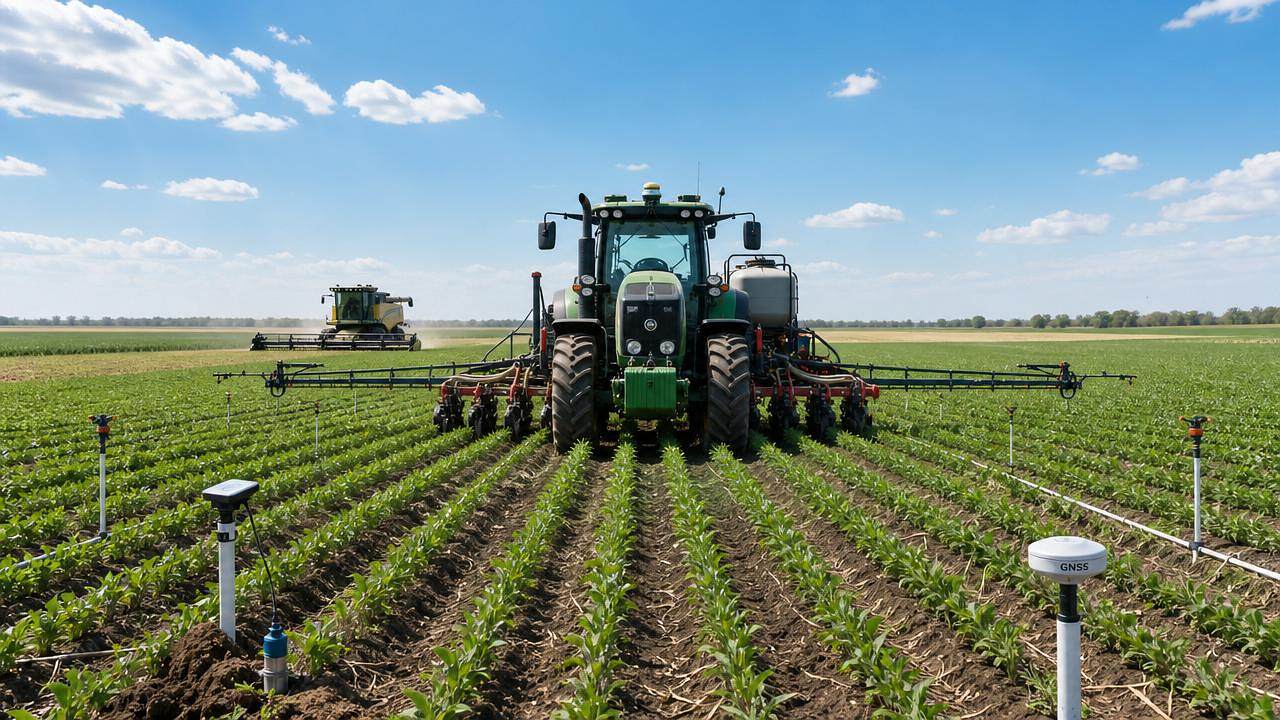




Precision agriculture tools matter most when field conditions stop being uniform
Choosing precision agriculture tools is rarely about buying the most advanced screen, sensor, or controller on the market.
The better question is how well a tool fits real operating conditions across machinery, crops, terrain, and water management routines.
On large farms, one mismatch can spread quickly.
A guidance system may work well on tractors, yet fail to exchange clean data with planters, sprayers, or combine harvesters.
A moisture sensor may look accurate in a brochure, but become unreliable after soil texture changes or irrigation pressure fluctuates.
That is why AP-Strategy often frames precision agriculture tools within the broader Agriculture 4.0 chain.
Mechanical performance, algorithm quality, and sustainability targets must work together, not compete with each other.
In practice, different field scenarios create different priorities.
High-speed harvesting, variable-rate fertilization, autonomous steering, and intelligent irrigation all depend on data, but not in the same way.
Actual buying decisions start with scenario differences, not feature lists
Precision agriculture tools are often grouped under one label, yet field use is fragmented.
A row-crop operation with repeatable passes needs stable positioning and implement control.
A mixed farm running combines and irrigation networks needs stronger data continuity from harvest maps to water scheduling.
The key difference is operational consequence.
If an error affects row placement by a few centimeters, the risk shows up during seeding.
If a sensor drifts in irrigation control, the impact may appear weeks later through uneven stress, nutrient loss, or pumping inefficiency.
More mature buying decisions treat precision agriculture tools as part of an operating system.
That means checking machine interfaces, software protocols, calibration needs, power supply stability, and local service capacity before comparing optional functions.
A simple way to compare scenario priorities
When tractors, planters, and implements must work as one system
In row-crop operations, precision agriculture tools are judged by repeatability.
Auto-steering, section control, and implement guidance only create value when the tractor chassis, hydraulic response, and control terminal behave consistently.
This is where compatibility becomes more important than feature count.
A display that supports multiple file formats is useful, but it does not solve unstable ISOBUS communication or delayed hydraulic actuation.
For heavy-duty operations, steering precision also depends on chassis condition, tire setup, and implement draft behavior.
A common buying mistake is treating positioning accuracy as an isolated specification.
In reality, RTK-level correction cannot compensate for poor mounting, weak power supply, or inconsistent controller tuning.
The more useful approach is to test precision agriculture tools during turning, re-entry, and partial-width operation.
Those moments expose integration problems faster than straight-line demonstrations.
Harvesting conditions change fast, so data accuracy needs closer scrutiny
Precision agriculture tools used on combine harvesters face a different challenge.
Field speed, crop moisture, slope, residue load, and cleaning performance all shift during the same day.
Because of that, buyers should pay less attention to headline sensor resolution and more attention to calibration discipline.
Yield monitors, grain loss sensors, and moisture systems are valuable only when they remain stable across changing crop zones.
AP-Strategy’s focus on harvester cleaning loss algorithms highlights this point clearly.
Data from the machine should not only be collected.
It must explain whether losses come from threshing settings, fan behavior, travel speed, or crop inconsistency.
That distinction matters later when harvest maps are reused for fertilization plans or hybrid evaluation.
If the source data is weak, every later decision becomes less reliable.
What to verify before accepting harvest data
- Calibration frequency under different grain moisture levels
- Sensor drift during long harvesting hours
- Delay correction between crop intake and displayed yield
- Data export quality for farm management software
- Operator workflow for cleaning, resetting, and error checking
In irrigation-heavy operations, sensing is only half of the decision
Precision agriculture tools for irrigation are often bought as sensor packages.
That can be a problem, because irrigation value comes from decisions, not from raw readings alone.
A soil moisture probe may be technically sound, yet still mislead scheduling if root depth, infiltration rate, or emitter uniformity are poorly understood.
In water-stressed regions, precision agriculture tools should be evaluated as part of a network.
That network includes weather data, valve control, pressure stability, filtration condition, and crop stage models.
AP-Strategy’s attention to transpiration prediction and water-saving systems reflects this broader view.
The goal is not simply to automate irrigation.
The goal is to avoid under-watering, over-pumping, and nutrient movement that cannot be seen from one sensor dashboard.
A better fit usually comes from matching probe density, communication range, and control logic to actual field variability.
Different scenarios call for different compatibility checks
Compatibility is often reduced to connector type or software brand.
That is too narrow for precision agriculture tools used across machinery fleets and seasons.
True compatibility includes mechanical fit, electrical stability, communication standards, and data interpretation rules.
Where mixed fleets are common, this broader checklist prevents expensive rework later.
The most expensive mistake is trusting data without checking how it was produced
Data accuracy in precision agriculture tools should be judged by decision usefulness, not by sensor claims alone.
A highly precise measurement can still be operationally weak if it arrives late, cannot sync, or is based on poor placement.
Several misjudgments appear repeatedly in the field.
- Buying for one season without considering crop rotation and future implements
- Comparing purchase price while ignoring calibration labor and software subscription costs
- Assuming one correction signal fits every geography and terrain pattern
- Treating map output as valid without checking sampling method and update interval
- Overlooking service response during peak harvest or irrigation windows
In actual operations, maintenance discipline often determines long-term value more than the initial hardware generation.
A practical path to selecting precision agriculture tools with fewer surprises
A more reliable selection process starts by mapping field tasks, not catalog categories.
List where positioning, sensing, rate control, and reporting must connect across the season.
Then identify which tasks are sensitive to delay, drift, or machine mismatch.
For each shortlisted option, verify four things in writing.
- Supported machinery models, software versions, and communication protocols
- Calibration method, field validation routine, and expected recheck interval
- Data ownership, export options, and integration with existing analysis platforms
- Service availability during seeding, harvest, and irrigation peaks
That approach fits the wider intelligence view AP-Strategy promotes.
Precision agriculture tools perform best when mechanical systems, agronomic models, and sustainability targets are evaluated together.
Before moving ahead, clarify the exact operating scenarios, compare compatibility layers, and test how data quality affects real field decisions.
That is usually the difference between adding technology and building a workable precision farming system.
Related News
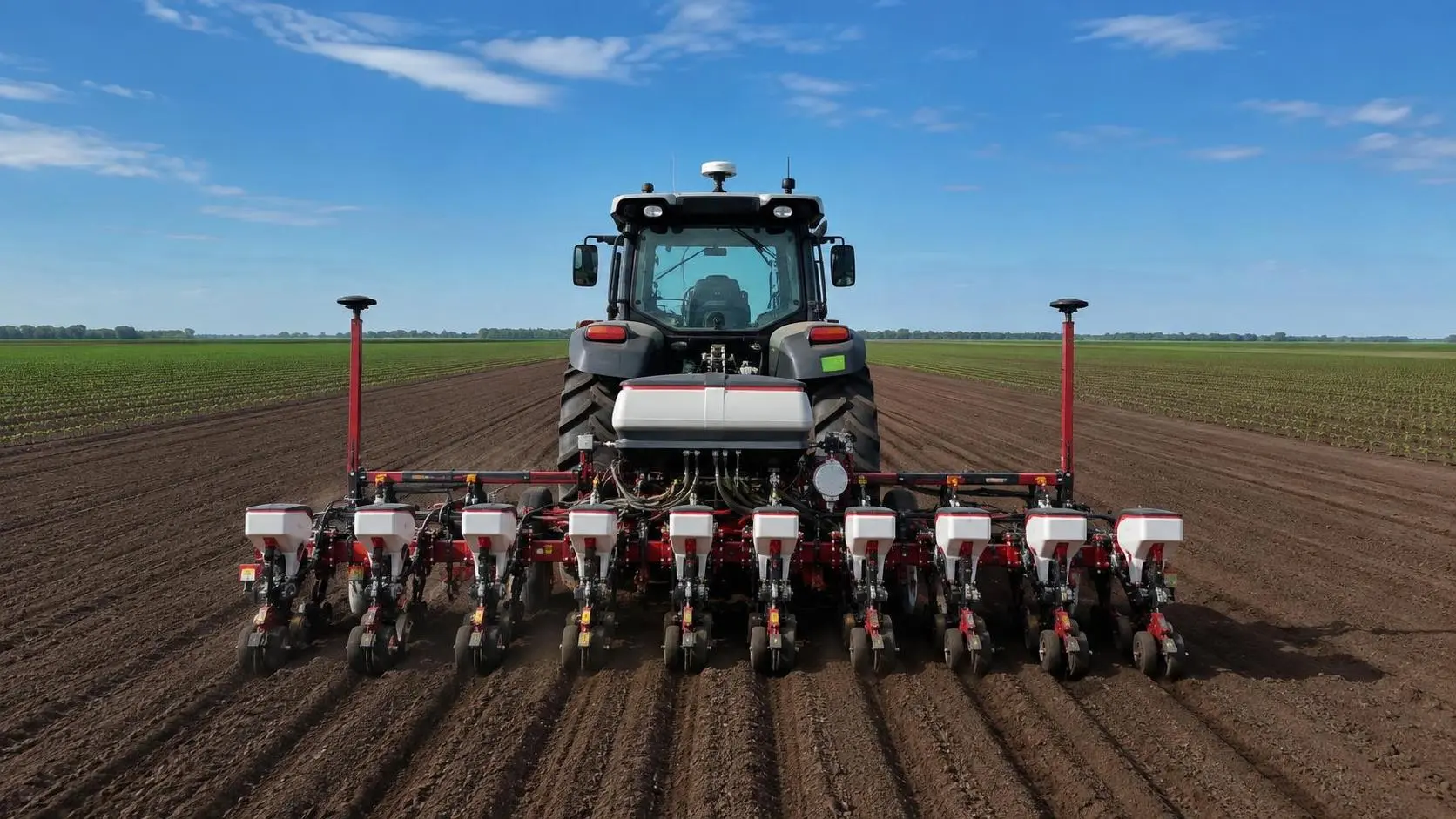
How Tractor Intelligence Systems Improve Field Efficiency and Input Accuracy
Agricultural machinery intelligence for tractors improves field efficiency, input accuracy, data traceability, and implement control. Explore smarter evaluation strategies.
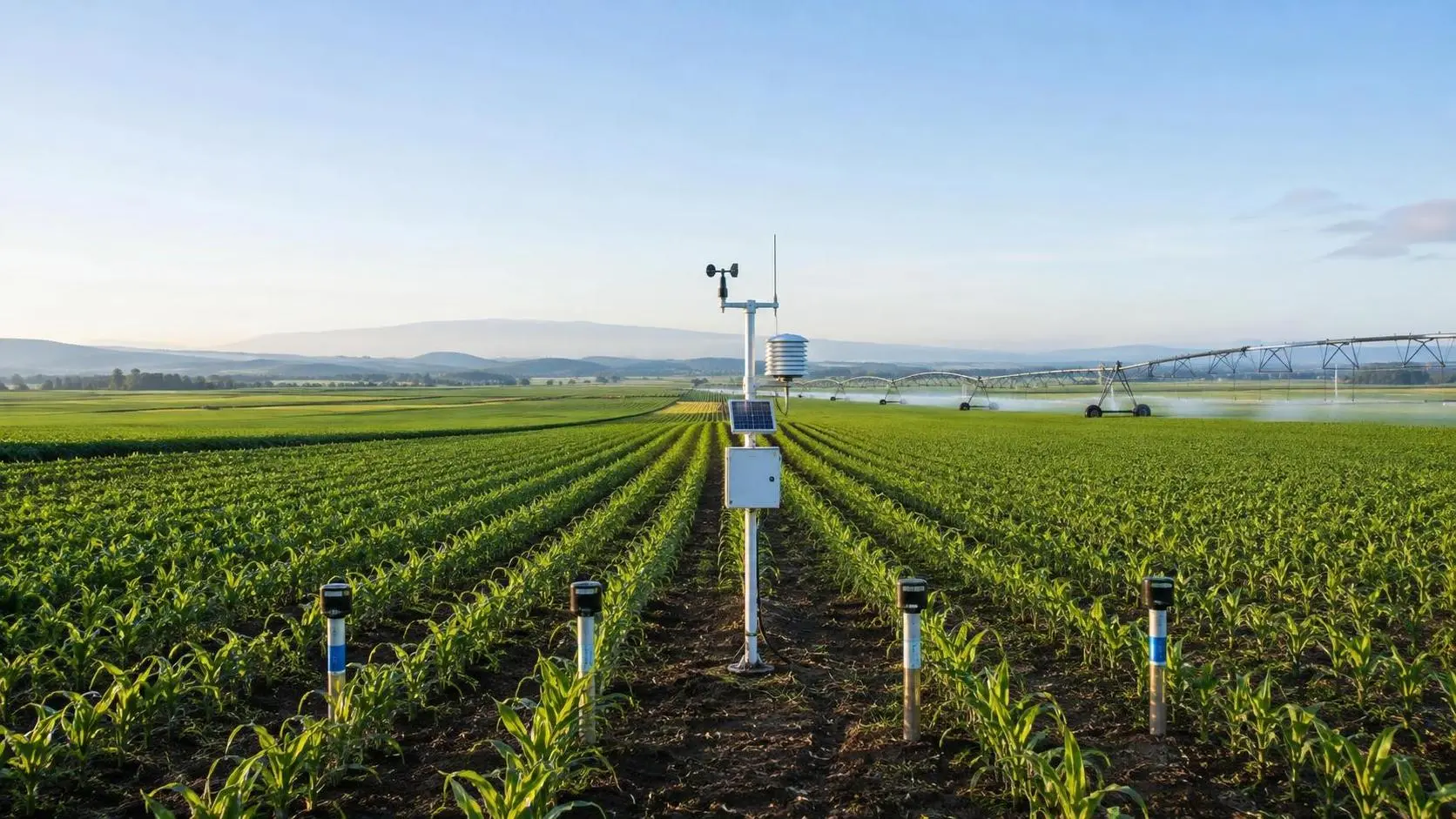
How to Evaluate Crop Monitoring System Manufacturers for Large-Scale Farms
Compare crop monitoring systems manufacturers for large-scale farms. Evaluate data quality, integration, durability, lifecycle costs, support, and pilots for smarter decisions.
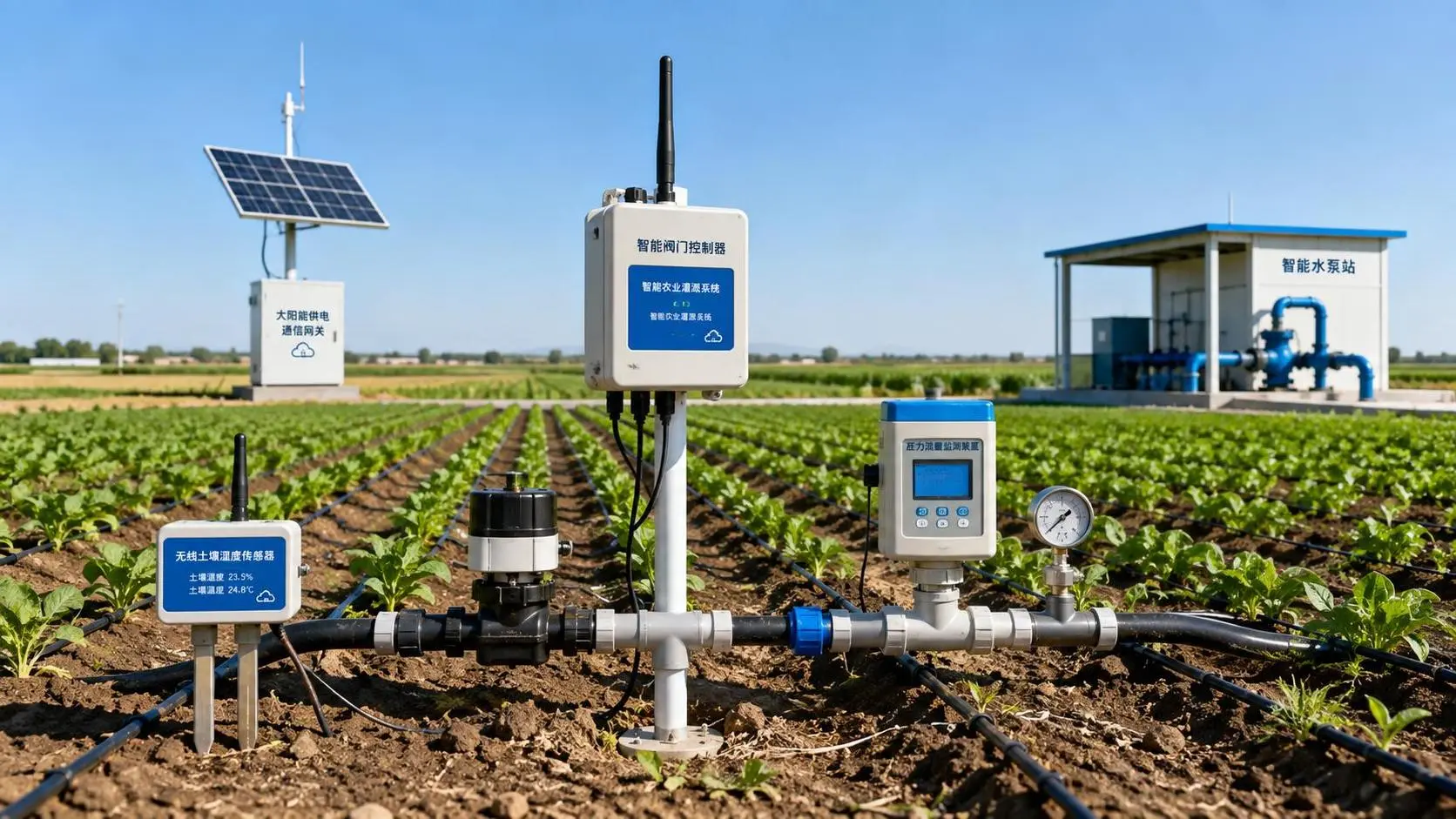
Wireless Agricultural Automation for Remote Irrigation and Field Monitoring
Agricultural automation wireless solutions improve remote irrigation with reliable field data, local control, flow verification, and smarter monitoring. Explore resilient deployment strategies.
Agricultural Product Information Market Guide: Key Data for Sourcing Decisions
Agricultural product information market guide for smarter sourcing—compare machinery, irrigation, precision tools, lifecycle costs, and supplier risk.
Large-Scale Farm Equipment Cost Comparison: Price, Fuel, and Lifecycle Value
Large-scale farm equipment cost comparison: evaluate price, fuel, maintenance, downtime, and lifecycle value to choose tractors, combines, irrigation, and smart tools with confidence.
A Procurement Specification Preparation Example for Buying Farm Equipment
Procurement specification preparation example for farm equipment: learn to define requirements, compare suppliers, control lifecycle costs, and buy with confidence.
What Tractor Horsepower Is Needed for a Three-Bottom Moldboard Plow?
What tractor horsepower is needed for three-bottom moldboard plow? Compare 60–100 hp needs by soil, depth, traction, and plow width for a confident equipment match.
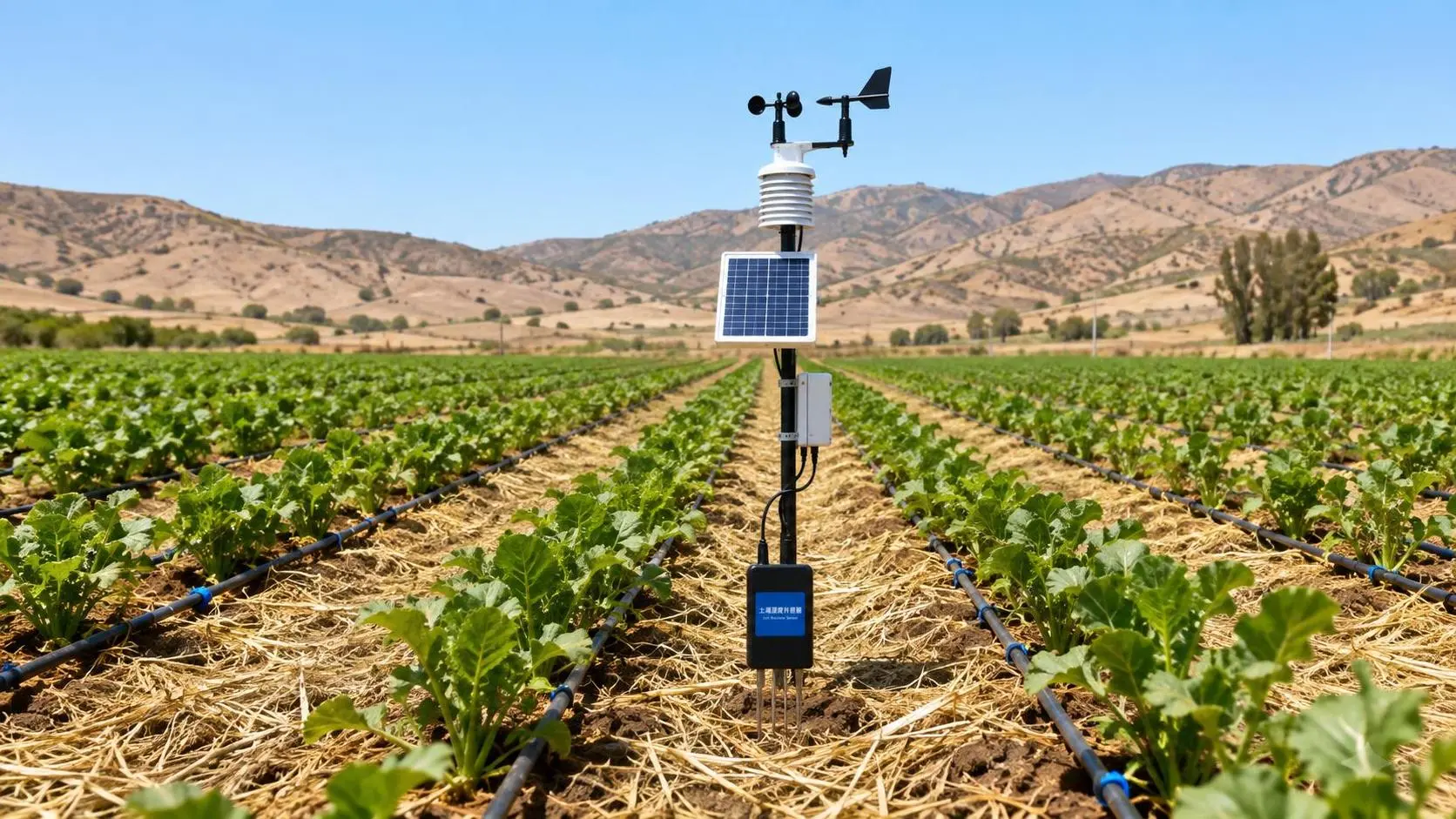
How Does Climate-Smart Farming Reduce Water Use in Semi-Arid Areas?
How does climate-smart farming reduce water use in semi-arid zones? Discover precision irrigation, soil monitoring, and smarter crop planning for resilient yields.
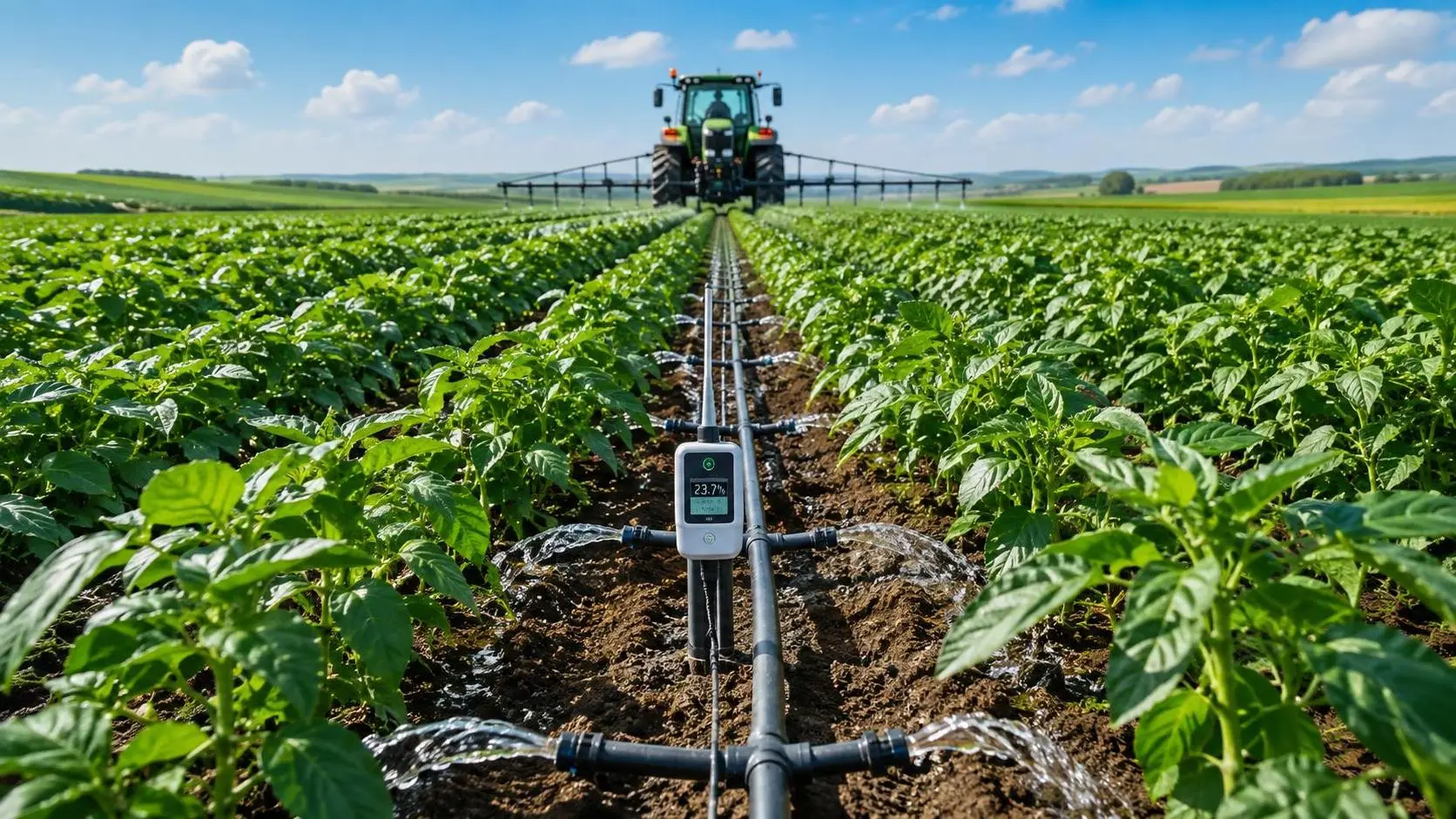
Can Sustainable Farming Be Profitable Without Reducing Yields?
Are sustainable farming practices profitable without yield loss? Discover precision strategies that cut waste, protect yields, and improve farm margins.
Related News
- 00
0000-00
Precision Farming Solutions with Drone Data for Field Mapping and Crop Decisions - 00
0000-00
Precision Farming Systems for Yield Mapping: Key Technologies and Field Applications - 00
0000-00
How to Validate Precision Farming Algorithm Accuracy Before Field Deployment - 00
0000-00
How to Evaluate Precision Fertilization Equipment for Latin America Farms - 00
0000-00
How Precision Agriculture Improves Water Management with Sensors, GPS, and VRT
Popular Tags
Tractor Power Architect
Weekly Insights
Stay ahead with our curated technology reports delivered every Monday.