
Agritechnica 2026 Opens B2B Matching Early as Variable Rate Tech Leads Searches
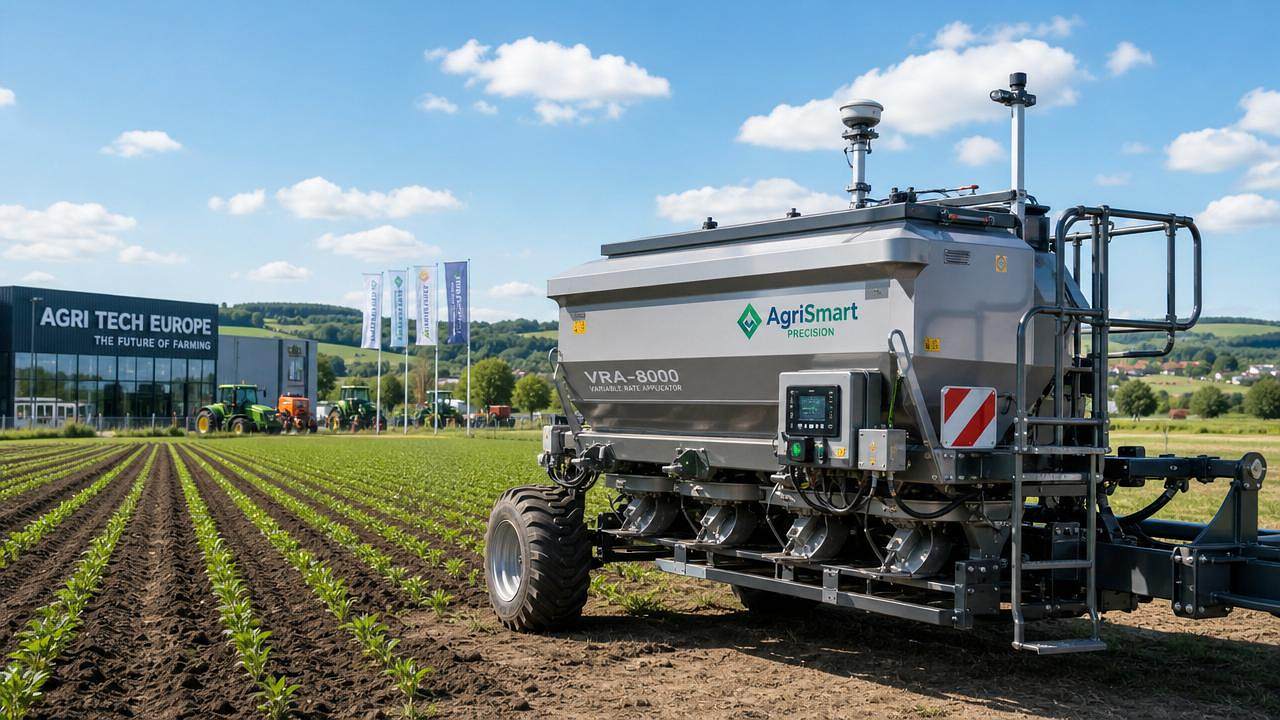




On June 4, 2026, DLG announced that the B2B smart matching system for Agritechnica 2026, scheduled for November 10–16, had gone live earlier than expected. The first visible signal from that launch is a sharp rise in buyer interest around Variable Rate Tech equipment, with inquiry volume up 62% year on year. For equipment makers, farm technology suppliers, export-oriented exhibitors, and large-farm procurement teams in Europe and North America, the update is worth watching because it combines two practical developments at once: earlier buyer-seller contact and clearer demand concentration around variable-rate fertilization solutions.
What has been confirmed so far
According to the information provided, DLG announced on June 4, 2026 that the B2B smart matching system for Agritechnica 2026 was launched ahead of schedule. The exhibition itself is set to take place from November 10 to 16. The data released with the update shows that inquiries related to Variable Rate Tech equipment increased by 62% compared with the same period a year earlier. Among the products drawing the most attention are variable-rate fertilization terminals exhibited by Chinese suppliers that integrate BeiDou positioning and a closed-loop algorithm based on soil sensors. The most active interest in this category is coming from large farm owners in Germany, Poland, and Canada. The booth booking deadline has also been moved forward to June 20.
Why this matters across the agricultural equipment chain
Exhibitors now face an earlier demand test
From an industry perspective, the early opening of B2B matching changes the pace of pre-show business activity. For exhibitors, especially those targeting overseas buyers, this is not only a marketing window but also an early signal of which product categories are gaining traction before the show opens. The visible concentration of inquiries around Variable Rate Tech means suppliers in that segment may need to prepare for more intensive pre-event communication and screening of buyer intent.
Procurement teams are signaling clearer product priorities
For large farm buyers and procurement teams, the inquiry pattern suggests that equipment linked to precision input management is moving to the top of current search behavior. The immediate business impact is likely to be felt in supplier comparison, technical evaluation, and pre-meeting scheduling rather than in confirmed transaction outcomes. What deserves closer attention is whether buyer interest remains concentrated in variable-rate fertilization equipment as the event approaches.
Solution providers may need stronger technical communication
For service providers and technology integrators, the attention given to systems combining positioning and soil-sensing logic indicates that buyers are not only searching for hardware labels but also for operational capability. Analysis shows that communication around system logic, field-use scenarios, and integration methods may become more important in early-stage discussions, even before on-site meetings at the exhibition begin.
Supply chain and delivery planning may come into earlier discussion
For export-facing manufacturers and related supply chain service providers, the earlier booth booking deadline and earlier matching activity compress the timeline for exhibition preparation. Observably, this can affect schedule coordination, materials preparation, multilingual communication, and internal alignment between sales and technical teams, especially for companies expecting interest from multiple overseas markets.
What companies should watch in the weeks ahead
Track any further updates from organizers
Companies planning to exhibit or source through Agritechnica 2026 should closely monitor whether DLG issues additional guidance on matching rules, meeting arrangements, or participation procedures. The earlier system launch and earlier booth booking cutoff suggest that timing now matters more than under a standard exhibition cycle.
Prepare category-specific communication, not generic product pitches
Given that Variable Rate Tech is currently the most searched category in this update, suppliers in adjacent or competing product lines should avoid relying on broad exhibition messaging alone. What deserves closer attention is whether buyer discussions are centered on variable-rate fertilization use cases, technical architecture, or compatibility with precision farming workflows, since that will shape how inquiries convert into qualified meetings.
Get documentation and technical explanations ready early
For companies receiving interest from Germany, Poland, and Canada, the practical task is not just lead collection. They should be ready with clear product materials, technical descriptions, and response workflows suited to pre-show B2B matching. Analysis shows that early inquiries often create pressure on response speed and internal coordination, particularly when the product includes sensor-based logic or integrated positioning functions.
Separate inquiry momentum from confirmed demand
Procurement and sales teams should also be careful not to treat inquiry growth as a completed market outcome. The available information confirms stronger attention, but it does not confirm orders, contracts, or adoption scale. This distinction matters for production planning, pricing discussions, and resource allocation ahead of the November event.
How this signal should be interpreted now
Analysis shows that this development is best read as an early market signal rather than a final demand verdict. The combination of an early B2B matching launch and a 62% year-on-year increase in Variable Rate Tech inquiries indicates that buyer attention is arriving sooner and concentrating more clearly around precision application equipment. At the same time, the current information does not establish whether this interest will translate into broad purchasing decisions across all target markets. It is more appropriate to understand this as a short-term indicator with possible longer-term implications if the same demand pattern continues through the exhibition cycle.
The immediate takeaway for the market
The main significance of this update is not only that Agritechnica 2026 has accelerated its pre-show business matching timetable, but also that buyers are already using that window to focus on a specific equipment category. For the industry, this is a practical sign that pre-exhibition digital engagement is becoming more influential in shaping commercial attention. A neutral reading is that the market now has a clearer early signal around Variable Rate Tech, but the strength, durability, and commercial outcome of that signal still need to be verified through subsequent buyer activity and exhibition developments.
Basis of this article and points for follow-up verification
This article is based on the user-provided news title, event date, and event summary concerning Agritechnica 2026, the early launch of its B2B smart matching system, the reported 62% increase in inquiries for Variable Rate Tech equipment, buyer attention from Germany, Poland, and Canada, and the revised booth booking deadline of June 20. For this type of industry update, relevant source categories typically include organizer announcements, industry association releases, company statements, and established trade media reporting. A specific official source link was not provided in the input, so further verification remains necessary. Follow-up attention should focus on any additional organizer statements, changes to participation rules or timelines, and whether the current inquiry trend remains concentrated in the same product category as the event approaches.
Related News
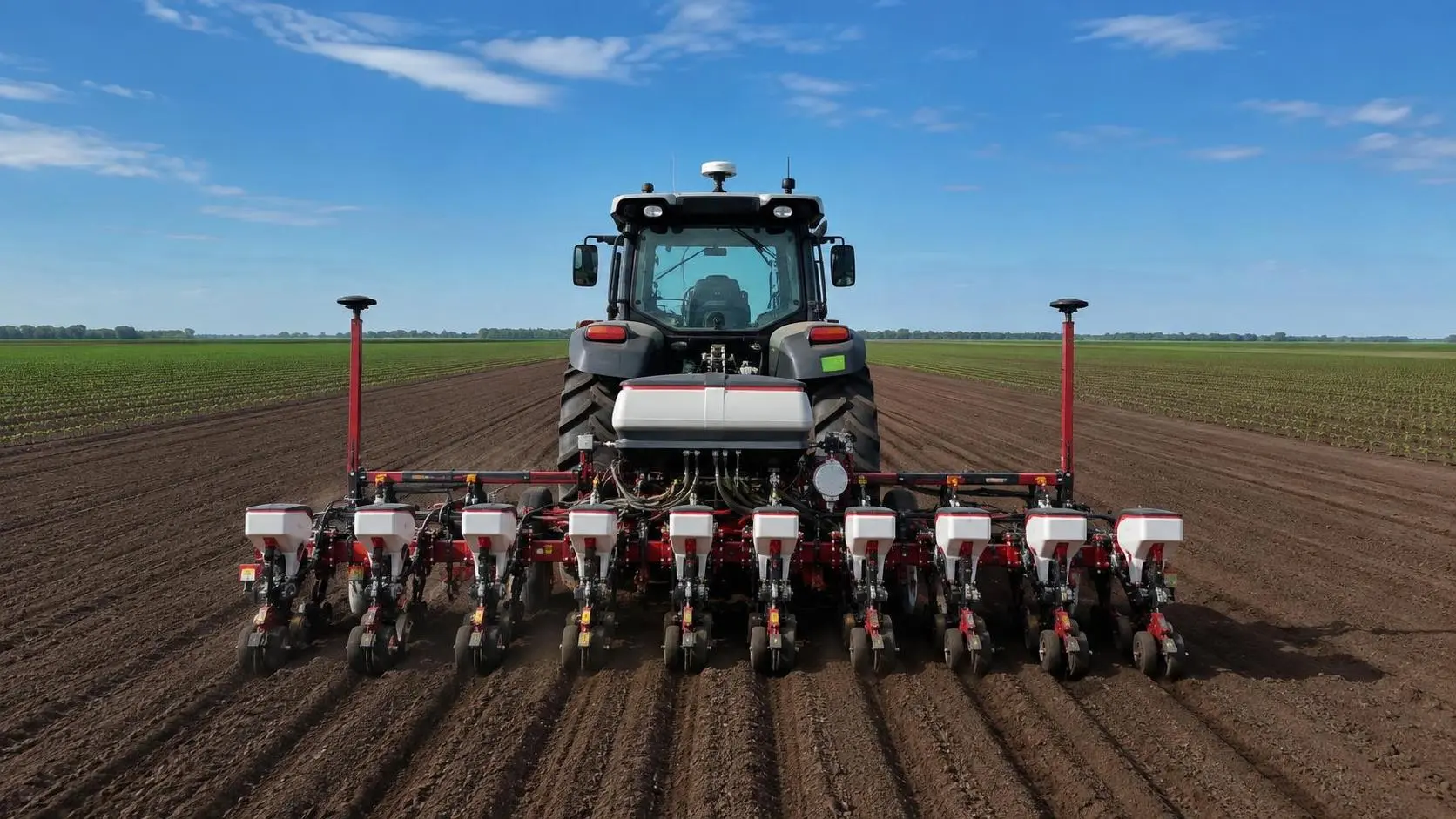
How Tractor Intelligence Systems Improve Field Efficiency and Input Accuracy
Agricultural machinery intelligence for tractors improves field efficiency, input accuracy, data traceability, and implement control. Explore smarter evaluation strategies.
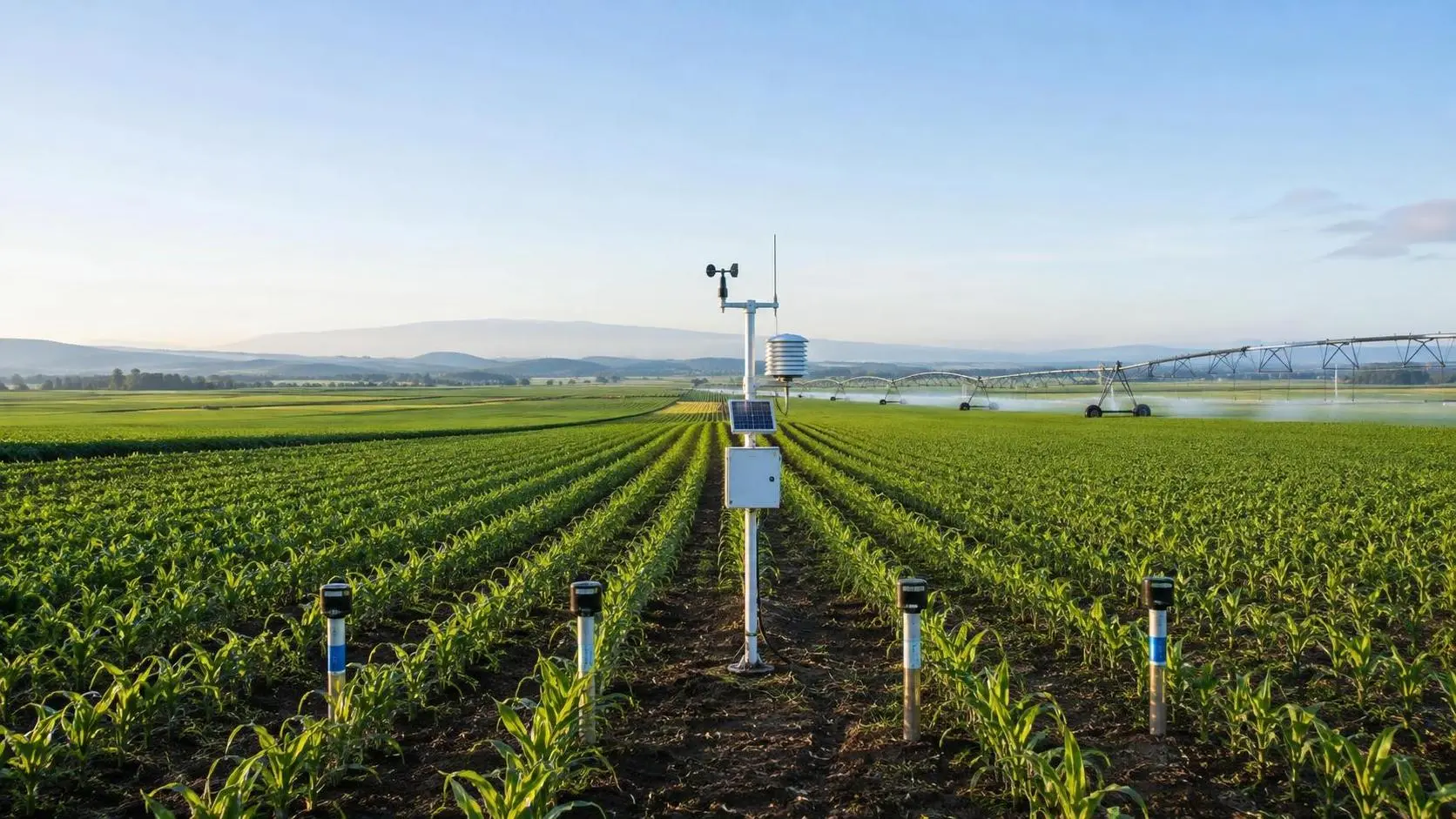
How to Evaluate Crop Monitoring System Manufacturers for Large-Scale Farms
Compare crop monitoring systems manufacturers for large-scale farms. Evaluate data quality, integration, durability, lifecycle costs, support, and pilots for smarter decisions.
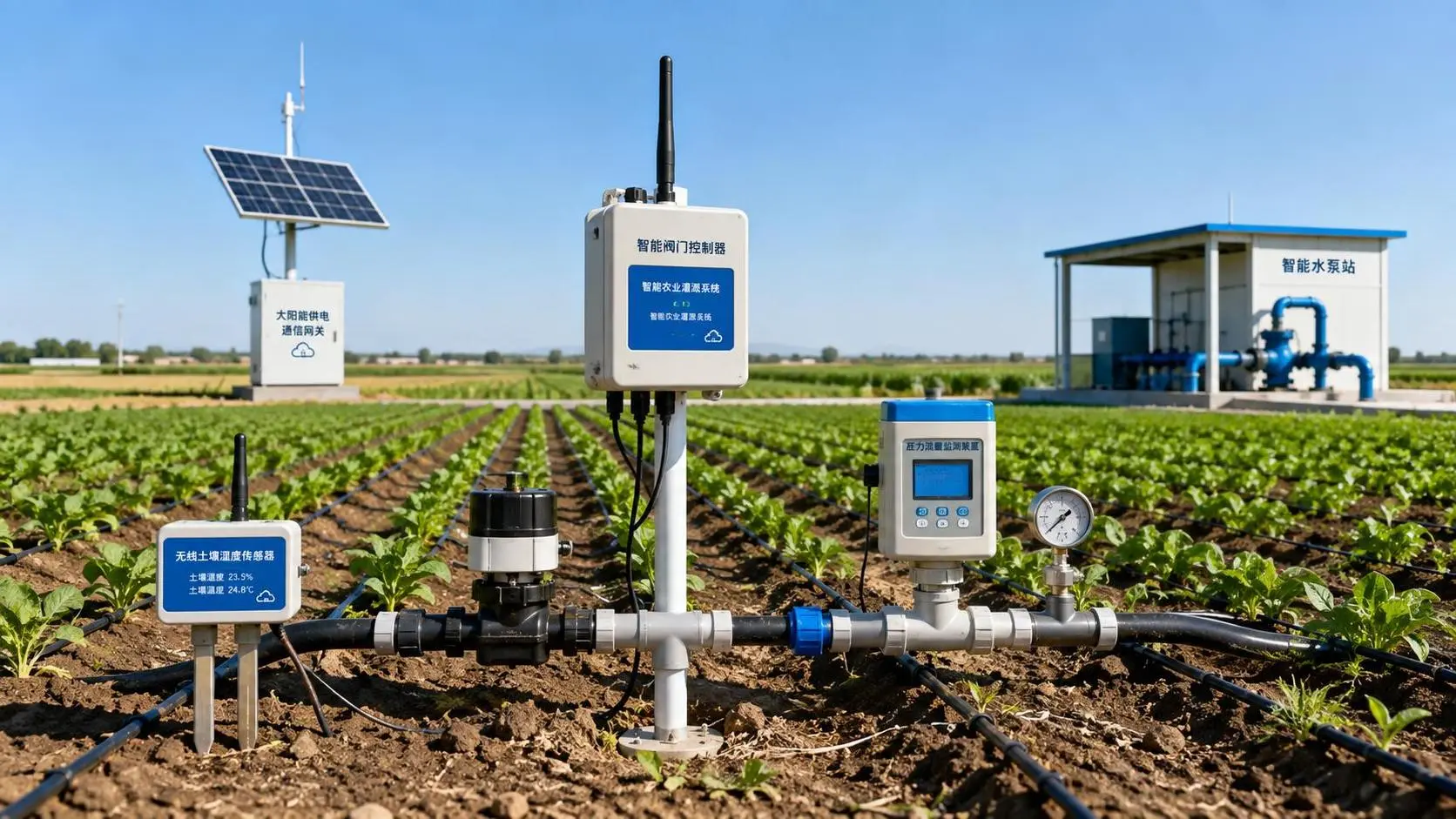
Wireless Agricultural Automation for Remote Irrigation and Field Monitoring
Agricultural automation wireless solutions improve remote irrigation with reliable field data, local control, flow verification, and smarter monitoring. Explore resilient deployment strategies.
Agricultural Product Information Market Guide: Key Data for Sourcing Decisions
Agricultural product information market guide for smarter sourcing—compare machinery, irrigation, precision tools, lifecycle costs, and supplier risk.
Large-Scale Farm Equipment Cost Comparison: Price, Fuel, and Lifecycle Value
Large-scale farm equipment cost comparison: evaluate price, fuel, maintenance, downtime, and lifecycle value to choose tractors, combines, irrigation, and smart tools with confidence.
A Procurement Specification Preparation Example for Buying Farm Equipment
Procurement specification preparation example for farm equipment: learn to define requirements, compare suppliers, control lifecycle costs, and buy with confidence.
What Tractor Horsepower Is Needed for a Three-Bottom Moldboard Plow?
What tractor horsepower is needed for three-bottom moldboard plow? Compare 60–100 hp needs by soil, depth, traction, and plow width for a confident equipment match.
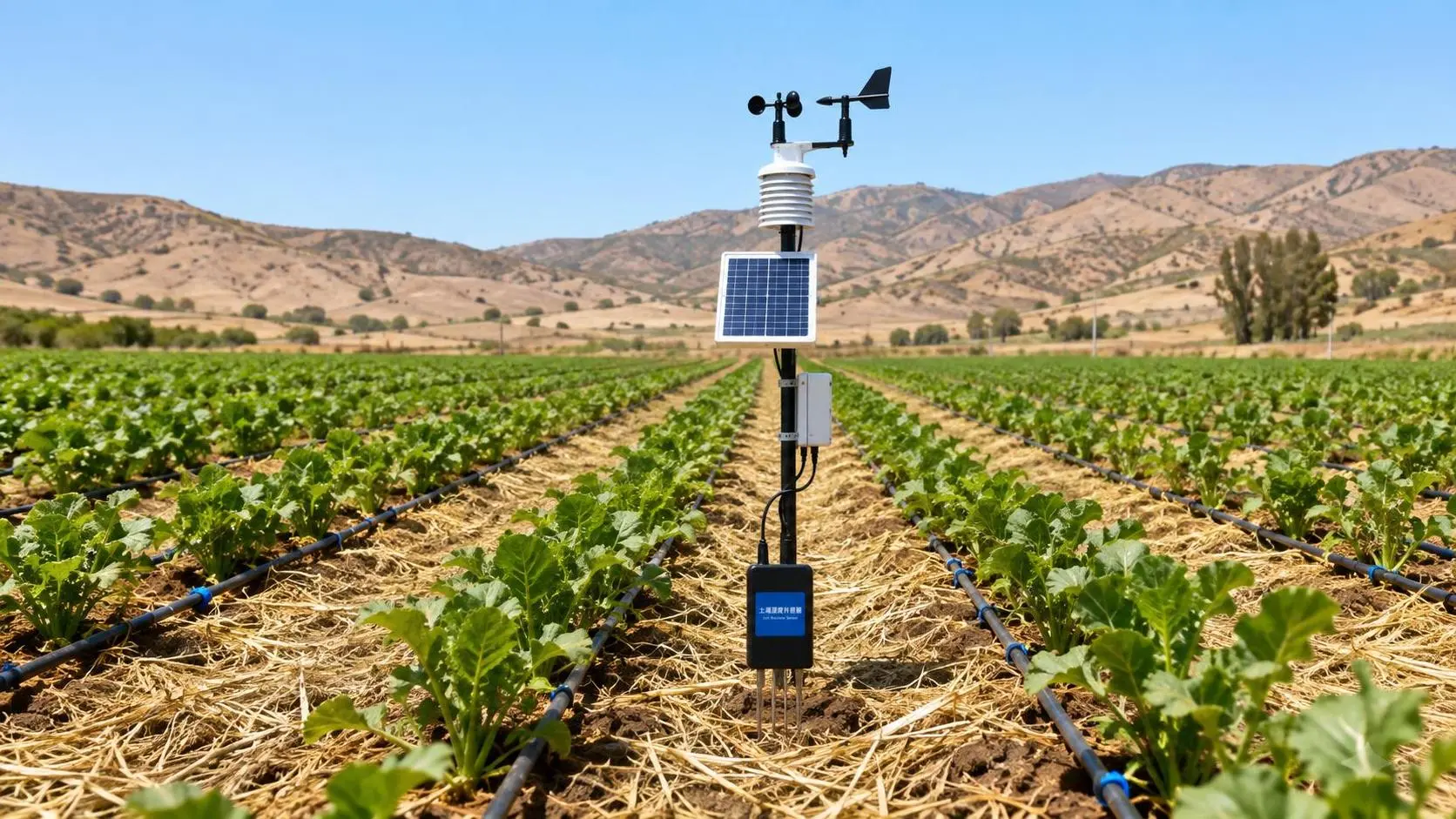
How Does Climate-Smart Farming Reduce Water Use in Semi-Arid Areas?
How does climate-smart farming reduce water use in semi-arid zones? Discover precision irrigation, soil monitoring, and smarter crop planning for resilient yields.
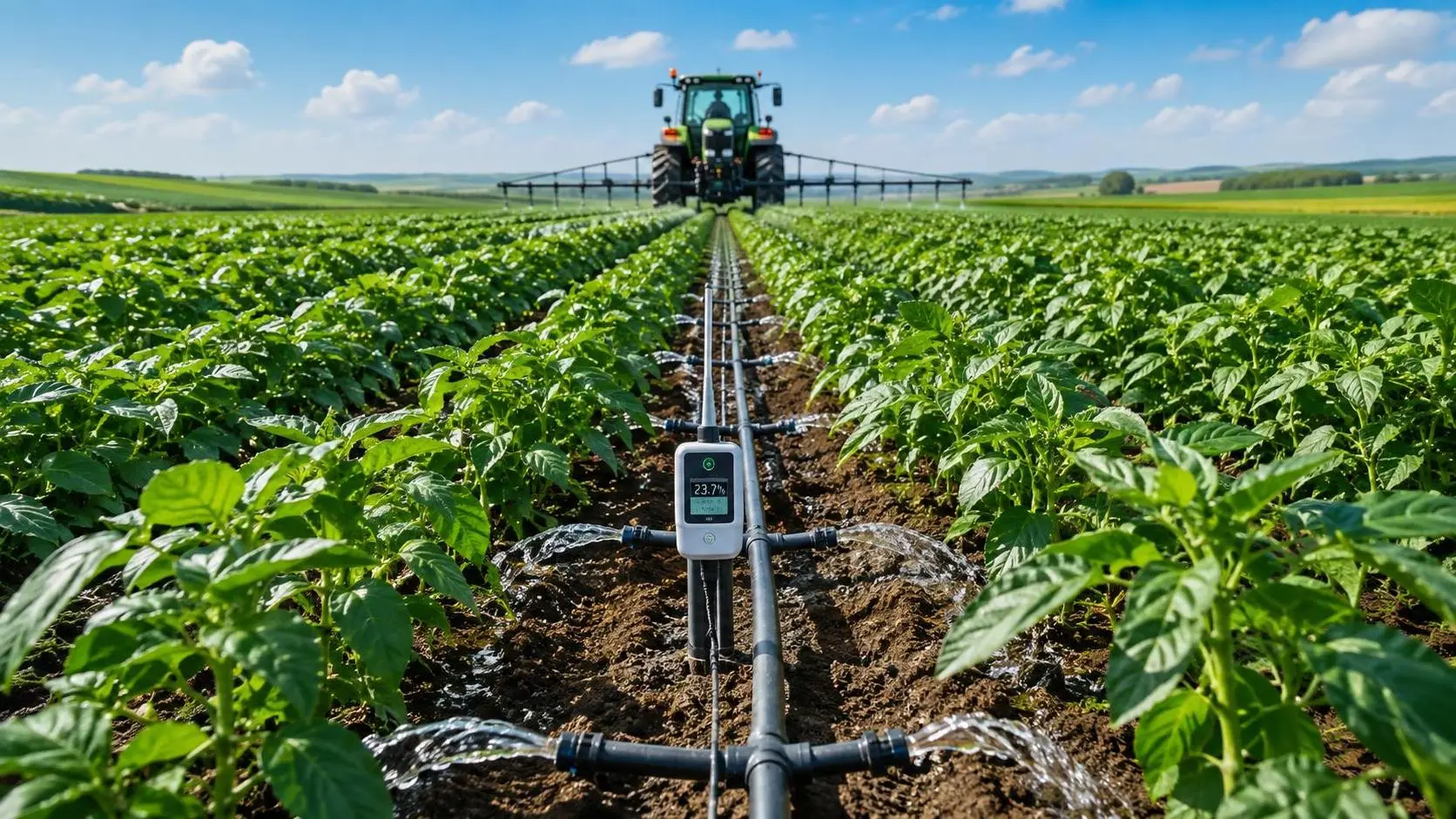
Can Sustainable Farming Be Profitable Without Reducing Yields?
Are sustainable farming practices profitable without yield loss? Discover precision strategies that cut waste, protect yields, and improve farm margins.
Related News
- 00
0000-00
Precision Farming Solutions with Drone Data for Field Mapping and Crop Decisions - 00
0000-00
Precision Farming Systems for Yield Mapping: Key Technologies and Field Applications - 00
0000-00
How to Validate Precision Farming Algorithm Accuracy Before Field Deployment - 00
0000-00
How to Evaluate Precision Fertilization Equipment for Latin America Farms - 00
0000-00
How Precision Agriculture Improves Water Management with Sensors, GPS, and VRT
Popular Tags
Tractor Power Architect
Weekly Insights
Stay ahead with our curated technology reports delivered every Monday.