
Precision Agriculture Tools Comparison: Which Systems Deliver Measurable ROI on Large Farms?





For large farms, choosing among precision agriculture tools is no longer a technology question alone. It is a capital allocation decision tied to margin protection, labor efficiency, and risk control.
The core search intent behind this topic is practical comparison. Decision-makers want to know which systems produce measurable returns fastest, which require longer integration cycles, and where hidden adoption costs reduce value.
Enterprise readers are usually less interested in feature lists than in business outcomes. They care about payback period, compatibility with existing machinery, operator adoption, data quality, service support, and performance at scale.
The most useful evaluation content therefore centers on ROI by tool category, typical gain ranges, deployment risks, and fit by farm profile. General commentary about “the future of smart farming” matters far less.
This article focuses on the systems that most often create measurable ROI on large farms: guidance and autosteer, variable-rate application, telematics and fleet analytics, smart irrigation, and harvest data platforms.
What Large Farms Should Expect from Precision Agriculture Tools
For enterprise-scale operations, the best precision agriculture tools do three things well. They reduce avoidable input waste, improve timeliness across large acreages, and turn field variability into repeatable management decisions.
That means ROI rarely comes from one headline feature. It comes from cumulative gains across fuel use, overlap reduction, seed and fertilizer placement, irrigation timing, machine uptime, and harvest loss visibility.
On large farms, measurable return is also influenced by operational complexity. The more acres, machine passes, labor turnover, and field variability involved, the more value disciplined digital systems can create.
However, scale cuts both ways. Large operations can generate bigger gains, but they can also absorb bigger losses from poor implementation, weak training, fragmented software, or tools that do not integrate across fleets.
As a result, the right comparison framework is not “which tool is most advanced.” It is “which system produces decision-grade data and repeatable field execution with acceptable payback and manageable change effort.”
Which Precision Agriculture Tools Usually Deliver the Fastest ROI
If the question is speed to measurable return, guidance and autosteer systems often rank first. They reduce overlap, operator fatigue, skipped areas, and inefficiency during planting, spraying, and fertilizer application.
On large farms, even small overlap reductions can translate into major annual savings. Fuel, labor hours, machine wear, and input costs all improve, especially where multiple operators cover high acreages under narrow timing windows.
Variable-rate application systems frequently come next, but their ROI depends more heavily on data quality. Where soils, productivity zones, and crop response vary meaningfully, these tools can improve both efficiency and output.
Smart irrigation platforms can also generate strong returns, particularly in water-stressed regions or where pumping energy costs are high. Their impact often extends beyond water savings into yield stability and regulatory resilience.
Telematics and fleet management tools usually deliver a different kind of ROI. Their value appears through machine utilization, maintenance planning, logistics coordination, and reduced downtime rather than direct per-acre input savings.
Harvest analytics and yield mapping systems are essential for strategic improvement, but their standalone ROI can feel slower. Their full value is unlocked when harvest data feeds planting, fertility, irrigation, and variety decisions.
Guidance and Autosteer: The Most Reliable Starting Point for Large Operations
For many large farms, guidance is the lowest-friction entry into precision agriculture tools. It addresses a universal problem: getting every pass done accurately and consistently, regardless of operator variation or long work shifts.
The business case is straightforward. Fewer overlaps mean lower seed, fertilizer, and chemical waste. More accurate passes also reduce misses, simplify night work, and support more efficient use of wide implements.
In addition, autosteer can improve labor flexibility. Farms facing seasonal labor shortages can maintain quality more consistently when machine guidance reduces the performance gap between highly experienced and newer operators.
Decision-makers should still compare correction signal quality, terrain performance, implement guidance options, and compatibility with mixed-brand fleets. A cheaper system that isolates data or limits implement control may reduce long-term value.
On very large farms, guidance systems often justify themselves not because they are glamorous, but because they standardize execution across thousands of acres. Consistency itself becomes a measurable financial asset.
Variable-Rate Application: High Potential ROI, but Only with Good Agronomic Logic
Variable-rate seeding, fertilization, and crop protection can produce meaningful returns, but these systems are not automatically profitable. Their performance depends on whether management zones reflect real agronomic variability.
When variability is high, uniform application usually wastes money somewhere. Inputs are overapplied in low-response zones and underapplied where yield potential is stronger. Variable-rate systems address that structural inefficiency.
For enterprise buyers, the key question is not whether variable-rate technology works in principle. It is whether the farm has the mapping, sampling, prescription, and validation processes needed to make prescriptions reliable.
A weak program can create expensive complexity without strong gains. Data layers may be inconsistent, prescriptions may be too generic, and operators may bypass workflows if the system slows field execution during peak windows.
The strongest ROI cases are typically in fertilizer management, seeding optimization, and lime application, especially across farms with diverse soils, topography, and productivity history. There, the upside can be both financial and agronomic.
Smart Irrigation Systems: Strong ROI Where Water, Energy, and Compliance Matter
Intelligent irrigation systems deserve more attention in large-farm ROI discussions. In many regions, water access, energy costs, and climate variability now make irrigation decisions as financially important as seeding and fertility decisions.
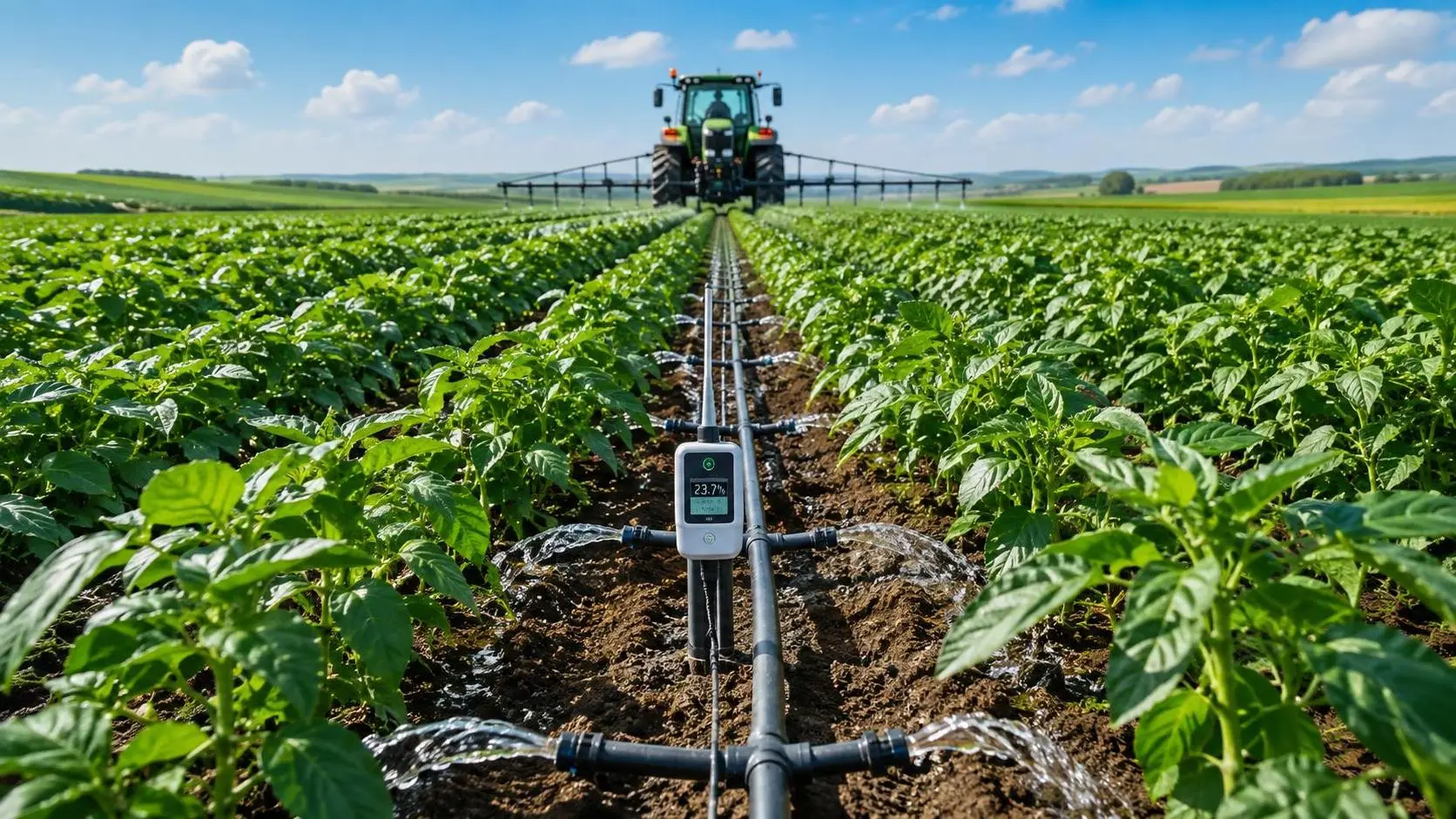
Sensor-driven irrigation platforms can improve scheduling by combining soil moisture, weather data, evapotranspiration modeling, and system performance monitoring. The result is less overwatering, lower pumping waste, and more stable crop performance.
On high-acreage irrigated farms, measurable ROI often comes from three channels at once: reduced water use, lower energy consumption, and better yield preservation during stress periods. That combination can be commercially powerful.
These systems become even more valuable where water rights, sustainability reporting, or environmental regulation influence strategic planning. Better water data can support compliance, resource allocation, and long-term operational resilience.
Still, buyers should compare sensor durability, communication reliability, integration with pumps and pivots, and usability for field teams. Sophisticated analytics are only useful if recommendations are trusted and acted on in time.
Telematics and Fleet Analytics: Indirect ROI That Scales Across Large Acreage
Telematics platforms rarely attract the same attention as variable-rate tools, yet they can produce substantial enterprise value. Their main contribution is operational control across dispersed assets, operators, and seasonal peaks.
Large farms often lose money through avoidable idle time, maintenance surprises, transport inefficiencies, and underused machines. Fleet analytics tools help managers see where utilization, routing, and service planning break down.
That visibility matters more when fleets include tractors, sprayers, combines, and support equipment across multiple locations. Without centralized machine data, managers rely too heavily on informal reporting and reactive decisions.
ROI here may appear in reduced downtime, lower repair costs, better fuel discipline, improved labor deployment, and stronger machine replacement planning. While less visible than yield gains, these savings can be large and persistent.
Decision-makers should prioritize open connectivity, dashboard clarity, and actionability. A telematics system that gathers data but does not improve dispatch, maintenance timing, or managerial decisions is only a digital expense.
Harvest Data and Yield Analytics: Essential for Long-Term ROI, Rarely Enough Alone
Yield monitors, loss sensors, and harvest analytics are foundational precision agriculture tools, but they are often misunderstood. Their greatest value is diagnostic, not immediate. They show what happened and where systems underperformed.
For large grain farms, this visibility is critical. Accurate yield maps can reveal hybrid or variety performance, drainage issues, fertility imbalance, compaction patterns, irrigation differences, and harvest timing effects across zones.
Combine-based analytics also matter operationally. Monitoring throughput, grain loss, and machine settings can improve harvest efficiency and protect crop value under changing field and weather conditions.
However, harvest tools deliver the strongest ROI only when data feeds future action. If yield maps remain isolated in software and never influence prescriptions, drainage investment, or machine setup, much of the value is wasted.
For that reason, enterprise farms should assess harvest platforms as part of a full data loop. The right question is whether the system supports better planting, fertility, irrigation, and harvest decisions next season.
How to Compare Precision Agriculture Tools by ROI Instead of Marketing Claims
When comparing vendors, enterprise buyers should start with measurable value categories rather than product brochures. The most useful categories are input savings, labor efficiency, machine productivity, yield protection, and risk reduction.
Next, estimate where each system affects those categories. Guidance reduces overlap and fatigue. Variable-rate affects input allocation. Smart irrigation changes water and energy use. Telematics influences uptime and asset coordination.
Then add the hidden cost layers that often distort ROI. These include subscriptions, correction signals, data cleanup, staff training, hardware retrofits, support response times, and the internal time needed to manage workflows.
It is also important to distinguish direct ROI from enabling ROI. Some tools save money immediately. Others create value by improving the performance of other systems. Yield mapping, for example, often enables better variable-rate decisions.
A credible comparison should therefore include first-year impact, three-year value, implementation burden, and strategic upside. That approach is far more useful than ranking systems by feature count or interface design alone.
What Usually Blocks ROI on Large Farms
The biggest reason precision agriculture tools fail is not weak technology. It is weak adoption. Even strong systems underperform when operators are undertrained, agronomic prescriptions are inconsistent, or workflows interrupt peak-season execution.
Another common issue is platform fragmentation. Large farms may run mixed brands, disconnected displays, multiple software subscriptions, and isolated data formats. This creates friction, duplicate work, and limited managerial visibility.
Support quality also matters more than many buyers expect. During planting, irrigation peaks, or harvest, delayed support can erase the advantage of advanced tools. Enterprise farms need responsive service structures, not just hardware delivery.
Finally, some farms attempt too much at once. Rolling out autosteer, variable-rate, telematics, and new analytics software simultaneously can overwhelm teams. Sequencing adoption usually produces stronger ROI than a broad, rushed deployment.
A Practical Investment Sequence for Enterprise Decision-Makers
For most large farms, the most rational deployment path begins with guidance and autosteer, then expands into telematics, followed by variable-rate programs and smart irrigation where applicable. Harvest analytics should support all later decisions.
This sequence works because it balances fast wins with organizational readiness. Guidance standardizes execution quickly. Telematics improves operational visibility. Variable-rate and irrigation then build on stronger data discipline and field consistency.
That said, region and crop system matter. In heavily irrigated operations, smart irrigation may move much higher in priority. In highly variable dryland acres, variable-rate fertility or seeding may justify earlier investment.
The best precision agriculture tools are therefore not universal winners. The real winner is the system category that addresses the farm’s largest controllable cost, biggest operational bottleneck, or most material yield risk.
Final Verdict: Which Systems Deliver Measurable ROI on Large Farms?
If the goal is the fastest and most reliable measurable ROI, guidance and autosteer usually lead. They are broadly applicable, easier to operationalize, and capable of producing visible savings across large acreages quickly.
If the goal is higher strategic upside, variable-rate application and smart irrigation often offer the strongest long-term value, provided the farm has the agronomic data, execution discipline, and management capacity to use them well.
Telematics delivers scalable operational ROI that is frequently underestimated, especially in large fleets. Harvest analytics remains essential as the intelligence layer that connects field results to better decisions across seasons.
For enterprise decision-makers, the smartest comparison is not about buying the most advanced platform. It is about building a precision stack that improves execution, turns data into action, and produces measurable value at whole-farm scale.
In other words, the best precision agriculture tools are the ones that fit your acreage, management model, and data maturity—and that your teams can use consistently enough to convert technology into financial performance.
Related News
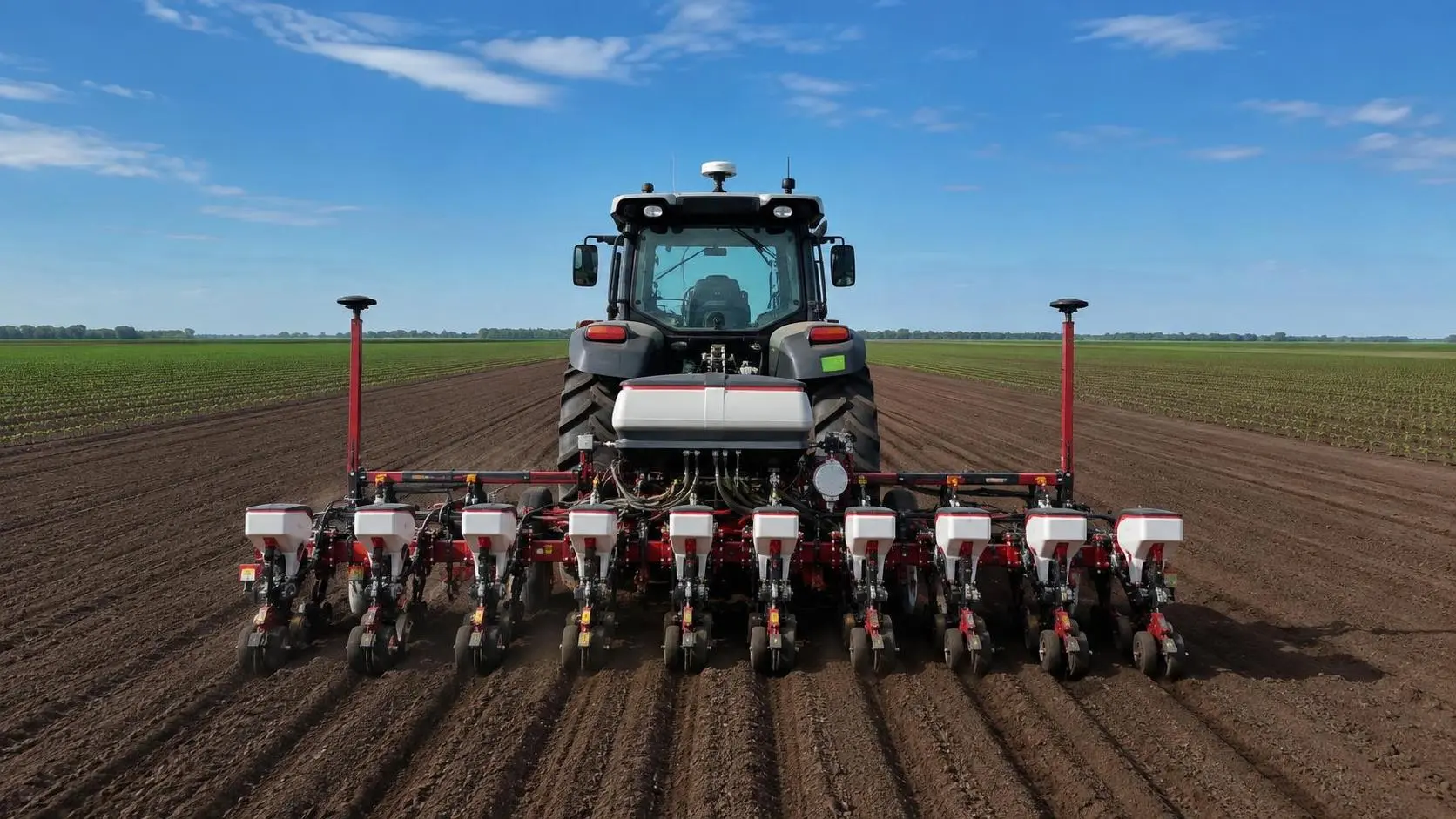
How Tractor Intelligence Systems Improve Field Efficiency and Input Accuracy
Agricultural machinery intelligence for tractors improves field efficiency, input accuracy, data traceability, and implement control. Explore smarter evaluation strategies.
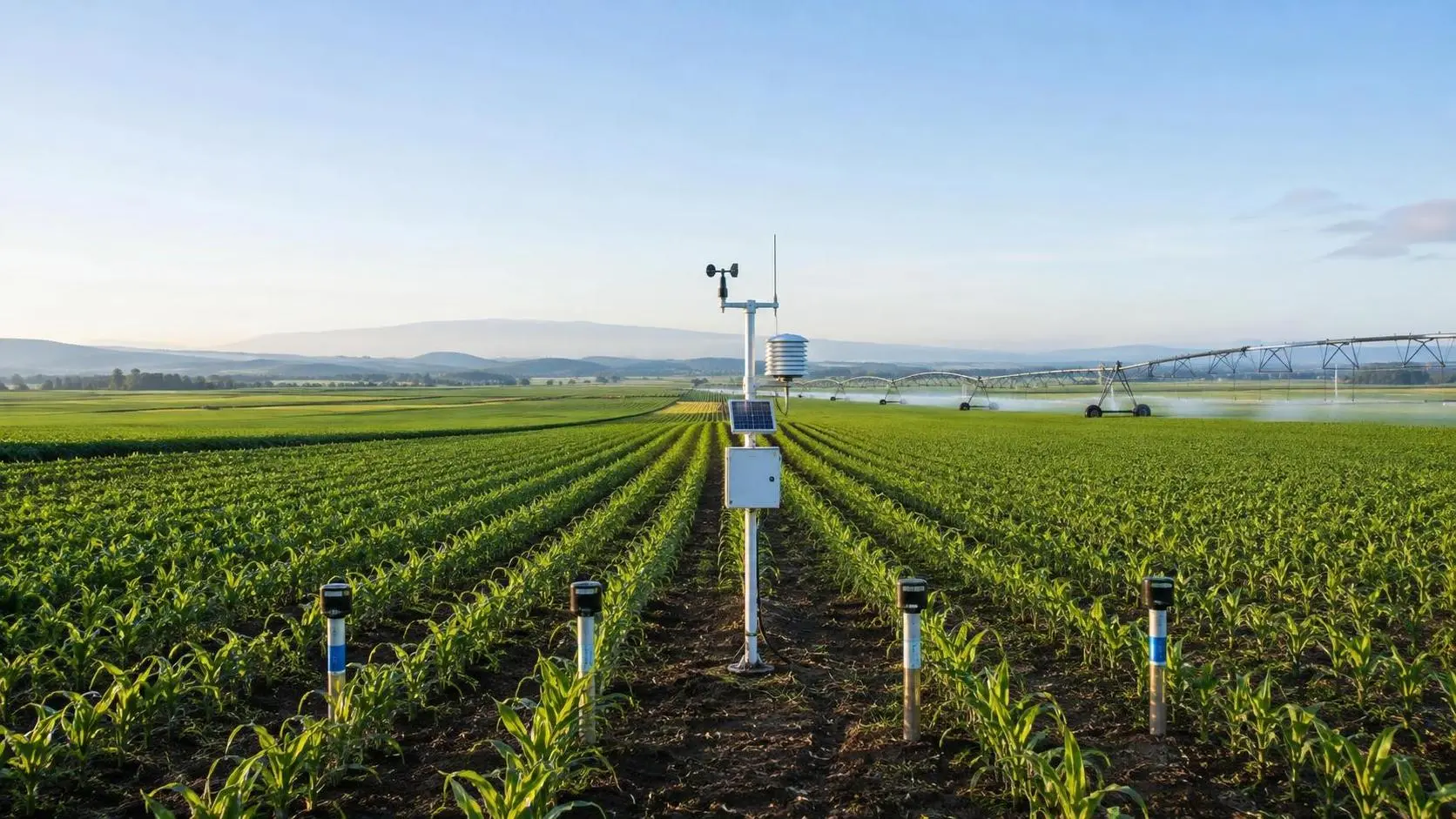
How to Evaluate Crop Monitoring System Manufacturers for Large-Scale Farms
Compare crop monitoring systems manufacturers for large-scale farms. Evaluate data quality, integration, durability, lifecycle costs, support, and pilots for smarter decisions.
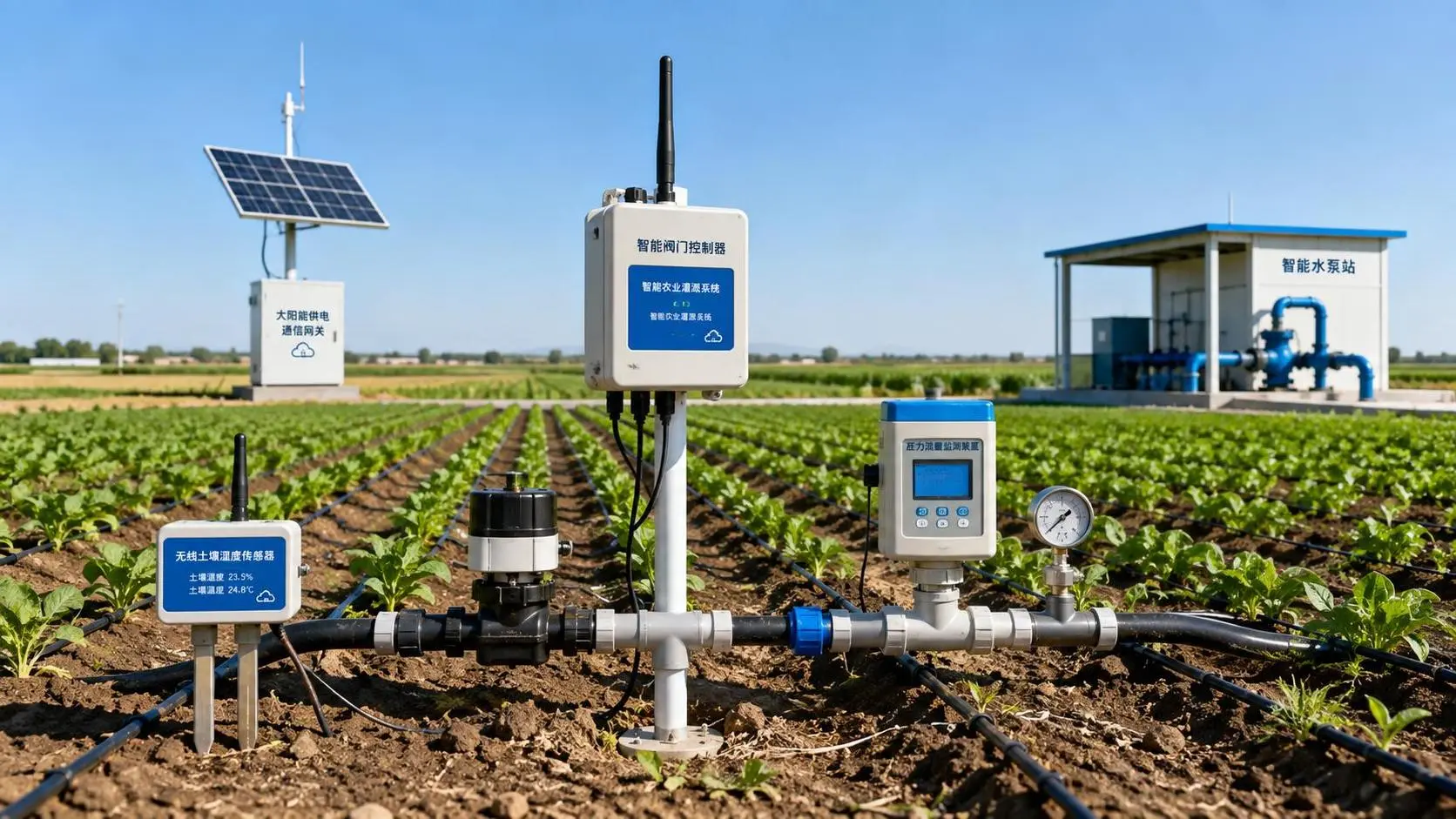
Wireless Agricultural Automation for Remote Irrigation and Field Monitoring
Agricultural automation wireless solutions improve remote irrigation with reliable field data, local control, flow verification, and smarter monitoring. Explore resilient deployment strategies.
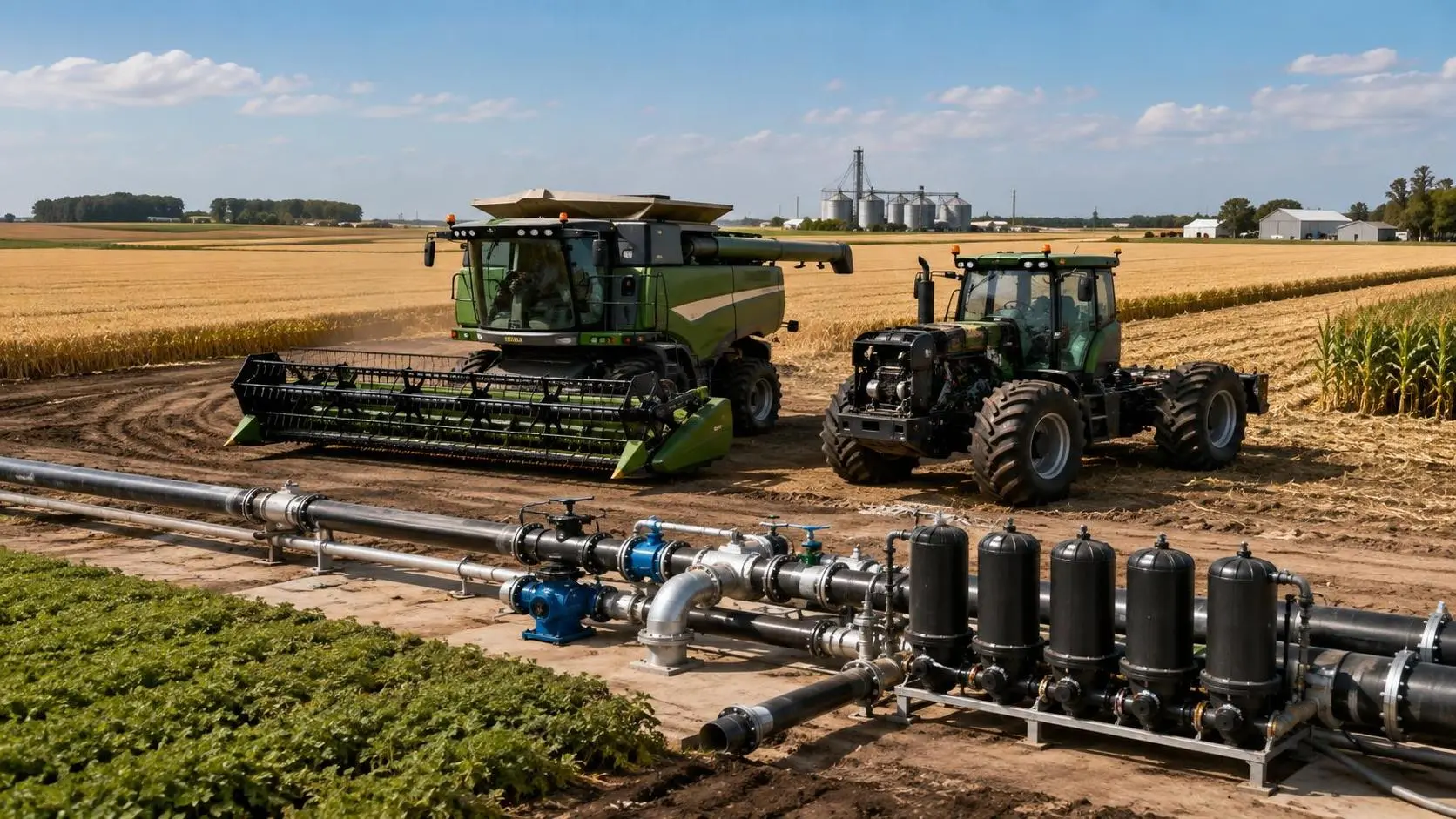
Agricultural Product Information Market Guide: Key Data for Sourcing Decisions
Agricultural product information market guide for smarter sourcing—compare machinery, irrigation, precision tools, lifecycle costs, and supplier risk.
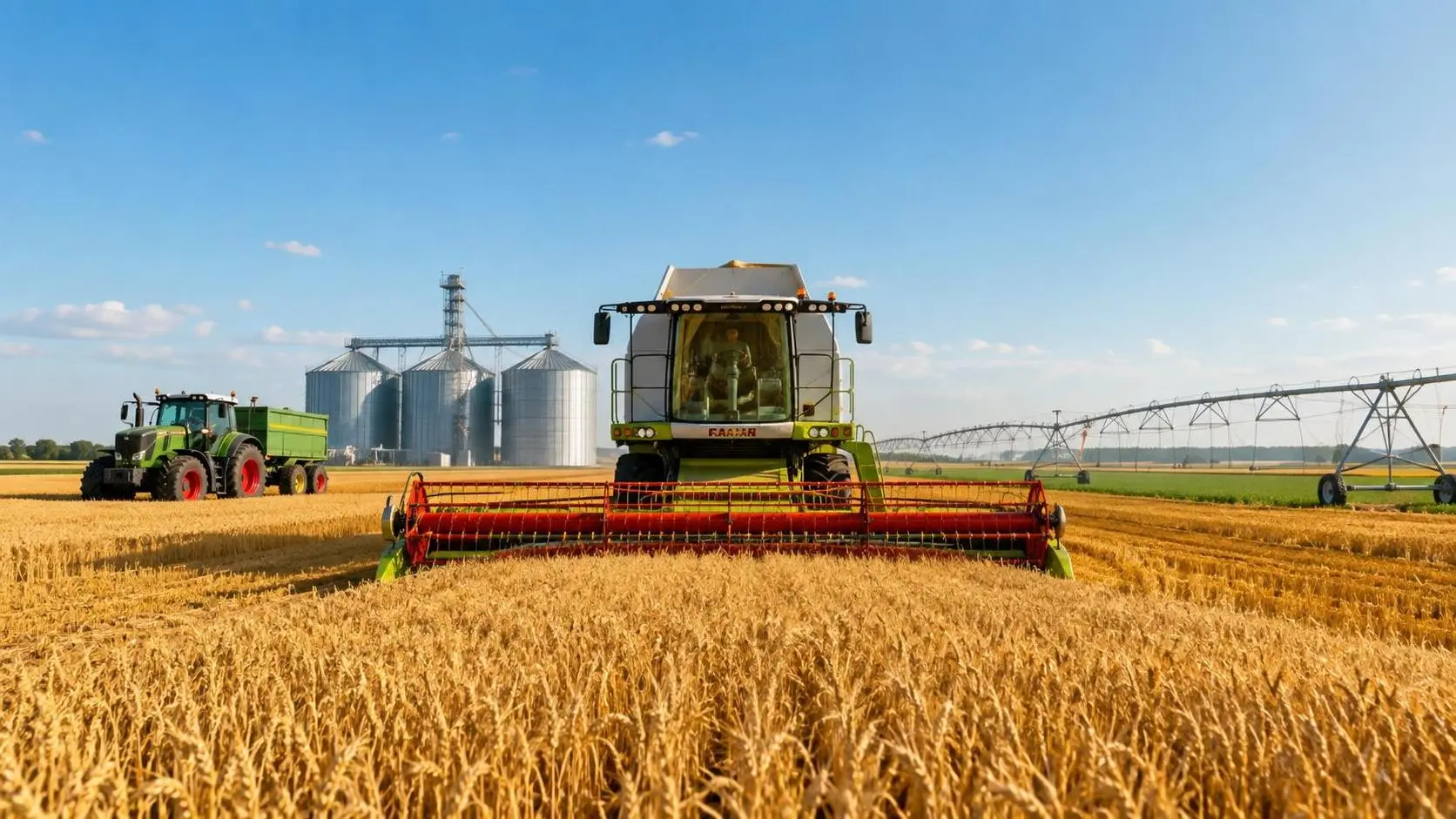
Large-Scale Farm Equipment Cost Comparison: Price, Fuel, and Lifecycle Value
Large-scale farm equipment cost comparison: evaluate price, fuel, maintenance, downtime, and lifecycle value to choose tractors, combines, irrigation, and smart tools with confidence.
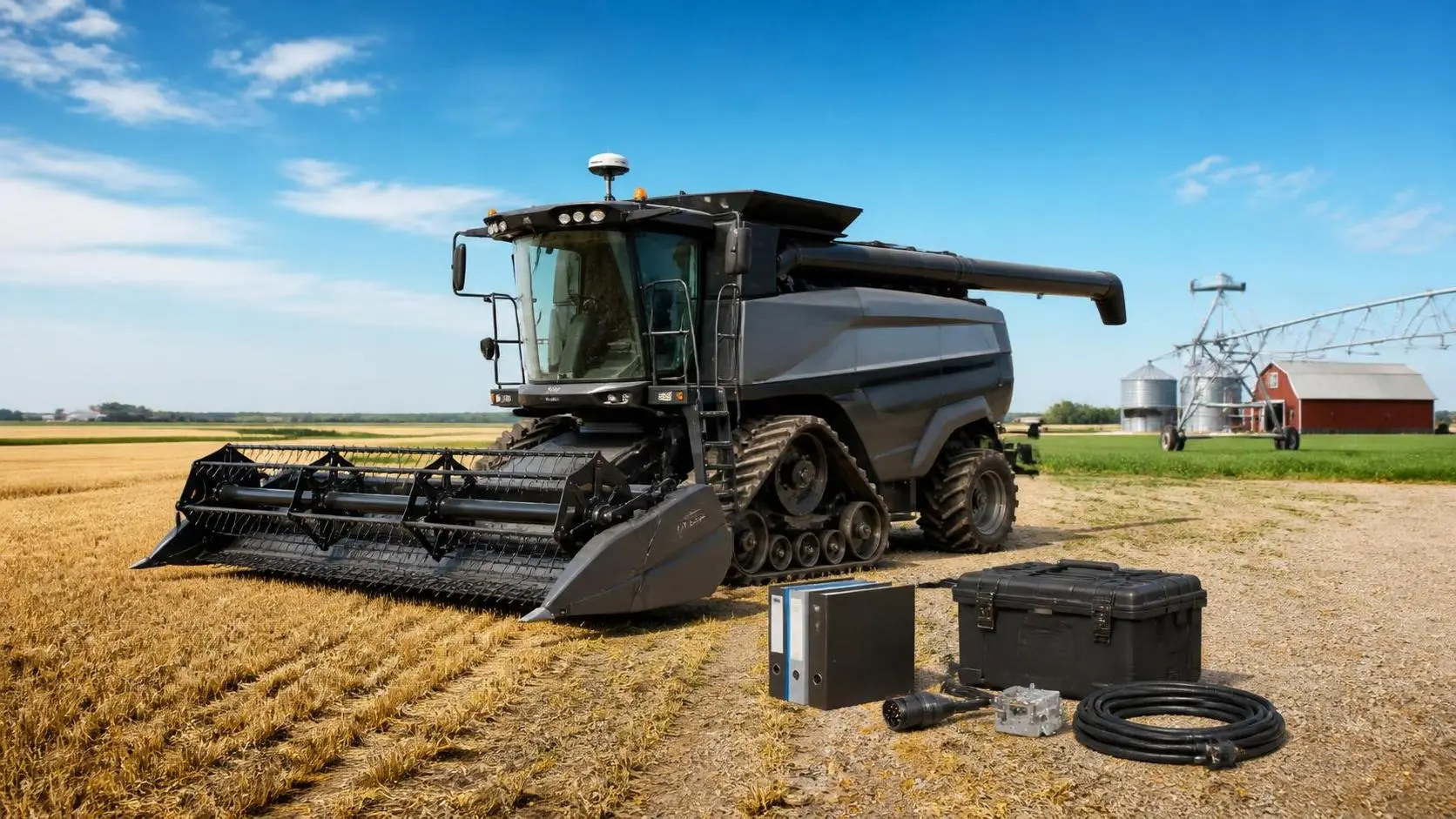
A Procurement Specification Preparation Example for Buying Farm Equipment
Procurement specification preparation example for farm equipment: learn to define requirements, compare suppliers, control lifecycle costs, and buy with confidence.
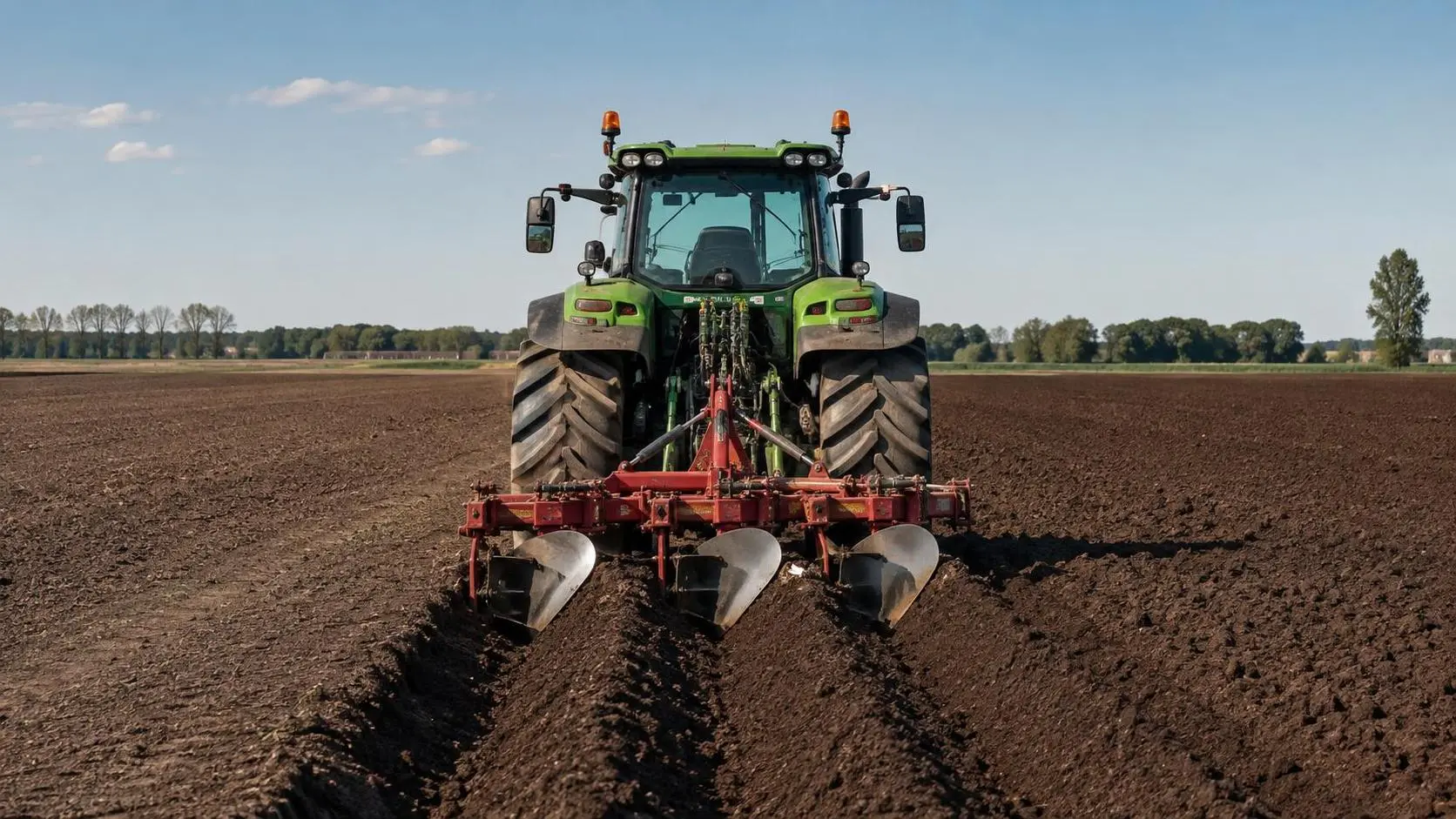
What Tractor Horsepower Is Needed for a Three-Bottom Moldboard Plow?
What tractor horsepower is needed for three-bottom moldboard plow? Compare 60–100 hp needs by soil, depth, traction, and plow width for a confident equipment match.
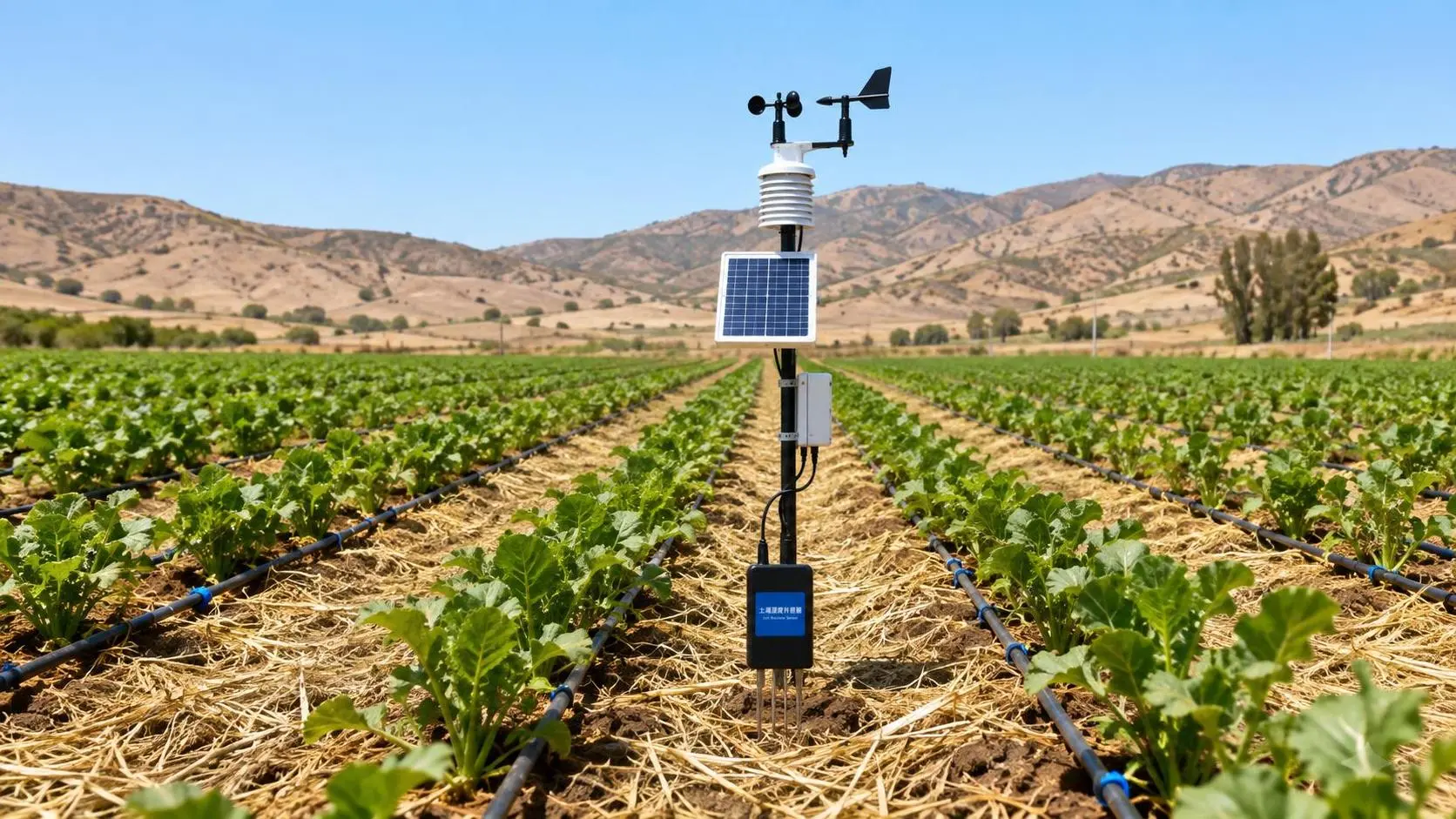
How Does Climate-Smart Farming Reduce Water Use in Semi-Arid Areas?
How does climate-smart farming reduce water use in semi-arid zones? Discover precision irrigation, soil monitoring, and smarter crop planning for resilient yields.
Can Sustainable Farming Be Profitable Without Reducing Yields?
Are sustainable farming practices profitable without yield loss? Discover precision strategies that cut waste, protect yields, and improve farm margins.
Related News
- 00
0000-00
Precision Farming Solutions with Drone Data for Field Mapping and Crop Decisions - 00
0000-00
Precision Farming Systems for Yield Mapping: Key Technologies and Field Applications - 00
0000-00
How to Validate Precision Farming Algorithm Accuracy Before Field Deployment - 00
0000-00
How to Evaluate Precision Fertilization Equipment for Latin America Farms - 00
0000-00
How Precision Agriculture Improves Water Management with Sensors, GPS, and VRT
Popular Tags
Tractor Power Architect
Weekly Insights
Stay ahead with our curated technology reports delivered every Monday.