
Is precision agriculture technology for sustainable farming?
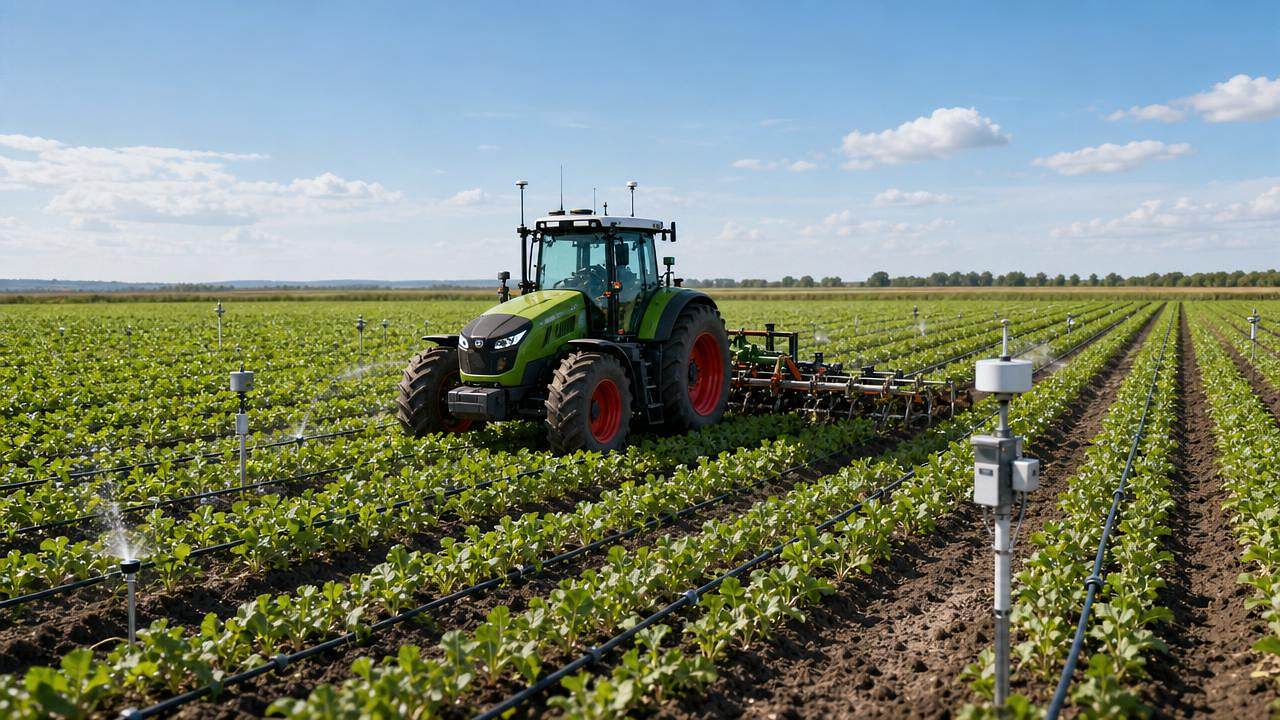




Is Precision Agriculture Technology for Sustainable Farming?
Is precision agriculture technology for sustainable farming truly delivering measurable value across modern field operations?
The answer depends on integration quality, field discipline, equipment reliability, and the ability to convert data into repeatable decisions.
As Agriculture 4.0 accelerates, sustainability is no longer measured only by intention. It is measured through inputs, yield stability, water efficiency, and operational loss reduction.
For AP-Strategy, precision agriculture technology for sustainable farming connects machinery performance, agronomic algorithms, and resource stewardship into one decision framework.
Core Meaning of Precision Agriculture Technology for Sustainable Farming
Precision agriculture technology for sustainable farming means applying the right operation, in the right place, at the right time, with measurable control.
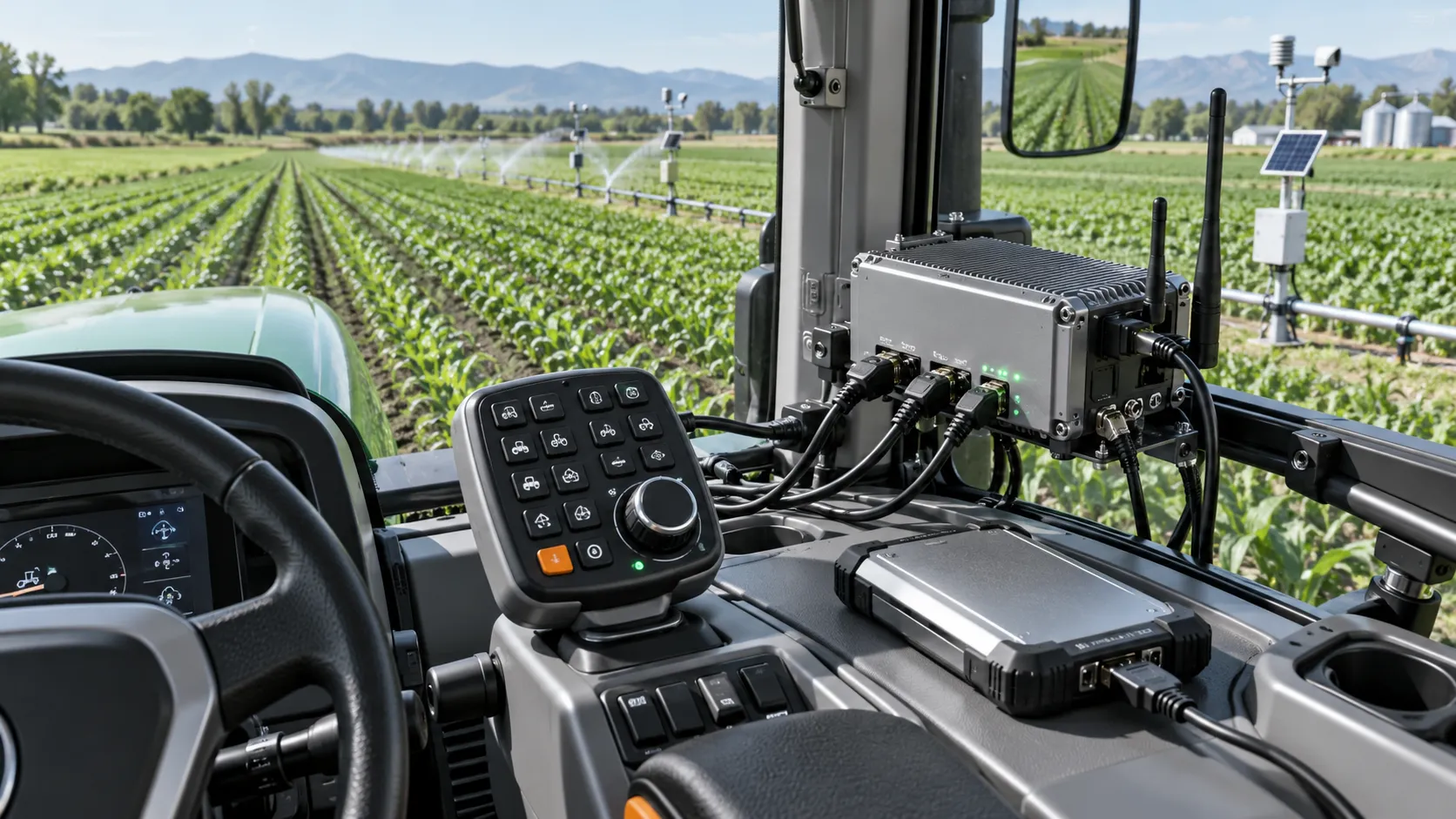
It combines satellite positioning, field sensors, machine control, remote monitoring, variable-rate application, and data analytics.
The goal is not only higher productivity. The stronger goal is balanced productivity with lower waste, lower emissions, and better soil-water protection.
In large-scale agriculture, small percentage gains matter. A minor reduction in overlap can save fuel, fertilizer, chemicals, labor hours, and machinery wear.
Precision agriculture technology for sustainable farming therefore acts as both an operational tool and a sustainability verification system.
Main Technical Layers
- Positioning systems guide tractors, sprayers, seeders, and harvesters with repeatable field accuracy.
- Sensors capture soil moisture, canopy condition, machine load, grain loss, and irrigation performance.
- Control systems adjust seeding, spraying, fertilization, irrigation, and harvesting parameters automatically.
- Analytics platforms convert field data into prescription maps, alerts, benchmarks, and planning models.
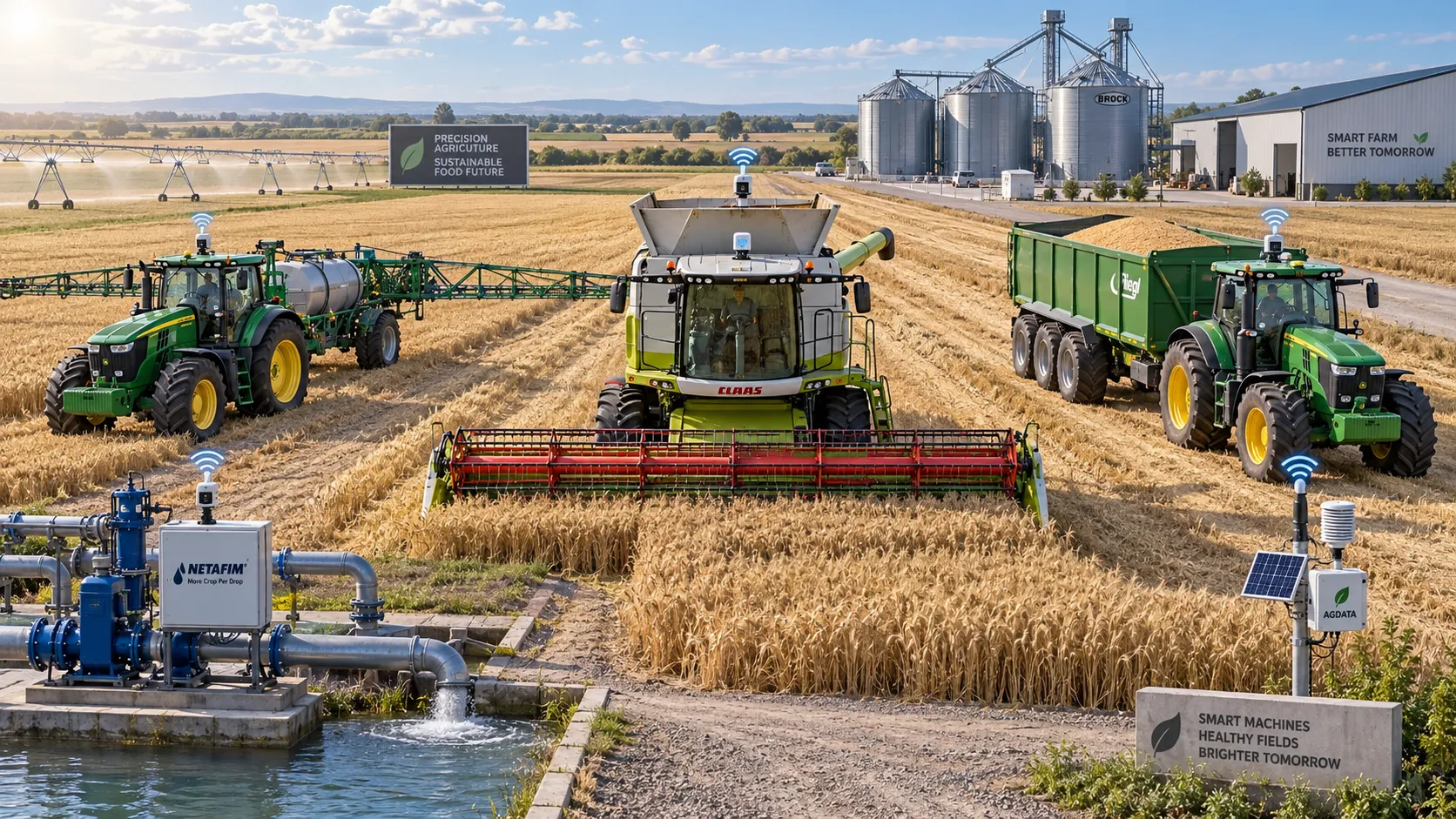
- Connectivity links field equipment, cloud dashboards, weather models, and enterprise reporting systems.
Industry Background and Current Signals
Global agriculture faces pressure from climate volatility, soil degradation, water scarcity, labor constraints, and rising input costs.
These pressures make precision agriculture technology for sustainable farming more important than a single equipment upgrade.
It becomes a system-level response to food security, resource efficiency, and operational resilience.
The most advanced farms are moving beyond equipment ownership. They are building connected production systems that generate evidence for every major decision.
This shift explains why precision agriculture technology for sustainable farming is central to modern agri-equipment intelligence.
Business Value Across Field Operations
The value of precision agriculture technology for sustainable farming is strongest when field data changes daily execution.
Good systems reduce uncertainty before field entry, during machine operation, and after harvest evaluation.
Input Optimization
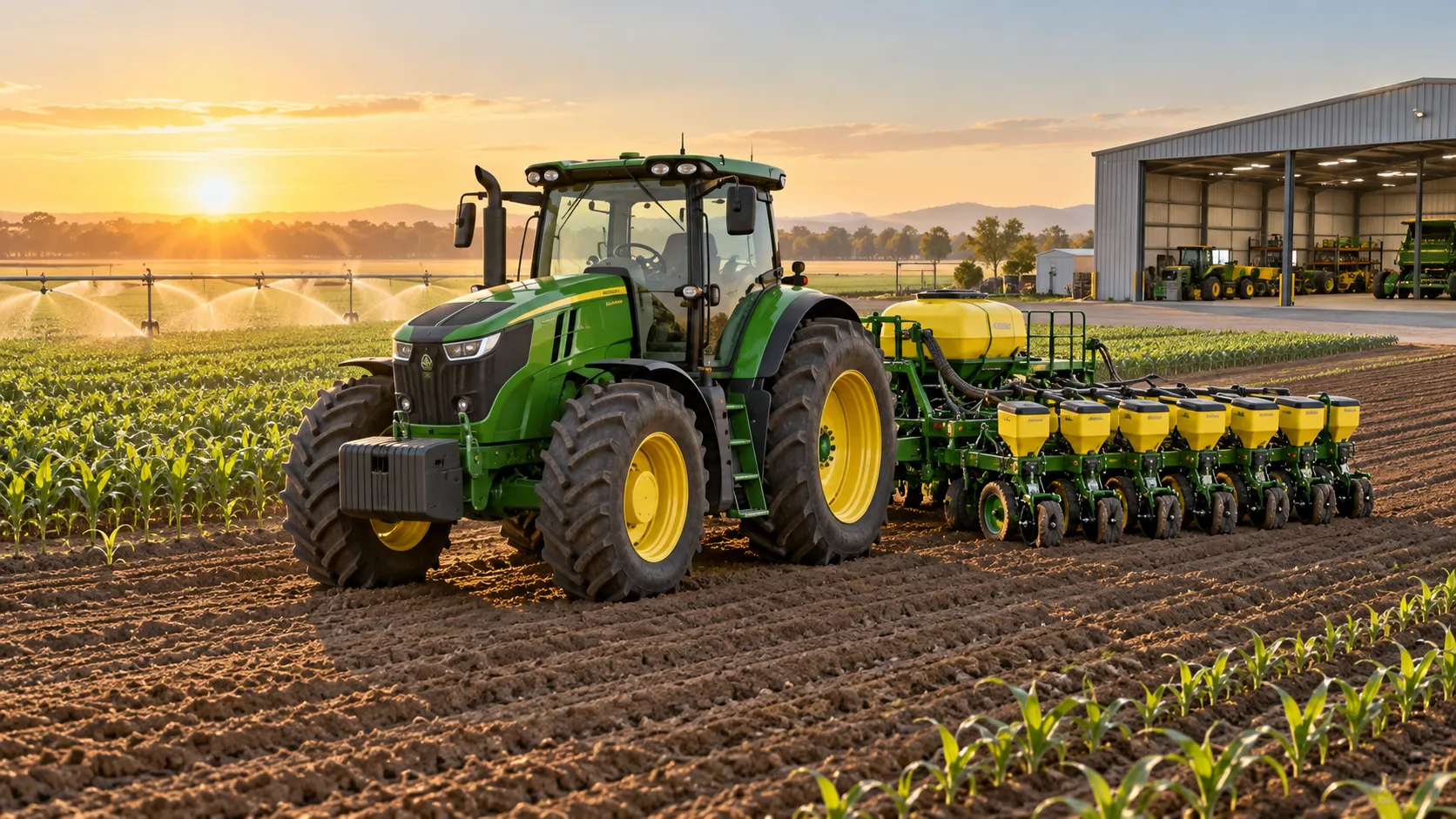
Variable-rate seeding and fertilization reduce blanket application. Inputs follow soil zones, yield potential, crop demand, and environmental limits.
This improves nutrient efficiency while lowering runoff risk. It also supports transparent reporting for sustainability programs.
Water Stewardship
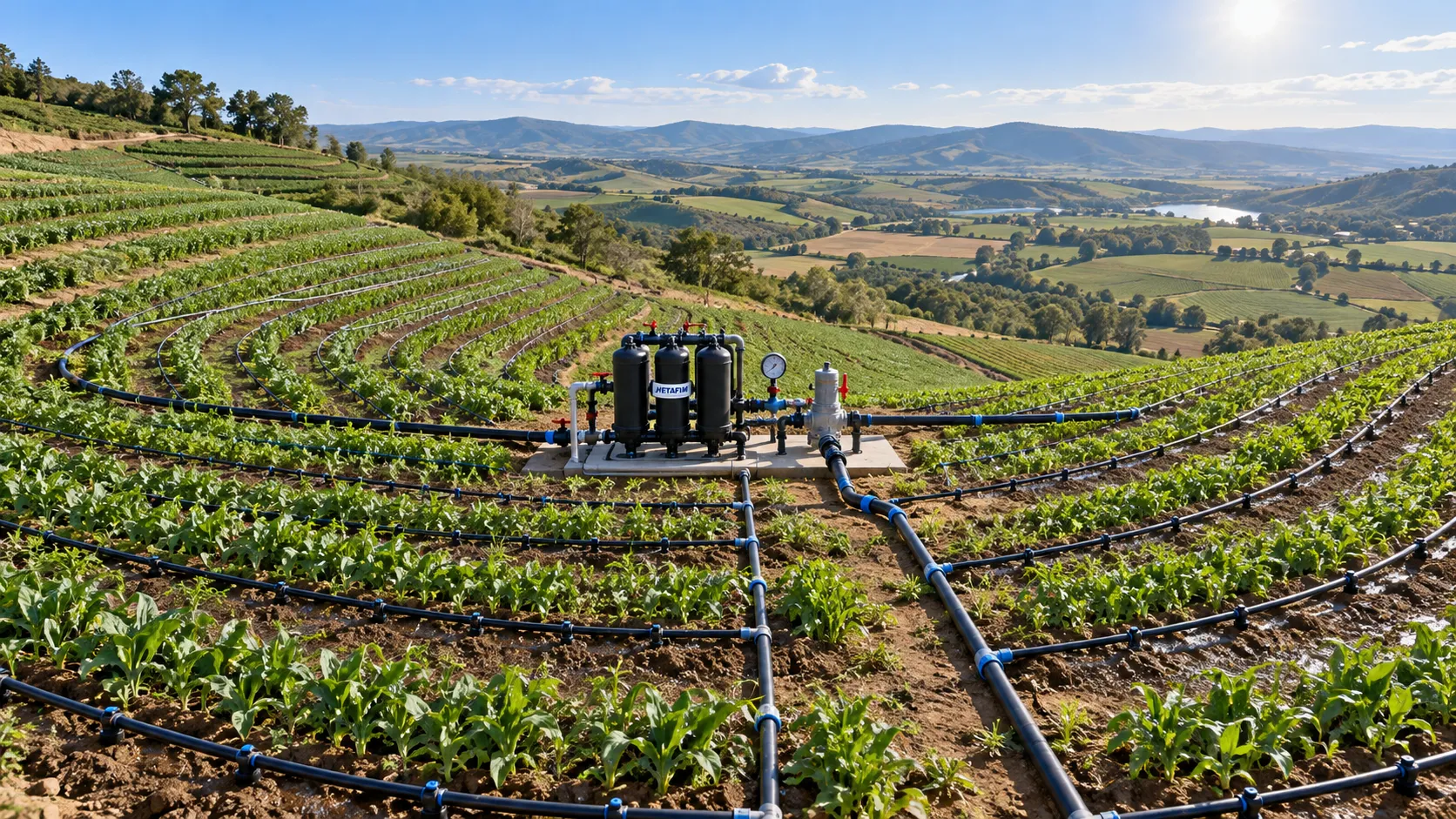
Smart irrigation systems combine soil moisture probes, weather forecasts, pressure monitoring, and crop-stage models.
Precision agriculture technology for sustainable farming helps irrigation shift from fixed scheduling to crop-responsive water delivery.
This is critical in regions where groundwater depletion and climate uncertainty are becoming direct production risks.
Machinery Efficiency
Guidance systems reduce overlap, missed passes, compaction, and unnecessary turning. Fleet monitoring improves route planning and machine utilization.
For tractors and combine harvesters, data also improves fuel planning, maintenance timing, and field capacity analysis.
Harvest Quality and Loss Control
Modern combine harvesters use sensors to monitor grain loss, moisture, throughput, sieve load, and cleaning performance.
When calibrated correctly, these systems reduce hidden yield loss and support better post-harvest decisions.
Typical Application Scenarios
Precision agriculture technology for sustainable farming applies differently across crops, climates, and equipment platforms.
The best results come from matching technology intensity with field variability and operational scale.
In each scenario, sustainable value depends on the same principle: data must trigger a better field action.
If data remains isolated in reports, precision agriculture technology for sustainable farming will not reach its full potential.
Evaluation Criteria for Practical Adoption
A strong precision system should be evaluated by reliability, compatibility, usability, and measurable field return.
Hardware specifications matter, but long-term value depends on calibration, support, data quality, and workflow fit.
- Check whether sensors remain stable under dust, vibration, mud, moisture, and temperature variation.
- Confirm compatibility with existing tractors, implements, harvesters, irrigation controllers, and farm software.
- Measure whether guidance and automation reduce passes, idle time, fuel use, or field rework.
- Review data ownership, export formats, cybersecurity, and long-term platform accessibility.
- Compare claimed savings with local agronomic variability, labor structure, and water conditions.
Precision agriculture technology for sustainable farming should not be judged only by dashboards or visual maps.
It should be judged by verified reductions in waste and consistent improvements in field decision quality.
Implementation Practices and Common Cautions
Successful implementation usually starts with one high-value problem, not with a full digital transformation plan.
Common starting points include irrigation scheduling, fertilizer efficiency, harvest loss monitoring, equipment guidance, and fleet utilization.
Recommended Steps
- Define the field problem with baseline measurements before selecting technology.
- Pilot the solution on representative fields across different soil and crop conditions.
- Calibrate sensors and machines before interpreting performance data.
- Connect prescriptions with actual equipment controls, not only planning software.
- Review outcomes after each season and refine thresholds, maps, and operational rules.
Key Cautions
Data gaps can mislead decisions. Poorly calibrated yield monitors may create false management zones.
Connectivity limitations can reduce automation benefits in remote fields. Offline workflows and local data storage may be necessary.
Interoperability also matters. Closed platforms can limit future equipment choices and increase long-term switching costs.
Precision agriculture technology for sustainable farming performs best when agronomy, machinery, hydrology, and economics are evaluated together.
Role of Intelligence Platforms in Agriculture 4.0
The Agriculture 4.0 era requires more than connected devices. It requires structured intelligence that explains technology direction and commercial relevance.
AP-Strategy tracks large-scale agri-machinery, combine harvesting technology, tractor chassis innovation, intelligent farm tools, and water-saving irrigation systems.
Its Strategic Intelligence Center links mechanical performance, precision farming algorithms, and sustainability demands through sector observation.
This perspective is useful because precision agriculture technology for sustainable farming is evolving across multiple technical fronts simultaneously.
- Autonomous machinery is improving field consistency and reducing dependency on manual steering.
- Electric and hybrid powertrains are reshaping efficiency expectations for tractor chassis.
- Dynamic combine algorithms are improving loss control in changing crop conditions.
- Irrigation prediction models are linking water delivery with crop transpiration demand.
- Commercial analytics are clarifying demand for autonomous and precision fertilization tools.
Strategic intelligence helps convert scattered innovation into clearer investment, deployment, and equipment planning signals.
Conclusion and Next Operational Steps
Precision agriculture technology for sustainable farming is not a single product category. It is an integrated operating method.
Its practical value appears when machines, sensors, prescriptions, water systems, and analytics create better field decisions.
The strongest results are usually visible in reduced input waste, improved water productivity, lower harvest losses, and more resilient production planning.
The next step is to identify one measurable field challenge and connect it with the most relevant precision system.
Useful priorities include irrigation efficiency, guidance accuracy, variable-rate input control, combine loss monitoring, and fleet utilization.
With disciplined implementation, precision agriculture technology for sustainable farming can support food security, smart cultivation, and resource-saving agriculture.
AP-Strategy will continue tracking this evolution through high-authority intelligence on machinery, algorithms, irrigation, and global sustainability demands.
- combine harvesting technology
- Agriculture 4.0
- precision farming algorithms
- global sustainability demands
- food security
- tractor chassis
- intelligent farm tools
- satellite positioning
- water-saving irrigation
- autonomous machinery
- precision fertilization tools
- smart cultivation
- precision agriculture technology
- precision agriculture technology for sustainable farming
Related News
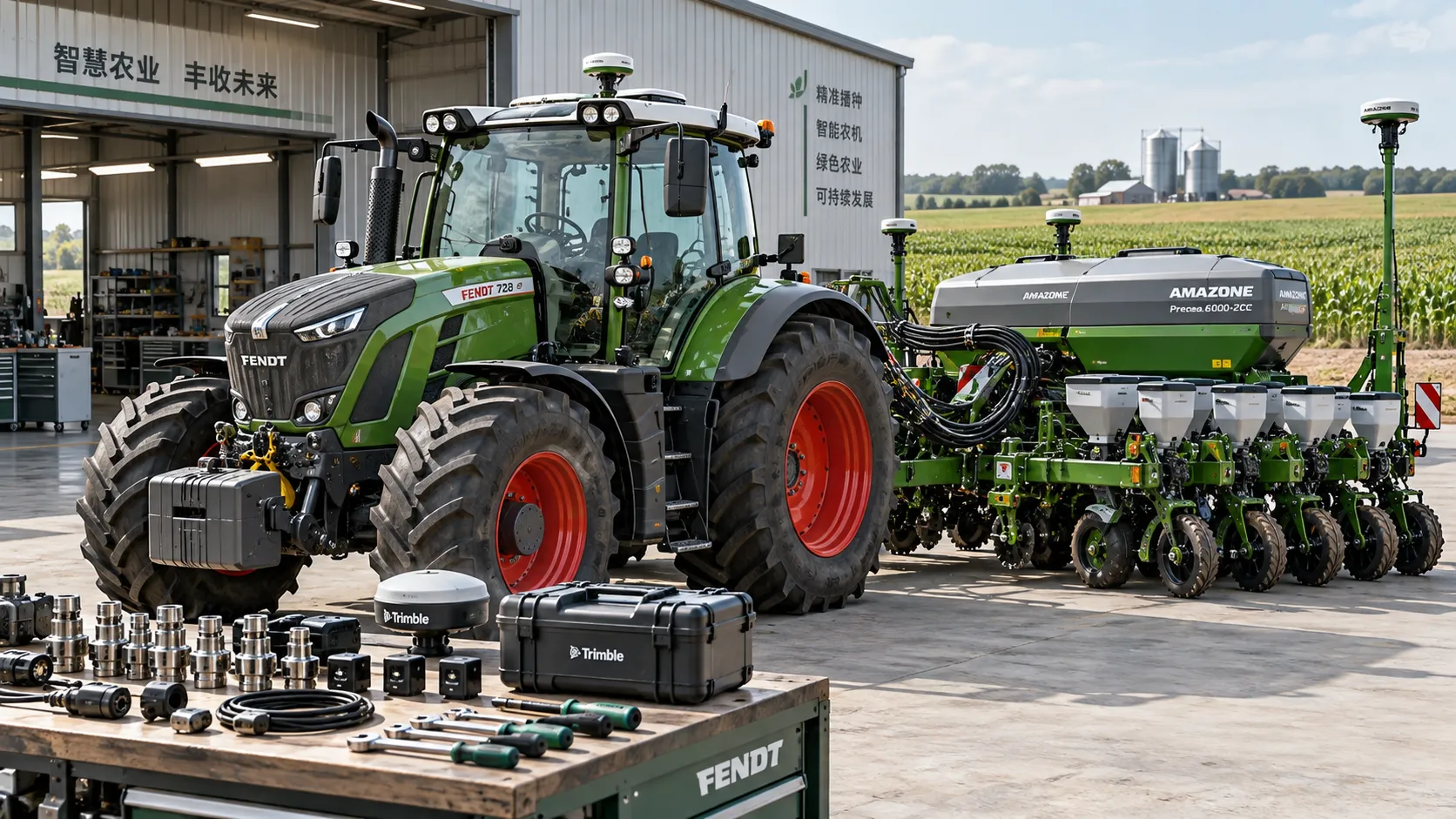
Choosing an Agriculture 4.0 Supplier: Compatibility, Support, and Total Cost
Choose an Agriculture 4.0 supplier with confidence. Learn how to verify compatibility, assess support, and compare total ownership costs to avoid hidden fees and costly downtime.
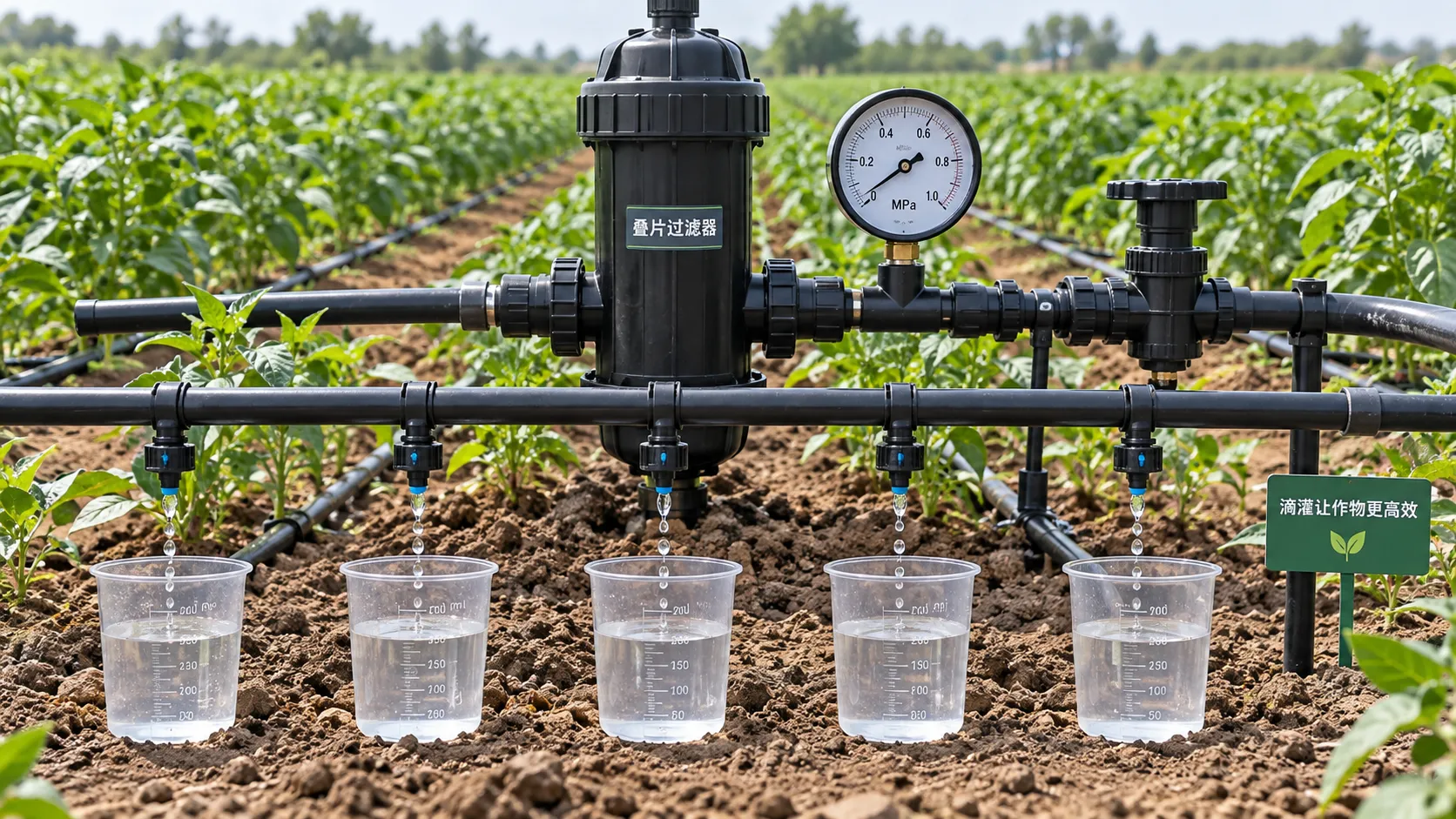
Low-Pressure Drip Irrigation: How to Fix Uneven Watering Without Raising Pressure
Optimize low pressure water-saving irrigation systems: discover how to fix uneven watering, clear blockages, and reduce hydraulic losses without raising supply pressure.
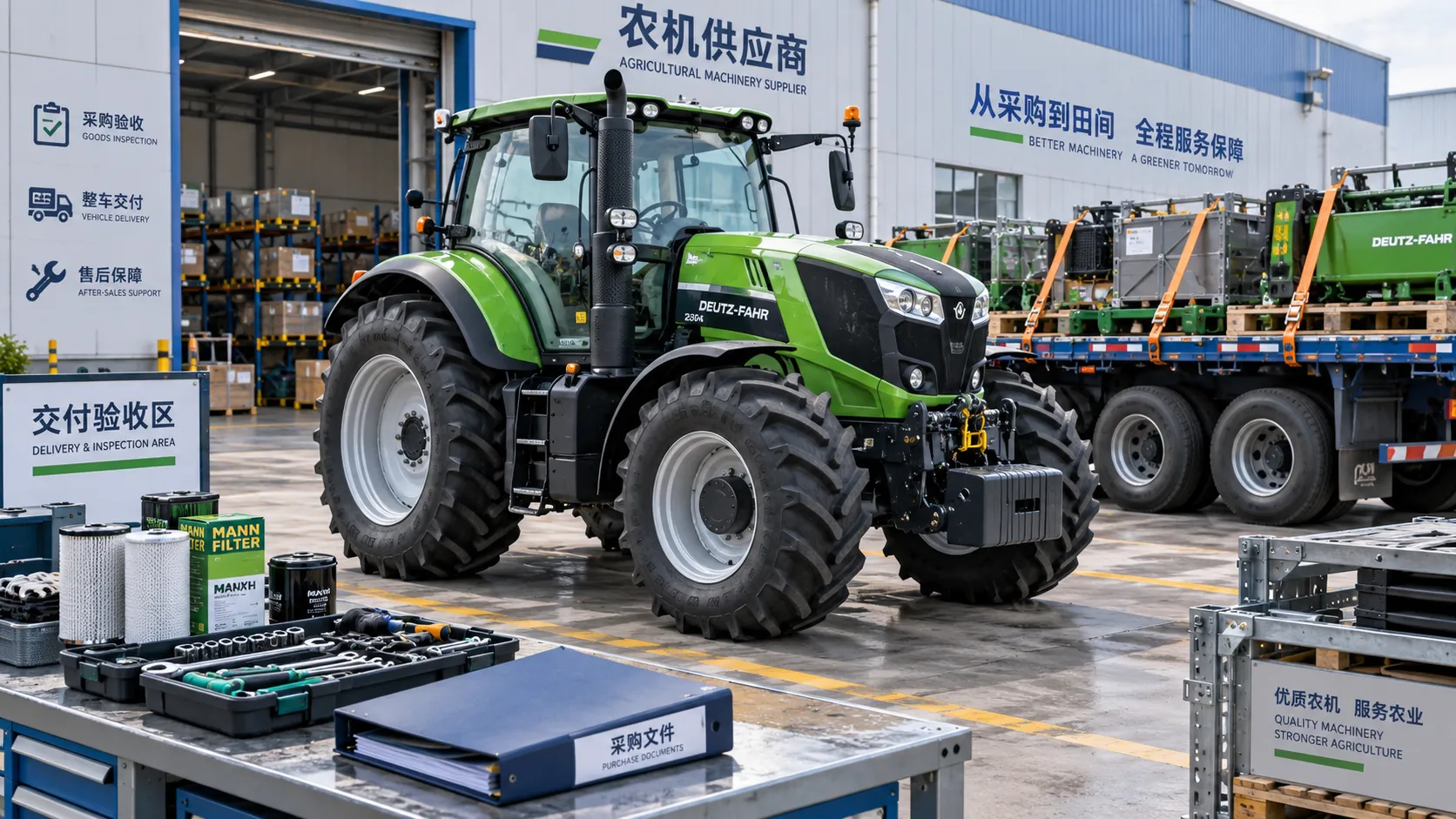
Comparing Farm Equipment Supplier Quotes: Price, Freight, and Warranty
Simplify supplier comparison for farm equipment price: assess freight, field-ready costs, and warranty coverage. Learn how to avoid hidden charges and choose a reliable supplier.
Choosing a Digital Farming Platform Provider: Compatibility and Data Ownership
Compare digital farming platforms providers on equipment compatibility, data ownership, and export rights. Discover practical checks to avoid lock-in and choose with confidence.
How Large-Scale Farm Telematics Cuts Downtime Across Mixed Fleets
Large-scale farm equipment telematics cuts mixed-fleet downtime with real-time alerts, smarter maintenance, and stronger operational control. Learn how to protect critical farm workflows.
How to Size Low-Pressure Water-Saving Irrigation Systems for Uneven Fields
Low pressure water-saving irrigation systems for uneven fields: learn zoning, pressure mapping, pipe sizing, and pump selection to improve uniformity and reduce water waste.
Farm Machinery Sourcing: How to Vet Suppliers, Specs, and Lifecycle Costs
Farm machinery information for sourcing: learn to vet suppliers, compare specifications, control lifecycle costs, and secure reliable uptime for smarter equipment purchases.
How telemetry for agriculture helps identify equipment downtime
Telemetry for agriculture helps detect early warning signs, prioritize maintenance, and reduce costly equipment downtime before field operations are disrupted.
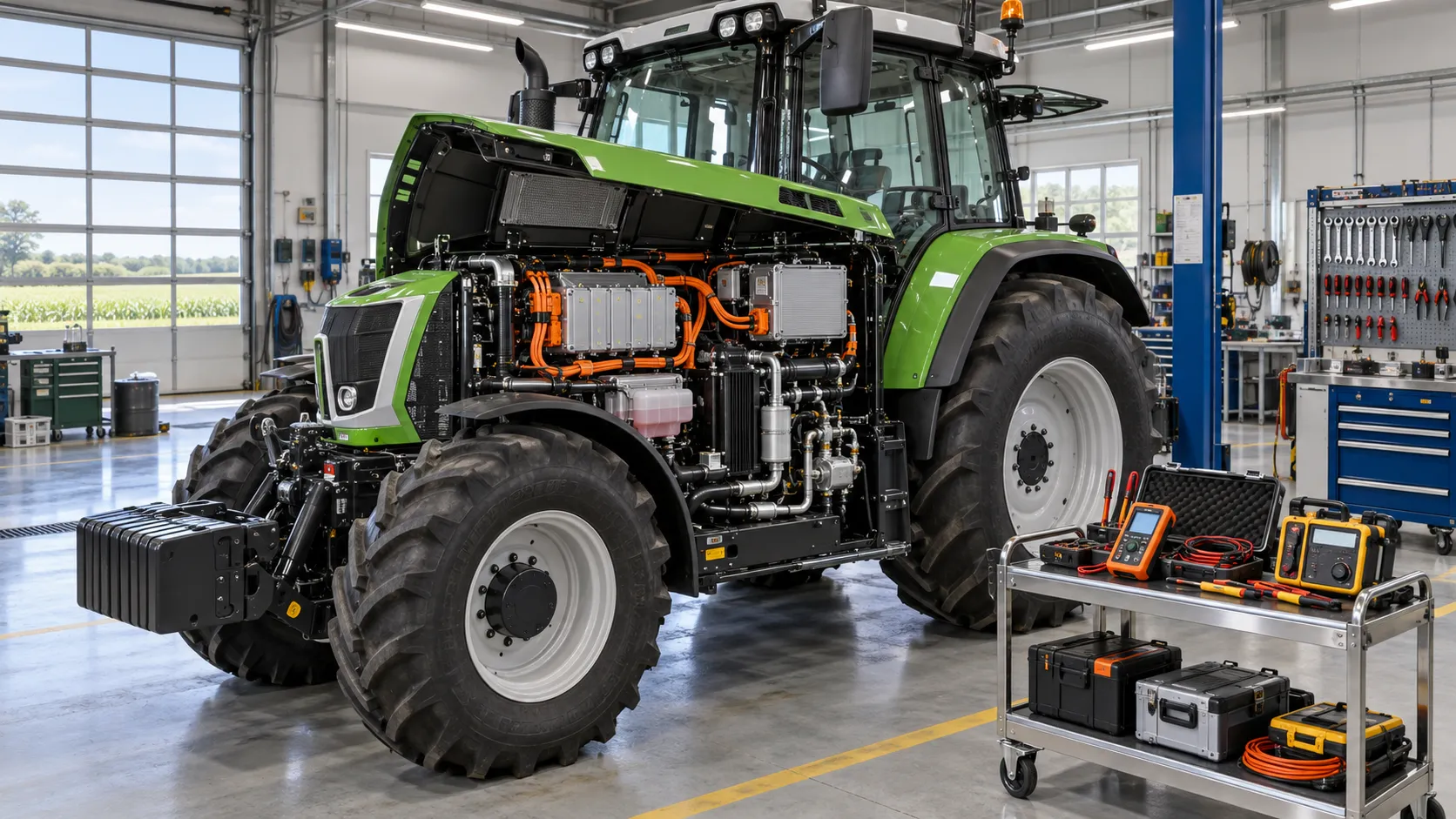
What maintenance challenges come with hybrid agricultural machines?
Hybrid agricultural machines demand smarter maintenance. Discover key challenges in high-voltage safety, batteries, software diagnostics, cooling, and parts planning.
Related News
- 00
0000-00
How to Evaluate Dynamic Feedback Algorithm Suppliers for Precision Farming Systems - 00
0000-00
How Sensor Feedback Enables Accurate Variable-Rate Fertilization in Field Conditions - 00
0000-00
How to Select Precision Crop Protection Equipment for Variable Field Conditions - 00
0000-00
How to Evaluate Precision Fertilization System Suppliers for Farm-Scale Deployment - 00
0000-00
How to Select a Precision Fertilization System for Variable Corn Field Conditions
Popular Tags
Tractor Power Architect
Weekly Insights
Stay ahead with our curated technology reports delivered every Monday.