
Why precision agriculture matters in climate resilience
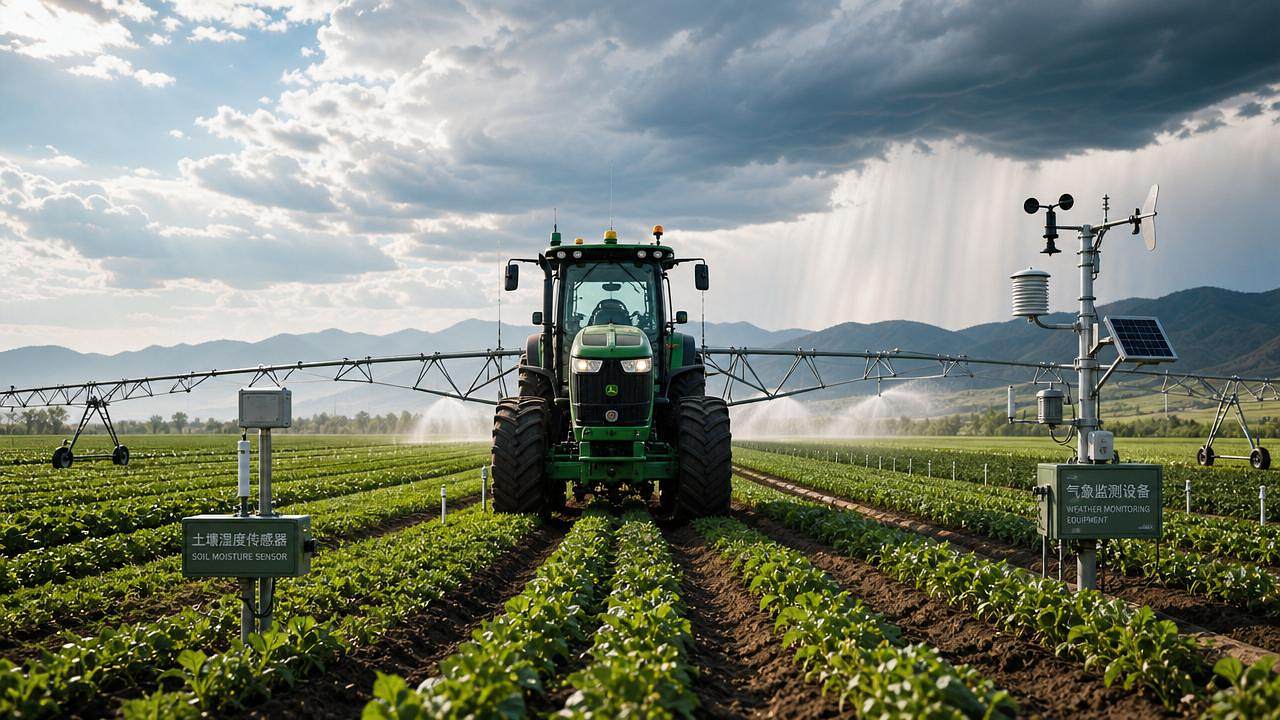




Climate shocks are changing field decisions faster than many operating models can adapt.
Drought, erratic rainfall, heat stress, and input volatility now affect machinery use, irrigation timing, and harvest windows.
That is why precision agriculture technology for climate resilience has become a practical benchmark, not a distant ambition.
It connects sensors, positioning, equipment intelligence, and agronomic data into measurable responses under unstable conditions.
For platforms such as AP-Strategy, this shift matters because resilience now depends on how machines, water systems, and analytics work together.
The key question is no longer whether digital tools are useful.
The real question is how precision agriculture technology for climate resilience improves efficiency, lowers loss, and strengthens long-term productivity.
What does precision agriculture technology for climate resilience actually mean?
At its core, it means managing variability with data, automation, and targeted field actions.
Climate resilience means a farm can absorb shocks, recover faster, and keep producing under changing environmental pressure.
When combined, the concept becomes highly operational.
Sensors monitor soil moisture, crop stress, and machine performance.
GNSS guidance reduces overlap during seeding, spraying, and fertilization.
Variable-rate application adjusts inputs by zone instead of treating every hectare the same.
Smart irrigation systems react to plant demand and weather signals rather than fixed schedules.
This matters because climate risk is uneven across fields and seasons.
Uniform decisions often waste water, fuel, nutrients, and machine hours.
Precision agriculture technology for climate resilience replaces broad assumptions with local evidence.
That makes resilience measurable through better timing, less loss, and stronger resource efficiency.
Key components usually include:
- Remote sensing for crop condition and stress detection
- Telematics for equipment monitoring and operational planning
- Soil and weather sensors for adaptive field decisions
- Intelligent irrigation controls for water-saving execution
- Harvest analytics for yield variability and loss reduction
Why does it matter more under climate uncertainty?
Climate pressure exposes weak points in both agronomy and machinery operations.
A delayed rain event can disrupt planting depth, tire traffic, irrigation planning, and disease control timing.
Heat waves shorten harvest windows and increase grain quality risks.
In these moments, resilience depends on decision speed and execution accuracy.
Precision agriculture technology for climate resilience improves both.
For example, soil moisture mapping can reveal where limited water will deliver the greatest return.
Prescription spraying can reduce chemical stress on low-risk areas while protecting vulnerable zones.
Harvester sensors can help adjust cleaning and separation in uneven crop moisture conditions.
This is especially relevant to the Agriculture 4.0 ecosystem tracked by AP-Strategy.
Large-scale machinery, combine harvesters, tractor chassis, intelligent tools, and smart irrigation all influence climate adaptation capacity.
Better resilience comes from linking them, not evaluating them in isolation.
The practical gains are often seen in:
- Reduced overlap, compaction, and fuel consumption
- Improved irrigation efficiency during drought periods
- Faster response to disease, heat, and nutrient stress
- Lower harvest losses in variable field conditions
- Stronger seasonal records for future planning
Which applications deliver the clearest climate resilience value?
Not every digital feature has equal value under climate stress.
The strongest results usually come from systems tied directly to water, timing, and field variability.
Smart irrigation is one of the clearest examples.
When evapotranspiration models, moisture probes, and weather forecasts work together, irrigation becomes adaptive instead of reactive.
That protects yield while conserving scarce water resources.
Guidance and autosteer also matter more than they may first appear.
Accurate passes reduce wasted inputs and preserve timely operations during narrow planting or spraying windows.
Variable-rate seeding and fertilization support resilience by matching rates to soil potential and stress exposure.
On the harvest side, yield monitors and machine feedback reveal where climate effects reduced performance or created hidden losses.
This information supports stronger decisions in the next cycle.
High-value use cases include:
- Adaptive irrigation scheduling during drought and heat waves
- Variable-rate nutrient plans after extreme rainfall variability
- Traffic and route optimization in soft or compacted fields
- Real-time harvester tuning in mixed moisture conditions
- Remote monitoring of pumps, pivots, and machine uptime
How can you judge whether a system is truly useful, not just digital?
A common mistake is confusing connectivity with resilience value.
A dashboard alone does not create adaptation capacity.
The better test is whether the system improves field decisions under variable weather and resource pressure.
Precision agriculture technology for climate resilience should support action, not just observation.
Look for interoperability between sensors, machinery, and irrigation controls.
Check whether data can move from monitoring to prescription and then into machine execution.
Also examine reliability under harsh field conditions.
If data gaps appear during critical weather events, decision quality falls quickly.
Scalability matters as well.
A useful solution should work across large machinery fleets, multiple field zones, and varying water constraints.
Use this quick evaluation table:
What risks, costs, or implementation mistakes should be expected?
The most common risk is overinvesting in disconnected tools.
If mapping, machine telemetry, and irrigation controls operate separately, resilience gains stay limited.
Another mistake is expecting instant return from every module.
Some benefits appear quickly, such as overlap reduction and fuel savings.
Others require seasonal data, calibration, and workflow adjustment.
Training is often underestimated.
Even advanced precision agriculture technology for climate resilience loses value if operators cannot interpret alerts or act on prescriptions.
Maintenance also matters.
Sensors drift, communication fails, and irrigation components need inspection during demanding seasons.
A phased approach usually works better than a full digital overhaul.
Start with high-impact areas, then expand based on measured performance.
Watch for these warning signs:
- No baseline for water, fuel, or input use
- Too many platforms with poor compatibility
- Limited service support during peak operations
- No plan for calibration and seasonal review
- Focusing on features instead of field outcomes
How should the next step be planned for stronger resilience?
Begin with the climate constraints that create the highest operational cost or yield risk.
In many regions, that means water scarcity, harvest variability, or narrow treatment windows.
Then match technology to those pressure points.
If irrigation is the main issue, prioritize moisture sensing, forecasting, and intelligent control integration.
If field operations are the bottleneck, focus on guidance, telematics, and machine feedback loops.
AP-Strategy’s intelligence model is relevant here because resilient decisions depend on stitched insight across equipment, agronomy, and water systems.
That broader view helps compare options beyond simple purchase price.
It highlights lifecycle efficiency, input control, and adaptive capacity.
In the end, precision agriculture technology for climate resilience matters because modern farming can no longer rely on average conditions.
Resilience comes from accurate sensing, responsive machinery, and smarter water use across the entire production system.
The best next move is to audit weak points, set measurable targets, and deploy integrated tools where climate pressure is already visible.
Related News
Choosing a Digital Farming Platform Provider: Compatibility and Data Ownership
Compare digital farming platforms providers on equipment compatibility, data ownership, and export rights. Discover practical checks to avoid lock-in and choose with confidence.
How Large-Scale Farm Telematics Cuts Downtime Across Mixed Fleets
Large-scale farm equipment telematics cuts mixed-fleet downtime with real-time alerts, smarter maintenance, and stronger operational control. Learn how to protect critical farm workflows.
How to Size Low-Pressure Water-Saving Irrigation Systems for Uneven Fields
Low pressure water-saving irrigation systems for uneven fields: learn zoning, pressure mapping, pipe sizing, and pump selection to improve uniformity and reduce water waste.
Farm Machinery Sourcing: How to Vet Suppliers, Specs, and Lifecycle Costs
Farm machinery information for sourcing: learn to vet suppliers, compare specifications, control lifecycle costs, and secure reliable uptime for smarter equipment purchases.
What to compare in integrated seeding combinations for heavy soils
Compare integrated seeding combinations for heavy soils: depth control, residue flow, consolidation, traction, and field capacity for more uniform crop establishment.
When an integrated seeding combination improves field efficiency
Integrated seeding combination improves field efficiency, protects planting windows, and balances speed with seedbed quality, tractor capacity, and reliable establishment.
Which costs matter most when calculating precision agriculture ROI?
Calculating ROI on precision agriculture equipment? Discover the costs that shape returns, from installation and subscriptions to downtime, labor, and data integration.
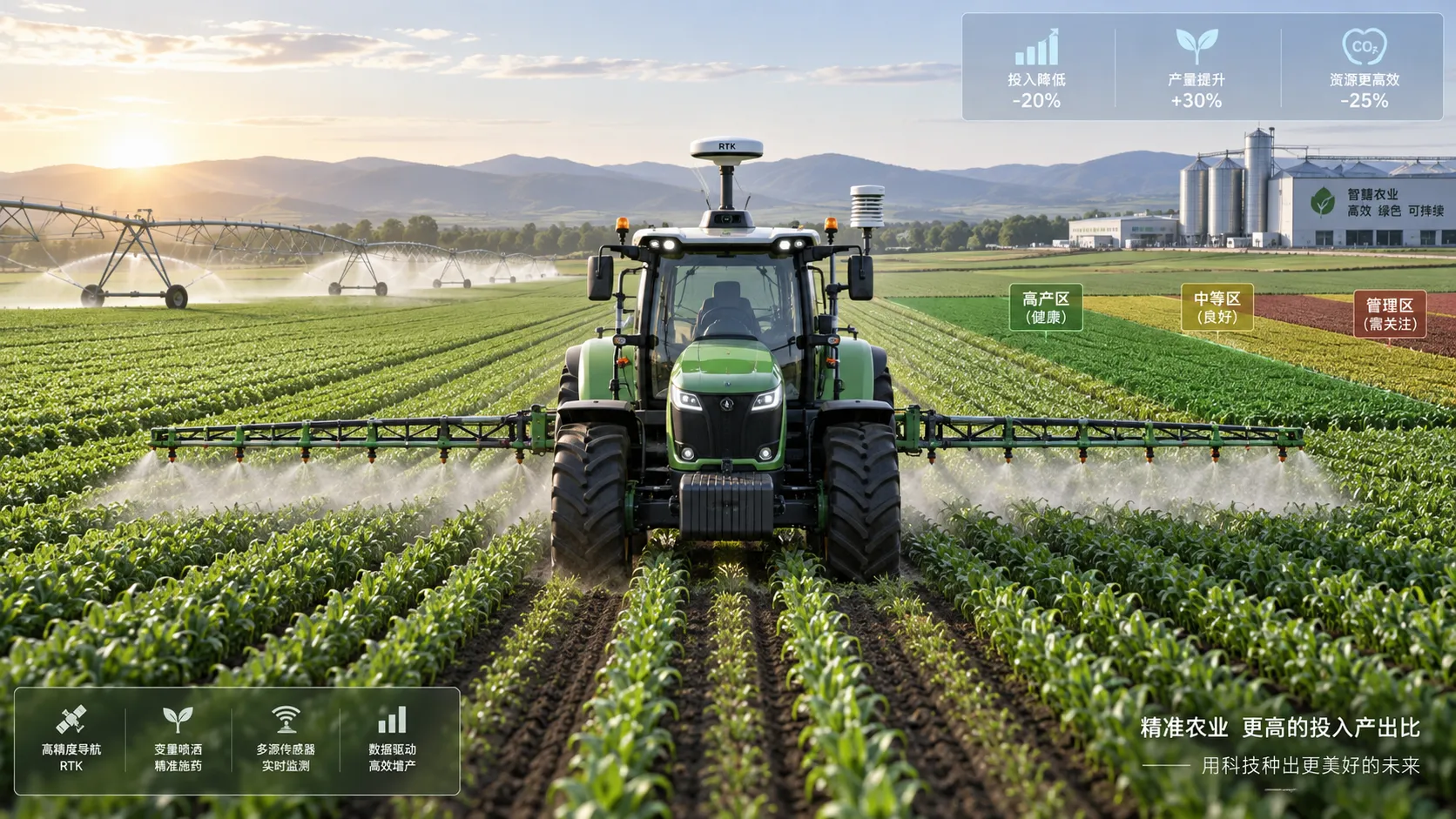
How to calculate ROI on precision agriculture equipment before buying
Calculating ROI on precision agriculture equipment: learn to assess total ownership costs, savings, payback, NPV, risks, and farm-scale value before you buy.
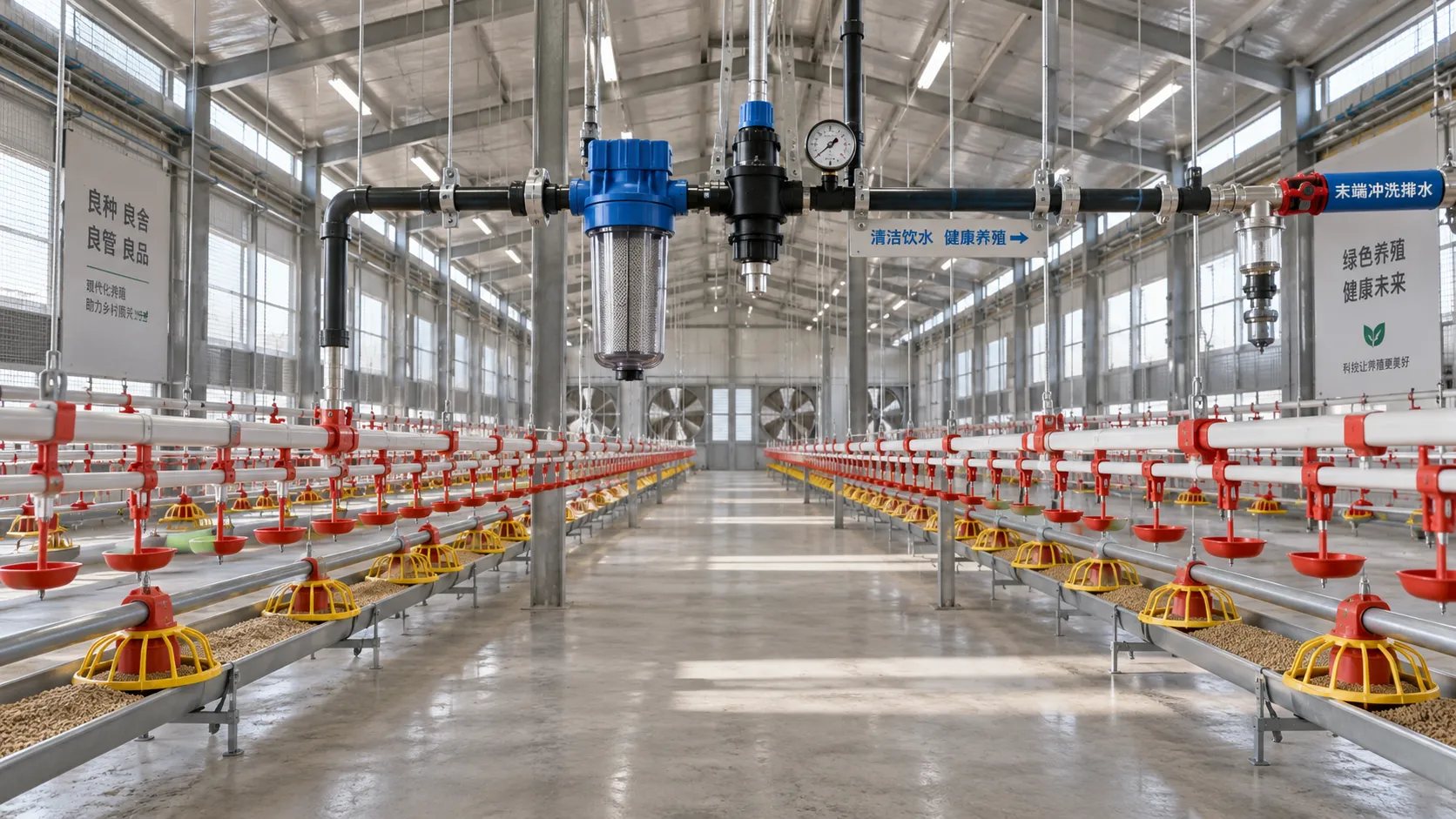
Planning Nipple Drinker Installation for Different Chicken House Layouts
How to install nipple drinker for chicken houses: plan line layouts, pressure control, flushing access, and maintenance for reliable water delivery.
Related News
- 00
0000-00
How to Evaluate Dynamic Feedback Algorithm Suppliers for Precision Farming Systems - 00
0000-00
How Sensor Feedback Enables Accurate Variable-Rate Fertilization in Field Conditions - 00
0000-00
How to Select Precision Crop Protection Equipment for Variable Field Conditions - 00
0000-00
How to Evaluate Precision Fertilization System Suppliers for Farm-Scale Deployment - 00
0000-00
How to Select a Precision Fertilization System for Variable Corn Field Conditions
Popular Tags
Tractor Power Architect
Weekly Insights
Stay ahead with our curated technology reports delivered every Monday.