
Can precision agriculture really strengthen food security?
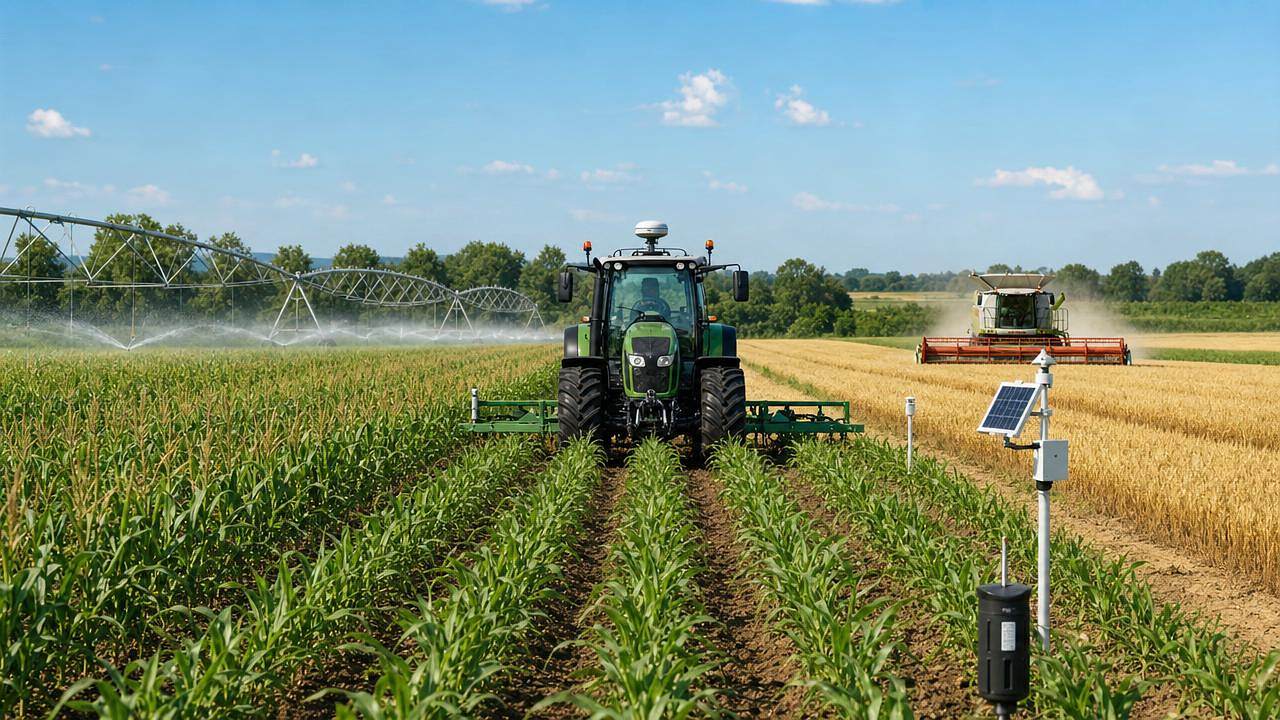




As climate volatility, resource pressure, and rising demand reshape modern farming, the question is no longer whether technology matters, but how effectively it delivers results.
Exploring food security through precision agriculture shows how data-driven machinery, intelligent irrigation, and sharper field decisions can reduce losses and stabilize output.
The idea is compelling, yet results depend on execution. Precision farming strengthens resilience when equipment, agronomy, water management, and decision intelligence work together.
For global agriculture, this is not only a technology upgrade. It is a practical pathway toward more reliable harvests, better input efficiency, and stronger food system performance.
Understanding food security through precision agriculture
Food security means consistent access to sufficient, safe, and nutritious food. In farming, it begins with stable production and lower vulnerability to weather, pests, and resource shortages.
Precision agriculture uses satellite positioning, sensors, software, machine control, and field analytics to manage crops more accurately by location, timing, and actual need.
That makes food security through precision agriculture more than a slogan. It describes a system that aims to raise productivity while reducing avoidable waste.
A tractor with guidance control reduces overlap. A sprayer applies correct rates. A combine detects losses. An irrigation network responds to soil moisture data.
Each improvement may look small in one pass. Across a season, those gains can protect yield, preserve water, and improve overall farm reliability.
Core components of precision farming
- GNSS guidance for straight passes and reduced overlap
- Variable-rate application for seed, fertilizer, and chemicals
- Yield mapping and harvesting loss monitoring
- Sensor-based irrigation scheduling and water control
- Data platforms connecting machinery and agronomic decisions
Why the agriculture sector is paying closer attention
The pressure on food systems is widening. Weather extremes, labor gaps, fuel costs, land constraints, and water stress are affecting production in many regions.
At the same time, grain markets react quickly to supply shocks. Policy shifts, export controls, and environmental regulations now influence field-level decisions more directly.
This explains rising interest in food security through precision agriculture. The sector needs tools that improve output quality without simply increasing input intensity.
Across this landscape, precision technology is becoming a risk-management tool. It helps operations respond earlier, measure more clearly, and act with greater consistency.
How precision systems create real food security value
The strongest case for food security through precision agriculture is practical, not theoretical. It appears where farms reduce losses and convert better decisions into dependable output.
1. Better yield protection
Yield gains do not always come from more inputs. Often they come from applying the right treatment to the right area at the right time.
Site-specific seeding, nutrient placement, and pest control can reduce underperformance in weaker zones while avoiding excess in stronger zones.
2. Lower harvest and handling losses
Food security is damaged when grain is lost before storage. Modern combine harvesters with monitoring systems help maintain better threshing, cleaning, and residue management.
Even modest reductions in header loss or separation loss can preserve significant volume across large acreages.
3. Smarter water use
Water-saving irrigation systems are central to food security through precision agriculture, especially where climate pressure is rising.
Moisture sensors, evapotranspiration models, and automated valves help avoid both stress and overwatering. That supports crop health while protecting scarce water resources.
4. Improved timing and labor efficiency
Guidance systems, machine coordination, and operation planning allow field work to happen faster and with fewer repeat passes.
When weather windows are short, timing is a form of security. Missing a spray, planting, or harvest window can erase potential yield quickly.
5. Stronger decision intelligence
Precision agriculture also strengthens food security through better visibility. Data from machinery, weather, soil, and crop performance creates a clearer operating picture.
This is where intelligence platforms matter. They translate field signals into usable recommendations, helping compare performance across seasons and regions.
Representative application scenarios across farm operations
Precision methods are not limited to one crop or one machine category. Their value appears across the full operating chain.
These examples show that food security through precision agriculture is cumulative. It grows from many coordinated improvements, not one isolated innovation.
Limits, risks, and conditions for success
Precision agriculture is not automatic protection. It can fail when technology is poorly matched to field reality or when data remains disconnected from action.
Common barriers
- High initial investment without a phased adoption plan
- Weak connectivity or fragmented data systems
- Limited calibration, maintenance, or operator training
- Overreliance on dashboards without agronomic interpretation
- Mismatch between machine capability and local cropping conditions
This matters because food security through precision agriculture depends on disciplined integration. Hardware, software, water strategy, and harvest management must align.
Reliable outcomes usually come from gradual scaling, clear performance targets, and regular review of field-level data.
Practical steps to strengthen results
A useful starting point is to focus on the biggest source of variability or loss. For some operations, that is irrigation. For others, it is harvest efficiency.
- Map the main production risks by field, crop, and season.
- Choose one or two precision tools with measurable impact.
- Set benchmarks for yield, water use, overlap, or loss reduction.
- Calibrate equipment and verify data quality regularly.
- Review outcomes after each cycle and expand only when evidence supports it.
Strategic intelligence also adds value here. Market signals, policy direction, machinery trends, and water risk models help frame smarter investment timing.
For that reason, platforms such as AP-Strategy contribute beyond equipment coverage. They connect machinery performance, agronomic logic, and sustainability demands into a more usable decision framework.
A grounded path forward
So, can precision agriculture really strengthen food security? Yes, but only when it moves from isolated technology adoption to coordinated operational practice.
The most credible path to food security through precision agriculture combines large-scale machinery efficiency, lower harvesting losses, intelligent farm tools, and water-saving irrigation.
In a world shaped by climate stress and tighter resources, resilient food production will depend on measurable precision, not general intention.
The next step is clear: evaluate field variability, identify the greatest source of loss, and build a data-backed improvement plan that can be tested season by season.
That is where practical resilience begins, and where food security through precision agriculture becomes a working reality rather than a future promise.
Related News
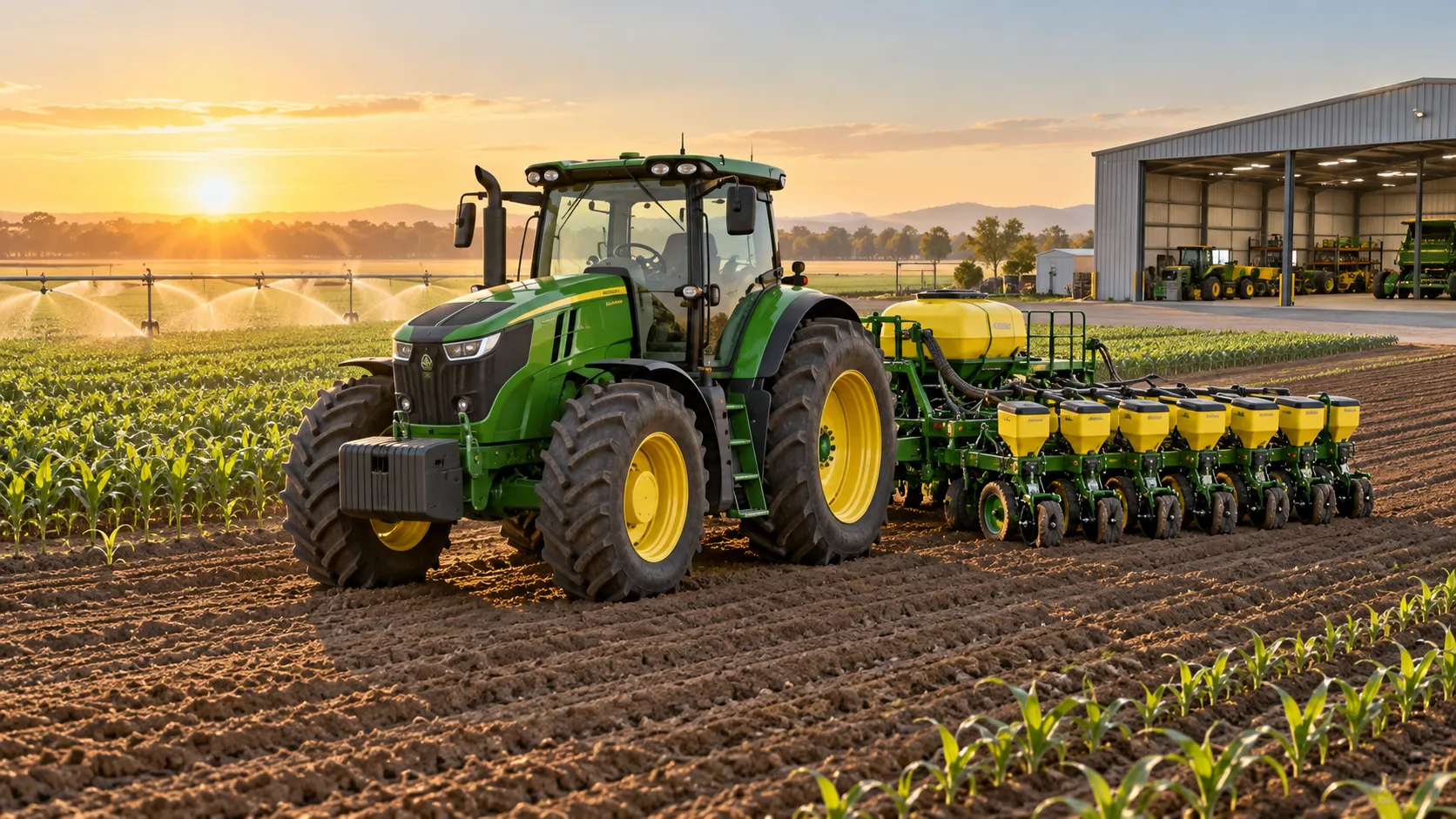
Farm Machinery Sourcing: How to Vet Suppliers, Specs, and Lifecycle Costs
Farm machinery information for sourcing: learn to vet suppliers, compare specifications, control lifecycle costs, and secure reliable uptime for smarter equipment purchases.
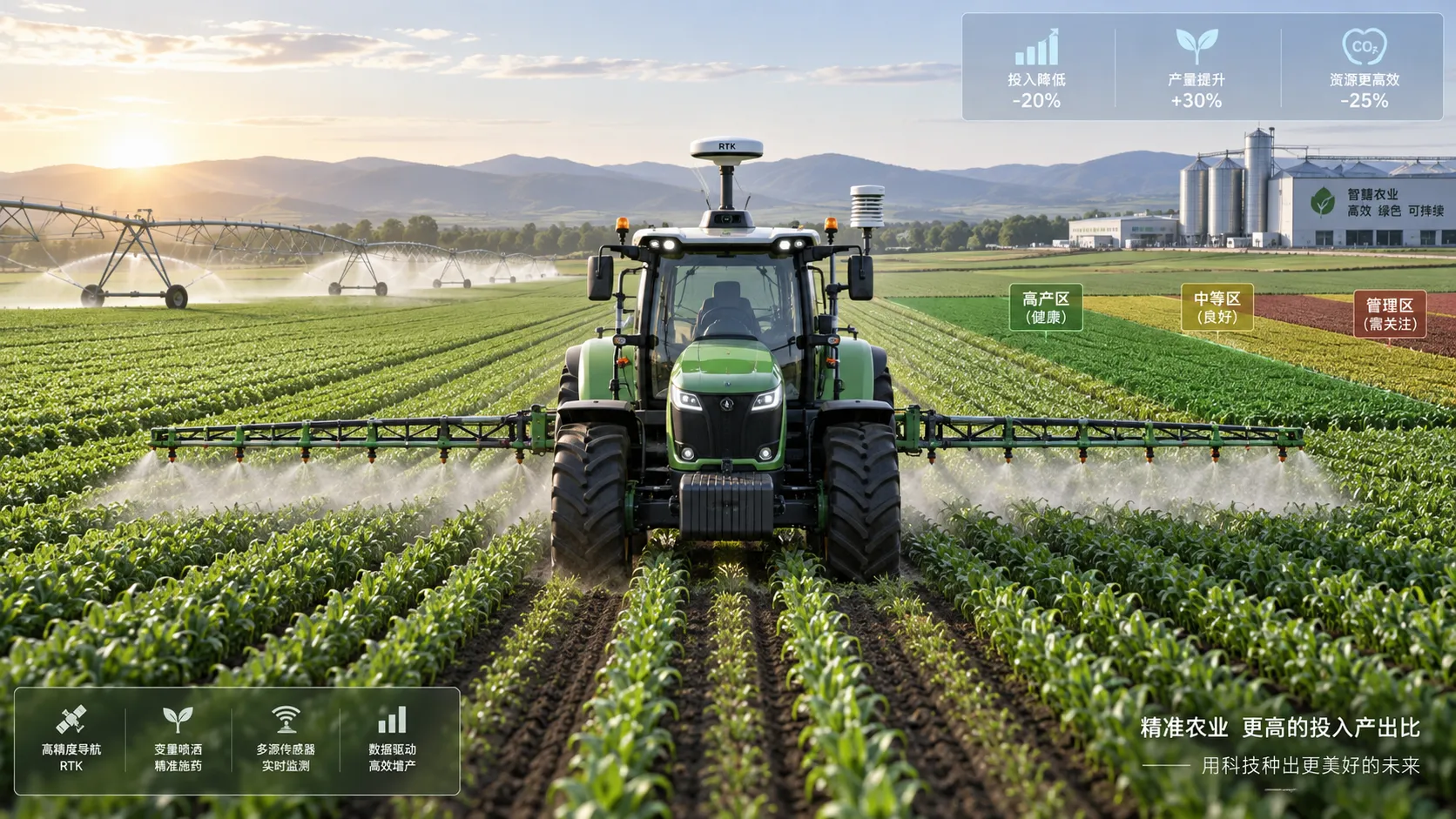
How to calculate ROI on precision agriculture equipment before buying
Calculating ROI on precision agriculture equipment: learn to assess total ownership costs, savings, payback, NPV, risks, and farm-scale value before you buy.
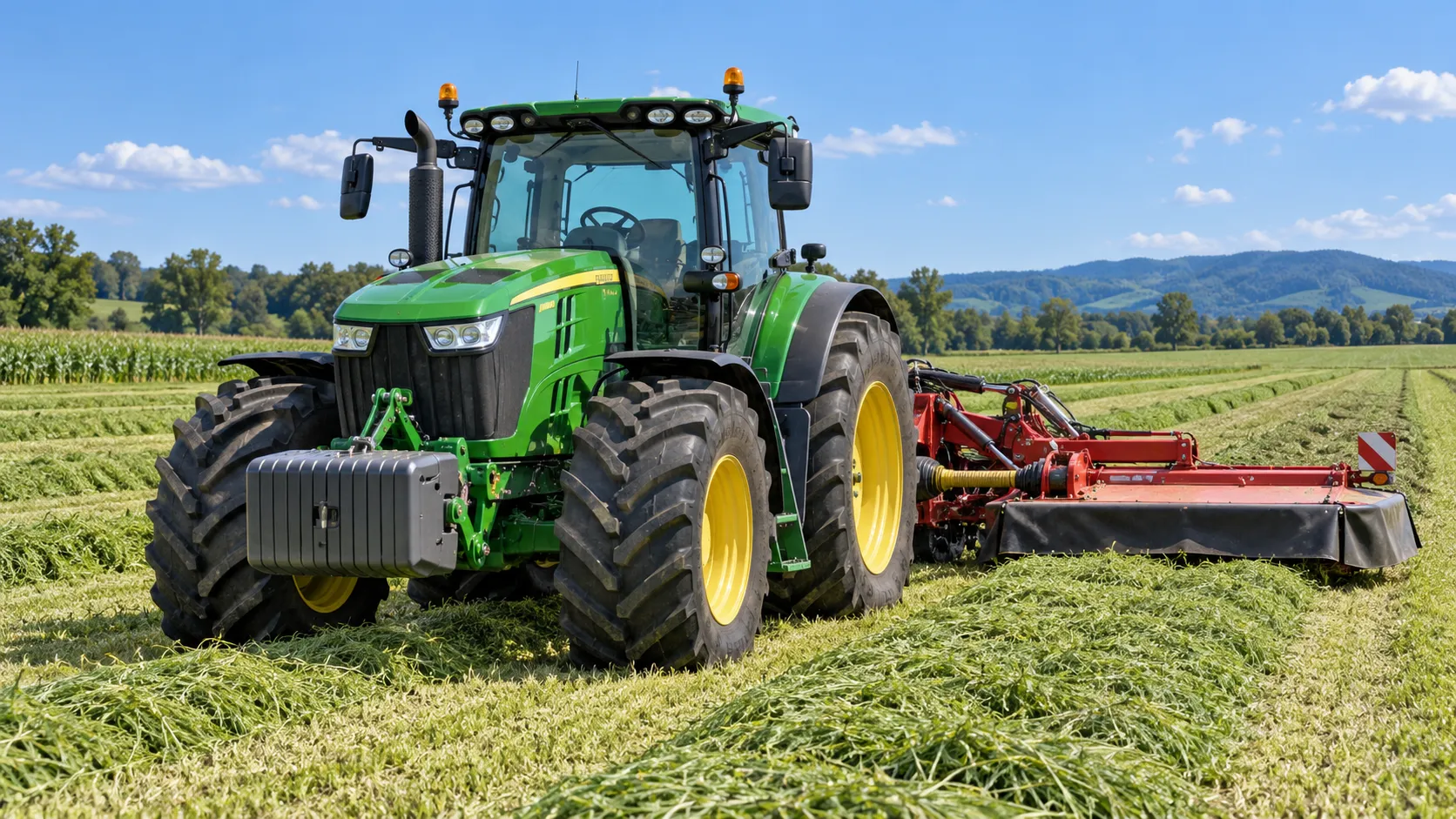
Tractor Specification Sheets: Matching PTO, Hydraulics, and Weight to Farm Tasks
Specification-oriented articles for tractors: match PTO, hydraulics, lift capacity, ballast, and weight to real farm tasks for safer, more efficient equipment choices.
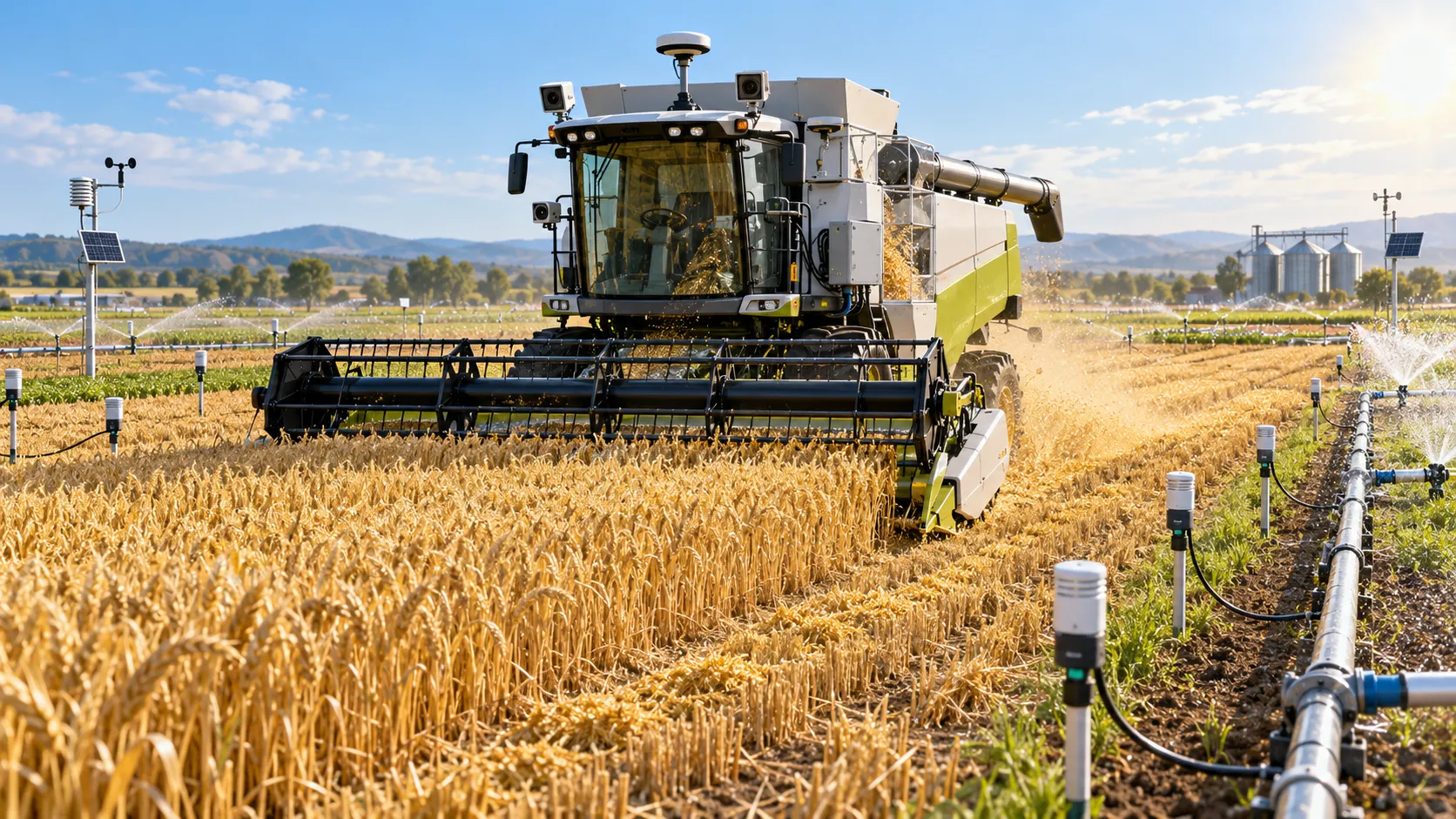
How to Evaluate Dynamic Feedback Algorithm Suppliers for Precision Farming Systems
Dynamic feedback algorithms supplier evaluation guide for precision farming—compare validation, integration, safety, and pilots to choose with confidence.
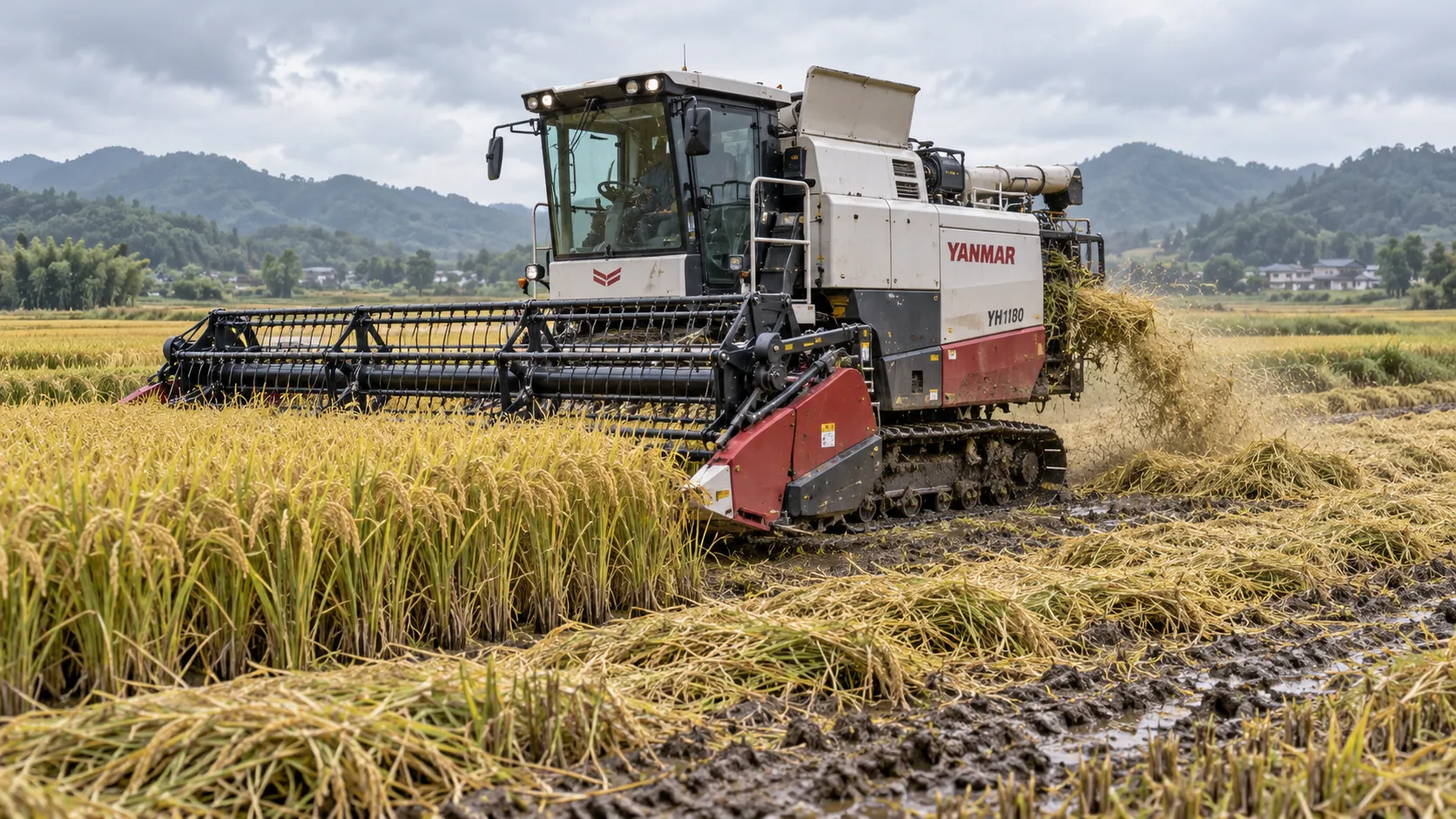
How to Specify Combine Harvester Systems for High-Moisture Grain and Variable Field Conditions
Combine harvester systems for high-moisture grain: learn how to specify threshing, cleaning, headers, traction, and automation for reliable harvests in variable fields.
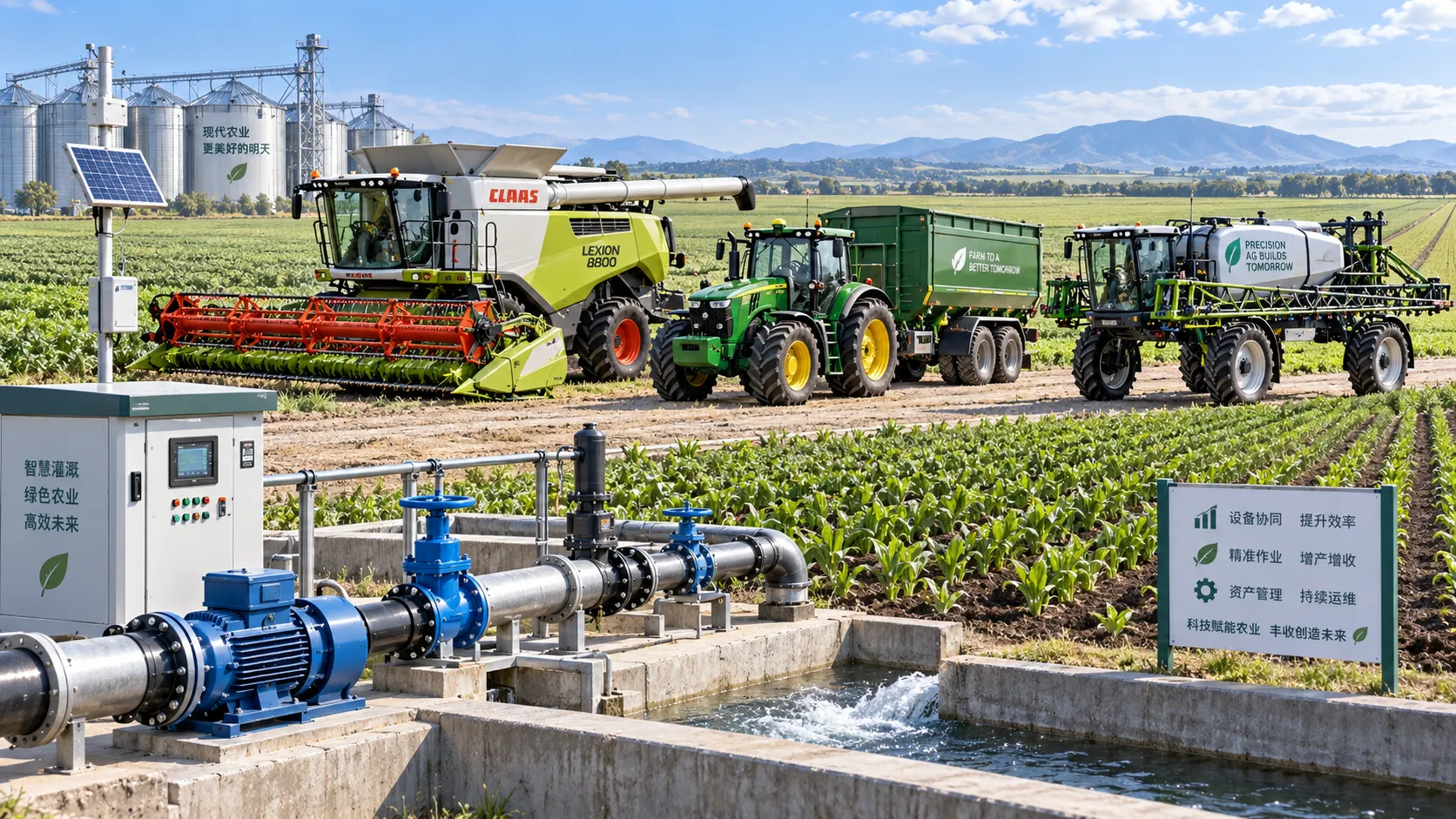
How to Compare Agricultural Equipment Platforms for Fleet Management and ROI
Agricultural equipment platform comparison: evaluate fleet data, maintenance, precision workflows, and ROI to choose a system that delivers measurable results.
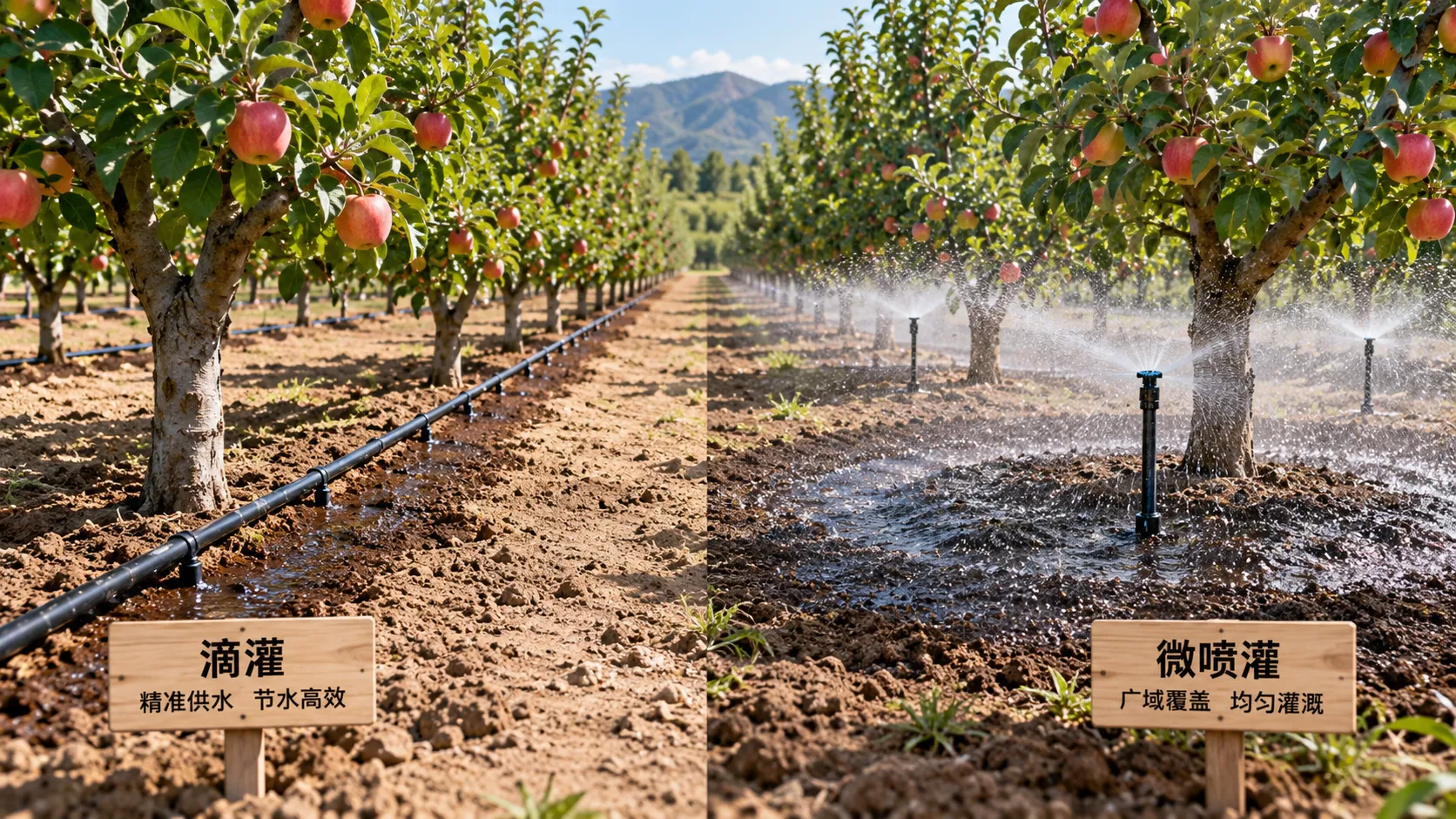
Drip vs. Micro-Sprinkler Irrigation: Which System Fits Your Orchard?
Irrigation solution comparison for orchards: discover whether drip or micro-sprinklers best match your water, soil, roots, fertigation, and frost needs.
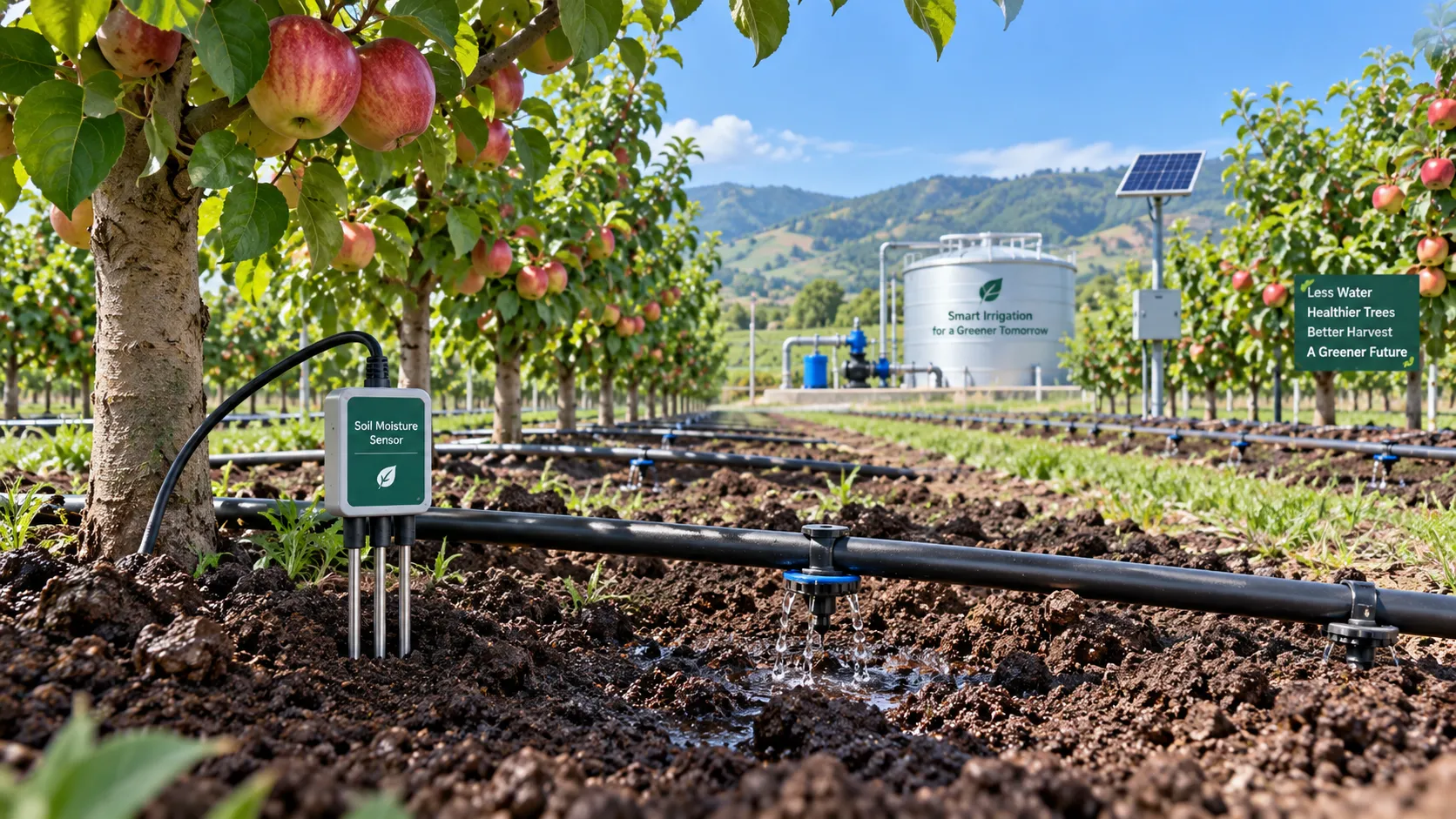
Orchard Water Management: Using Soil Moisture Data to Schedule Irrigation
Agricultural water management for orchards made practical: use soil moisture data to optimize irrigation timing, protect yield, reduce costs, and improve resilience.
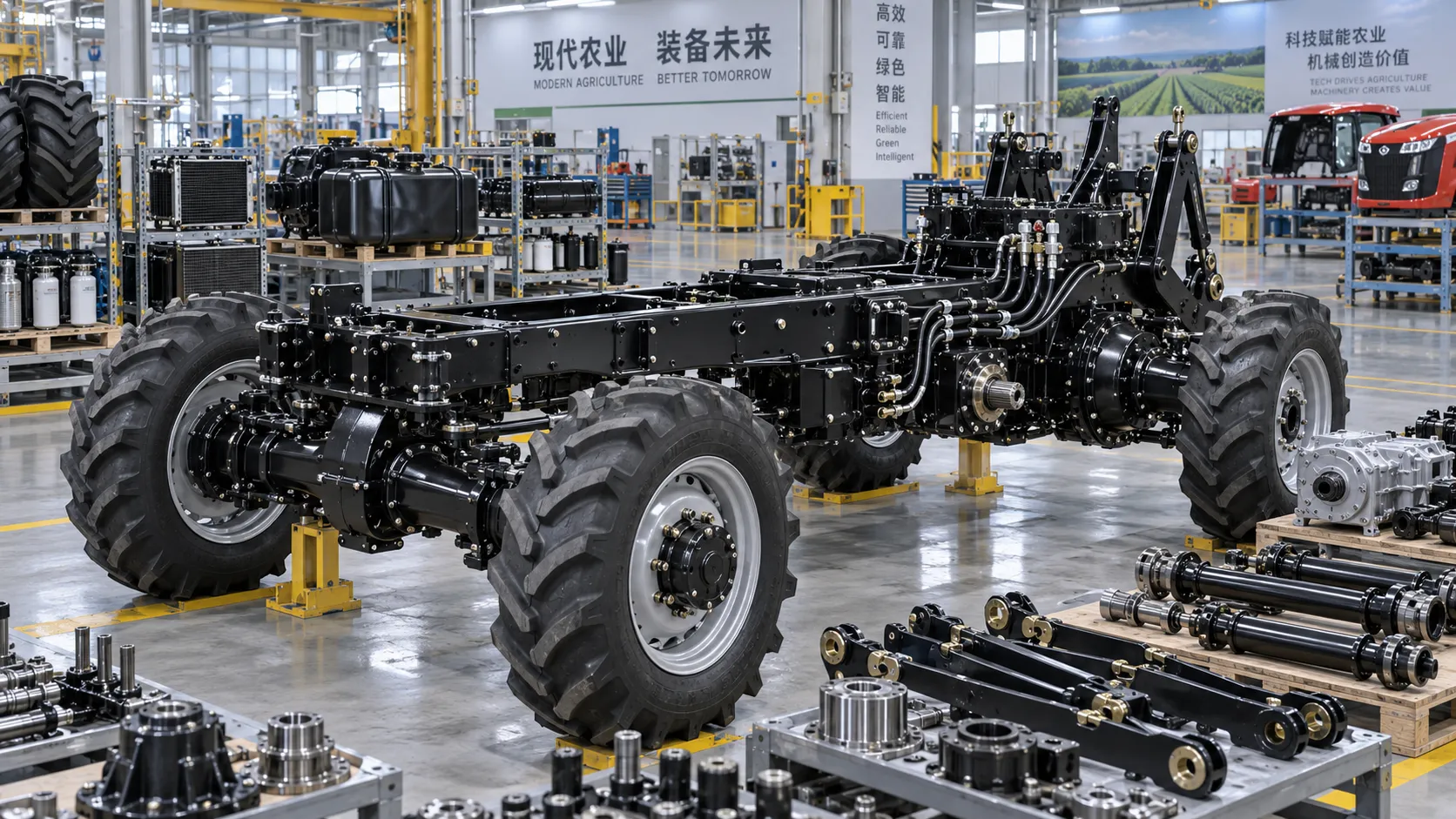
Tractor Chassis Price: What Buyers Should Compare Beyond the Initial Quote
Tractor chassis price is only the start. Compare load capacity, compatibility, durability, and lifecycle costs to choose a reliable, high-value chassis.
Related News
- 00
0000-00
How to Evaluate Dynamic Feedback Algorithm Suppliers for Precision Farming Systems - 00
0000-00
How Sensor Feedback Enables Accurate Variable-Rate Fertilization in Field Conditions - 00
0000-00
How to Select Precision Crop Protection Equipment for Variable Field Conditions - 00
0000-00
How to Evaluate Precision Fertilization System Suppliers for Farm-Scale Deployment - 00
0000-00
How to Select a Precision Fertilization System for Variable Corn Field Conditions
Popular Tags
Tractor Power Architect
Weekly Insights
Stay ahead with our curated technology reports delivered every Monday.