
Can precision agriculture lower costs without hurting yield?
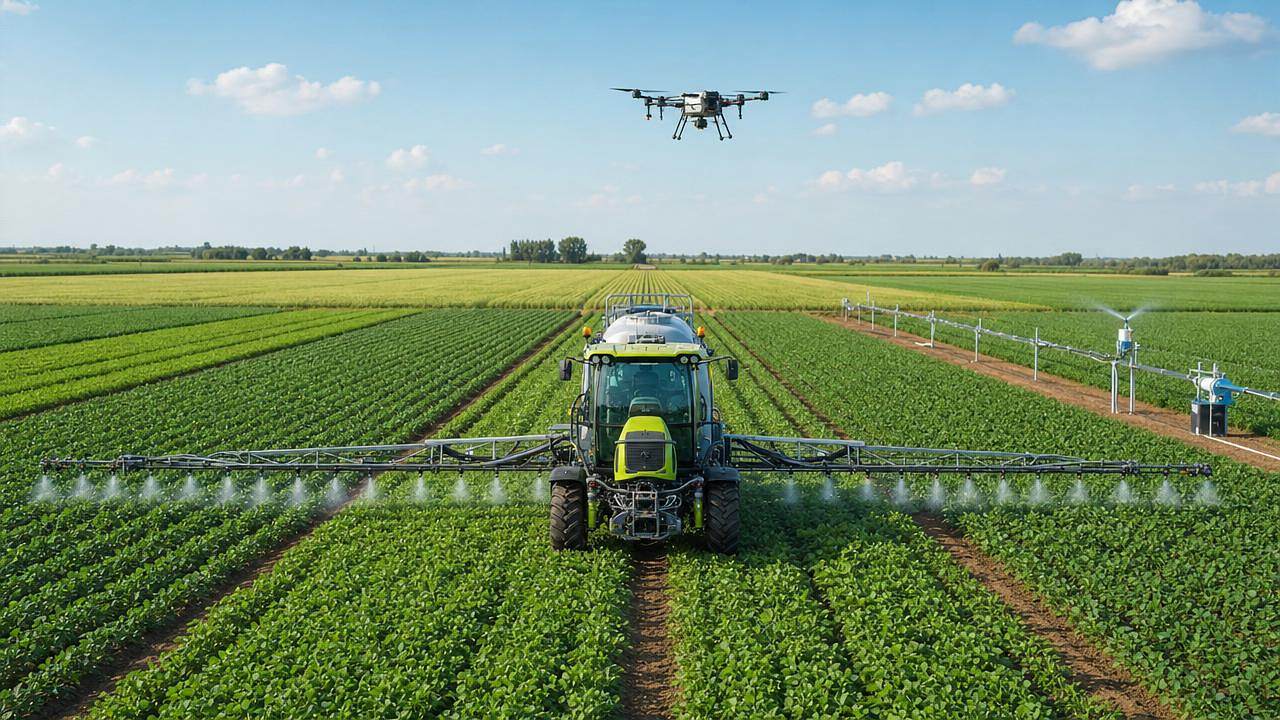




Can farms cut input costs without risking output? For finance-focused agricultural operations, that question now sits at the center of strategic planning.
The strongest answer increasingly comes from precision agriculture technology for sustainable farming, especially where margins face pressure from fuel, fertilizer, labor, water, and weather volatility.
Rather than applying every input evenly, precision systems help match actions to real field conditions. That shift can lower waste while maintaining healthier crop performance.
For operations tracking equipment efficiency, irrigation timing, and harvest quality, the goal is not simply digitization. It is measurable cost discipline with stable, repeatable yield outcomes.
What precision agriculture means in practical terms
Precision agriculture technology for sustainable farming combines data, machinery, sensors, positioning systems, and software to guide field decisions at a finer scale.
It often includes GPS guidance, variable rate application, telematics, drone imagery, yield mapping, soil sensing, weather data, and smart irrigation control.
The economic logic is simple. If fields are variable, uniform treatment usually creates over-application in some zones and under-application in others.
Precision methods reduce that mismatch. Inputs go where they are needed most, and machine passes become more accurate and easier to evaluate later.
This matters across broadacre cropping, irrigated land, mixed terrain, and large-scale mechanized farming where small efficiency gains become significant at scale.
Core building blocks
- Guidance and auto-steering to reduce overlap and missed strips
- Variable rate seeding, fertilizing, and spraying
- Yield monitors and harvest loss tracking
- Smart irrigation scheduling and flow control
- Telematics for machine use, fuel burn, and downtime analysis
Why the topic matters now across the agricultural landscape
Interest in precision agriculture technology for sustainable farming is rising because cost inflation no longer behaves like a short-term disruption.
At the same time, climate pressure increases field variability. Water access, nutrient efficiency, and harvest timing now affect both yield and financial resilience.
Large equipment fleets also create hidden costs. Poor routing, unnecessary idling, and overlapping passes erode returns even when crop prices appear favorable.
This explains why intelligence platforms such as AP-Strategy track machinery performance, combine efficiency, and irrigation optimization as connected issues rather than isolated technologies.
Where cost savings usually come from
Savings from precision agriculture technology for sustainable farming typically come from reducing waste, not from cutting essential inputs blindly.
That distinction matters. Poorly managed cuts can hurt yield. Data-guided optimization aims to protect productive zones while trimming low-value use elsewhere.
1. Fertilizer efficiency
Variable rate application can lower unnecessary nutrient use in strong residual zones while supporting weaker areas that need targeted correction.
This improves nutrient-use efficiency and can reduce runoff risk, which supports both financial and environmental objectives.
2. Seed placement and population control
Not every field zone supports the same plant population. Matching seeding rates to moisture, soil texture, and productivity potential can improve return per hectare.
3. Water management
Smart irrigation is one of the clearest examples of precision agriculture technology for sustainable farming delivering direct cost savings.
Moisture sensors, evapotranspiration models, and automated control reduce overwatering, lower pumping energy, and limit stress from delayed irrigation decisions.
4. Fuel and machine time
Auto-steer and section control cut overlap during seeding, spraying, and fertilizing. Fewer redundant passes save fuel, labor hours, and wear on tractor chassis.
5. Harvest performance
Combine harvesters fitted with yield mapping and loss monitoring help detect where grain is being left behind or where settings should be adjusted.
That means cost control also happens at the output stage, not only at the input stage.
How yield can be protected while reducing spend
The key concern is valid. Cost reduction fails if yield losses erase the savings. Precision systems work best when they improve accuracy rather than simply reducing volume.
Yield protection depends on decision quality, data quality, and timing. A map alone does not create value. Correct interpretation and execution do.
- Use multi-year field data instead of one-season snapshots
- Separate stable low-productivity zones from temporary stress zones
- Calibrate sensors and yield monitors regularly
- Validate prescriptions with soil tests and field checks
- Review harvest outcomes to refine next-season decisions
When these steps are ignored, precision agriculture technology for sustainable farming can become expensive mapping with limited operational impact.
Typical application scenarios across farm systems
Different farm structures use precision tools differently. The most effective setup depends on field scale, crop mix, equipment age, and irrigation intensity.
How to evaluate return on investment with discipline
A realistic ROI review should include direct savings, yield stability, machine utilization, and risk reduction over multiple seasons.
Single-year results can mislead, especially during abnormal weather. Precision agriculture technology for sustainable farming often proves value through consistency, not sudden transformation.
Track these indicators
- Input cost per hectare for seed, nutrients, chemicals, water, and fuel
- Yield by zone, field, and season
- Machine hours, idle time, and pass overlap
- Harvest loss levels and grain quality outcomes
- Payback period for hardware, software, and training
It is also wise to compare baseline practices against a pilot area first. Controlled rollout reduces risk and makes cause-and-effect easier to verify.
Implementation risks and practical safeguards
Precision systems do not automatically deliver savings. Poor integration, weak data discipline, and underused features can delay returns.
- Avoid buying too many disconnected tools at once
- Prioritize compatibility between machinery, sensors, and software
- Budget for training, calibration, and seasonal support
- Use clear governance for data storage and performance review
- Start with the cost category showing the largest current waste
For many operations, irrigation control or guidance systems offer the fastest practical starting point because savings are visible and measurement is straightforward.
A measured next step for stronger field economics
Yes, precision agriculture can lower costs without hurting yield, but only when the focus stays on operational accuracy, not technology accumulation.
The most reliable results come from linking field variability with targeted action across machinery, irrigation, and harvest management.
Precision agriculture technology for sustainable farming is therefore less about replacing agronomic judgment and more about improving how that judgment is applied.
A practical next step is to audit one season of input, machine, irrigation, and yield data, then identify one field process where waste is easiest to measure and correct.
From there, investment decisions become clearer, performance benchmarks become stronger, and cost control becomes a repeatable part of resilient farm growth.
Related News
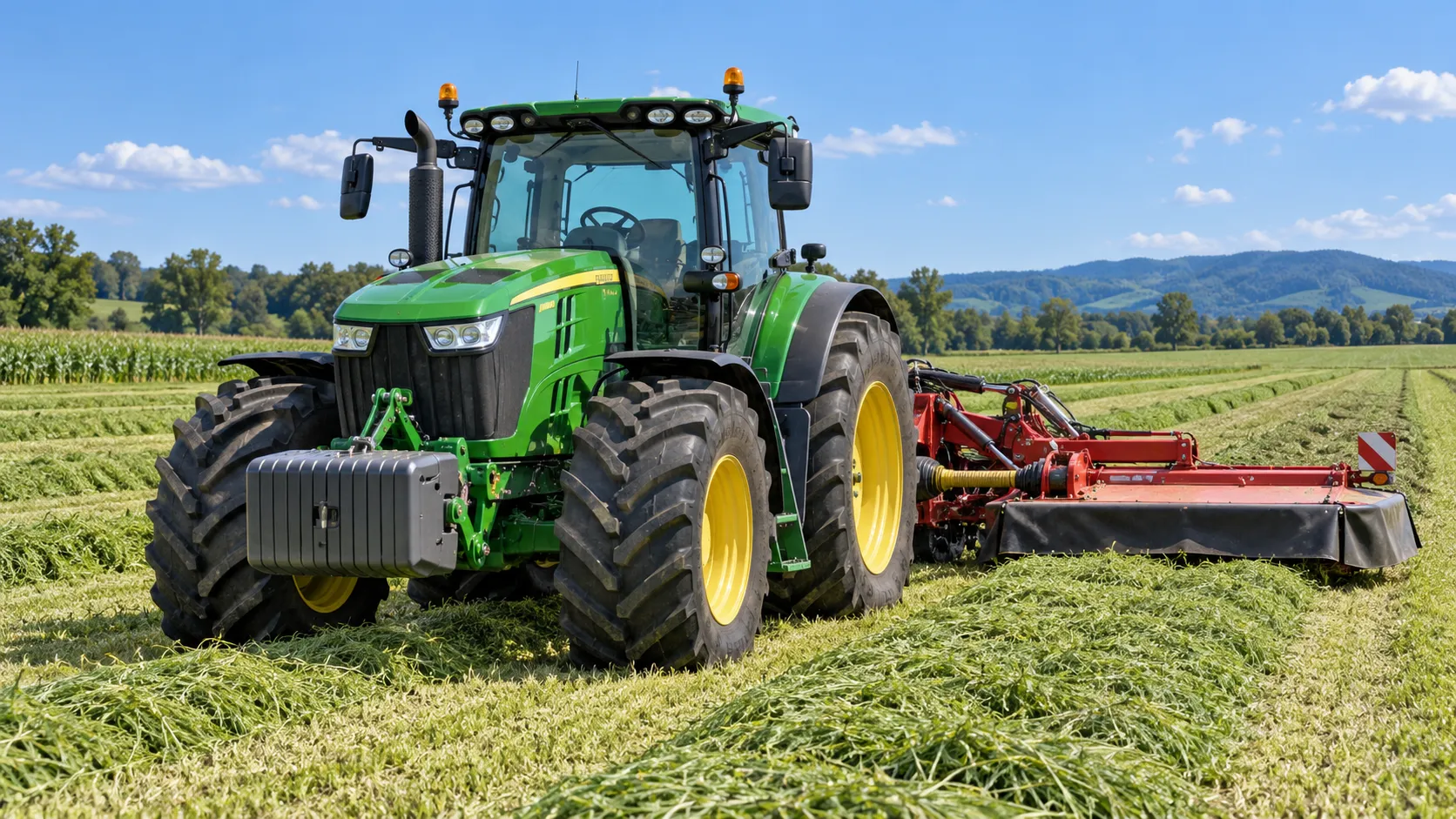
Tractor Specification Sheets: Matching PTO, Hydraulics, and Weight to Farm Tasks
Specification-oriented articles for tractors: match PTO, hydraulics, lift capacity, ballast, and weight to real farm tasks for safer, more efficient equipment choices.
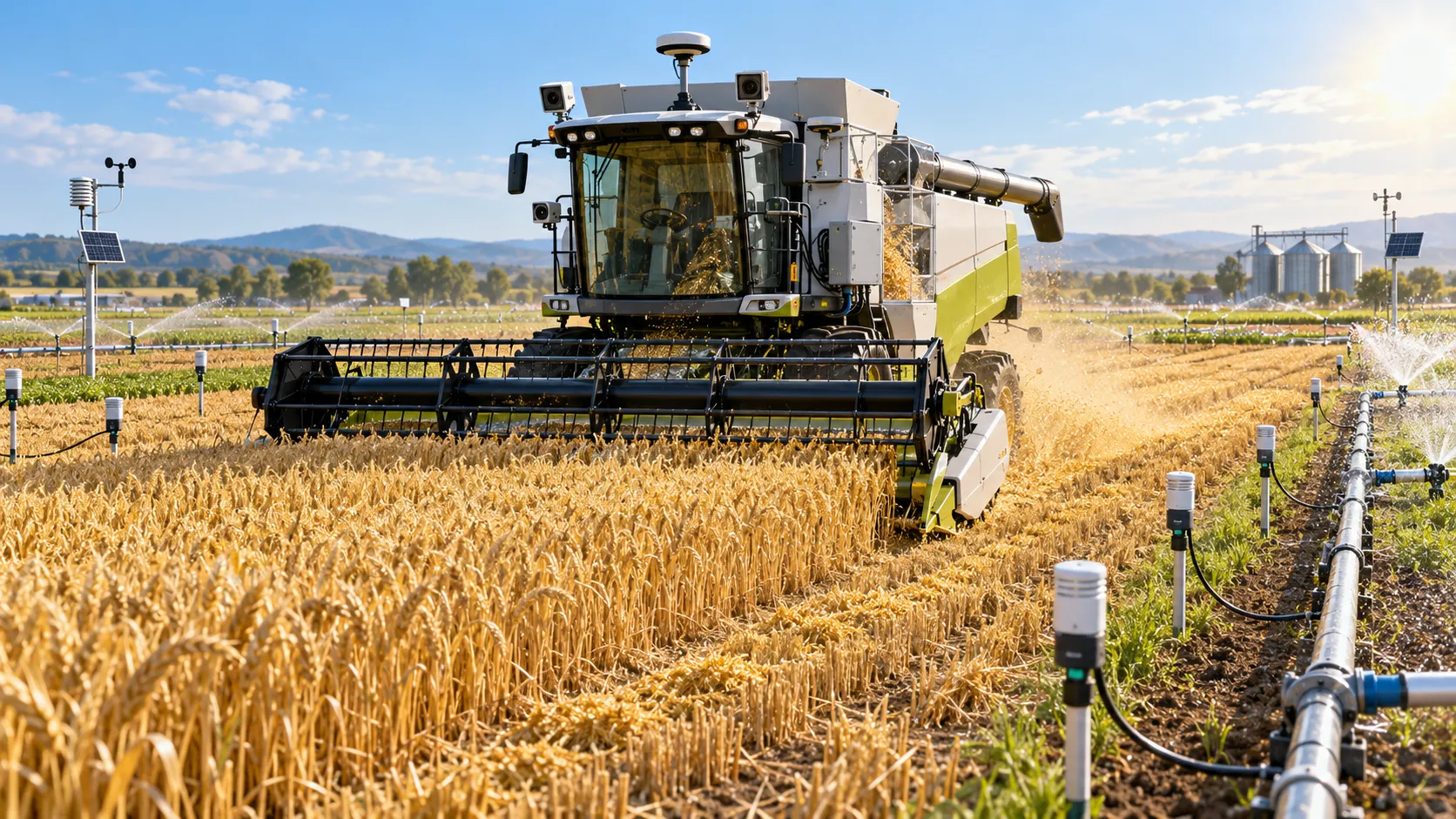
How to Evaluate Dynamic Feedback Algorithm Suppliers for Precision Farming Systems
Dynamic feedback algorithms supplier evaluation guide for precision farming—compare validation, integration, safety, and pilots to choose with confidence.
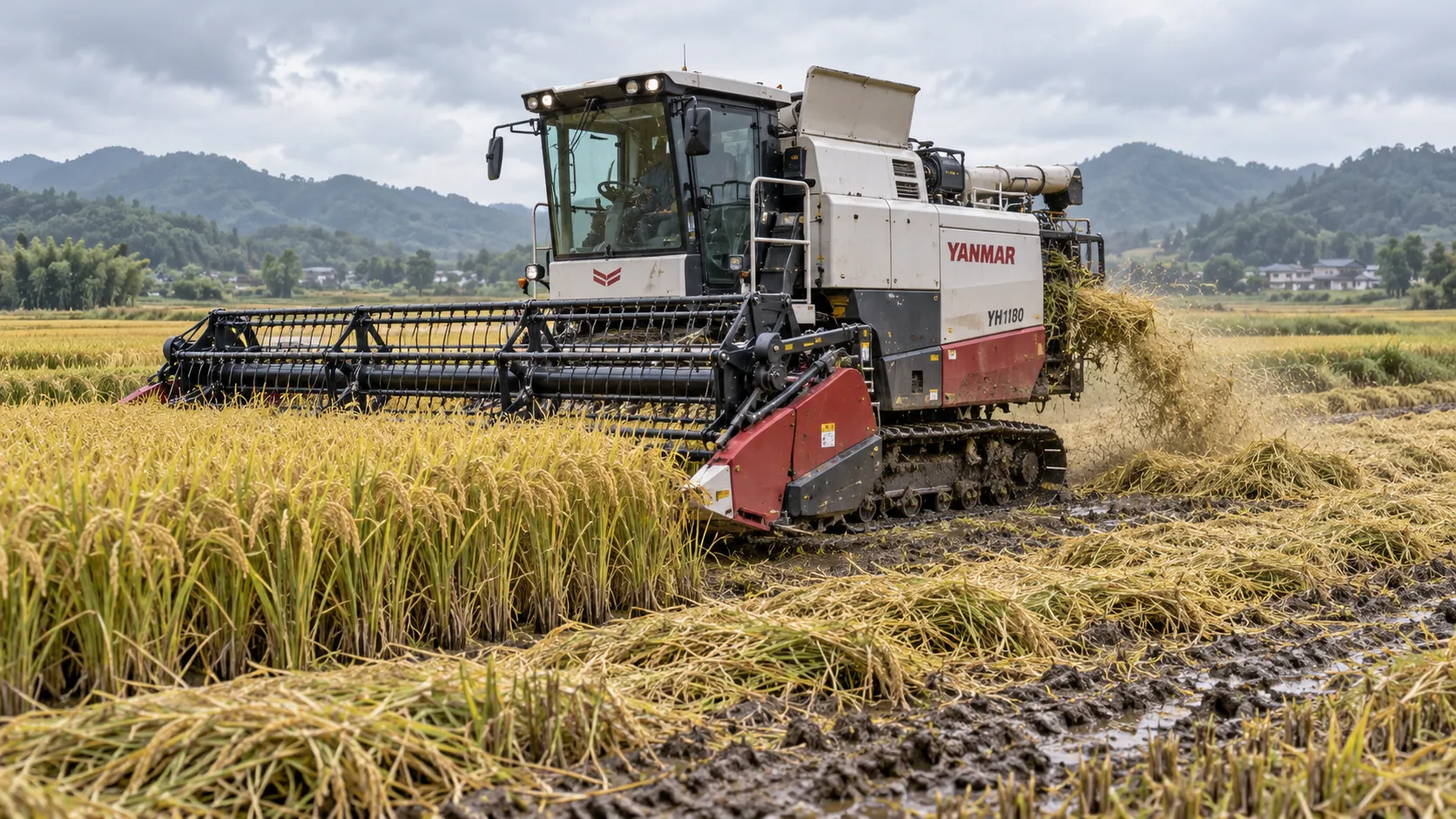
How to Specify Combine Harvester Systems for High-Moisture Grain and Variable Field Conditions
Combine harvester systems for high-moisture grain: learn how to specify threshing, cleaning, headers, traction, and automation for reliable harvests in variable fields.
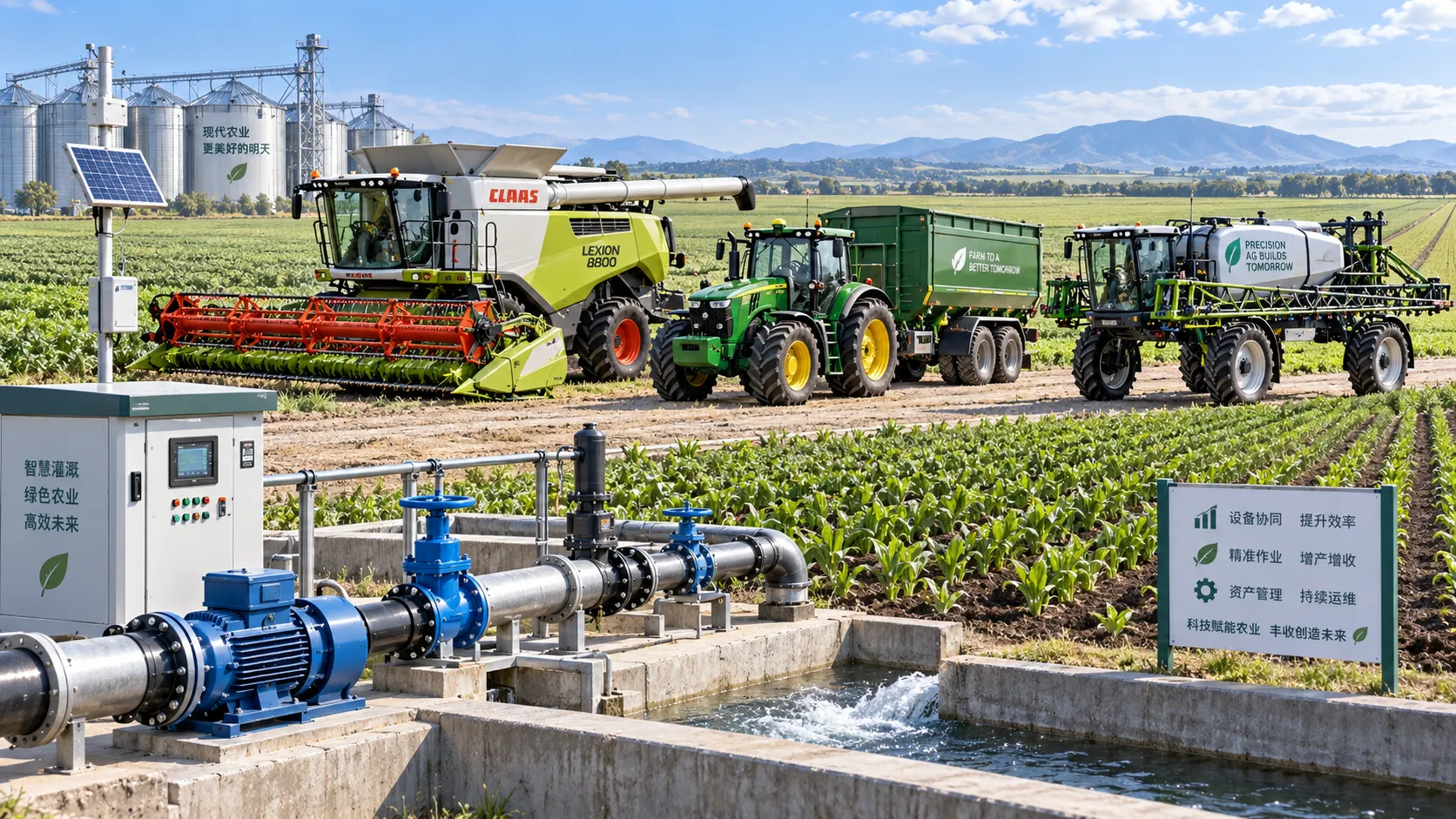
How to Compare Agricultural Equipment Platforms for Fleet Management and ROI
Agricultural equipment platform comparison: evaluate fleet data, maintenance, precision workflows, and ROI to choose a system that delivers measurable results.
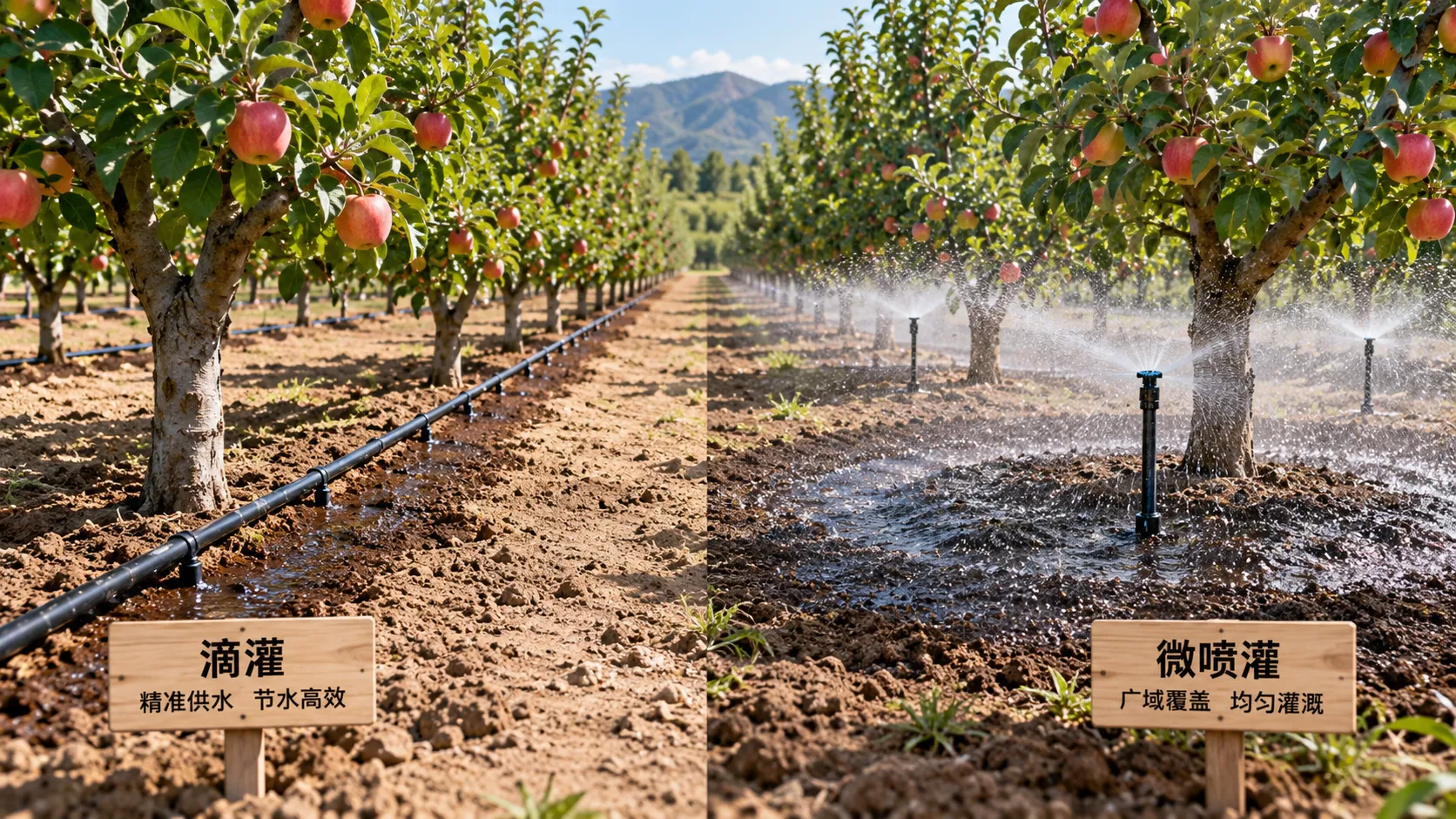
Drip vs. Micro-Sprinkler Irrigation: Which System Fits Your Orchard?
Irrigation solution comparison for orchards: discover whether drip or micro-sprinklers best match your water, soil, roots, fertigation, and frost needs.
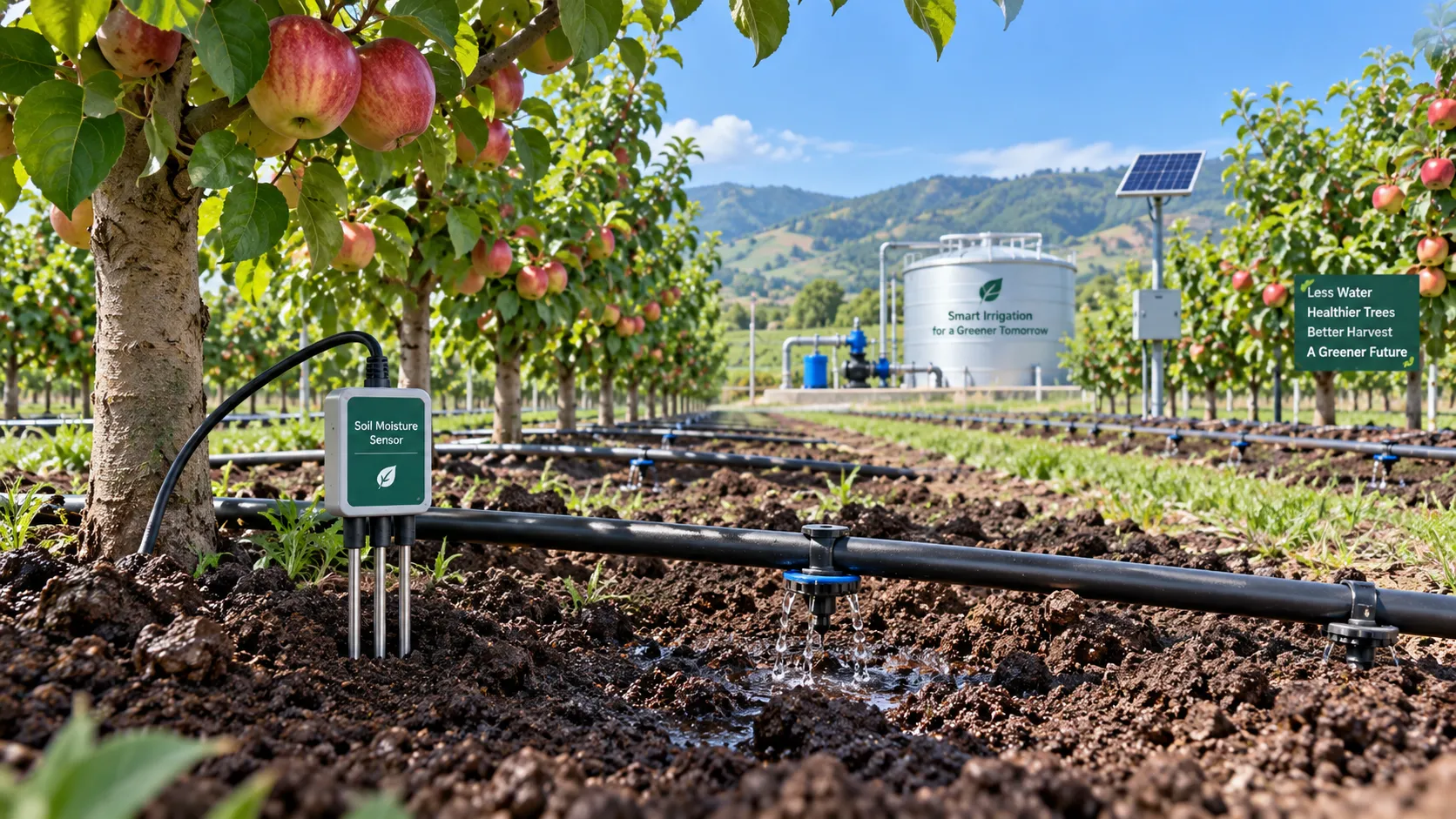
Orchard Water Management: Using Soil Moisture Data to Schedule Irrigation
Agricultural water management for orchards made practical: use soil moisture data to optimize irrigation timing, protect yield, reduce costs, and improve resilience.
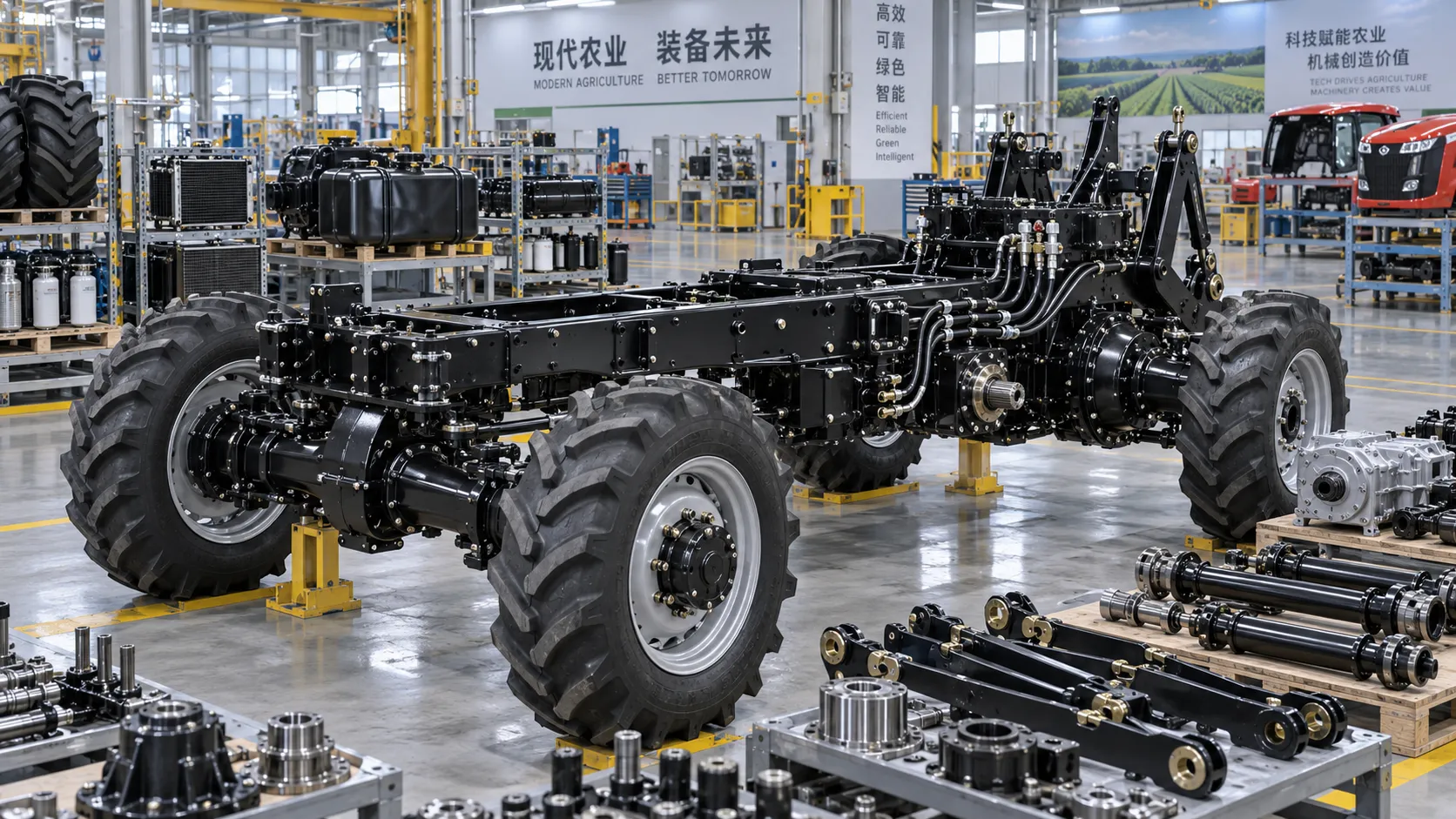
Tractor Chassis Price: What Buyers Should Compare Beyond the Initial Quote
Tractor chassis price is only the start. Compare load capacity, compatibility, durability, and lifecycle costs to choose a reliable, high-value chassis.
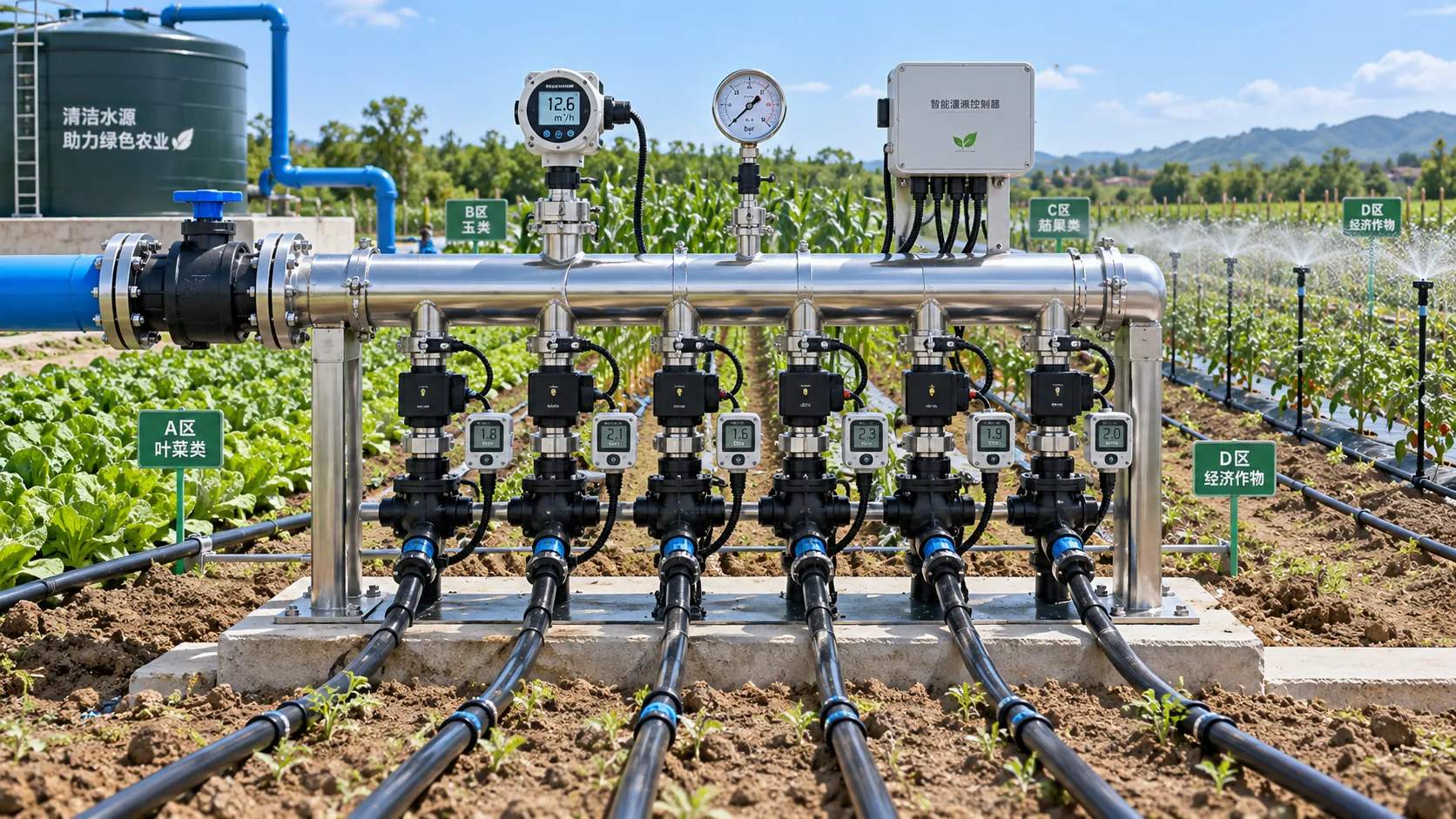
How to Select Smart Irrigation Valves for Multi-Zone Water Management?
Intelligent irrigation systems valves: learn how to match smart valves with multi-zone flow, pressure, control, feedback, and communication needs for reliable water management.
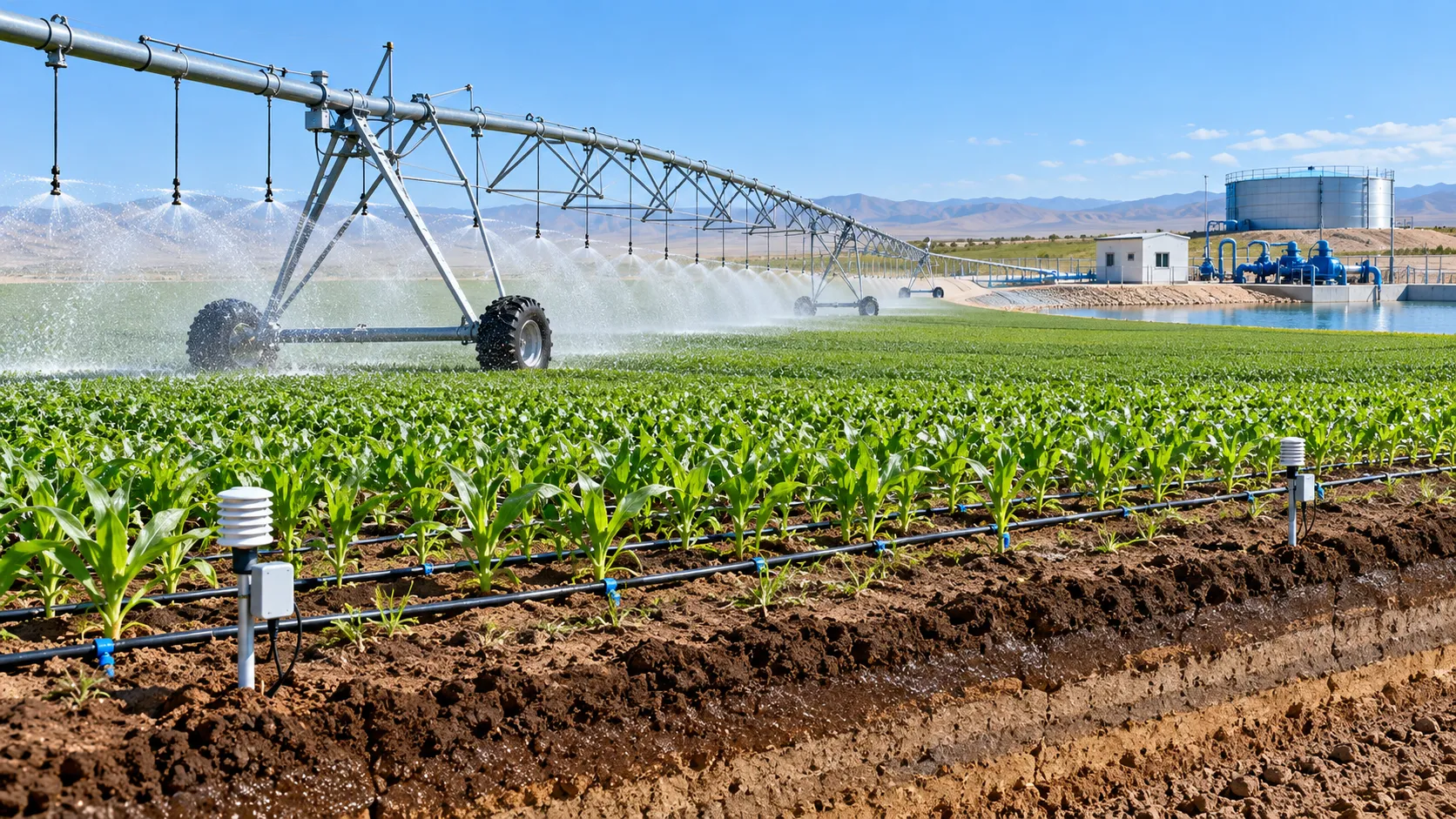
Climate-Smart Farming for Drought: A Practical Plan for Protecting Yields
Climate-smart farming for drought: build smarter water budgets, protect critical crop stages, improve irrigation uniformity, and safeguard yields with practical field-proven strategies.
Related News
- 00
0000-00
How to Evaluate Dynamic Feedback Algorithm Suppliers for Precision Farming Systems - 00
0000-00
How Sensor Feedback Enables Accurate Variable-Rate Fertilization in Field Conditions - 00
0000-00
How to Select Precision Crop Protection Equipment for Variable Field Conditions - 00
0000-00
How to Evaluate Precision Fertilization System Suppliers for Farm-Scale Deployment - 00
0000-00
How to Select a Precision Fertilization System for Variable Corn Field Conditions
Popular Tags
Tractor Power Architect
Weekly Insights
Stay ahead with our curated technology reports delivered every Monday.