
Precision agriculture solutions can reduce input waste
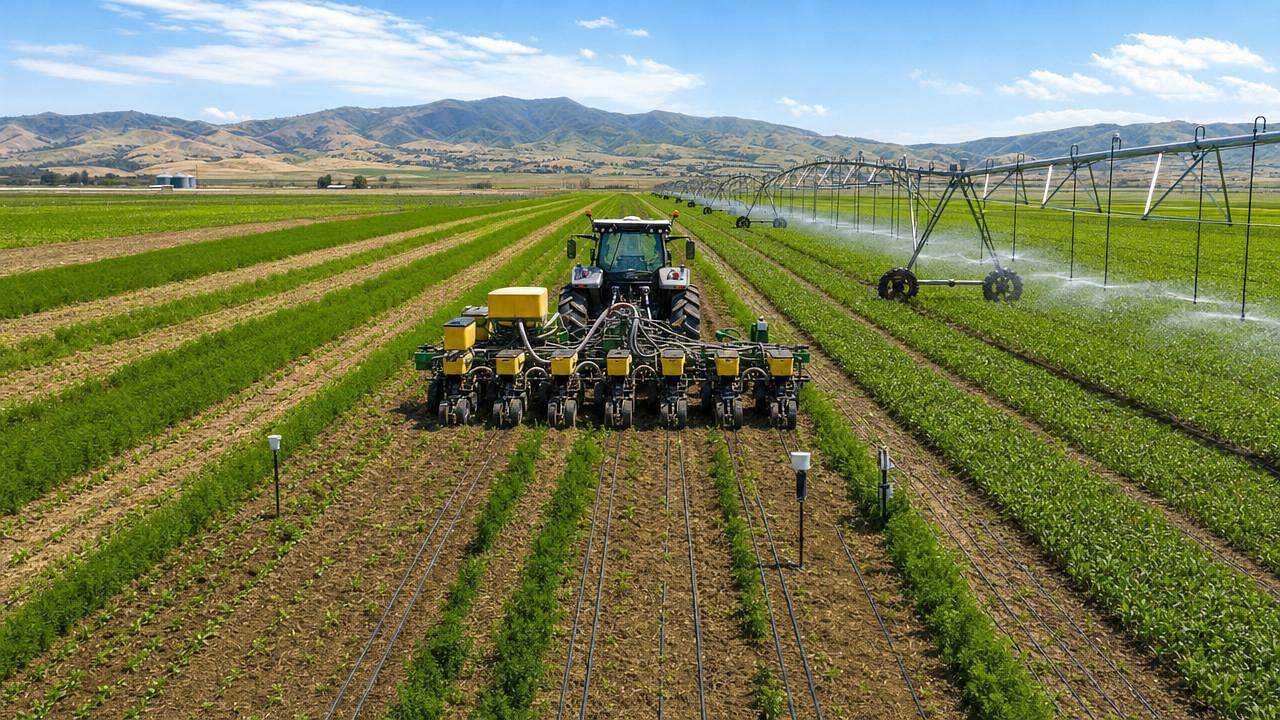




For enterprise decision-makers facing rising costs, climate volatility, and tighter sustainability targets, precision agriculture solutions offer a practical path to reduce input waste without sacrificing yield.
By combining intelligent machinery, sensor-driven field data, and optimized irrigation and application strategies, agribusinesses can improve resource efficiency, strengthen operational control, and build a more resilient production model.
Input efficiency is becoming a strategic performance indicator
Agriculture is moving beyond simple output targets.
Today, profitability depends on how accurately water, seed, fertilizer, fuel, labor, and crop protection products are used.
This shift explains why precision agriculture solutions are gaining attention across large-scale farming systems and integrated agri-equipment operations.
Volatile weather patterns have made field variability more visible.
A single farm can now contain major differences in soil moisture, nutrient availability, pest pressure, and harvest timing.
Uniform input programs often ignore those differences.
That leads to over-application in some zones and under-performance in others.
Precision agriculture solutions address that waste by turning field variability into operational guidance.
The strongest trend signal is the convergence of machinery, data, and control
The market is no longer treating digital tools and heavy equipment as separate investments.
Instead, advanced tractors, combine harvesters, smart implements, and irrigation systems are being connected through shared data environments.
This convergence matters because waste rarely comes from one machine alone.
It usually comes from poor timing, uneven field execution, and limited feedback between planning and operations.
AP-Strategy tracks this Agriculture 4.0 shift closely.
Large-scale machinery, combine harvesting technology, tractor chassis performance, intelligent farm tools, and water-saving irrigation now form one decision ecosystem.
Within that ecosystem, precision agriculture solutions become a management framework rather than a single product category.
Why precision agriculture solutions are accelerating now
Several forces are pushing adoption faster than in previous cycles.
These drivers are reinforcing one another.
That is why precision agriculture solutions are shifting from optional innovation to core operating infrastructure.
Where waste reduction appears first in real operations
Seeding and field traffic
Guidance systems reduce overlap and missed strips.
Variable-rate seeding adjusts plant population according to productivity zones, moisture outlook, and soil potential.
Fertilizer placement and nutrient planning
Prescription maps limit blanket application.
Nutrients move toward zones with the highest response probability, lowering waste and reducing environmental leakage.
Crop protection use
Targeted spraying reduces excess chemical use.
Sensor feedback and application control improve droplet accuracy, field coverage, and timing under changing conditions.
Irrigation scheduling
Smart irrigation is one of the clearest examples of precision agriculture solutions in action.
Moisture sensing, weather integration, and evapotranspiration modeling support water delivery based on crop need, not habit.
Harvest and loss management
Combine harvesters equipped with loss monitoring and dynamic adjustment tools reduce grain left in the field.
Harvest data also improves future input planning, closing the seasonal feedback loop.
The impact reaches every major business link
The value of precision agriculture solutions is broader than simple savings on inputs.
They influence planning, fleet utilization, compliance, and financial resilience across the wider agricultural chain.
- Field operations gain better timing and more consistent execution.
- Equipment strategies shift toward interoperable platforms and upgradeable control systems.
- Water management improves through measured allocation instead of fixed rotation.
- Commercial planning benefits from cleaner performance data and stronger benchmarking.
- Sustainability reporting becomes easier with traceable application records.
In practical terms, this means fewer hidden losses.
Fuel waste, application overlap, underperforming zones, and emergency irrigation events become more visible and easier to correct.
What deserves close attention before scaling investment
Not all precision agriculture solutions create equal returns at the same stage of maturity.
The strongest outcomes usually come from disciplined prioritization.
- Start with the largest waste categories, not the most fashionable tools.
- Check whether machinery, sensors, and software can exchange usable data.
- Evaluate field variability carefully before building prescription programs.
- Match irrigation intelligence to local water stress and crop value.
- Use harvest feedback to verify whether recommendations improve outcomes.
- Track operator usability, because adoption often fails at the workflow level.
AP-Strategy’s intelligence focus shows a recurring lesson.
Mechanical performance and algorithmic precision must be evaluated together.
A high-capability system underdelivers when the chassis, implement, sensor logic, and field decision process are misaligned.
A practical decision path for the next 12 to 24 months
This phased approach reduces risk.
It also allows precision agriculture solutions to prove value in measurable operational categories before broader rollout.
The next advantage will come from coordinated intelligence
The future of waste reduction will not depend on isolated digital features.
It will depend on coordinated intelligence linking machinery capability, field conditions, application logic, and sustainability targets.
That is where precision agriculture solutions create lasting value.
They help transform data into timing, timing into control, and control into lower waste across the production cycle.
For organizations tracking global agricultural transition, the essential next step is clear.
Map the biggest loss points across seeding, nutrition, irrigation, and harvest.
Then align equipment, analytics, and operational rules around those priorities.
Precision agriculture solutions can reduce input waste, but the strongest results come when every field action is connected to a smarter system view.
Related News
How to Compare Agricultural Equipment Platforms for Fleet Management and ROI
Agricultural equipment platform comparison: evaluate fleet data, maintenance, precision workflows, and ROI to choose a system that delivers measurable results.
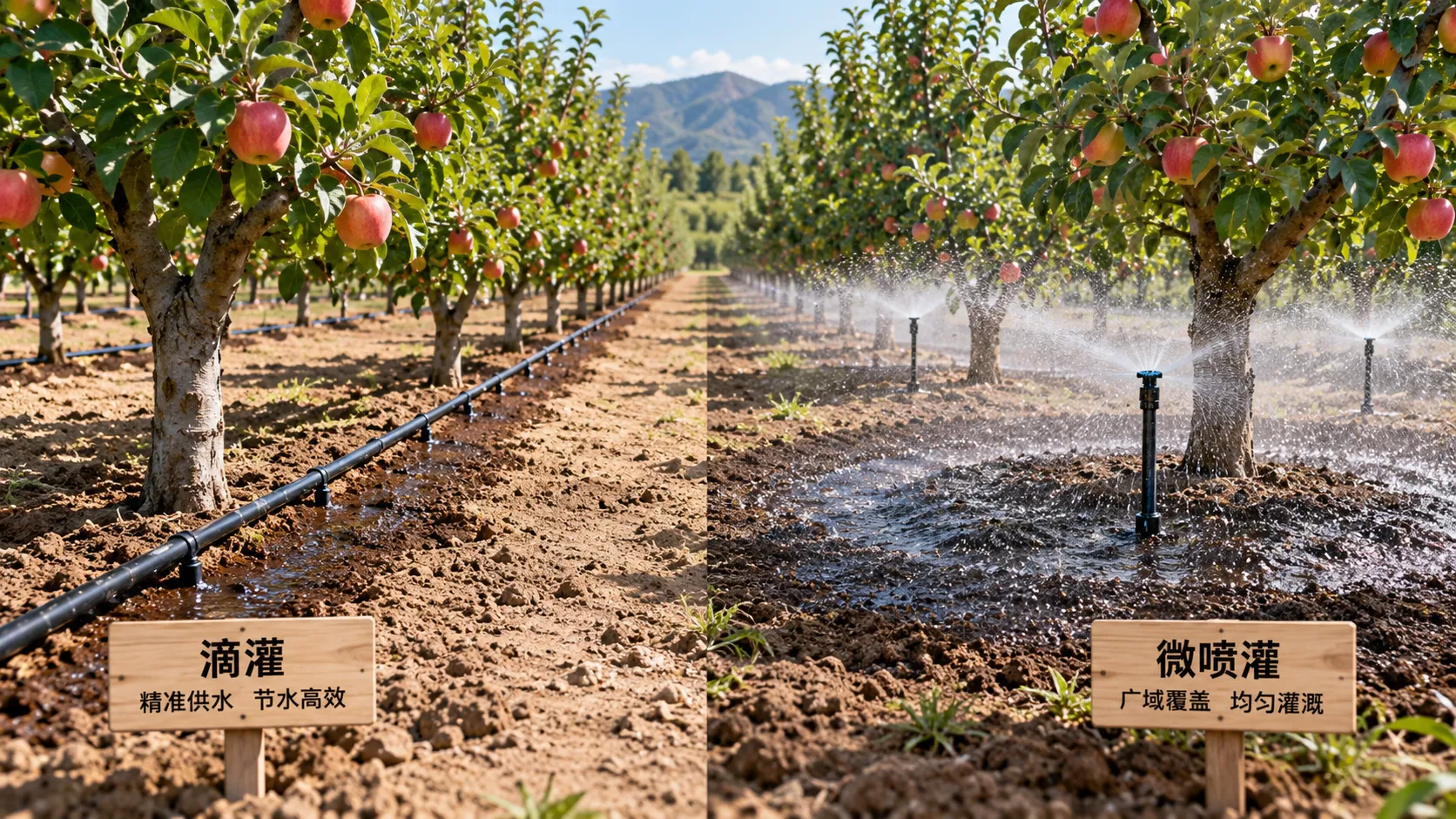
Drip vs. Micro-Sprinkler Irrigation: Which System Fits Your Orchard?
Irrigation solution comparison for orchards: discover whether drip or micro-sprinklers best match your water, soil, roots, fertigation, and frost needs.
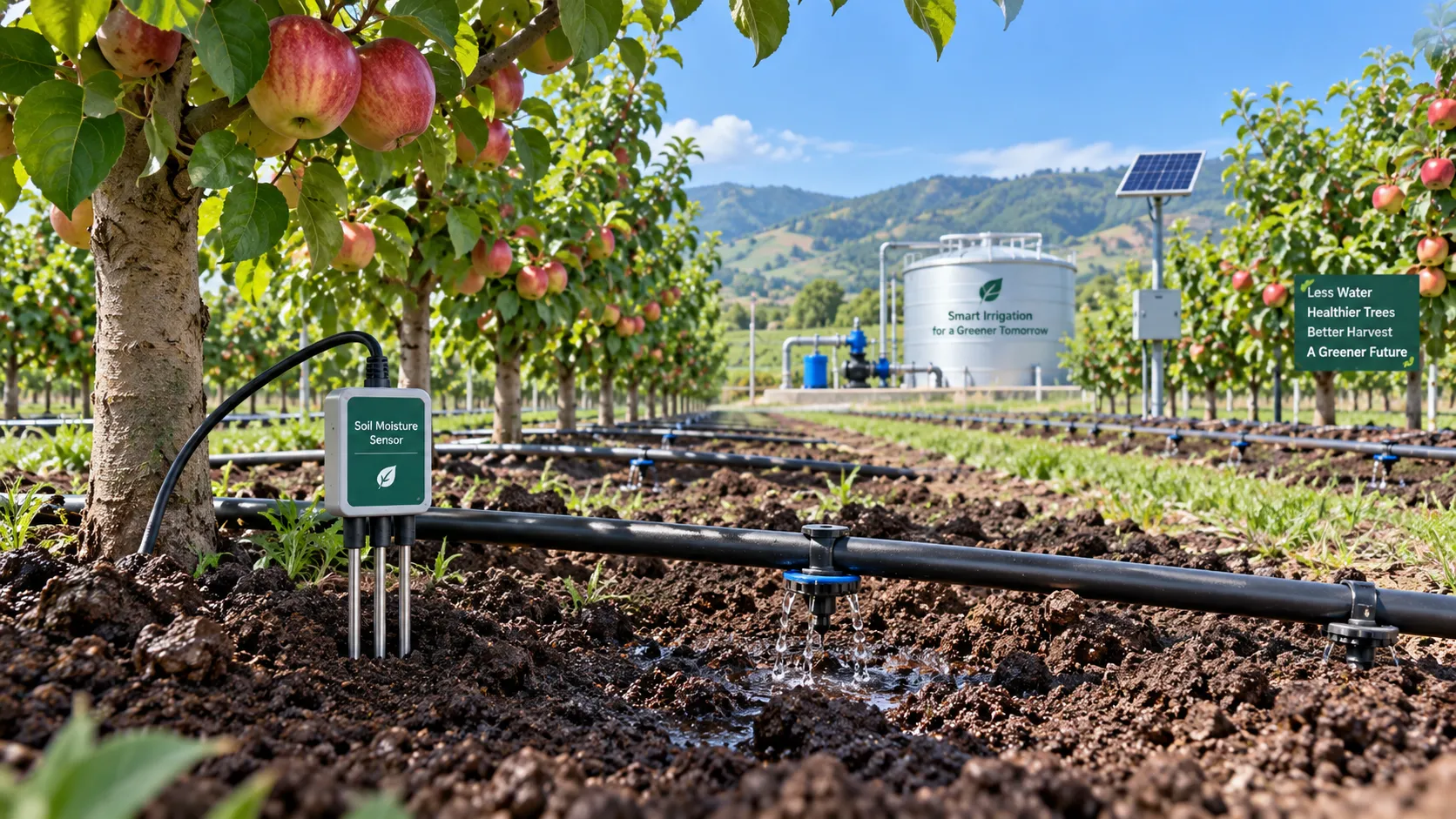
Orchard Water Management: Using Soil Moisture Data to Schedule Irrigation
Agricultural water management for orchards made practical: use soil moisture data to optimize irrigation timing, protect yield, reduce costs, and improve resilience.
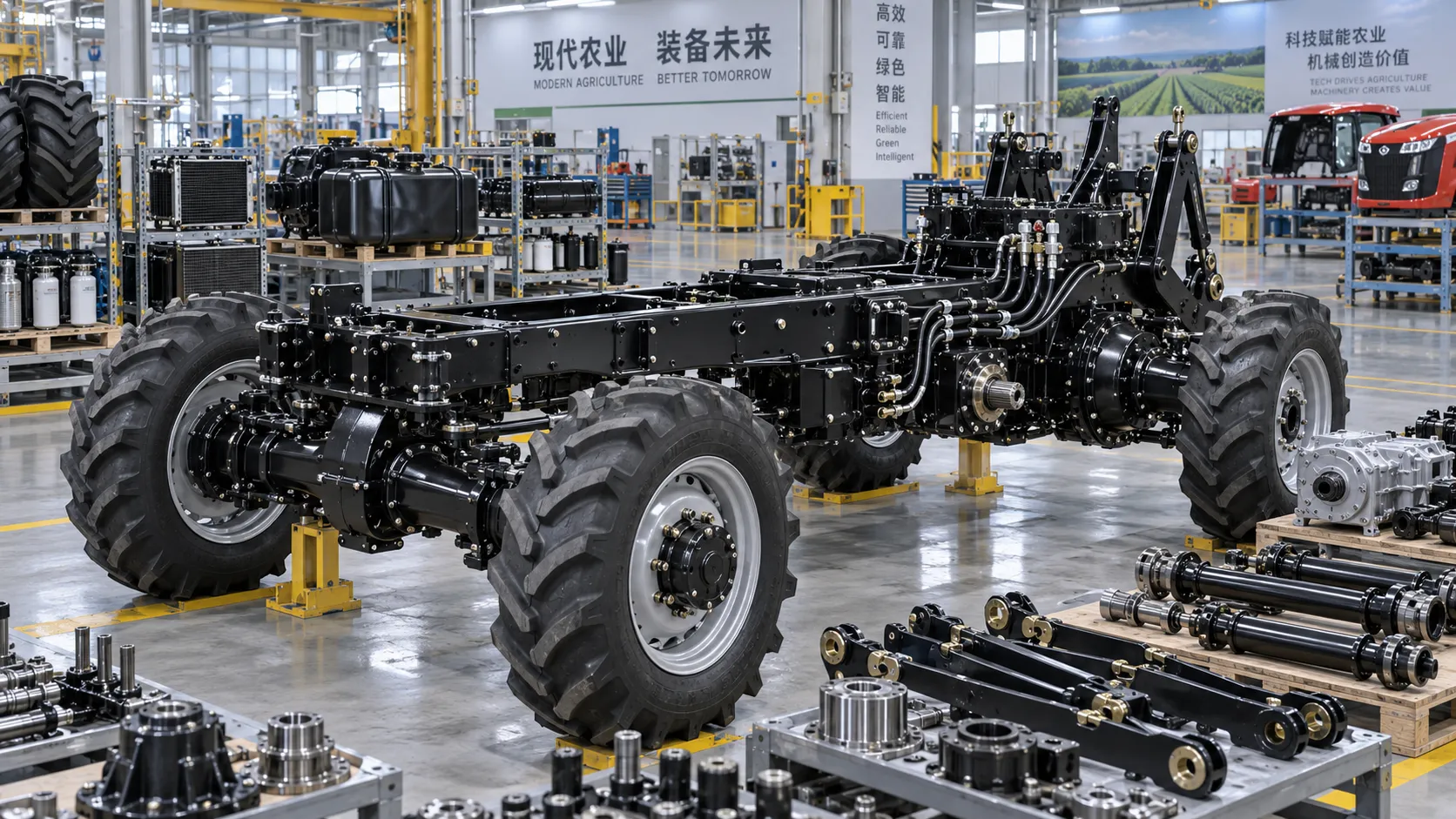
Tractor Chassis Price: What Buyers Should Compare Beyond the Initial Quote
Tractor chassis price is only the start. Compare load capacity, compatibility, durability, and lifecycle costs to choose a reliable, high-value chassis.
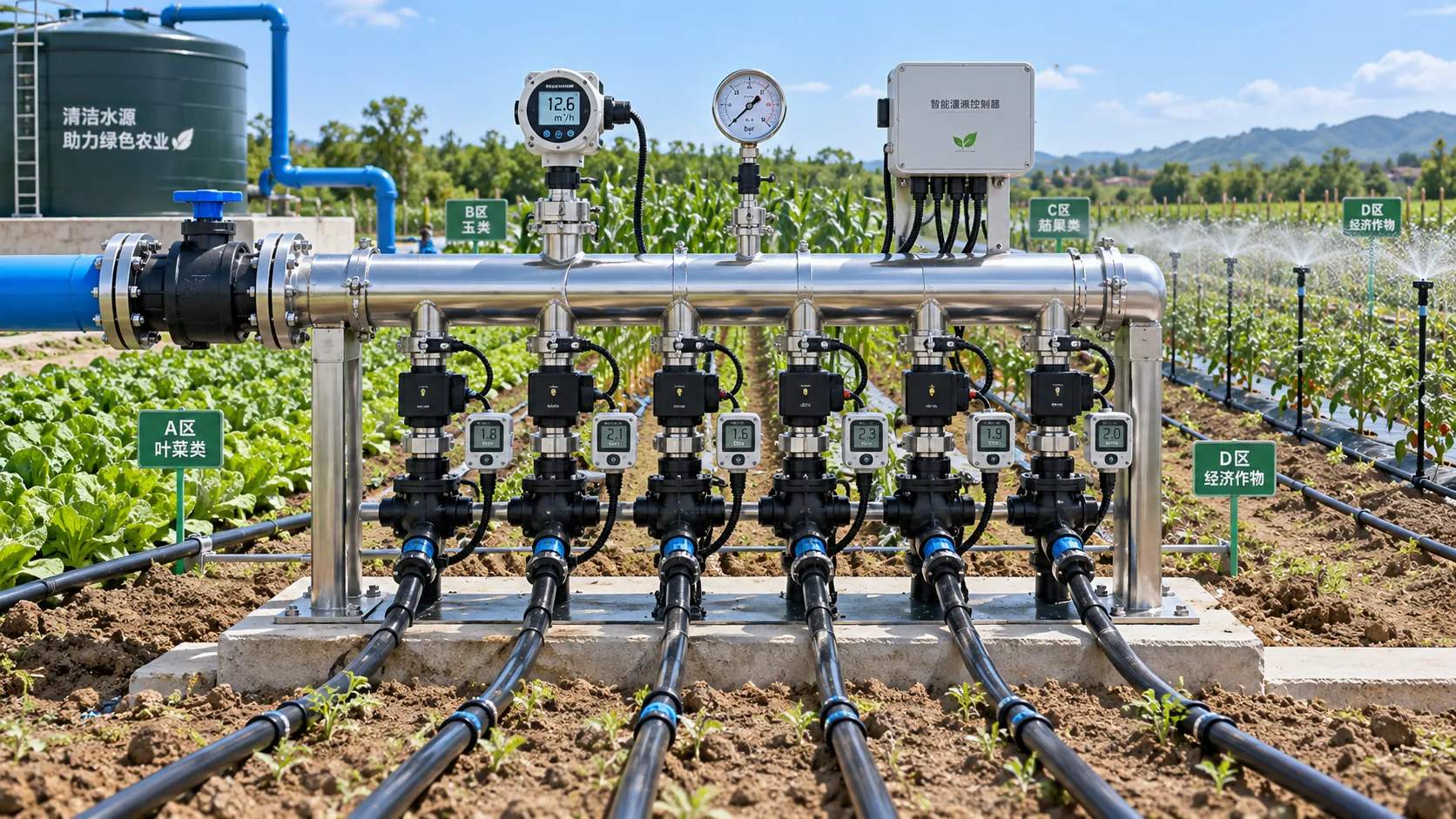
How to Select Smart Irrigation Valves for Multi-Zone Water Management?
Intelligent irrigation systems valves: learn how to match smart valves with multi-zone flow, pressure, control, feedback, and communication needs for reliable water management.
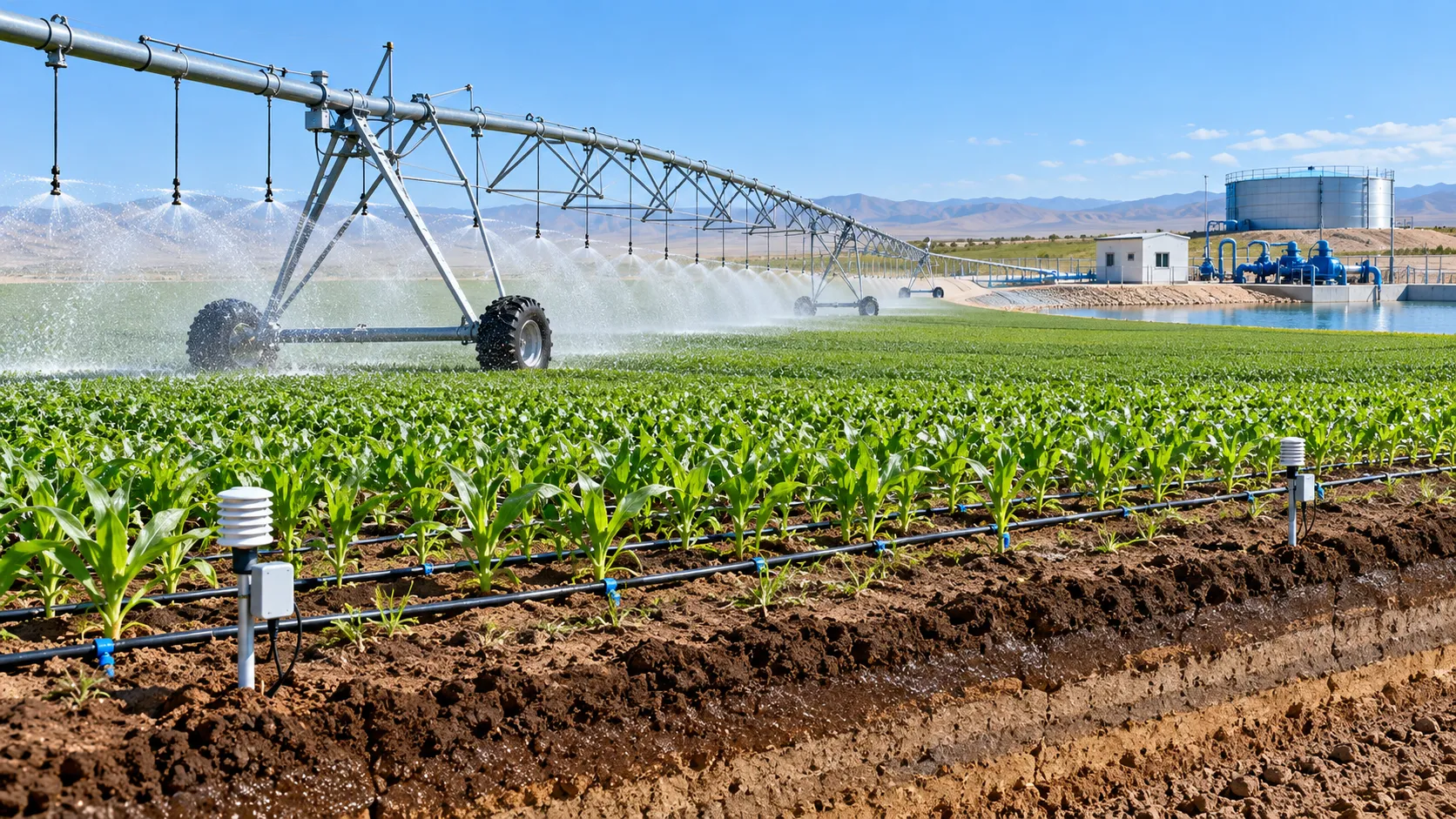
Climate-Smart Farming for Drought: A Practical Plan for Protecting Yields
Climate-smart farming for drought: build smarter water budgets, protect critical crop stages, improve irrigation uniformity, and safeguard yields with practical field-proven strategies.
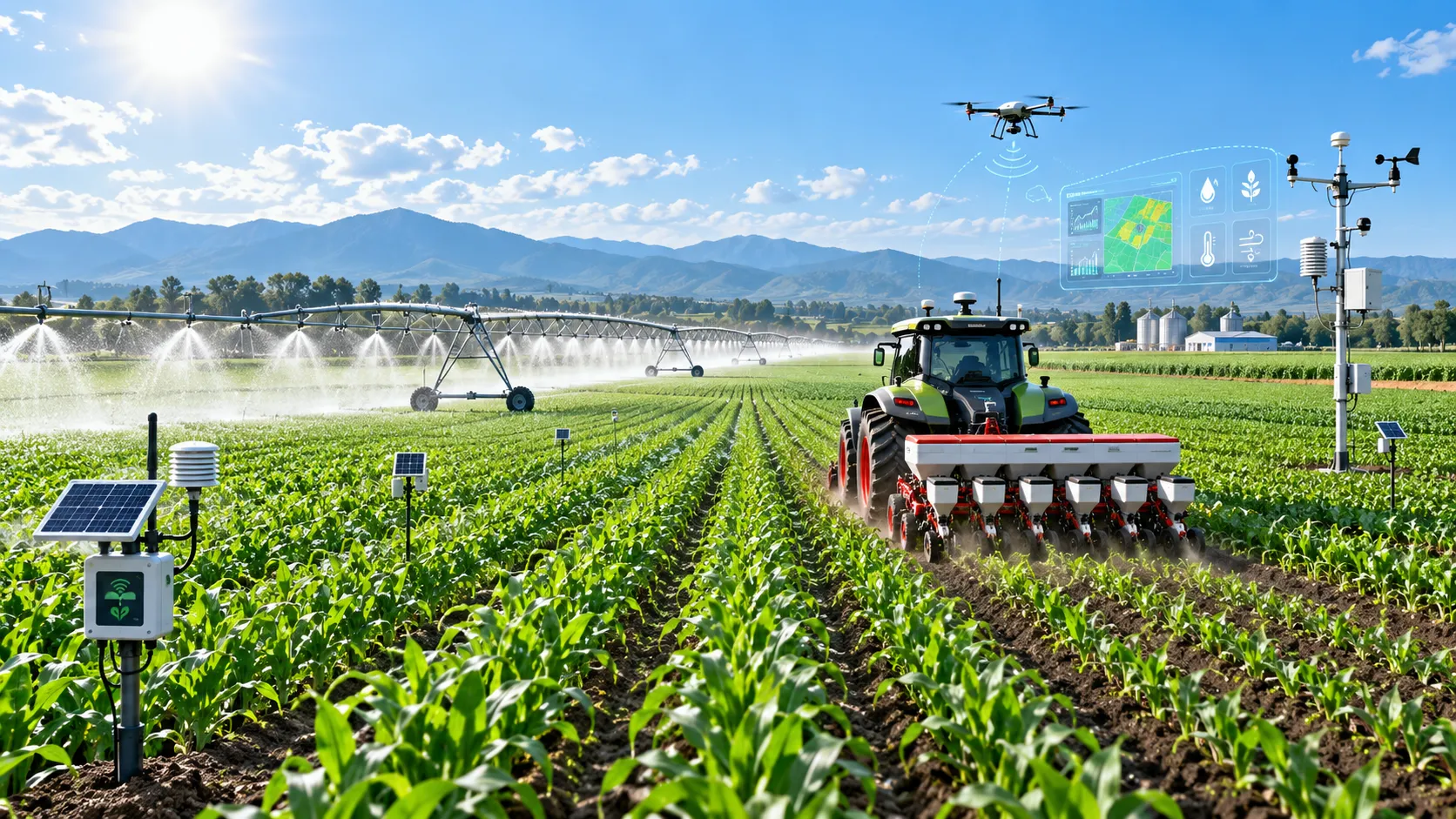
How Digital Agriculture Platforms Turn Field Data Into Better Input Decisions
Digital agriculture platforms turn field data into smarter fertilizer, water, seed, and equipment decisions—helping farms cut risk, improve margins, and scale sustainability.
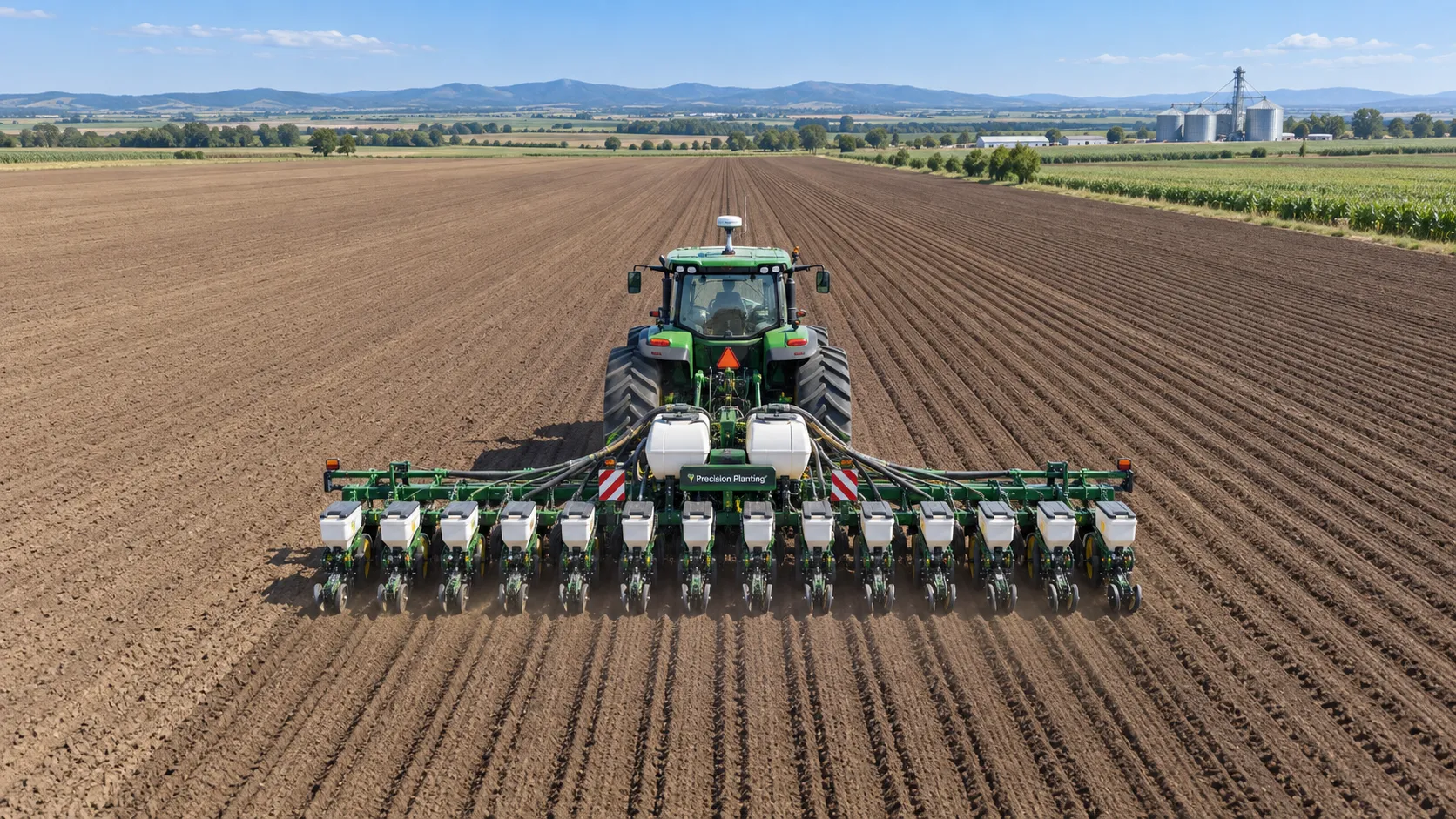
GPS-Guided Farm Machinery: Where It Delivers Measurable Field Efficiency Gains
Agri-mechanization GPS guided systems deliver measurable field efficiency gains through reduced overlap, precise planting, smarter inputs, and reliable farm data.
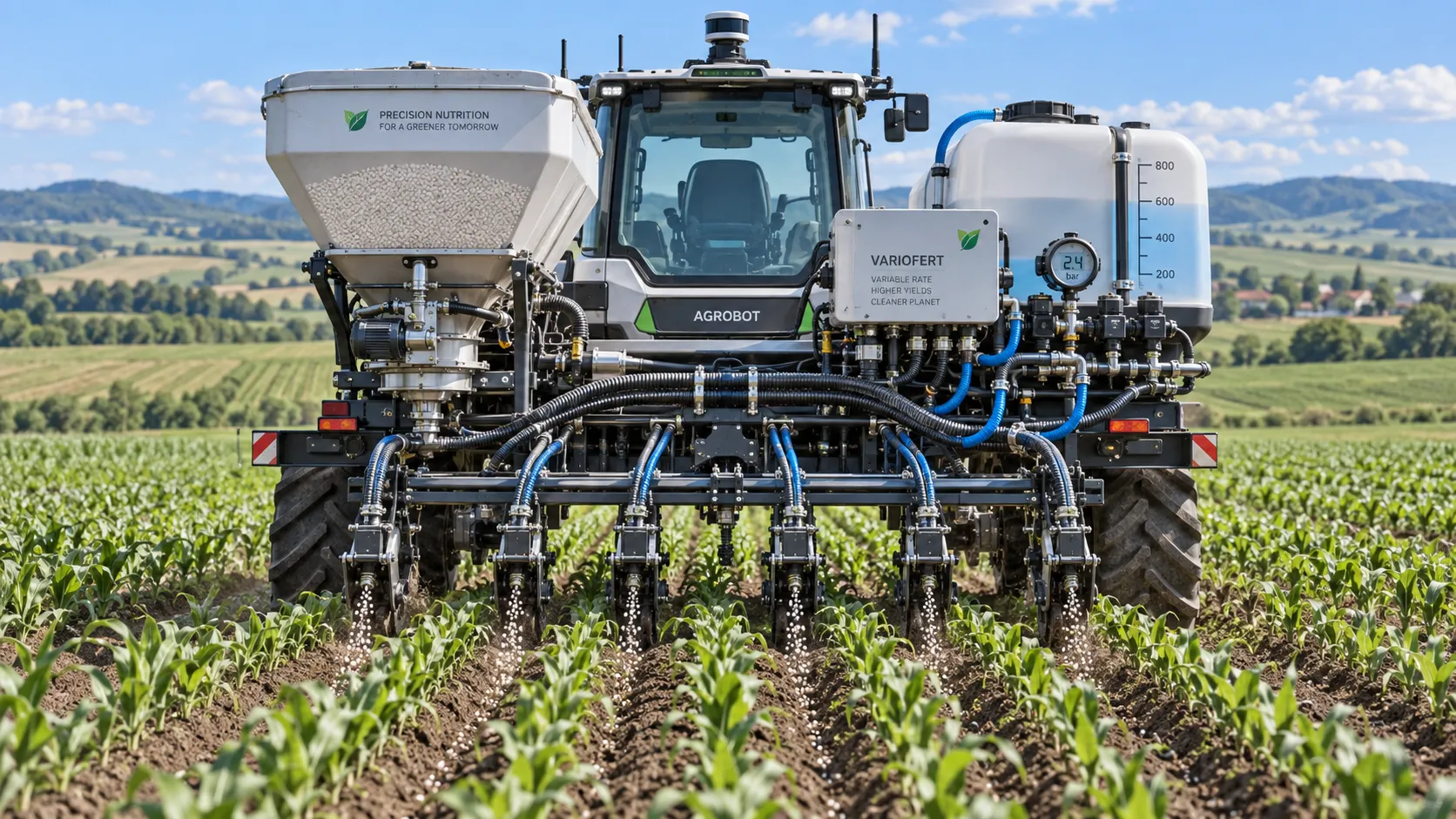
How Sensor Feedback Enables Accurate Variable-Rate Fertilization in Field Conditions
Precision fertilization systems with sensor feedback improve variable-rate accuracy by verifying flow, managing latency, and ensuring reliable field application.
Related News
- 00
0000-00
How Sensor Feedback Enables Accurate Variable-Rate Fertilization in Field Conditions - 00
0000-00
How to Select Precision Crop Protection Equipment for Variable Field Conditions - 00
0000-00
How to Evaluate Precision Fertilization System Suppliers for Farm-Scale Deployment - 00
0000-00
How to Select a Precision Fertilization System for Variable Corn Field Conditions - 00
0000-00
When does equipment for sustainable farming justify a higher capital spend?
Popular Tags
Tractor Power Architect
Weekly Insights
Stay ahead with our curated technology reports delivered every Monday.