
G7 Focuses on Critical Mineral Supply Chain Security
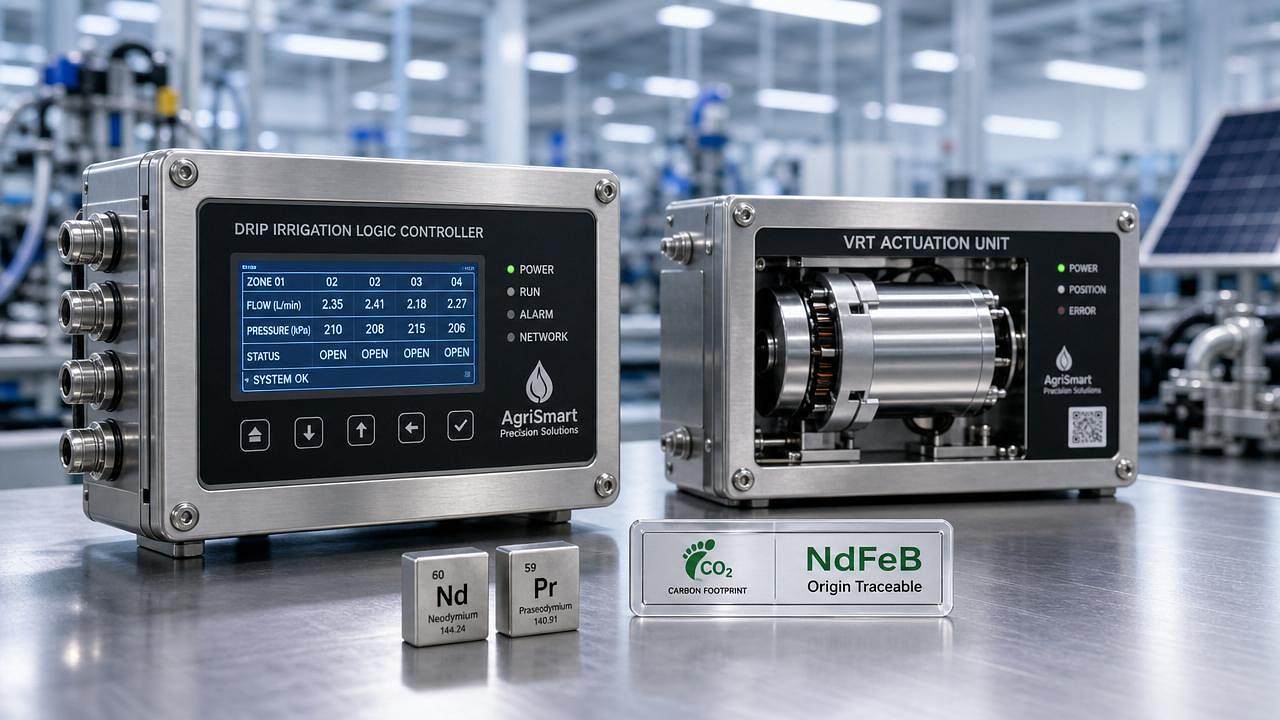




On May 6, 2026, the G7 Trade Ministers’ Meeting in Paris placed critical mineral supply chain security—including rare earth elements—at the center of its agenda. The meeting signals potential regulatory shifts affecting exporters of neodymium-iron-boron (NdFeB) permanent magnet motors, particularly those embedded in precision agricultural equipment. Companies in agricultural technology, motor manufacturing, and global component supply chains should monitor developments closely—this is not merely a policy discussion but an early indicator of upcoming traceability and quota-related requirements in key export markets.
Event Overview
On May 6, 2026, G7 trade ministers convened in Paris and identified rare earths and other critical minerals as strategic priorities for supply chain resilience. French Minister for Foreign Trade stated the group would ‘advance transparent origin-tracking mechanisms.’ No formal quotas, binding timelines, or implementing regulations were announced at the meeting. The statement reflects a coordinated political signal—not an operational policy rollout.
Industries Affected by Segment
Direct Exporters of Agricultural Equipment with NdFeB Motors
These firms—especially those shipping drip irrigation logic controllers and variable rate technology (VRT) execution units to the EU or Japan—may face new export licensing or quota assessments. The G7’s emphasis on traceability directly targets end-use products containing regulated magnets, where origin documentation of raw materials becomes material to compliance.
Manufacturers Integrating NdFeB Permanent Magnet Motors
Firms assembling motors or subassemblies using sintered or bonded NdFeB magnets will likely encounter upstream demands for material declarations. As EU and Japanese importers align with G7 transparency goals, motor suppliers may be required to provide standardized environmental and compositional data—e.g., IEC 62474-compliant declarations—to retain market access.
Suppliers of Rare Earth Oxides and Magnet Precursors
Upstream material suppliers—including those exporting neodymium oxide, praseodymium metal, or alloy powders—face heightened scrutiny on chain-of-custody documentation. While no new export restrictions on raw materials were announced, the G7’s focus on origin tracking implies future pressure on smelters and refiners to adopt auditable sourcing frameworks.
Supply Chain Compliance & Certification Service Providers
Third-party verifiers, testing labs, and certification bodies supporting UL/IEC 62474 reporting or conflict-mineral due diligence may see increased demand for audit-ready documentation services—particularly for magnet-containing components destined for regulated agricultural tech applications.
What Enterprises and Practitioners Should Monitor and Do Now
Track official follow-up statements from EU Commission and Japanese METI
The G7 meeting produced no binding measures—but it sets the stage for technical working groups. Watch for draft guidance on ‘critical raw material content disclosure’ expected from the European Commission’s Joint Research Centre (JRC) and Japan’s Ministry of Economy, Trade and Industry (METI) in Q3 2026.
Identify high-risk product categories and destination markets
Focus initial preparation on NdFeB-dependent components shipped to EU and Japanese agricultural equipment importers—specifically drip irrigation controllers and VRT actuators. These are explicitly named in the event summary as priority items under review.
Distinguish between policy signaling and enforceable rules
The current G7 position remains a coordination framework—not legislation. Avoid premature operational changes (e.g., switching suppliers or redesigning motors). Instead, prioritize readiness: map existing NdFeB sourcing pathways, collect supplier-level material declarations, and verify alignment with UL/IEC 62474 v3.0 reporting formats.
Prepare documentation infrastructure ahead of enforcement timelines
Begin compiling origin records for magnet feedstock—including mine location, smelter ID, and refining batch numbers—where available. Early documentation alignment reduces friction if dynamic quota reviews or customs-origin verification pilots launch in late 2026.
Editorial Perspective / Industry Observation
Observably, this G7 statement functions primarily as a coordination signal—not an immediate regulatory trigger. Analysis shows it reflects growing convergence among major economies on supply chain transparency for defense- and food-security-relevant technologies. From an industry perspective, the inclusion of agricultural automation hardware alongside traditional defense or energy applications marks a notable expansion of ‘criticality’ definitions. It is more accurate to interpret this development as an early-stage institutional alignment than as an implemented control regime. Continuous monitoring remains essential, as technical annexes and implementation roadmaps are expected to emerge over the next 6–12 months.
Concluding, this event underscores how supply chain governance is shifting from broad-sectoral oversight to application-specific scrutiny—especially where rare earth magnets intersect with strategic infrastructure like precision agriculture. For affected enterprises, the appropriate stance is one of measured readiness: neither overreacting to political rhetoric nor underestimating the pace of downstream compliance cascades. Currently, this is best understood as a directional marker—not a deadline.
Source Note: Primary information drawn from official readout of the May 6, 2026 G7 Trade Ministers’ Meeting in Paris, including public remarks by the French Minister for Foreign Trade. No additional background documents, draft regulations, or third-party analyses were referenced. Ongoing developments—including EU or Japanese regulatory proposals—are subject to observation and will be updated separately as officially published.
Related News
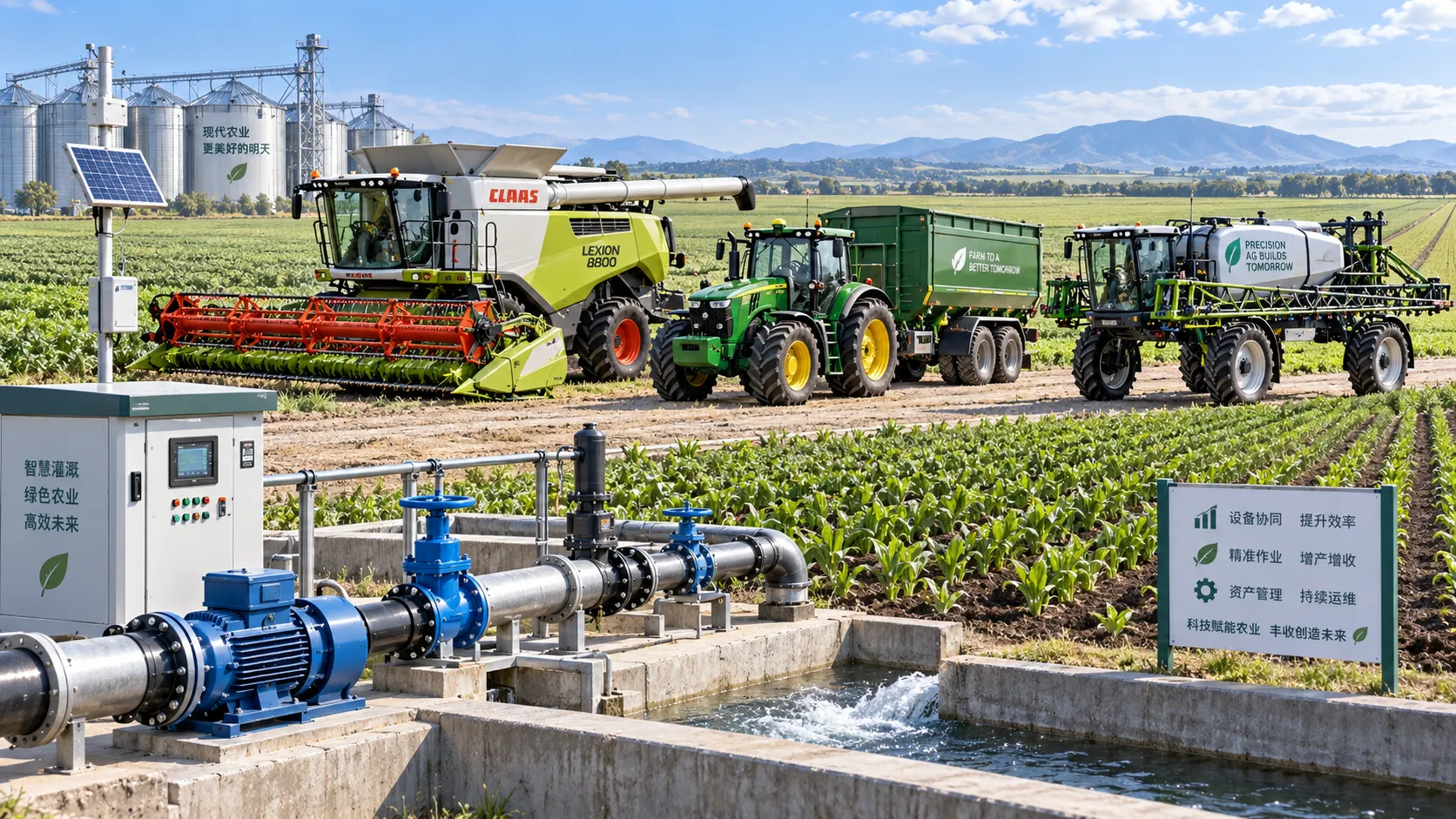
How to Compare Agricultural Equipment Platforms for Fleet Management and ROI
Agricultural equipment platform comparison: evaluate fleet data, maintenance, precision workflows, and ROI to choose a system that delivers measurable results.
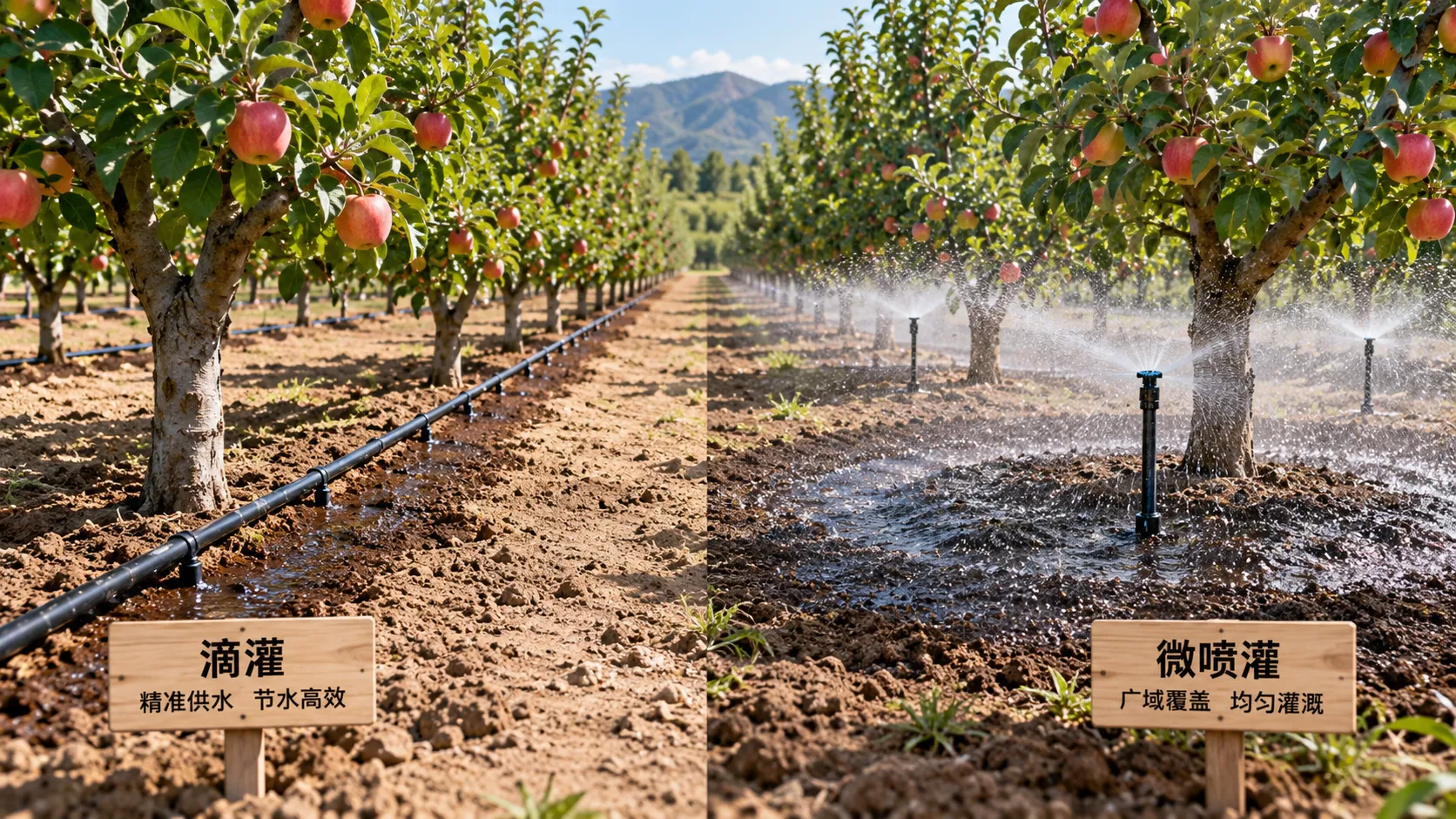
Drip vs. Micro-Sprinkler Irrigation: Which System Fits Your Orchard?
Irrigation solution comparison for orchards: discover whether drip or micro-sprinklers best match your water, soil, roots, fertigation, and frost needs.
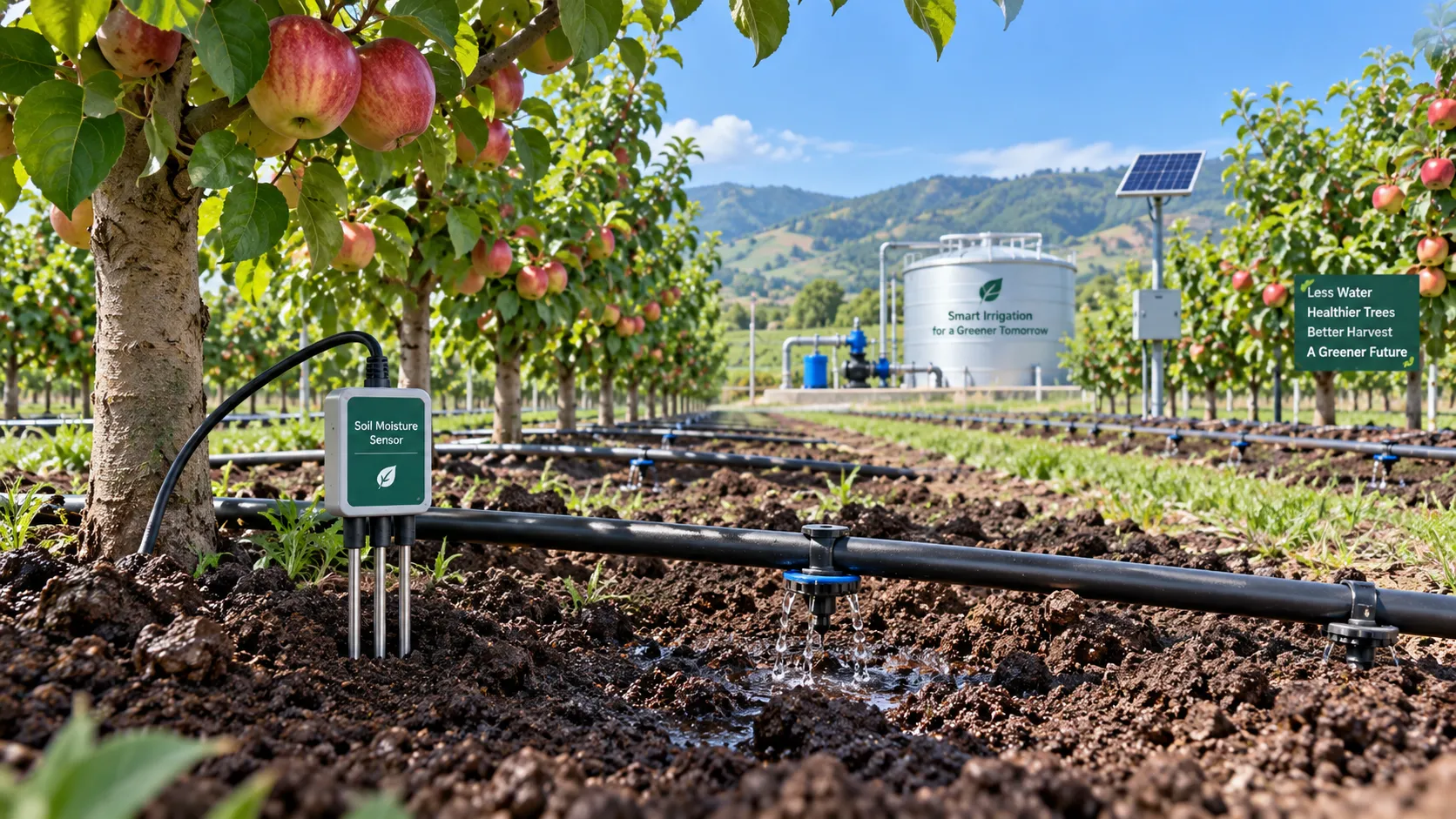
Orchard Water Management: Using Soil Moisture Data to Schedule Irrigation
Agricultural water management for orchards made practical: use soil moisture data to optimize irrigation timing, protect yield, reduce costs, and improve resilience.
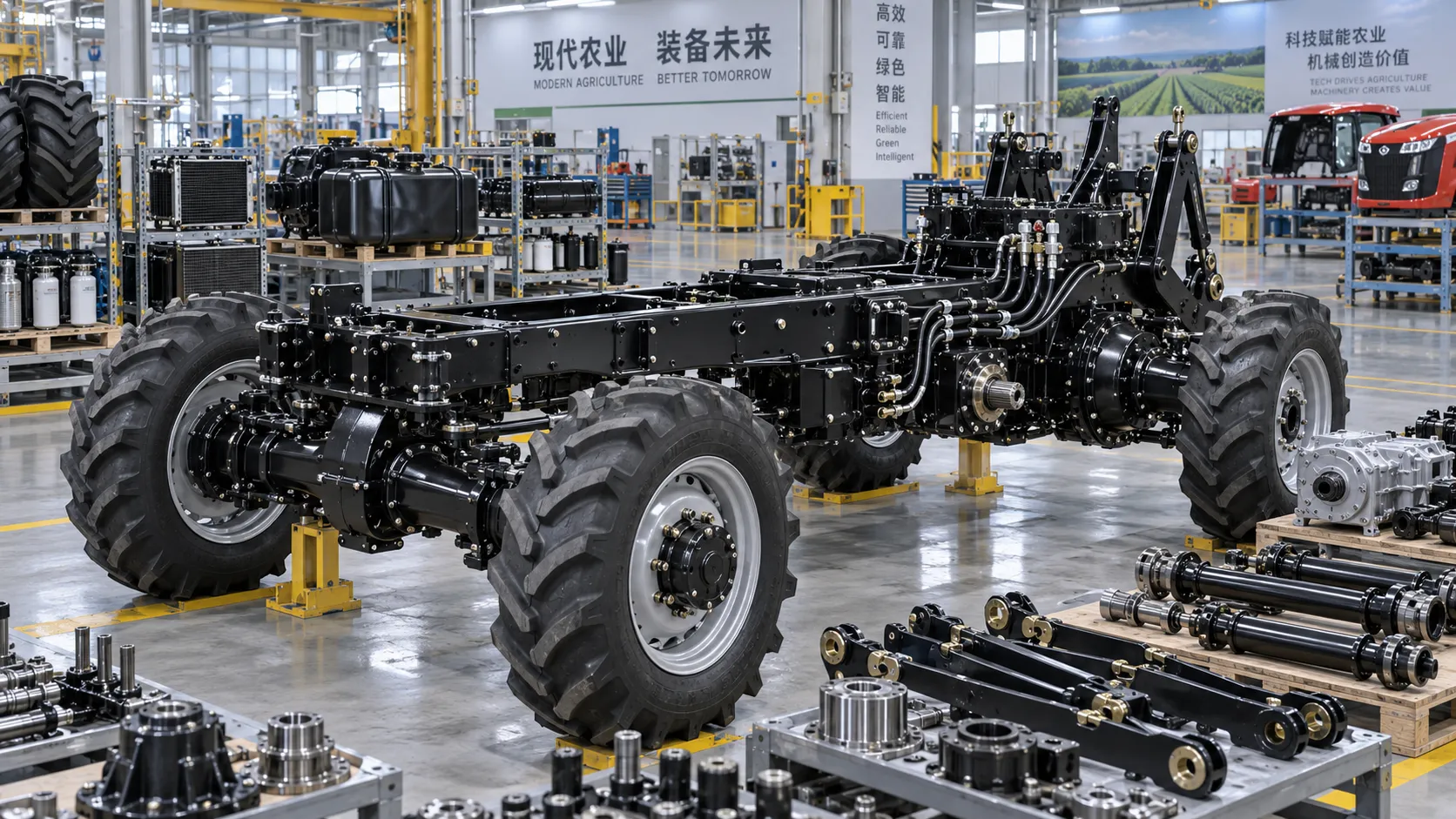
Tractor Chassis Price: What Buyers Should Compare Beyond the Initial Quote
Tractor chassis price is only the start. Compare load capacity, compatibility, durability, and lifecycle costs to choose a reliable, high-value chassis.
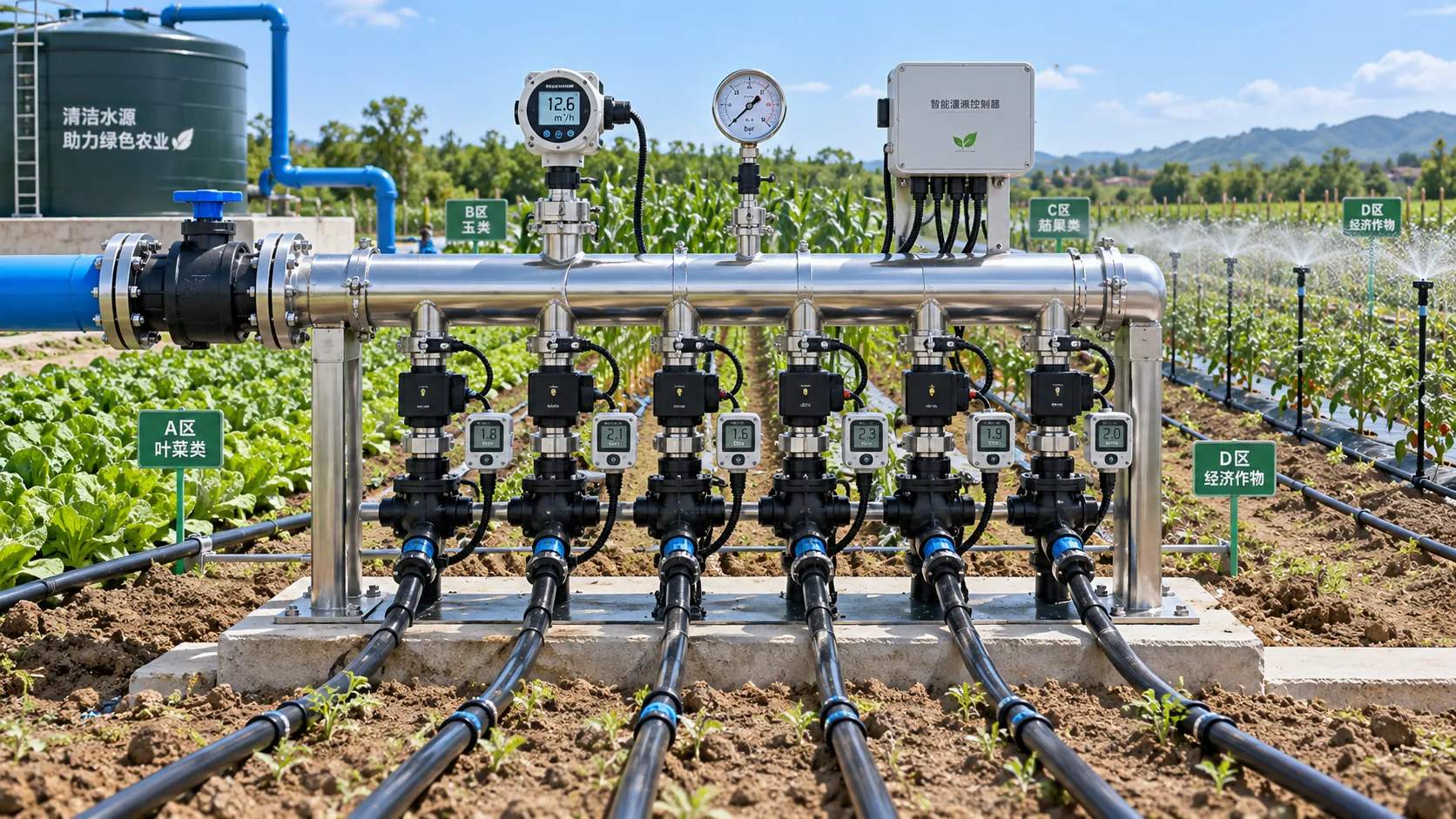
How to Select Smart Irrigation Valves for Multi-Zone Water Management?
Intelligent irrigation systems valves: learn how to match smart valves with multi-zone flow, pressure, control, feedback, and communication needs for reliable water management.
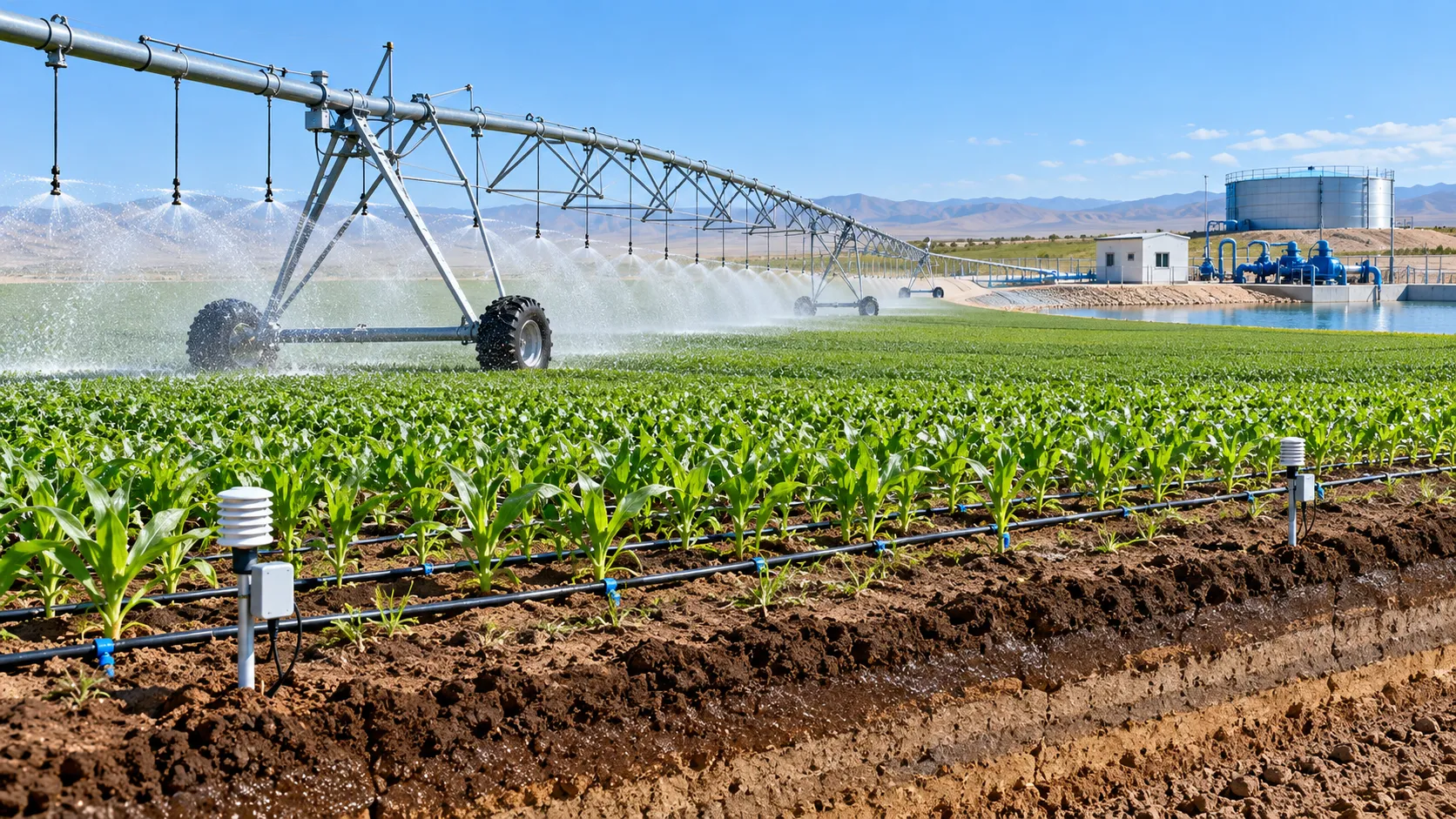
Climate-Smart Farming for Drought: A Practical Plan for Protecting Yields
Climate-smart farming for drought: build smarter water budgets, protect critical crop stages, improve irrigation uniformity, and safeguard yields with practical field-proven strategies.
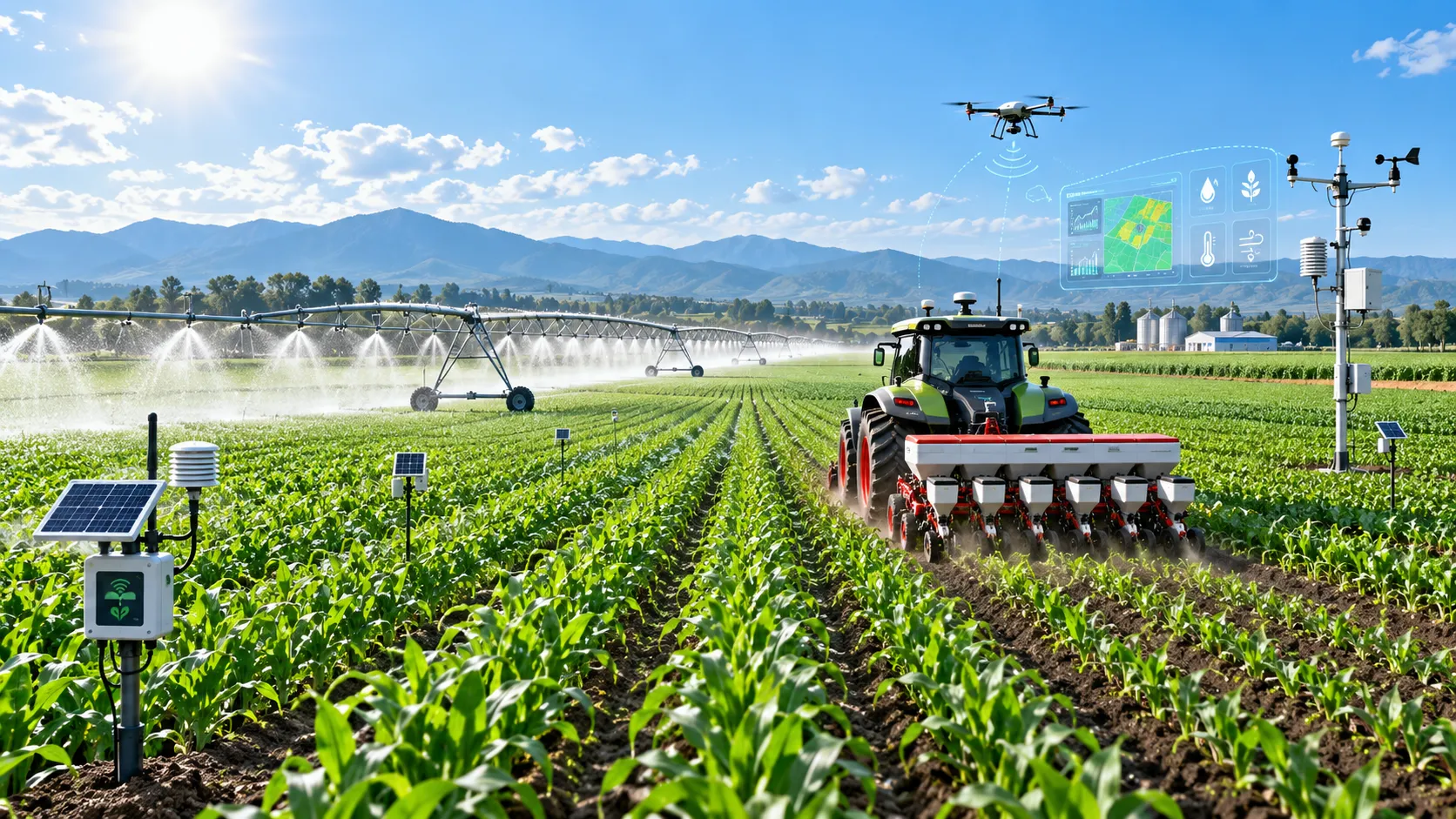
How Digital Agriculture Platforms Turn Field Data Into Better Input Decisions
Digital agriculture platforms turn field data into smarter fertilizer, water, seed, and equipment decisions—helping farms cut risk, improve margins, and scale sustainability.
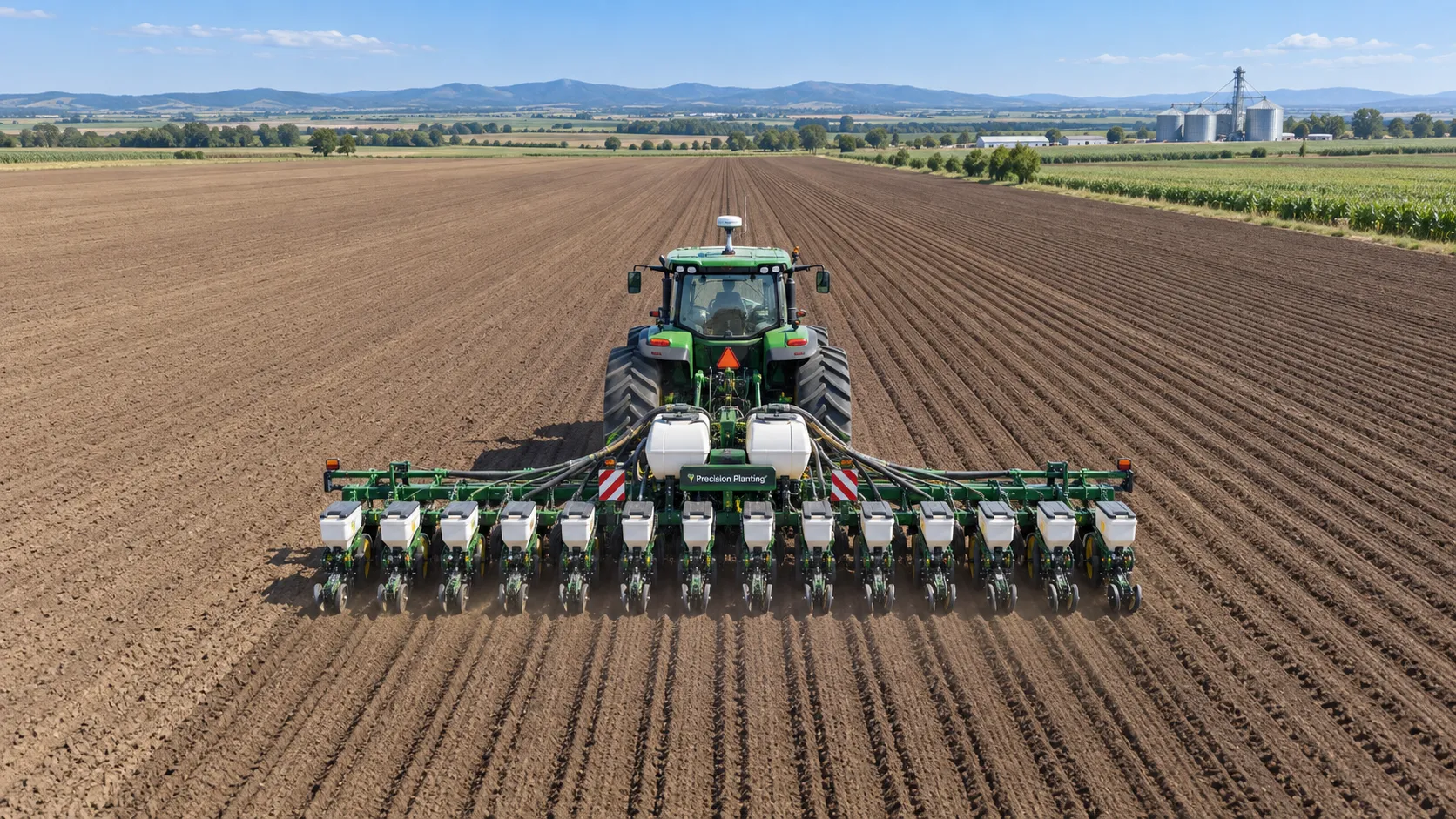
GPS-Guided Farm Machinery: Where It Delivers Measurable Field Efficiency Gains
Agri-mechanization GPS guided systems deliver measurable field efficiency gains through reduced overlap, precise planting, smarter inputs, and reliable farm data.
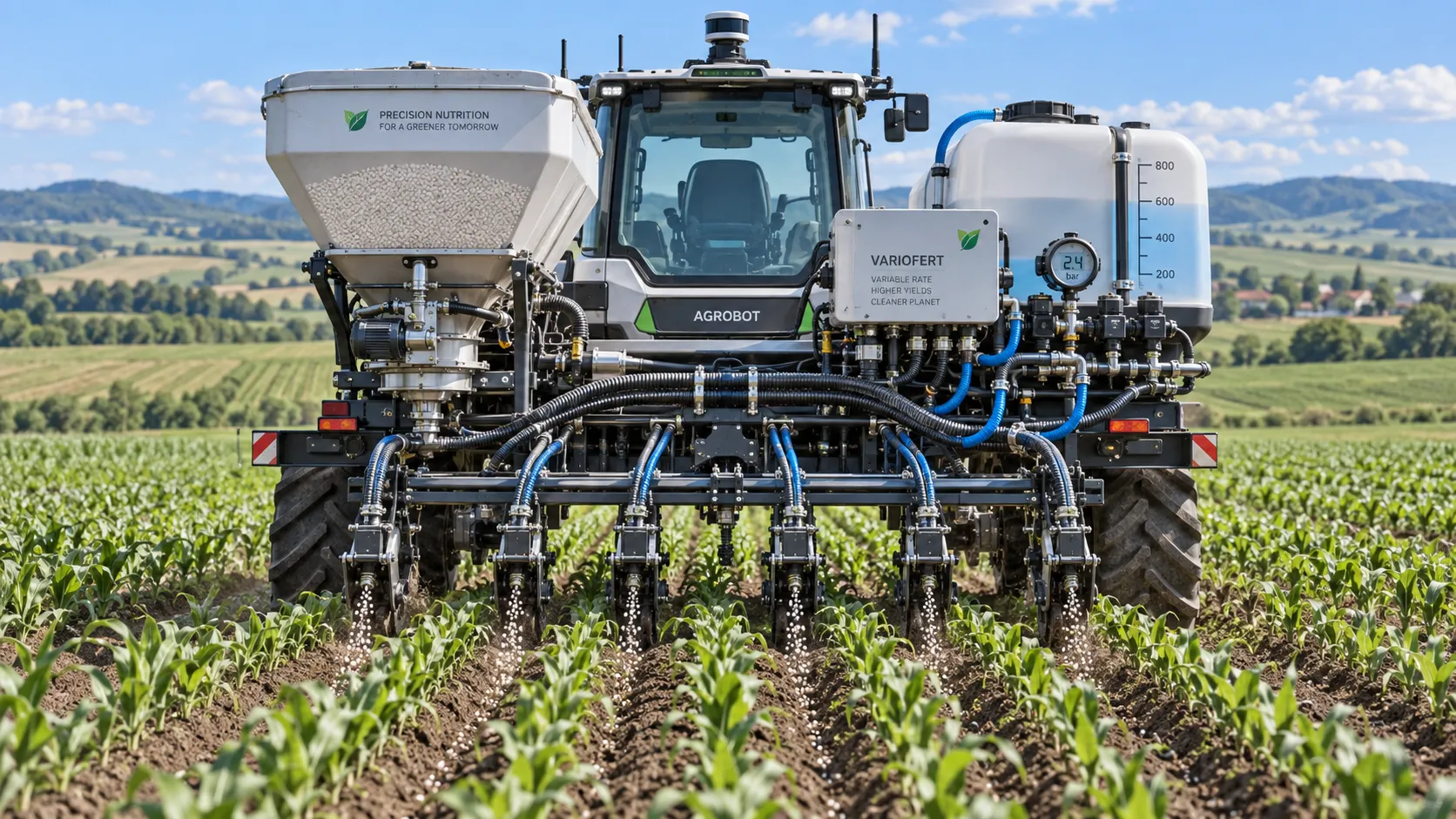
How Sensor Feedback Enables Accurate Variable-Rate Fertilization in Field Conditions
Precision fertilization systems with sensor feedback improve variable-rate accuracy by verifying flow, managing latency, and ensuring reliable field application.
Related News
- 00
0000-00
How Sensor Feedback Enables Accurate Variable-Rate Fertilization in Field Conditions - 00
0000-00
How to Select Precision Crop Protection Equipment for Variable Field Conditions - 00
0000-00
How to Evaluate Precision Fertilization System Suppliers for Farm-Scale Deployment - 00
0000-00
How to Select a Precision Fertilization System for Variable Corn Field Conditions - 00
0000-00
When does equipment for sustainable farming justify a higher capital spend?
Popular Tags
Tractor Power Architect
Weekly Insights
Stay ahead with our curated technology reports delivered every Monday.