
Q1 2026: China’s Agri-Tech AI Chip FDI Up 30.7%
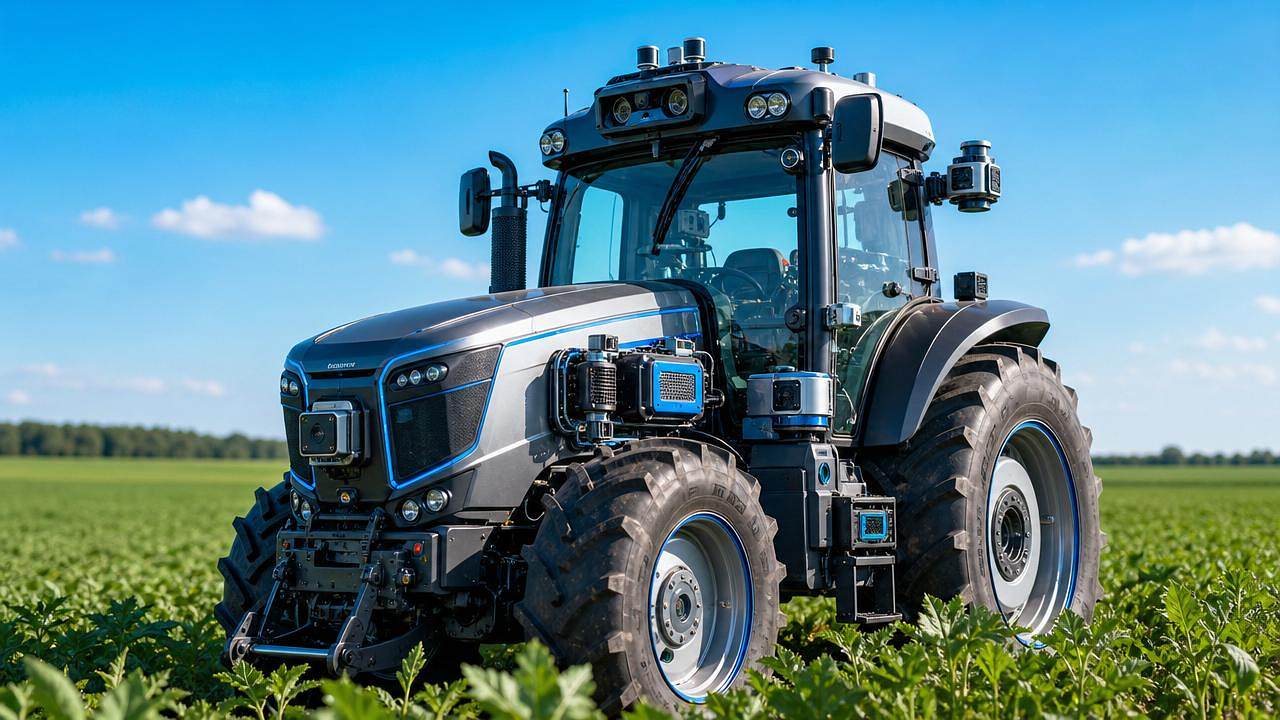




On May 6, 2026, China’s Ministry of Commerce reported a 30.7% year-on-year increase in actual foreign direct investment (FDI) into high-tech industries in Q1 2026. Notably, foreign capital inflows intensified in three agritech hardware segments: AI inference chips for agricultural machinery, multimodal vision controllers for farm equipment, and real-time operating systems (RTOS) tailored for agricultural machinery. This trend signals growing international confidence in China’s foundational capabilities in intelligent agricultural equipment — with implications for global OEMs, component suppliers, and precision farming service providers.
Event Overview
On May 6, 2026, the Ministry of Commerce of the People’s Republic of China released official data showing that actual FDI into China’s high-technology industry reached RMB XX billion in Q1 2026, up 30.7% year-on-year. Within this category, foreign investment specifically targeted intelligent agricultural machinery components, including AI inference chips, multimodal vision controllers, and农机-specific RTOS (real-time operating systems). No further breakdowns by investor nationality, project count, or regional distribution were disclosed in the initial release.
Which Subsectors Are Affected
Original Equipment Manufacturers (OEMs) of Agricultural Machinery:
These firms may face increased competition in sourcing core intelligent components domestically, as foreign-backed local ventures scale production. Impact manifests in shorter lead times and potentially lower unit costs for AI-enabled control modules — but also heightened scrutiny on supply chain resilience and IP compliance when integrating third-party chip/controller solutions.
Component Importers & Distributors:
Import-dependent intermediaries serving Chinese OEMs could see reduced demand for legacy embedded controllers or generic AI accelerators. The shift toward specialized, agriculture-optimized hardware implies tighter technical alignment requirements — e.g., compatibility with ISO 11783 (ISOBUS), CAN FD timing, and field-deployable thermal management specs.
Embedded Systems Developers & OS Integrators:
Firms developing or customizing RTOS for industrial edge applications are encountering stronger market pull toward agriculture-specific certification pathways (e.g., functional safety for autonomous implement control). Demand is rising not just for portability, but for deterministic latency, OTA update security, and interoperability with existing farm management software stacks.
Global Farm Automation Service Providers:
Companies offering AI-driven agronomic decision support or fleet management platforms may benefit from more stable, localized access to standardized perception and control layers. However, integration efforts must now account for heterogeneous chip architectures (e.g., NPU vs. GPU inference backends) and vendor-specific SDKs emerging from newly funded ventures.
What Relevant Enterprises or Practitioners Should Monitor and Do Now
Track official policy follow-ups on technology transfer and export controls
The MoC statement did not specify whether these investments fall under the recently updated Catalogue of Industries for Encouraging Foreign Investment (2025 edition). Enterprises should monitor upcoming notices from MOFCOM and MIIT regarding classification of AI inference chips and vision controllers — particularly whether they trigger licensing or reporting obligations for cross-border technical collaboration.
Assess exposure to near-term component standardization shifts
With foreign capital flowing into three tightly coupled hardware layers (chip → controller → OS), early signs of de facto interface standards — such as unified sensor abstraction APIs or common OTA update protocols — may emerge. Procurement teams should document current integration pain points (e.g., camera calibration across vendors, firmware signing workflows) to benchmark future compatibility improvements.
Distinguish between investment announcements and scalable production capacity
The 30.7% FDI growth reflects financial commitments, not necessarily volume shipments or certified product availability. Engineering teams should avoid assuming immediate availability of production-grade samples; instead, prioritize engagement with investors’ disclosed portfolio companies to verify roadmap timelines, AEC-Q200 qualification status, and domestic wafer fab partnerships.
Update supplier risk assessments with hardware-software co-development dependencies
Unlike commodity ICs, AI chips and vision controllers for agriculture require joint validation with RTOS and application frameworks. Procurement and quality departments should revise vendor scorecards to include evidence of integrated stack testing — especially under variable power, dust, vibration, and temperature conditions typical of field deployment.
Editorial Perspective / Industry Observation
Observably, this FDI surge is best understood as a validation signal — not yet an operational inflection point. It reflects international capital’s growing confidence in China’s ability to deliver purpose-built, cost-competitive AI hardware for agricultural automation — but does not indicate immediate substitution of established Western or Japanese suppliers in Tier-1 OEM programs. Analysis shows the trend is concentrated in pre-commercial and early-volume stages; most announced projects remain in tape-out or pilot integration phases. From an industry perspective, sustained attention is warranted because momentum in foundational layers (silicon, controllers, OS) often precedes broader ecosystem effects — including faster adoption of machine vision-based yield prediction, adaptive path planning, and predictive maintenance services. Current developments are less about displacing incumbents and more about expanding the viable design space for next-generation agri-robotics.
Conclusion
This data point underscores a structural shift: foreign investment is increasingly targeting the underlying hardware enablers of agricultural intelligence — not just end-user applications or SaaS platforms. For stakeholders, the significance lies not in headline growth rates, but in the convergence of capital, domain-specific engineering, and regulatory tailwinds around intelligent farm equipment. It is more appropriately interpreted as an early-stage indicator of supply chain diversification in critical agritech components — one that warrants technical due diligence, not strategic repositioning, at this stage.
Information Source
Main source: Ministry of Commerce of the People’s Republic of China, official press release dated May 6, 2026. No supplementary data (e.g., investor names, project locations, or funding amounts per segment) were provided in the initial announcement. Further details remain subject to official disclosure and ongoing monitoring.
Related News
When Does Agricultural Machinery Leasing Cost Less Than Owning Equipment?
Agricultural machinery leasing can lower farm costs when use is seasonal or uncertain. Compare utilization, maintenance, cash flow, and risk to make a smarter equipment decision.
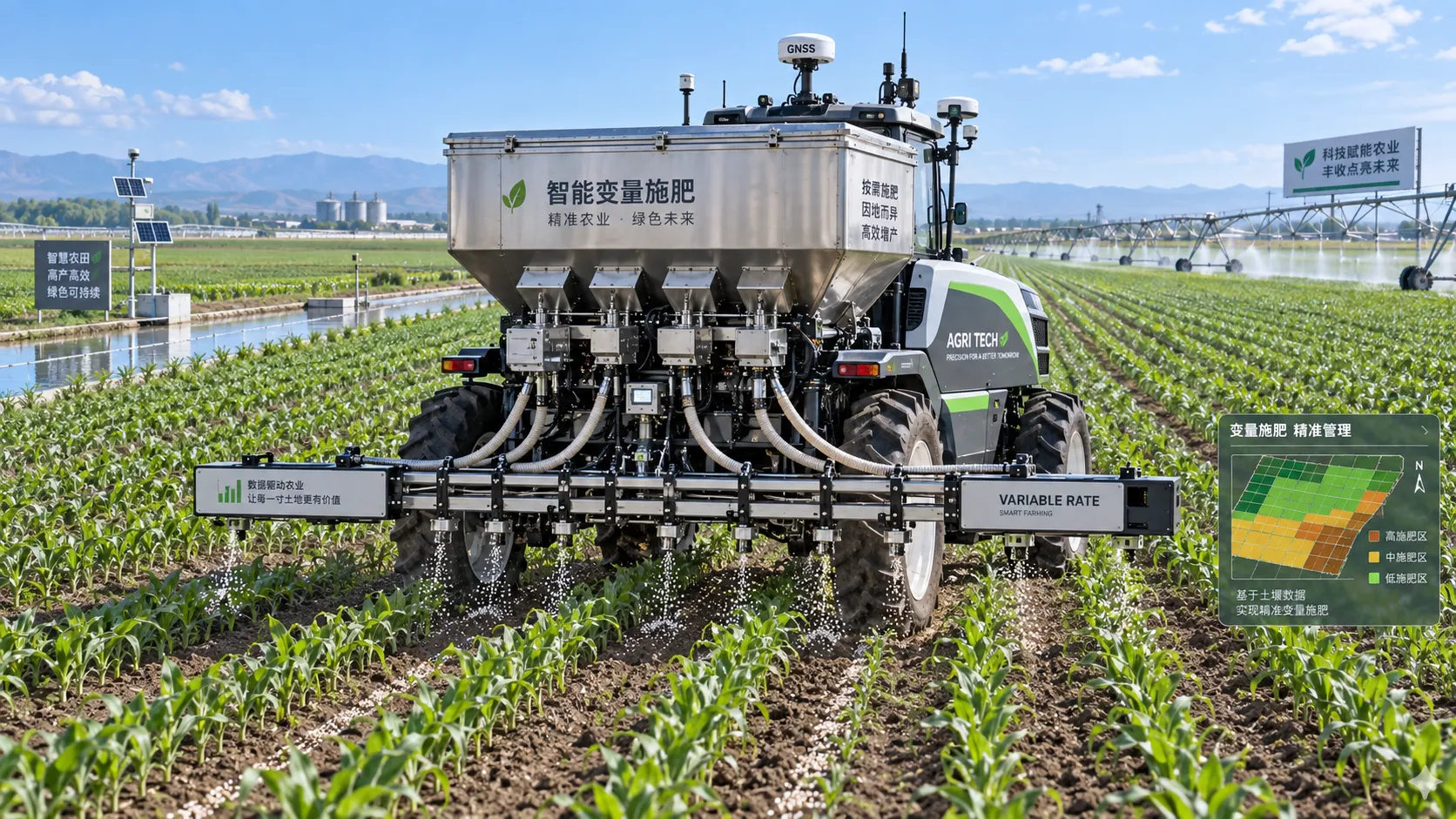
How to Evaluate Precision Fertilization System Suppliers for Farm-Scale Deployment
Precision fertilization systems suppliers: learn how to compare accuracy, integration, uptime, service, and total cost for confident farm-scale deployment.
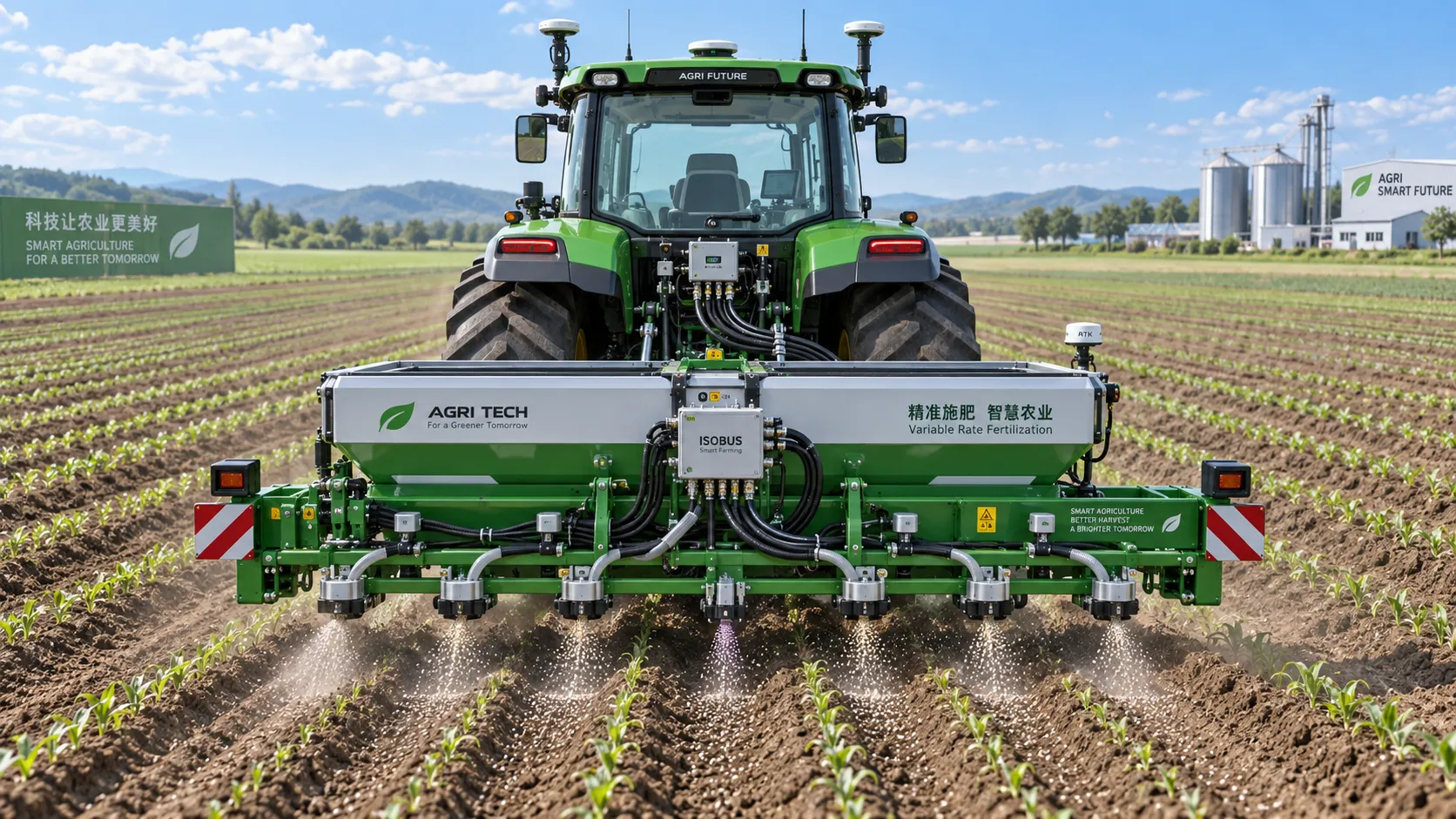
ISOBUS for Smart Agriculture: How It Connects Tractors, Implements, and Farm Data
ISOBUS for smart agriculture connects tractors, implements, terminals, and farm data—helping growers improve precision, documentation, and smarter field decisions.
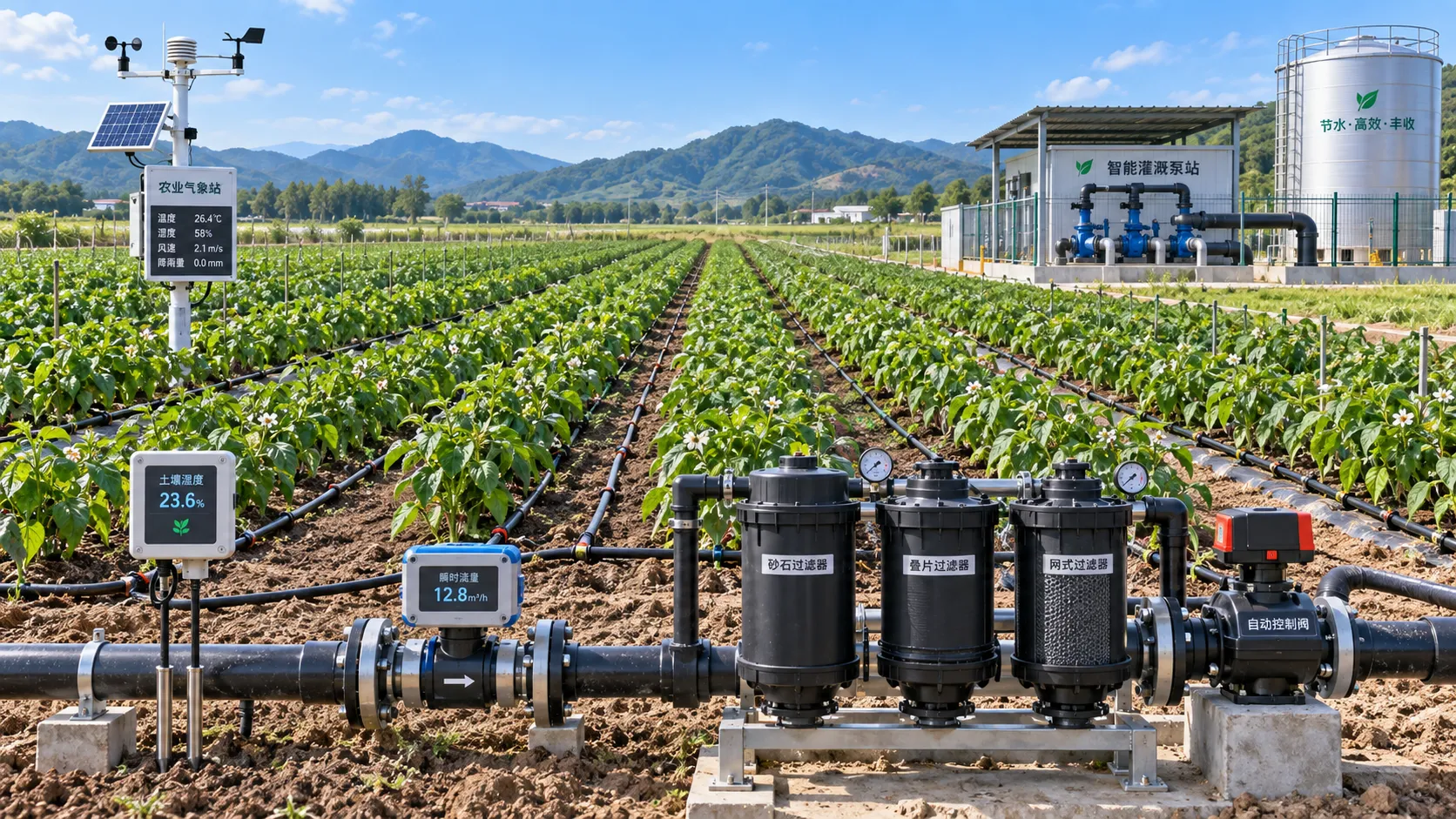
Automated Water-Saving Irrigation: How to Cut Water Use Without Reducing Crop Yields
Automated water-saving irrigation helps farms cut water use, protect crop yields, improve scheduling, and gain reliable control with sensors, flow monitoring, and smart zones.
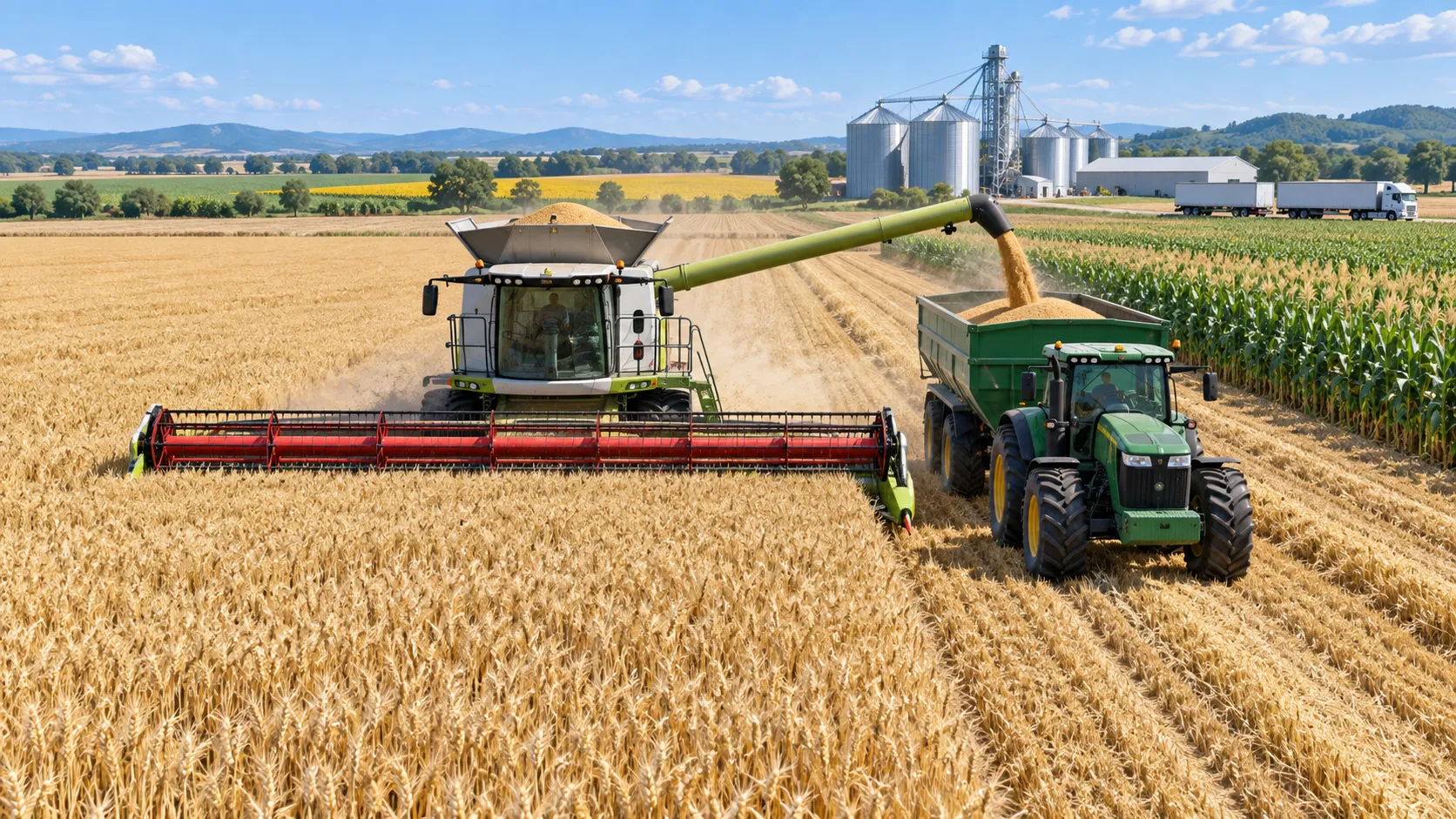
Selecting Grain Farm Equipment by Acreage, Crop Mix, and Harvest Window
Agricultural equipment selection for grain farming: match machinery to acreage, crop mix, and harvest windows to improve uptime, efficiency, and returns.
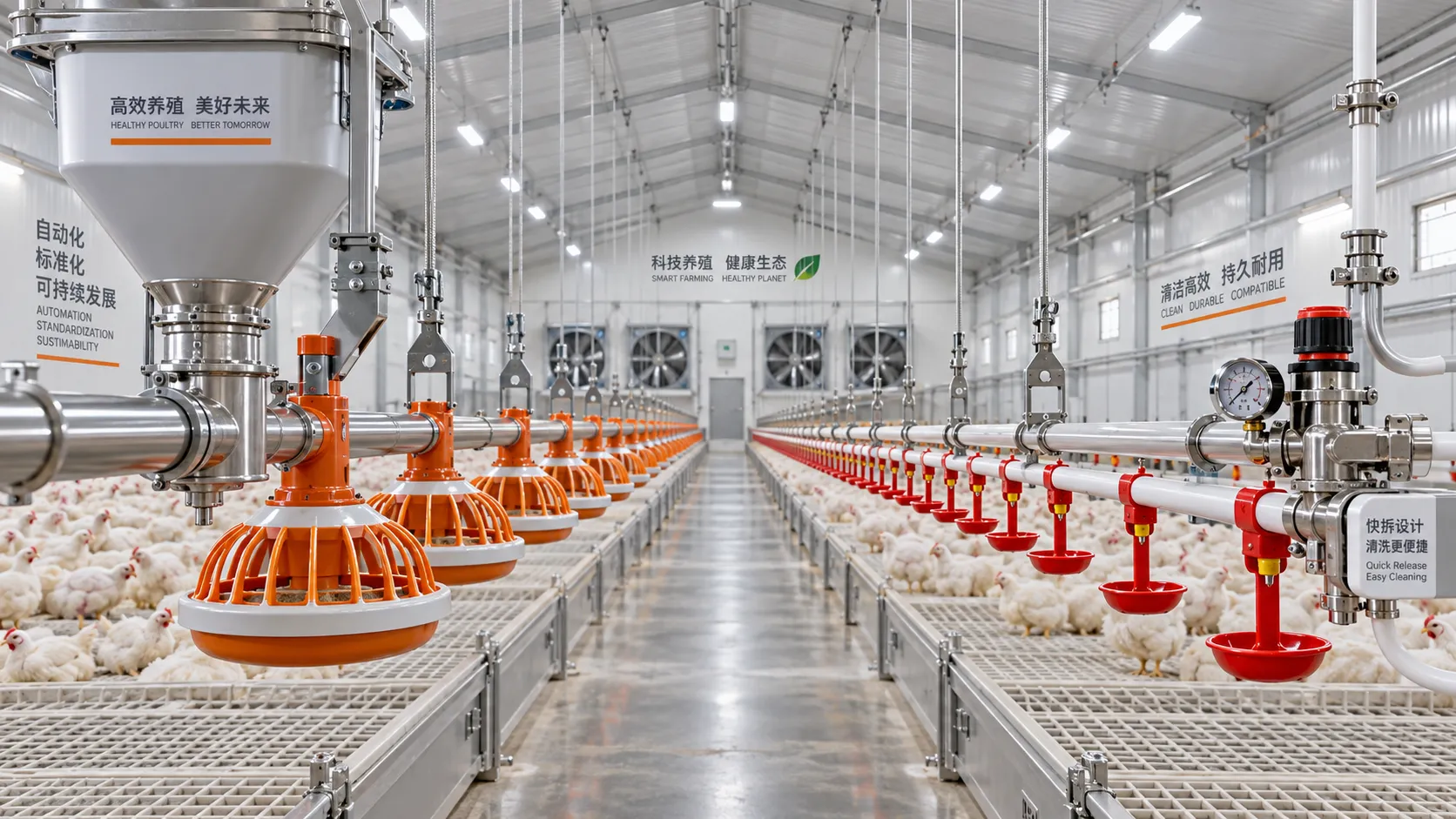
Poultry Equipment Selection: Evaluating Durability, Cleaning, and Compatibility
Poultry equipments selection guide: evaluate durability, cleaning access, and system compatibility to improve hygiene, reduce downtime, and support efficient flock management.
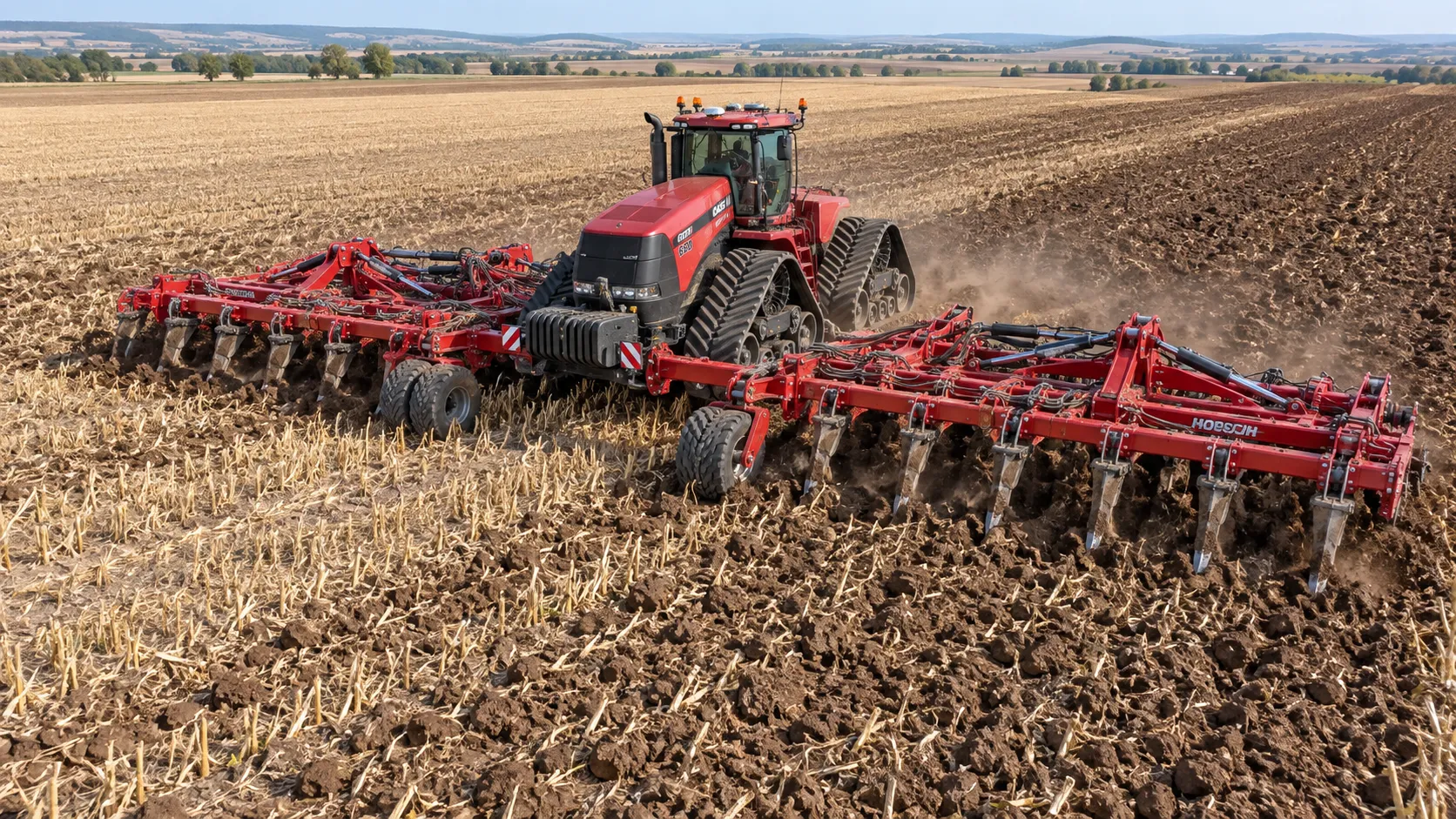
How to Select Heavy-Duty Farm Implements for High-Acreage, High-Horsepower Operations
Heavy duty farm implements: learn how to match draft, hydraulics, hitch capacity, frame strength, and field conditions for reliable high-acreage performance.
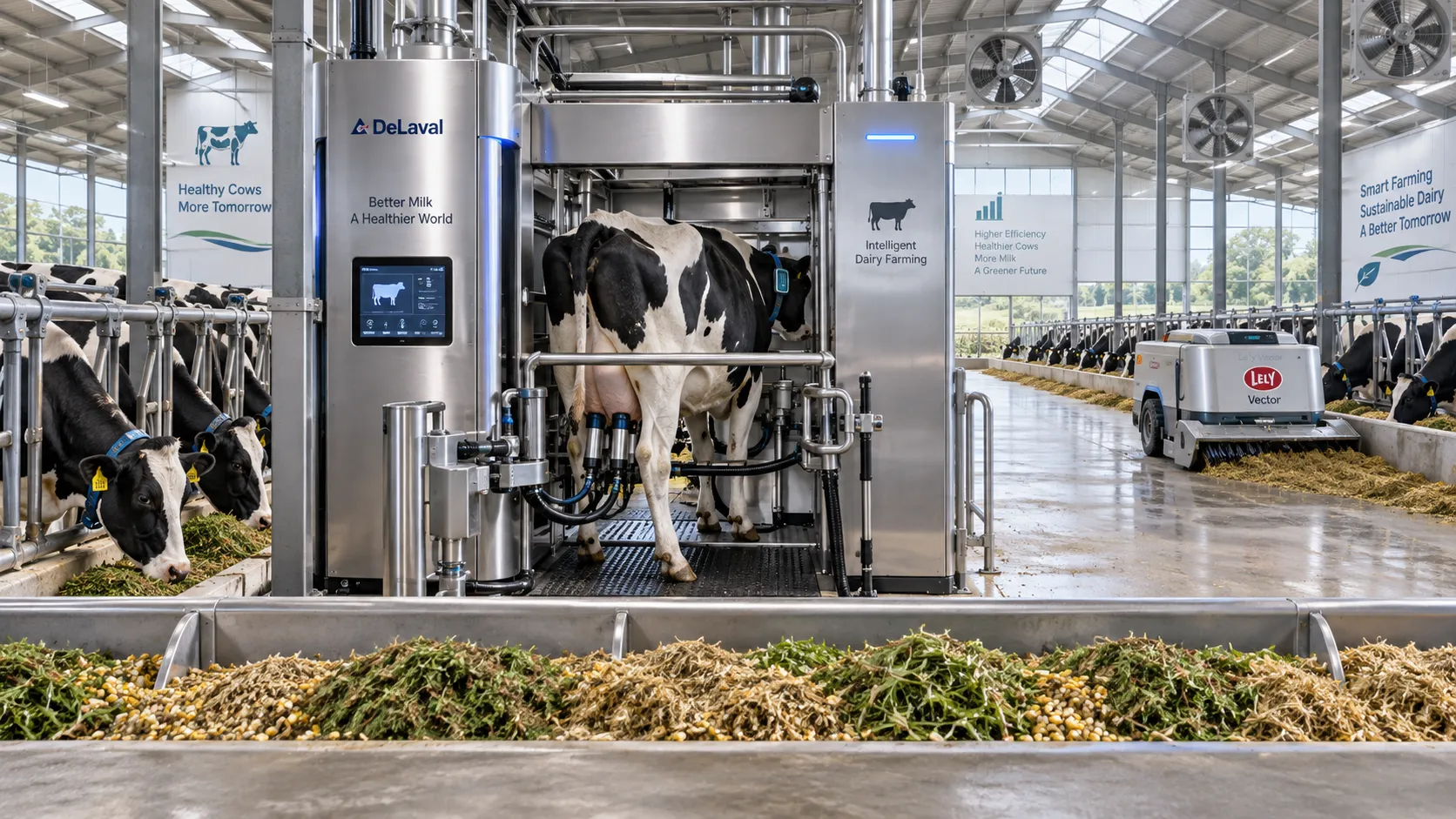
Smart Farming Technology for Dairy Farms: Where Automation Delivers Measurable ROI
Smart farming technology for dairy farms delivers measurable ROI through automation, precision feeding, health monitoring, and data-driven cost control.
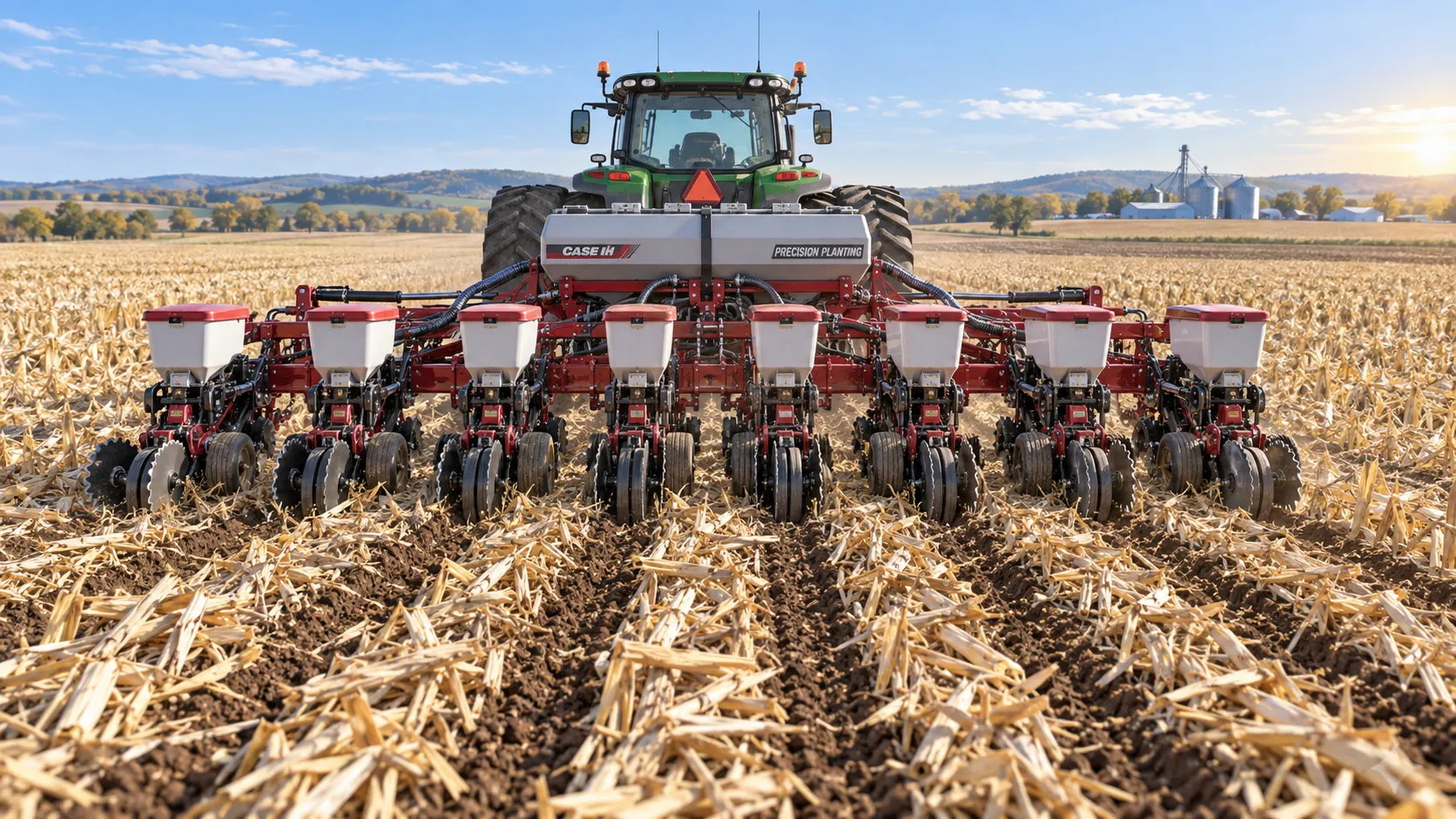
How to Select a Heavy-Duty Seeder for Large Acreage and High-Residue Fields
Heavy duty seeders for large acreage: compare residue handling, depth control, downforce, metering accuracy, and precision features to select the right model.
Related News
- 00
0000-00
ISOBUS for Smart Agriculture: How It Connects Tractors, Implements, and Farm Data - 00
0000-00
How North American Farms Can Select Crop Monitoring Systems by Acreage and Connectivity - 00
0000-00
How Tractor Intelligence Systems Improve Field Efficiency and Input Accuracy - 00
0000-00
Which equipment for larger fields maintains accuracy at higher speeds? - 00
0000-00
What should a digital ag platform integrate before a farm-wide rollout?
Popular Tags
Tractor Power Architect
Weekly Insights
Stay ahead with our curated technology reports delivered every Monday.