
Canton Fair Phase II: Chinese Smart Irrigation & Agri-Machinery Firms Lead ISO/IEC Standard Revision
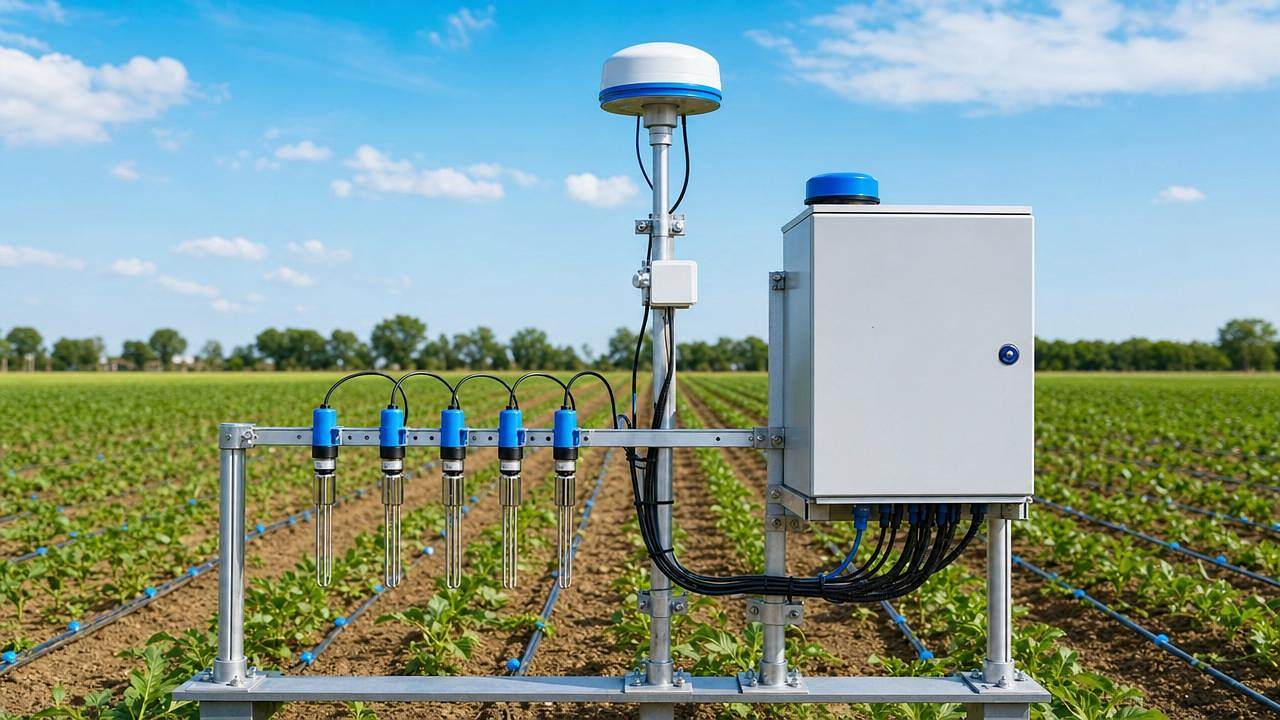




At the second phase of the 139th Canton Fair (April 23–27, 2026), Chinese enterprises specializing in smart irrigation systems, BeiDou-enabled agricultural navigation equipment, and in-line grain moisture analyzers participated in leading revisions to ISO/IEC standards for agricultural Internet of Things. This development signals a strategic shift—from compliance with international standards to active participation in their formulation—and is particularly relevant for stakeholders in precision agriculture hardware, agri-tech export, and global farm automation supply chains.
Event Overview
The second phase of the 139th Canton Fair took place from April 23 to 27, 2026. During this period, multiple Chinese companies active in smart irrigation,北斗 (BeiDou)-based农机 navigation (agricultural machinery navigation), and real-time grain moisture measurement engaged in leadership roles within ongoing ISO/IEC working groups revising agricultural IoT standards. No further details on specific standard numbers, participating organizations, or finalized outcomes were publicly confirmed beyond this scope.
Industries Affected
Direct Exporters of Agricultural IoT Hardware
Exporters of smart irrigation controllers, GNSS-guided tractor systems, or embedded grain quality sensors may face revised conformity expectations in target markets adopting updated ISO/IEC frameworks. Impact manifests primarily in product certification pathways, technical documentation requirements, and interoperability validation protocols—especially where national regulators align domestic rules with the revised international standards.
Manufacturers Integrating Agricultural IoT Components
Firms embedding irrigation actuators, GNSS positioning modules, or moisture-sensing chips into larger farm machinery or processing equipment may encounter upstream specification shifts. The impact centers on component-level interface definitions, data format harmonization, and firmware update compatibility—potentially triggering minor design or testing adjustments ahead of full standard publication.
Supply Chain Service Providers (Certification, Testing, Localization)
Third-party labs, certification bodies, and technical translation/localization vendors supporting agri-tech exporters could see increased demand for services aligned with the revised ISO/IEC clauses—particularly around test case development, conformance reporting templates, and bilingual technical documentation review against new normative references.
What Relevant Enterprises or Practitioners Should Monitor and Do Now
Track official updates from ISO/IEC TC 304 and national mirror committees
Confirm whether draft amendments are publicly available, and identify which working group outputs (e.g., ISO/IEC 30141, ISO 20922) are under revision. National standardization bodies—including SAC (Standardization Administration of China) and ANSI—may issue preliminary notices or alignment roadmaps.
Review current product documentation and interface specifications against known scope statements
Compare existing user manuals, API documentation, and hardware datasheets with publicly listed objectives of the revision work (e.g., ‘enhancing cross-vendor device discovery’ or ‘standardizing moisture sensor calibration metadata’). Flag any misalignments requiring internal technical review.
Distinguish between formal adoption timelines and early implementation signals
Recognize that leadership in drafting does not equate to immediate regulatory enforcement. Focus on when national authorities (e.g., EU’s CEN/CENELEC, Japan’s JISC) initiate alignment procedures—not just the ISO/IEC approval date—as that determines real-world compliance deadlines.
Prepare for potential pre-certification engagement with testing labs
If supplying to regulated markets (e.g., EU CE marking, South Korea KC), initiate informal consultations with accredited labs now to assess readiness gaps related to anticipated changes in test methods or reporting formats—avoiding last-minute delays post-publication.
Editorial Perspective / Industry Observation
Observably, this marks a procedural milestone rather than an immediate technical inflection point. Leadership in standard revision working groups reflects growing technical credibility and institutional access—but actual market impact depends on subsequent ratification, national adoption speed, and industry uptake. From an industry perspective, it is more accurately understood as a signal of maturing influence in foundational infrastructure layers of digital agriculture, not yet a de facto rule change. Continued monitoring is warranted because such participation often precedes broader alignment in regional regulatory frameworks and procurement specifications—especially in emerging markets seeking interoperable, cost-effective farm automation solutions.
Conclusion
This development underscores a structural evolution in China’s role within global agricultural technology governance: from adopter to contributor in core interoperability frameworks. However, it remains an early-stage process—neither a completed standard nor a binding requirement. For industry actors, it is best interpreted as a forward-looking indicator of shifting technical expectations, not an operational trigger. Prudent response involves targeted monitoring and preparatory technical alignment—not immediate re-engineering or policy overhaul.
Information Source
Main source: Official summary of the 139th Canton Fair Phase II (April 23–27, 2026), released by the China Foreign Trade Centre. Note: Specific ISO/IEC standard numbers, exact company names, and final revision status remain unconfirmed and require ongoing observation.
Related News
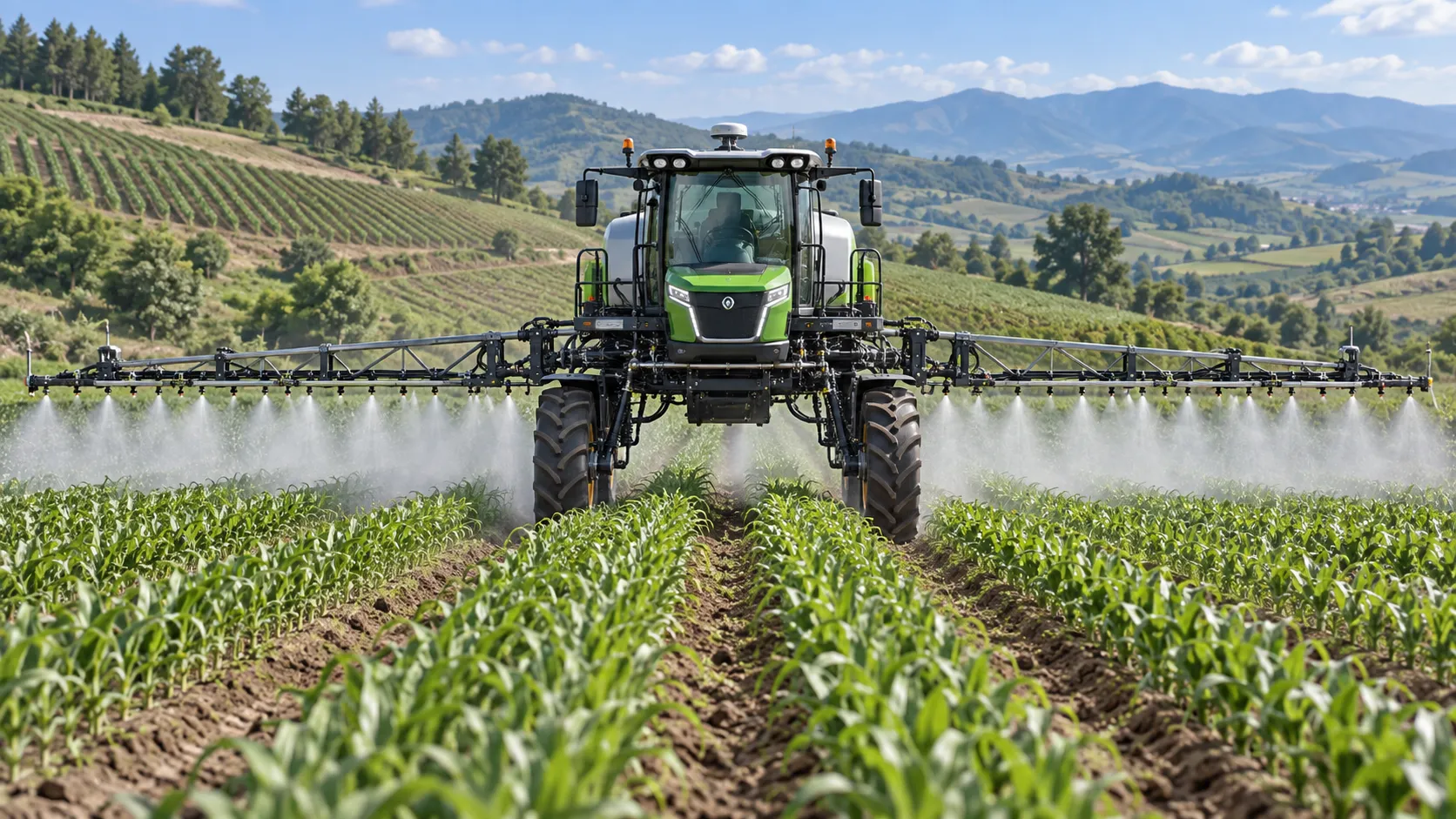
How to Select Precision Crop Protection Equipment for Variable Field Conditions
Precision crop protection equipment selection made simple: compare terrain, canopy, weather, control accuracy, and data workflows for reliable applications.
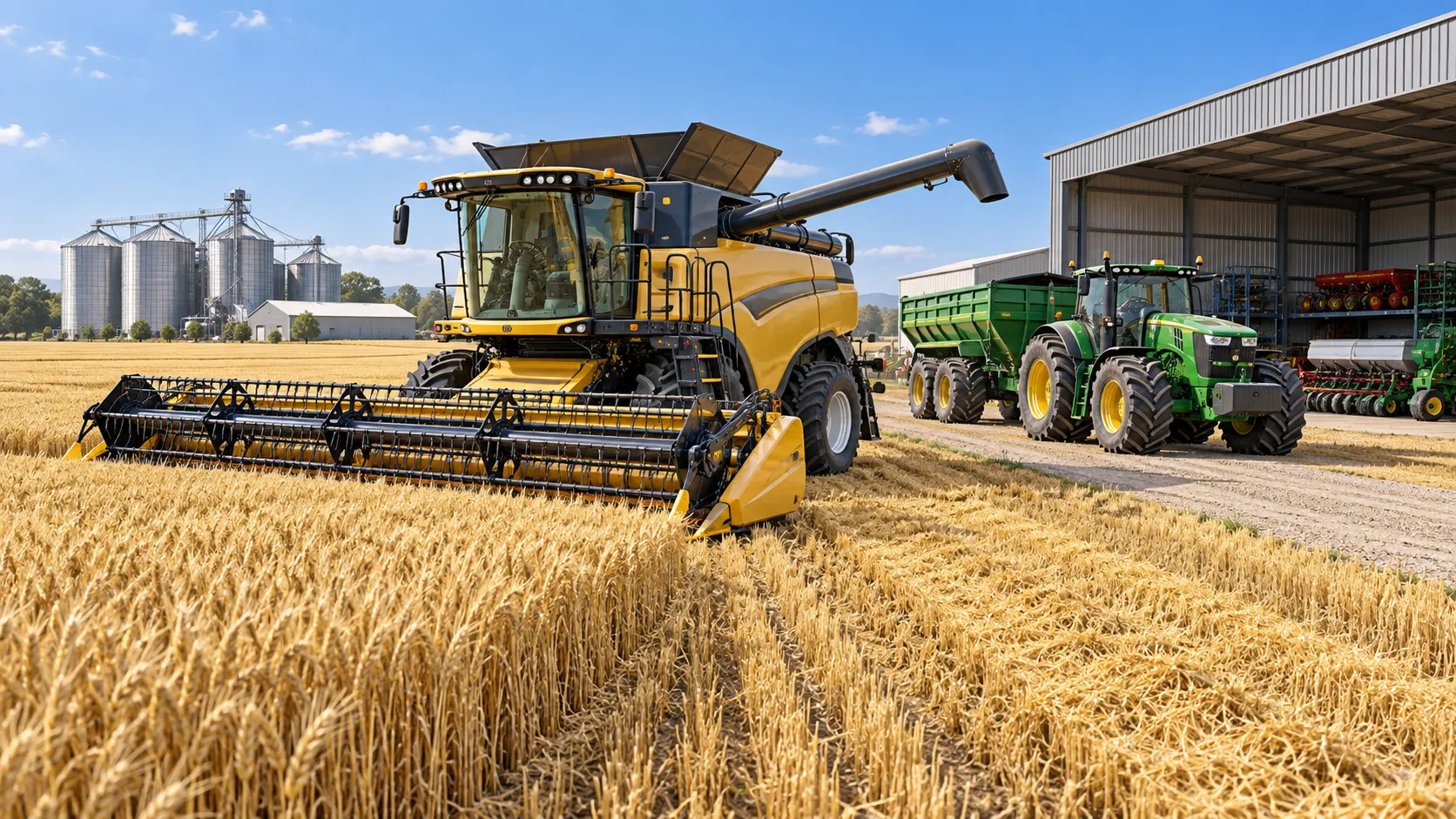
When Does Agricultural Machinery Leasing Cost Less Than Owning Equipment?
Agricultural machinery leasing can lower farm costs when use is seasonal or uncertain. Compare utilization, maintenance, cash flow, and risk to make a smarter equipment decision.
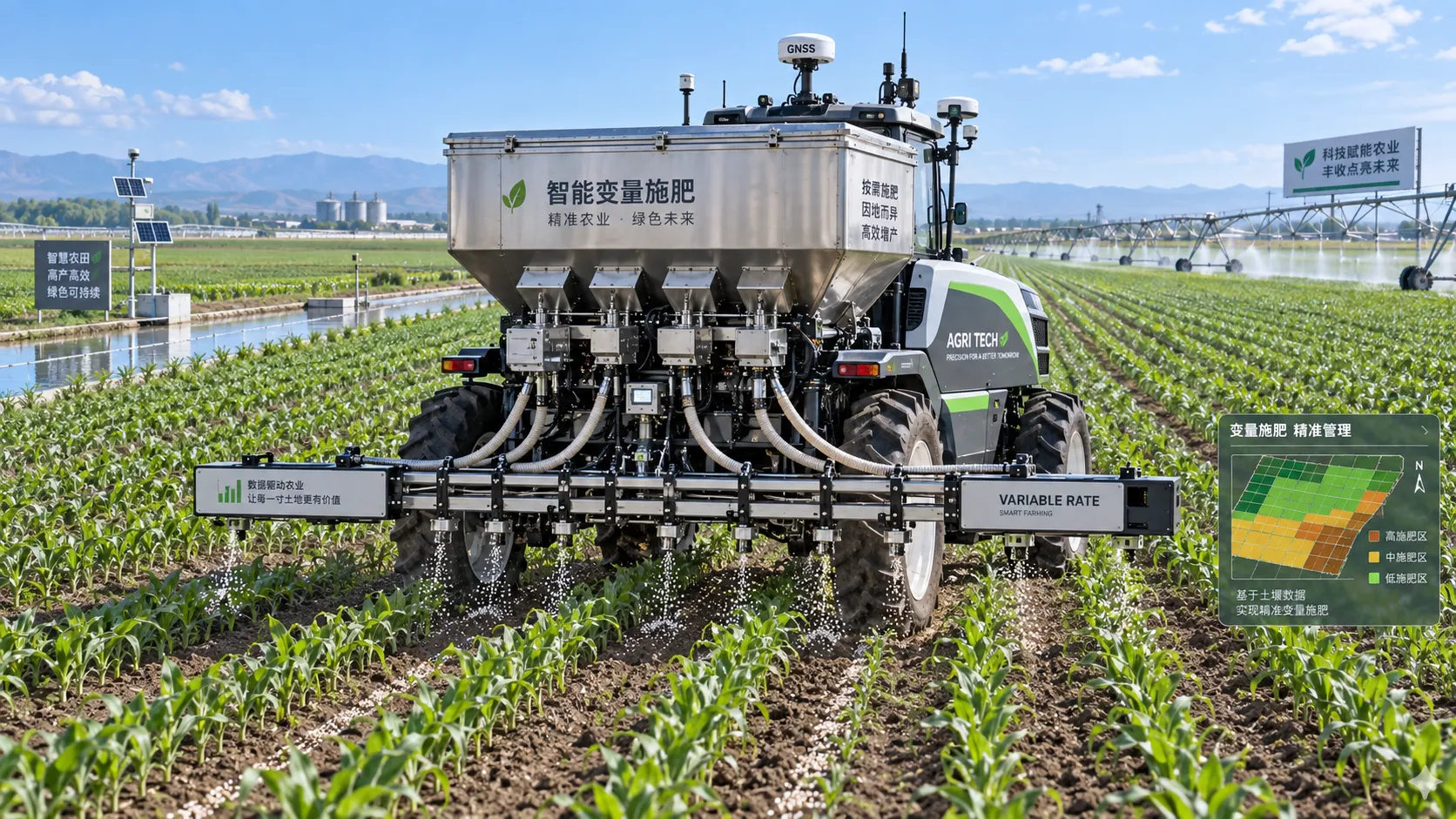
How to Evaluate Precision Fertilization System Suppliers for Farm-Scale Deployment
Precision fertilization systems suppliers: learn how to compare accuracy, integration, uptime, service, and total cost for confident farm-scale deployment.
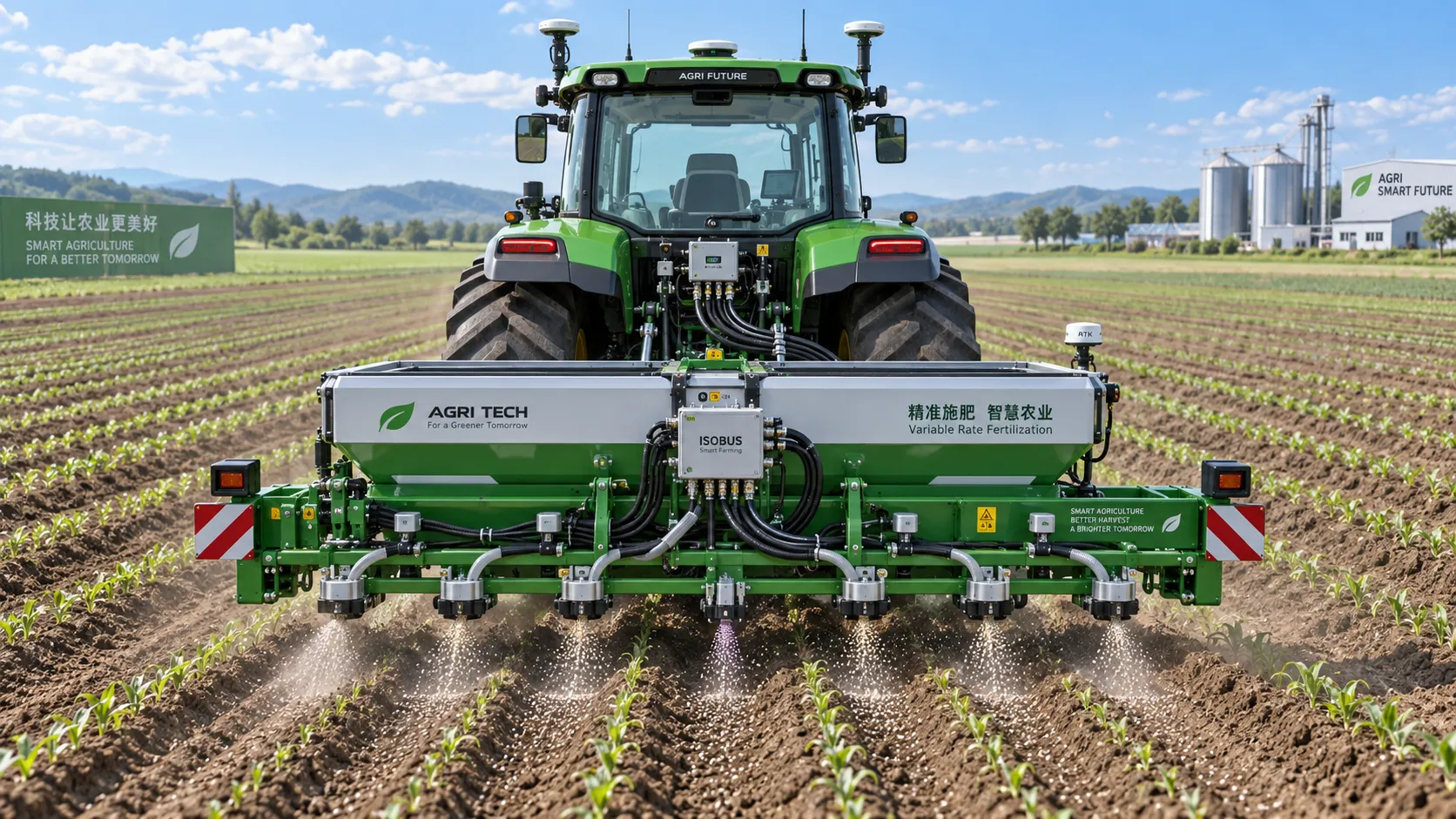
ISOBUS for Smart Agriculture: How It Connects Tractors, Implements, and Farm Data
ISOBUS for smart agriculture connects tractors, implements, terminals, and farm data—helping growers improve precision, documentation, and smarter field decisions.
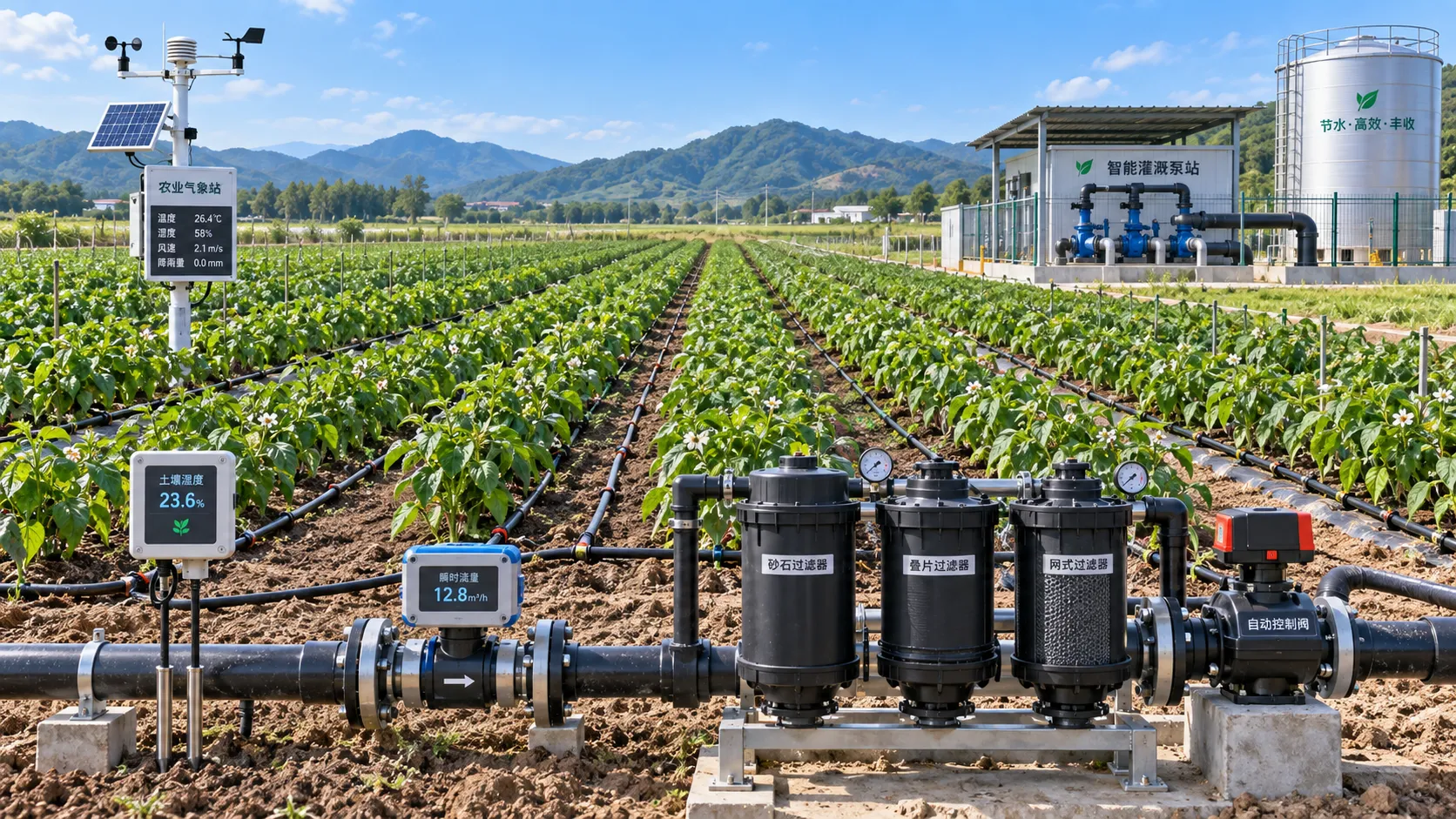
Automated Water-Saving Irrigation: How to Cut Water Use Without Reducing Crop Yields
Automated water-saving irrigation helps farms cut water use, protect crop yields, improve scheduling, and gain reliable control with sensors, flow monitoring, and smart zones.
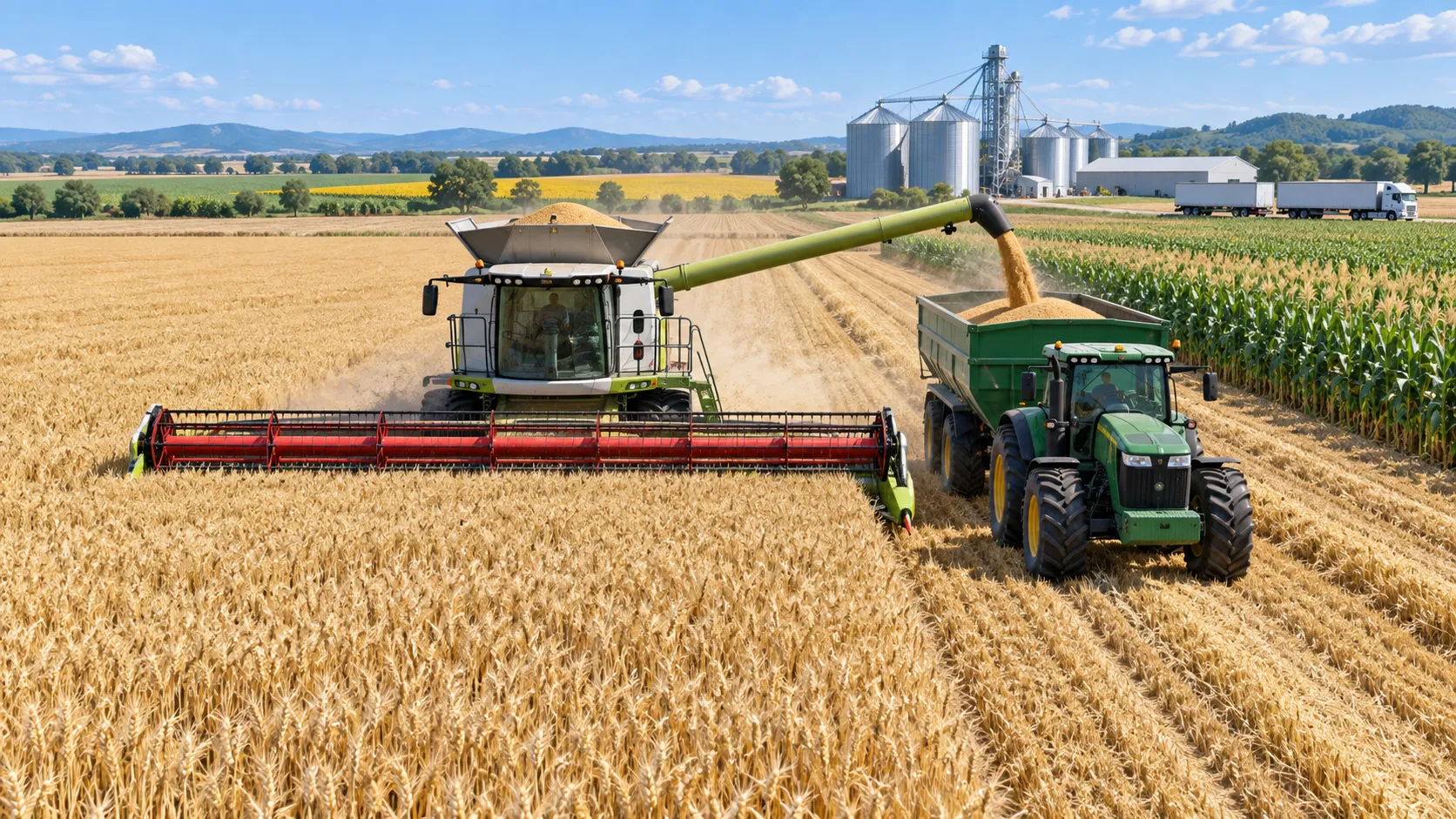
Selecting Grain Farm Equipment by Acreage, Crop Mix, and Harvest Window
Agricultural equipment selection for grain farming: match machinery to acreage, crop mix, and harvest windows to improve uptime, efficiency, and returns.
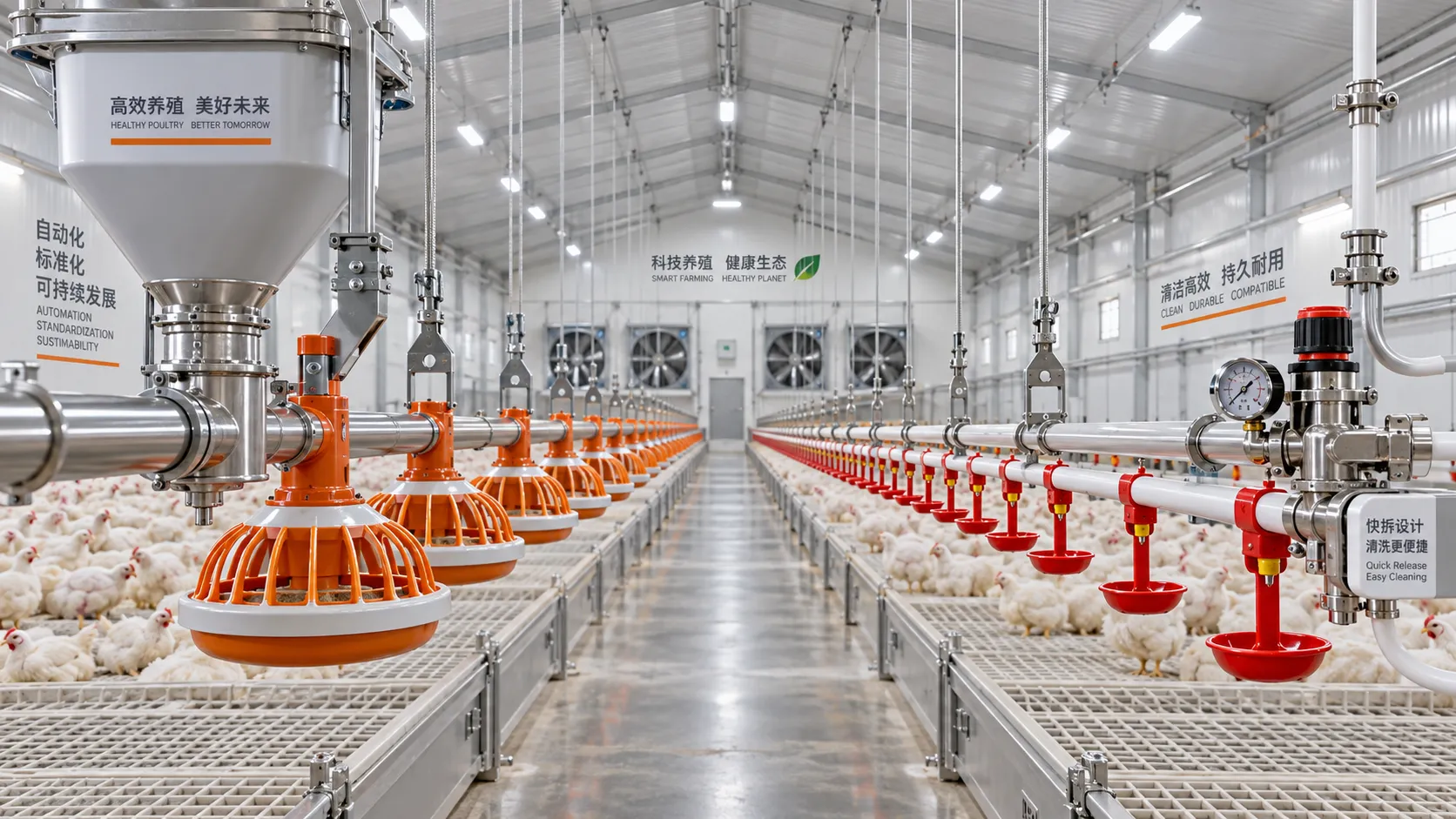
Poultry Equipment Selection: Evaluating Durability, Cleaning, and Compatibility
Poultry equipments selection guide: evaluate durability, cleaning access, and system compatibility to improve hygiene, reduce downtime, and support efficient flock management.
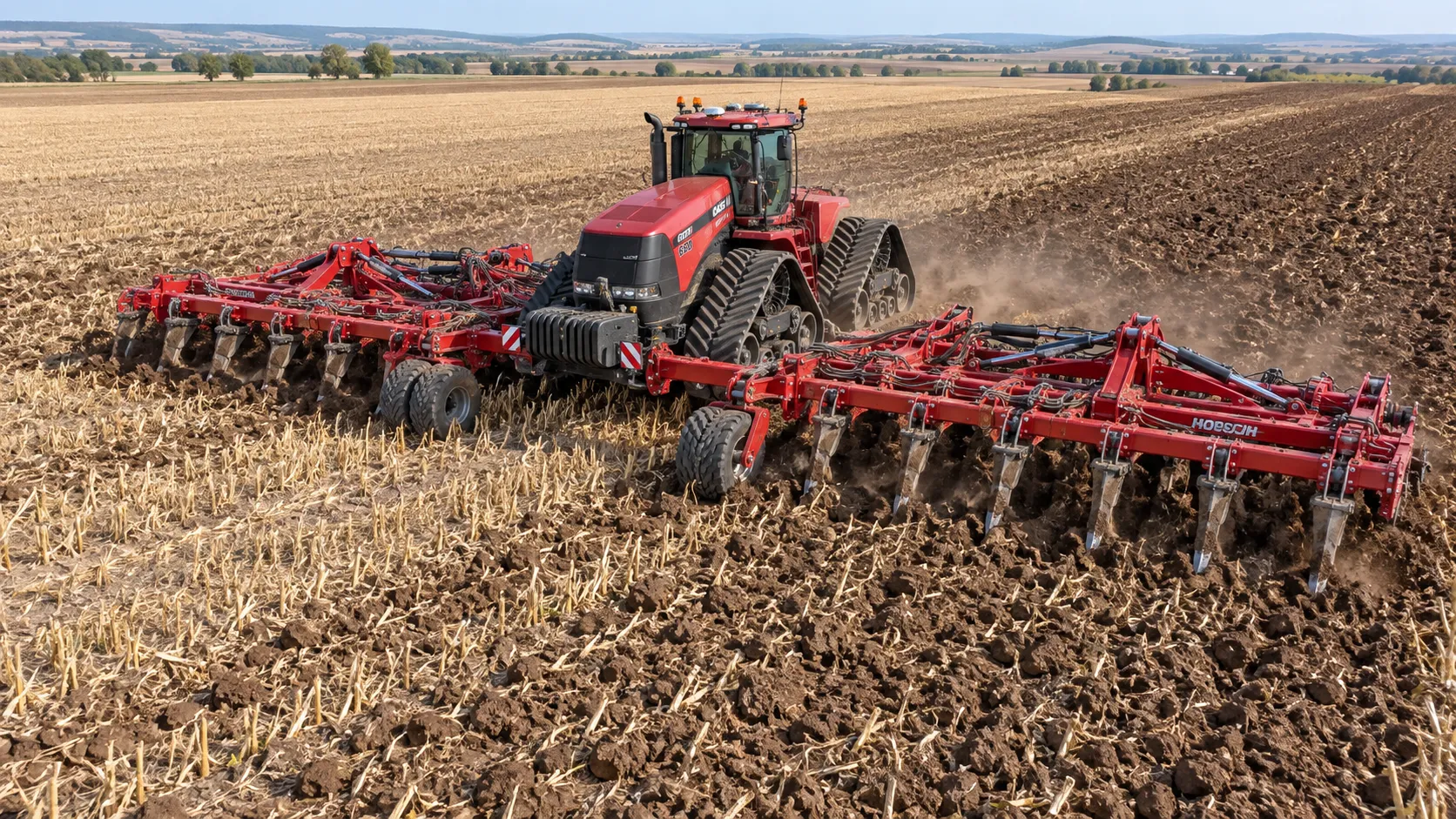
How to Select Heavy-Duty Farm Implements for High-Acreage, High-Horsepower Operations
Heavy duty farm implements: learn how to match draft, hydraulics, hitch capacity, frame strength, and field conditions for reliable high-acreage performance.
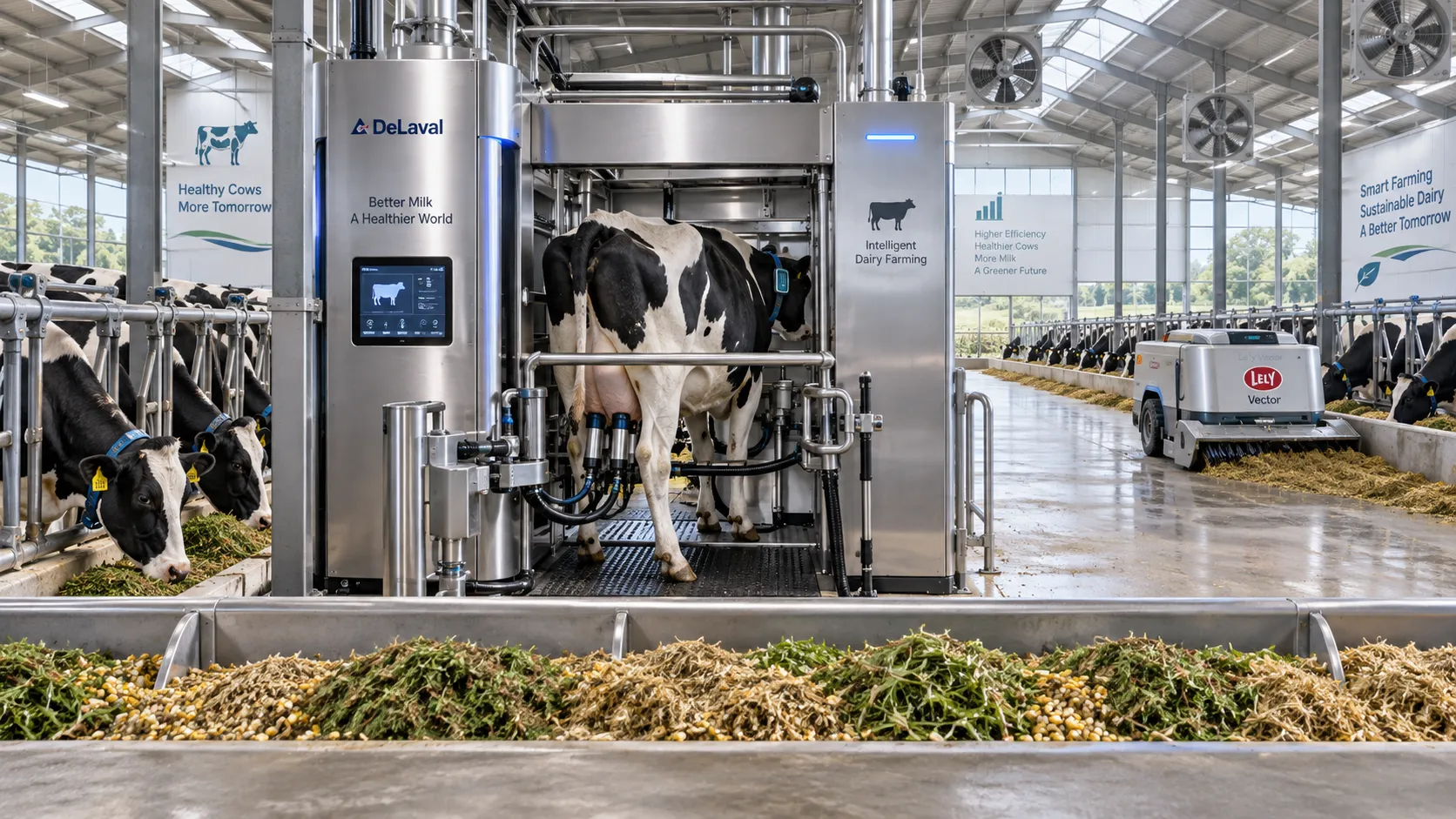
Smart Farming Technology for Dairy Farms: Where Automation Delivers Measurable ROI
Smart farming technology for dairy farms delivers measurable ROI through automation, precision feeding, health monitoring, and data-driven cost control.
Related News
- 00
0000-00
ISOBUS for Smart Agriculture: How It Connects Tractors, Implements, and Farm Data - 00
0000-00
How North American Farms Can Select Crop Monitoring Systems by Acreage and Connectivity - 00
0000-00
How Tractor Intelligence Systems Improve Field Efficiency and Input Accuracy - 00
0000-00
Which equipment for larger fields maintains accuracy at higher speeds? - 00
0000-00
What should a digital ag platform integrate before a farm-wide rollout?
Popular Tags
Tractor Power Architect
Weekly Insights
Stay ahead with our curated technology reports delivered every Monday.