
MIIT Launches 'Model-Data Resonance' Initiative for AI in Agricultural Machinery
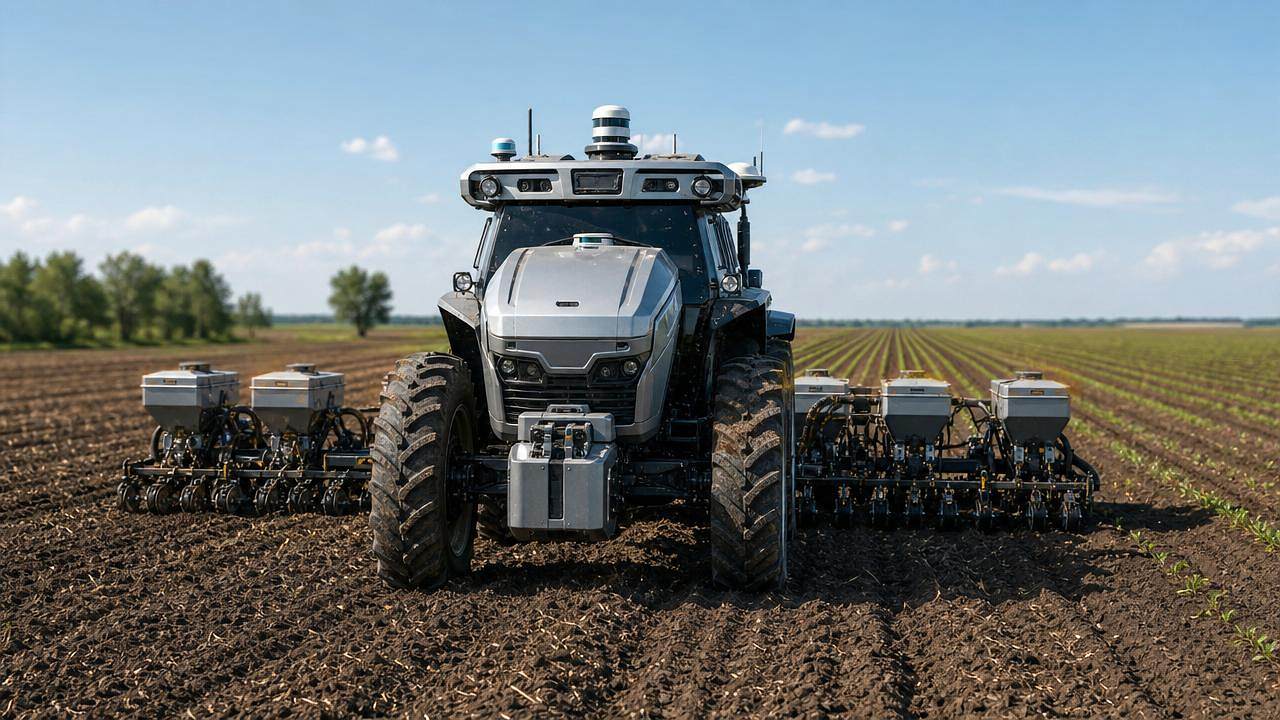




On April 30, 2026, China’s Ministry of Industry and Information Technology (MIIT) and the National Data Administration jointly launched the 2026 ‘Model-Data Resonance’ initiative — a targeted effort to align AI models with real-world operational data across 20 key industries, beginning with agricultural machinery. The action focuses on deep coupling between AI chips for farm equipment, edge computing modules, and scenario-specific datasets covering planting, cultivation, management, and harvesting. This development signals a shift toward standardized, interoperable AI components for agritech — with implications for global OEM integration timelines and cross-border technology adoption.
Event Overview
On April 30, 2026, MIIT and the National Data Administration officially initiated the ‘Model-Data Resonance’ action. The first phase covers 20 priority industries, including agricultural machinery. The initiative aims to deepen integration between AI models (e.g., crop loss monitoring algorithms, variable-rate fertilization terminals, and GPS navigation systems) and domain-specific operational data from farming scenarios. It also seeks to accelerate standardization of these modules to shorten localization cycles for overseas OEMs.
Industries Affected
Agricultural Equipment OEMs (Overseas)
Overseas original equipment manufacturers integrating Chinese agritech components may experience reduced time-to-market for localized products. The push for standardized GPS navigation, variable-rate application terminals, and loss-monitoring algorithms directly addresses common integration bottlenecks in regional calibration and regulatory compliance.
AI Chip & Edge Computing Module Suppliers
Suppliers of AI inference chips and edge computing hardware designed for farm machinery will face increased demand for compatibility with defined data schemas and scenario-specific workloads. Alignment with the initiative’s reference data sets and interface specifications may become a de facto requirement for market access in supported applications.
Agritech Data Platform Providers
Providers of structured field-data platforms — particularly those supporting planting, irrigation, spraying, and harvest operations — may see heightened relevance if their datasets align with the initiative’s focus on ‘cultivation-to-harvest’ coverage. Standardized labeling, temporal resolution, and sensor interoperability could influence procurement criteria among model developers.
Standardization & Certification Bodies
National and industry-level standardization organizations are likely to prioritize technical specifications for AI model inputs/outputs, edge-device API consistency, and data provenance requirements in agricultural contexts. Early engagement with MIIT-led working groups may inform upcoming draft standards.
What Enterprises and Practitioners Should Watch and Do Now
Monitor official technical roadmaps and interface specification drafts
The initiative is expected to produce publicly available reference architectures, data schema templates, and model evaluation benchmarks. Enterprises should track MIIT and National Data Administration announcements for early access to these documents — especially those defining minimum viable data formats for GPS-assisted guidance or grain loss estimation.
Assess alignment of current AI modules with ‘planting-to-harvest’ scenario coverage
Companies developing or deploying AI-based agritech tools should audit whether their models cover the full lifecycle scope emphasized in the initiative: sowing, growth management, pest/disease response, yield estimation, and harvest loss detection. Gaps in temporal or operational coverage may affect eligibility for pilot program inclusion or future certification pathways.
Distinguish policy signaling from near-term implementation
This is a framework-setting action — not an immediate procurement mandate or subsidy program. While it indicates strategic direction, actual adoption timelines, testing protocols, and conformance criteria remain undefined. Stakeholders should treat initial outputs as directional signals rather than binding operational requirements.
Prepare for cross-functional coordination between hardware, software, and agronomy teams
Effective participation requires synchronization across chip design, embedded firmware, algorithm training pipelines, and agronomic validation. Firms should begin internal alignment on shared definitions of ‘field-ready data’, acceptable latency thresholds for edge inference, and traceability requirements for training datasets.
Editorial Perspective / Industry Observation
Observably, the ‘Model-Data Resonance’ initiative functions primarily as a coordination mechanism — not a funding or enforcement instrument. Its significance lies in formalizing alignment between AI model development and physical-world operational constraints in agriculture. Analysis shows this reflects a broader trend: moving beyond standalone AI demonstrations toward context-anchored, interoperable modules validated against real agronomic workflows. From an industry perspective, it is best understood not as an immediate regulatory change, but as an early-stage signal that data-model co-design will increasingly shape technical procurement, certification, and export readiness in smart farming hardware.
Current observation suggests the initiative is still in its framing phase. No implementation milestones, compliance deadlines, or incentive mechanisms have been announced. Therefore, its near-term impact is informational and preparatory — encouraging stakeholders to anticipate convergence around standardized interfaces and scenario-defined performance metrics.
Consequently, the initiative is more accurately interpreted as a structural signal than an operational trigger. It reflects institutional recognition that AI deployment in agriculture hinges less on raw model capability and more on robust, field-validated coupling between computation, sensors, actuators, and agronomic logic.
Concluding, this action marks a deliberate step toward reducing fragmentation in AI-enabled farm equipment — particularly in how models interpret and act upon heterogeneous field data. For industry participants, the most rational interpretation is not urgency, but intentionality: a call to align technical roadmaps with ecosystem-level interoperability goals before formal requirements crystallize.
Source: Ministry of Industry and Information Technology (MIIT), National Data Administration — official joint announcement dated April 30, 2026.
Noted for ongoing observation: specific technical specifications, pilot industry selection criteria beyond the initial 20, and timeline for subsequent phases remain unannounced.
Related News
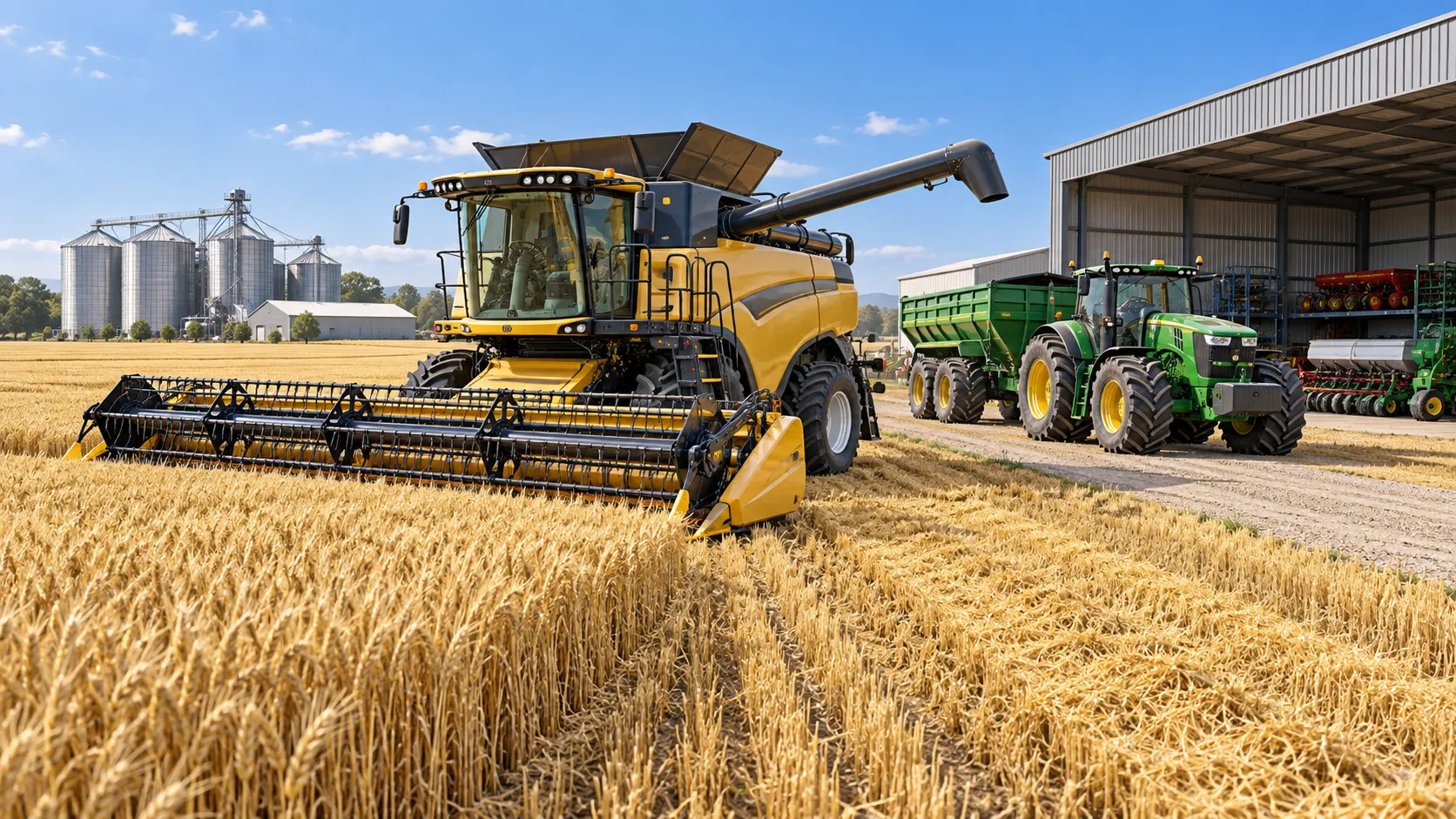
When Does Agricultural Machinery Leasing Cost Less Than Owning Equipment?
Agricultural machinery leasing can lower farm costs when use is seasonal or uncertain. Compare utilization, maintenance, cash flow, and risk to make a smarter equipment decision.
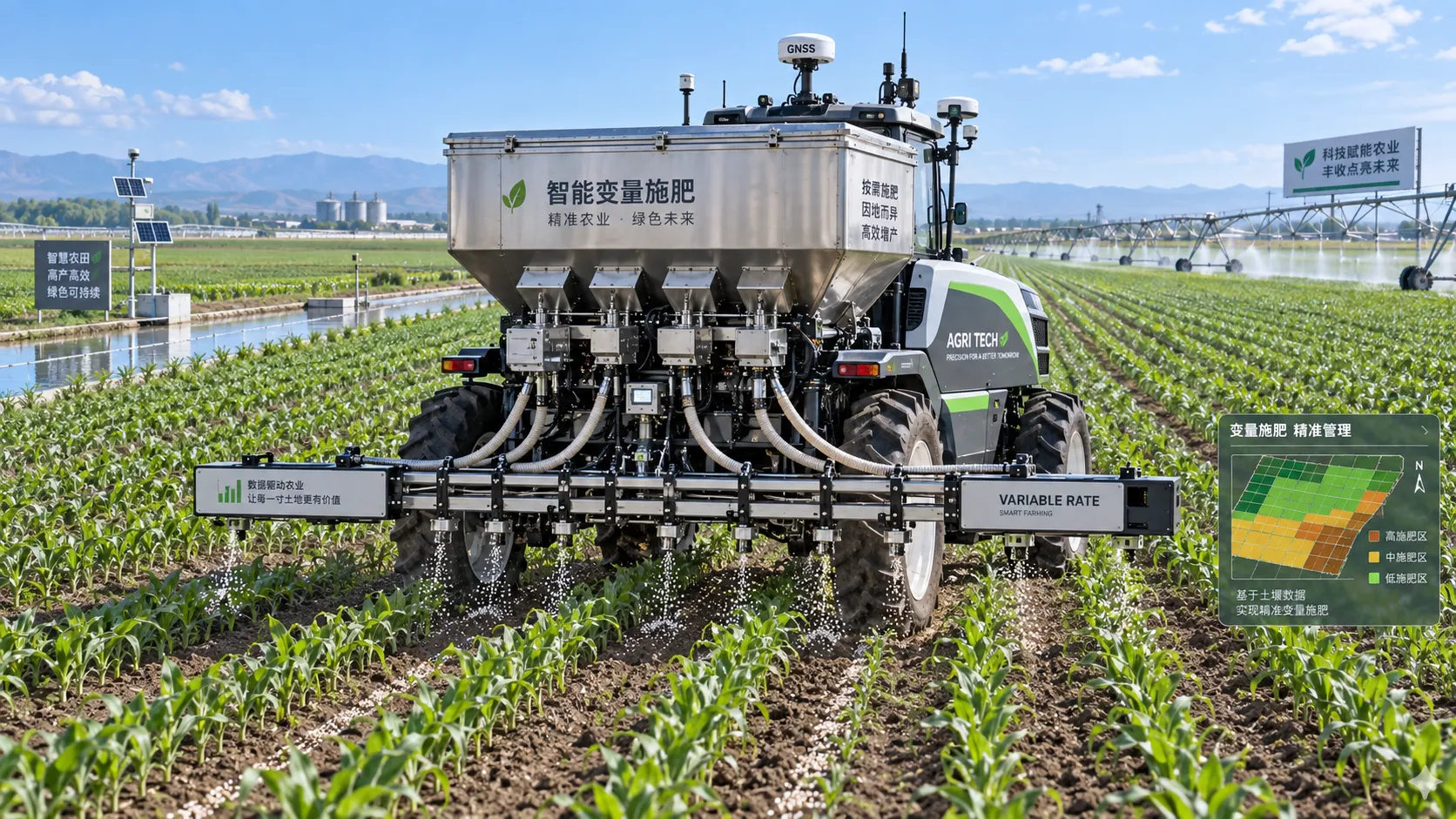
How to Evaluate Precision Fertilization System Suppliers for Farm-Scale Deployment
Precision fertilization systems suppliers: learn how to compare accuracy, integration, uptime, service, and total cost for confident farm-scale deployment.
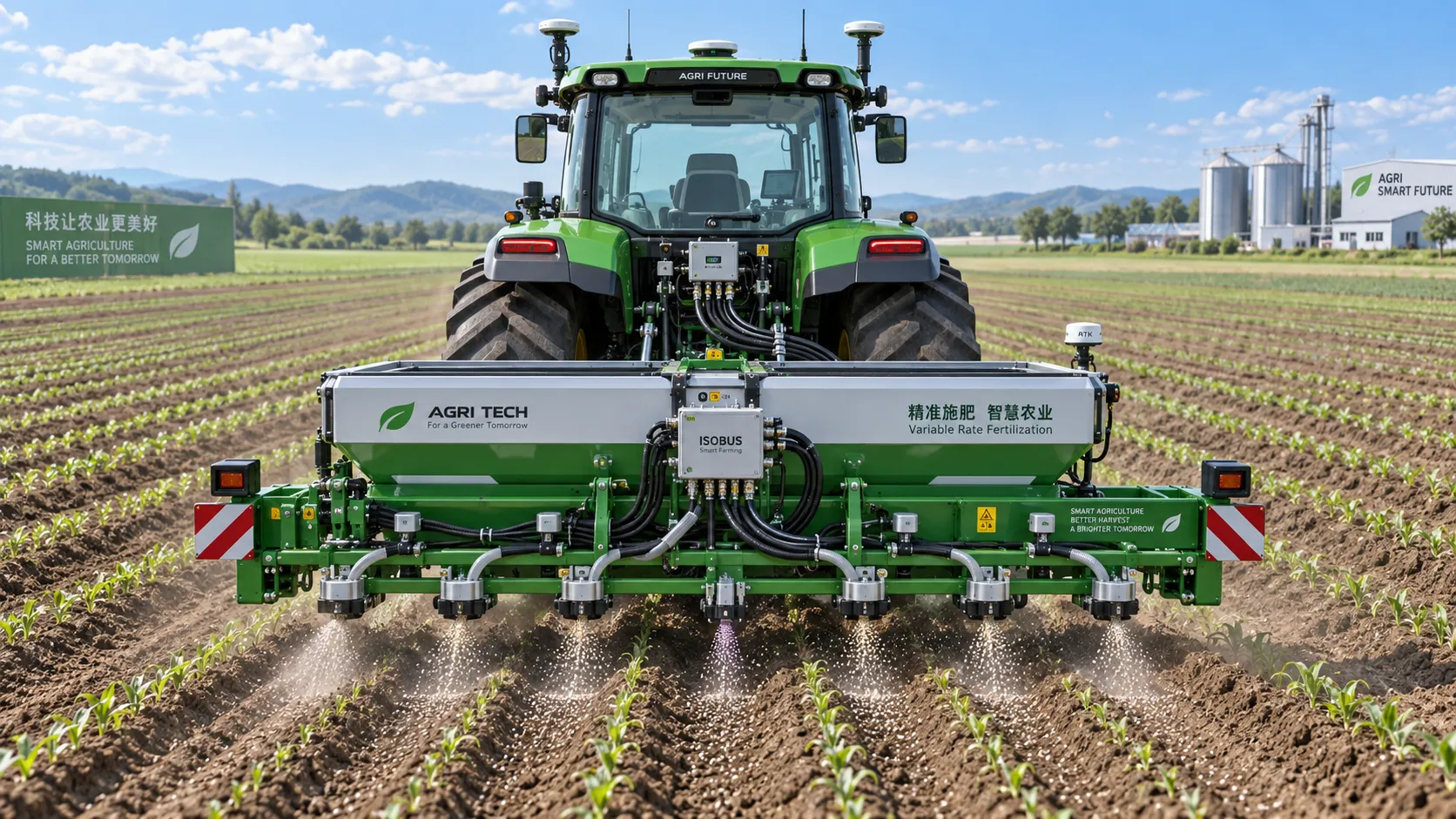
ISOBUS for Smart Agriculture: How It Connects Tractors, Implements, and Farm Data
ISOBUS for smart agriculture connects tractors, implements, terminals, and farm data—helping growers improve precision, documentation, and smarter field decisions.
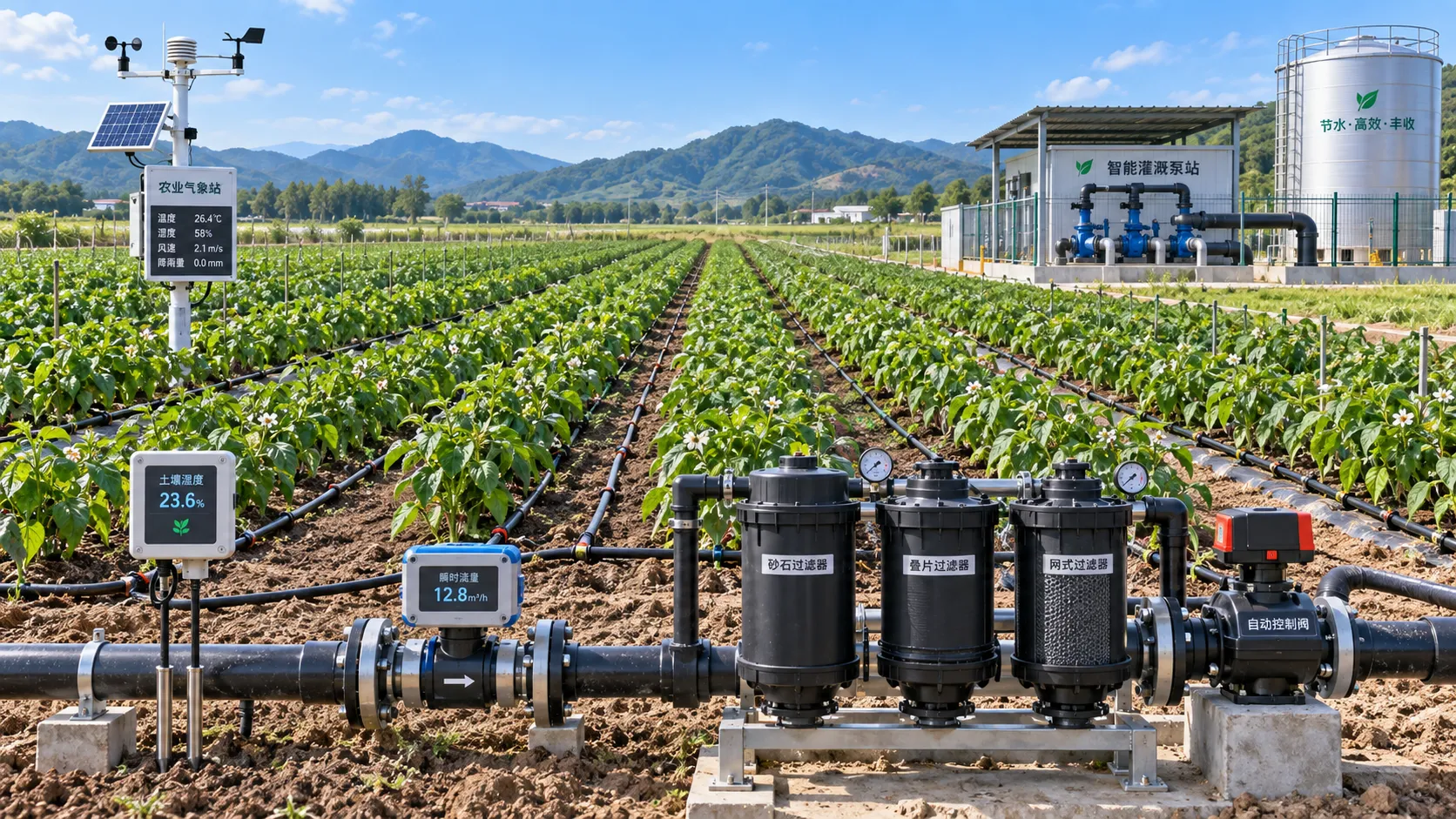
Automated Water-Saving Irrigation: How to Cut Water Use Without Reducing Crop Yields
Automated water-saving irrigation helps farms cut water use, protect crop yields, improve scheduling, and gain reliable control with sensors, flow monitoring, and smart zones.
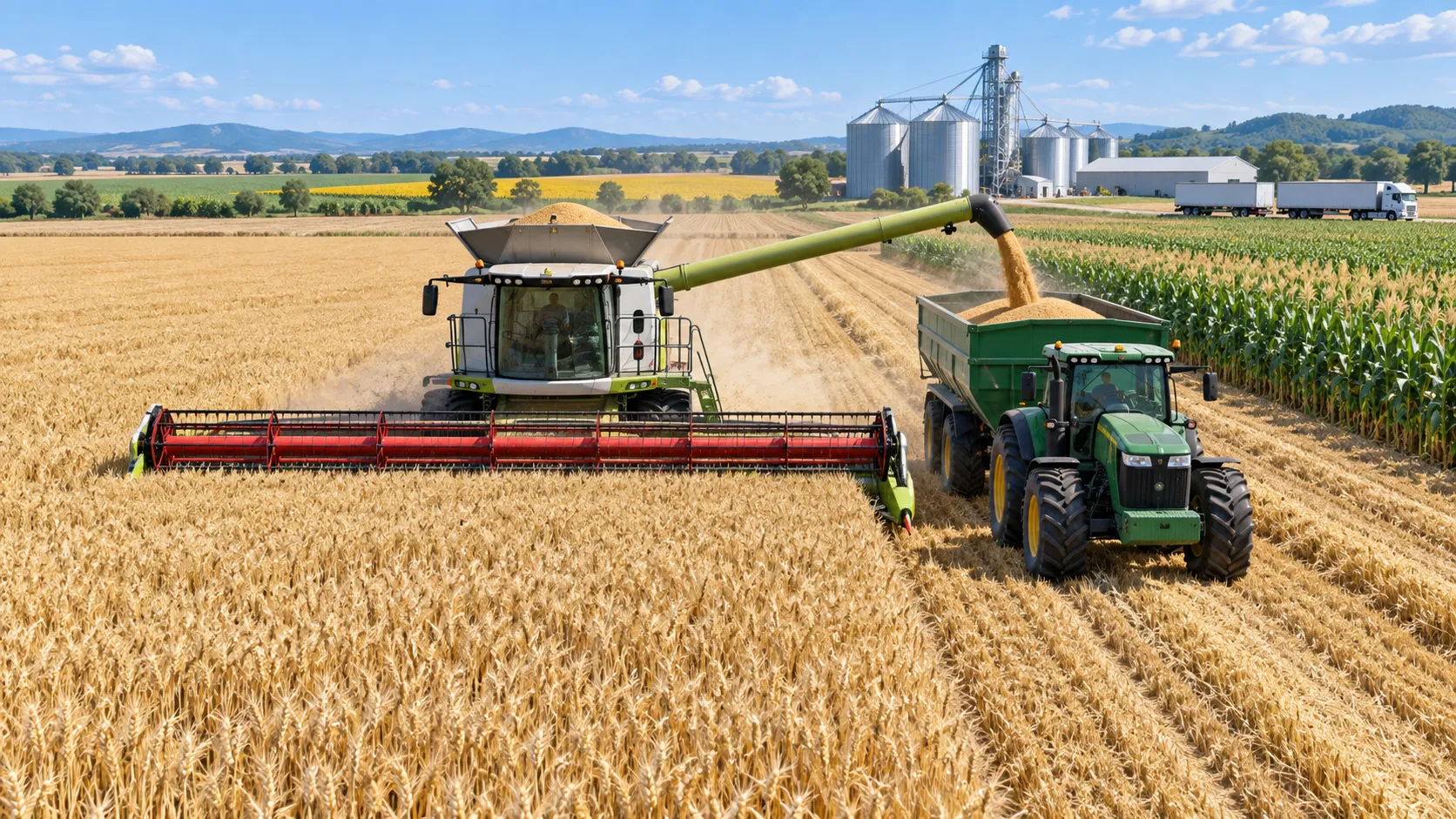
Selecting Grain Farm Equipment by Acreage, Crop Mix, and Harvest Window
Agricultural equipment selection for grain farming: match machinery to acreage, crop mix, and harvest windows to improve uptime, efficiency, and returns.
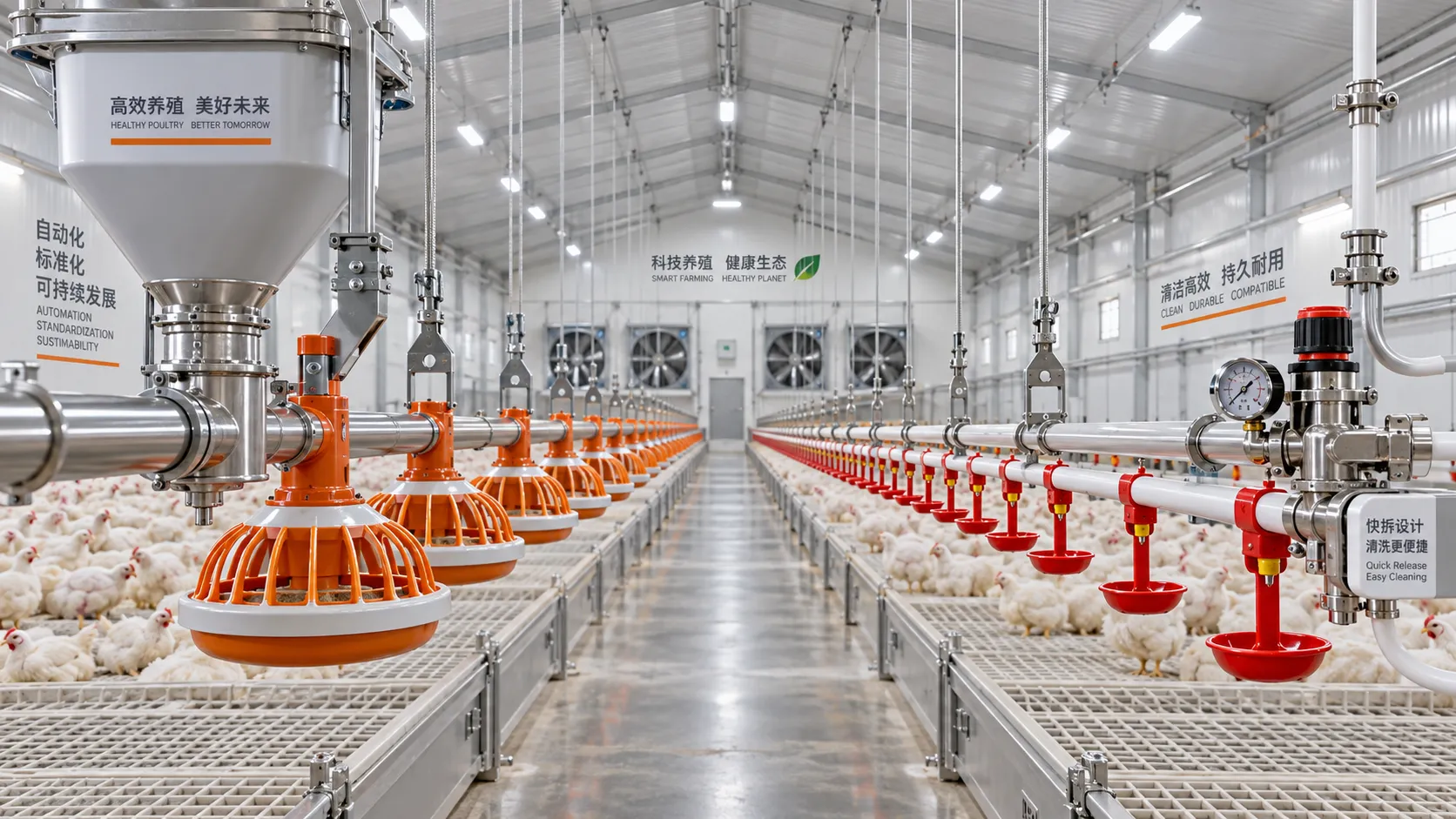
Poultry Equipment Selection: Evaluating Durability, Cleaning, and Compatibility
Poultry equipments selection guide: evaluate durability, cleaning access, and system compatibility to improve hygiene, reduce downtime, and support efficient flock management.
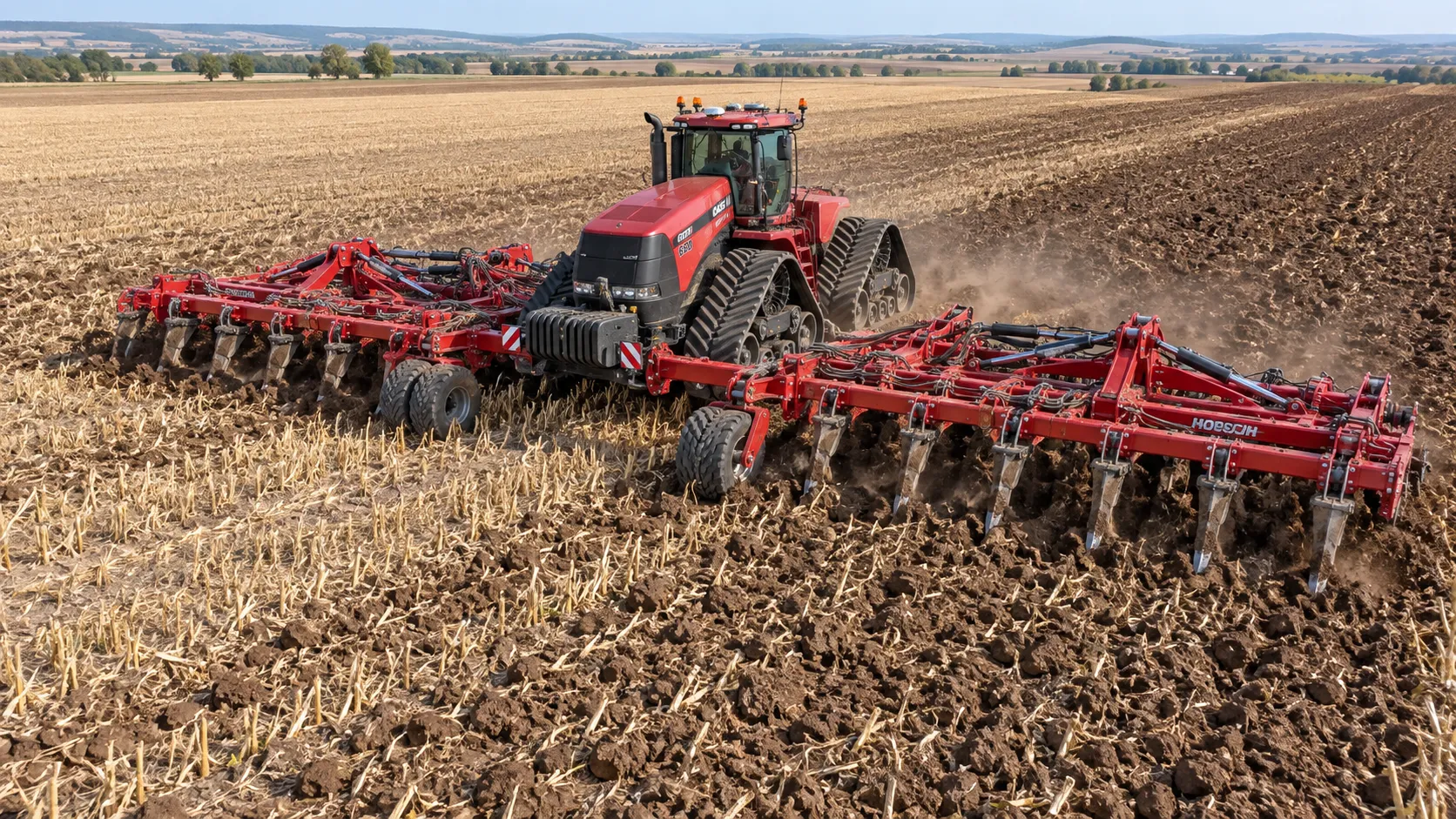
How to Select Heavy-Duty Farm Implements for High-Acreage, High-Horsepower Operations
Heavy duty farm implements: learn how to match draft, hydraulics, hitch capacity, frame strength, and field conditions for reliable high-acreage performance.
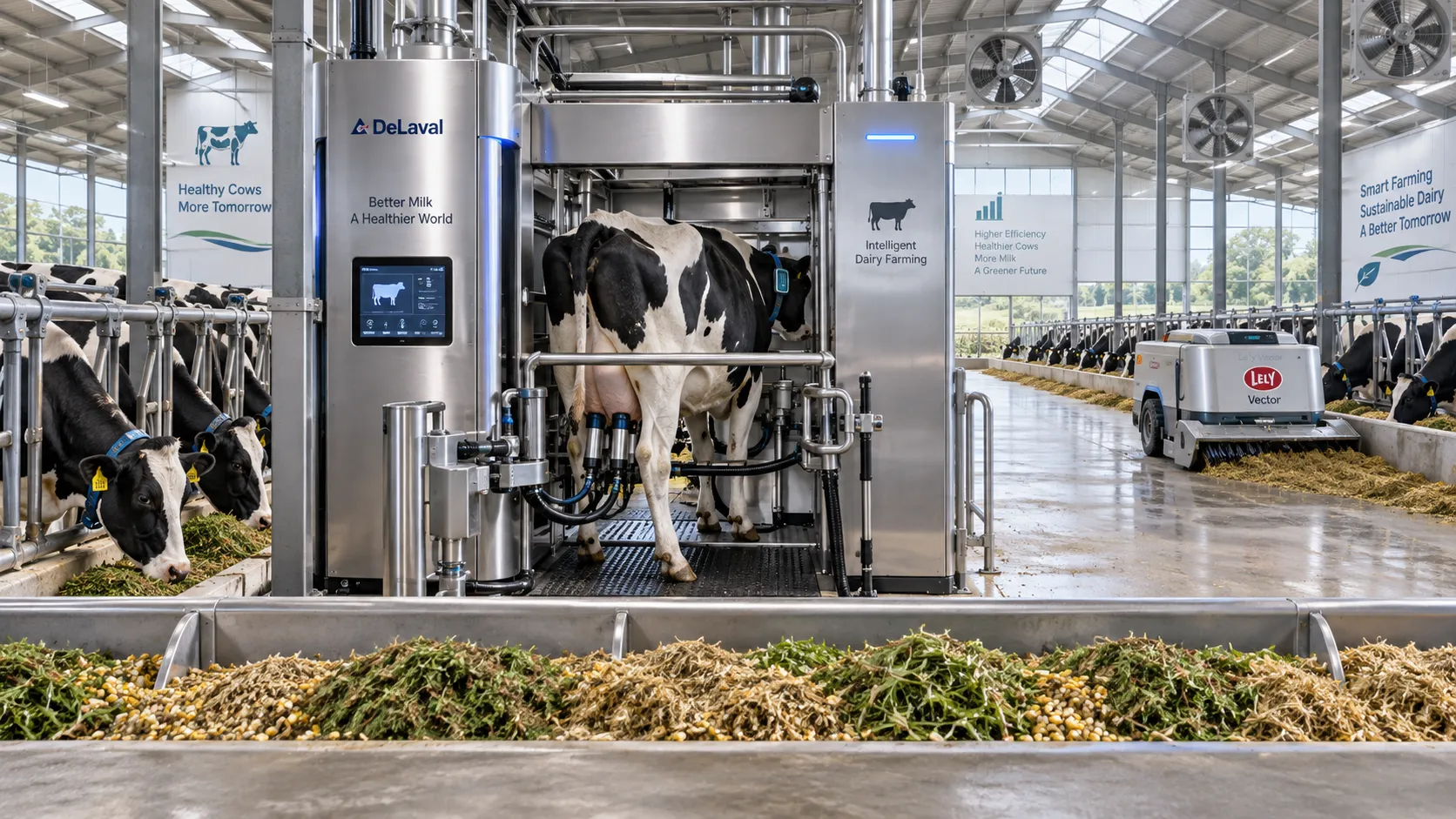
Smart Farming Technology for Dairy Farms: Where Automation Delivers Measurable ROI
Smart farming technology for dairy farms delivers measurable ROI through automation, precision feeding, health monitoring, and data-driven cost control.
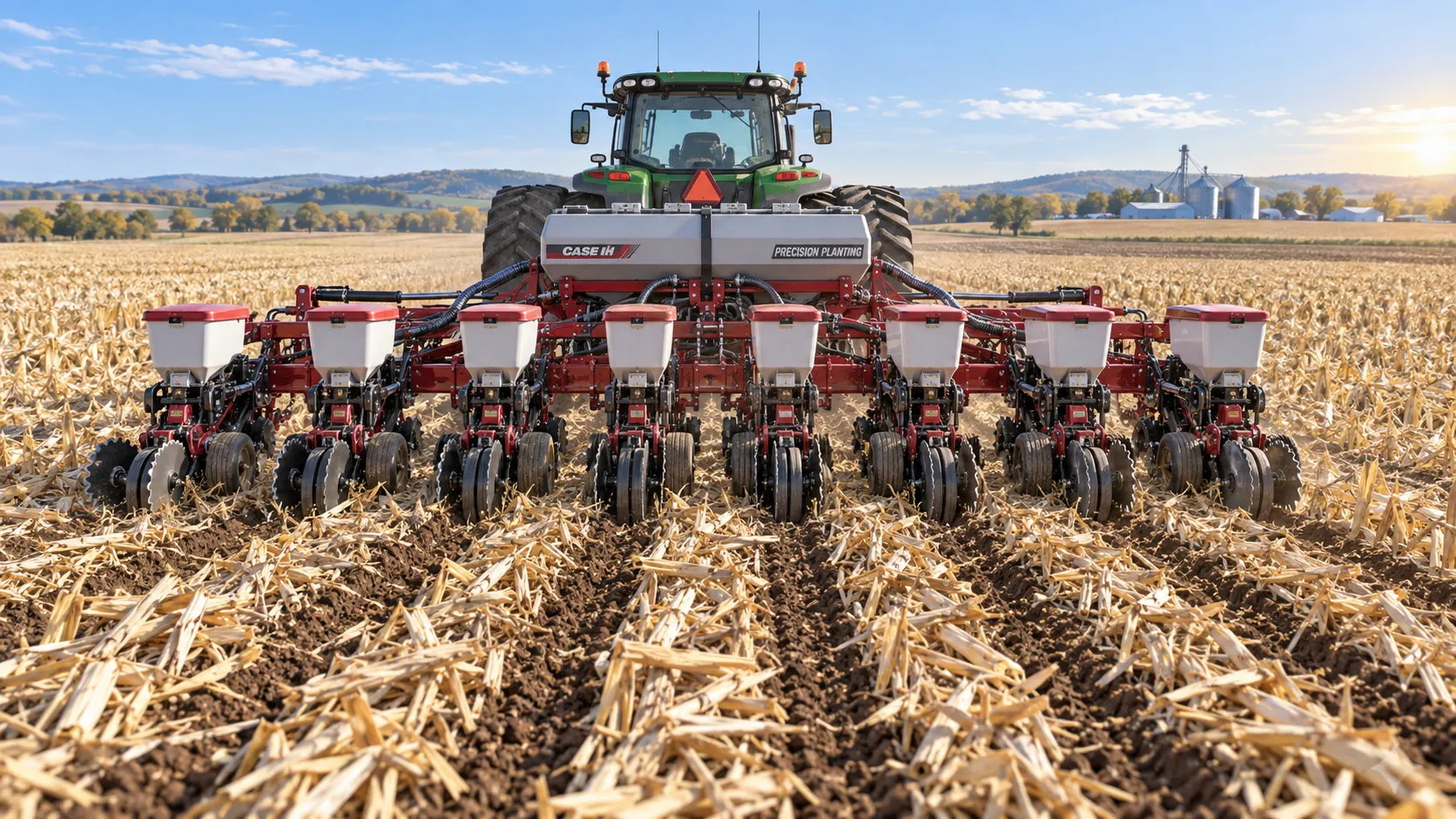
How to Select a Heavy-Duty Seeder for Large Acreage and High-Residue Fields
Heavy duty seeders for large acreage: compare residue handling, depth control, downforce, metering accuracy, and precision features to select the right model.
Related News
- 00
0000-00
ISOBUS for Smart Agriculture: How It Connects Tractors, Implements, and Farm Data - 00
0000-00
How North American Farms Can Select Crop Monitoring Systems by Acreage and Connectivity - 00
0000-00
How Tractor Intelligence Systems Improve Field Efficiency and Input Accuracy - 00
0000-00
Which equipment for larger fields maintains accuracy at higher speeds? - 00
0000-00
What should a digital ag platform integrate before a farm-wide rollout?
Popular Tags
Tractor Power Architect
Weekly Insights
Stay ahead with our curated technology reports delivered every Monday.