
2026 World Drone Conference: Agri-UAS Compliance Focus
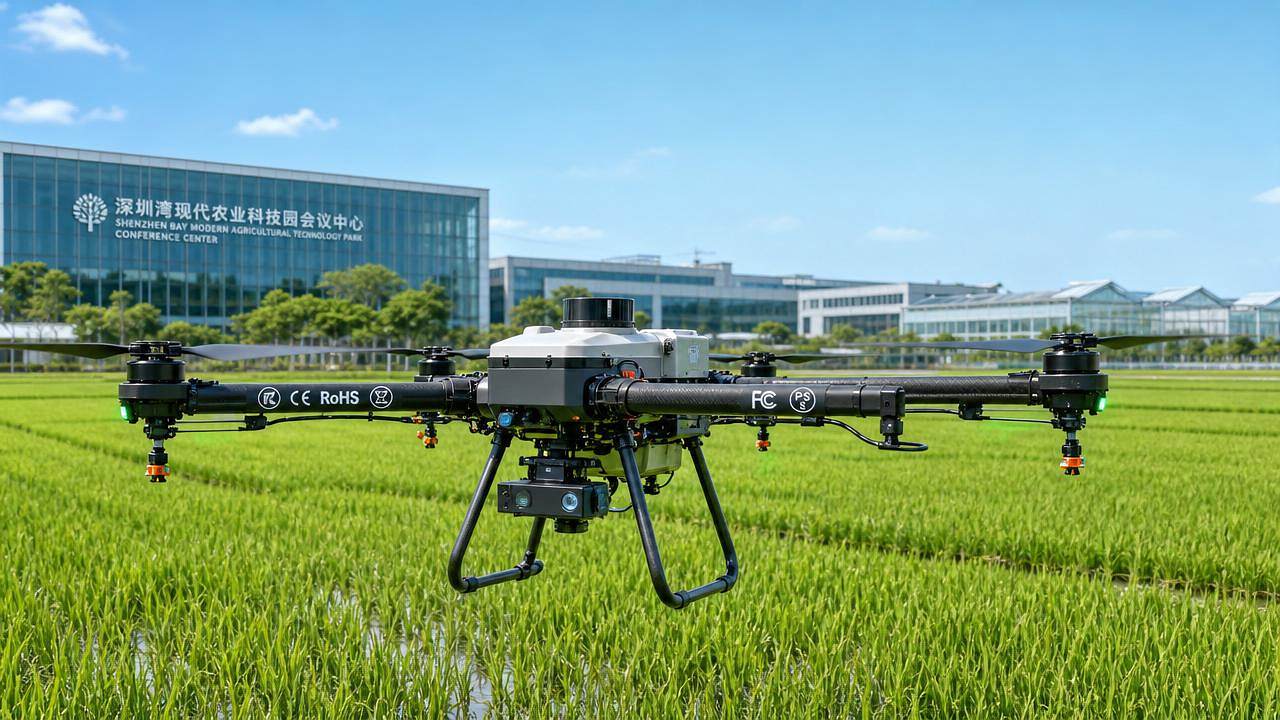




On May 21, 2026, the 2026 World Drone Conference in Shenzhen will convene its first dedicated Agricultural Drone Cross-Border Compliance Forum, addressing emerging regulatory requirements for agricultural unmanned aircraft systems (UAS) — particularly around airworthiness certification and cross-border data handling. This event is especially relevant for manufacturers, exporters, and service providers operating in precision agriculture technology, drone-based farm management, and global agri-tech supply chains.
Event Overview
The 2026 World Drone Conference will be held on May 21, 2026, in Shenzhen. A new forum — the Agricultural Drone Cross-Border Compliance Forum — will bring together regulators from the European Union Aviation Safety Agency (EASA), the U.S. Federal Aviation Administration (FAA), and China’s Civil Aviation Administration of China (CAAC). They will jointly interpret technical and procedural requirements including UAS ID remote identification, mandatory local storage of flight data, and encrypted telemetry transmission. Chinese agricultural drone manufacturers attending the event will collectively release the White Paper on Data Compliance for Agricultural Drone Exports, specifying data collection boundaries and anonymization protocols for GPS guidance systems and variable rate technology (VRT).
Which Subsectors Are Affected
Drone Exporters & OEM Manufacturers
Exporters of agricultural drones face direct operational impact due to new data localization and encryption mandates. Compliance with UAS ID, telemetry security, and flight log retention rules may affect product certification timelines, market access eligibility, and post-sale support architecture — especially in EASA- and FAA-regulated jurisdictions.
Precision Agriculture Technology Providers
Suppliers of GPS guidance systems and variable rate application (VRA) software are affected because the White Paper explicitly defines permissible data collection scope and de-identification methods for these components. Their firmware, cloud APIs, and onboard data pipelines must align with newly clarified boundaries — potentially requiring updates to data handling logic and user consent frameworks.
Agri-Tech Integration & Deployment Service Providers
Firms that deploy, calibrate, or maintain drone-based farm systems must adapt field operations to meet remote ID registration, local logging verification, and encrypted uplink/downlink requirements. Field technicians and agronomists may need updated training and diagnostic tools to verify compliance during installation or troubleshooting.
Global Supply Chain & Certification Support Firms
Third-party testing labs, certification consultants, and logistics partners supporting drone exports must now account for dual-layer compliance: airworthiness certification (e.g., CAAC Type Certificate, EASA STS-07) *and* data governance alignment. Documentation packages, audit checklists, and export declarations may require expanded annexes covering telemetry encryption standards and data residency commitments.
What Enterprises and Practitioners Should Watch and Do Now
Monitor official guidance on implementation timelines and enforcement thresholds
While the Forum outlines technical expectations, neither EASA nor FAA has published binding deadlines for agricultural UAS telemetry encryption or local storage mandates as of the event announcement. Observably, these remain subject to ongoing rulemaking — not yet enforceable law. Companies should track draft notices such as EASA’s proposed AMC/GM to Annex II (EU 2019/947) and FAA’s upcoming NPRM on UAS data security.
Verify product-level alignment with GPS guidance and VRT data handling definitions in the White Paper
The White Paper on Data Compliance for Agricultural Drone Exports introduces specific, manufacturer-endorsed interpretations of what constitutes ‘sensitive operational data’ and how anonymization applies to GNSS-derived position logs and actuator command histories. Firms integrating third-party GPS modules or VRT controllers should audit their data flows against these definitions before finalizing 2026–2027 export configurations.
Distinguish between regulatory signals and immediate operational requirements
Analysis shows that the Forum functions primarily as a coordination platform — not a policy launch. The joint participation of EASA, FAA, and CAAC signals converging priorities, but no harmonized regulation exists yet. Current obligations remain jurisdiction-specific; for example, EU operators must comply with UAS ID under UAS Implementing Regulation (EU) 2021/664, while U.S. operators follow FAA Part 89 only for certain UAS categories. Alignment remains aspirational at this stage.
Prepare internal documentation and customer-facing disclosures for data handling practices
Manufacturers and integrators should begin drafting updated privacy notices, system architecture diagrams (highlighting encryption layers and local storage locations), and technical annexes for export dossiers. These materials will support future conformity assessments and help preempt questions from importers or national aviation authorities during customs clearance or type validation.
Editorial Perspective / Industry Observation
This event is better understood as a coordination milestone than an enforcement trigger. Observably, it reflects growing regulatory attention on the dual nature of agricultural drones — as both aviation assets and data-generating IoT platforms. Analysis shows that cross-border data compliance is increasingly treated as a prerequisite for airworthiness acceptance, especially where flight control telemetry intersects with geospatial intelligence. From an industry perspective, the collective publication of the White Paper suggests Chinese manufacturers are proactively shaping interoperability expectations rather than merely reacting to foreign rules. However, actual regulatory convergence remains distant; national frameworks continue to diverge on enforcement scope, audit frequency, and penalties.
It is more accurate to view this Forum as an early signal of tightening integration between aviation safety and digital sovereignty agendas — one that will likely accelerate certification complexity for export-oriented agri-drone vendors over the next 12–24 months.
Concluding, the 2026 World Drone Conference does not introduce new laws, but it crystallizes a clear trend: agricultural drone market access will increasingly hinge on demonstrable alignment across two domains — flight safety certification *and* data governance rigor. For stakeholders, the current priority is not compliance execution, but structured monitoring, documentation readiness, and scenario planning for jurisdiction-specific rollout paths.
Source: Official announcement of the 2026 World Drone Conference; confirmed agenda items and participant list released by the conference organizing committee. The content of the White Paper on Data Compliance for Agricultural Drone Exports is cited as announced — full text remains pending public release. Regulatory positions attributed to EASA, FAA, and CAAC reflect statements confirmed for inclusion in the Forum program; detailed rule language and effective dates are not yet finalized and remain under observation.
Related News
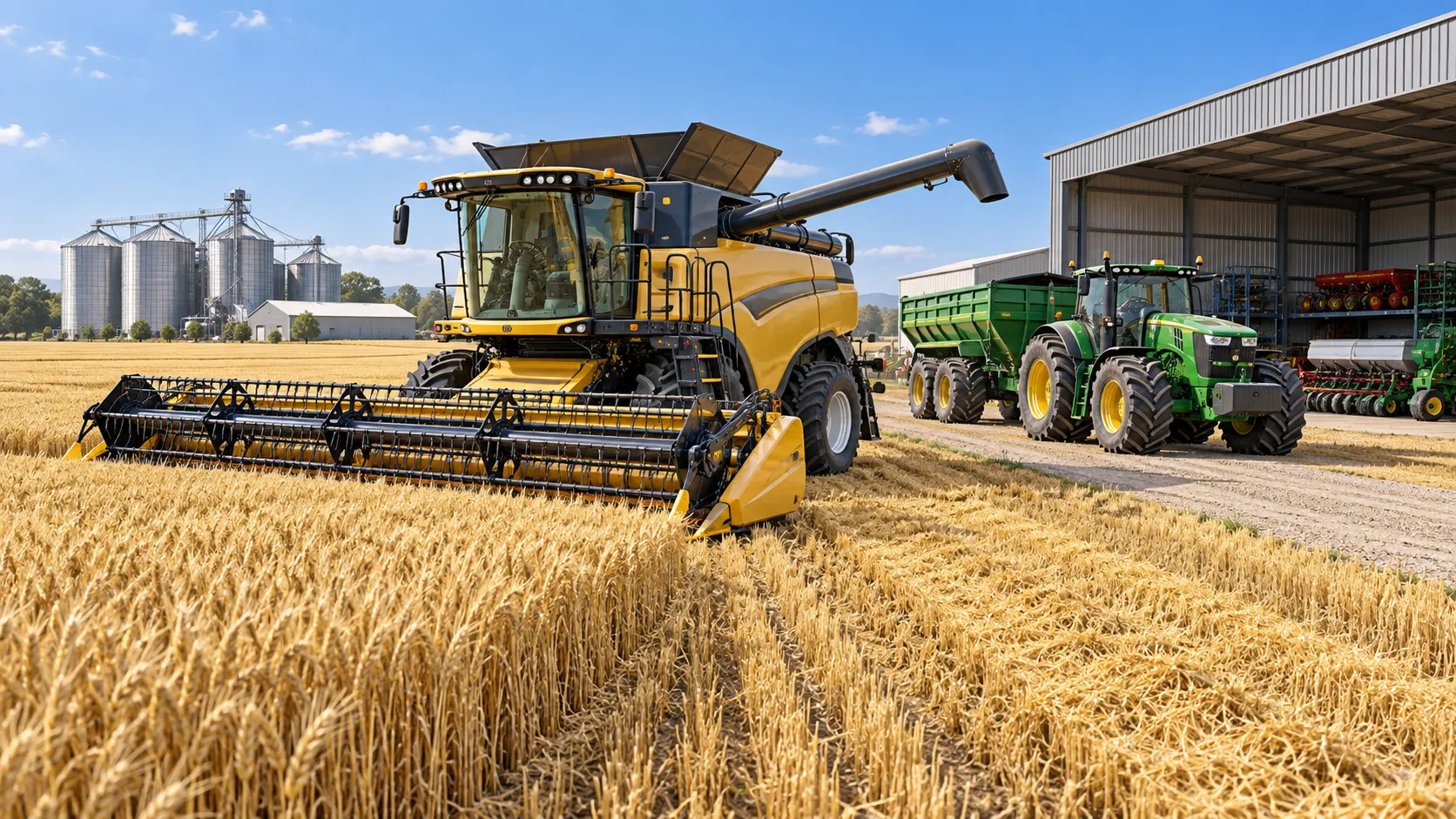
When Does Agricultural Machinery Leasing Cost Less Than Owning Equipment?
Agricultural machinery leasing can lower farm costs when use is seasonal or uncertain. Compare utilization, maintenance, cash flow, and risk to make a smarter equipment decision.
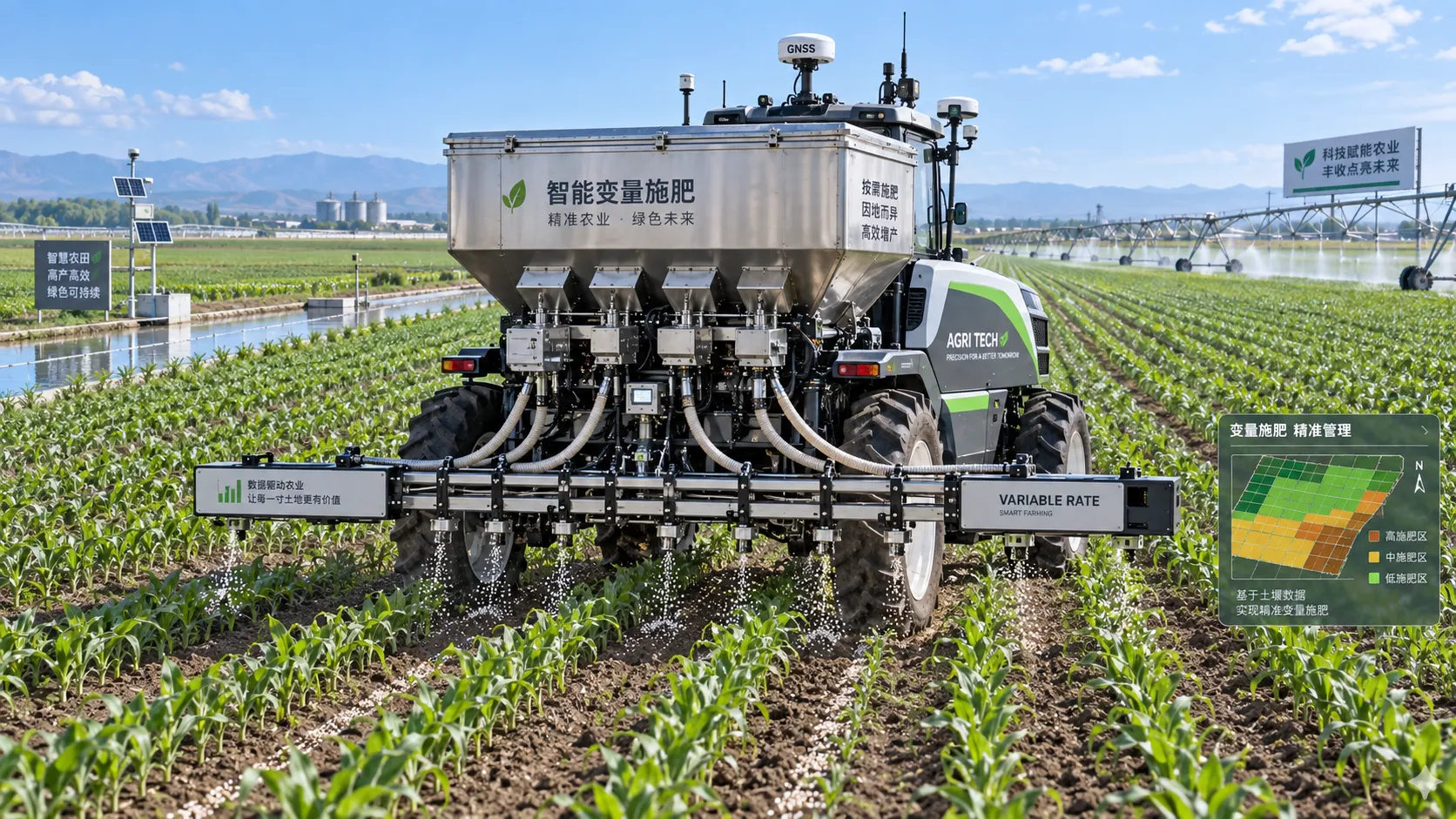
How to Evaluate Precision Fertilization System Suppliers for Farm-Scale Deployment
Precision fertilization systems suppliers: learn how to compare accuracy, integration, uptime, service, and total cost for confident farm-scale deployment.
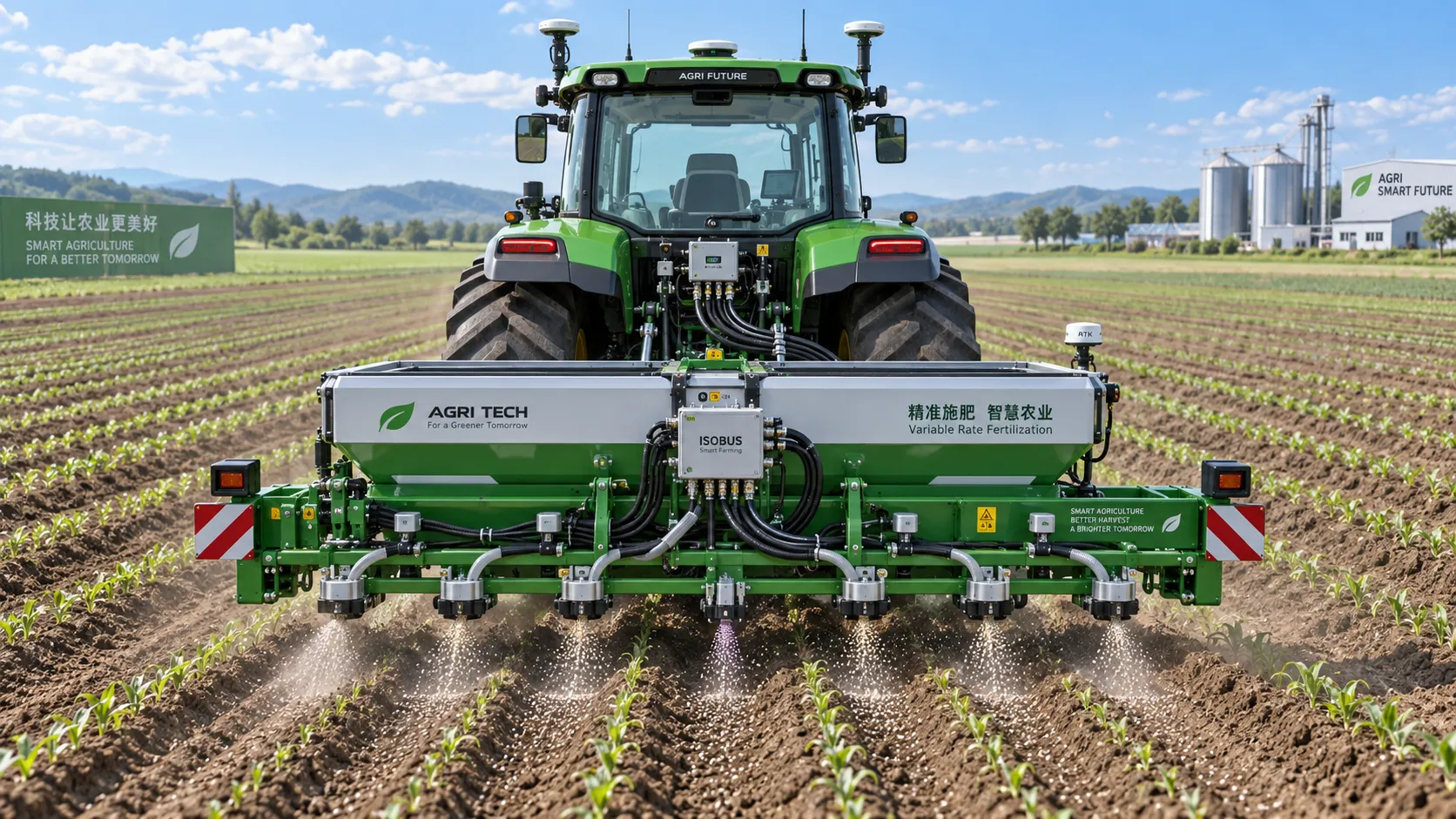
ISOBUS for Smart Agriculture: How It Connects Tractors, Implements, and Farm Data
ISOBUS for smart agriculture connects tractors, implements, terminals, and farm data—helping growers improve precision, documentation, and smarter field decisions.
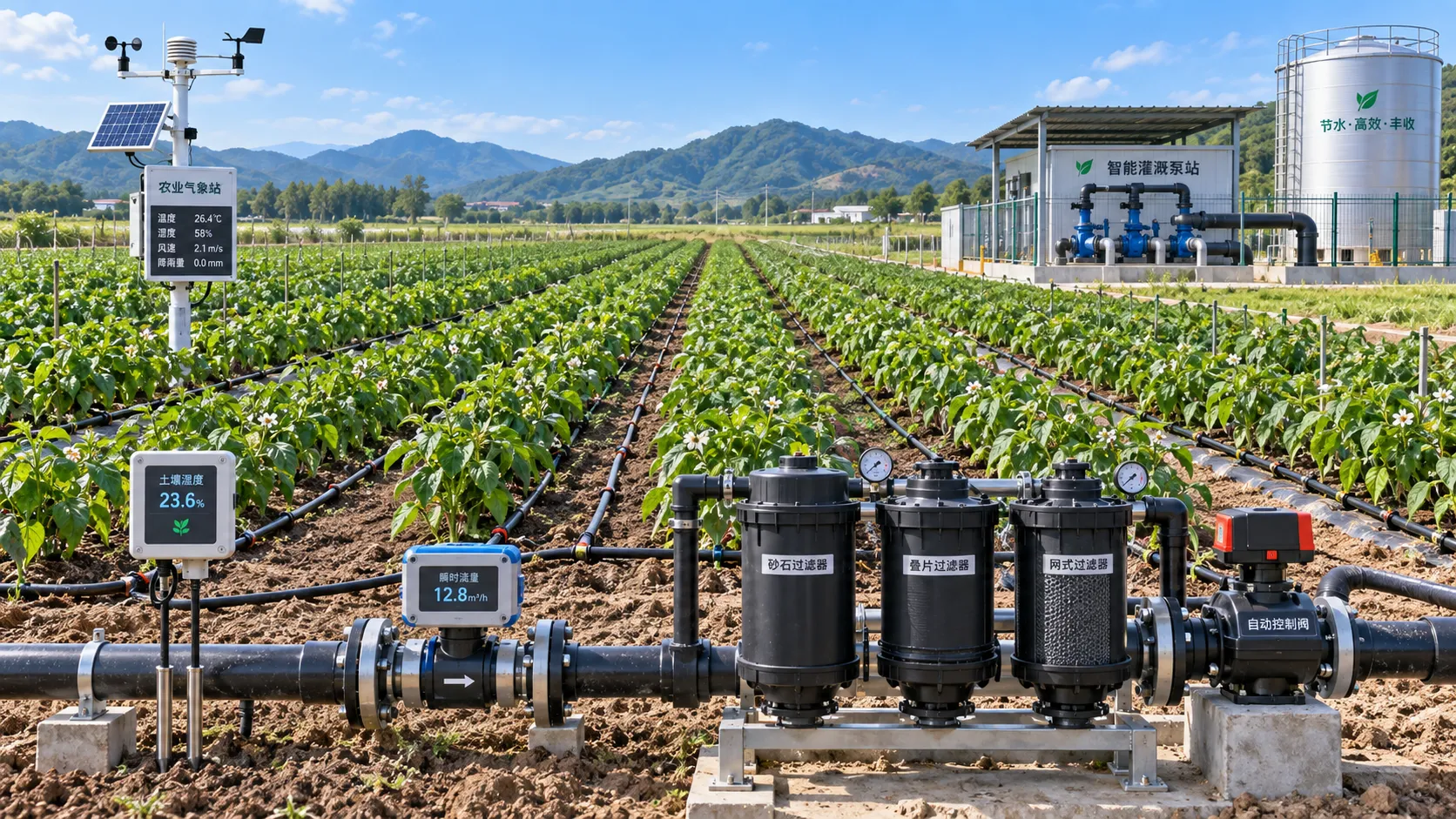
Automated Water-Saving Irrigation: How to Cut Water Use Without Reducing Crop Yields
Automated water-saving irrigation helps farms cut water use, protect crop yields, improve scheduling, and gain reliable control with sensors, flow monitoring, and smart zones.
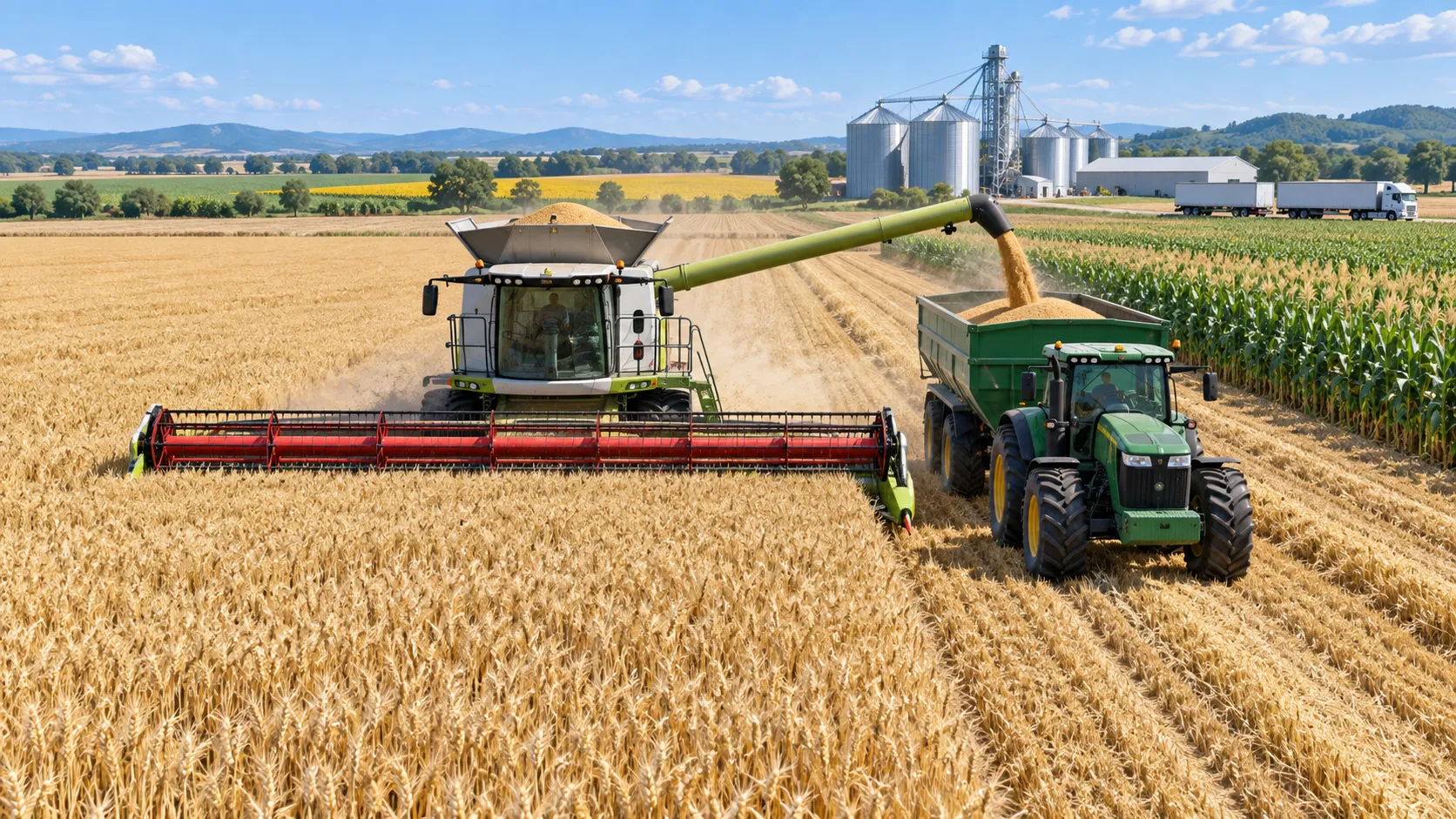
Selecting Grain Farm Equipment by Acreage, Crop Mix, and Harvest Window
Agricultural equipment selection for grain farming: match machinery to acreage, crop mix, and harvest windows to improve uptime, efficiency, and returns.
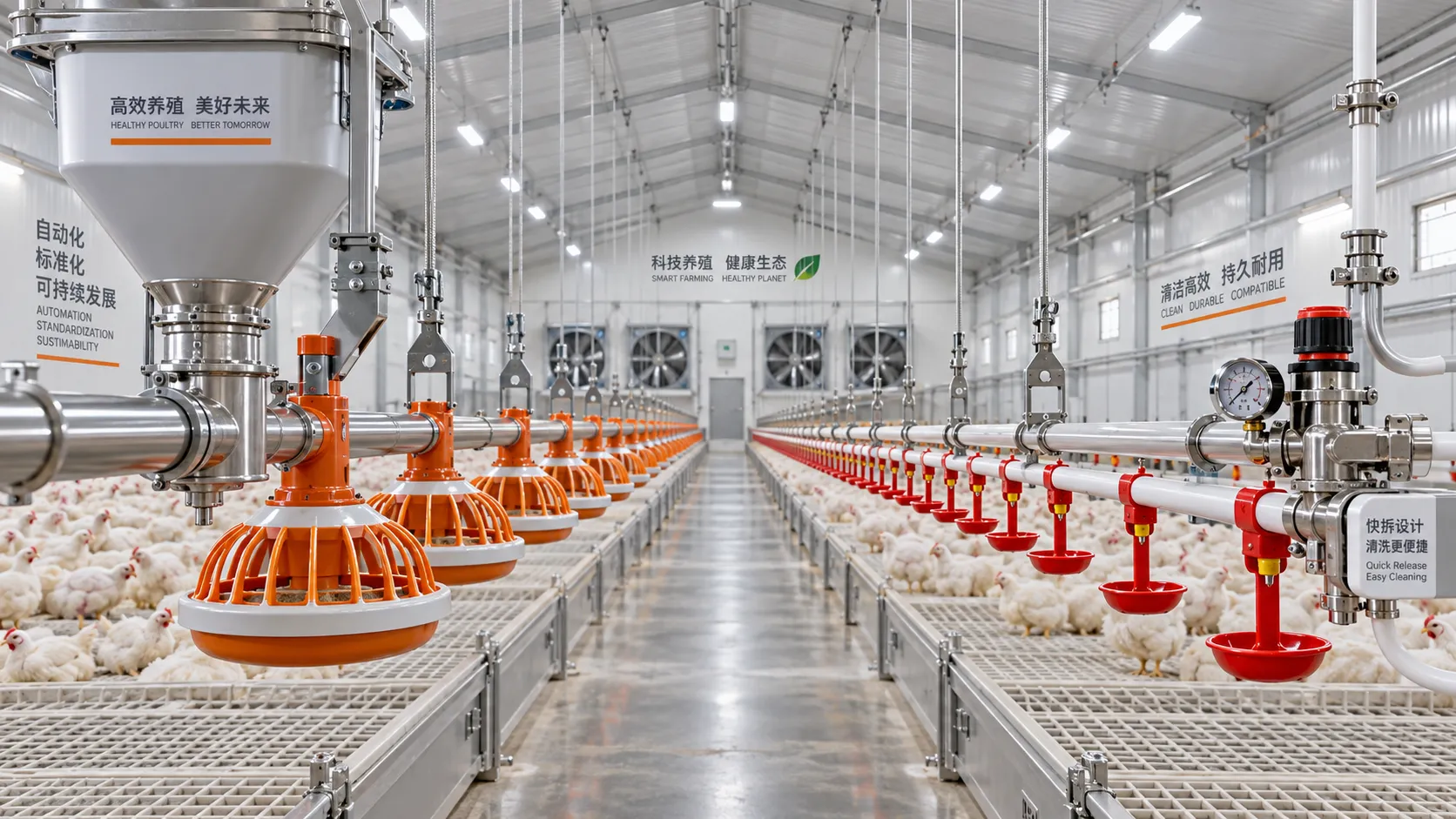
Poultry Equipment Selection: Evaluating Durability, Cleaning, and Compatibility
Poultry equipments selection guide: evaluate durability, cleaning access, and system compatibility to improve hygiene, reduce downtime, and support efficient flock management.
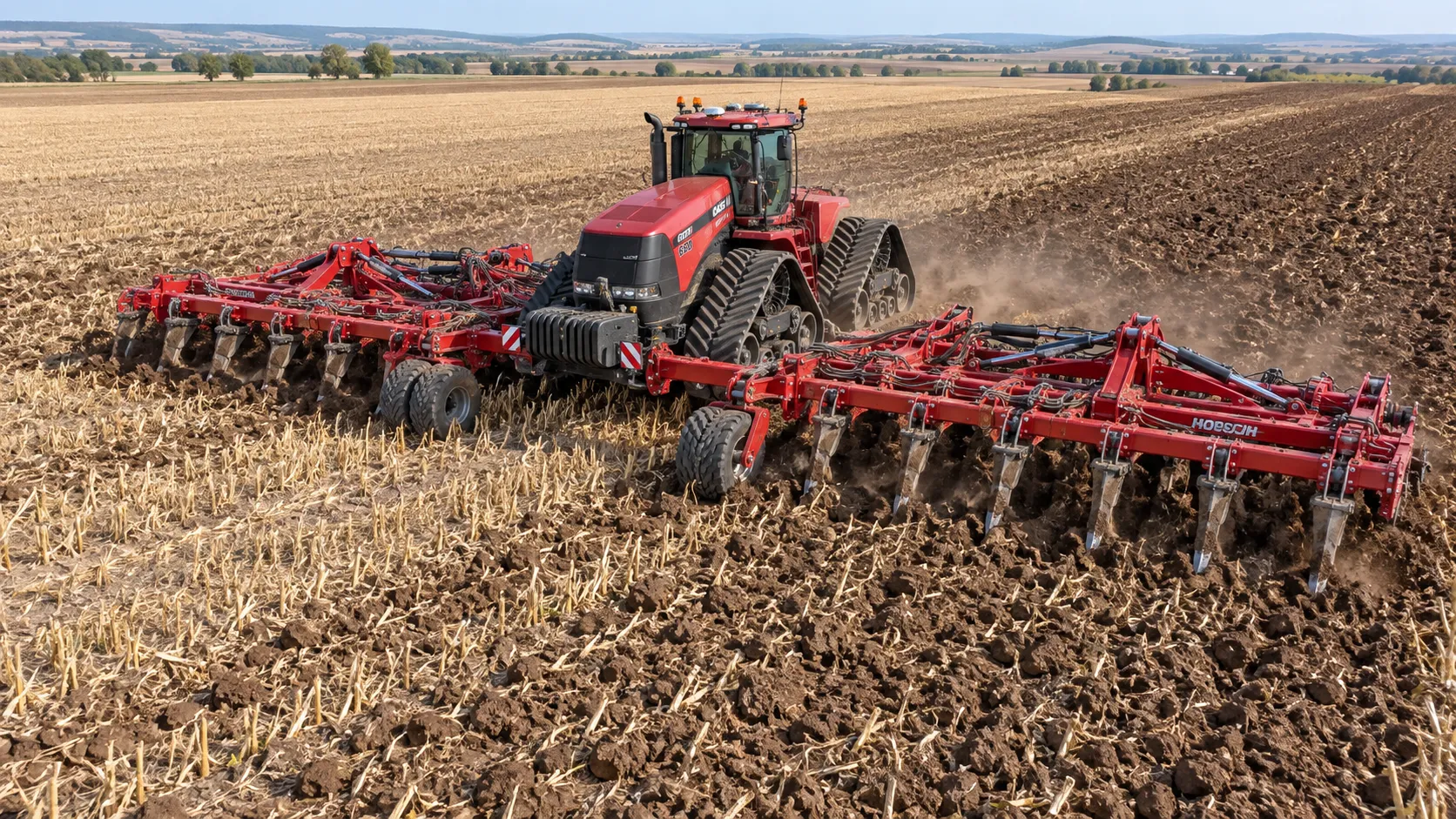
How to Select Heavy-Duty Farm Implements for High-Acreage, High-Horsepower Operations
Heavy duty farm implements: learn how to match draft, hydraulics, hitch capacity, frame strength, and field conditions for reliable high-acreage performance.
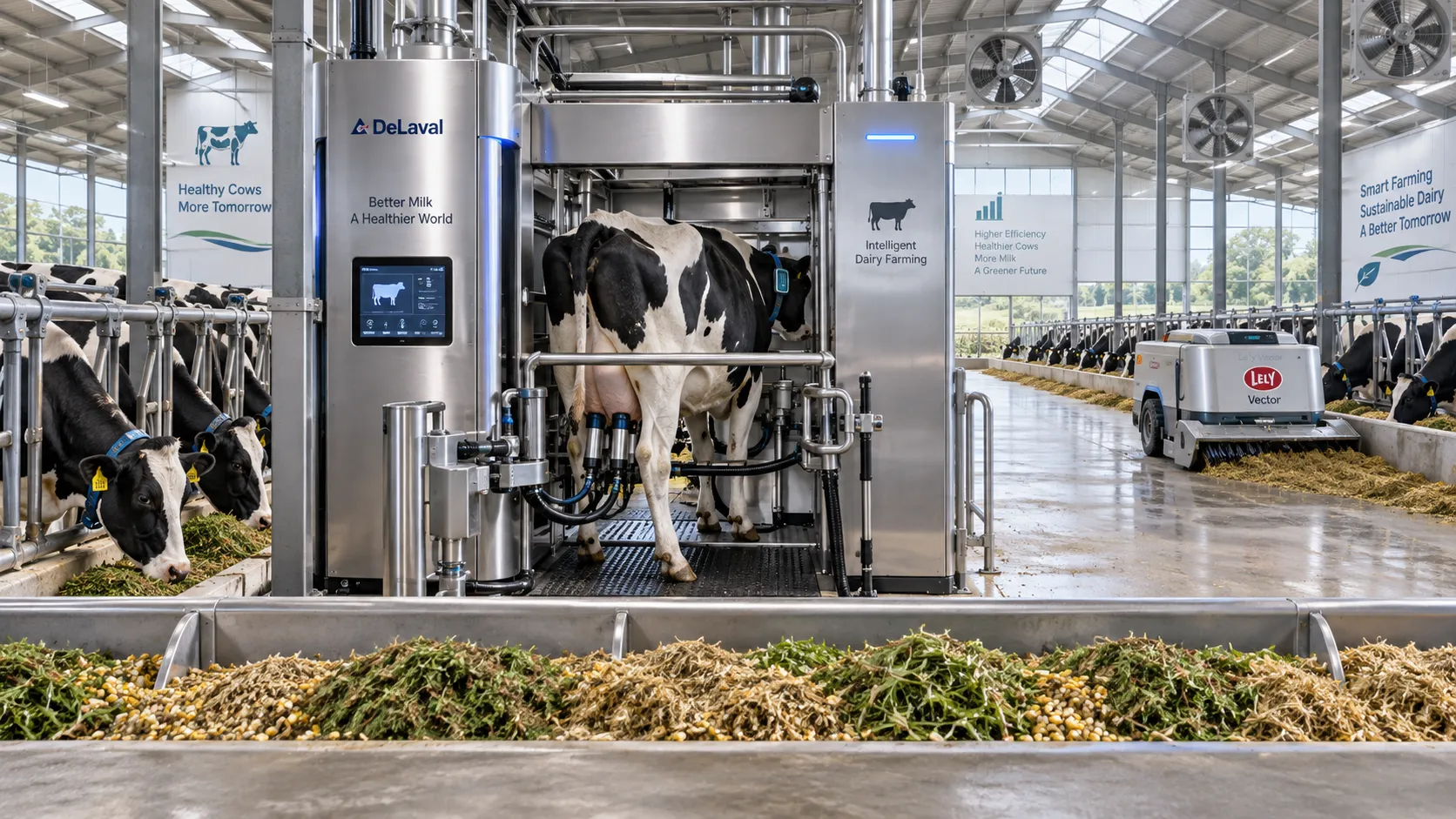
Smart Farming Technology for Dairy Farms: Where Automation Delivers Measurable ROI
Smart farming technology for dairy farms delivers measurable ROI through automation, precision feeding, health monitoring, and data-driven cost control.
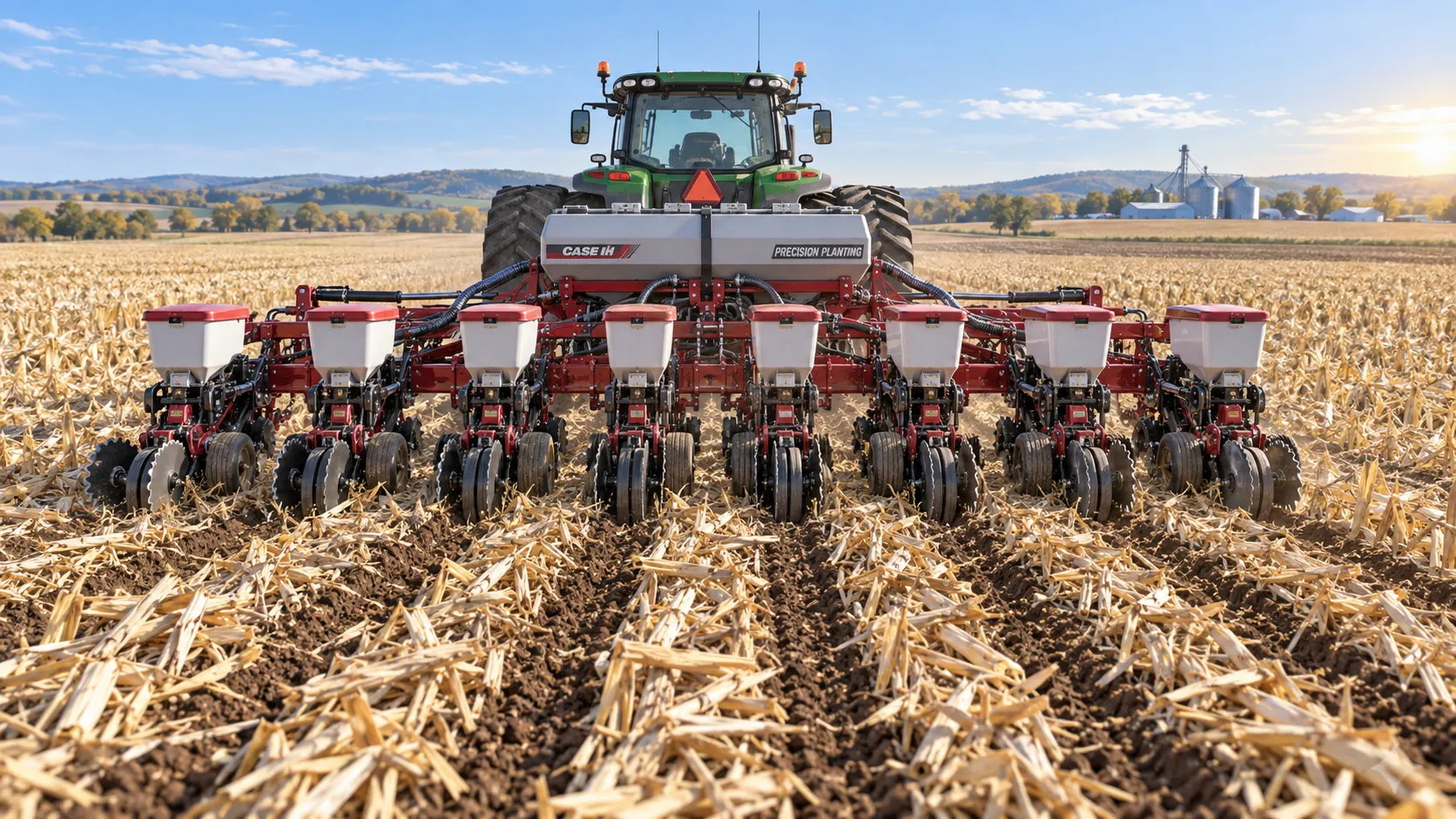
How to Select a Heavy-Duty Seeder for Large Acreage and High-Residue Fields
Heavy duty seeders for large acreage: compare residue handling, depth control, downforce, metering accuracy, and precision features to select the right model.
Related News
- 00
0000-00
ISOBUS for Smart Agriculture: How It Connects Tractors, Implements, and Farm Data - 00
0000-00
How North American Farms Can Select Crop Monitoring Systems by Acreage and Connectivity - 00
0000-00
How Tractor Intelligence Systems Improve Field Efficiency and Input Accuracy - 00
0000-00
Which equipment for larger fields maintains accuracy at higher speeds? - 00
0000-00
What should a digital ag platform integrate before a farm-wide rollout?
Popular Tags
Tractor Power Architect
Weekly Insights
Stay ahead with our curated technology reports delivered every Monday.