
Precision Agriculture Technology Is Easier to Buy Than to Integrate
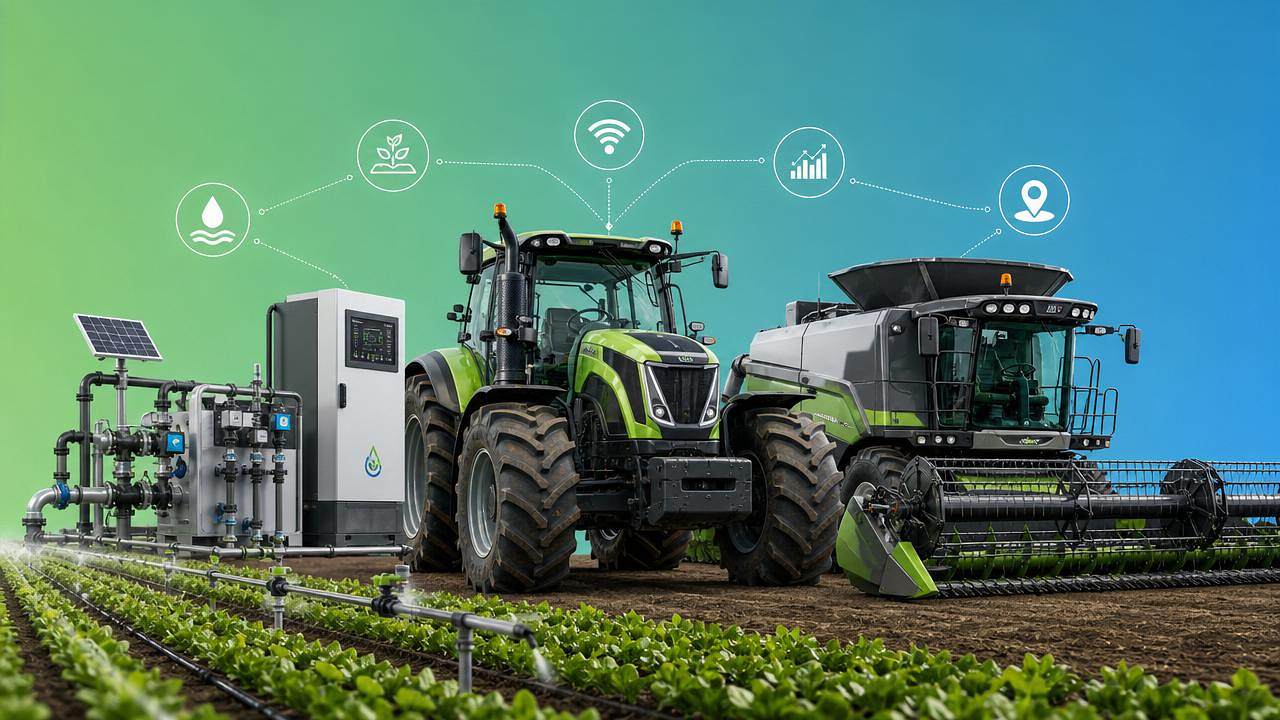




Precision agriculture technology is no longer the hardest part of modernization—making it work across machines, data systems, and field operations is. For enterprise decision-makers, the real challenge lies in turning scattered investments into measurable productivity, lower input waste, and resilient farm performance. This article explores why integration often determines ROI more than purchase price, and what strategic leaders should evaluate before scaling digital agriculture.
Why precision agriculture technology often underdelivers after purchase
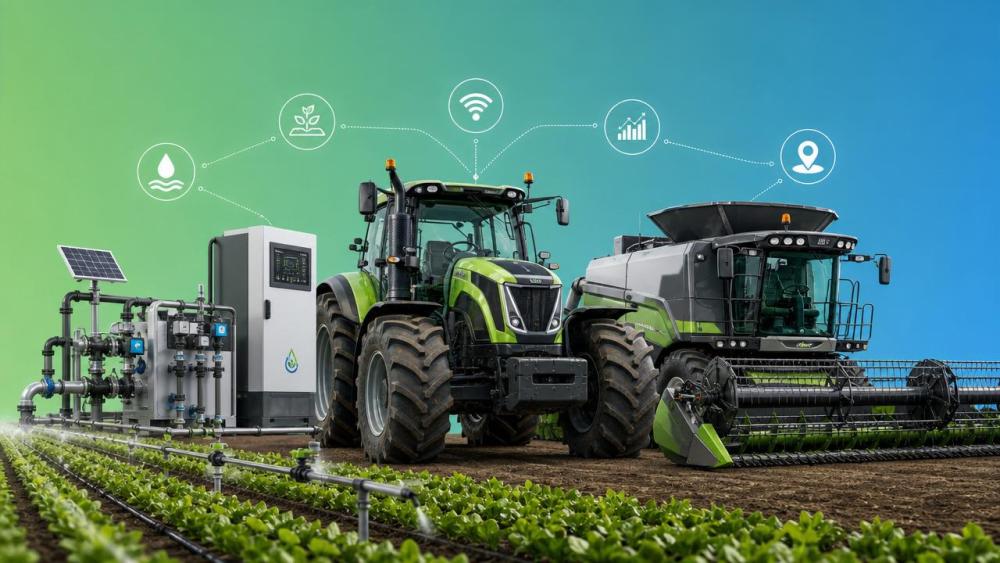
Many agribusiness leaders discover the same pattern: buying precision agriculture technology is relatively straightforward, but integrating it into a working operational system is much harder. Vendors can demonstrate guidance displays, telematics units, irrigation controllers, variable-rate tools, and yield monitors in isolation. The challenge begins when those systems must share data, support field decisions, and fit existing equipment fleets.
In large-scale farming, value is not created by devices alone. It is created when agronomic prescriptions, machine settings, field boundaries, weather signals, water availability, labor schedules, and maintenance routines move together without friction. If a tractor chassis supports one data format, the seeding implement uses another, and the irrigation software exports reports that cannot connect to farm management systems, the investment remains fragmented.
This is where AP-Strategy’s perspective becomes relevant. The platform does not look at farm equipment, combine harvesting technology, intelligent farm tools, and water-saving irrigation as separate procurement categories. It treats them as linked productivity assets inside the Agriculture 4.0 value chain. That viewpoint matters for decision-makers who must defend capital expenditure, operating margin, and long-cycle equipment strategy.
- A guidance system may reduce overlap, but only if field maps are accurate and operators follow standard workflows.
- A smart irrigation network may save water, but only if sensor placement, pump control, and crop stage models are aligned.
- A combine harvester can generate detailed yield data, but the dataset loses value if cleaning loss calibration is inconsistent across fields.
The practical lesson is simple: precision agriculture technology should be evaluated as an integration program, not a shopping list.
What enterprise decision-makers should assess before investing
Before approving a digital agriculture budget, leaders need a clearer framework than feature comparison alone. In most cases, the wrong purchase is not a low-quality device. It is a technically sound device inserted into an unprepared operating environment. The following evaluation matrix helps procurement teams shift from product thinking to system thinking.
This framework shows why the lowest purchase price can become the most expensive option. If interoperability is poor, enterprises pay again through delays, duplicate software subscriptions, manual data cleaning, extra support calls, and reduced machine utilization.
A better pre-purchase checklist
- Map your current asset base: tractors, harvesters, irrigation controllers, telematics devices, and farm software.
- Identify the operational bottleneck you want to fix first: overlap, water inefficiency, harvest loss, fertilizer accuracy, or labor coordination.
- Set measurable targets such as reduced input waste, lower fuel use, improved field timeliness, or better harvest recovery.
- Ask vendors for integration details, not just performance claims. Require explanation of data export, retrofit limits, calibration procedures, and support scope.
Where integration breaks down across machines, data, and field operations
Precision agriculture technology usually fails at three junctions: hardware compatibility, data translation, and human execution. Each one can erode the expected return even when the technology itself works as designed.
1. Hardware compatibility across mixed fleets
Large operations often run equipment from different generations and manufacturers. A new guidance or rate-control package may integrate smoothly with one tractor but require extra controllers, harnesses, or hydraulic adjustments on another. In harvesting, sensor packages and yield systems can also be affected by machine age, crop type, and calibration discipline.
2. Data translation between platforms
Field boundaries, satellite imagery, machine logs, irrigation data, and agronomic prescriptions often live in separate systems. Decision-makers frequently underestimate the cost of converting, cleaning, and validating these datasets. When data does not flow reliably, teams return to spreadsheets and disconnected reports, which weakens the value of precision agriculture technology.
3. Human adoption in seasonal operations
Even the most advanced tools can underperform if crews are rushed during planting or harvest. Operators may bypass calibration steps. Irrigation staff may ignore alerts if sensor thresholds are not trusted. Managers may delay software updates during critical work windows. Integration is therefore not only a technical task; it is a management discipline.
How to compare isolated tools versus integrated precision agriculture technology systems
For capital planning, enterprises should compare not only products but operating models. The table below highlights the difference between buying separate tools and building an integrated precision agriculture technology roadmap.
For many agribusinesses, the hybrid path is the most realistic. It protects existing machinery value while gradually improving guidance, telemetry, irrigation intelligence, and data consistency. AP-Strategy’s intelligence-led approach is especially useful here because decision-makers need to understand not only technology features, but also where adoption risk is likely to appear across the machinery chain.
Which application scenarios justify investment first
Not every use case deserves equal priority. Stronger outcomes come from choosing scenarios where precision agriculture technology can influence both field performance and management control.
- Large-scale seeding and fertilization: Variable-rate execution, pass-to-pass guidance, and section control reduce overlap and improve input placement.
- Combine harvesting in variable crop conditions: Harvest data, cleaning-loss feedback, and machine setting discipline support lower field losses and stronger post-season analysis.
- Water-stressed irrigation zones: Sensor-based scheduling and networked irrigation control improve water allocation and energy efficiency when supply or pumping cost is constrained.
- Multi-region operations: Centralized visibility across assets and fields supports standard operating procedures and faster intervention during seasonal peaks.
Scenario selection should follow strategic pain, not trend pressure
If a business loses margin through fuel waste and input overlap, guidance and application control may deliver faster value than autonomous features. If water allocation is the biggest risk, intelligent irrigation deserves priority. If the weakest link is harvest loss visibility, then combine data quality and machine feedback systems should move first. Precision agriculture technology creates the best return when the first project targets a costly operational friction point.
What procurement teams should ask suppliers and internal stakeholders
A sound procurement process needs technical, operational, and commercial questions. Decision-makers should push beyond demonstrations and request implementation detail.
Supplier-facing questions
- Which machine generations and controller types are supported without major retrofit work?
- What data formats can be imported and exported for prescriptions, machine logs, and irrigation records?
- How are calibration, commissioning, and seasonal support handled during peak operations?
- What are the expected software, connectivity, sensor replacement, and training costs over three to five seasons?
Internal alignment questions
- Who owns the data workflow: agronomy, operations, irrigation management, or IT?
- What field-level KPI will define success in the first season?
- How much operator training time can realistically be allocated before the season starts?
- Which legacy assets must remain in service, and what integration compromises does that create?
These questions reduce the common gap between procurement intent and field execution. They also help leadership teams compare vendors on total operational fit rather than headline features.
Cost, risk, and ROI: what often gets missed
The business case for precision agriculture technology should include more than hardware and subscription costs. Enterprises often miss at least four indirect cost lines: integration labor, staff training, downtime during setup, and data governance overhead. These are not minor details. On large farms or distributor-led deployments, they can determine whether a project scales or stalls.
At the same time, risk should be assessed by seasonality. A software issue in the off-season is inconvenient. A configuration issue during planting or combine harvesting can affect yield, timing, labor utilization, and customer commitments. That is why integration planning should be treated as part of risk management, not only as an IT matter.
A realistic ROI model should therefore include direct savings, avoided waste, operational reliability, and management visibility. The most valuable outcome is often not a single-season gain, but a repeatable decision system that improves machinery, irrigation, and agronomy coordination year after year.
Standards, interoperability, and compliance considerations
For international operators, distributors, and cross-border projects, precision agriculture technology also needs a compliance lens. While specific requirements vary by market, procurement teams should review machinery safety, electrical compatibility, wireless connectivity rules, environmental operating conditions, and data handling practices. This is especially relevant when combining imported equipment, local retrofits, and cloud-based platforms.
Interoperability standards and common agricultural communication practices can reduce risk, but they do not eliminate the need for field-level verification. A system may appear compatible on paper yet still require calibration changes, harness adaptation, or software bridging. AP-Strategy’s intelligence model is valuable because it connects mechanical realities with algorithmic and operational implications instead of treating standards as a box-ticking exercise.
FAQ: common executive questions about precision agriculture technology
How should we choose precision agriculture technology for a mixed equipment fleet?
Start with compatibility mapping, not vendor preference. List machine models, controller generations, hydraulic interfaces, and current digital tools. Then prioritize solutions that can support the highest-value assets first. In many cases, broad interoperability and dependable support matter more than premium features that only work on part of the fleet.
Which use case usually produces the fastest return?
The answer depends on the operation’s main source of waste. For some businesses, section control and guidance reduce overlap quickly. For others, smart irrigation creates stronger savings because water and pumping costs are under pressure. Harvest-focused operations may gain most from better machine setting feedback and more reliable yield data. The fastest return usually comes from solving a visible, recurring operational bottleneck.
What is the most common mistake in digital agriculture procurement?
Buying for features before defining workflow. Enterprises often select tools because demonstrations look impressive, then discover that operator routines, file transfer methods, and service responsibilities were never clarified. Precision agriculture technology succeeds when operational design is specified before full rollout.
How long does implementation usually take?
Simple retrofits may move quickly, but enterprise-level integration often takes more than one phase. A practical approach is to pilot one use case, validate workflow, train staff, and then scale to additional machines, regions, or irrigation zones. Seasonal timing matters. Commissioning just before peak field activity usually increases risk.
Why AP-Strategy is a useful partner for integration-focused decisions
AP-Strategy brings value because enterprise buyers rarely need more product noise. They need structured intelligence that connects large-scale agri-machinery, combine harvesting technology, tractor chassis evolution, intelligent farm tools, and water-saving irrigation into one decision framework. That is especially important when modernization choices affect food security, sustainability targets, distributor inventory planning, and long-cycle capital allocation.
The platform’s Strategic Intelligence Center supports this by translating sector news, technology evolution, and commercial signals into decision-ready perspective. For leaders evaluating precision agriculture technology, that means clearer visibility into where machinery performance, data architecture, field operations, and sustainability demands actually intersect.
What you can discuss with us
- Parameter confirmation for guidance, harvesting data, irrigation control, and machine integration priorities
- Solution selection based on fleet structure, crop conditions, water strategy, and operational scale
- Delivery-cycle considerations for phased rollouts across planting, harvesting, or irrigation seasons
- Customized roadmap discussions for combining legacy machinery with new precision agriculture technology
- Compliance and interoperability questions related to multi-market deployment and technical coordination
- Commercial insight requests for distributor planning, quotation alignment, and medium-term modernization strategy
If your organization is weighing whether to buy another digital tool or build a workable integration path, the better next step is not a broader shopping list. It is a sharper decision model. Contact AP-Strategy to discuss precision agriculture technology selection, integration logic, rollout sequencing, data-fit questions, and the operational trade-offs that will shape real ROI in the field.
Related News
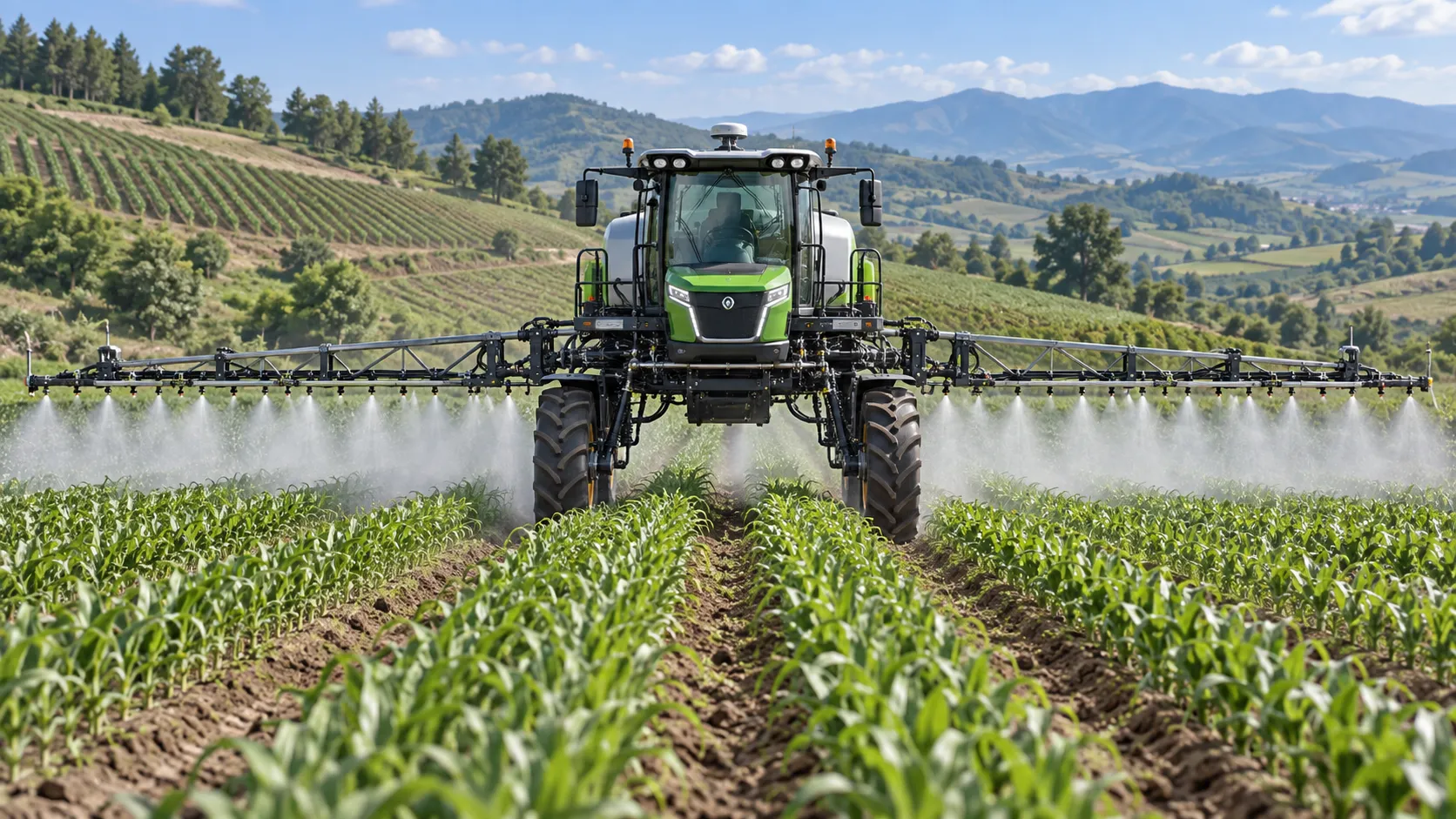
How to Select Precision Crop Protection Equipment for Variable Field Conditions
Precision crop protection equipment selection made simple: compare terrain, canopy, weather, control accuracy, and data workflows for reliable applications.

When Does Agricultural Machinery Leasing Cost Less Than Owning Equipment?
Agricultural machinery leasing can lower farm costs when use is seasonal or uncertain. Compare utilization, maintenance, cash flow, and risk to make a smarter equipment decision.

How to Evaluate Precision Fertilization System Suppliers for Farm-Scale Deployment
Precision fertilization systems suppliers: learn how to compare accuracy, integration, uptime, service, and total cost for confident farm-scale deployment.
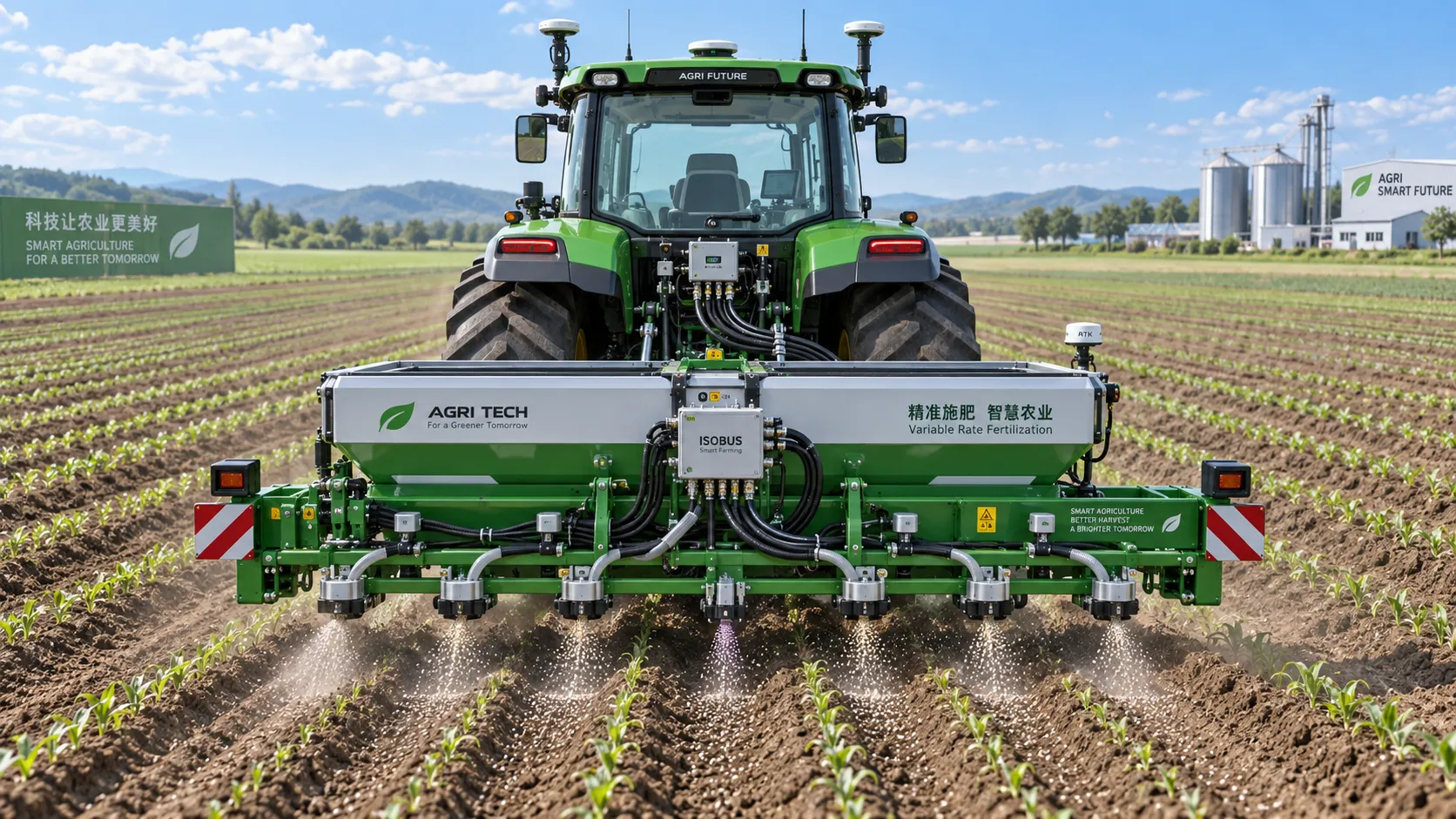
ISOBUS for Smart Agriculture: How It Connects Tractors, Implements, and Farm Data
ISOBUS for smart agriculture connects tractors, implements, terminals, and farm data—helping growers improve precision, documentation, and smarter field decisions.
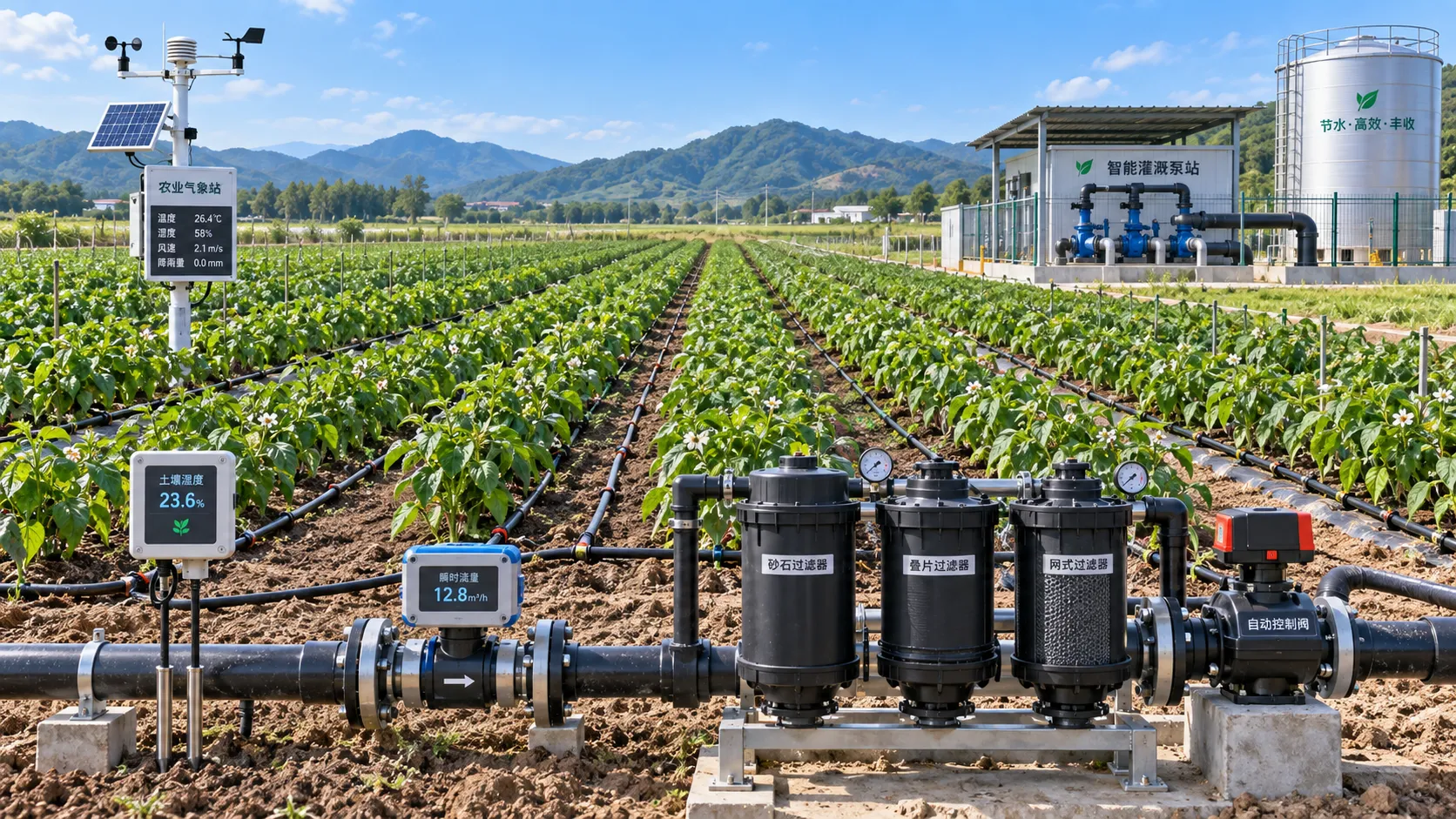
Automated Water-Saving Irrigation: How to Cut Water Use Without Reducing Crop Yields
Automated water-saving irrigation helps farms cut water use, protect crop yields, improve scheduling, and gain reliable control with sensors, flow monitoring, and smart zones.
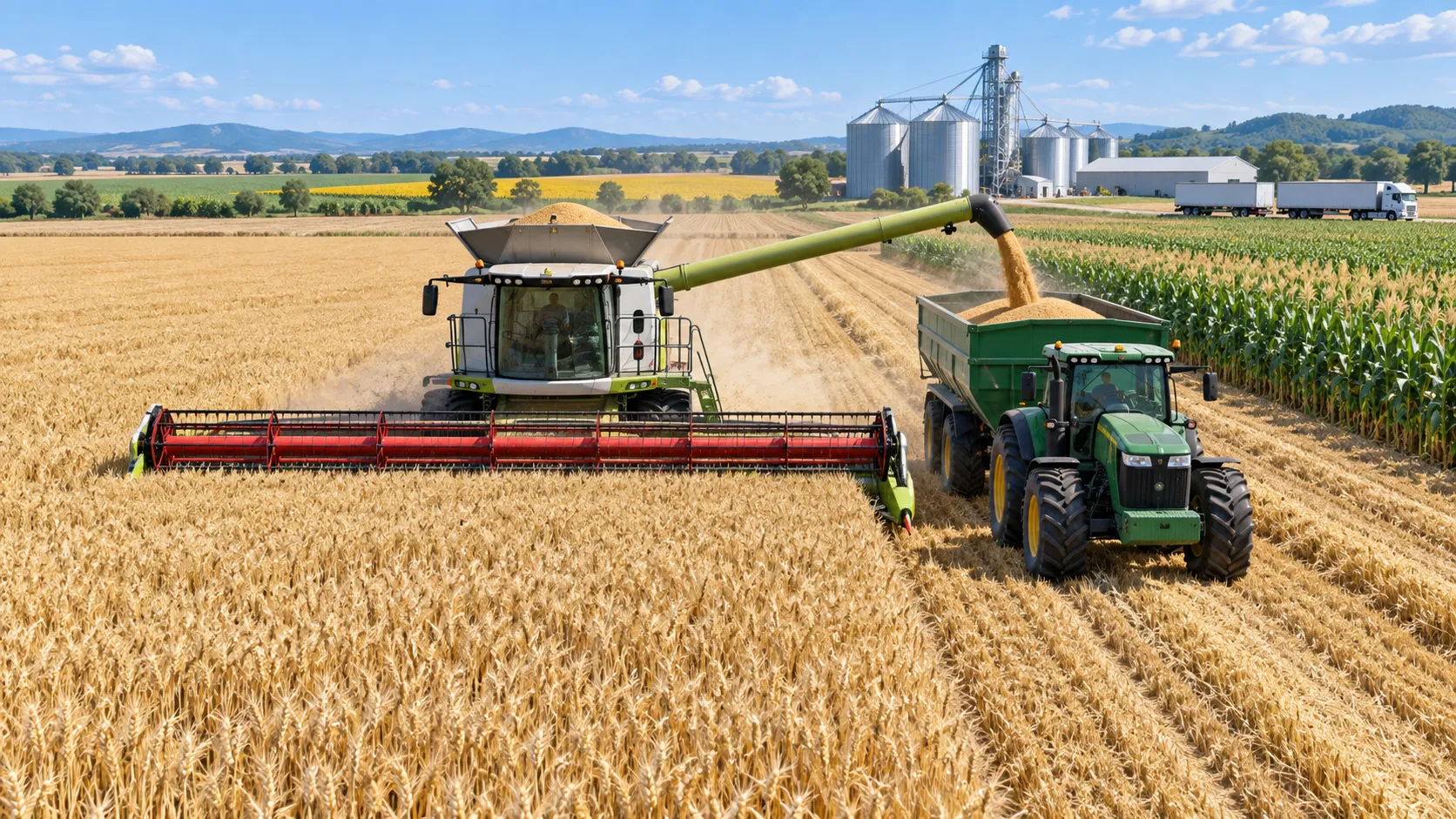
Selecting Grain Farm Equipment by Acreage, Crop Mix, and Harvest Window
Agricultural equipment selection for grain farming: match machinery to acreage, crop mix, and harvest windows to improve uptime, efficiency, and returns.
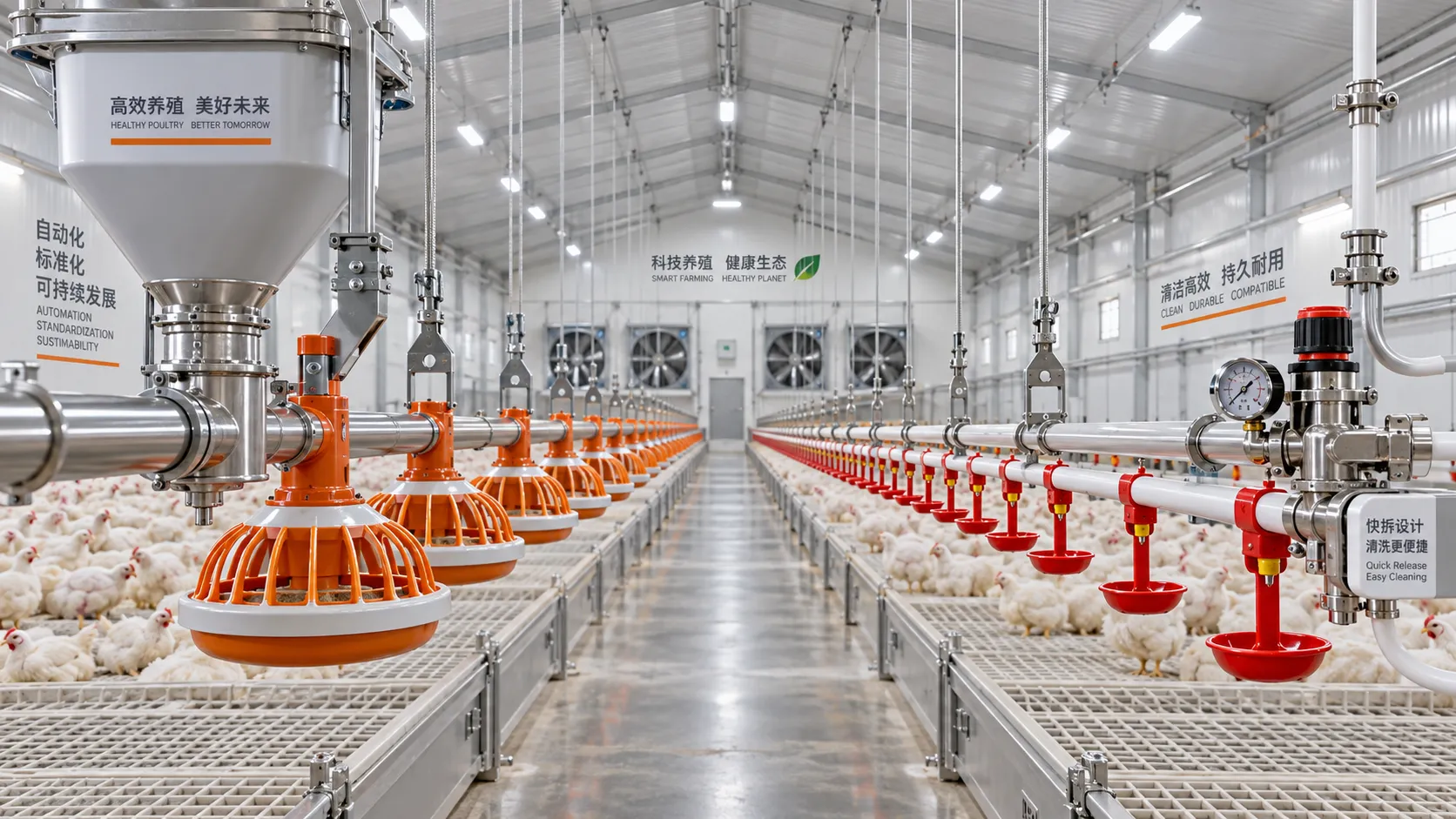
Poultry Equipment Selection: Evaluating Durability, Cleaning, and Compatibility
Poultry equipments selection guide: evaluate durability, cleaning access, and system compatibility to improve hygiene, reduce downtime, and support efficient flock management.
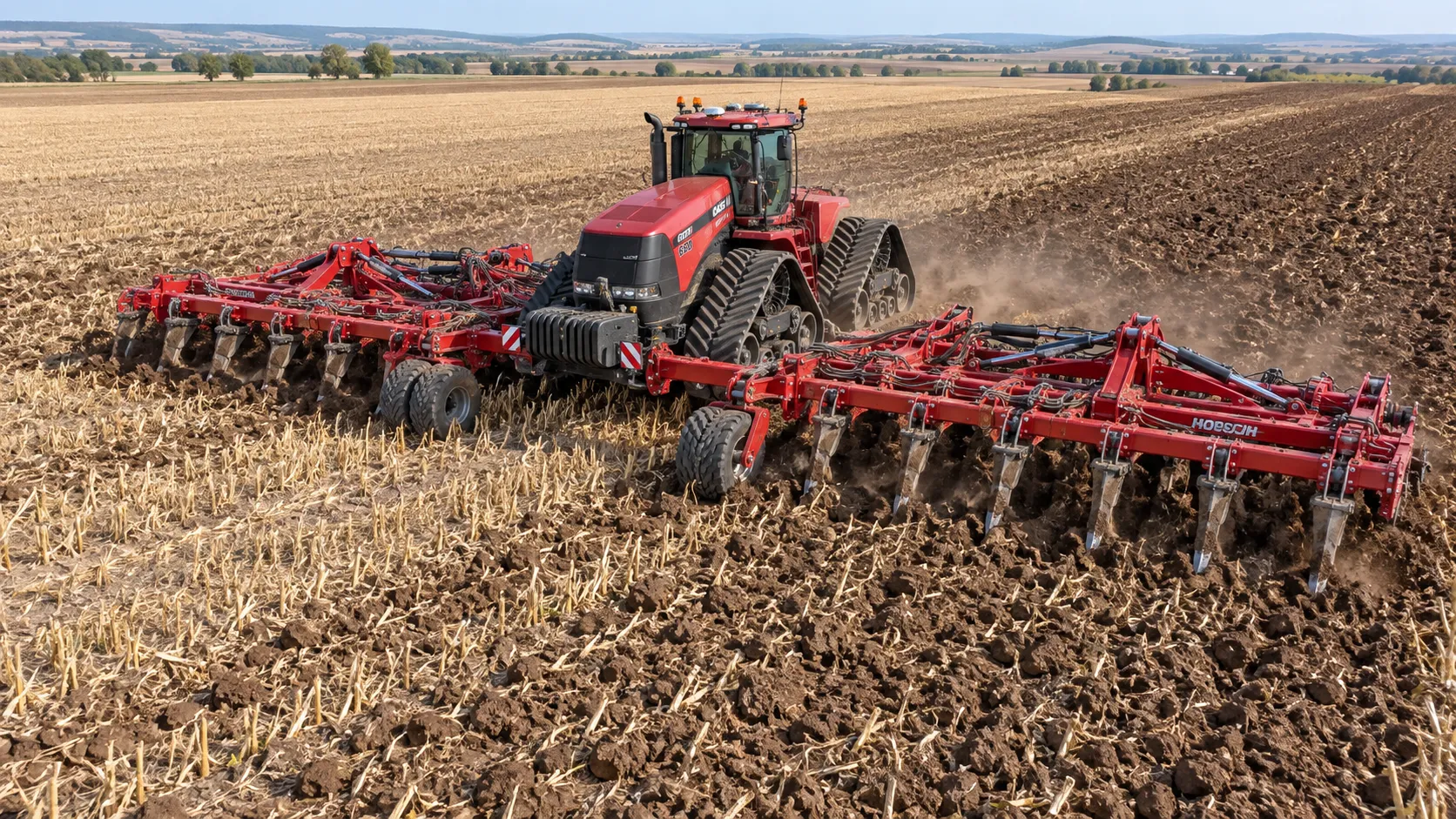
How to Select Heavy-Duty Farm Implements for High-Acreage, High-Horsepower Operations
Heavy duty farm implements: learn how to match draft, hydraulics, hitch capacity, frame strength, and field conditions for reliable high-acreage performance.
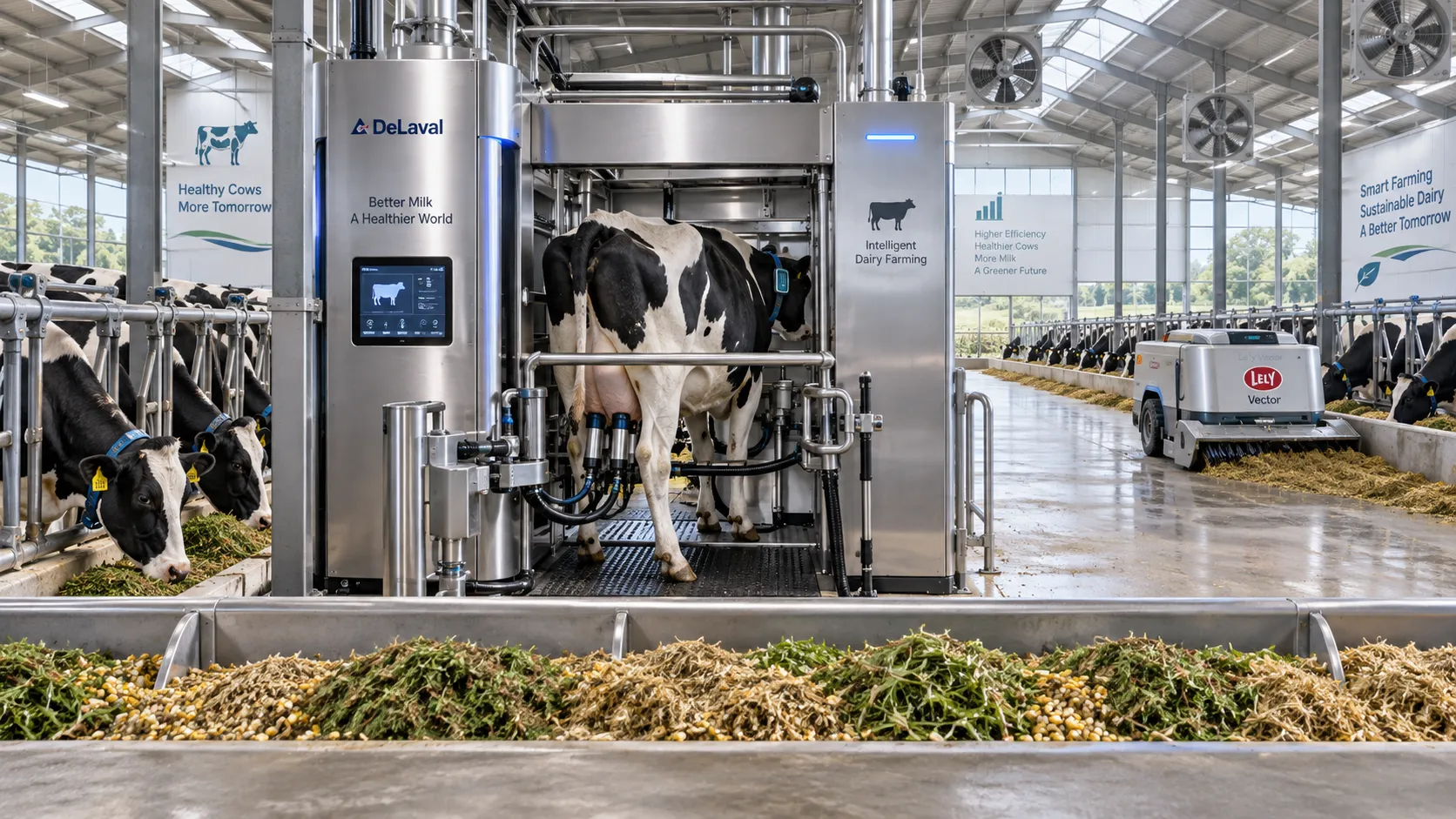
Smart Farming Technology for Dairy Farms: Where Automation Delivers Measurable ROI
Smart farming technology for dairy farms delivers measurable ROI through automation, precision feeding, health monitoring, and data-driven cost control.
Related News
- 00
0000-00
ISOBUS for Smart Agriculture: How It Connects Tractors, Implements, and Farm Data - 00
0000-00
How North American Farms Can Select Crop Monitoring Systems by Acreage and Connectivity - 00
0000-00
How Tractor Intelligence Systems Improve Field Efficiency and Input Accuracy - 00
0000-00
Which equipment for larger fields maintains accuracy at higher speeds? - 00
0000-00
What should a digital ag platform integrate before a farm-wide rollout?
Popular Tags
Tractor Power Architect
Weekly Insights
Stay ahead with our curated technology reports delivered every Monday.