
MIIT Opens Fast-Track Export Certification for Farm Robots





On June 18, 2026, China’s Ministry of Industry and Information Technology launched a selection process for typical robot application scenarios in agriculture and tied that process to a new compliance facilitation path for eligible Autonomous Robots products. For products included in the selected scenarios, CNAS-accredited certification bodies will offer an immediate testing channel, while a pilot pre-export compliance pre-review mechanism will be coordinated with customs authorities. Because the notice also points to an expected 40% reduction in CE/UKCA certification time, the development deserves attention from robot manufacturers, exporters, testing and certification providers, procurement teams, and supply-chain operators whose delivery schedules depend on export compliance timing.
What the notice explicitly changes
The Ministry of Industry and Information Technology issued a notice on June 18, 2026 on the selection of typical application scenarios for robots in the agricultural field. According to the event summary provided, Autonomous Robots products that fall within selected scenarios will be able to use an “immediate submission, immediate testing” channel at CNAS certification institutions.
The same notice also states that a pilot “pre-export compliance pre-review” mechanism will be coordinated with the General Administration of Customs. The expected outcome described in the summary is a 40% reduction in the time needed for CE/UKCA certification.
The first group of covered scenarios includes autonomous fruit picking in orchards, unmanned field inspection, and greenhouse transport robots.
Where the operational impact may appear first
Export planning becomes more sensitive to scenario eligibility
From an industry perspective, exporters of agricultural robots may be affected first because the announced facilitation is not described as applying to all products across the category, but to products within selected scenarios. That means export planning, product positioning, and market-entry scheduling may increasingly depend on whether a product can be matched to one of the approved use cases.
What deserves closer attention is the link between scenario selection and external-market certification timing. If the expected CE/UKCA cycle reduction is realized in practice, the most immediate effect may appear in quotation lead times, shipment sequencing, and contract delivery commitments rather than in product design itself.
Certification and testing workflows may need earlier document readiness
Certification-related firms and testing service providers may see workflow changes because an “immediate testing” channel typically puts more pressure on the completeness of submission packages at the front end. Analysis shows that manufacturers preparing for export may need to be more disciplined in how they assemble technical files, test materials, and product compliance records before entering the queue.
For manufacturers and their certification partners, the practical issue is not only faster access to testing, but whether supporting documents, product descriptions, and scenario-based applicability statements are ready at the same pace.
Procurement and delivery teams may reassess lead-time assumptions
Buyers, distributors, and supply-chain service providers may also be affected because certification time is often built into procurement and delivery assumptions. Observably, any formal channel intended to shorten certification cycles can change how procurement teams evaluate supplier readiness, especially for projects tied to orchard harvesting, field inspection, or greenhouse logistics applications.
The key business effect may appear in bid preparation, order scheduling, and supplier comparison, where compliance timing becomes part of commercial decision-making rather than a back-end administrative step.
What companies should monitor now
Confirm whether products fit the selected scenarios
Companies should first focus on whether their Autonomous Robots products clearly fall within the currently named scenarios: orchard autonomous picking, unmanned field inspection, and greenhouse transport. If product use cases do not map cleanly to those scenarios, companies should avoid assuming that the fast-track arrangement already applies to them.
Prepare certification files for faster intake, not just faster testing
Analysis shows that the value of an accelerated testing channel depends on front-end readiness. Companies should therefore pay attention to the consistency of technical documentation, test-related materials, product descriptions, and any compliance records likely to be reviewed before CE/UKCA certification proceeds. The event summary does not provide detailed filing requirements, so this remains a monitoring point rather than a confirmed checklist.
Track how pre-export compliance review is implemented
The customs-linked pre-review mechanism is described as a pilot, which means execution details still matter. Exporters should watch for how this pre-review is interpreted in practice, what documents may be expected, how review timing interacts with shipment plans, and whether the mechanism changes internal export-control or customs-preparation workflows.
Revisit delivery commitments and supplier qualification terms
Where contracts, bids, or procurement plans depend on export certification timing, companies may need to reassess delivery assumptions and supplier qualification language. It is more appropriate to understand this as a signal to review lead-time models and compliance milestones, not as proof that every future certification file will move 40% faster in all cases.
Why this looks more like an execution signal than a finished rule set
Observably, this development combines three layers: scenario selection, certification acceleration, and customs-linked pre-review. That combination matters because it moves beyond broad policy encouragement and points toward operational handling of export compliance for a defined group of agricultural robot applications.
At the same time, analysis shows that the announcement should not yet be treated as a fully settled universal rule for the wider robotics export market. The summary confirms the direction of implementation, but it does not provide the full operating details that companies would need for uniform execution across products, documents, and shipment arrangements.
For that reason, the market is likely to read this both as a real compliance facilitation step and as a policy signal that still requires close tracking of implementation language, certification practice, and user-side procurement documents.
How to read the development at this stage
The clearest significance of the June 18 notice is that agricultural robot exports are now being linked more directly to scenario-based policy support and compliance process acceleration. For businesses active in the covered product areas, the news is relevant not because it guarantees outcomes, but because it may alter certification sequencing, pre-export review preparation, and delivery planning.
A balanced reading is that this is best understood as an implemented policy signal with practical implications, while detailed execution still needs to be observed. Companies that manufacture, certify, buy, or export these robots should pay attention to how scenario eligibility, documentation standards, and customs-related pre-review are applied in actual transactions.
Basis of this article
This article is based on the user-provided news title, event date, and event summary. The summary states that on June 18, 2026, the Ministry of Industry and Information Technology issued a notice on selecting typical application scenarios for agricultural robots, opened an immediate-testing channel at CNAS certification institutions for Autonomous Robots products in selected scenarios, and coordinated a pilot pre-export compliance pre-review mechanism with customs authorities, with an expected 40% reduction in CE/UKCA certification time.
For events of this kind, relevant source categories would typically include official ministry notices, releases from regulatory authorities, customs or trade administration updates, industry association communications, standards-related documents, and reporting by authoritative media. However, a specific official source link was not provided in the input, so it still needs to be verified on an ongoing basis.
What still requires continued observation includes detailed implementation rules, certification execution criteria, customs pre-review practice, changes in tender or procurement documents, industry feedback, and how companies actually apply the new channel in export operations.
Related News

When Does Agricultural Machinery Leasing Cost Less Than Owning Equipment?
Agricultural machinery leasing can lower farm costs when use is seasonal or uncertain. Compare utilization, maintenance, cash flow, and risk to make a smarter equipment decision.

How to Evaluate Precision Fertilization System Suppliers for Farm-Scale Deployment
Precision fertilization systems suppliers: learn how to compare accuracy, integration, uptime, service, and total cost for confident farm-scale deployment.
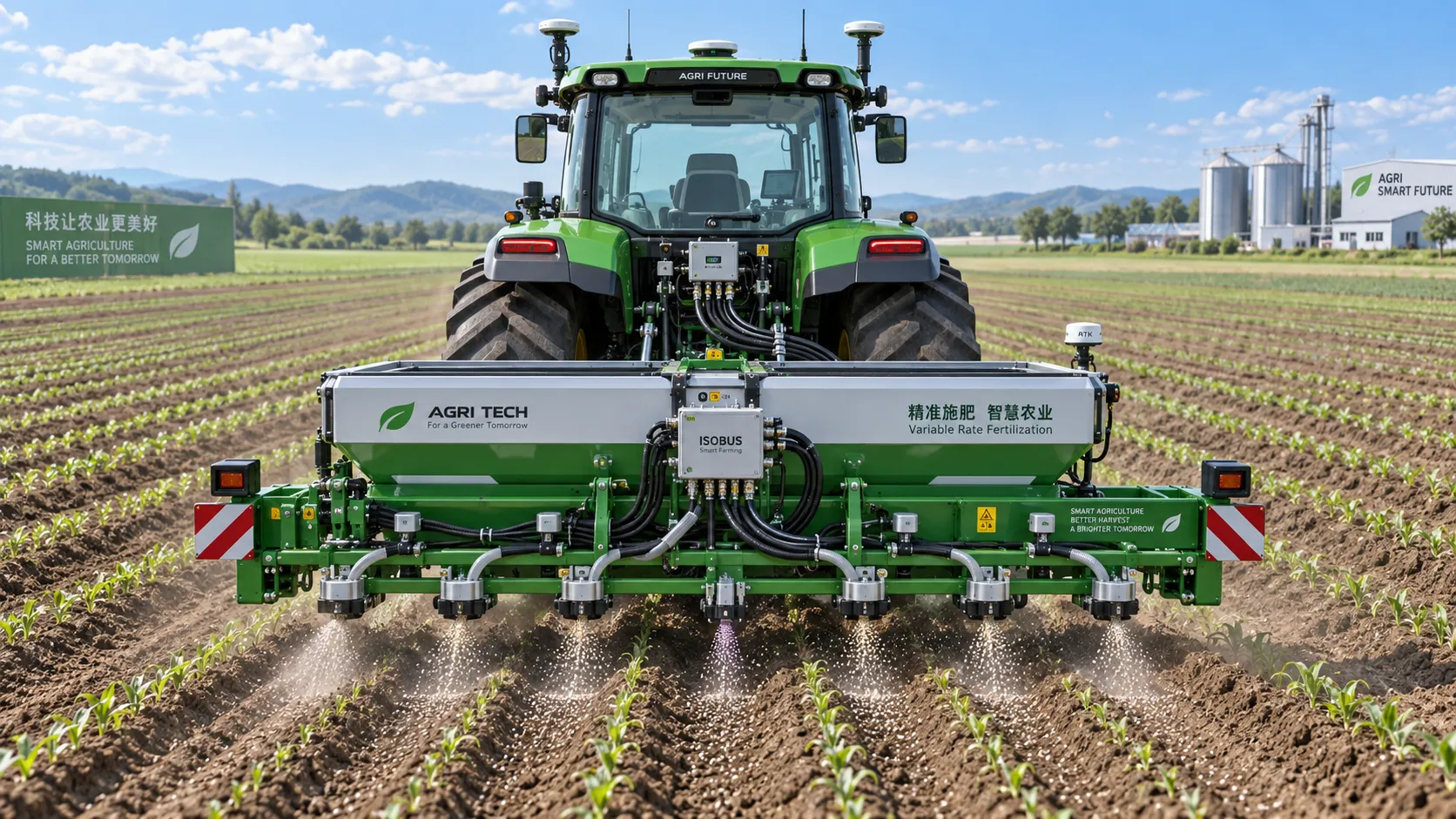
ISOBUS for Smart Agriculture: How It Connects Tractors, Implements, and Farm Data
ISOBUS for smart agriculture connects tractors, implements, terminals, and farm data—helping growers improve precision, documentation, and smarter field decisions.
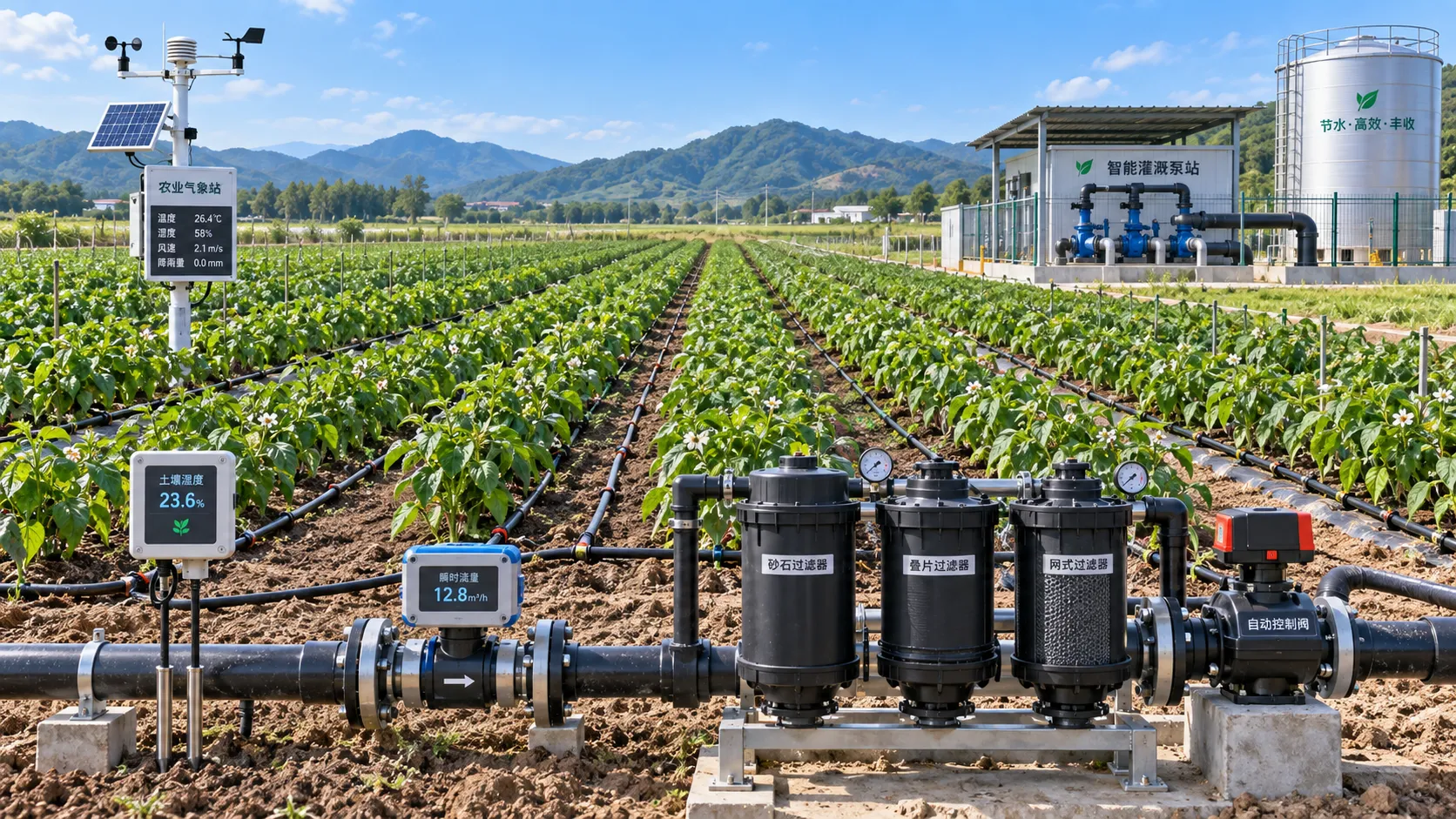
Automated Water-Saving Irrigation: How to Cut Water Use Without Reducing Crop Yields
Automated water-saving irrigation helps farms cut water use, protect crop yields, improve scheduling, and gain reliable control with sensors, flow monitoring, and smart zones.

Selecting Grain Farm Equipment by Acreage, Crop Mix, and Harvest Window
Agricultural equipment selection for grain farming: match machinery to acreage, crop mix, and harvest windows to improve uptime, efficiency, and returns.
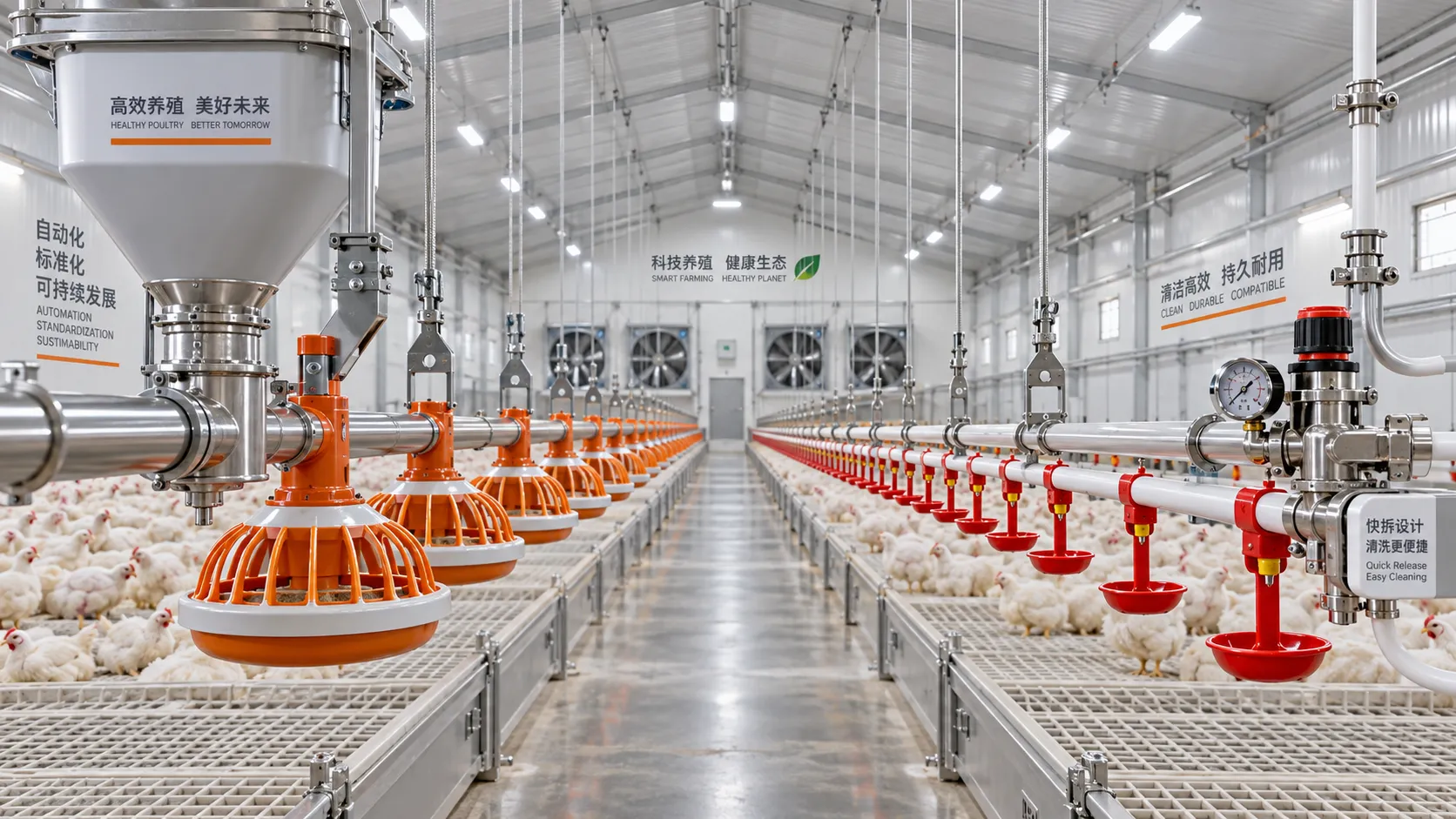
Poultry Equipment Selection: Evaluating Durability, Cleaning, and Compatibility
Poultry equipments selection guide: evaluate durability, cleaning access, and system compatibility to improve hygiene, reduce downtime, and support efficient flock management.
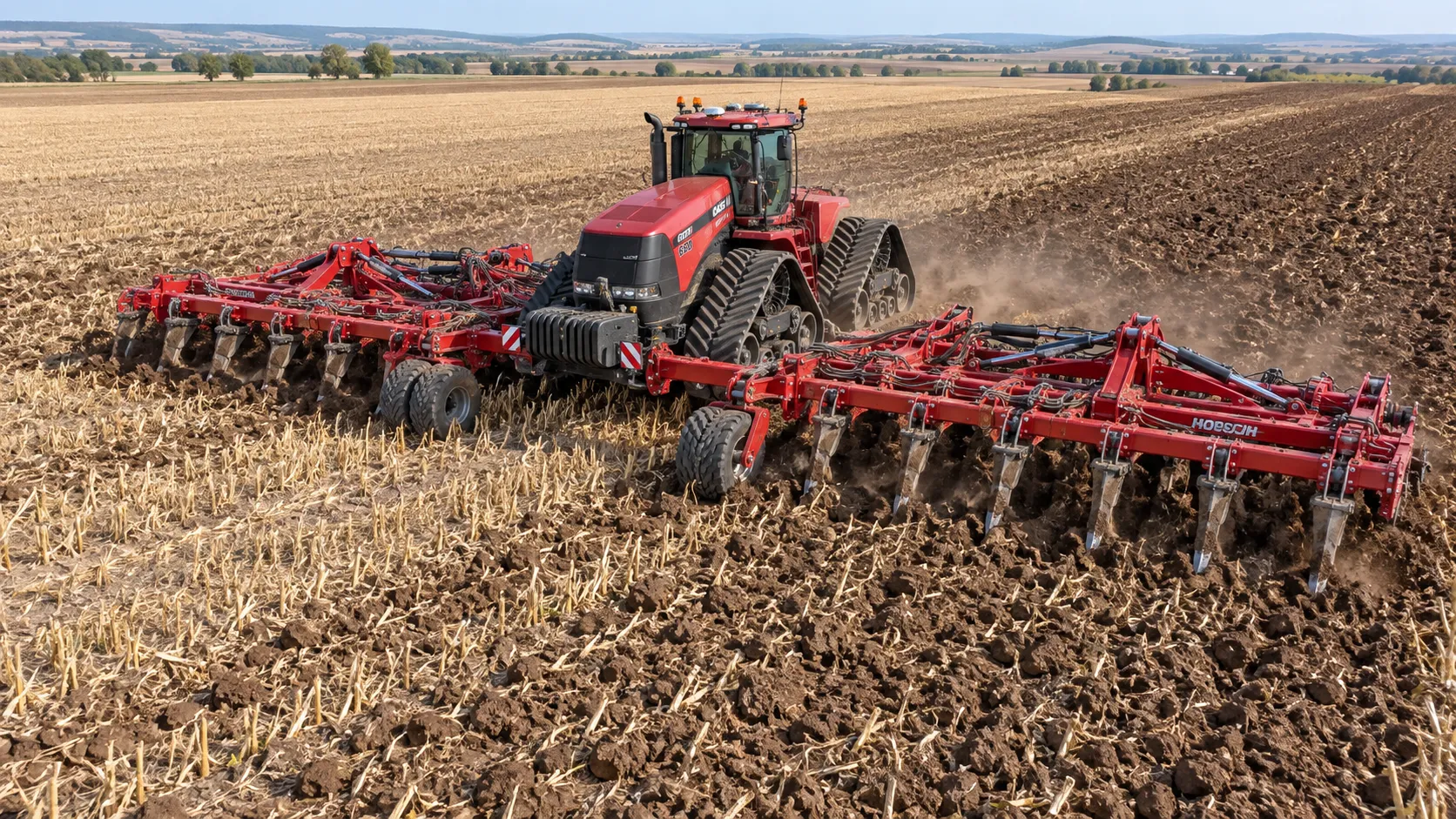
How to Select Heavy-Duty Farm Implements for High-Acreage, High-Horsepower Operations
Heavy duty farm implements: learn how to match draft, hydraulics, hitch capacity, frame strength, and field conditions for reliable high-acreage performance.
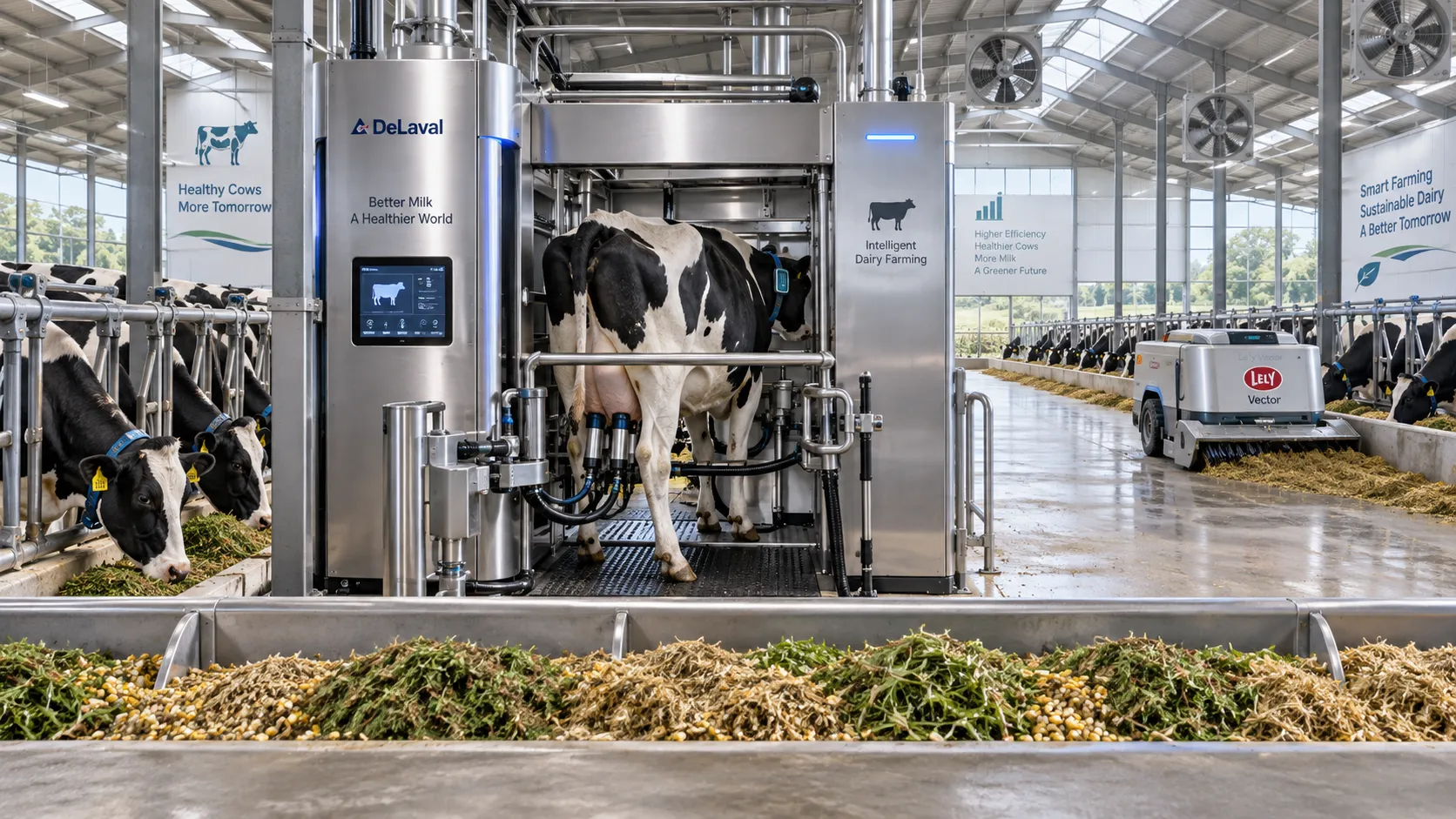
Smart Farming Technology for Dairy Farms: Where Automation Delivers Measurable ROI
Smart farming technology for dairy farms delivers measurable ROI through automation, precision feeding, health monitoring, and data-driven cost control.
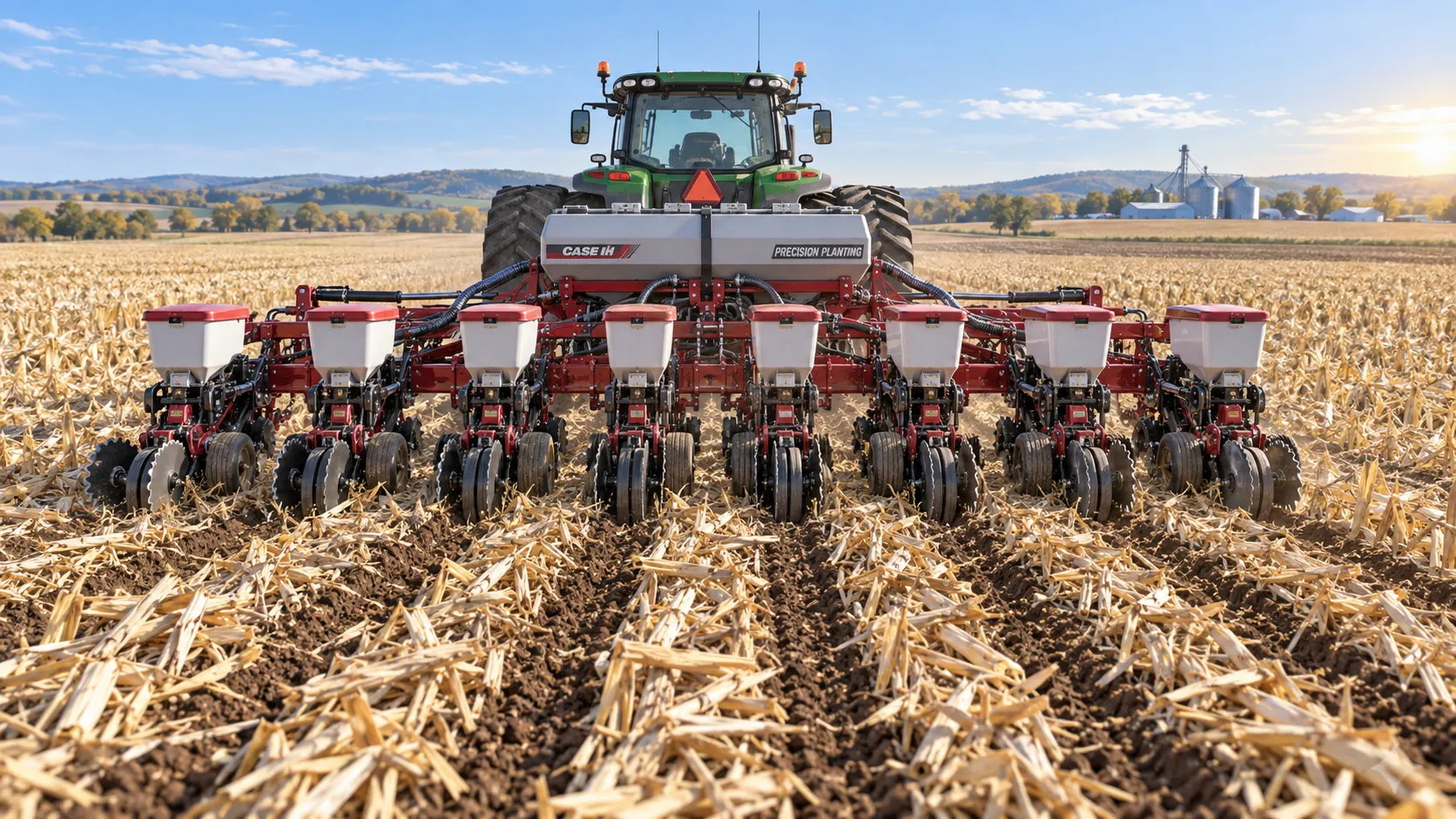
How to Select a Heavy-Duty Seeder for Large Acreage and High-Residue Fields
Heavy duty seeders for large acreage: compare residue handling, depth control, downforce, metering accuracy, and precision features to select the right model.
Related News
- 00
0000-00
What separates robotic automation providers for equipment production? - 00
0000-00
Which field data collection provider fits an agricultural robotics program? - 00
0000-00
How Autonomous Machinery for Crop Scouting Helps Growers Detect Field Issues Earlier - 00
0000-00
How to Evaluate Autonomous Machinery for Vineyards by Terrain, Tasks, and ROI - 00
0000-00
Brazil ANVISA Rule Requires Portuguese Risk Labels for Farm Robots
Popular Tags
Tractor Power Architect
Weekly Insights
Stay ahead with our curated technology reports delivered every Monday.