
How Farm Machinery Intelligence Improves Seeding, Spraying, and Maintenance Planning
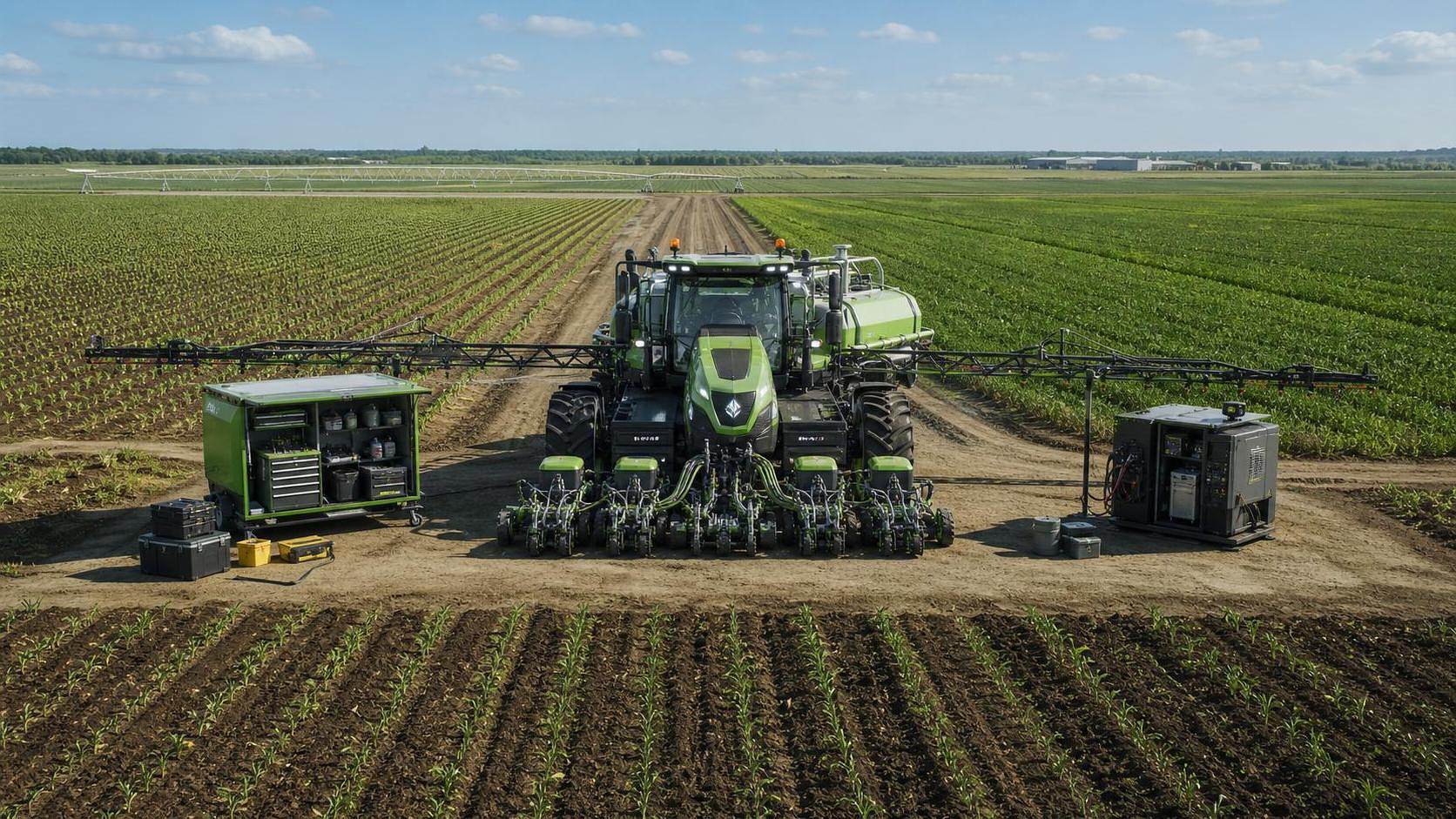




Farm machinery intelligence is changing the way large agricultural operations are planned and executed. It connects machine telemetry, field conditions, agronomic targets, and service timing, so seeding, spraying, and maintenance become part of one coordinated system rather than separate tasks.
That shift matters because field performance is now judged by more than engine power or implement width. Input precision, uptime, fuel efficiency, seasonal timing, and sustainability targets all influence operational decisions across the broader agricultural value chain.
For operations managing multiple machines and narrow working windows, intelligent equipment planning reduces avoidable delays. It also improves how teams compare equipment capability, labor allocation, irrigation timing, and crop protection priorities under changing weather and market pressure.
Why machinery intelligence now sits at the center of field planning
Farm machinery intelligence is not just a software layer added to tractors or sprayers. It is the practical use of data from powertrain systems, guidance tools, sensors, satellite positioning, weather feeds, and maintenance histories to support better field decisions.
In simple terms, it helps answer three operational questions. What should be done in the field, when should it happen, and which machine can do it with the lowest risk of waste or downtime.
This is why industry platforms such as AP-Strategy place intelligence alongside large-scale machinery, combine technology, tractor chassis development, intelligent tools, and water-saving irrigation. The value no longer comes from isolated assets. It comes from coordinated performance across the full operating environment.
That broader view is especially relevant in Agriculture 4.0, where food security, resource efficiency, and machine productivity are increasingly linked. A seeding pass affects emergence. Spraying quality affects crop health. Maintenance timing affects whether the entire schedule holds together.
What improves when seeding decisions are data-led
Seeding is often treated as a race against weather, but timing alone is not enough. Farm machinery intelligence improves seeding by aligning machine setup, soil conditions, route planning, and application rates before the first pass begins.
A connected seeding system can compare soil moisture, terrain variation, previous yield maps, and machine load behavior. That allows field plans to reflect actual operating conditions, not only standard presets.
Key gains during seeding
- More accurate seed placement through depth and speed control feedback.
- Better field coverage with fewer overlaps and missed strips.
- Lower fuel and input waste when route paths are optimized.
- Stronger consistency across multiple tractors, operators, and implements.
The biggest advantage is often not raw speed. It is consistency under variable conditions. On large farms, one poorly calibrated planter or one overloaded chassis can create uneven emergence across entire blocks, which later affects spraying and harvesting efficiency.
Smarter spraying depends on more than rate control
Spraying is where farm machinery intelligence becomes highly visible. Precision application has direct cost implications, but it also influences compliance, resistance management, drift control, and crop response.
An intelligent spraying plan does not only set volume per hectare. It considers nozzle performance, ground speed, wind conditions, crop stage, machine stability, and refill logistics across the day.
This is where intelligent farm tools and sensor feedback matter. If a system detects uneven boom behavior, variable canopy density, or unsuitable weather windows, it can trigger adjustments before the issue becomes expensive.
When spraying intelligence is weak, problems tend to spread quietly. Overlap losses rise, chemical use climbs, and treatment results become harder to explain. Stronger machine intelligence makes those hidden inefficiencies visible early.
Maintenance planning becomes a strategic field decision
Maintenance planning used to follow fixed intervals and operator experience. That is still useful, but it is often too blunt for modern fleets with diverse duty cycles, digital controls, and tight seasonal workloads.
Farm machinery intelligence improves maintenance by moving from reactive repair toward condition-based scheduling. Instead of waiting for failure, operations can track vibration, hydraulic pressure, fuel behavior, thermal patterns, and fault codes in context.
What intelligent maintenance planning changes
- Service windows can be matched to crop calendars and machine demand.
- Parts stocking becomes more targeted across high-wear components.
- Tractor chassis, sprayer systems, and harvesting units can be prioritized by risk.
- Unexpected downtime is reduced during the most time-sensitive operations.
For complex fleets, maintenance intelligence also supports capital planning. Repeated alerts, rising repair hours, and declining field efficiency may indicate that a machine still runs, but no longer fits the operating model economically.
Where the wider business value becomes visible
The practical value of farm machinery intelligence is not limited to field execution. It also improves how organizations evaluate assets, compare technology pathways, and respond to sustainability demands without sacrificing output.
For example, intelligent irrigation planning can be linked with seeding schedules and crop stress signals. That creates a more complete view of how water availability, machine access, and crop development interact over time.
The same applies to combine harvesters and cleaning-loss analysis. If harvest data feeds back into field zoning and equipment settings, next season’s seeding and spraying plans become more precise. Intelligence gains compound when systems are connected across the crop cycle.
This is where AP-Strategy’s intelligence model is relevant. Its focus on machinery performance, precision algorithms, commercial signals, and sustainability standards reflects how decisions are now made in practice: across mechanics, data, policy, and long-cycle investment timing.
How to judge whether an intelligence setup is actually useful
Not every digital feature delivers operational value. A useful farm machinery intelligence approach should support decisions that can be acted on quickly, not simply produce more dashboards.
Several questions help separate signal from noise.
- Does the system connect machine data with field outcomes, not only machine status?
- Can it support seeding, spraying, and maintenance in one planning flow?
- Are alerts prioritized by operational risk rather than technical volume?
- Can historical performance guide next-season settings and asset decisions?
- Does it integrate water, crop, and machinery variables where needed?
The strongest systems usually combine engineering depth with agronomic context. Machine data alone cannot explain every field result. But machine data linked with crop response and timing pressure becomes highly actionable.
A practical next step for planning decisions
A sensible next move is to map one operational cycle from pre-season setup to in-season execution and post-season review. That makes it easier to see where farm machinery intelligence already exists and where disconnected decisions still create avoidable loss.
Start with a narrow focus such as planter calibration, sprayer weather logic, or condition-based maintenance alerts. Then compare those results with fuel use, uptime, application accuracy, and field completion speed.
From there, broader questions become clearer: which machines should be upgraded, which data streams deserve more trust, and which intelligence inputs can support better long-term asset allocation. In that sense, farm machinery intelligence is not just a technology topic. It is a planning discipline for more reliable agricultural performance.
Related News
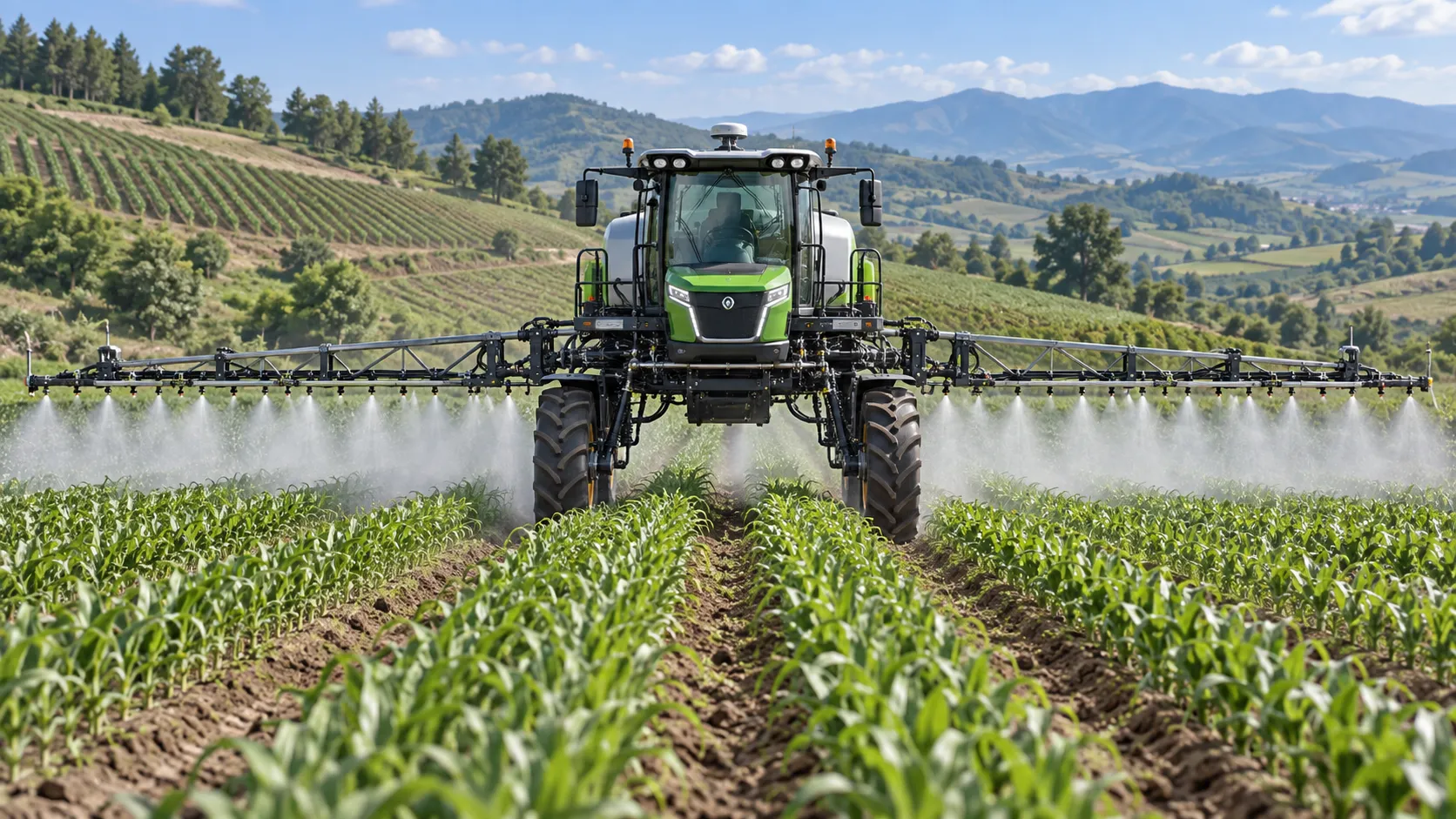
How to Select Precision Crop Protection Equipment for Variable Field Conditions
Precision crop protection equipment selection made simple: compare terrain, canopy, weather, control accuracy, and data workflows for reliable applications.
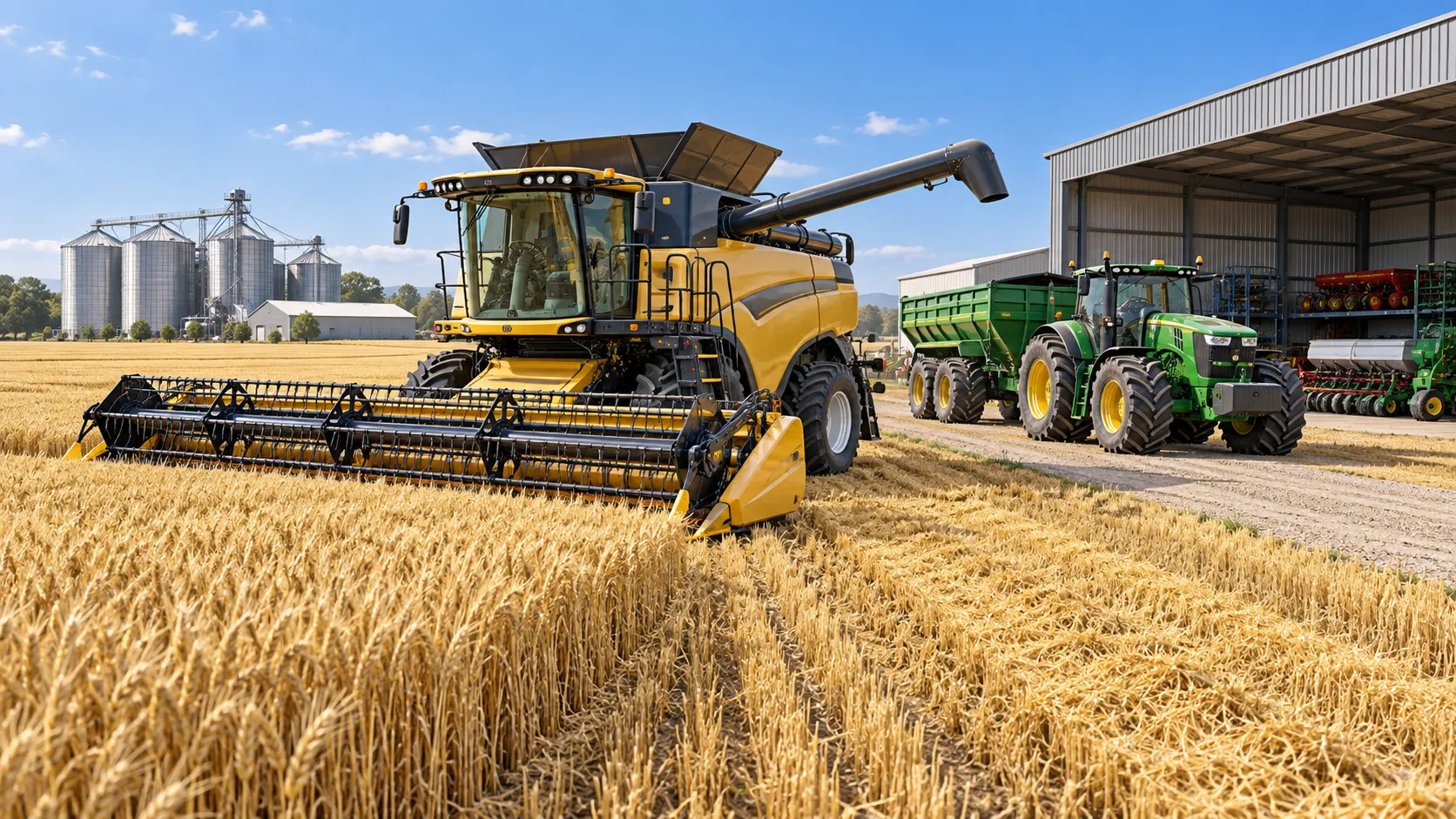
When Does Agricultural Machinery Leasing Cost Less Than Owning Equipment?
Agricultural machinery leasing can lower farm costs when use is seasonal or uncertain. Compare utilization, maintenance, cash flow, and risk to make a smarter equipment decision.
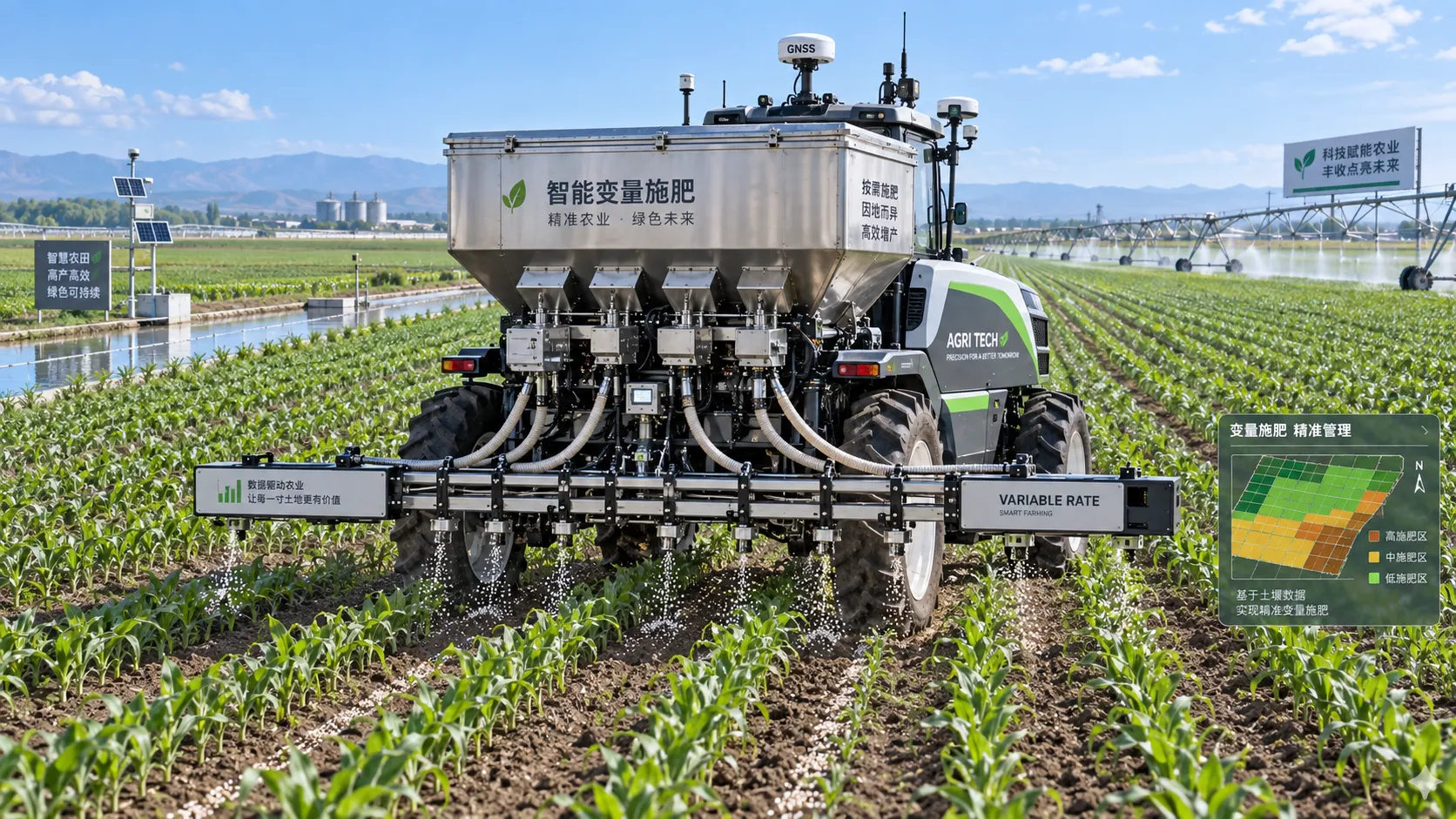
How to Evaluate Precision Fertilization System Suppliers for Farm-Scale Deployment
Precision fertilization systems suppliers: learn how to compare accuracy, integration, uptime, service, and total cost for confident farm-scale deployment.
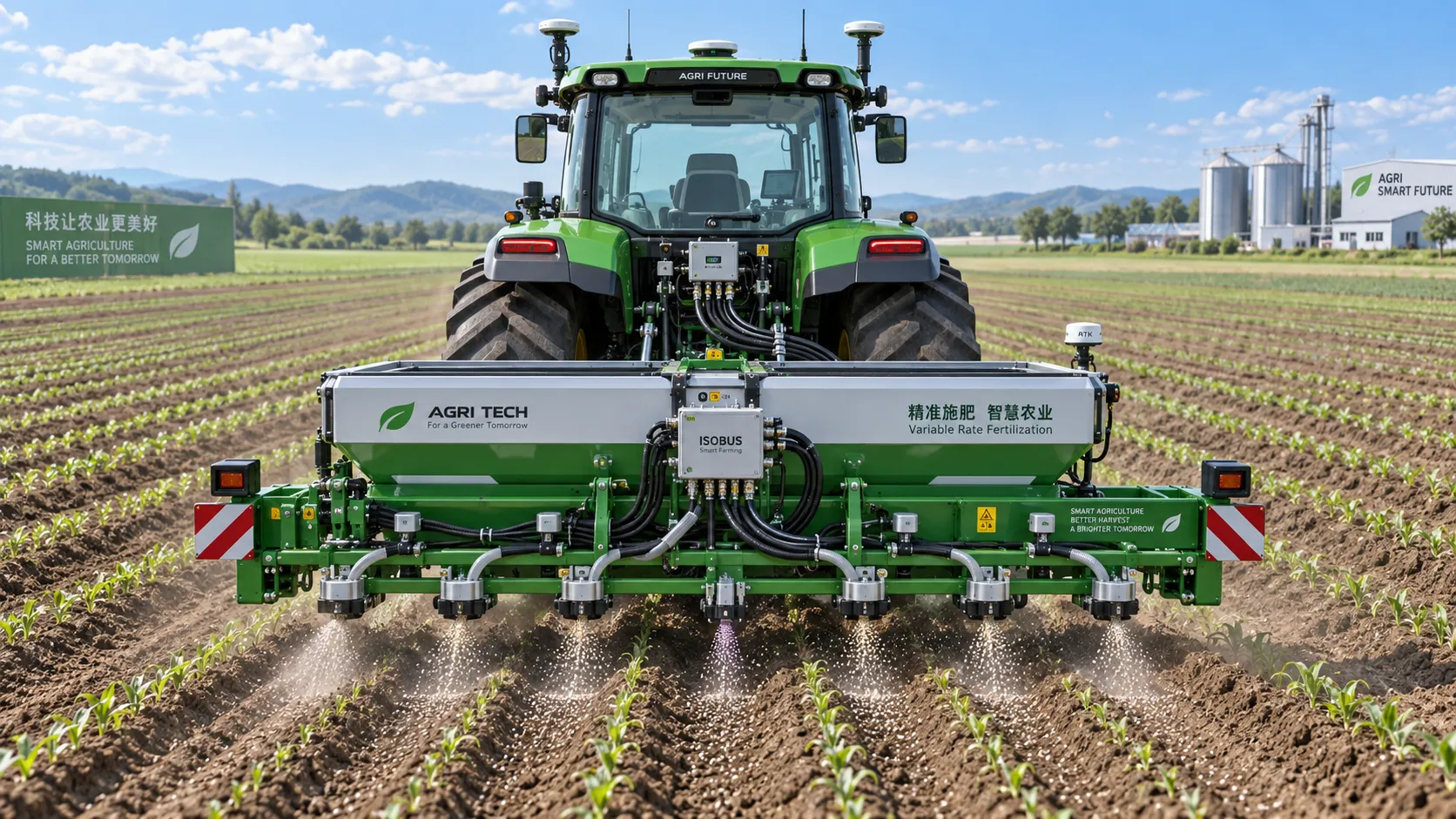
ISOBUS for Smart Agriculture: How It Connects Tractors, Implements, and Farm Data
ISOBUS for smart agriculture connects tractors, implements, terminals, and farm data—helping growers improve precision, documentation, and smarter field decisions.
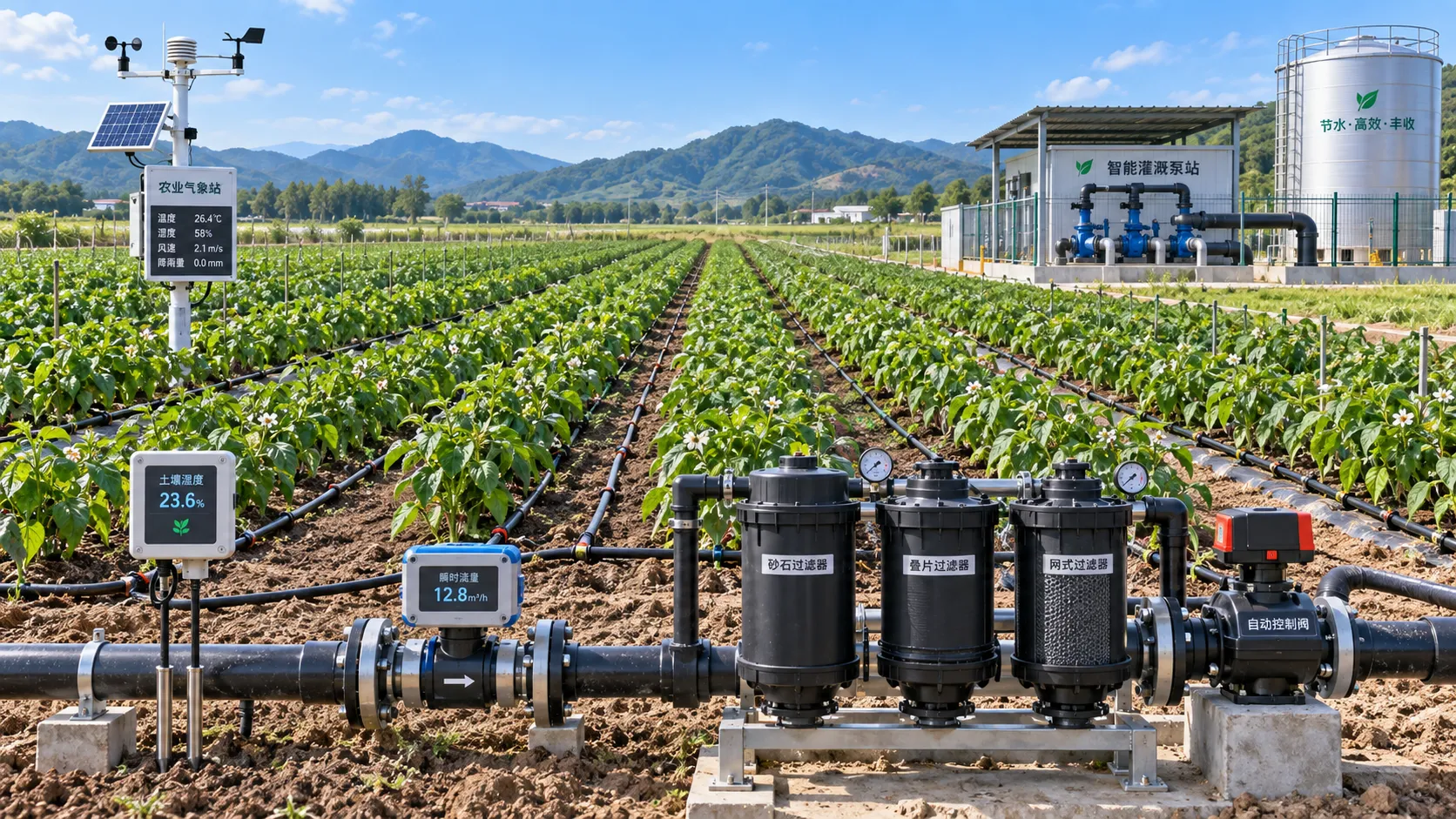
Automated Water-Saving Irrigation: How to Cut Water Use Without Reducing Crop Yields
Automated water-saving irrigation helps farms cut water use, protect crop yields, improve scheduling, and gain reliable control with sensors, flow monitoring, and smart zones.
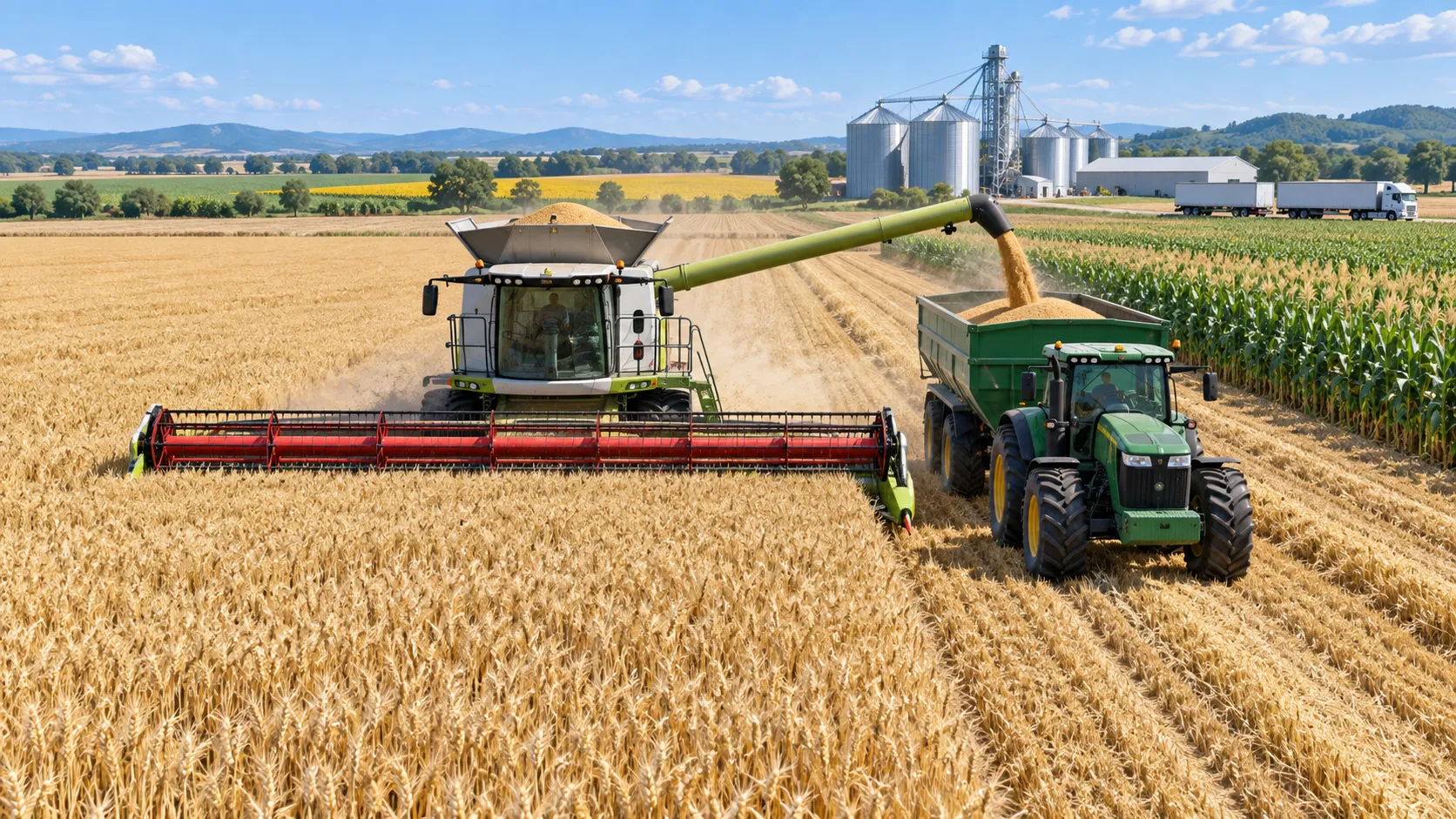
Selecting Grain Farm Equipment by Acreage, Crop Mix, and Harvest Window
Agricultural equipment selection for grain farming: match machinery to acreage, crop mix, and harvest windows to improve uptime, efficiency, and returns.
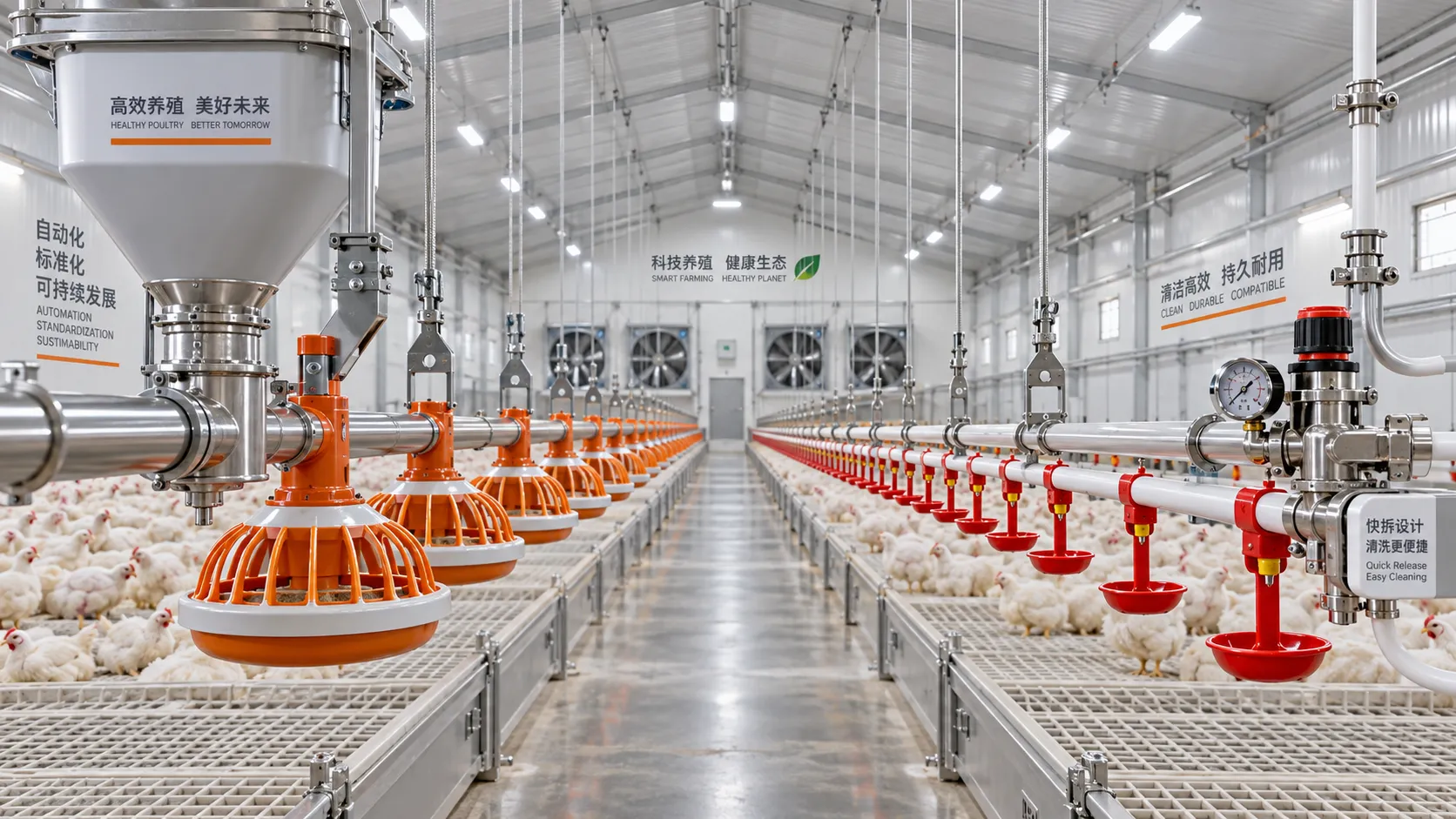
Poultry Equipment Selection: Evaluating Durability, Cleaning, and Compatibility
Poultry equipments selection guide: evaluate durability, cleaning access, and system compatibility to improve hygiene, reduce downtime, and support efficient flock management.
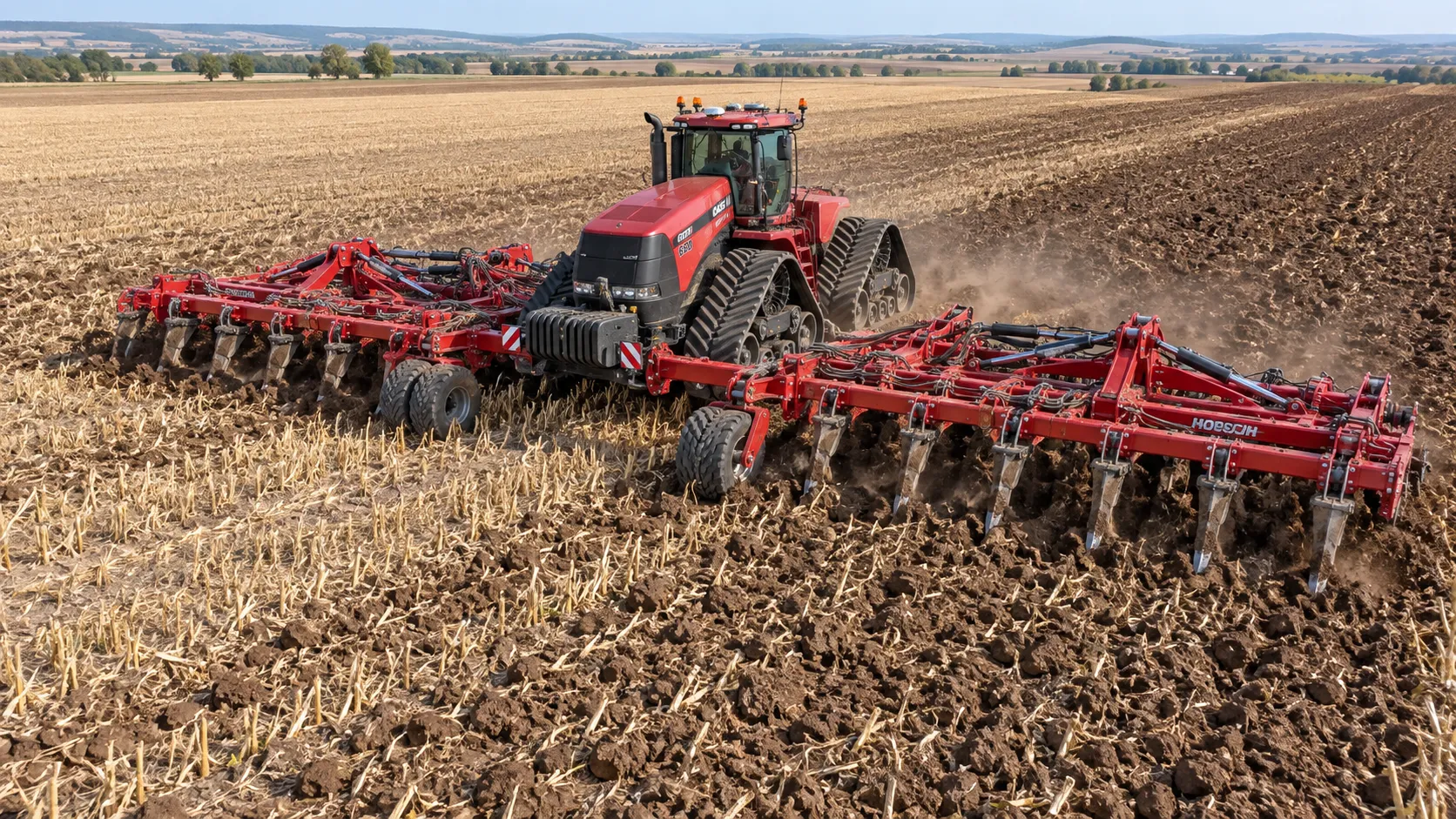
How to Select Heavy-Duty Farm Implements for High-Acreage, High-Horsepower Operations
Heavy duty farm implements: learn how to match draft, hydraulics, hitch capacity, frame strength, and field conditions for reliable high-acreage performance.
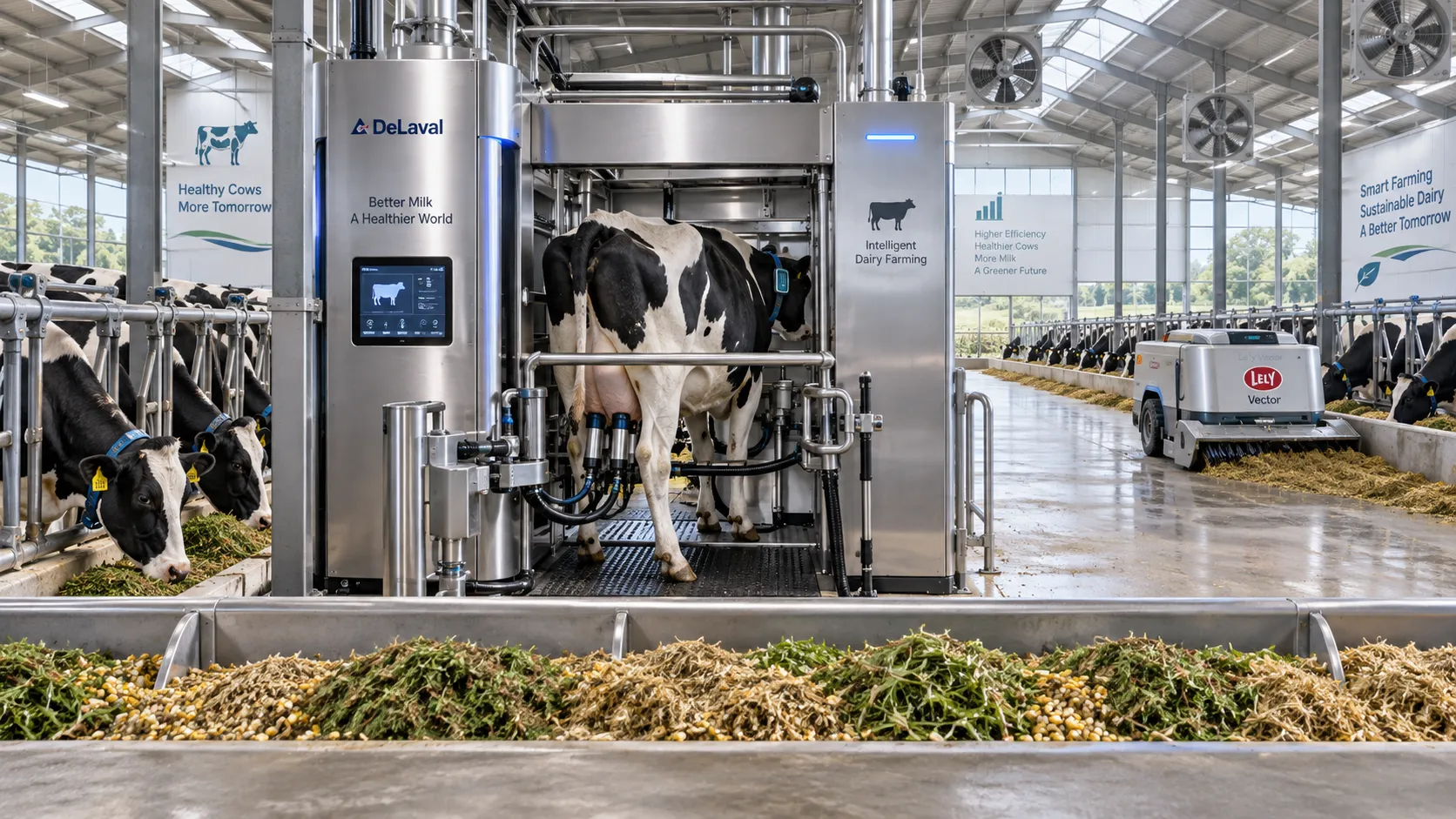
Smart Farming Technology for Dairy Farms: Where Automation Delivers Measurable ROI
Smart farming technology for dairy farms delivers measurable ROI through automation, precision feeding, health monitoring, and data-driven cost control.
Related News
- 00
0000-00
What separates robotic automation providers for equipment production? - 00
0000-00
Which field data collection provider fits an agricultural robotics program? - 00
0000-00
How Autonomous Machinery for Crop Scouting Helps Growers Detect Field Issues Earlier - 00
0000-00
How to Evaluate Autonomous Machinery for Vineyards by Terrain, Tasks, and ROI - 00
0000-00
Brazil ANVISA Rule Requires Portuguese Risk Labels for Farm Robots
Popular Tags
Tractor Power Architect
Weekly Insights
Stay ahead with our curated technology reports delivered every Monday.