
China Opens Fast-Track Export Certification for Agricultural Robots





On June 19, 2026, China introduced a new acceleration plan for export compliance in agricultural robotics, linking scenario-based validation with a faster certification path for CE, UKCA, and ANATEL review. For manufacturers of autonomous robots, certification teams, export operations, and overseas channel partners, the development is worth close attention because it directly addresses one of the most time-sensitive stages between product readiness and market entry.
What the June 19 announcement confirms
According to the information provided, the Ministry of Industry and Information Technology and China’s certification authority jointly released an Agricultural Robot Export Compliance Acceleration Plan on June 19, 2026. The plan applies to autonomous robot companies that have passed verification in six categories of scenarios, including autonomous navigation for field operations and coordinated obstacle avoidance based on multiple sensing sources.
For eligible companies, a joint review channel has been opened for CE, UKCA, and ANATEL certification. The stated certification cycle is reduced from 120 days to no more than 35 working days. The first application window closes on July 15.
Where the impact may be felt first
Export-oriented robot manufacturers face a shorter compliance window
Analysis shows that the most direct effect is on companies already preparing agricultural robots for overseas shipment. If a business can enter the joint review channel after completing the required scenario validation, the certification stage may become more compressed in project planning, delivery scheduling, and launch coordination.
Certification and regulatory teams will need to align earlier with product validation
From an industry perspective, this announcement suggests a closer link between technical scenario verification and export compliance processing. Teams responsible for testing materials, certification files, and submission timing may need to pay closer attention to whether scenario validation and export certification can be organized as a more integrated workflow rather than as separate late-stage tasks.
Overseas sales, channel, and delivery functions may need to revisit timelines
For commercial teams, the potential impact is less about demand itself and more about execution rhythm. A shorter certification cycle, if realized in practice, could affect quotation validity, shipment planning, distributor communication, and customer expectations around delivery windows in CE-, UKCA-, and ANATEL-related markets.
Supply chain service providers may need to adjust document and handoff preparation
Observably, any acceleration in compliance review places more pressure on supporting service roles. Partners involved in export documentation, certification coordination, and delivery handoff may need to focus on whether supporting files, product declarations, and submission packages are complete enough to match a tighter review timetable.
What companies should monitor now
Watch the exact interpretation of the six scenario categories
What deserves closer attention is how the relevant scenario validations are defined and applied in practice. The current information confirms that six scenario categories are involved, but companies will need to track official wording and implementation details to determine whether their products clearly qualify for the accelerated channel.
Separate policy signal from actual execution readiness
Analysis shows that an announced fast-track process and a fully executable internal readiness plan are not the same thing. Companies should compare the stated review timeline with their own document quality, product status, and internal approval pace before revising customer-facing commitments.
Prepare application materials against the July 15 first-batch deadline
The first acceptance deadline creates an immediate operational checkpoint. For businesses considering the initial batch, attention should center on whether scenario verification status, certification materials, and cross-functional coordination are sufficiently advanced to support a timely submission.
Review customer communication and delivery assumptions
For firms already in overseas discussions, it may be prudent to reassess how certification timing is presented to customers and partners. The shorter cycle is an important policy development, but practical commitments should still reflect the company’s own readiness and the possibility that implementation details continue to evolve.
Why this matters beyond the headline
This should be read first as a policy and process signal rather than as a completed market outcome. Analysis shows that the announcement points to an effort to connect scenario-based validation with export certification efficiency, which may matter for how agricultural robot companies organize product verification and overseas compliance work.
At the same time, it is more appropriate to understand this as an industry development that still requires observation. The confirmed facts establish the existence of the acceleration plan, the three-certification joint review channel, the shorter stated cycle, and the first application deadline. They do not by themselves confirm how broadly companies will qualify or how the process will perform across different cases.
How to read the development at this stage
In practical terms, this update matters because it places export compliance at the center of agricultural robot commercialization rather than treating it as a purely administrative step. For the industry, the immediate significance lies in time compression and process coordination; the broader significance depends on how the scenario validation standards and review execution develop after the first batch.
For now, the most balanced interpretation is that this is a concrete short-term operational change with possible longer-term implications for export preparation in agricultural robotics. It is not yet a basis for broad conclusions, but it is clearly a development that export-focused companies should follow closely.
Basis of this article
This article is based on the user-provided news title, event date, and event summary. No specific official source link was included in the input, so the underlying official publication link still needs to be verified on an ongoing basis.
For this type of industry update, commonly relevant source categories include official government notices, certification authority announcements, company disclosures, industry association updates, authoritative media reports, and standards-related documents. Further attention should focus on any subsequent official clarification regarding the six scenario categories, eligibility details, and implementation rules for the first application batch.
Related News
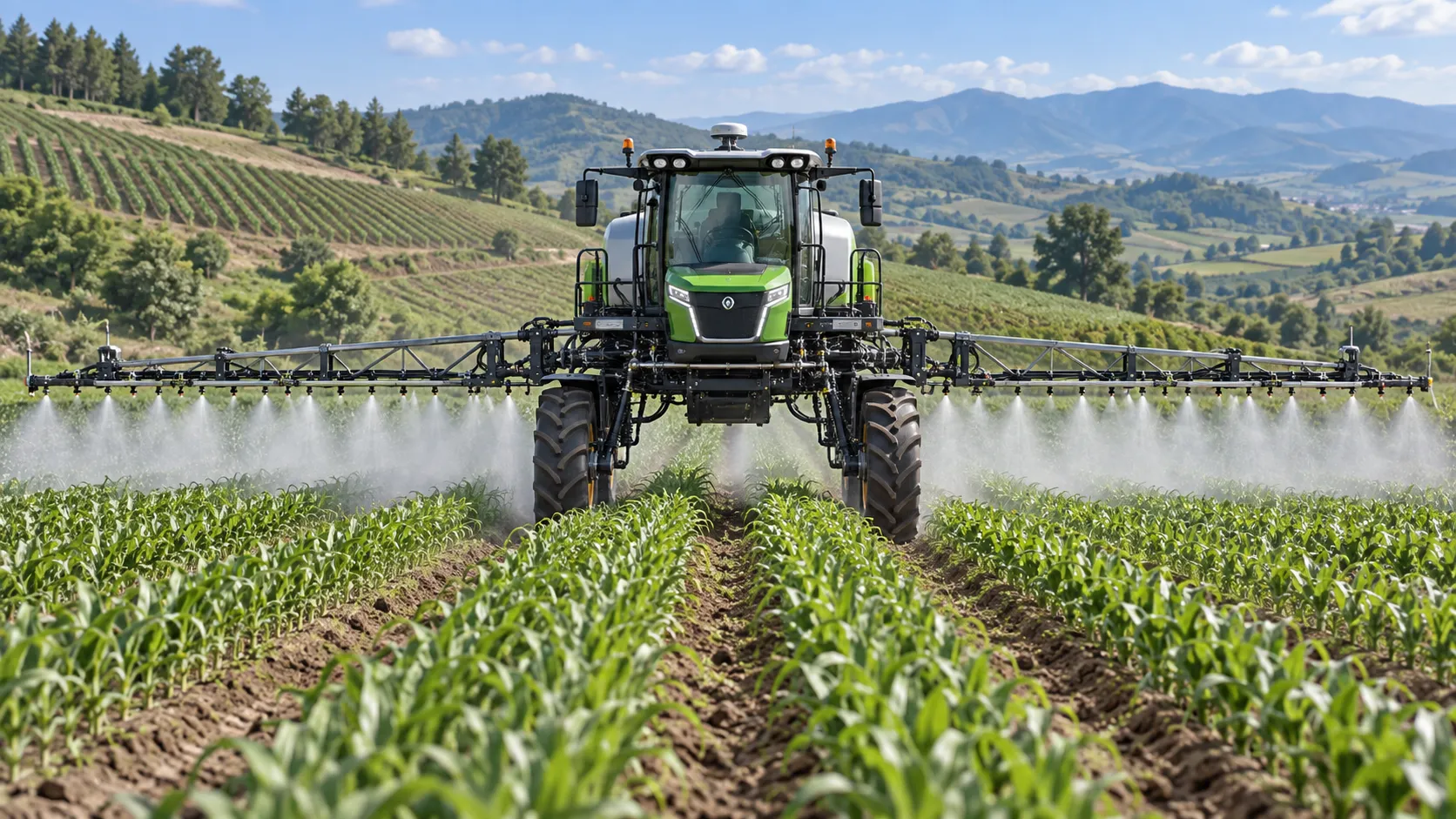
How to Select Precision Crop Protection Equipment for Variable Field Conditions
Precision crop protection equipment selection made simple: compare terrain, canopy, weather, control accuracy, and data workflows for reliable applications.

When Does Agricultural Machinery Leasing Cost Less Than Owning Equipment?
Agricultural machinery leasing can lower farm costs when use is seasonal or uncertain. Compare utilization, maintenance, cash flow, and risk to make a smarter equipment decision.
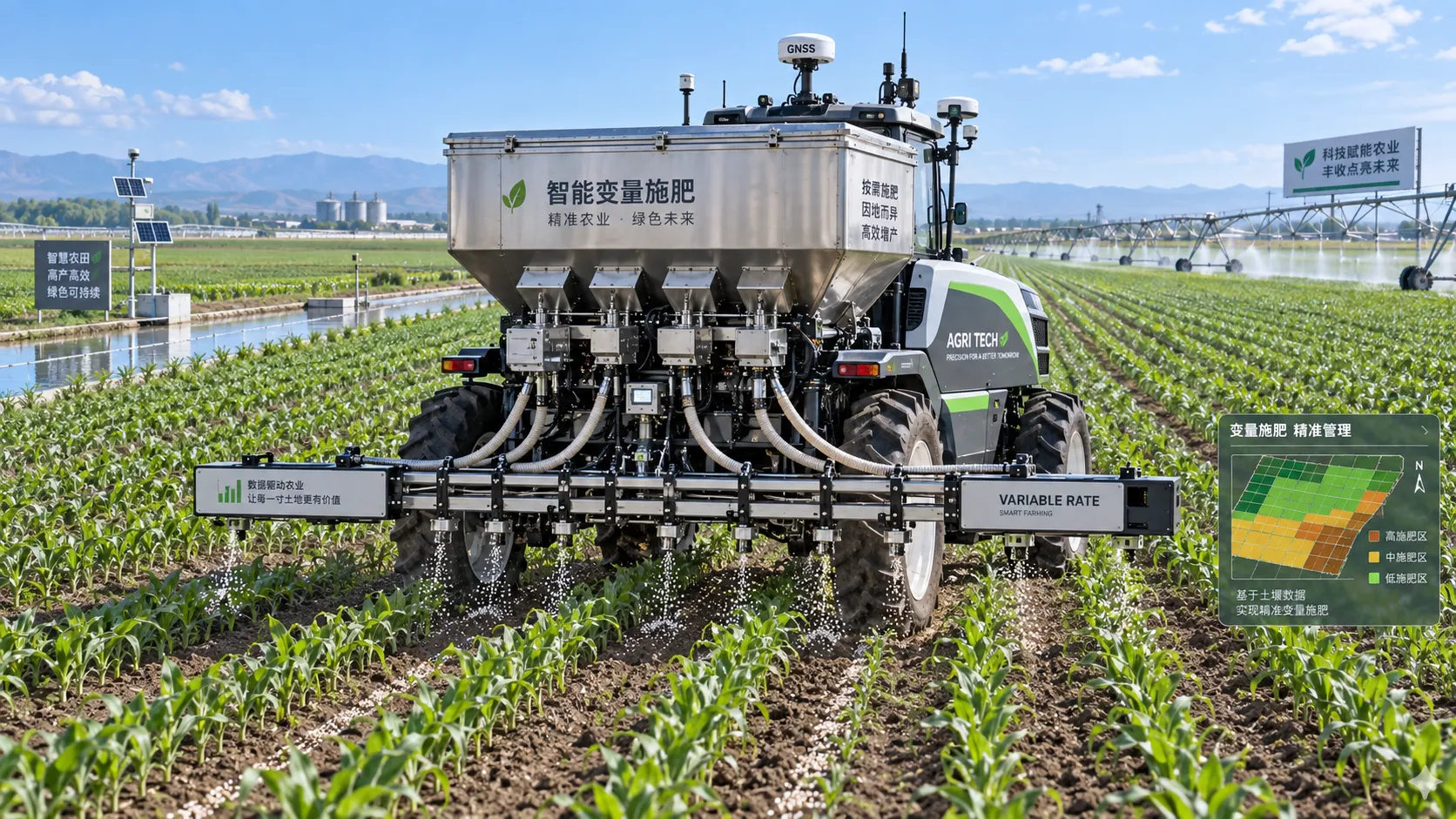
How to Evaluate Precision Fertilization System Suppliers for Farm-Scale Deployment
Precision fertilization systems suppliers: learn how to compare accuracy, integration, uptime, service, and total cost for confident farm-scale deployment.
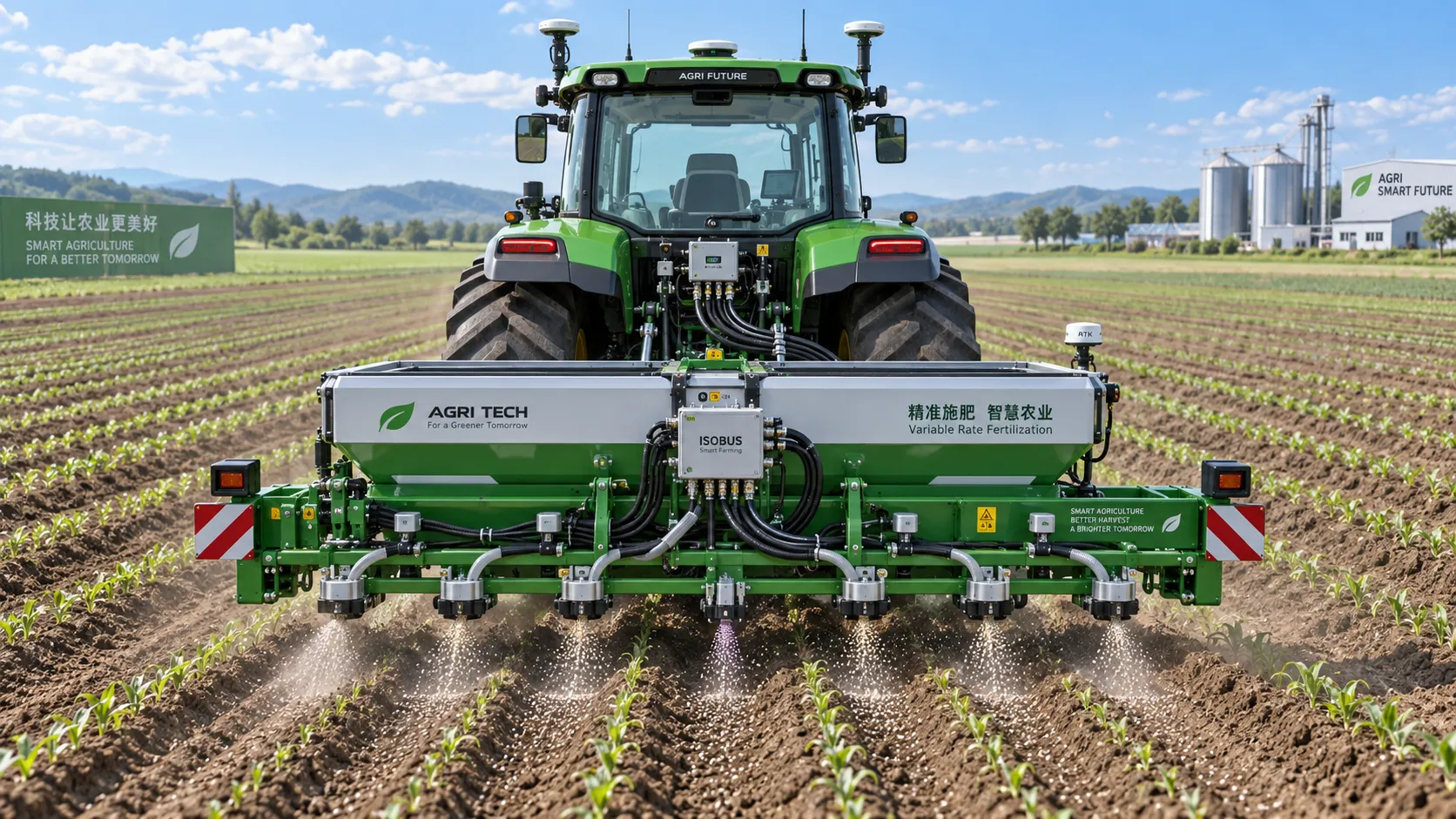
ISOBUS for Smart Agriculture: How It Connects Tractors, Implements, and Farm Data
ISOBUS for smart agriculture connects tractors, implements, terminals, and farm data—helping growers improve precision, documentation, and smarter field decisions.
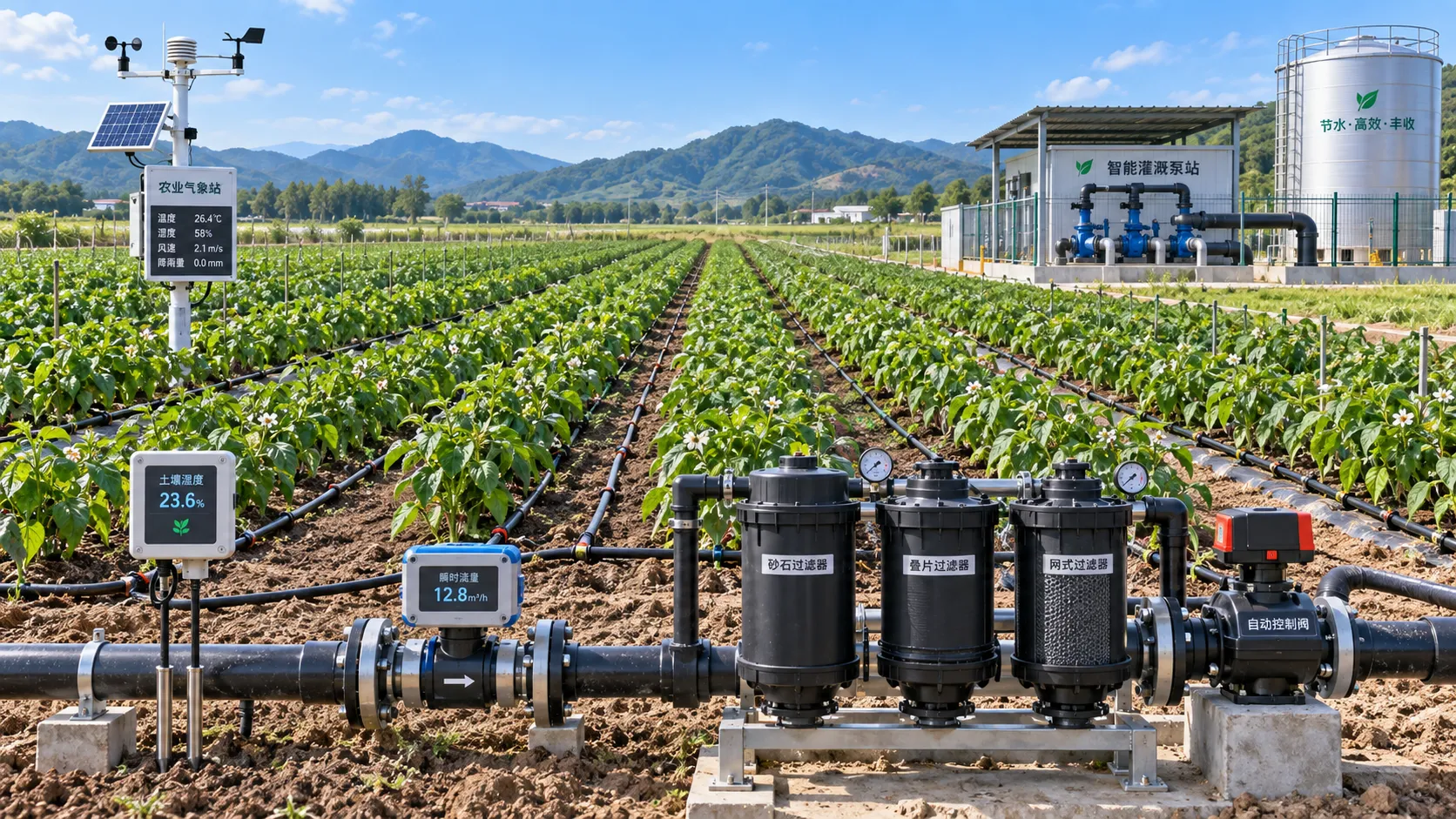
Automated Water-Saving Irrigation: How to Cut Water Use Without Reducing Crop Yields
Automated water-saving irrigation helps farms cut water use, protect crop yields, improve scheduling, and gain reliable control with sensors, flow monitoring, and smart zones.

Selecting Grain Farm Equipment by Acreage, Crop Mix, and Harvest Window
Agricultural equipment selection for grain farming: match machinery to acreage, crop mix, and harvest windows to improve uptime, efficiency, and returns.
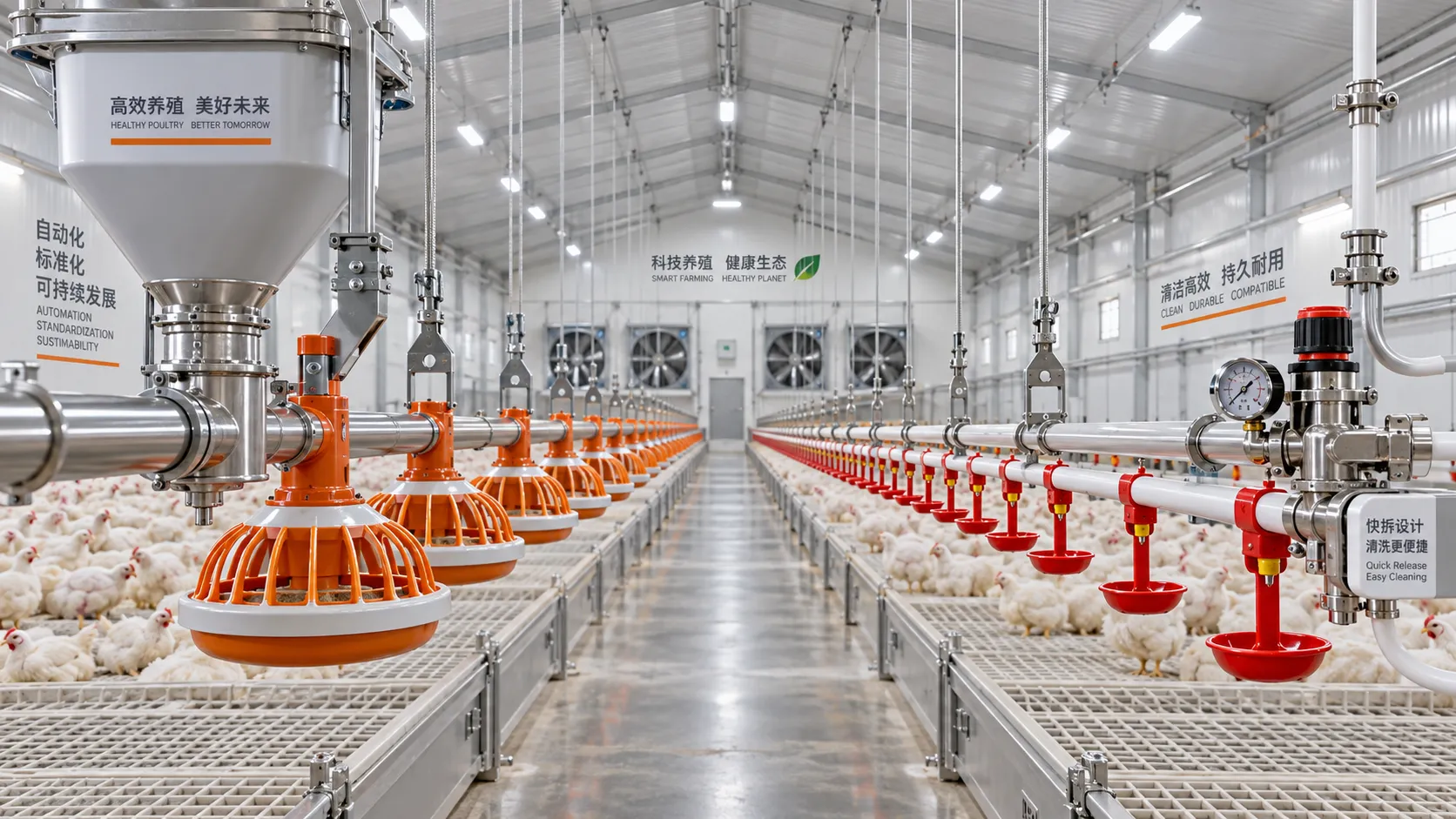
Poultry Equipment Selection: Evaluating Durability, Cleaning, and Compatibility
Poultry equipments selection guide: evaluate durability, cleaning access, and system compatibility to improve hygiene, reduce downtime, and support efficient flock management.
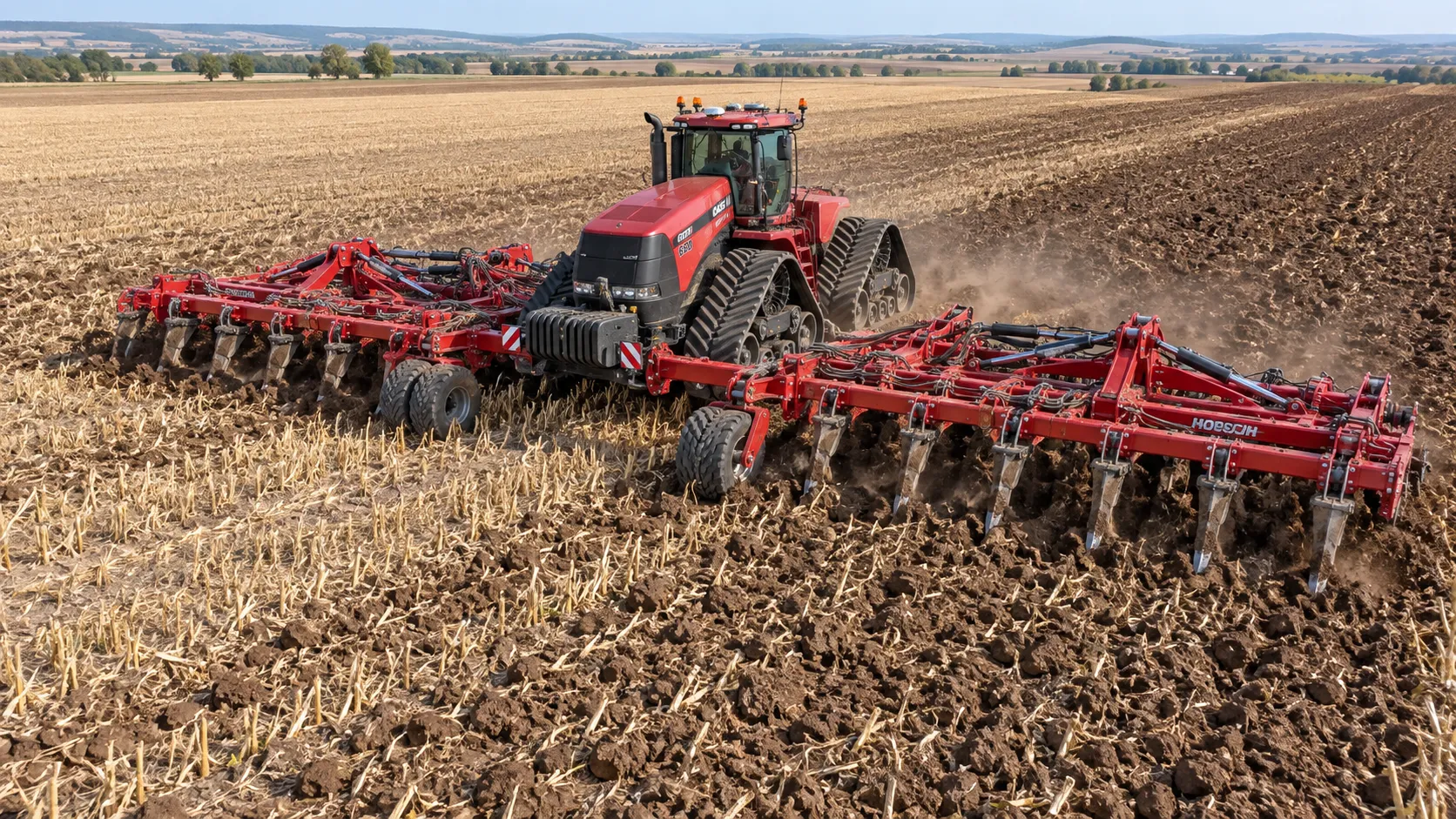
How to Select Heavy-Duty Farm Implements for High-Acreage, High-Horsepower Operations
Heavy duty farm implements: learn how to match draft, hydraulics, hitch capacity, frame strength, and field conditions for reliable high-acreage performance.
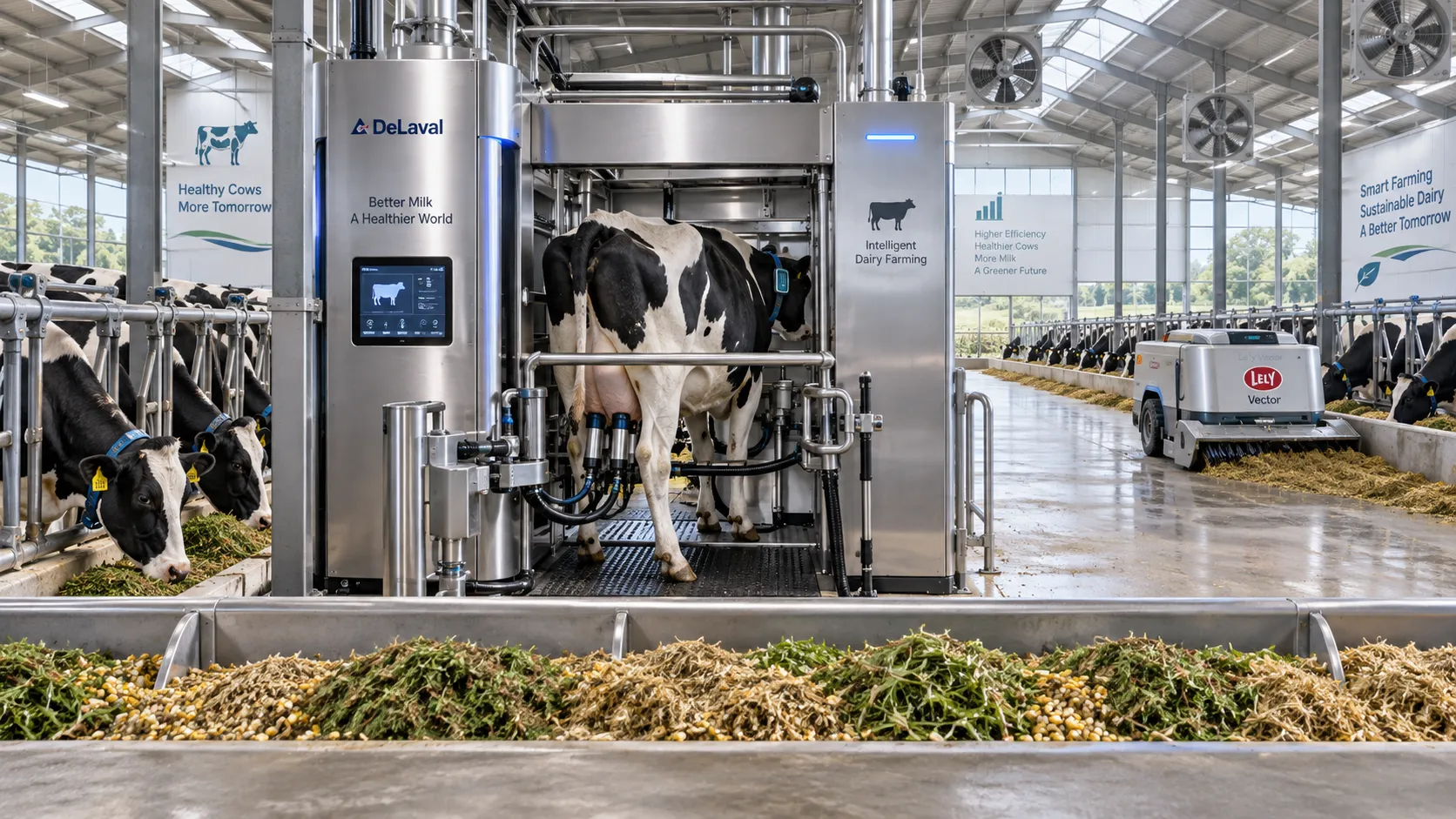
Smart Farming Technology for Dairy Farms: Where Automation Delivers Measurable ROI
Smart farming technology for dairy farms delivers measurable ROI through automation, precision feeding, health monitoring, and data-driven cost control.
Related News
- 00
0000-00
What separates robotic automation providers for equipment production? - 00
0000-00
Which field data collection provider fits an agricultural robotics program? - 00
0000-00
How Autonomous Machinery for Crop Scouting Helps Growers Detect Field Issues Earlier - 00
0000-00
How to Evaluate Autonomous Machinery for Vineyards by Terrain, Tasks, and ROI - 00
0000-00
Brazil ANVISA Rule Requires Portuguese Risk Labels for Farm Robots
Popular Tags
Tractor Power Architect
Weekly Insights
Stay ahead with our curated technology reports delivered every Monday.