
How to Evaluate Agricultural Automation Systems for Mixed-Crop Farms
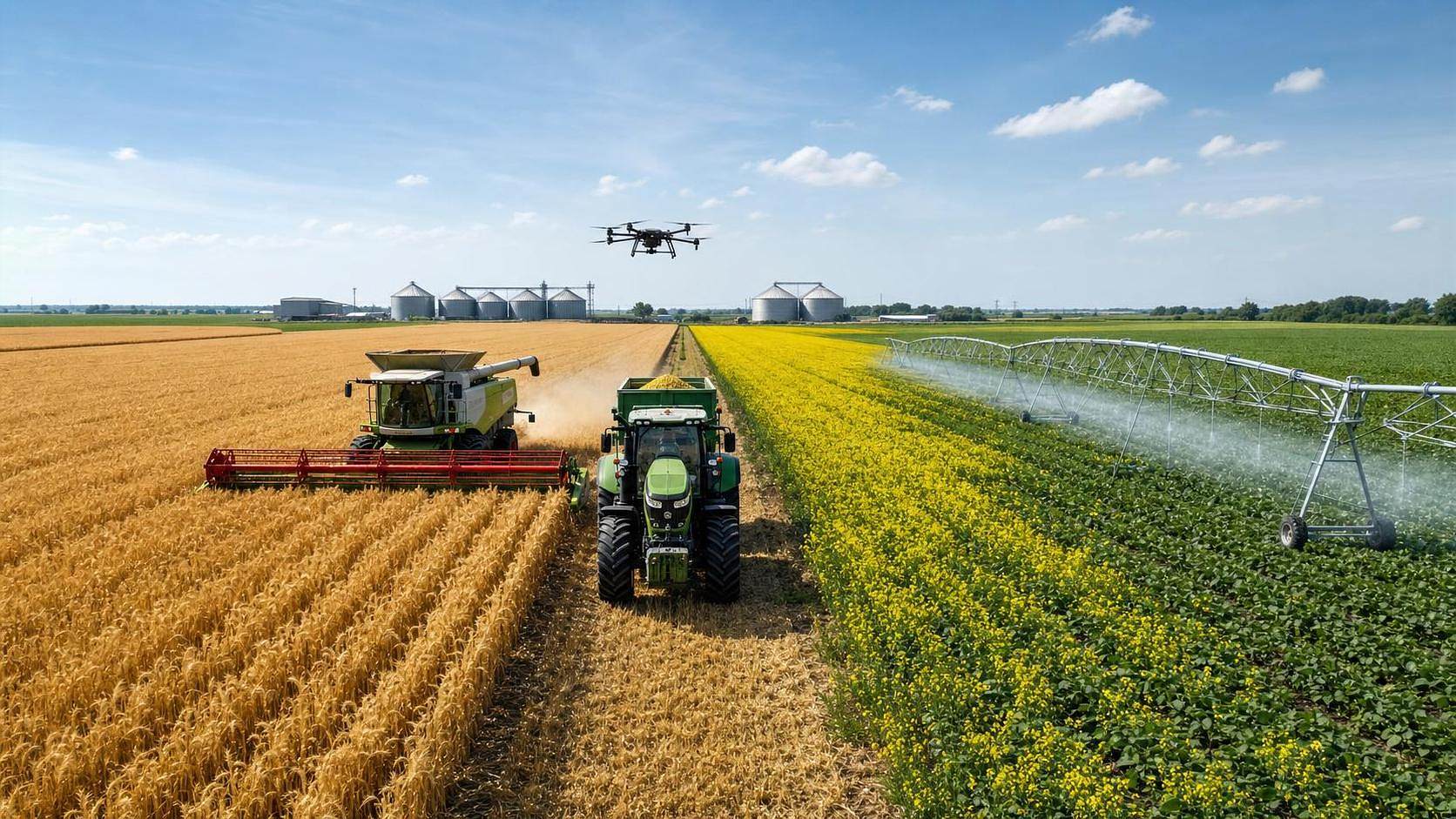




Evaluating agricultural automation systems for mixed-crop farms starts with one basic reality: diversity changes everything. A solution that works well in a single-crop model may struggle when planting windows, harvesting conditions, irrigation needs, and labor patterns vary across the same operation.
That is why the decision is no longer about adding isolated technology. It is about building an operating system for the farm, where machinery, field data, irrigation controls, and crop-specific workflows support efficiency, resilience, and measurable return.
In this environment, agricultural automation systems should be judged not only by features, but by how they perform across different crop cycles. For operations balancing cereals, oilseeds, specialty crops, or forage, compatibility and adaptability matter as much as headline automation claims.
This is also where intelligence-led evaluation becomes valuable. Platforms such as AP-Strategy, with its focus on large-scale machinery, combine harvesters, tractor chassis, intelligent farm tools, and water-saving irrigation, reflect how modern assessment increasingly connects mechanics, data, and sustainability.
Why mixed-crop farms need a different evaluation lens
A mixed-crop farm rarely has one stable operating profile. Soil preparation may require different traction and implement behavior. Seeding depth, input rates, crop protection timing, and harvest logistics can all shift by field, crop, and season.
As a result, agricultural automation systems must handle variability without creating operational friction. If the system performs well only in ideal field conditions, or only for one crop type, it may increase complexity instead of reducing it.
This matters more today because farm economics are tighter. Input volatility, labor shortages, water constraints, and policy pressure around sustainability mean that automation must support real decisions, not just technical novelty.
From an industry perspective, the strongest systems now combine machine control, sensor feedback, and decision support. That broader view aligns with Agriculture 4.0, where hardware performance and digital intelligence increasingly need to work together.
What counts as an agricultural automation system
The term covers more than autonomous tractors. On mixed-crop farms, it usually includes guidance systems, implement control, telematics, variable-rate applications, irrigation automation, combine optimization, and software that turns field data into operational instructions.
Some systems focus on a single task, such as section control for sprayers. Others are platform-based, linking tractors, harvesters, irrigation equipment, weather data, and agronomic records through one decision environment.
The practical question is not whether the technology is advanced. It is whether the automation supports the farm’s crop mix, timing pressure, operator capabilities, and capital planning.
Core categories to assess
- Machine guidance and auto-steering for consistent passes and lower overlap.
- Implement automation for seeding, spraying, tillage, and nutrient placement.
- Combine and harvester optimization for throughput, grain loss, and cleaning control.
- Precision irrigation control tied to moisture, weather, and crop stage.
- Farm data platforms that unify machine, field, and performance records.
The evaluation criteria that matter most
A useful evaluation framework should move from field reality to system capability. Many comparisons fail because buyers start with feature lists instead of operational bottlenecks.
A better approach is to test each option against five dimensions: fit, interoperability, performance, scalability, and economics. Together, these show whether agricultural automation systems can support diverse cropping without hidden penalties.
Compatibility is often the hidden deal-breaker
Many agricultural automation systems look impressive in demonstration settings. The challenge appears later, when one tractor platform cannot fully communicate with an older planter, or when irrigation software does not sync with agronomic maps.
For mixed-crop farms, this issue is amplified because equipment fleets are usually more varied. A system should be checked for ISOBUS support, data export flexibility, sensor integration, and its ability to work across multiple machine brands.
Where value appears in day-to-day operations
The value of agricultural automation systems becomes clearer when viewed through daily operational pressure. In planting season, automation can reduce overlap, improve seed placement, and preserve timing when field conditions change quickly.
During crop care, automated rate control and guidance can support more precise fertilizer and chemical use. That matters for both cost control and compliance, especially where environmental reporting is becoming stricter.
At harvest, automation has a direct relationship with throughput and loss control. AP-Strategy’s focus on combine harvesting technology is relevant here, because mixed-crop conditions often expose the difference between basic monitoring and genuinely adaptive machine intelligence.
Water management is another major value area. Intelligent irrigation that responds to crop stage, moisture readings, and evapotranspiration trends can improve resource use without treating every field the same way.
Typical signs of strong business value
- Lower overlap and fewer skipped zones across variable field shapes.
- Better labor allocation during compressed planting and harvest periods.
- Improved machine utilization across several crop calendars.
- More consistent field records for financial and agronomic decisions.
- Reduced water, fuel, or input waste without sacrificing output.
Questions worth asking before selection
The best comparisons are built around operational questions, not vendor language. A farm growing several crops should test whether the system handles frequent changeovers, different implements, and uneven field maturity without excessive recalibration.
It is also important to ask how the system performs when connectivity is weak, when operators have different skill levels, and when local service support is under pressure during peak season. Advanced functions lose value if uptime is fragile.
Another useful question concerns data ownership. Agricultural automation systems generate a growing volume of machine and field information. Decision quality improves when that data remains accessible, portable, and usable across future platforms.
A practical review checklist
- Map the farm by crop, field type, water profile, and machinery dependency.
- Identify the three costliest operational bottlenecks before reviewing vendors.
- Request proof from comparable mixed-crop environments, not generic case studies.
- Compare service models, software updates, and training commitments.
- Model return under realistic assumptions, including downtime and adoption lag.
Why market intelligence should shape the final decision
Technology evaluation does not happen in a vacuum. Grain prices, water policy, emissions standards, labor availability, and equipment financing conditions all influence the long-term value of agricultural automation systems.
This is where strategic intelligence becomes more than background reading. AP-Strategy’s cross-sector view is useful because automation choices increasingly depend on the interaction between machinery engineering, precision agriculture software, and sustainability regulation.
For example, a system with strong irrigation automation may become more valuable in regions facing tighter water controls. A combine optimization platform may justify investment sooner where crop losses, fuel use, or harvest delays are under greater scrutiny.
In other words, the better decision is often the one that matches both current field needs and likely market direction over the next three to five seasons.
Turning evaluation into a decision framework
A sound decision framework connects technical scoring with business priorities. It should rank each option by operational fit, integration risk, measurable performance, support quality, and strategic relevance to the farm’s crop mix.
That usually leads to a phased approach. One farm may begin with guidance and implement control. Another may prioritize irrigation automation or harvester analytics because those areas create the strongest near-term return.
The key is to avoid buying fragmented tools that cannot mature into a connected system. The strongest agricultural automation systems are not simply automated. They are coherent, scalable, and grounded in the operational reality of mixed-crop production.
A useful next step is to build an internal scorecard based on crop diversity, machinery compatibility, data integration, and expected payback. With that structure in place, solution comparisons become clearer, and investment decisions become more defensible.
Related News
When Does Agricultural Machinery Leasing Cost Less Than Owning Equipment?
Agricultural machinery leasing can lower farm costs when use is seasonal or uncertain. Compare utilization, maintenance, cash flow, and risk to make a smarter equipment decision.
How to Evaluate Precision Fertilization System Suppliers for Farm-Scale Deployment
Precision fertilization systems suppliers: learn how to compare accuracy, integration, uptime, service, and total cost for confident farm-scale deployment.
ISOBUS for Smart Agriculture: How It Connects Tractors, Implements, and Farm Data
ISOBUS for smart agriculture connects tractors, implements, terminals, and farm data—helping growers improve precision, documentation, and smarter field decisions.
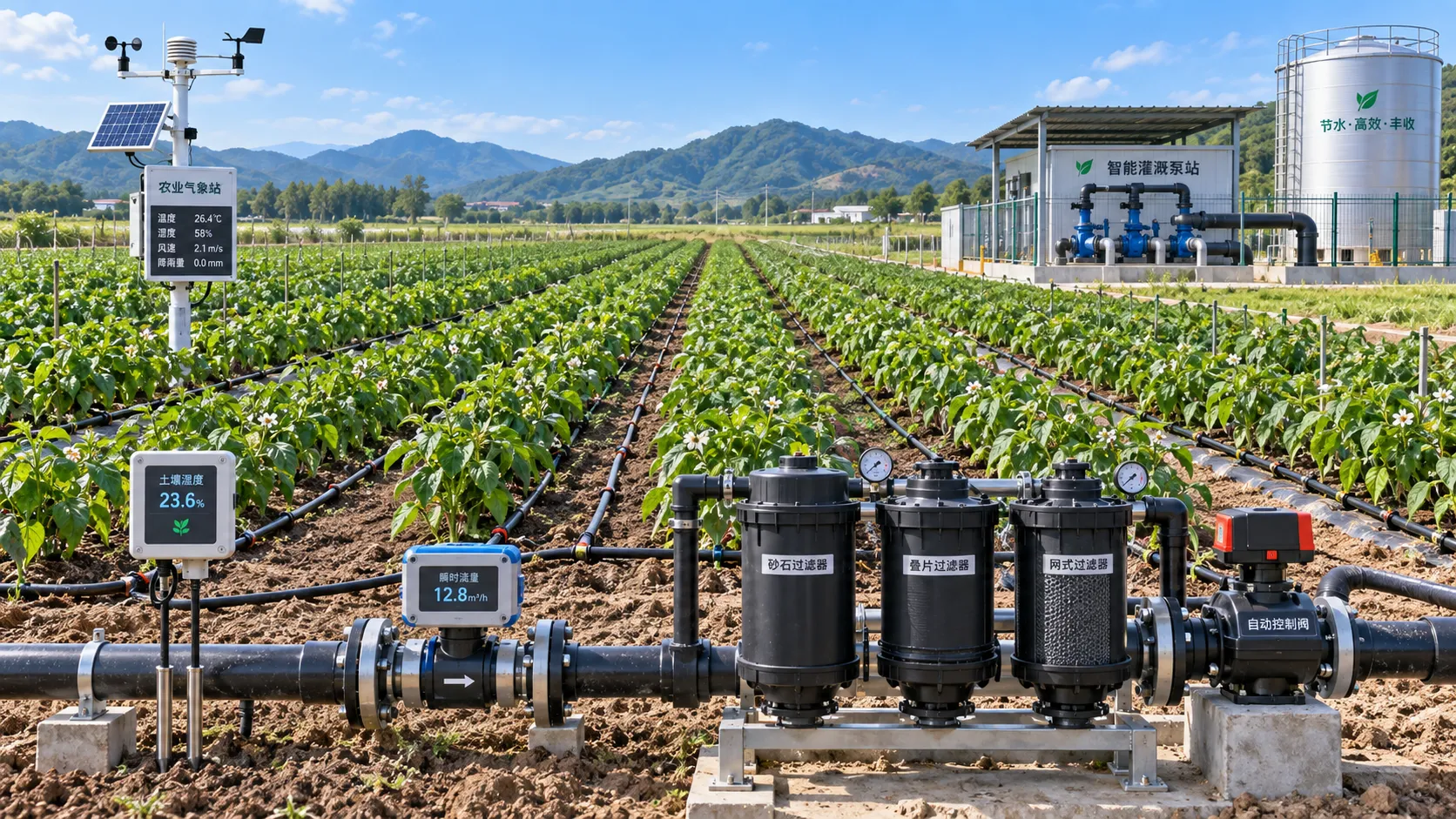
Automated Water-Saving Irrigation: How to Cut Water Use Without Reducing Crop Yields
Automated water-saving irrigation helps farms cut water use, protect crop yields, improve scheduling, and gain reliable control with sensors, flow monitoring, and smart zones.
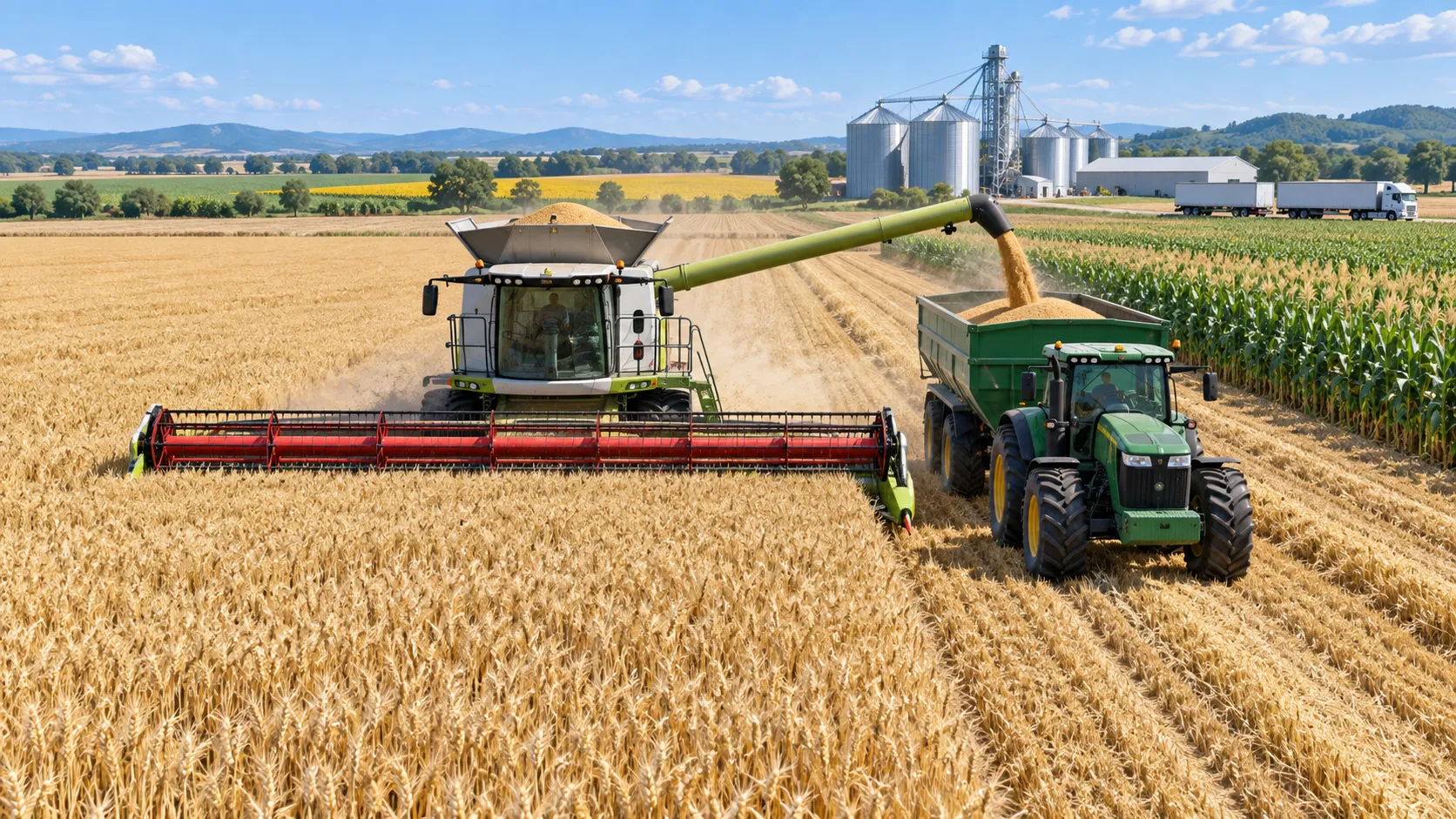
Selecting Grain Farm Equipment by Acreage, Crop Mix, and Harvest Window
Agricultural equipment selection for grain farming: match machinery to acreage, crop mix, and harvest windows to improve uptime, efficiency, and returns.
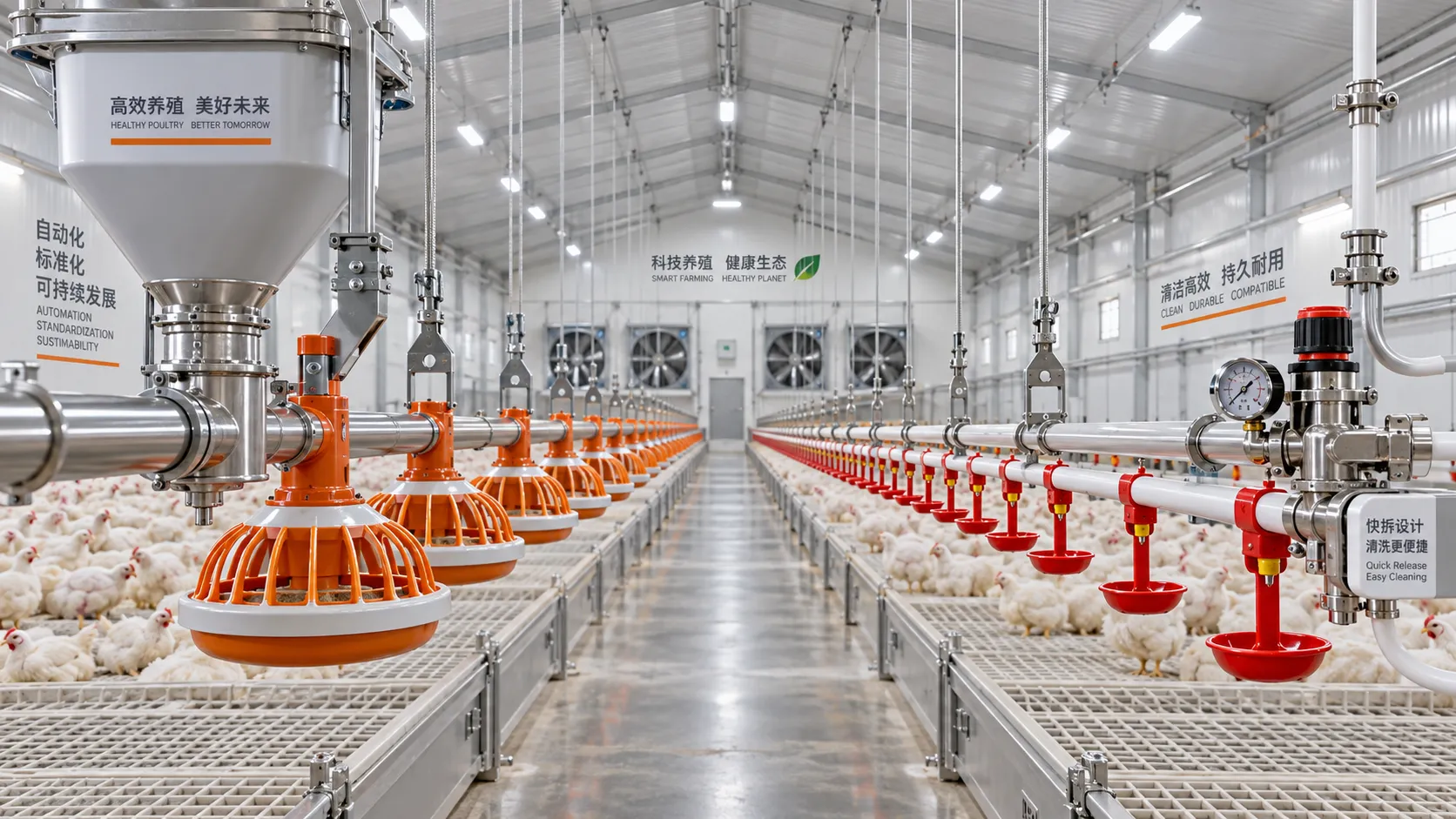
Poultry Equipment Selection: Evaluating Durability, Cleaning, and Compatibility
Poultry equipments selection guide: evaluate durability, cleaning access, and system compatibility to improve hygiene, reduce downtime, and support efficient flock management.
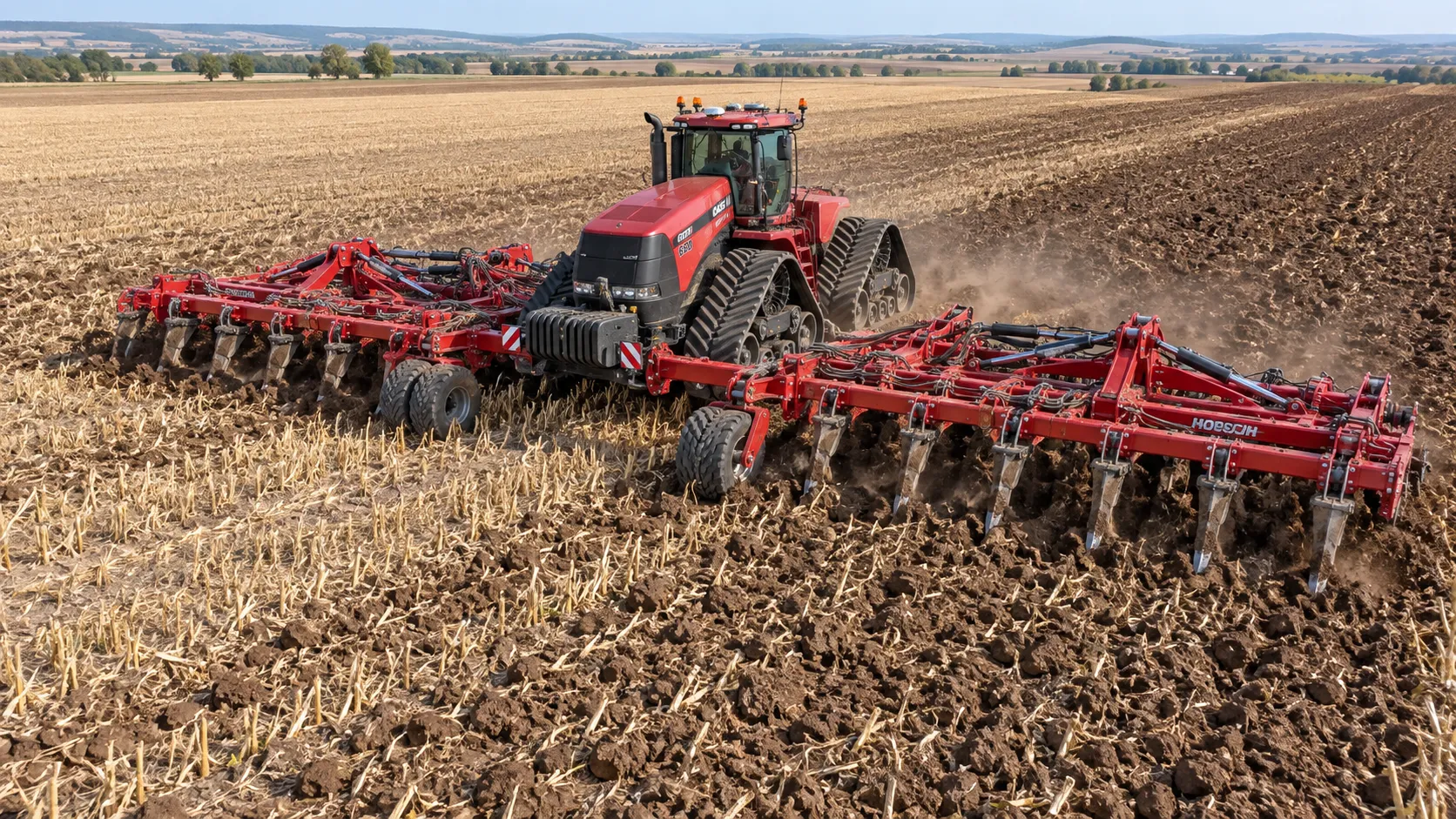
How to Select Heavy-Duty Farm Implements for High-Acreage, High-Horsepower Operations
Heavy duty farm implements: learn how to match draft, hydraulics, hitch capacity, frame strength, and field conditions for reliable high-acreage performance.
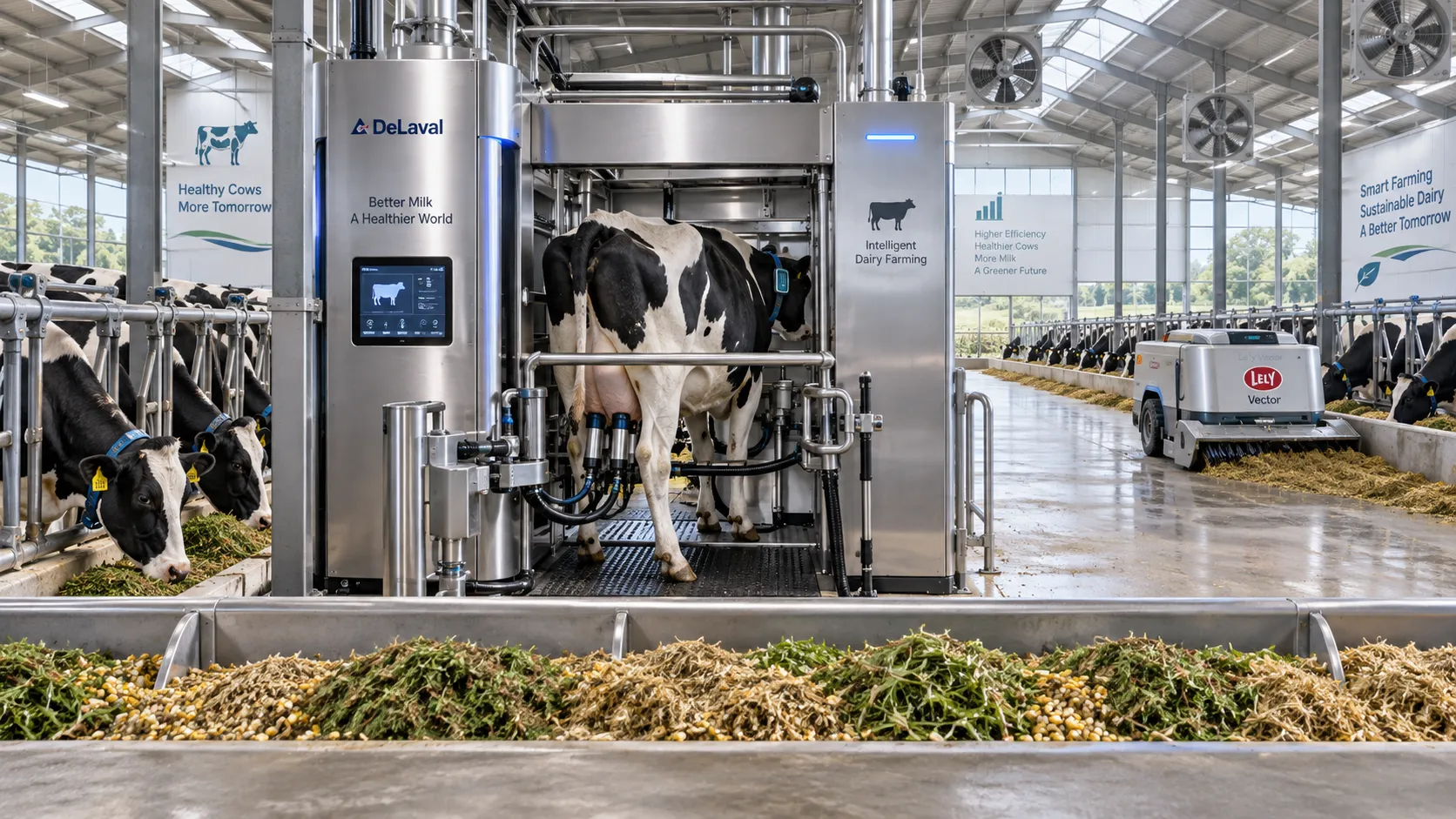
Smart Farming Technology for Dairy Farms: Where Automation Delivers Measurable ROI
Smart farming technology for dairy farms delivers measurable ROI through automation, precision feeding, health monitoring, and data-driven cost control.
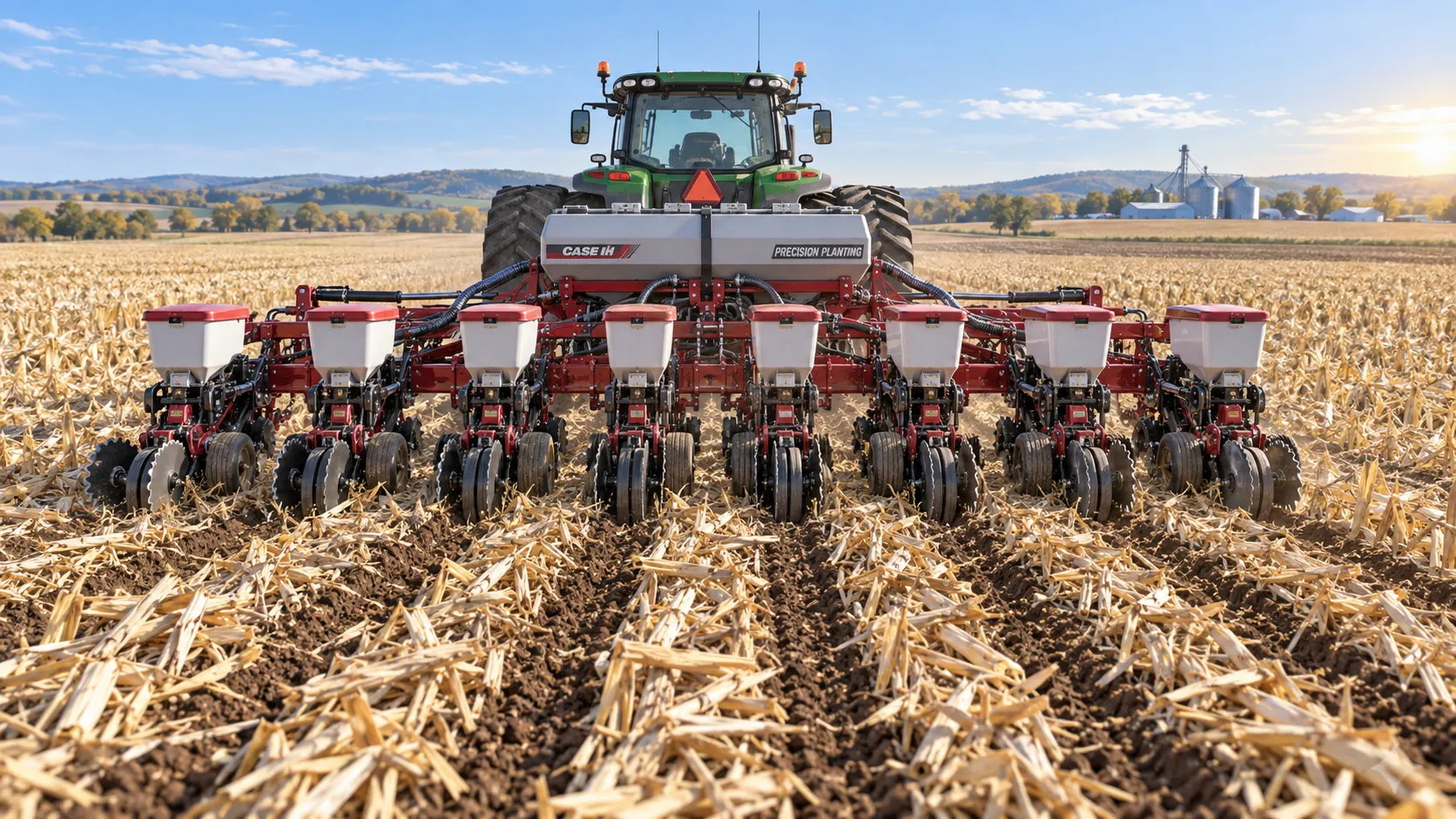
How to Select a Heavy-Duty Seeder for Large Acreage and High-Residue Fields
Heavy duty seeders for large acreage: compare residue handling, depth control, downforce, metering accuracy, and precision features to select the right model.
Related News
- 00
0000-00
What separates robotic automation providers for equipment production? - 00
0000-00
Which field data collection provider fits an agricultural robotics program? - 00
0000-00
How Autonomous Machinery for Crop Scouting Helps Growers Detect Field Issues Earlier - 00
0000-00
How to Evaluate Autonomous Machinery for Vineyards by Terrain, Tasks, and ROI - 00
0000-00
Brazil ANVISA Rule Requires Portuguese Risk Labels for Farm Robots
Popular Tags
Tractor Power Architect
Weekly Insights
Stay ahead with our curated technology reports delivered every Monday.