
China Opens Fast-Track Export Certification for Farm Robots
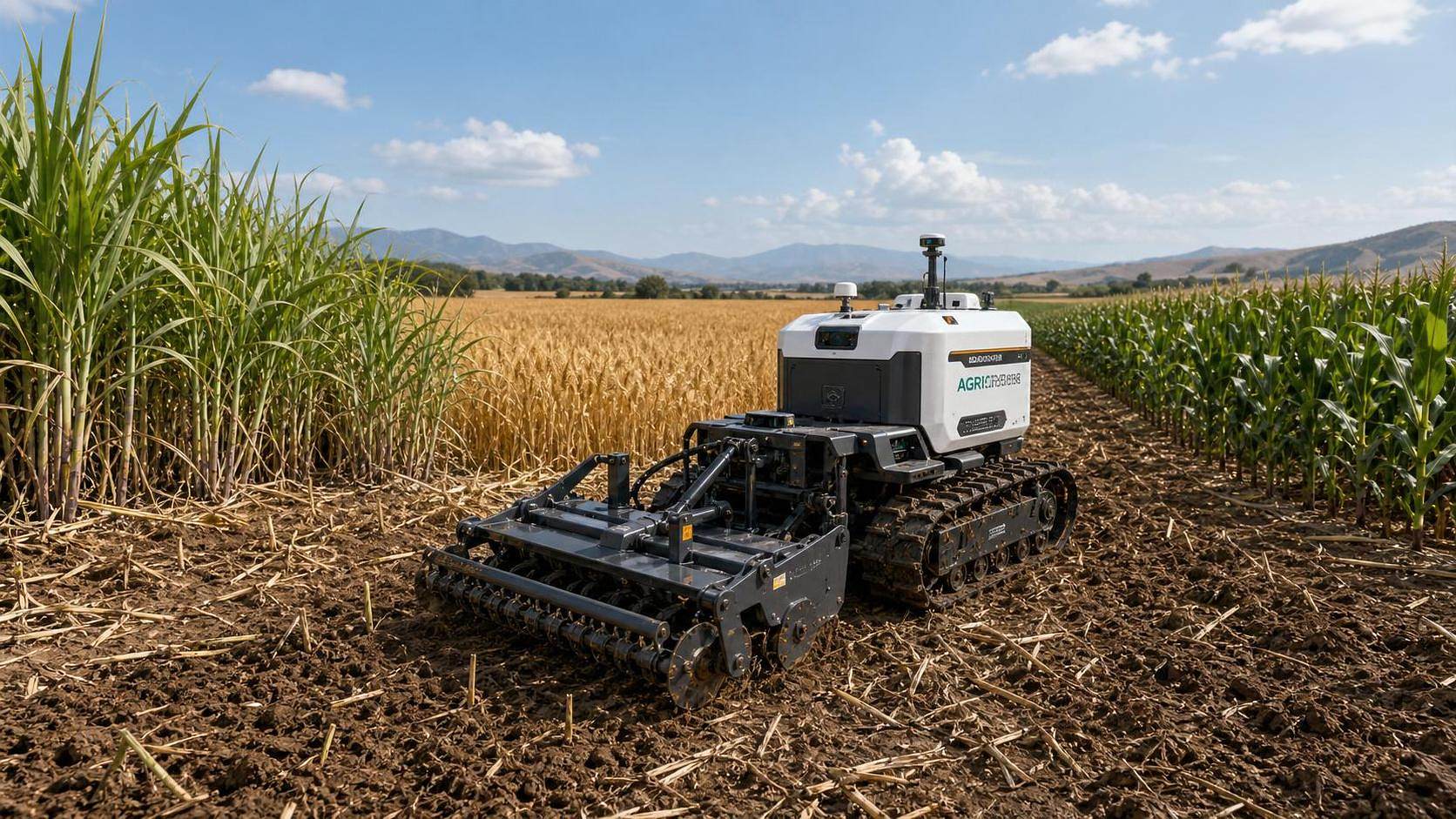




On June 15, 2026, China’s Ministry of Industry and Information Technology, together with the Ministry of Agriculture and Rural Affairs, released a 2026 selection plan for overseas agricultural robot application scenarios centered on field-based Autonomous Robots. For companies that pass scenario validation, the policy offers an expedited route for access certifications including CE, UKCA, and ANVISA, along with a 50% subsidy for third-party testing costs. For agricultural robotics manufacturers, export teams, certification service providers, and overseas channel partners, this is worth close attention because it links product validation, market-entry compliance, and target crop scenarios more directly than a standard policy notice.
What the new selection plan confirms
The released plan is titled the 2026 Agricultural Robot Overseas Application Scenario Selection Plan. It focuses on field autonomous operation systems, described as Autonomous Robots.
According to the information provided, companies that complete scenario validation under the plan will be eligible for an expedited channel for mainstream market-access certifications, including CE, UKCA, and ANVISA.
The plan also includes a 50% subsidy for third-party testing expenses. The first batch of selected companies is scheduled to be announced before July 10.
The support focus identified in the announcement covers domestic robot models suited to representative use cases including sugarcane in Brazil, wheat in Australia, and corn in Ukraine.
Where the impact may appear first
Export-oriented robot makers may face a tighter link between validation and compliance
From an industry perspective, manufacturers of field Autonomous Robots are the most directly affected group because the policy ties overseas scenario verification to faster certification access. The main impact is likely to fall on model selection, testing preparation, and export scheduling. What deserves closer attention is whether a company’s existing product documentation, validation records, and target-market certification plans can align with the announced timetable.
Certification and testing service providers may see demand shift toward scenario-based preparation
Analysis shows that third-party labs and compliance service firms may be affected through changes in project flow rather than through guaranteed volume. Because the plan explicitly mentions expedited certification channels and partial testing-cost support, the business focus may move toward earlier technical file preparation, test coordination, and faster communication around application materials. Service providers should watch for any further clarification on process details and eligibility boundaries.
Overseas distributors and project partners may pay closer attention to crop-specific fit
For channel partners and local project operators, the announcement matters because the supported scenarios are not generic. They are tied to named agricultural contexts such as Brazilian sugarcane, Australian wheat, and Ukrainian corn. That means the practical effect may show up in product positioning, pilot project discussions, and customer communication around whether a given model is suited to a clearly defined field environment.
What companies should watch now
Track the official selection timeline closely
The first batch is due to be published before July 10, so companies connected to the application process should pay close attention to subsequent official wording, including any clarification on validation standards, submission requirements, or implementation steps. The difference between a policy signal and actual business access may depend on these follow-up details.
Review target-market certification readiness
For teams planning entry into markets tied to CE, UKCA, or ANVISA, the immediate practical issue is not only whether a fast-track channel exists, but whether technical files, test records, and product descriptions are already organized for review. Observably, the value of an expedited route will depend on how complete the underlying compliance preparation is.
Match product models to named application scenarios
The policy emphasis on Brazil’s sugarcane, Australia’s wheat, and Ukraine’s corn suggests that scenario fit may matter as much as broad product capability. Companies should therefore review whether their current models, field data, and customer-facing materials are sufficiently aligned with these specific overseas operating environments.
Prepare for communication across supply and delivery teams
Analysis shows that if a company expects to benefit from faster certification handling, internal coordination may become more important across product, testing, export documentation, and delivery planning. The key issue is not to assume that policy support automatically shortens every commercial step, but to prepare for possible changes in timing, documentation, and customer commitments.
Why this looks like a policy signal rather than a completed market outcome
Observably, this development can be read as a more operational policy signal for agricultural robot exports, because it connects overseas application scenarios with certification efficiency and testing-cost support. At the same time, it is more appropriate to understand this as an opening mechanism rather than a finished result, since the actual effect still depends on scenario validation, the first published selection list, and any subsequent implementation details.
From an industry perspective, the announcement matters not because it proves immediate export expansion, but because it indicates where policy attention is being placed: field autonomous operation systems, crop-specific overseas use cases, and faster access to mainstream compliance pathways. That is useful for planning, but it is still a development that requires continued observation.
How this news is best understood at this stage
At this stage, the announcement is best understood as a near-term operational change with longer-term signaling value. In the short term, it may affect application preparation, certification planning, and resource allocation for companies already targeting overseas agricultural scenarios. In the longer term, it suggests a clearer policy interest in helping qualified domestic Autonomous Robots move from field validation toward formal market entry. The prudent reading is neither to overstate the immediate outcome nor to dismiss the policy as symbolic; it sits between those two positions and warrants close follow-up after the first list is published.
Basis of this article and what still needs verification
This article is based on the user-provided news title, event date, and event summary. No additional facts, data, company names, market figures, or source links have been added beyond the provided information.
For this type of industry update, commonly relevant source categories may include official government notices, company announcements, industry association releases, authoritative media reports, and standards-related documents. A specific official source link was not provided in the input, so the exact original notice and any later implementation documents still need to be verified on an ongoing basis.
Follow-up attention should focus on the first published selection list before July 10, any further explanation of scenario validation criteria, and any added detail on how the expedited certification channel and testing subsidy will be implemented in practice.
Related News
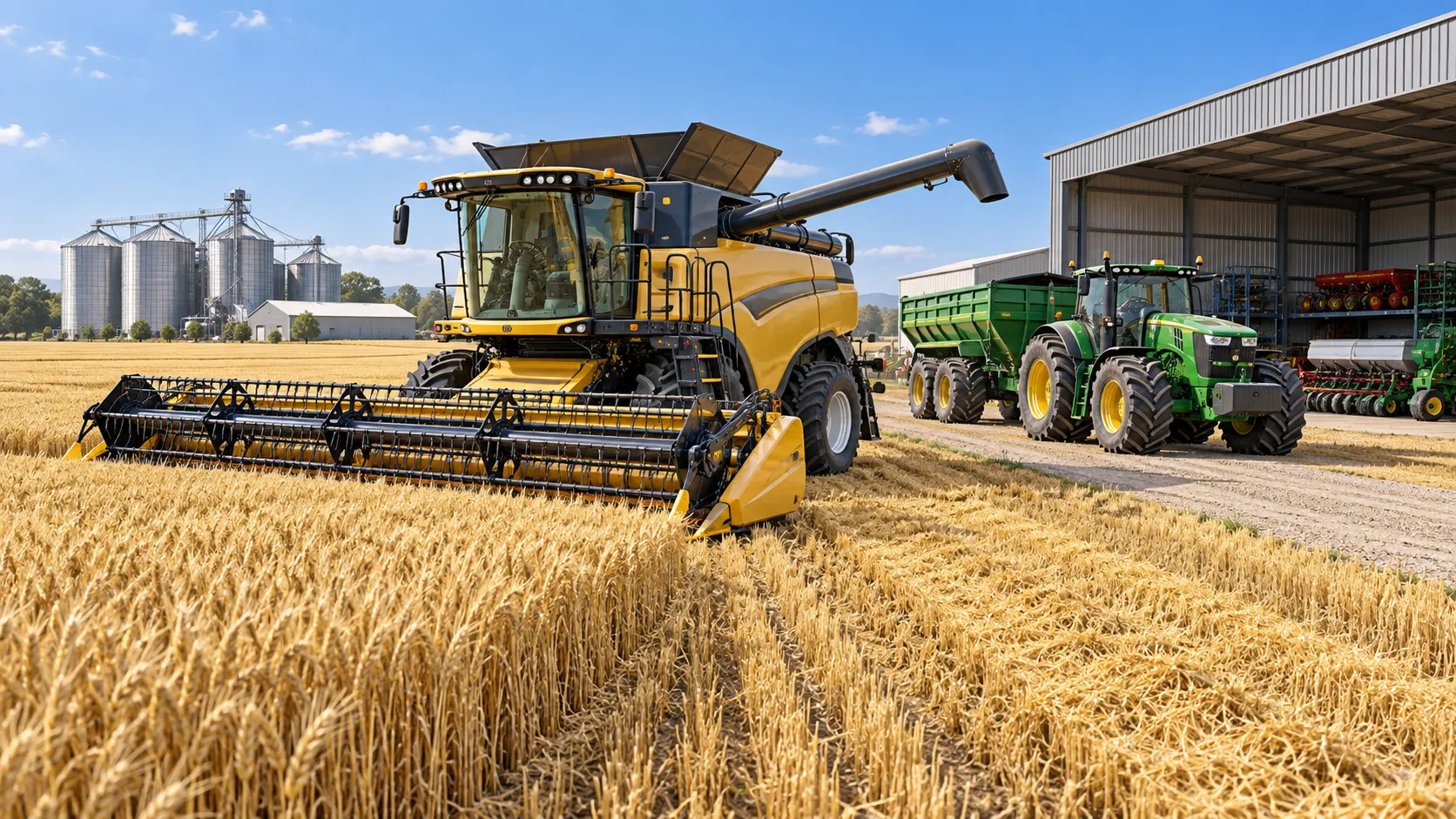
When Does Agricultural Machinery Leasing Cost Less Than Owning Equipment?
Agricultural machinery leasing can lower farm costs when use is seasonal or uncertain. Compare utilization, maintenance, cash flow, and risk to make a smarter equipment decision.
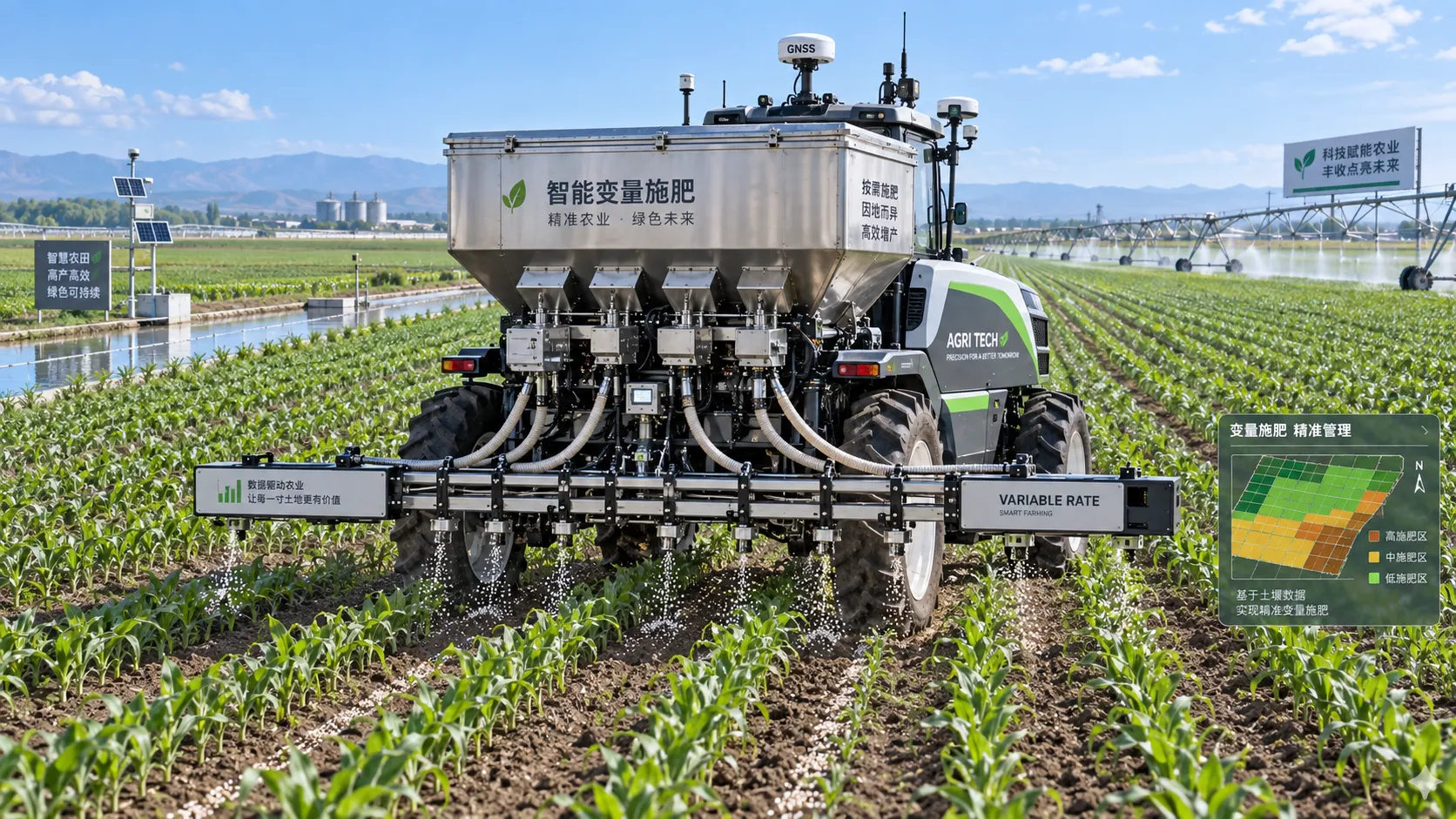
How to Evaluate Precision Fertilization System Suppliers for Farm-Scale Deployment
Precision fertilization systems suppliers: learn how to compare accuracy, integration, uptime, service, and total cost for confident farm-scale deployment.
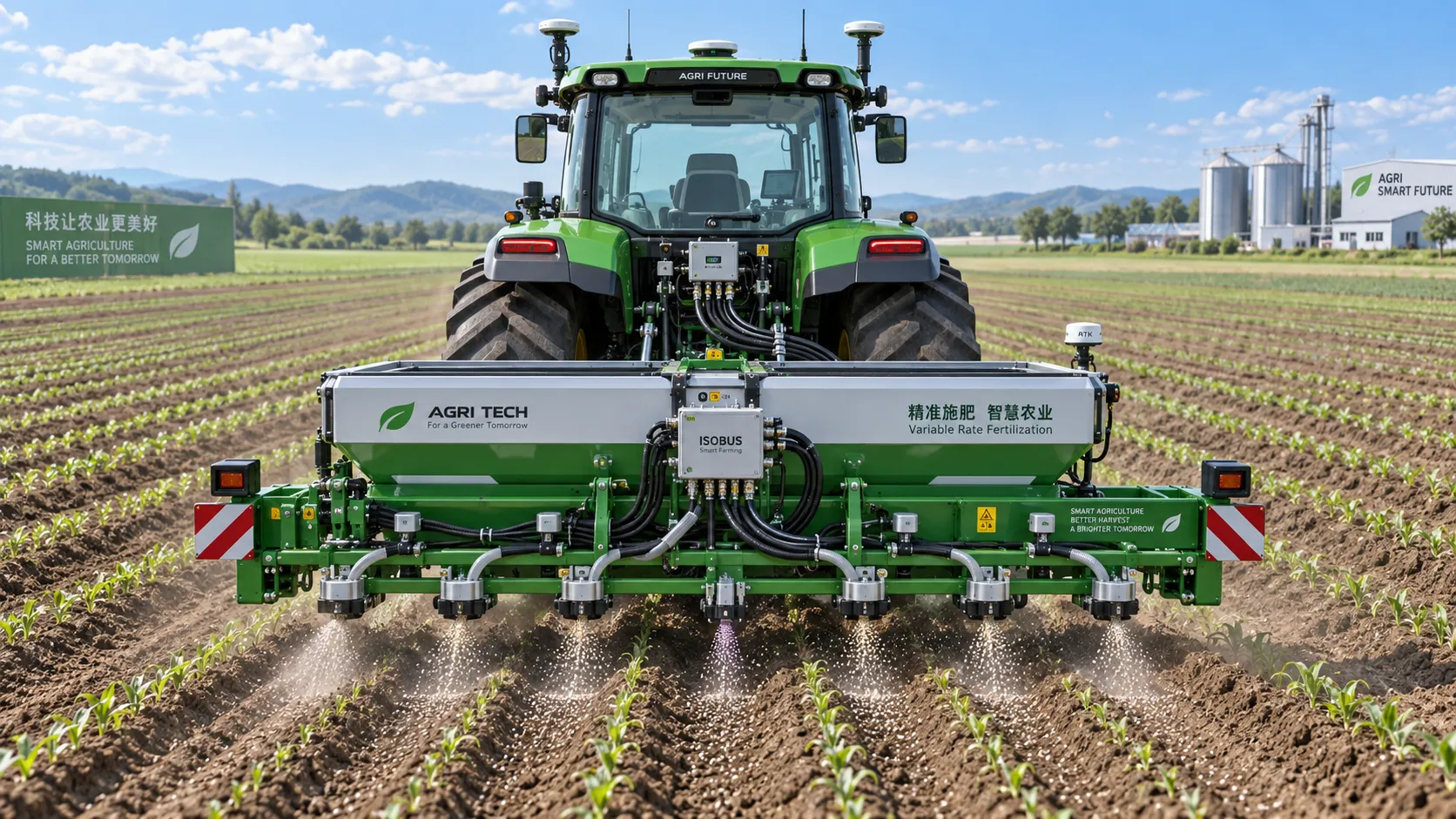
ISOBUS for Smart Agriculture: How It Connects Tractors, Implements, and Farm Data
ISOBUS for smart agriculture connects tractors, implements, terminals, and farm data—helping growers improve precision, documentation, and smarter field decisions.
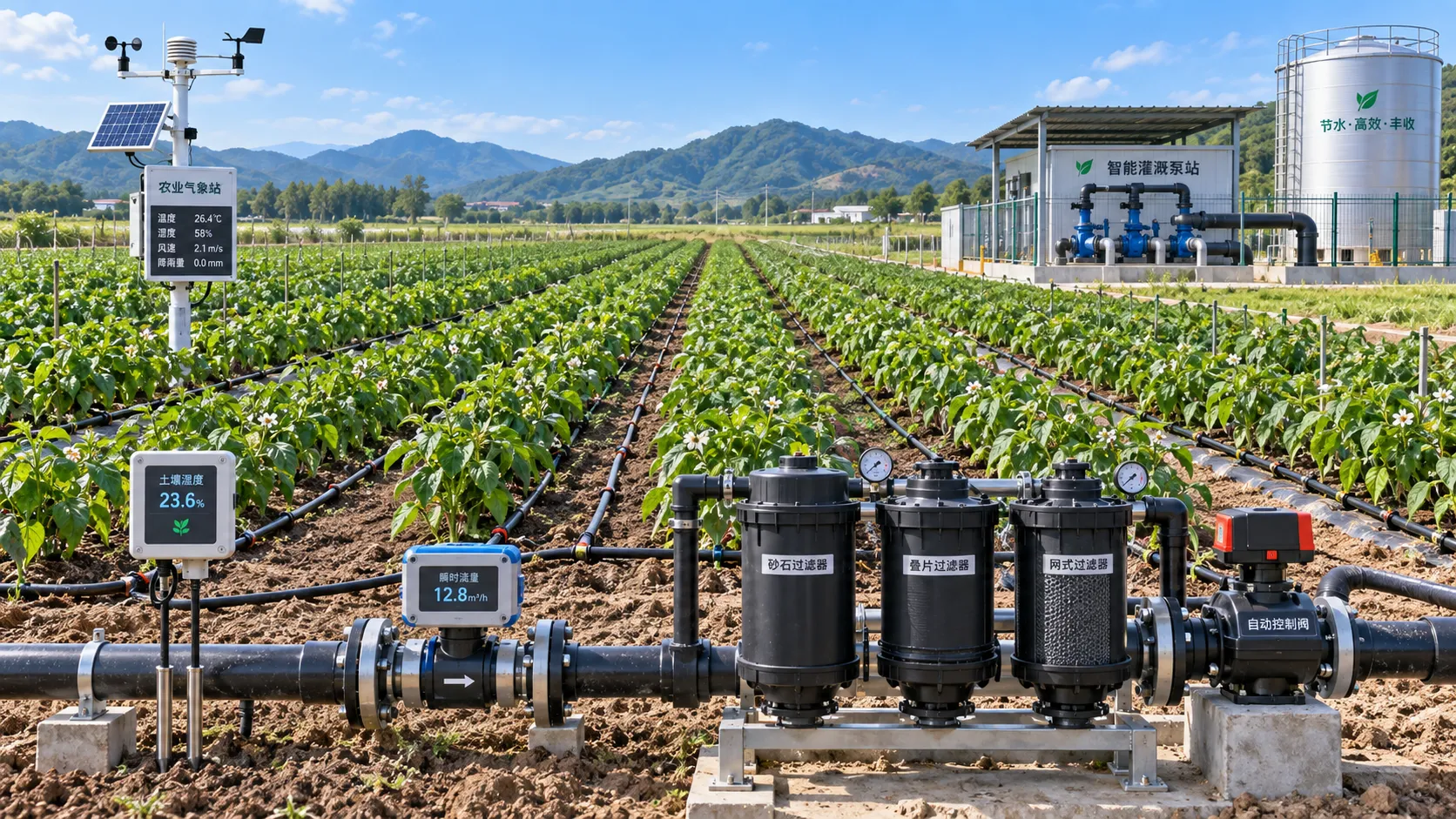
Automated Water-Saving Irrigation: How to Cut Water Use Without Reducing Crop Yields
Automated water-saving irrigation helps farms cut water use, protect crop yields, improve scheduling, and gain reliable control with sensors, flow monitoring, and smart zones.
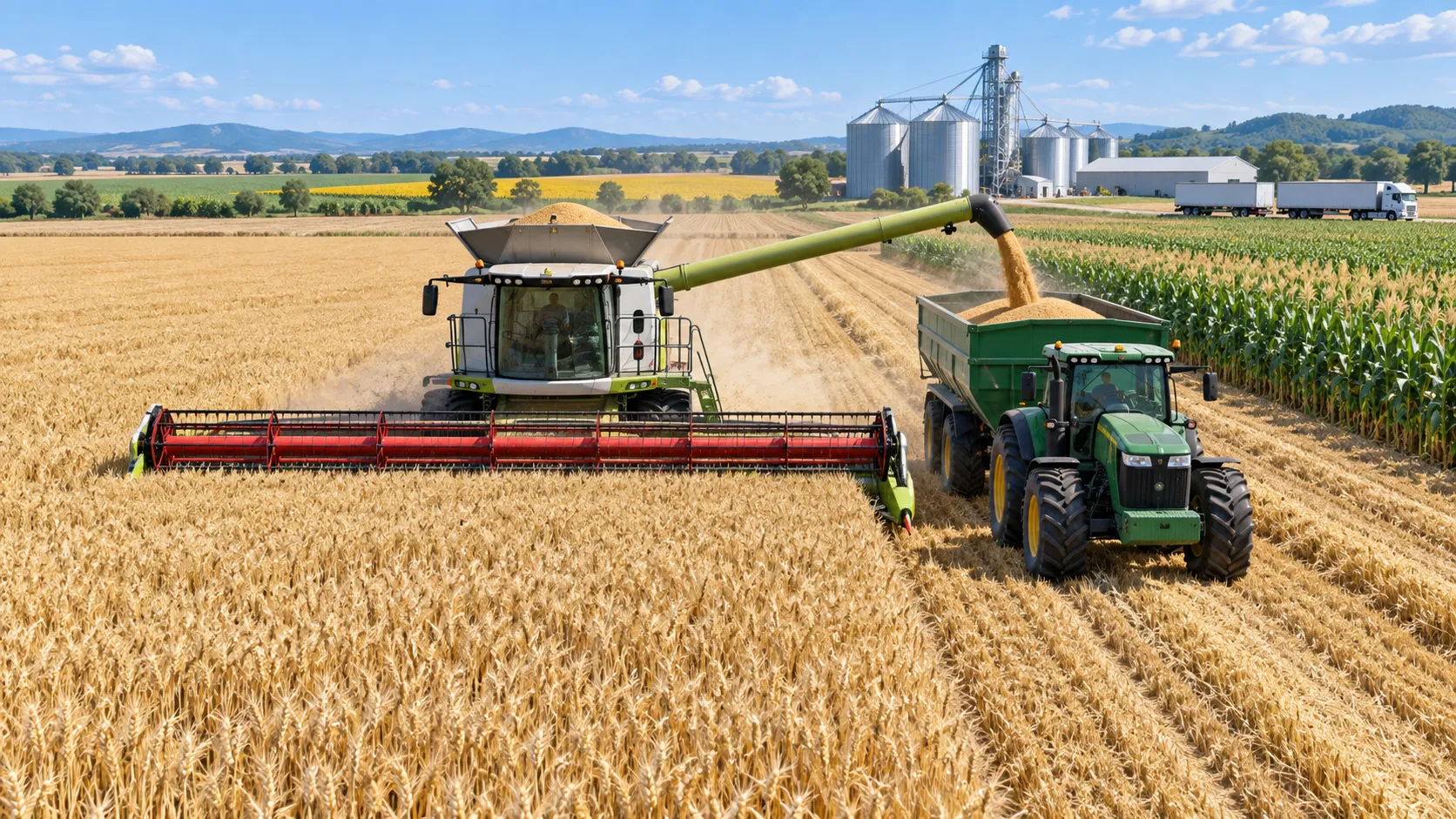
Selecting Grain Farm Equipment by Acreage, Crop Mix, and Harvest Window
Agricultural equipment selection for grain farming: match machinery to acreage, crop mix, and harvest windows to improve uptime, efficiency, and returns.
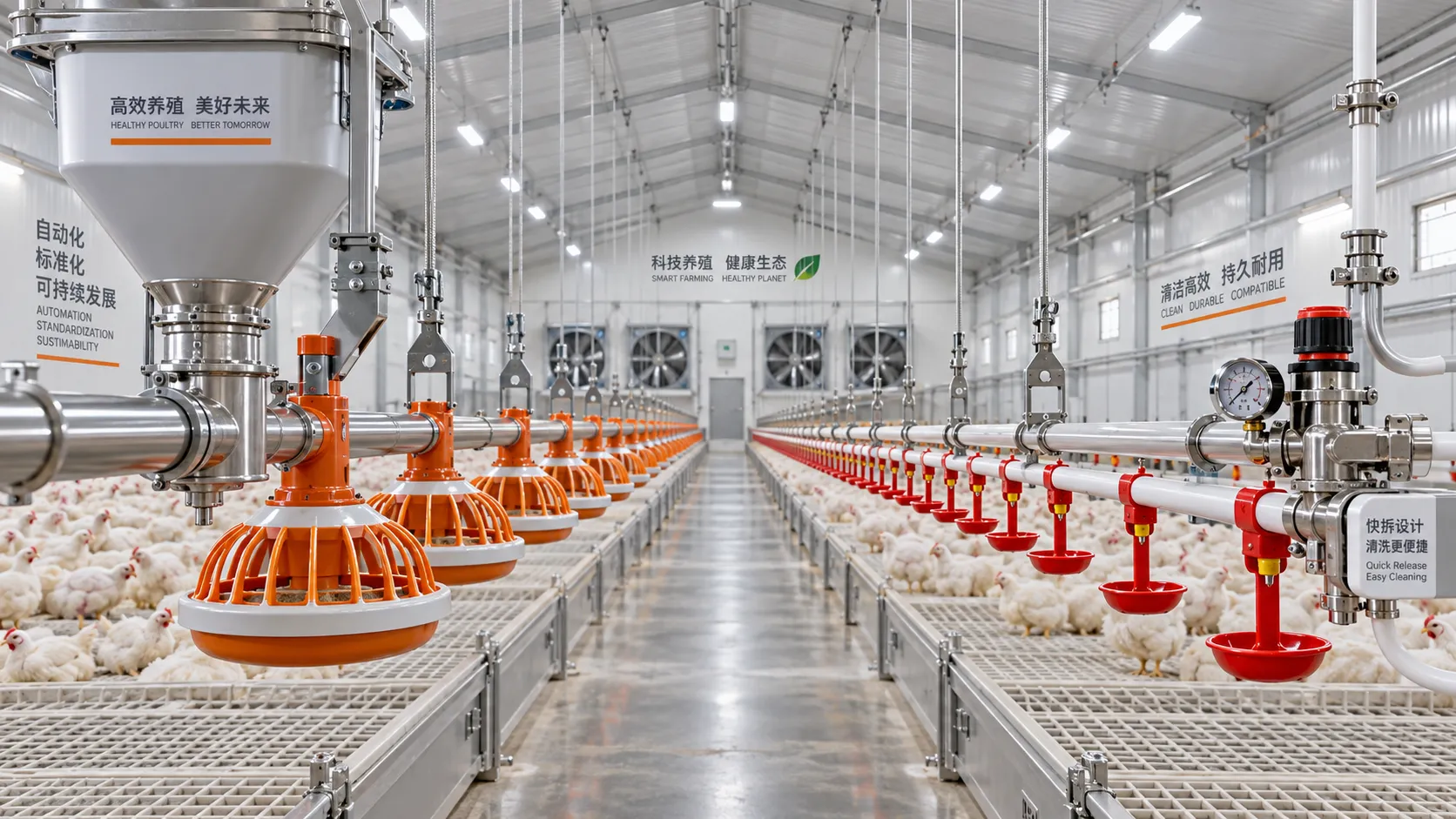
Poultry Equipment Selection: Evaluating Durability, Cleaning, and Compatibility
Poultry equipments selection guide: evaluate durability, cleaning access, and system compatibility to improve hygiene, reduce downtime, and support efficient flock management.
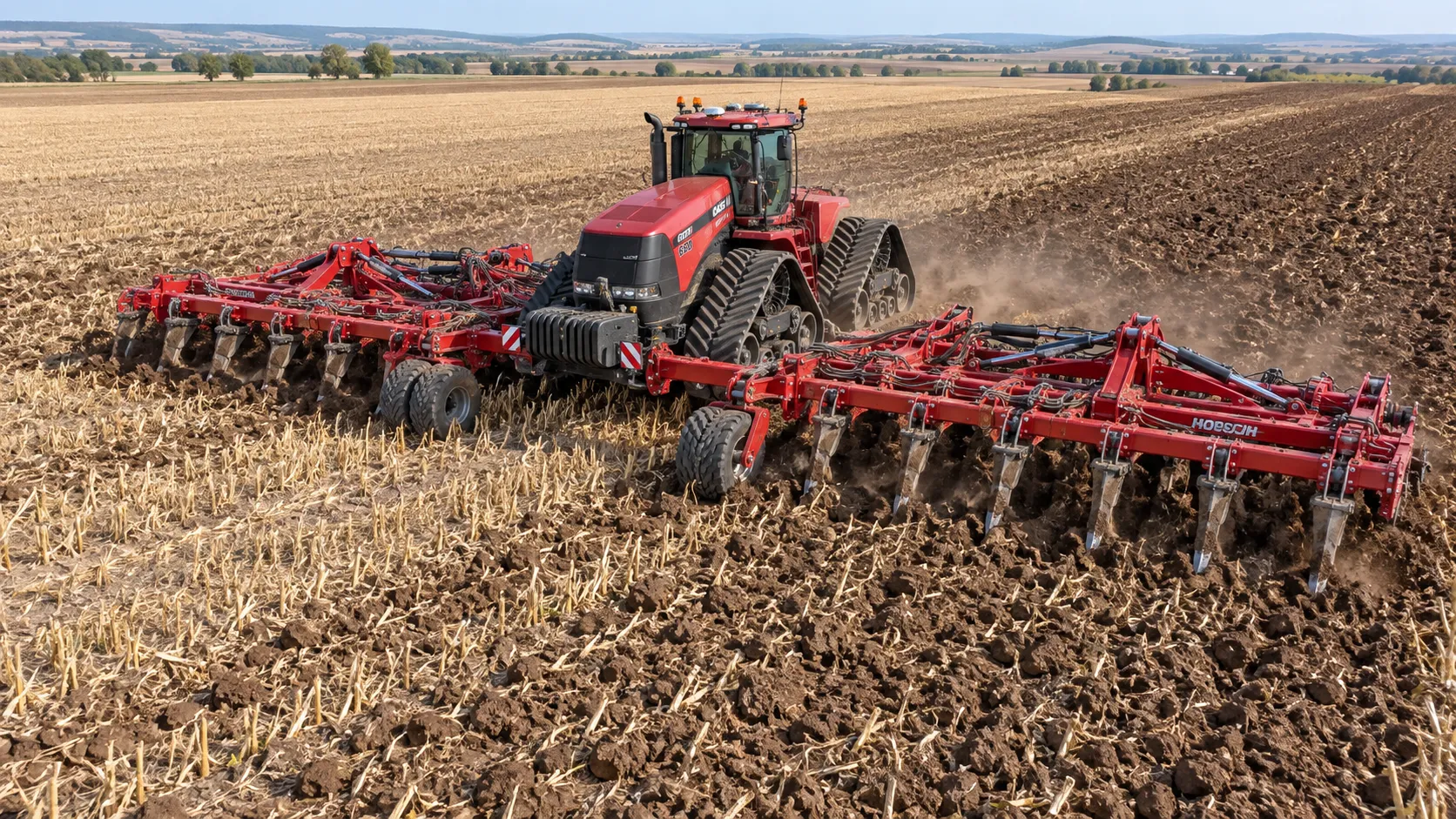
How to Select Heavy-Duty Farm Implements for High-Acreage, High-Horsepower Operations
Heavy duty farm implements: learn how to match draft, hydraulics, hitch capacity, frame strength, and field conditions for reliable high-acreage performance.
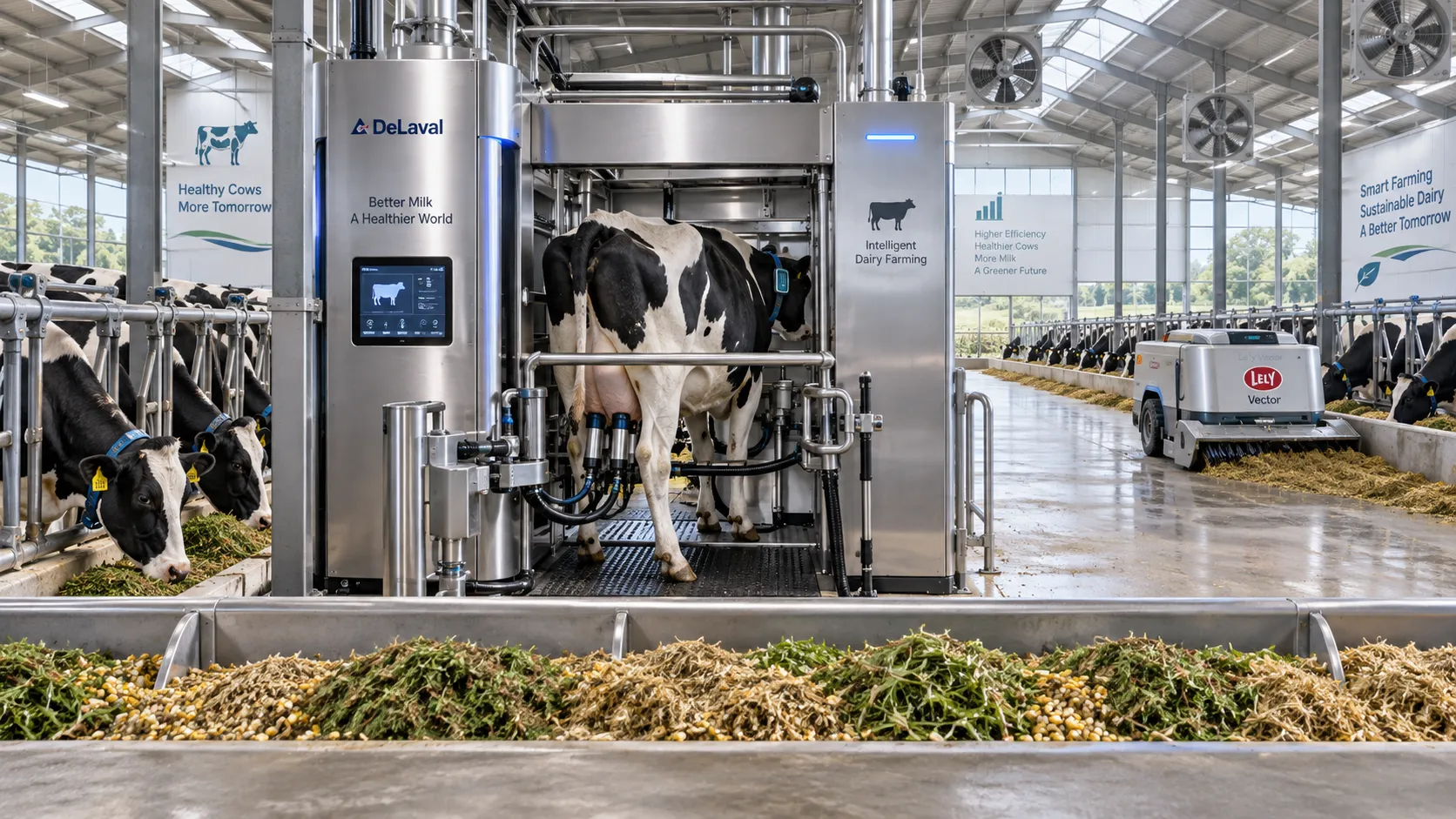
Smart Farming Technology for Dairy Farms: Where Automation Delivers Measurable ROI
Smart farming technology for dairy farms delivers measurable ROI through automation, precision feeding, health monitoring, and data-driven cost control.
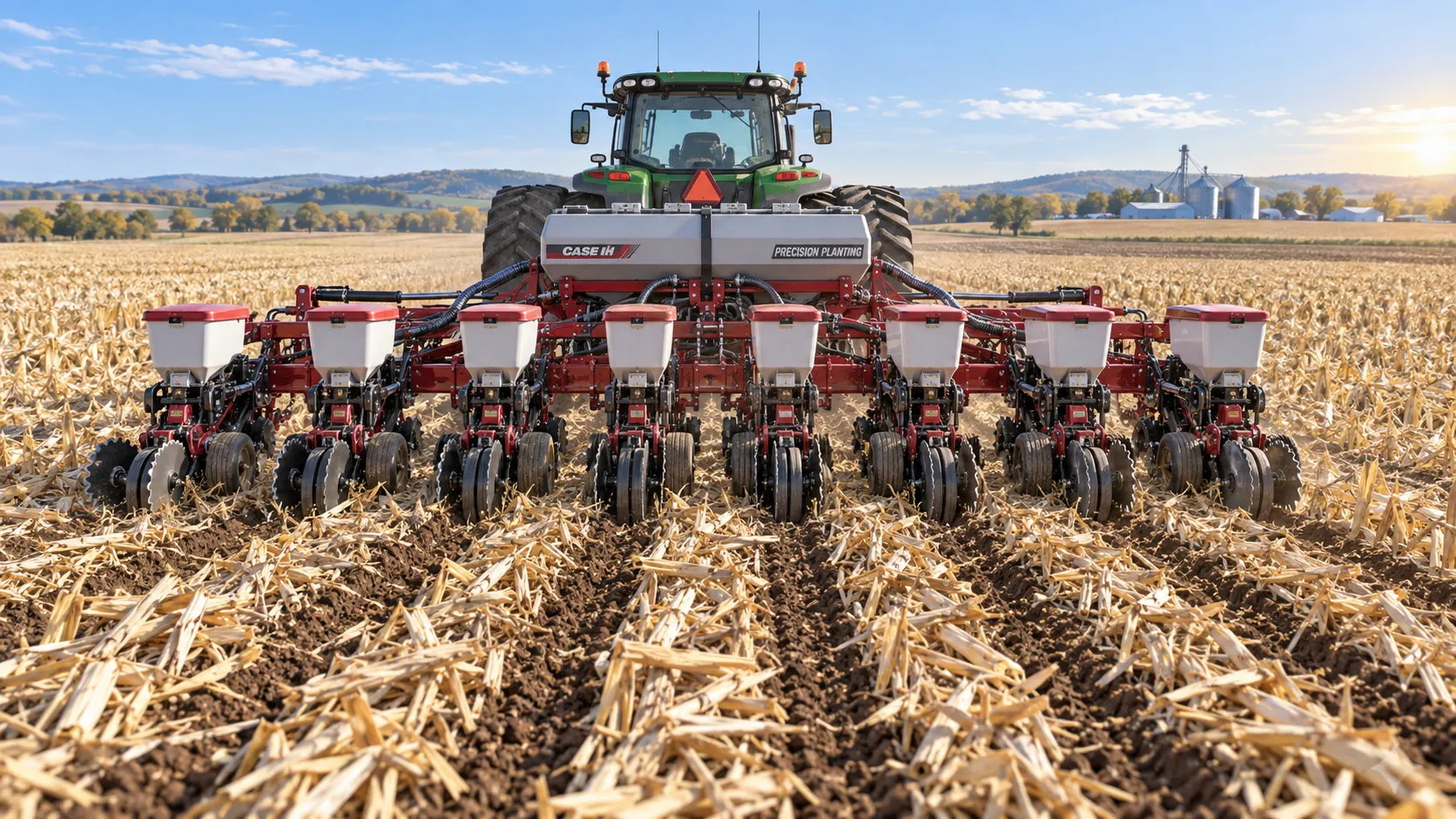
How to Select a Heavy-Duty Seeder for Large Acreage and High-Residue Fields
Heavy duty seeders for large acreage: compare residue handling, depth control, downforce, metering accuracy, and precision features to select the right model.
Related News
- 00
0000-00
What separates robotic automation providers for equipment production? - 00
0000-00
Which field data collection provider fits an agricultural robotics program? - 00
0000-00
How Autonomous Machinery for Crop Scouting Helps Growers Detect Field Issues Earlier - 00
0000-00
How to Evaluate Autonomous Machinery for Vineyards by Terrain, Tasks, and ROI - 00
0000-00
Brazil ANVISA Rule Requires Portuguese Risk Labels for Farm Robots
Popular Tags
Tractor Power Architect
Weekly Insights
Stay ahead with our curated technology reports delivered every Monday.