
China Backs Farm Robot Pilots With Export Incentives
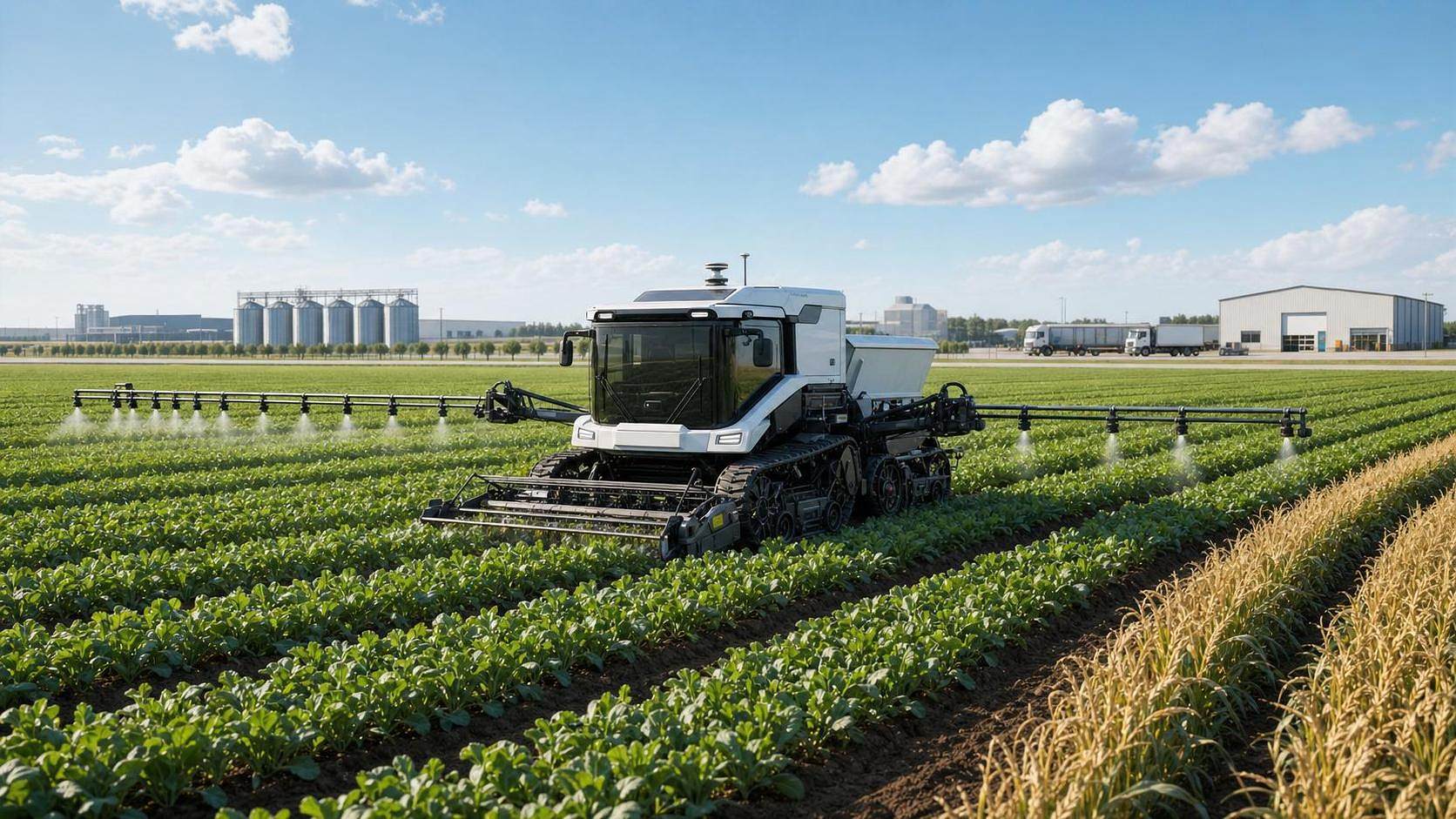




On June 16, 2026, China’s Ministry of Industry and Information Technology and Ministry of Agriculture and Rural Affairs jointly released a list of pilot scenarios for the scaled application of agricultural robots, putting Autonomous Robots for unmanned seeding, variable-rate spraying, and intelligent harvesting on large farms into a priority promotion track. For manufacturers, exporters, certification service providers, and overseas buyers, the development is worth close attention because it links scenario selection with export credit insurance discounts, faster inspection and quarantine handling, and subsidies tied to CE and UKCA certification costs, which may affect compliance planning, procurement timing, and delivery preparation.
What the joint pilot list confirms
The confirmed facts are limited but commercially relevant. The two ministries issued the List of Pilot Scenarios for the Large-Scale Application of Agricultural Robots on June 16, 2026. The document identifies large-farm use cases for Autonomous Robots, including unmanned seeding, variable-rate spraying, and intelligent harvesting, as key promotion areas. Projects selected into the program may receive a 15% reduction in export credit insurance premium rates, access to green channels for inspection and quarantine, and subsidies for CE and UKCA certification costs. The first batch covers 28 scenarios located in bases in Heilongjiang, Xinjiang, and Hainan. Technical white papers for the related solutions have also been opened for download by purchasing delegations from ASEAN, Latin America, and East Africa.
Where the rule change may start to matter in the chain
Export planning moves closer to compliance preparation
From an industry perspective, exporters of agricultural robotics may be affected first because the policy signal is not limited to domestic deployment scenarios; it also connects selected projects to trade-support tools and overseas conformity costs. The practical impact may appear in export quotation structures, insurance budgeting, shipment scheduling, and the timing of technical documentation preparation for CE or UKCA-related processes. What deserves closer attention is whether companies can align product files, test materials, and scenario descriptions early enough to use these policy advantages efficiently.
Procurement teams may face a more document-driven comparison process
For buyers and sourcing teams, the opening of technical white papers to purchasing delegations suggests that vendor evaluation may increasingly begin with scenario-based technical documentation rather than only with equipment brochures. This may affect how procurement teams compare autonomous operating systems for seeding, spraying, and harvesting, especially where bid documents, specification alignment, or proof of application suitability are important. The immediate issue is less about volume and more about whether suppliers can present clear, auditable materials linked to the promoted use cases.
Certification and testing service providers may see earlier engagement
Certification-related companies and testing institutions may also be affected because the announcement explicitly references CE and UKCA certification cost subsidies. Analysis shows this can shift part of the market focus from post-order certification support to earlier-stage compliance review, gap identification, and document readiness. For service providers, the key business change may be the need to engage before export contracts are finalized, particularly where technical files, conformity evidence, and inspection coordination influence shipment timing.
Supply chain and delivery coordination could become more time-sensitive
Supply chain service providers, including inspection, quarantine, and delivery coordinators, may need to watch the green-channel element closely. Observably, any arrangement that shortens clearance or inspection handling can change how exporters sequence manufacturing completion, documentation handover, and outbound logistics. The relevant operational issue is not that delivery cycles have already changed as a confirmed fact, but that companies involved in dispatch and compliance handoff may need to prepare for tighter execution windows if policy implementation becomes active at project level.
What companies should monitor now
Check whether product files match the promoted scenarios
Companies involved in Autonomous Robots should review whether their technical descriptions, product specifications, and application evidence map clearly to the promoted scenarios of unmanned seeding, variable-rate spraying, and intelligent harvesting. This is especially relevant for firms that may seek inclusion, support export discussions, or respond to procurement requests tied to those use cases.
Prepare certification materials before overseas demand advances
Because the announcement mentions CE and UKCA certification cost support, companies may need to pay closer attention to the completeness and timing of compliance materials. Analysis shows that technical files, testing records, declarations, and product documentation may become more commercially important once overseas buyers begin downloading white papers and comparing solutions.
Track execution language around inspection and quarantine handling
The reference to green channels for inspection and quarantine is commercially meaningful, but the input does not provide detailed implementation rules. It is more appropriate to understand this as a strong execution signal rather than a fully described operating mechanism. Companies should therefore monitor later official wording, practical port-level handling, and any documentation expectations that may affect shipment release.
Watch how procurement signals develop in external markets
The opening of technical white papers to delegations from ASEAN, Latin America, and East Africa indicates external market outreach, but it does not by itself confirm order conversion or finalized purchasing standards. What deserves closer attention is whether future tender documents, qualification requirements, or after-sales expectations in those markets begin to reflect the promoted scenarios or associated certification pathways.
Why this looks like an execution signal, not a finished rule set
Observably, this development carries more weight than a general policy statement because it identifies concrete application scenarios, names specific incentive tools, and links domestic pilot selection with export-facing support. At the same time, the available information does not yet define the detailed implementation path for all affected parties. It is therefore more appropriate to understand this as a policy-to-execution signal: strong enough to influence exporter preparation, certification planning, and procurement attention, but still requiring follow-up observation on operational interpretation, project admission, and downstream market response.
How the market may best read the announcement
From an industry perspective, the announcement matters because it places agricultural robot application scenarios, export support measures, and overseas certification considerations into one visible framework. That combination may shape how suppliers present solutions and how buyers screen them. A measured reading is more suitable than a headline-driven one: this is not yet proof of completed market transformation, but it is a credible indicator that scenario-based autonomous agricultural systems are moving closer to structured export preparation and compliance-led commercialization.
Basis of this article
This article is generated from the user-provided news title, event date, and event summary. The specific official source link was not provided in the input and still requires further verification. For developments of this kind, relevant source types typically include official ministry announcements, regulatory releases, customs or trade authority information, industry association updates, standardization documents, and reporting by authoritative media. Further observation is still needed on policy details, certification implementation practice, tender document changes, market feedback, and how participating companies execute against the announced framework.
Related News

When Does Agricultural Machinery Leasing Cost Less Than Owning Equipment?
Agricultural machinery leasing can lower farm costs when use is seasonal or uncertain. Compare utilization, maintenance, cash flow, and risk to make a smarter equipment decision.
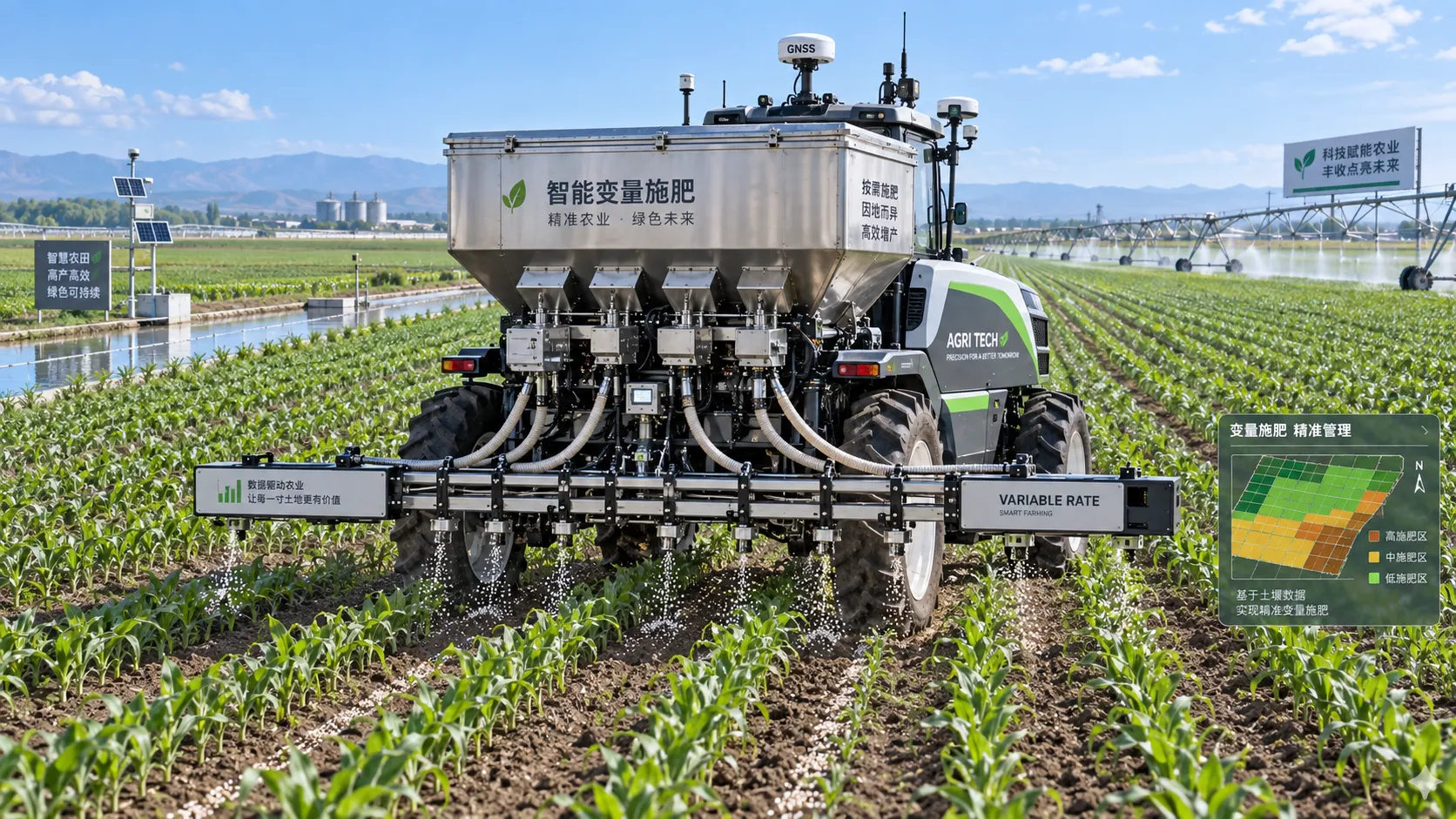
How to Evaluate Precision Fertilization System Suppliers for Farm-Scale Deployment
Precision fertilization systems suppliers: learn how to compare accuracy, integration, uptime, service, and total cost for confident farm-scale deployment.
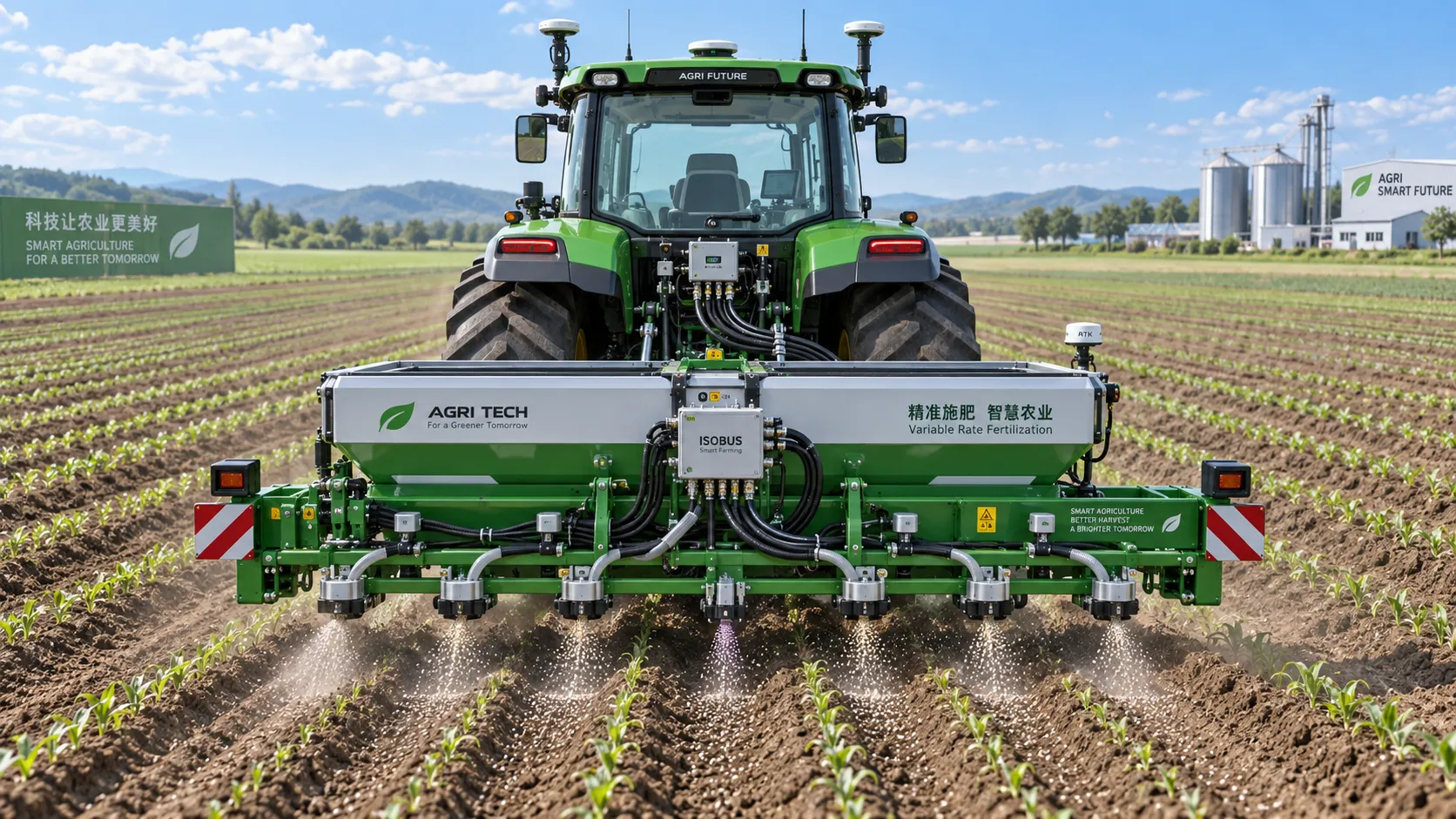
ISOBUS for Smart Agriculture: How It Connects Tractors, Implements, and Farm Data
ISOBUS for smart agriculture connects tractors, implements, terminals, and farm data—helping growers improve precision, documentation, and smarter field decisions.
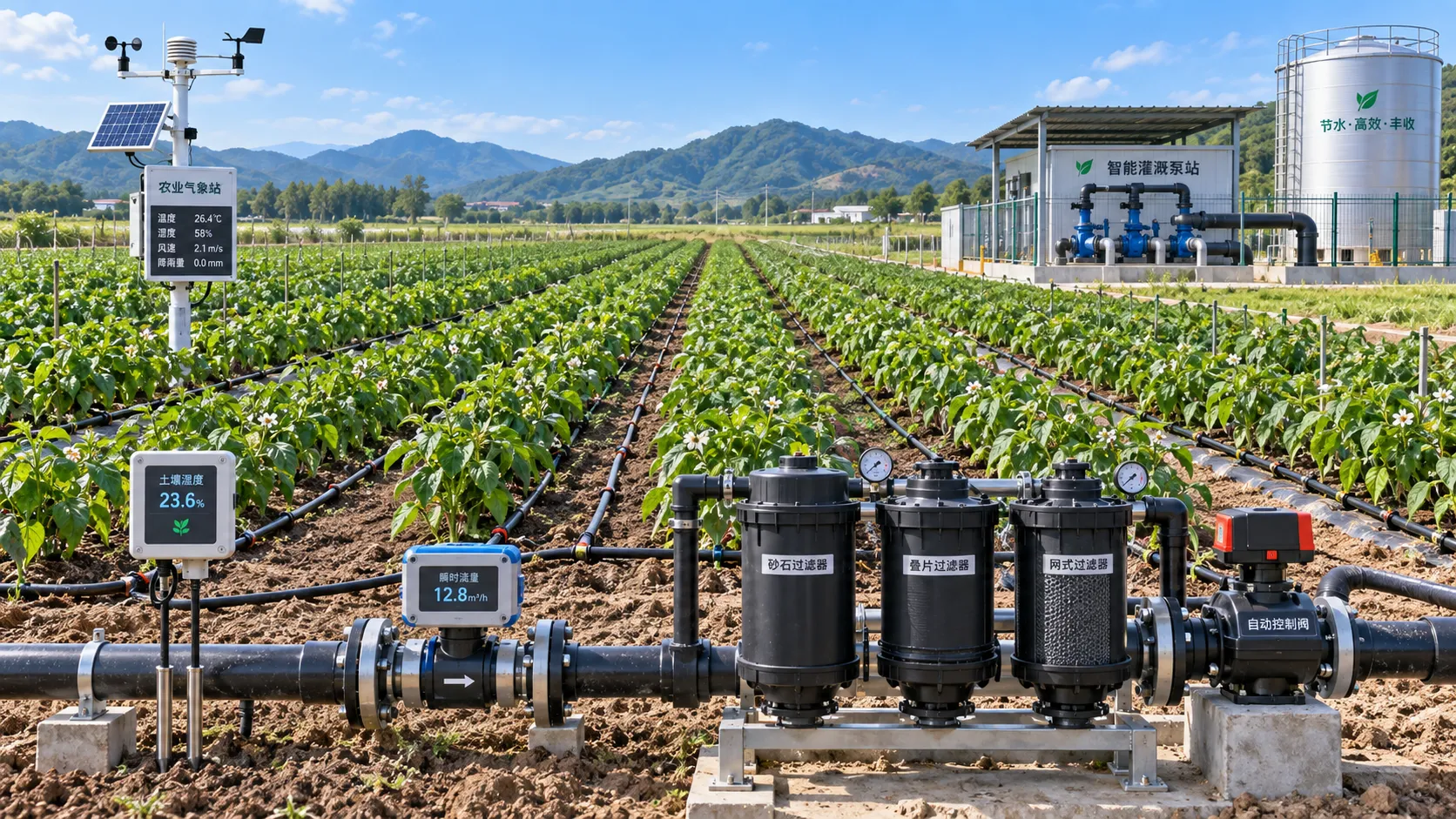
Automated Water-Saving Irrigation: How to Cut Water Use Without Reducing Crop Yields
Automated water-saving irrigation helps farms cut water use, protect crop yields, improve scheduling, and gain reliable control with sensors, flow monitoring, and smart zones.
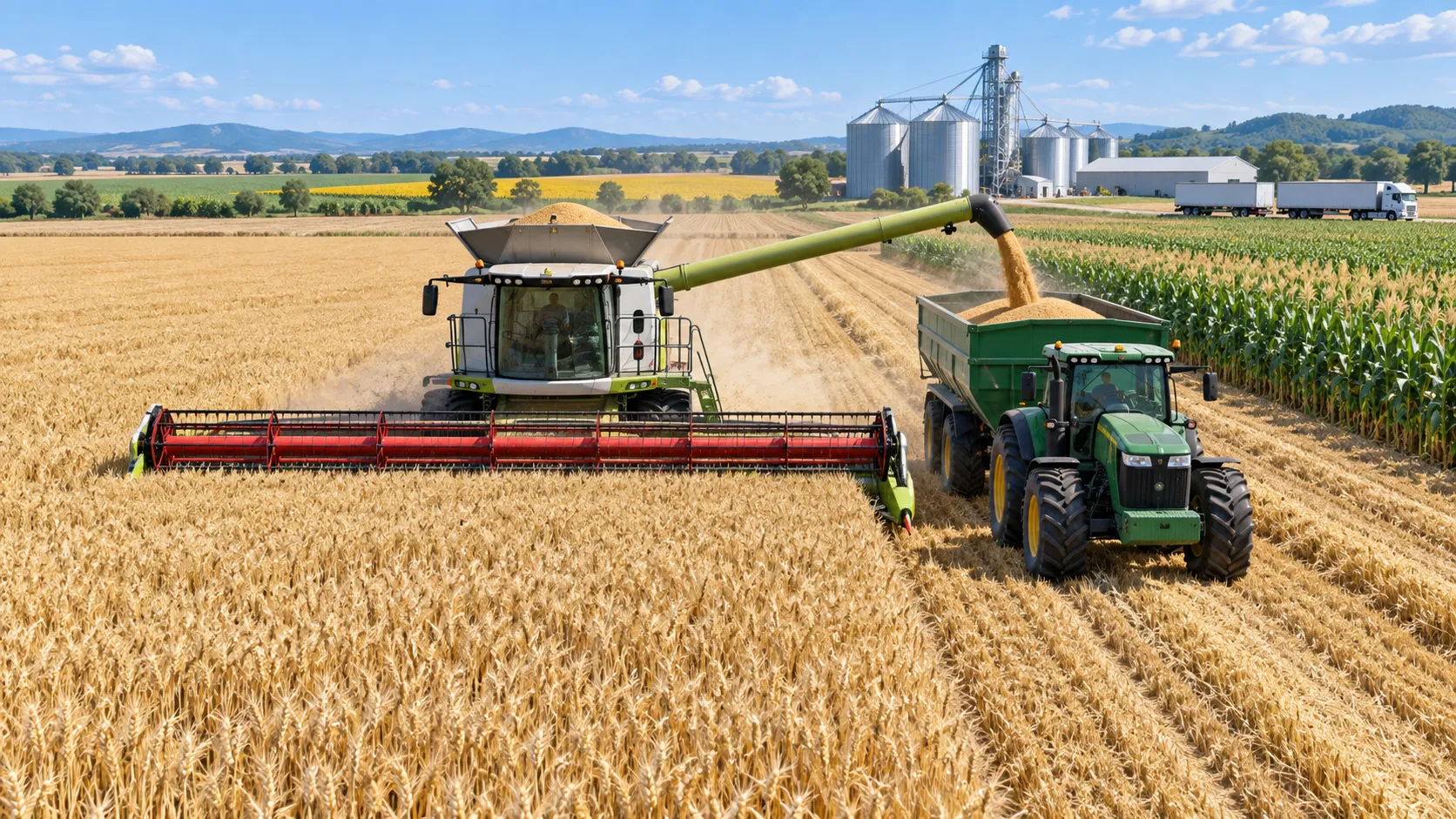
Selecting Grain Farm Equipment by Acreage, Crop Mix, and Harvest Window
Agricultural equipment selection for grain farming: match machinery to acreage, crop mix, and harvest windows to improve uptime, efficiency, and returns.
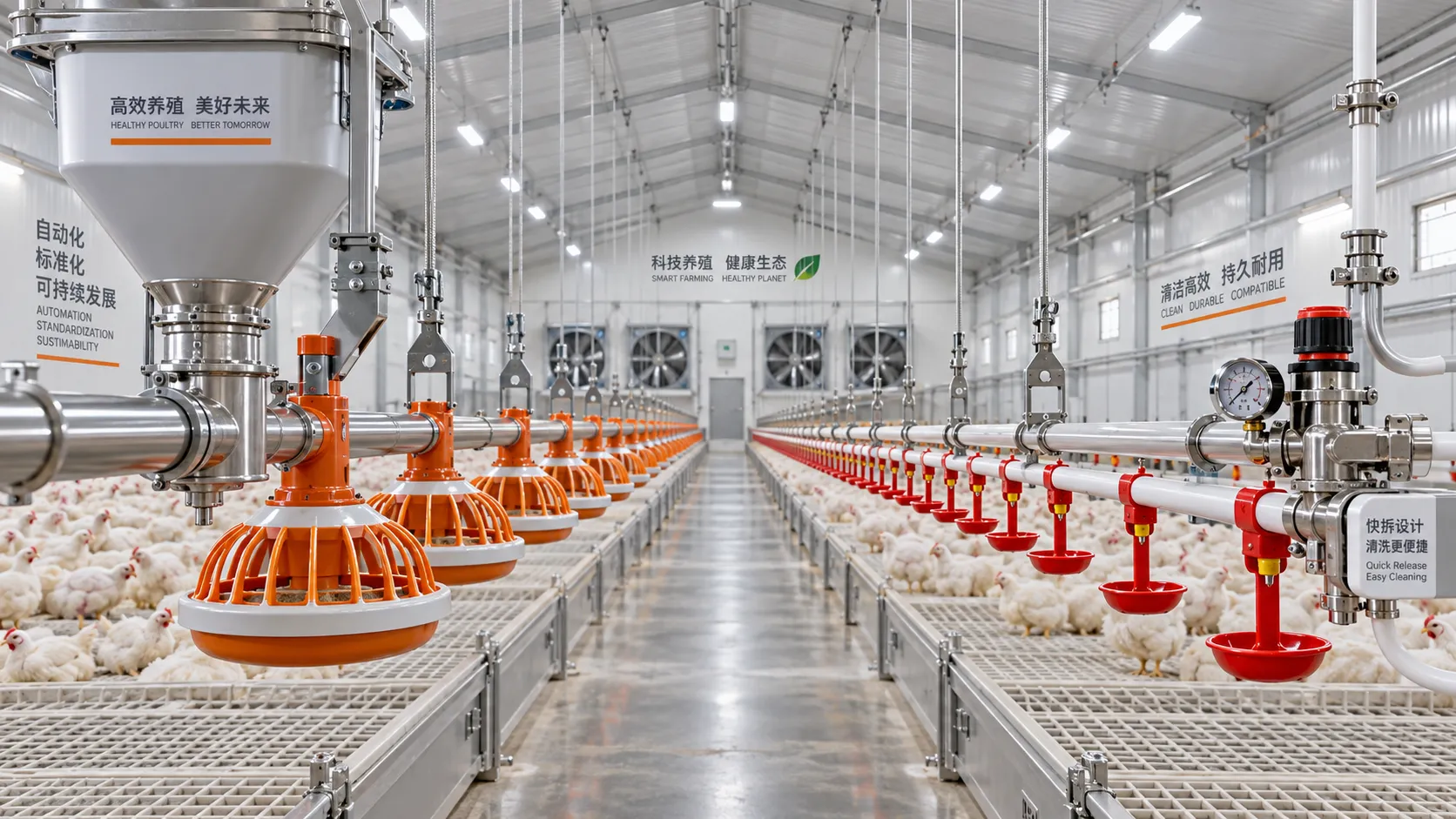
Poultry Equipment Selection: Evaluating Durability, Cleaning, and Compatibility
Poultry equipments selection guide: evaluate durability, cleaning access, and system compatibility to improve hygiene, reduce downtime, and support efficient flock management.
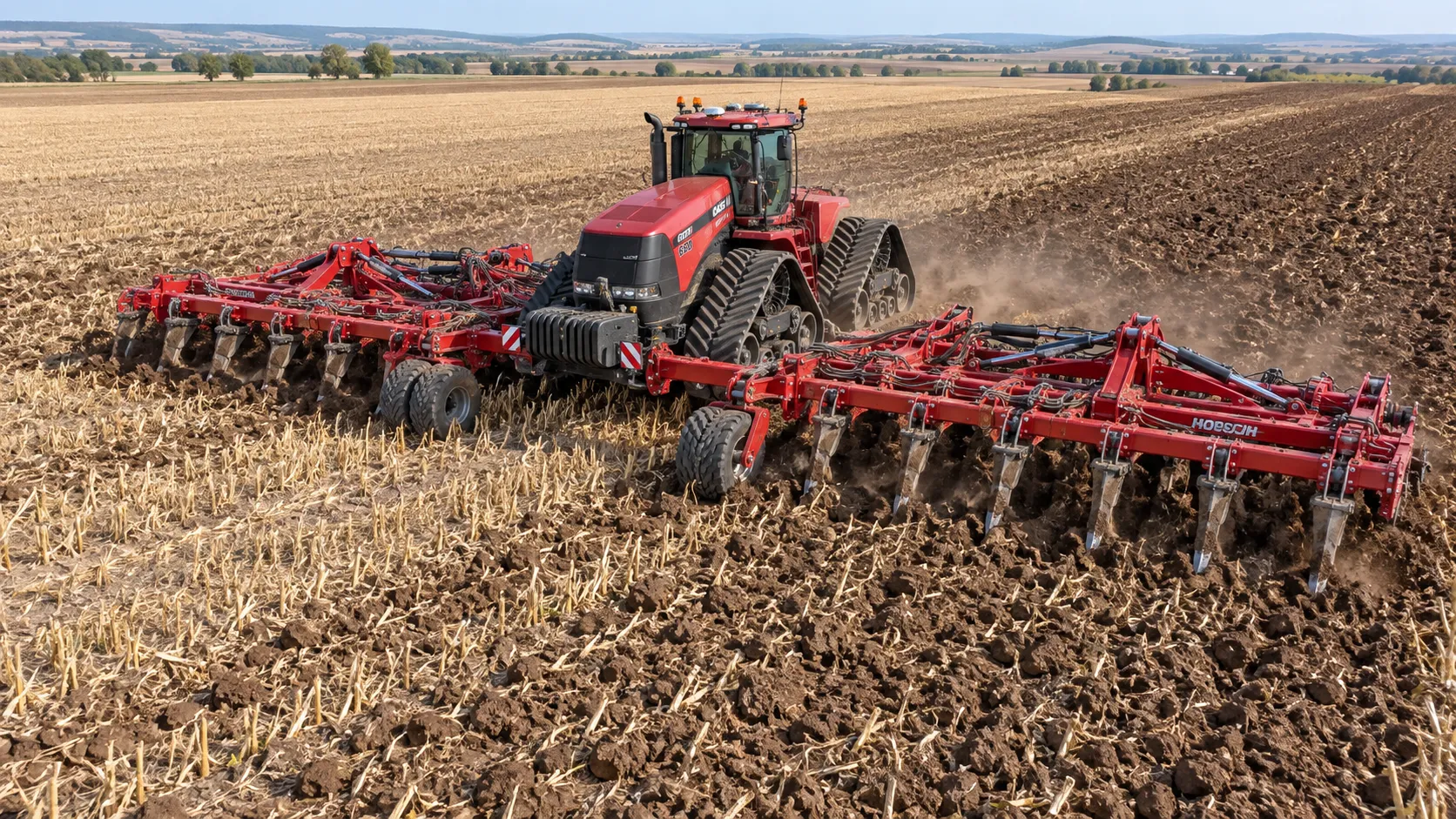
How to Select Heavy-Duty Farm Implements for High-Acreage, High-Horsepower Operations
Heavy duty farm implements: learn how to match draft, hydraulics, hitch capacity, frame strength, and field conditions for reliable high-acreage performance.
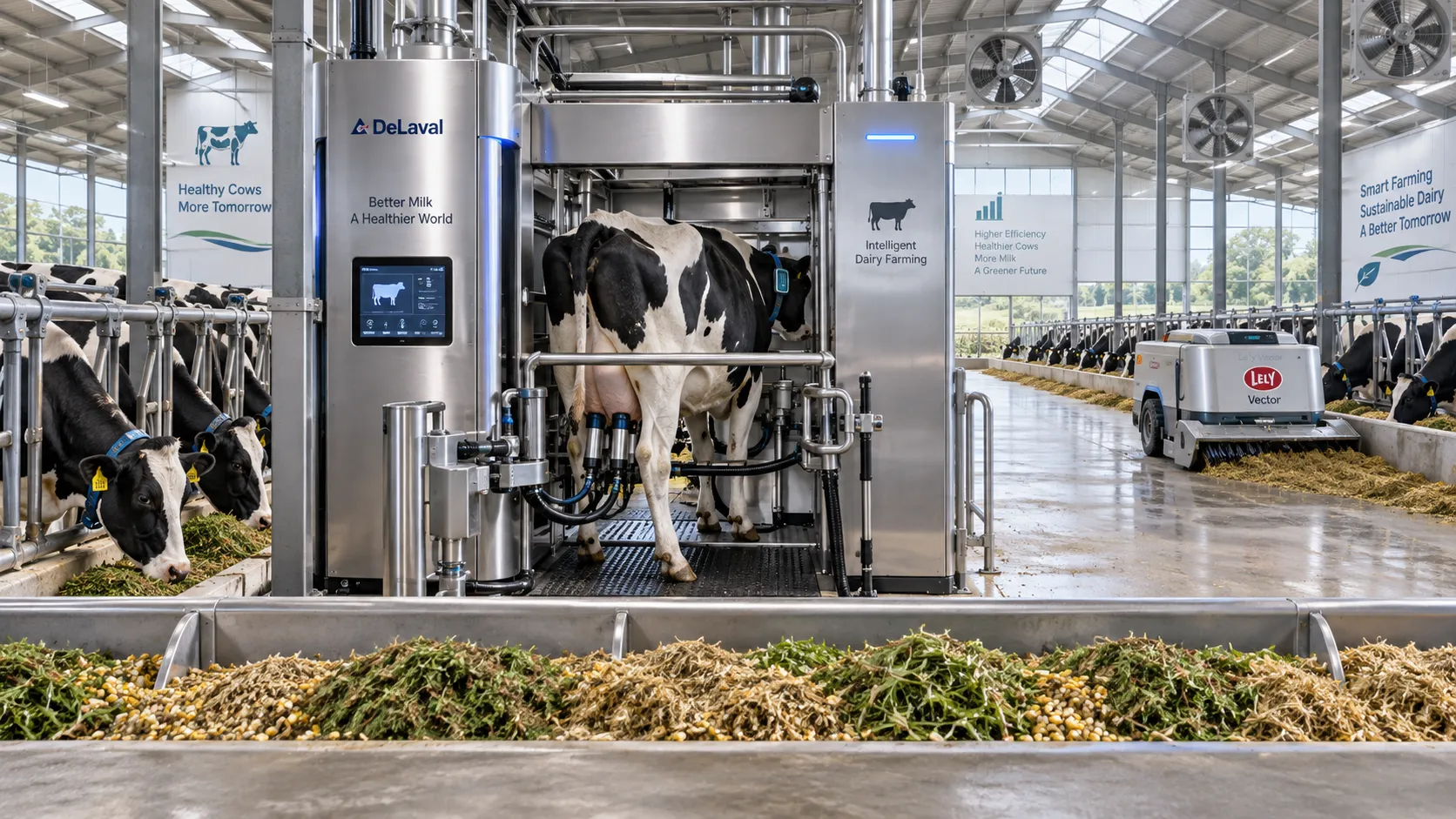
Smart Farming Technology for Dairy Farms: Where Automation Delivers Measurable ROI
Smart farming technology for dairy farms delivers measurable ROI through automation, precision feeding, health monitoring, and data-driven cost control.
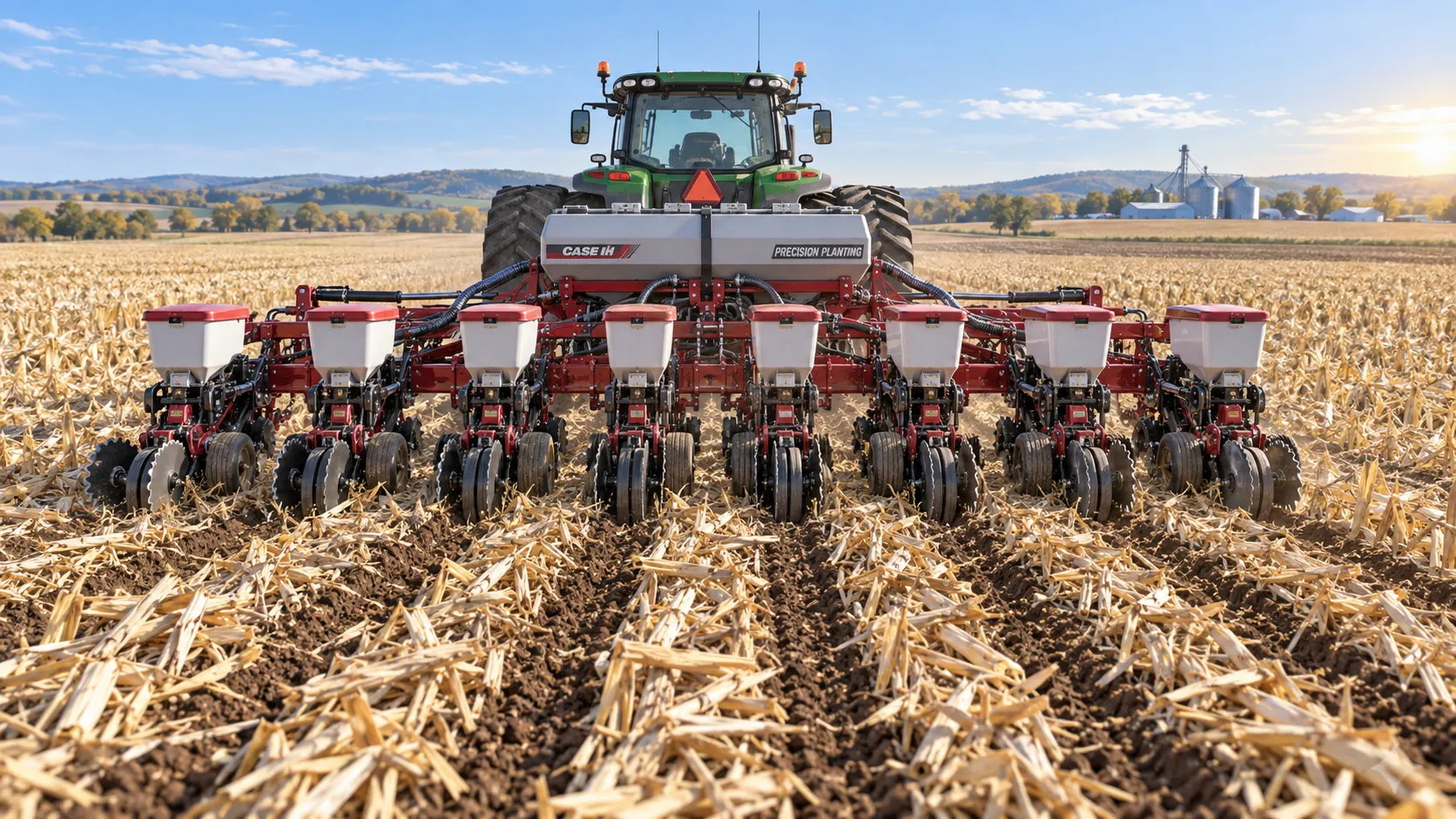
How to Select a Heavy-Duty Seeder for Large Acreage and High-Residue Fields
Heavy duty seeders for large acreage: compare residue handling, depth control, downforce, metering accuracy, and precision features to select the right model.
Related News
- 00
0000-00
What separates robotic automation providers for equipment production? - 00
0000-00
Which field data collection provider fits an agricultural robotics program? - 00
0000-00
How Autonomous Machinery for Crop Scouting Helps Growers Detect Field Issues Earlier - 00
0000-00
How to Evaluate Autonomous Machinery for Vineyards by Terrain, Tasks, and ROI - 00
0000-00
Brazil ANVISA Rule Requires Portuguese Risk Labels for Farm Robots
Popular Tags
Tractor Power Architect
Weekly Insights
Stay ahead with our curated technology reports delivered every Monday.