
Green Procurement Shifts for Agricultural Drones
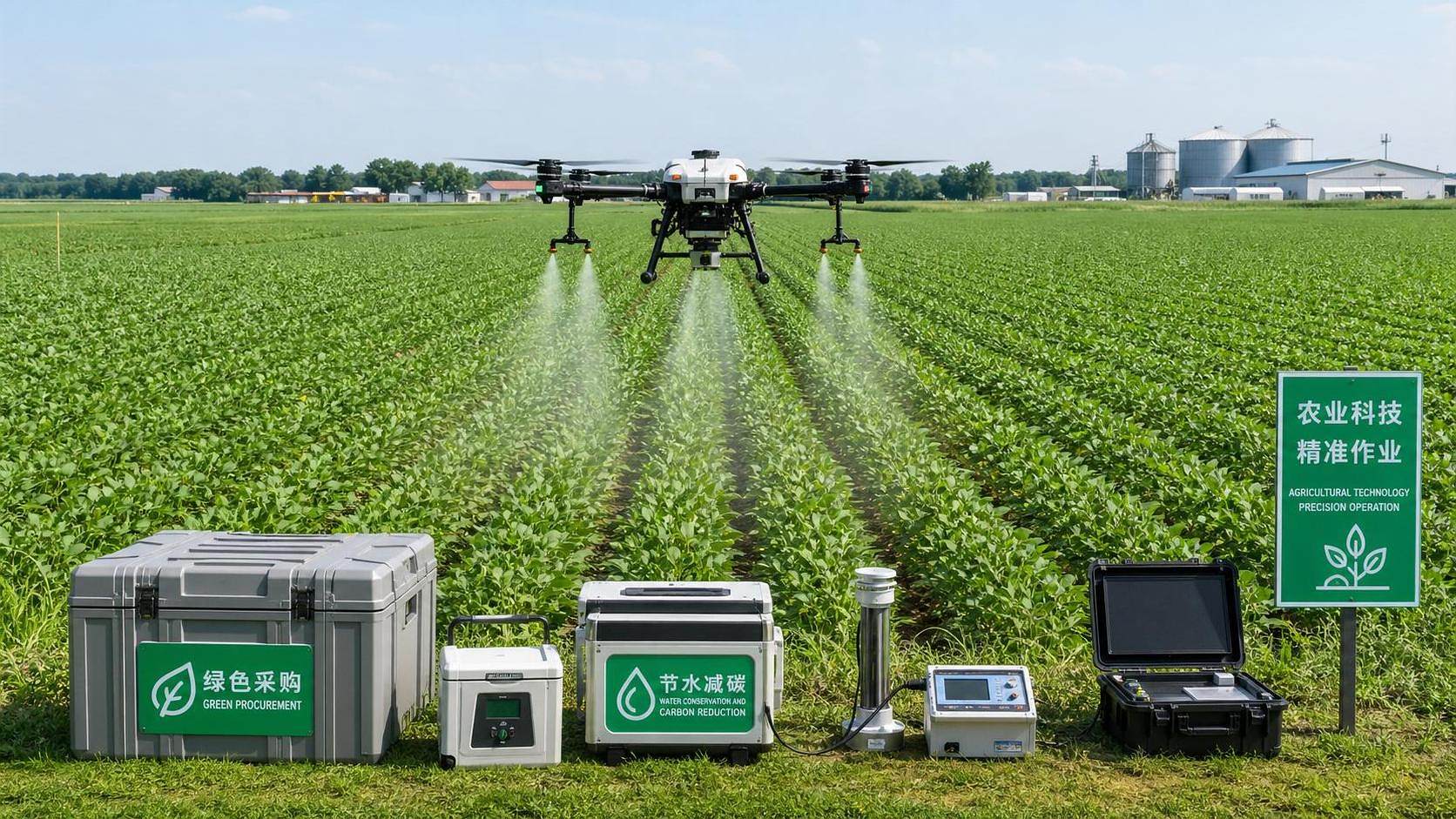




On December 31, 2025, the latest signal from the agricultural drone market was not only about installed volume, but about how quantified environmental performance is beginning to enter procurement and financing rules. DJI’s latest disclosure shows that its agricultural drones in operation worldwide have exceeded 600,000 units across more than 100 countries, while its 2025/2026 agricultural drone white paper for the first time quantified cumulative water savings and carbon reduction. Because those figures are being incorporated into green procurement assessment systems by agricultural associations in Brazil, Indonesia, and South Africa, the development deserves attention from equipment suppliers, project bidders, exporters, financing participants, and after-sales service providers that may face changes in tender documentation, technical reviews, and compliance expectations.
What Has Been Confirmed So Far
According to the information provided, by the end of 2025 the global number of DJI agricultural drones in use had surpassed 600,000 units and covered more than 100 countries.
The same information states that the company’s 2025/2026 agricultural drone white paper quantified environmental benefits for the first time, including cumulative water savings of 410 million tons and carbon reduction of 51 million tons.
It has also been stated that these quantified indicators are being brought into green procurement evaluation systems by agricultural associations in Brazil, Indonesia, and South Africa, and that they are becoming key technical supporting materials in EPC project tenders and ESG financing processes.
Why the Rule Signal Matters Across Commercial Workflows
Technical evidence may gain more weight in project bidding
From an industry perspective, project owners, EPC bidders, and equipment vendors may be affected first because the reported environmental indicators are being used as procurement assessment references. The practical impact is likely to appear in technical bid alignment, supporting documentation, and the way performance claims are presented during tender submission. What deserves closer attention is whether environmental benefit data will be treated merely as a scoring factor or as a prerequisite document in certain procurement scenarios.
Export and channel partners may face stricter documentation expectations
For exporters, distributors, and channel-side delivery teams, the shift is less about headline sales volume and more about the documentation burden attached to cross-border transactions. If buyers increasingly rely on quantified water-saving and carbon-reduction evidence, suppliers may need to pay closer attention to consistency across product materials, bid attachments, technical files, and customer-facing compliance statements. Analysis shows that document accuracy and traceability could become more important in market access discussions even where no formal regulatory text has been disclosed in the input.
Financing and procurement reviews may begin to converge
The reference to ESG financing is notable because it suggests that procurement review and financing review may increasingly rely on the same technical evidence. For companies involved in financed projects, this may affect how internal teams prepare project files, how environmental claims are substantiated, and how supporting materials are organized for lenders, investors, or procurement reviewers. At this stage, it is more appropriate to understand this as an execution signal rather than a fully defined compliance framework.
Service and delivery networks may also be drawn into compliance expectations
After-sales providers and supply chain service companies may also be affected if buyers request clearer proof that delivered equipment, service capability, and technical support align with the environmental performance narrative used in procurement. Observably, this can influence contract attachments, acceptance materials, maintenance records, and quality traceability expectations, even if the exact review standards are not yet detailed in the input.
What Companies Should Track Next
Watch how procurement language is translated into tender documents
Analysis shows that one immediate focus should be whether green procurement assessment language appears in bid documents, supplier qualification checklists, or technical scoring rules. Companies should pay close attention to how environmental performance data is cited, described, and requested, rather than assuming that the current signal has already become a uniform rule across markets.
Prepare consistent technical and compliance materials
Where companies participate in exports, distribution, project delivery, or financing-related submissions, it is prudent to review whether technical brochures, white paper references, product files, and bid materials use consistent wording and data presentation. The key issue is not to add unverified claims, but to ensure that any cited performance evidence matches the disclosed information and can withstand buyer or reviewer scrutiny.
Follow changes in ESG-related review expectations
Because the input links the disclosed data to ESG financing, companies should monitor whether lenders, project sponsors, or procurement teams begin to request more explicit environmental support documents. What deserves closer attention is the review standard applied to those materials, since the input does not provide detailed execution criteria or formal certification pathways.
Do not overlook delivery and traceability implications
Enterprises should also watch whether procurement-side environmental requirements begin to influence delivery records, after-sales commitments, and quality traceability materials. At present, the information does not confirm a unified execution rule, so the practical response is to strengthen internal document readiness and contract review rather than assume a settled compliance outcome.
How This Development Is Best Interpreted Now
Observably, this development is less a standalone product milestone and more a signal that measurable environmental outcomes are moving closer to commercial decision-making. Analysis shows that the most relevant change is not simply that agricultural drones have been widely deployed, but that quantified water-saving and carbon-reduction data are being used in procurement assessment and financing review contexts.
It is more appropriate to understand this as an implementation signal with growing practical weight, rather than as a fully settled international rule change. The industry still needs to watch how procurement criteria, technical evidence requirements, and market-specific review practices evolve from this point.
A Practical Reading for the Market
The key industry meaning of this event lies in the growing use of quantified environmental performance as a commercial and compliance-facing reference point. For suppliers, exporters, project participants, and service partners, the immediate issue is not to treat the development as a final regulatory framework, but to recognize that green procurement evaluation and ESG-linked review may increasingly shape bid preparation, technical substantiation, and delivery documentation.
At the current stage, a neutral reading is that the market has received a clear execution signal. Whether that signal develops into broader and more standardized requirements still depends on subsequent procurement practice, review language, and market feedback.
Basis of This Article
This article is generated based on the user-provided news title, event date, and event summary. The input does not provide a specific official source link, so any official source reference still requires further verification.
For this type of development, source categories that are typically relevant include official announcements, regulator releases, trade or customs authority information, industry association materials, standards-related documents, and reporting by established professional media. Further observation is still needed on procurement rule wording, certification and compliance interpretation, tender document updates, industry feedback, and how companies implement related documentation in practice.
Related News
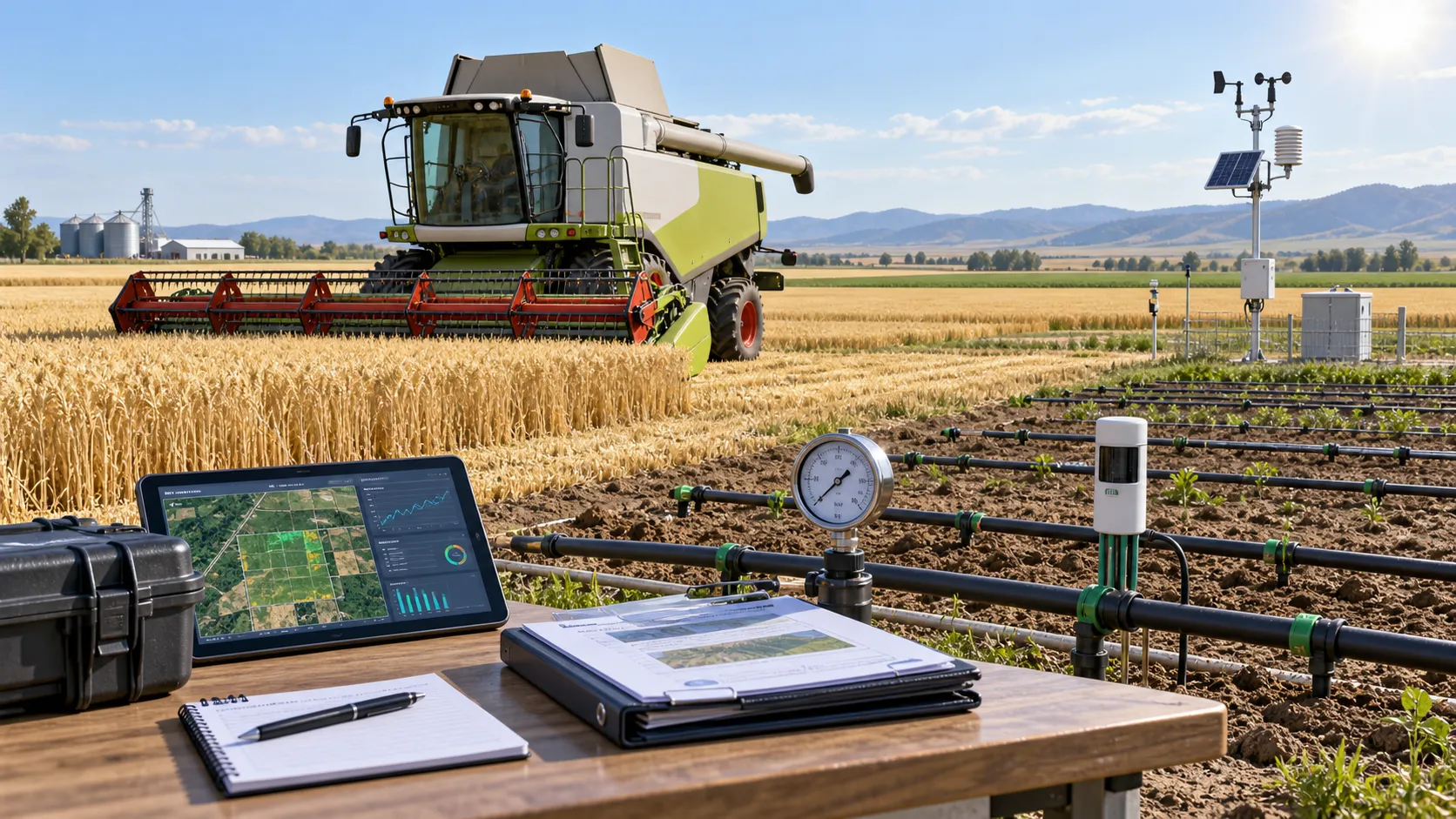
How to Evaluate Agricultural Product Information Sources for Reliable Farm Decisions
Agricultural product information reference guide: evaluate reliable farm data, verify claims, and make smarter machinery, irrigation, and crop decisions.

Farm Machinery Guide: Matching Tractor Horsepower and Implements to Farm Size
Farm machinery guide for tractors: match horsepower, implement width, hydraulics, traction, and fleet capacity to farm size for lower costs and reliable field performance.
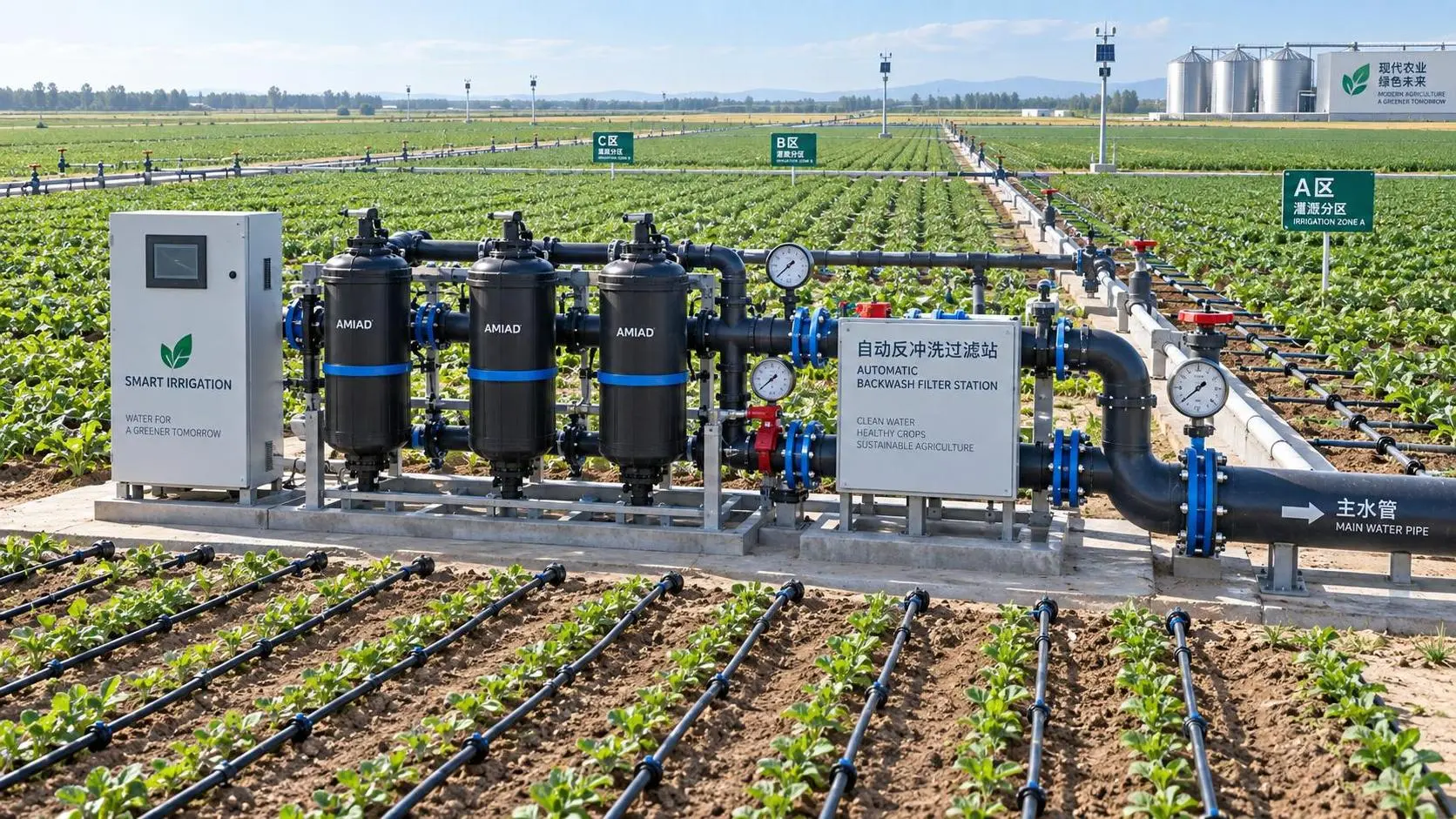
How to Evaluate Drip Irrigation System Manufacturers for Large Farm Projects
Drip irrigation systems manufacturer evaluation guide for large farms: compare hydraulic design, filtration, quality control, scalability, delivery, and support.
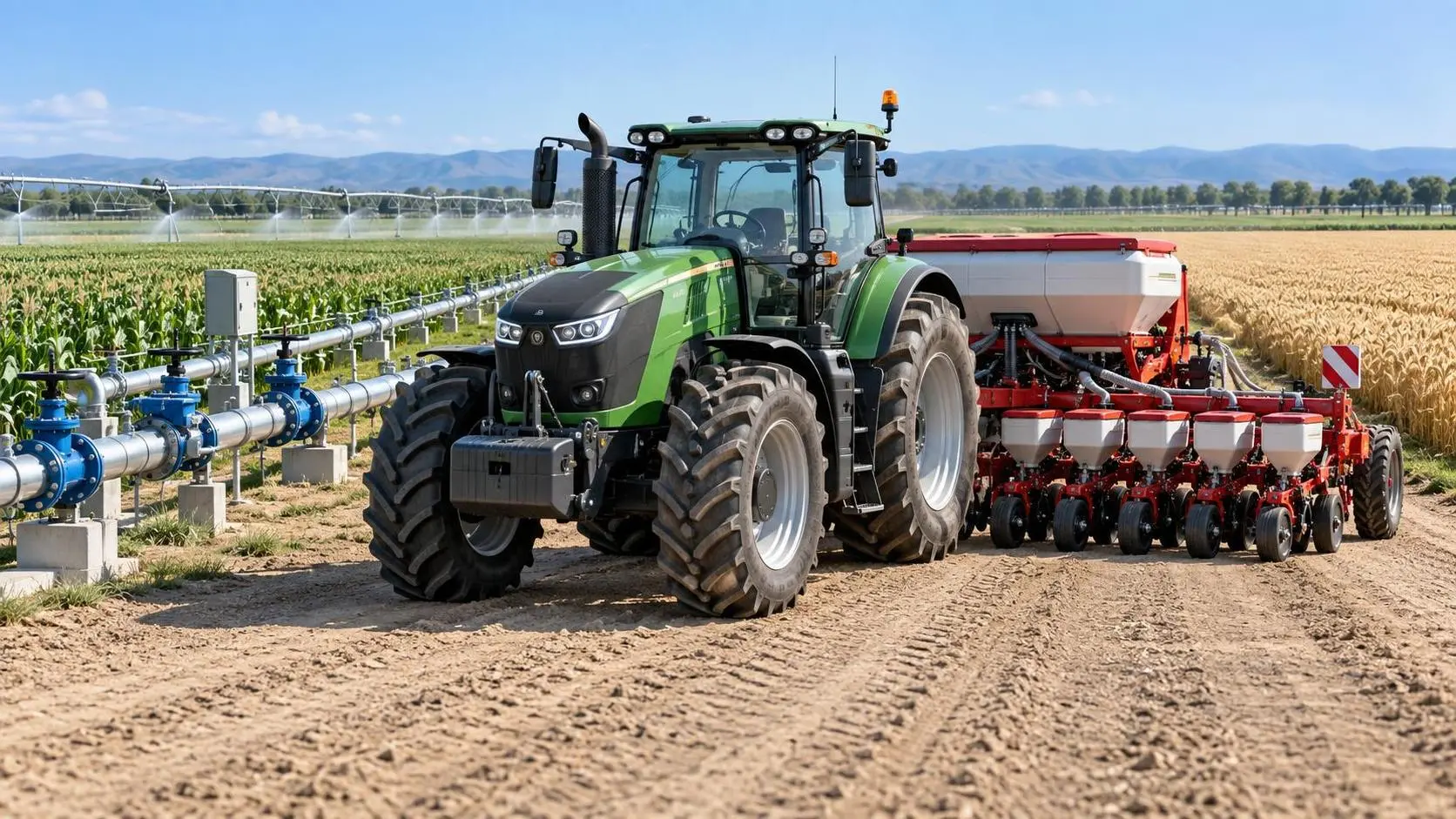
Specification Planning: A Practical Framework for Defining Equipment Requirements
Application guidance for specification planning: define measurable equipment requirements, prioritize performance, and avoid costly procurement mistakes.

How North American Farms Can Select Crop Monitoring Systems by Acreage and Connectivity
Crop monitoring systems North America: learn how to match acreage, connectivity, sensors, and data workflows for reliable, actionable farm decisions.

Where to Find Reliable Product Information for Comparing Farm Equipment
Product information resources agriculture buyers can trust: compare farm equipment with technical specs, manuals, field data, dealer support, and lifecycle insights.
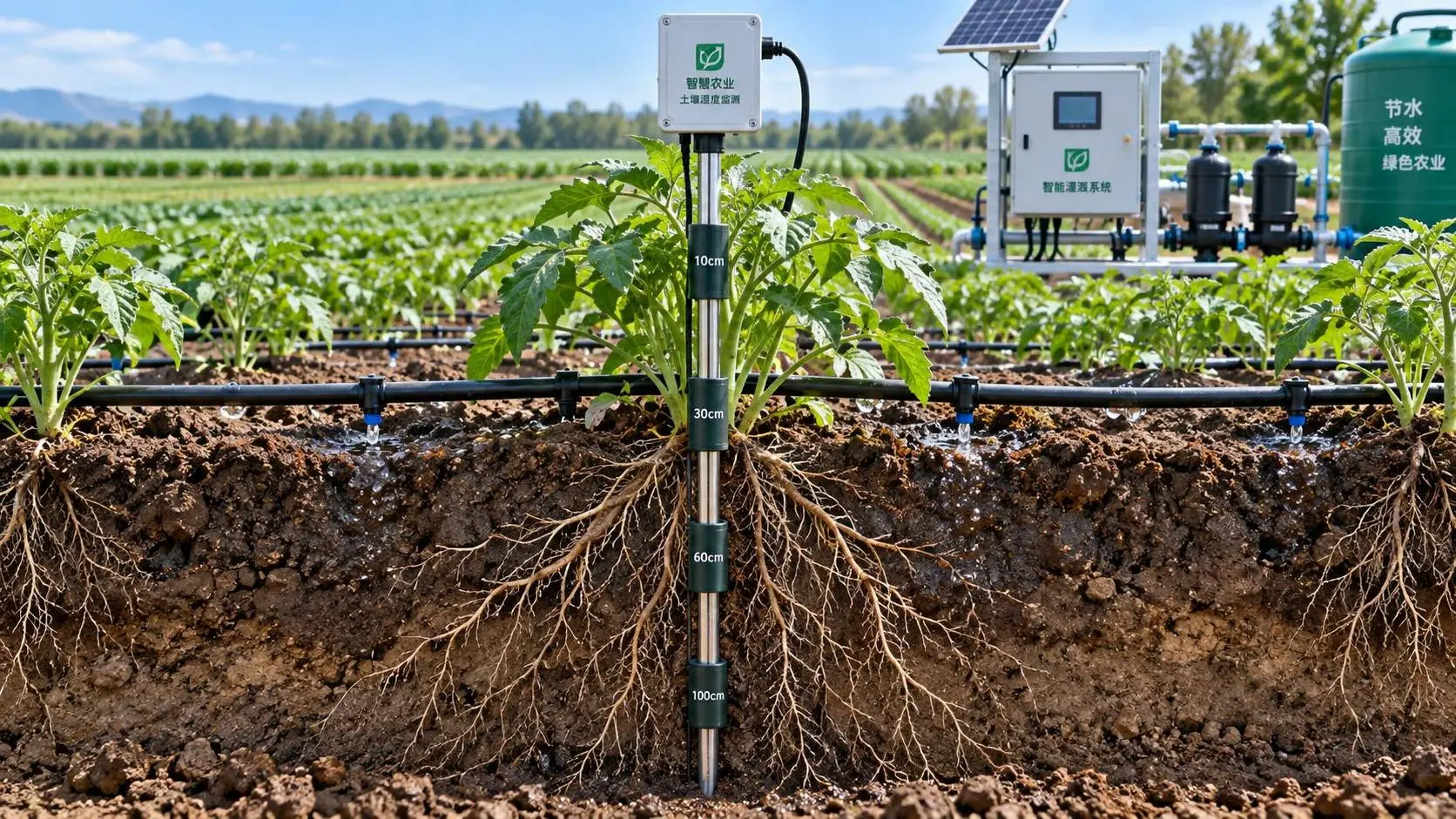
Selecting Real-Time Soil Moisture Sensors for Irrigation Zone Control
Soil moisture sensors real time: learn how to select reliable probes, optimize zone control, improve irrigation decisions, and scale precision water management.
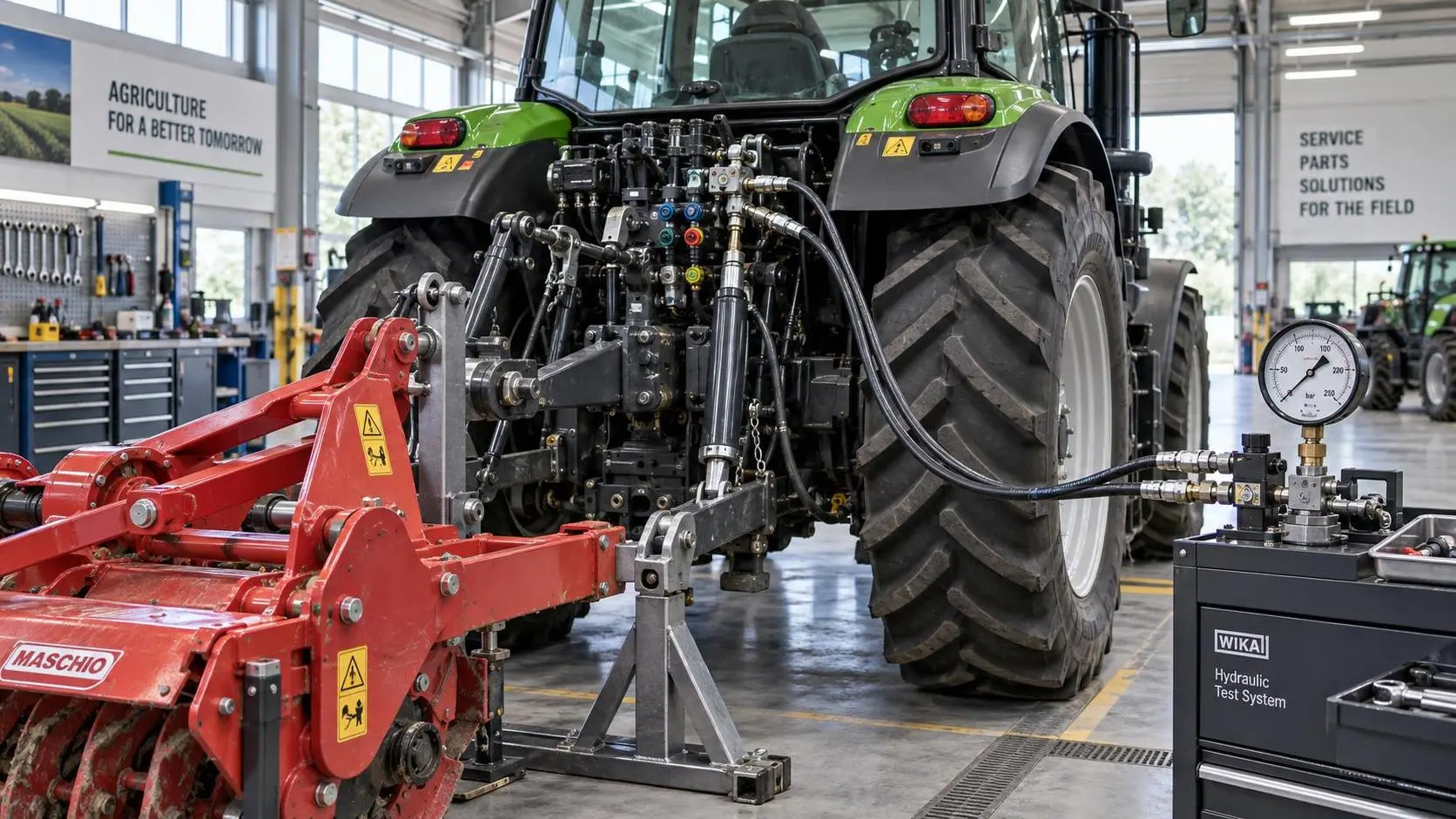
Tractor Hydraulic Systems Troubleshooting: Diagnosing Weak Lift and Slow Implements
Tractor hydraulic systems troubleshooting made practical: diagnose weak lifts and slow implements with proven pressure, flow, valve, and oil-supply checks.
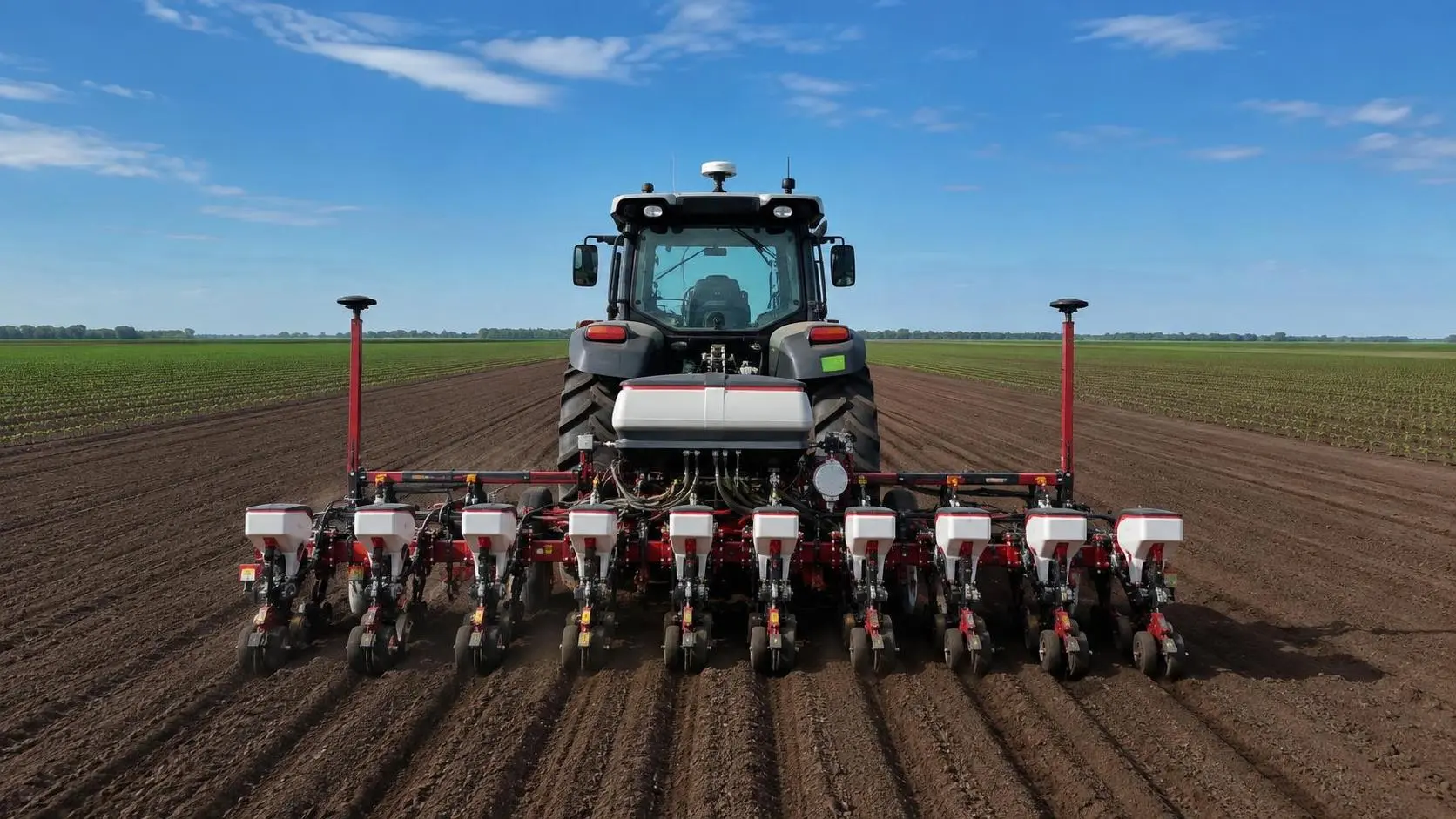
How Tractor Intelligence Systems Improve Field Efficiency and Input Accuracy
Agricultural machinery intelligence for tractors improves field efficiency, input accuracy, data traceability, and implement control. Explore smarter evaluation strategies.
Related News
- 00
0000-00
How Autonomous Machinery for Crop Scouting Helps Growers Detect Field Issues Earlier - 00
0000-00
How to Evaluate Autonomous Machinery for Vineyards by Terrain, Tasks, and ROI - 00
0000-00
Brazil ANVISA Rule Requires Portuguese Risk Labels for Farm Robots - 00
0000-00
EU CE Update Sets EN ISO 13849-1:2025 for Autonomous Robots - 00
0000-00
How AI Autonomous Agricultural Machinery Works in Large-Scale Field Operations
Popular Tags
Tractor Power Architect
Weekly Insights
Stay ahead with our curated technology reports delivered every Monday.