
Agricultural Automation Tools for Mid-Size Farms: Which Systems Are Worth Adopting First?
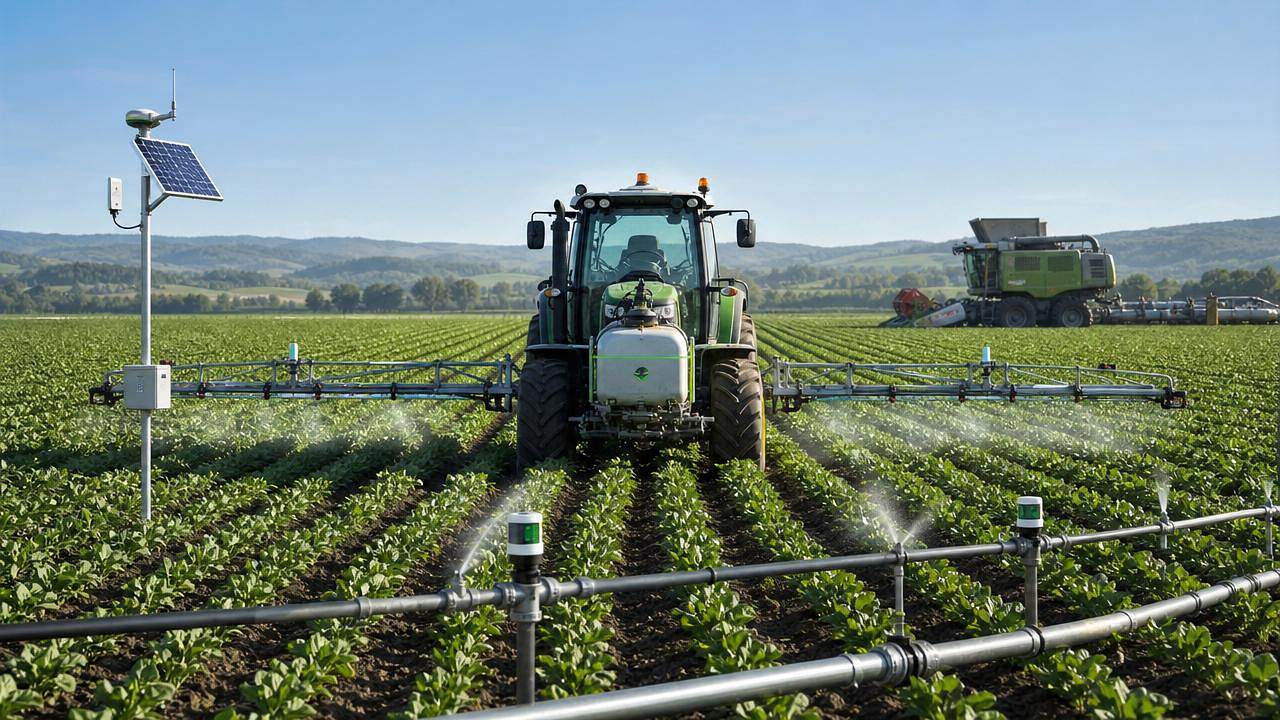




Mid-size farms are under pressure from two directions at once: tighter labor availability and narrower margins. That is why agricultural automation tools matter now. The issue is not whether automation looks modern, but whether it removes daily friction, improves application accuracy, and pays back within a reasonable operating cycle.
For many operations, the best starting point is not full autonomy. It is a sequence of practical upgrades. Guidance systems, irrigation controls, machine monitoring, and selective sensor networks often deliver value sooner than headline-grabbing robotic platforms. In the Agriculture 4.0 landscape, the strongest adoption path usually begins with the tools that support repeatable field decisions.
That view aligns with the market intelligence focus of AP-Strategy, where machinery performance, precision farming logic, and water-efficiency standards are increasingly evaluated together. Mid-size farms sit at the center of that shift because they need scalable systems, but cannot absorb the risk of expensive experimentation.
What agricultural automation tools really mean on a mid-size farm
In practical terms, agricultural automation tools are connected systems that reduce manual adjustment, improve timing, and make machine operations more consistent. They can be digital, mechanical, hydraulic, or software-led. What matters is whether they turn field data into better action.
This category includes auto-steer guidance, section control, variable-rate application, irrigation automation, telematics, yield monitoring, machine diagnostics, and semi-autonomous task support. Some systems work as stand-alone upgrades. Others create more value when linked across machines, seasons, and agronomic decisions.
Mid-size farms usually need tools that fit mixed conditions. One season may prioritize fuel savings and straight-line accuracy. Another may highlight water stress, spraying overlap, or harvester losses. The right adoption sequence depends on recurring operational pain, not on catalog breadth.
Why this topic has become more urgent
The economics of field operations have changed. Input costs remain volatile. Labor is harder to schedule. Weather windows are less predictable. These factors make timing more valuable than before, and timing is where agricultural automation tools often create their first measurable return.
A farm that misses a narrow spray window loses more than time. It may lose efficacy, increase passes, and raise fuel use. A poorly balanced irrigation schedule can waste water and lower crop uniformity. A harvester without strong monitoring may hide losses until the season is over.
From a broader industry perspective, automation is also tied to sustainability metrics and food security. AP-Strategy tracks this connection closely across large-scale machinery, combine harvesting, tractor chassis performance, intelligent tools, and water-saving irrigation. The pattern is clear: automation now supports both productivity and compliance expectations.
Which systems are usually worth adopting first
The first wave should favor systems with visible operational impact, manageable training requirements, and compatibility with existing machinery. In many cases, four areas stand out before more advanced autonomy.
1. Guidance and steering assistance
Guidance systems are often the easiest entry point. They reduce overlap, improve pass-to-pass consistency, and lower operator fatigue. On farms running multiple tillage, planting, spraying, or fertilizing passes, those gains accumulate quickly.
Even where full RTK-level precision is not immediately necessary, assisted steering can improve machine use enough to justify the investment. It also creates a foundation for later upgrades such as section control and variable-rate application.
2. Smart irrigation control
If water management is a major cost or risk factor, irrigation automation can move to the top of the list. Controllers linked to soil moisture, evapotranspiration estimates, or scheduled valve logic help reduce waste and improve timing.
This matters even more in regions facing stricter water-use expectations. Intelligent irrigation is no longer only a conservation story. It is an asset-efficiency decision tied to crop consistency, energy use, and long-term planning.
3. Telematics and machine health monitoring
Telematics does not always look transformative at first glance, yet it often improves decision quality across maintenance, fuel usage, route planning, and equipment availability. For mid-size farms, unscheduled downtime usually hurts more than expected.
A telematics layer becomes especially useful when the fleet includes aging equipment mixed with newer machines. It helps identify underused assets, recurring fault patterns, and seasonal bottlenecks that manual observation tends to miss.
4. Yield and application data tools
Not every farm should jump straight into complex prescription systems. Still, basic yield monitoring and application mapping deserve attention early. They help explain where inputs underperform and where field variability is large enough to justify targeted action.
The key is to avoid collecting data that no one uses. Agricultural automation tools only create value when maps, readings, and machine reports influence the next operational decision.
A simple way to prioritize investments
A useful filter is to rank systems by bottleneck severity, payback visibility, and integration difficulty. The strongest candidates usually solve a repeated problem across several field operations.
This approach keeps investment discussions grounded. It shifts the conversation from technology appeal to operational relevance, which is where most mid-size farms need clarity.
Where early mistakes usually happen
The most common mistake is buying fragmented tools that do not communicate well. A second mistake is treating agricultural automation tools as capital items only, rather than workflow changes that require setup, training, calibration, and review.
- Paying for features that exceed actual field precision needs.
- Ignoring compatibility with tractor terminals, controllers, and hydraulic systems.
- Installing sensors without a clear response protocol.
- Measuring success only by purchase cost, not by uptime, savings, and season timing.
- Underestimating the value of clean data management across seasons.
These issues are not minor. They determine whether automation remains a pilot project or becomes a durable operating advantage.
How to evaluate tools beyond the sales pitch
A sound evaluation framework should connect machine capability, agronomic value, and service support. AP-Strategy’s industry lens is useful here because automation rarely succeeds on software claims alone. Mechanical reliability, field conditions, and data usability are linked.
When comparing agricultural automation tools, it helps to ask a few disciplined questions:
- Which daily bottleneck does this system remove?
- Can existing tractors, harvesters, or irrigation assets support it well?
- What level of connectivity, correction signal, or calibration does it require?
- Will operators use the outputs in routine field decisions?
- How quickly can the farm verify value after one season?
Those questions often reveal that the best first step is not the most advanced product. It is the one that improves consistency across the highest-cost activity.
Building a realistic roadmap toward Agriculture 4.0
Agriculture 4.0 is easier to adopt when farms treat automation as a staged operating model. Start with tools that stabilize execution. Then add layers that sharpen decisions. Full autonomy, if it comes later, should rest on verified gains from earlier phases.
For most mid-size operations, that roadmap often looks like this: guidance first, then data visibility, then input-specific automation, then deeper integration across machinery and irrigation. Combine harvesting analytics, chassis control intelligence, and water-saving networks become more useful when the base layer is already reliable.
That is also where strategic intelligence matters. Market conditions, policy shifts, water constraints, and equipment lifecycles can change the order of adoption. A good plan remains flexible, but it should always be tied to measurable field outcomes.
The next practical move is to map one season of recurring losses, rank them by cost and timing sensitivity, and match each problem to a short list of agricultural automation tools. That process creates a more reliable investment path than chasing the most visible technology trend.
Related News
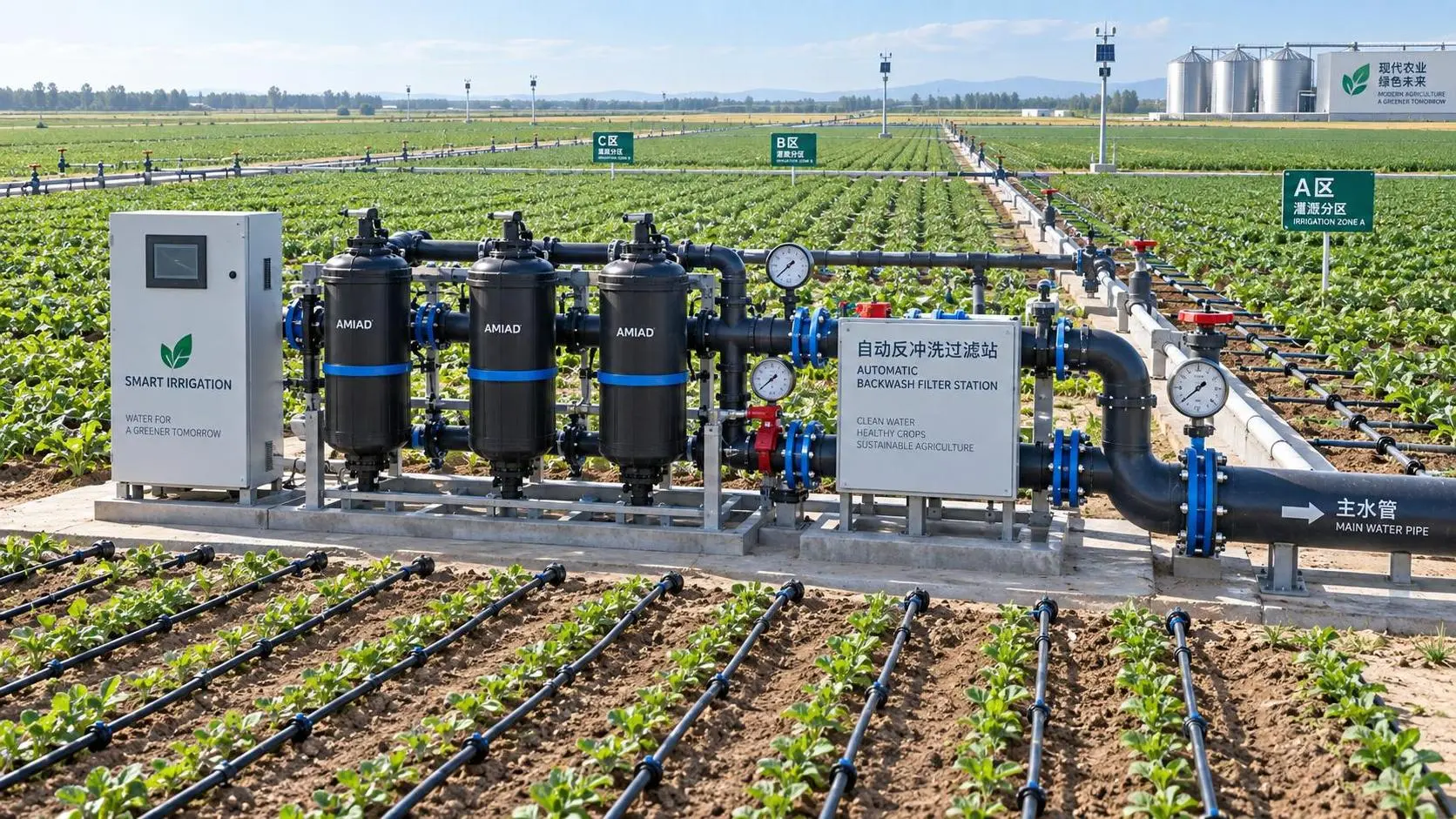
How to Evaluate Drip Irrigation System Manufacturers for Large Farm Projects
Drip irrigation systems manufacturer evaluation guide for large farms: compare hydraulic design, filtration, quality control, scalability, delivery, and support.
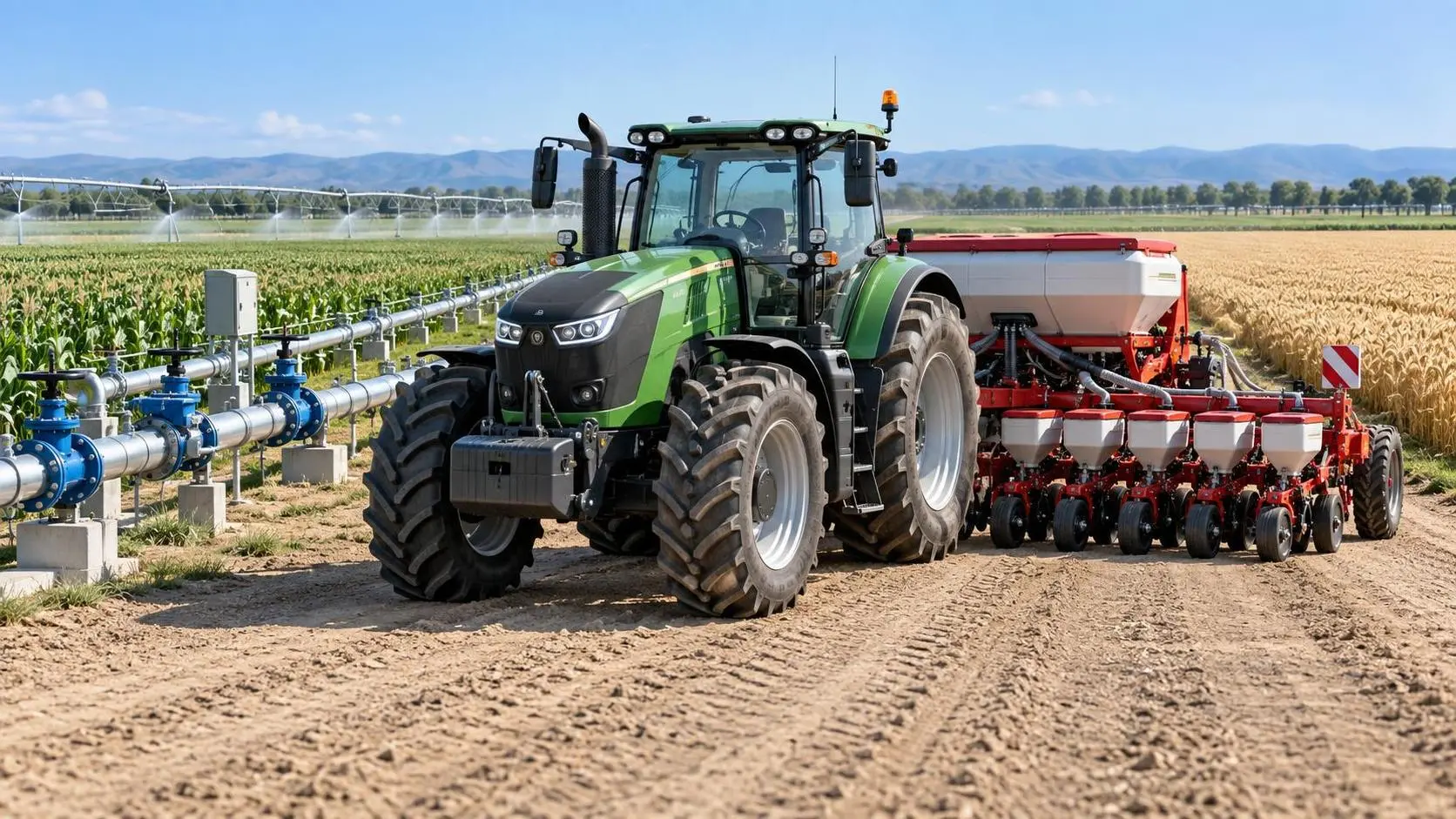
Specification Planning: A Practical Framework for Defining Equipment Requirements
Application guidance for specification planning: define measurable equipment requirements, prioritize performance, and avoid costly procurement mistakes.

How North American Farms Can Select Crop Monitoring Systems by Acreage and Connectivity
Crop monitoring systems North America: learn how to match acreage, connectivity, sensors, and data workflows for reliable, actionable farm decisions.

Where to Find Reliable Product Information for Comparing Farm Equipment
Product information resources agriculture buyers can trust: compare farm equipment with technical specs, manuals, field data, dealer support, and lifecycle insights.
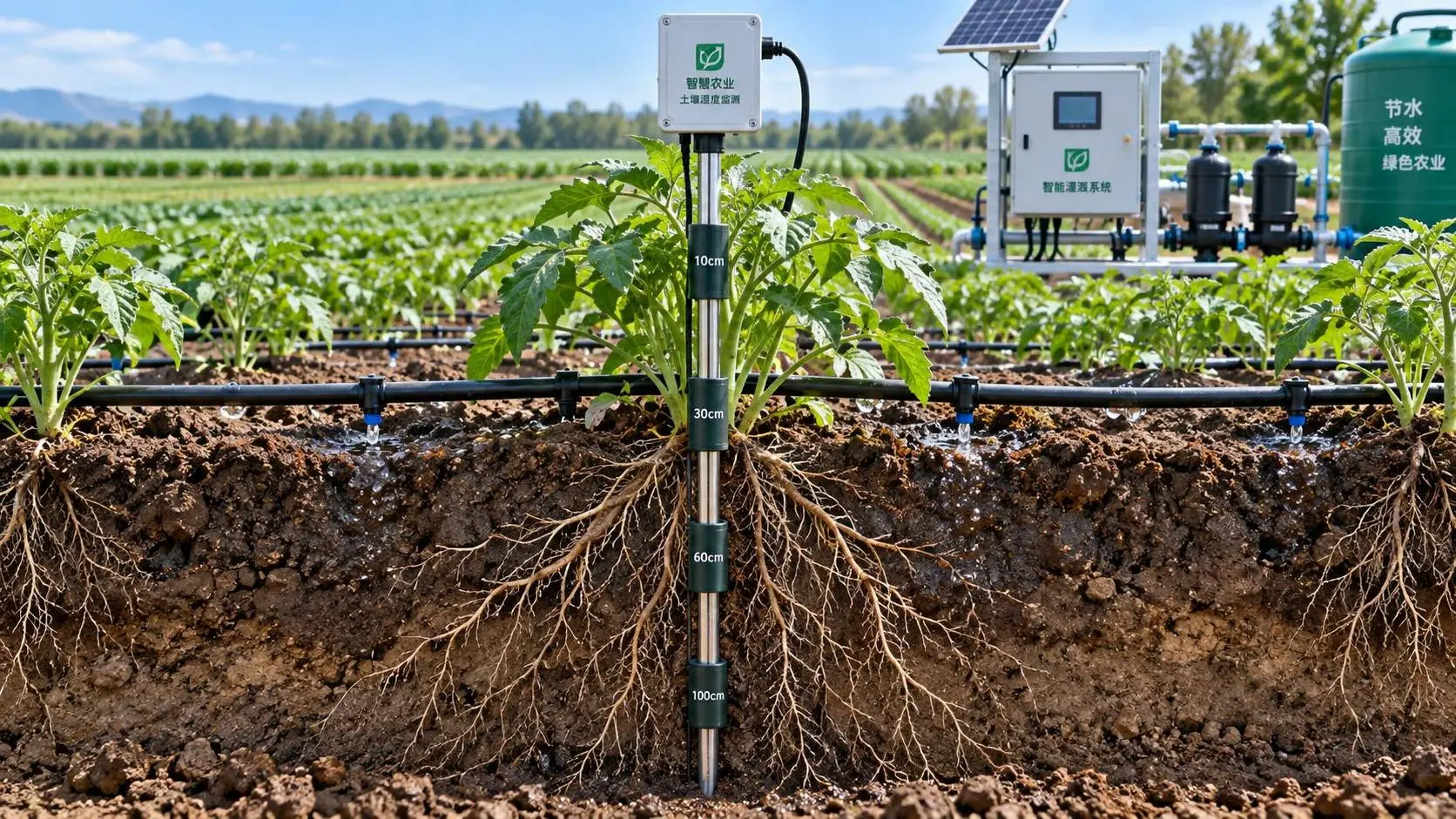
Selecting Real-Time Soil Moisture Sensors for Irrigation Zone Control
Soil moisture sensors real time: learn how to select reliable probes, optimize zone control, improve irrigation decisions, and scale precision water management.
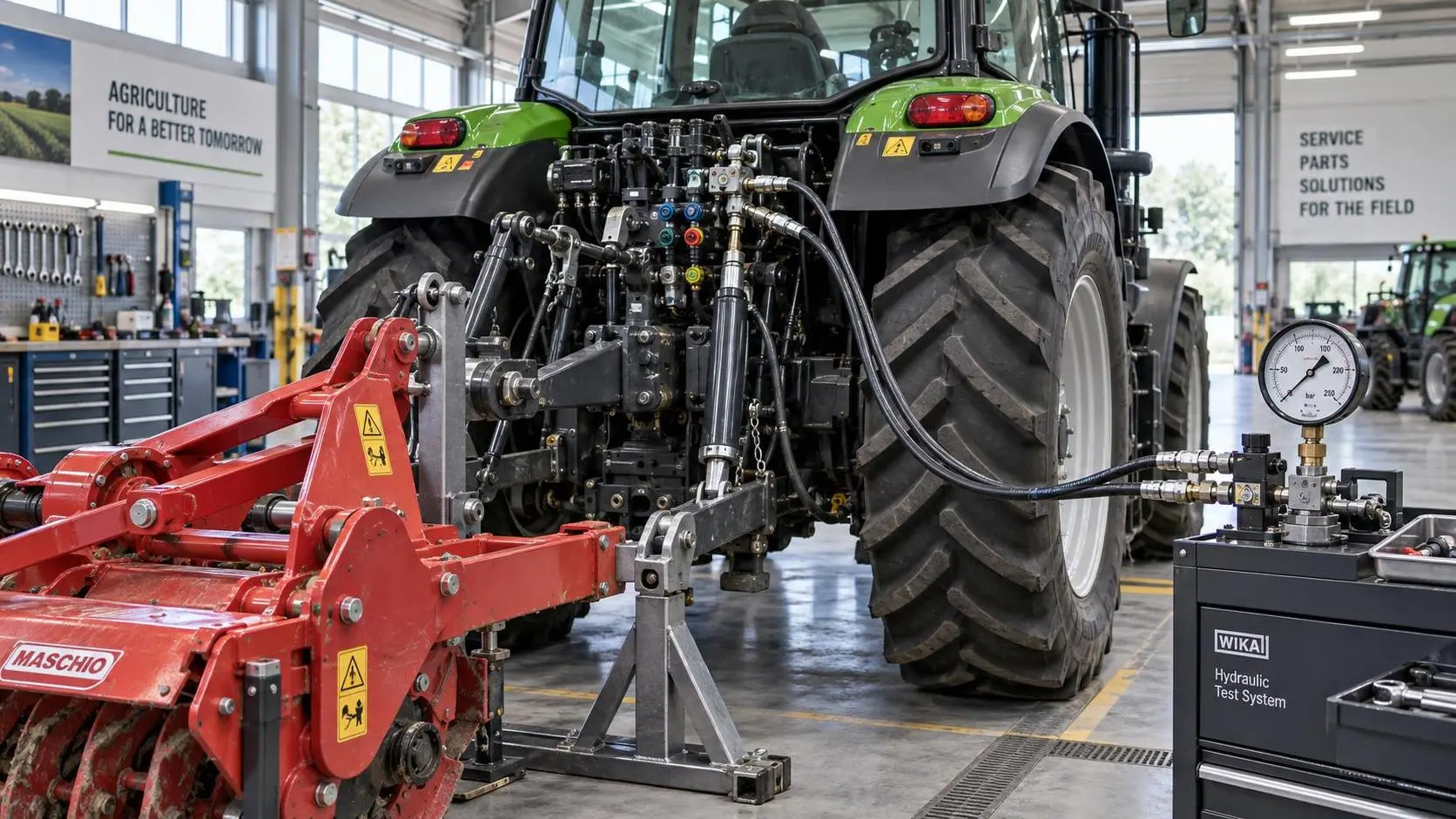
Tractor Hydraulic Systems Troubleshooting: Diagnosing Weak Lift and Slow Implements
Tractor hydraulic systems troubleshooting made practical: diagnose weak lifts and slow implements with proven pressure, flow, valve, and oil-supply checks.
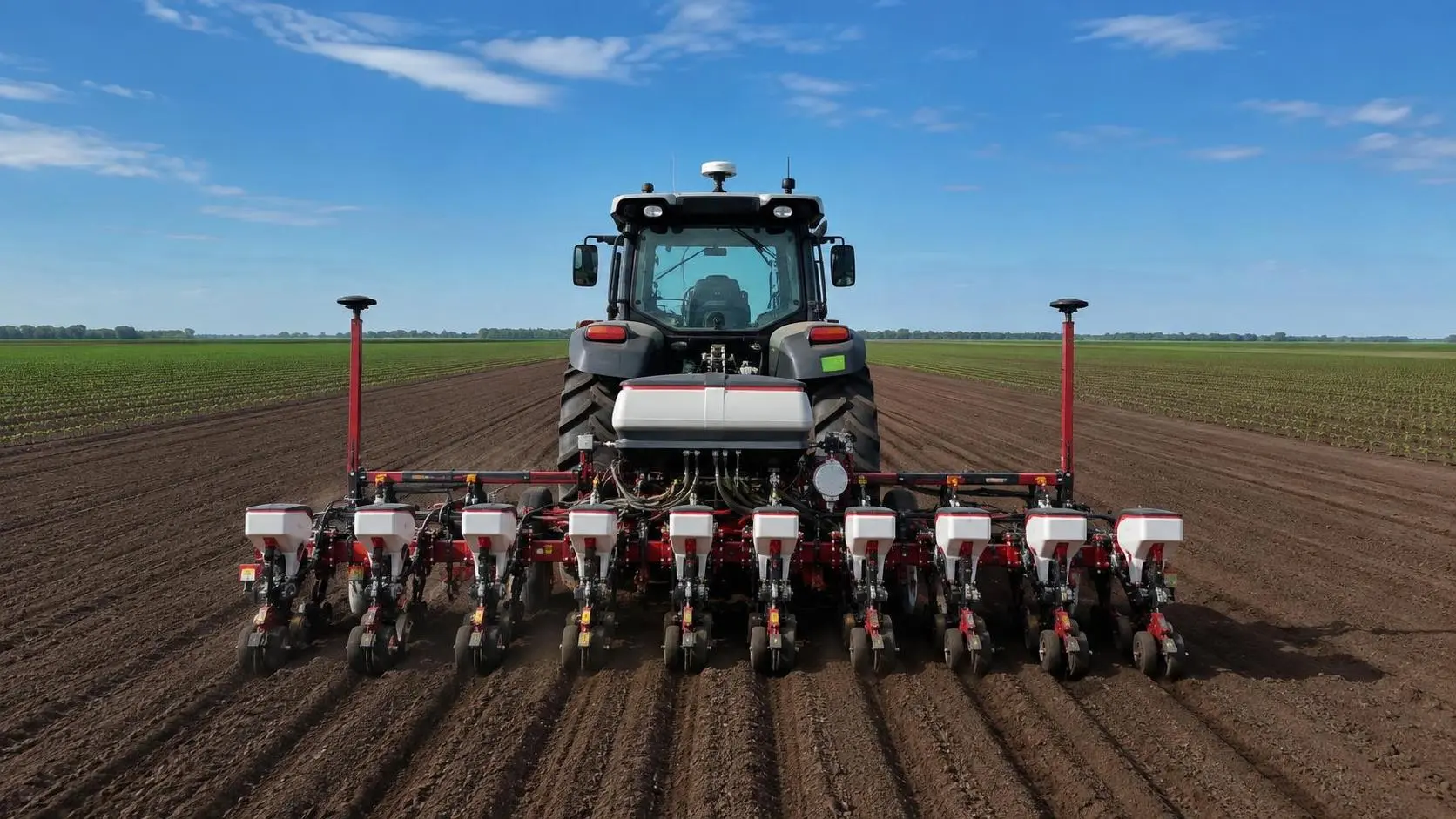
How Tractor Intelligence Systems Improve Field Efficiency and Input Accuracy
Agricultural machinery intelligence for tractors improves field efficiency, input accuracy, data traceability, and implement control. Explore smarter evaluation strategies.
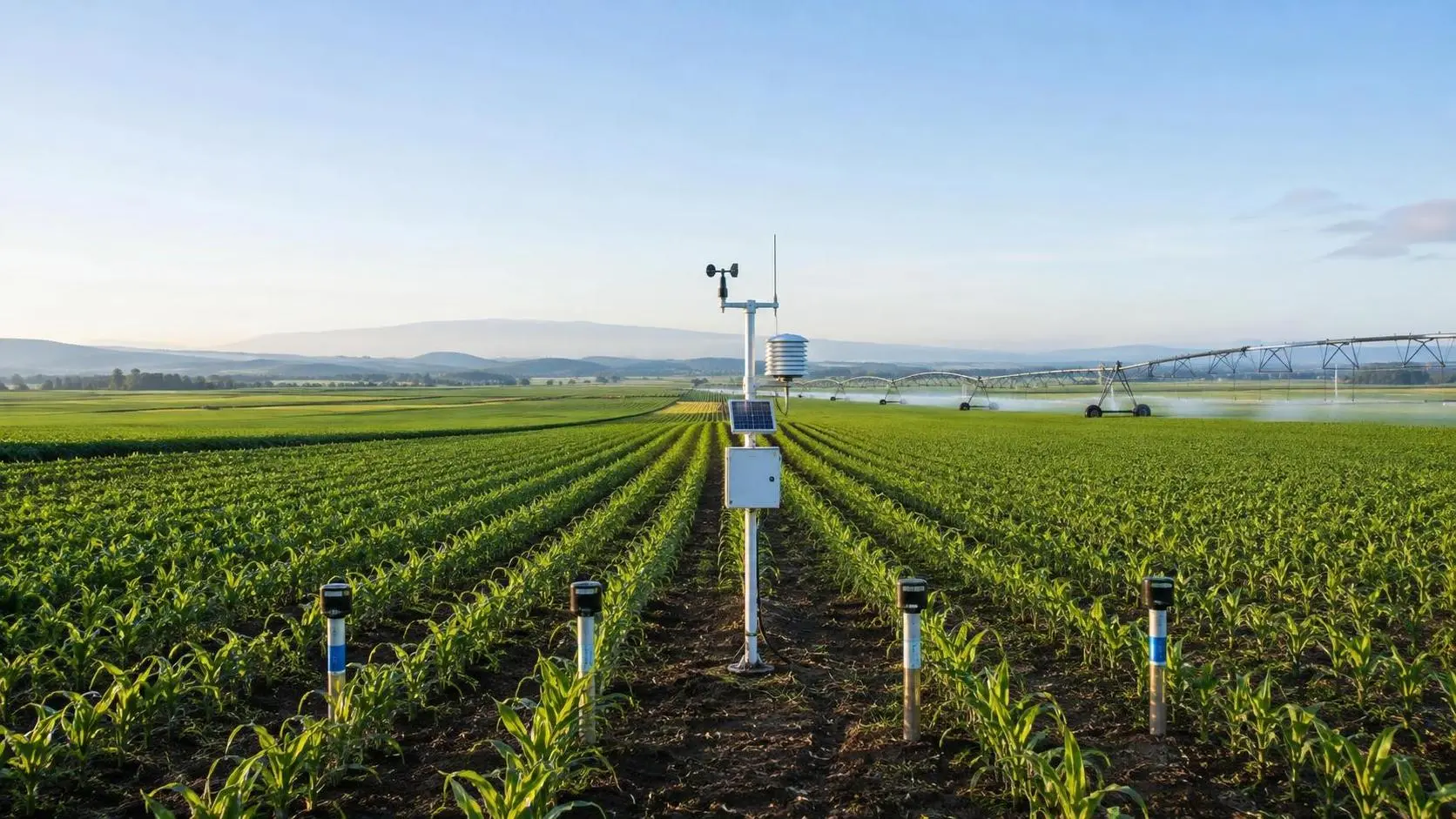
How to Evaluate Crop Monitoring System Manufacturers for Large-Scale Farms
Compare crop monitoring systems manufacturers for large-scale farms. Evaluate data quality, integration, durability, lifecycle costs, support, and pilots for smarter decisions.
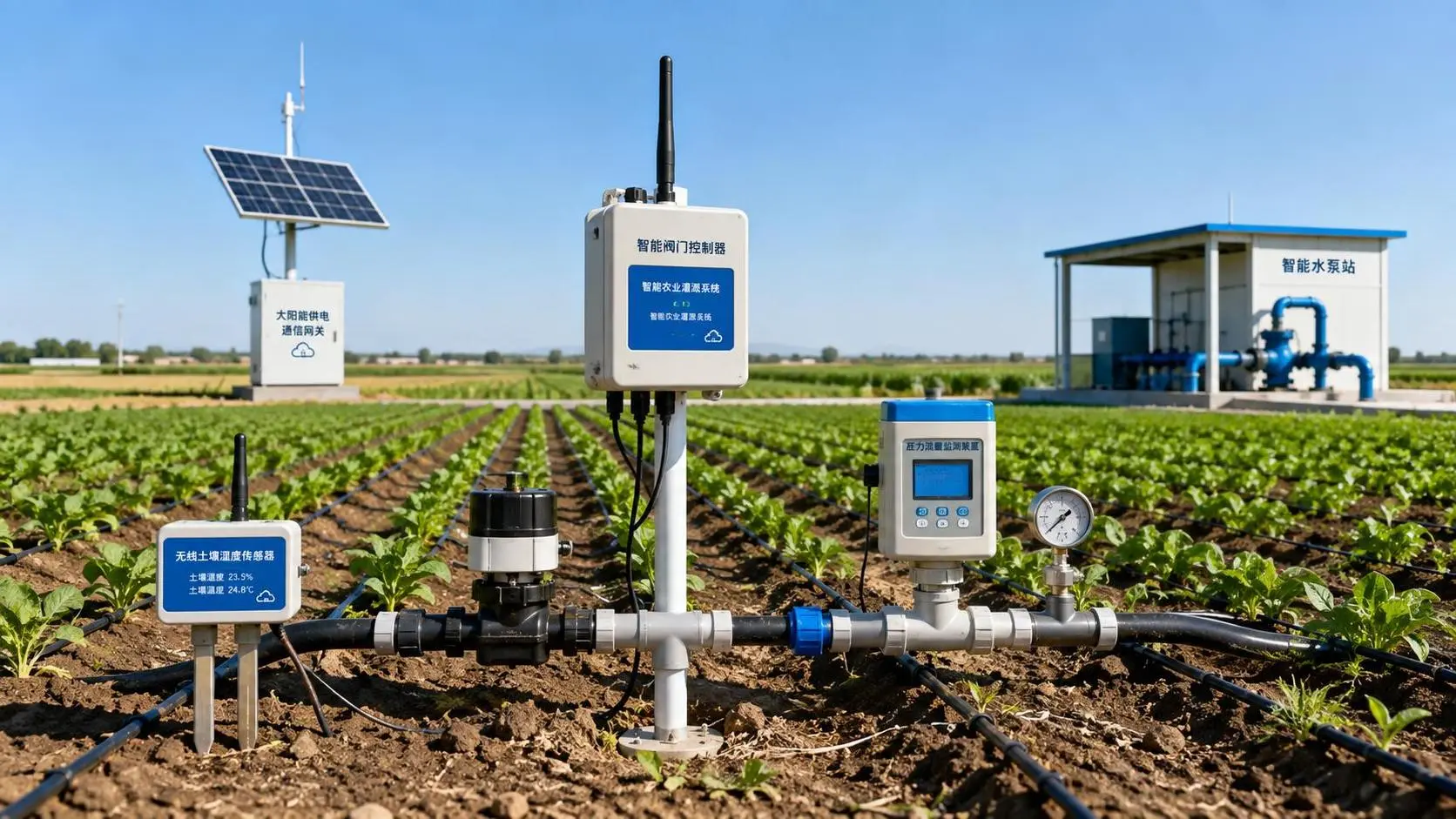
Wireless Agricultural Automation for Remote Irrigation and Field Monitoring
Agricultural automation wireless solutions improve remote irrigation with reliable field data, local control, flow verification, and smarter monitoring. Explore resilient deployment strategies.
Related News
- 00
0000-00
How Autonomous Machinery for Crop Scouting Helps Growers Detect Field Issues Earlier - 00
0000-00
How to Evaluate Autonomous Machinery for Vineyards by Terrain, Tasks, and ROI - 00
0000-00
Brazil ANVISA Rule Requires Portuguese Risk Labels for Farm Robots - 00
0000-00
EU CE Update Sets EN ISO 13849-1:2025 for Autonomous Robots - 00
0000-00
How AI Autonomous Agricultural Machinery Works in Large-Scale Field Operations
Popular Tags
Tractor Power Architect
Weekly Insights
Stay ahead with our curated technology reports delivered every Monday.