
Russia Requires White-Box AI Tests for Autonomous Robot Imports
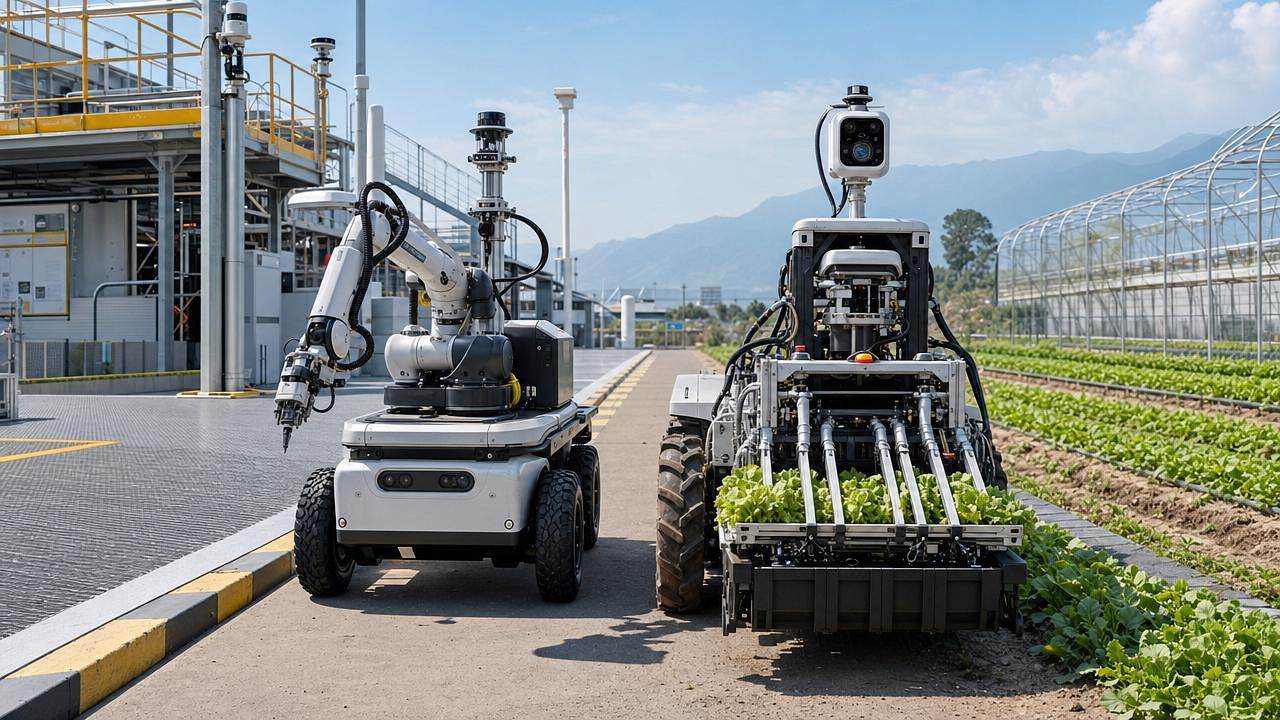




On June 12, 2026, Rosstandart issued Technical Notice No. 47, setting a new market-entry condition for autonomous robots entering Russia from July 1 onward. For manufacturers, exporters, distributors, and buyers involved in inspection robots and harvesting robots, the key issue is not only compliance itself but also how product testing, delivery timing, and market access may now depend on passing a field-based white-box review of AI decision logic.
What the new requirement sets out
According to the information provided, Rosstandart released Technical Notice No. 47 on June 12, 2026. Starting July 1, 2026, all autonomous robots entering the Russian market, including inspection robots and harvesting robots, must complete a field AI decision-logic white-box verification.
The notice includes three stated technical thresholds: crop recognition confidence of at least 94%, abnormal operation traceability response of no more than 200 ms, and local offline decision coverage of at least 90%.
The provided information also states that Chinese manufacturers need to book testing schedules in advance.
Where the operational pressure may appear first
Exporting manufacturers face a new gate before shipment
From an industry perspective, robot manufacturers selling into Russia may be affected most directly because the rule links market entry to test completion. The practical pressure is likely to fall on pre-delivery preparation, technical documentation readiness, and shipment scheduling tied to test appointments.
Channel partners may need to reassess delivery timing
Distributors and other channel-side participants may need to watch whether product availability and handover timelines change once testing becomes a required step before market entry. What deserves closer attention is the potential effect on order sequencing, inventory planning, and customer communication around lead times.
Buyers may place more weight on verification readiness
For purchasers and end users evaluating autonomous robots for field use, the new rule may shift attention toward whether suppliers are prepared for the white-box verification process. The issue is not only product capability, but also whether compliance readiness could affect deployment timing and procurement certainty.
Supply-chain service providers may need tighter coordination
Analysis shows that service providers involved in trade execution, documentation, or delivery coordination may also feel the impact. Their focus is likely to be on synchronizing test booking, shipment preparation, and import timing so that compliance steps do not disrupt planned delivery windows.
What companies should monitor now
How the three metrics translate into product readiness
Companies should first look closely at the three published thresholds: crop recognition confidence, abnormal operation traceability response, and local offline decision coverage. The immediate practical question is whether existing products can be mapped clearly against these metrics before test scheduling begins.
The distinction between a published rule and execution details
Observably, one important issue is the gap between a formal requirement and the way it is implemented in actual testing. Businesses should continue to monitor whether any further official wording, interpretation, or procedural clarification appears around the white-box verification process.
Testing appointments as a delivery risk point
The information provided specifically notes that Chinese manufacturers need to reserve test slots in advance. That makes testing capacity and appointment timing a concrete operational concern, especially for companies managing planned shipments or customer delivery commitments into the Russian market.
Customer communication and document preparation
Companies active in this market may need to review how they communicate with customers about compliance timing, expected delivery schedules, and supporting technical materials. Analysis shows that even without adding new legal facts, preparedness in these areas can affect how smoothly the new requirement is handled in practice.
Why this reads as more than a routine import formality
As an editorial observation, this update is better understood as a targeted compliance signal rather than a simple administrative adjustment. The focus on white-box validation of field AI decision logic suggests that market access scrutiny is being applied not only to hardware entry, but also to how autonomous systems make and trace decisions in use.
At the same time, it is more appropriate to understand this as an active regulatory development that still requires continued observation in practice. The confirmed facts establish the rule, its start date, and the three thresholds, but the broader commercial effect will depend on how testing schedules, implementation details, and business adaptation unfold after July 1, 2026.
How this update is best understood today
Based on the confirmed information, the immediate significance of this development is clear: autonomous robots entering Russia from July 1, 2026 face a defined testing threshold tied to AI decision logic, and advance test booking is already relevant for Chinese manufacturers.
From a neutral industry reading, this is best treated as a near-term operational change with possible longer-term regulatory implications. It does not yet prove a wider market outcome on its own, but it does give companies a concrete signal to review compliance readiness, delivery planning, and ongoing monitoring of official implementation.
Basis of this article
This article is generated from the user-provided news title, event date, and event summary. The factual basis used here is limited to the stated information about Rosstandart, Technical Notice No. 47, the effective date of July 1, 2026, the three listed testing thresholds, and the note that Chinese manufacturers must reserve testing schedules in advance.
For this type of industry update, relevant source categories typically include official notices, company announcements, industry association releases, authoritative media reporting, and standard-setting documents. A specific official source link was not provided in the input, so the exact source document link still needs to be continuously verified. Follow-up attention should remain on any later official clarification, procedural detail, or implementation update related to the testing requirement.
Related News
Specification Planning: A Practical Framework for Defining Equipment Requirements
Application guidance for specification planning: define measurable equipment requirements, prioritize performance, and avoid costly procurement mistakes.

How North American Farms Can Select Crop Monitoring Systems by Acreage and Connectivity
Crop monitoring systems North America: learn how to match acreage, connectivity, sensors, and data workflows for reliable, actionable farm decisions.

Where to Find Reliable Product Information for Comparing Farm Equipment
Product information resources agriculture buyers can trust: compare farm equipment with technical specs, manuals, field data, dealer support, and lifecycle insights.
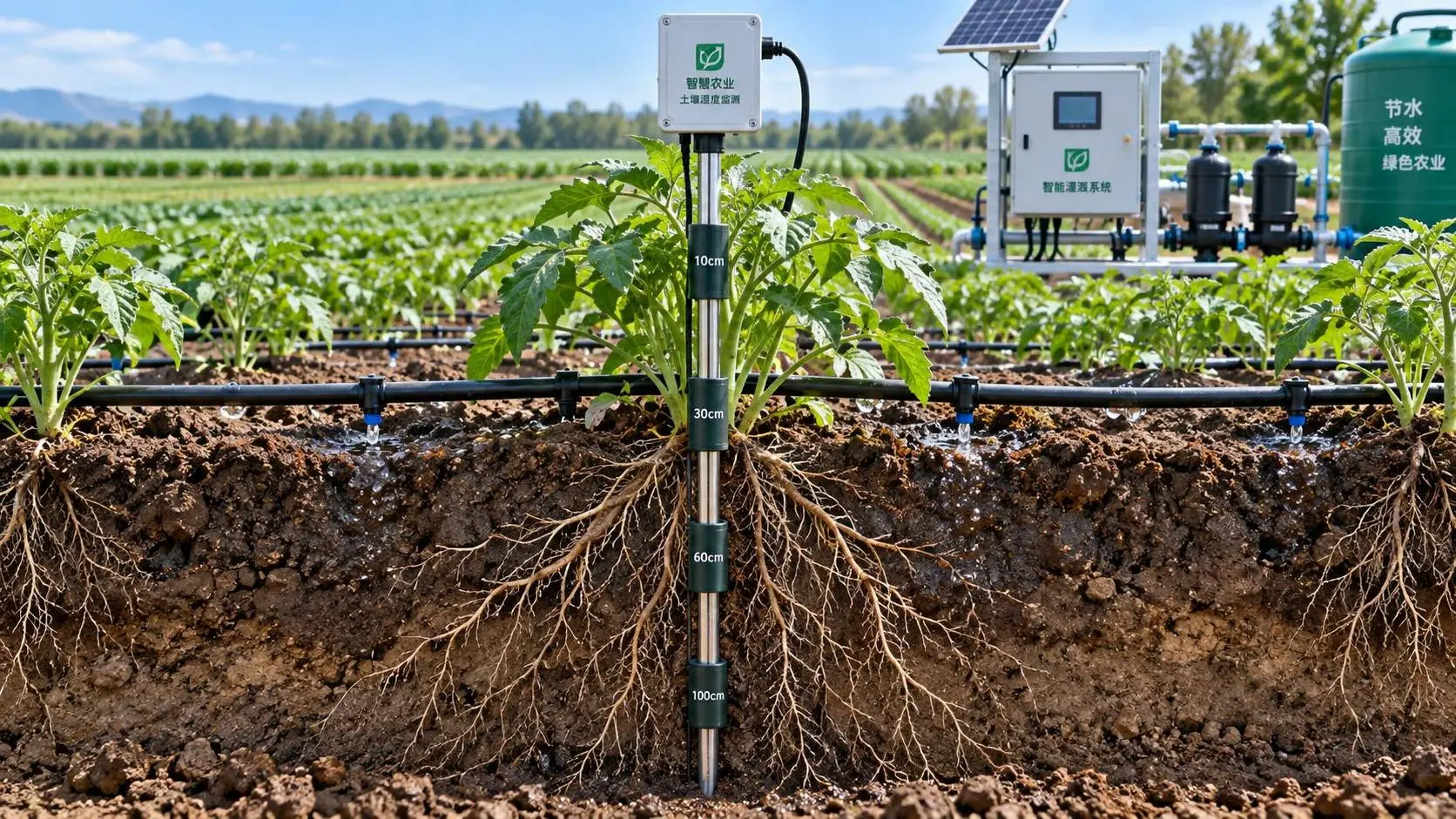
Selecting Real-Time Soil Moisture Sensors for Irrigation Zone Control
Soil moisture sensors real time: learn how to select reliable probes, optimize zone control, improve irrigation decisions, and scale precision water management.
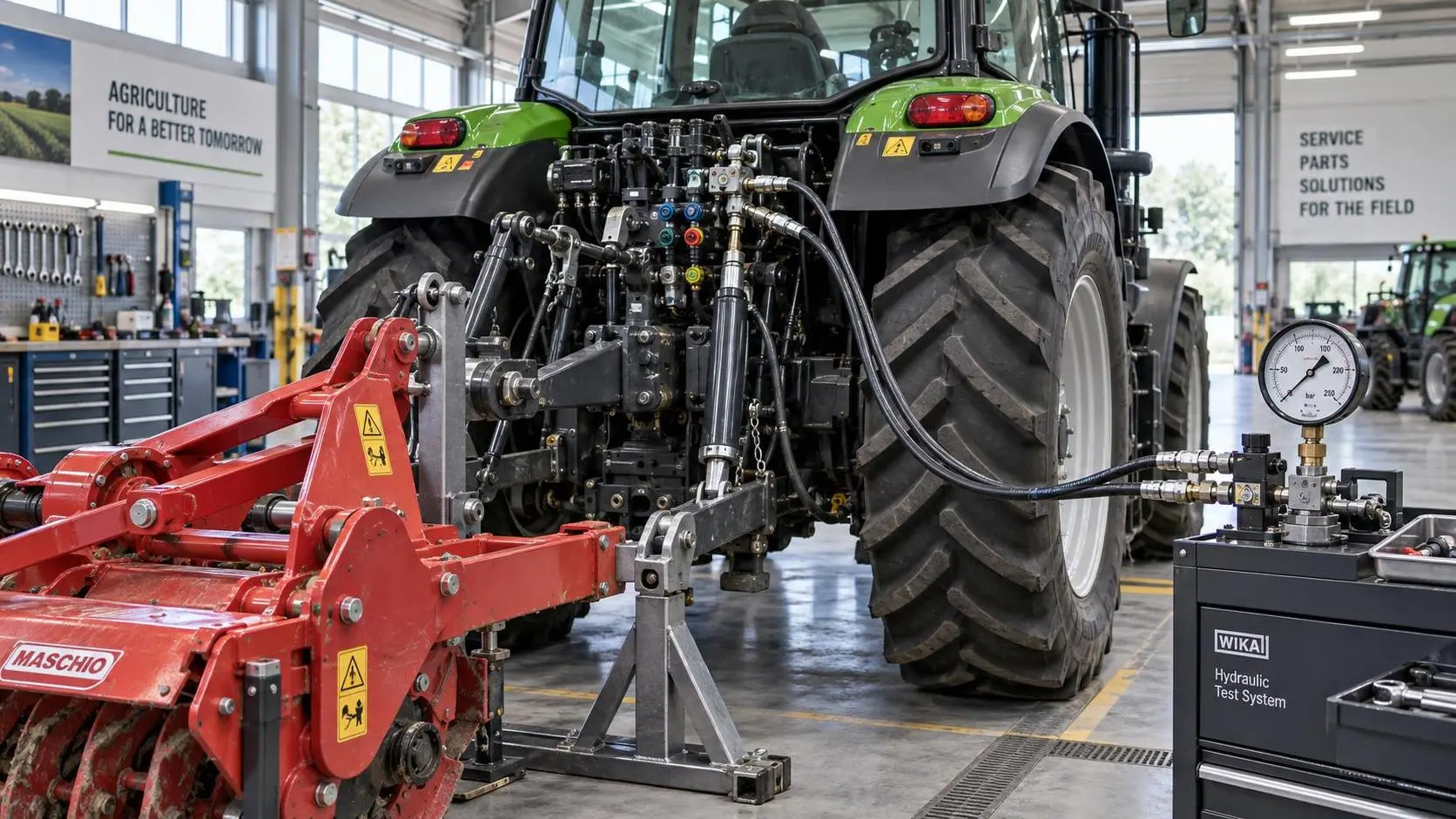
Tractor Hydraulic Systems Troubleshooting: Diagnosing Weak Lift and Slow Implements
Tractor hydraulic systems troubleshooting made practical: diagnose weak lifts and slow implements with proven pressure, flow, valve, and oil-supply checks.
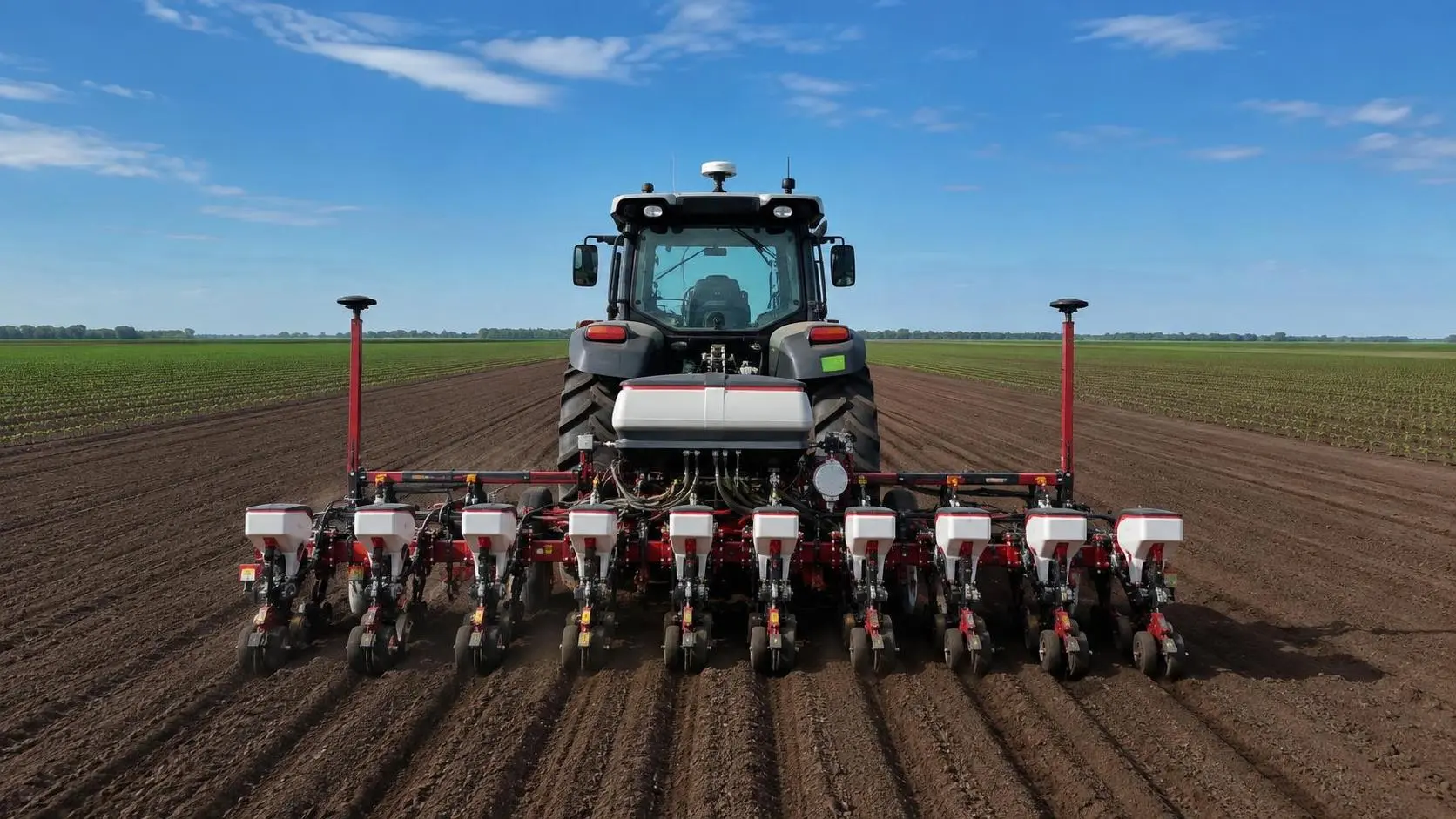
How Tractor Intelligence Systems Improve Field Efficiency and Input Accuracy
Agricultural machinery intelligence for tractors improves field efficiency, input accuracy, data traceability, and implement control. Explore smarter evaluation strategies.
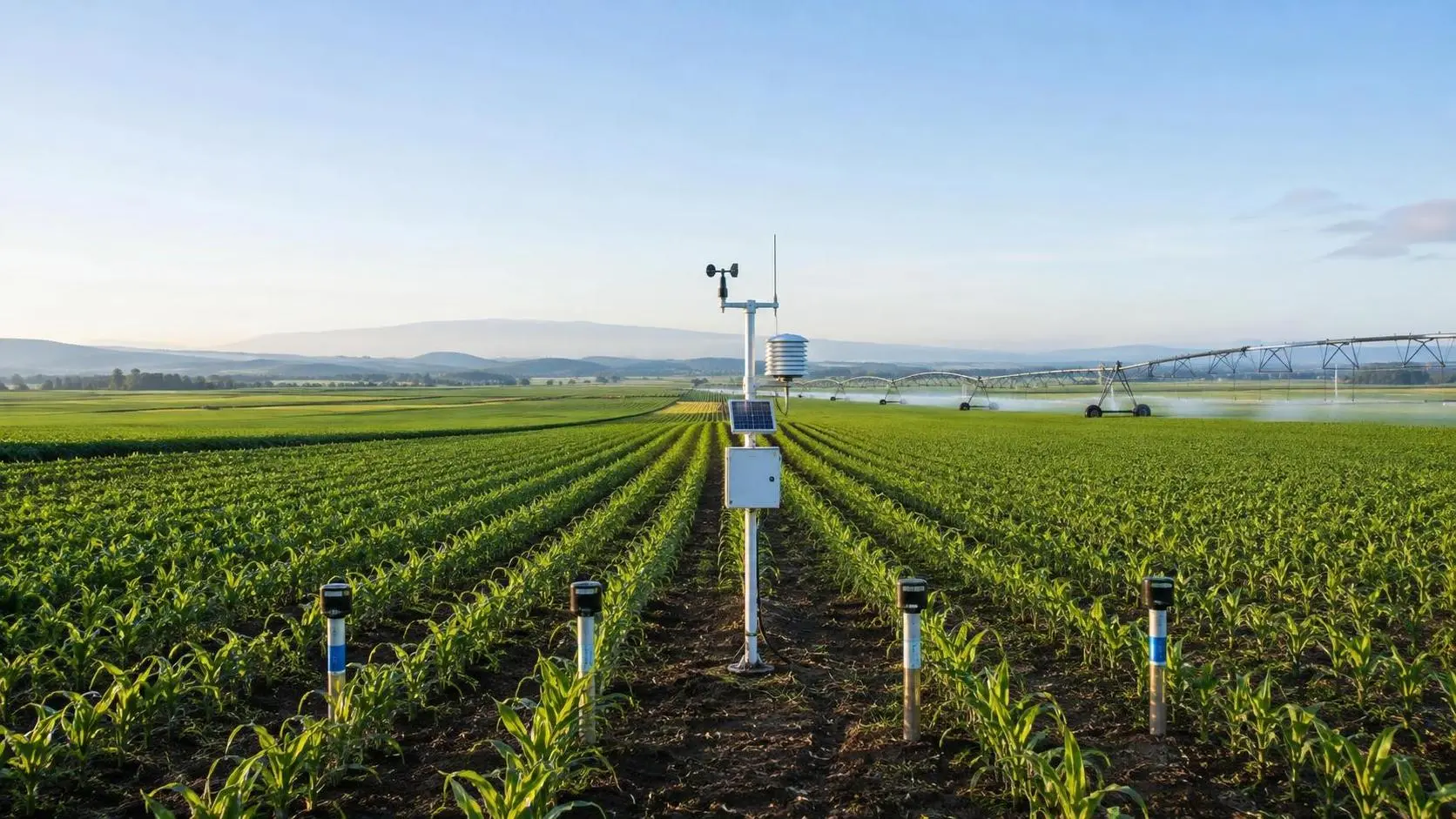
How to Evaluate Crop Monitoring System Manufacturers for Large-Scale Farms
Compare crop monitoring systems manufacturers for large-scale farms. Evaluate data quality, integration, durability, lifecycle costs, support, and pilots for smarter decisions.
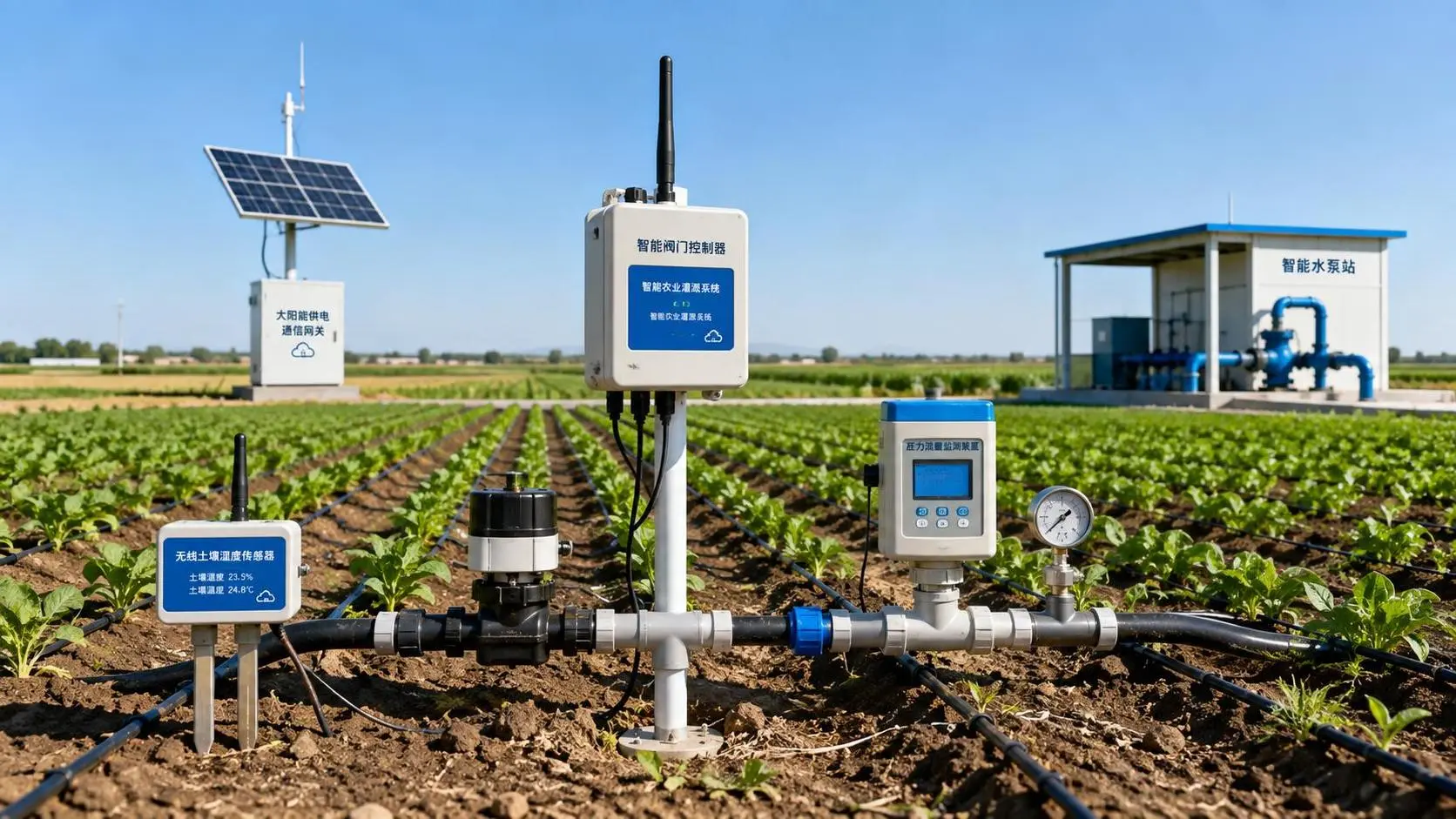
Wireless Agricultural Automation for Remote Irrigation and Field Monitoring
Agricultural automation wireless solutions improve remote irrigation with reliable field data, local control, flow verification, and smarter monitoring. Explore resilient deployment strategies.
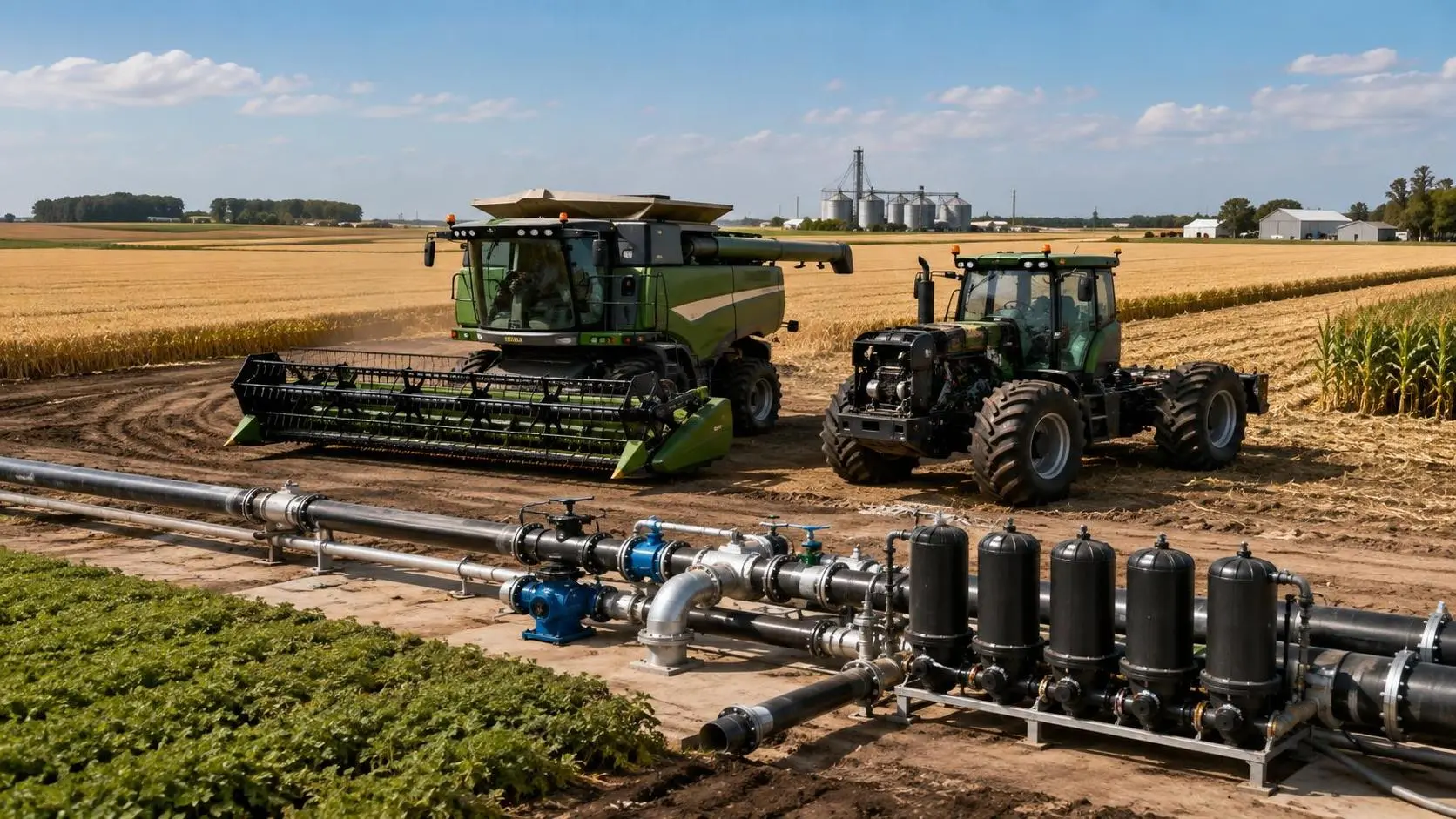
Agricultural Product Information Market Guide: Key Data for Sourcing Decisions
Agricultural product information market guide for smarter sourcing—compare machinery, irrigation, precision tools, lifecycle costs, and supplier risk.
Related News
- 00
0000-00
How Autonomous Machinery for Crop Scouting Helps Growers Detect Field Issues Earlier - 00
0000-00
How to Evaluate Autonomous Machinery for Vineyards by Terrain, Tasks, and ROI - 00
0000-00
Brazil ANVISA Rule Requires Portuguese Risk Labels for Farm Robots - 00
0000-00
EU CE Update Sets EN ISO 13849-1:2025 for Autonomous Robots - 00
0000-00
How AI Autonomous Agricultural Machinery Works in Large-Scale Field Operations
Popular Tags
Tractor Power Architect
Weekly Insights
Stay ahead with our curated technology reports delivered every Monday.