
Russia Tightens Import Approval for Farm Robots
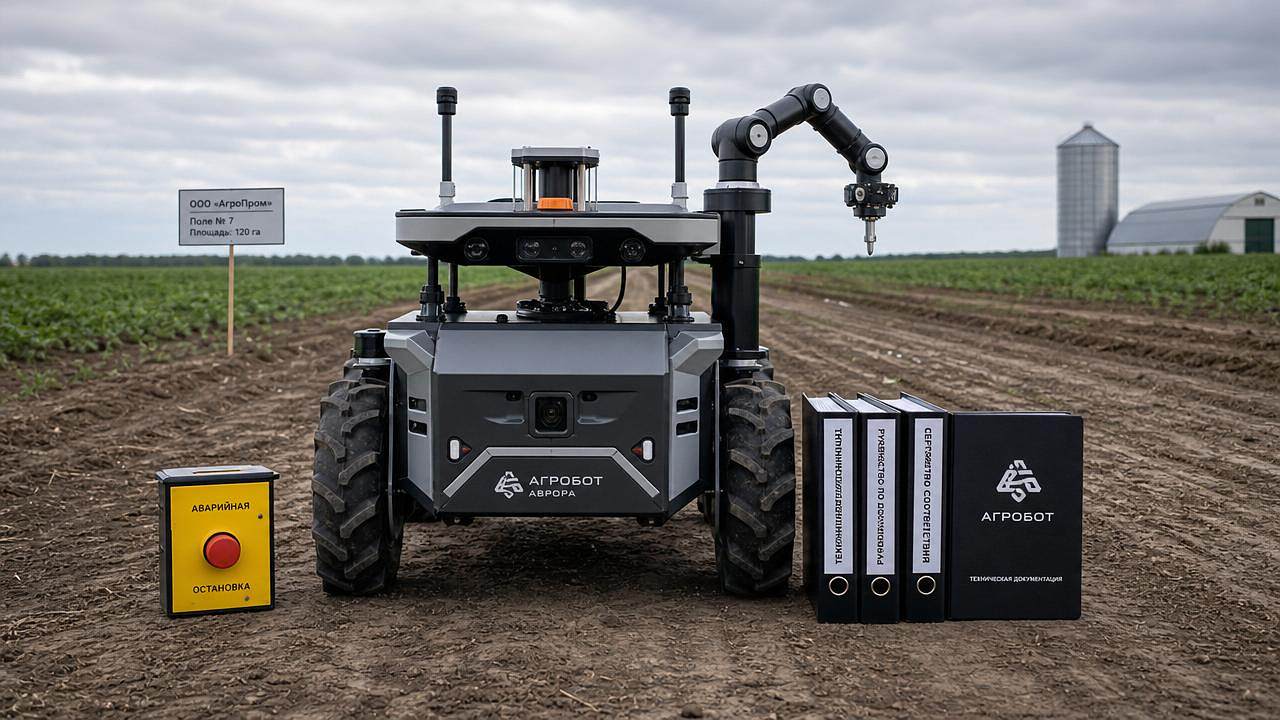




On June 11, 2026, Rosstandart issued Technical Notice No. 87, introducing a new compliance threshold for imported autonomous agricultural robots in Russia from September 1, 2026. The change is relevant not only to exporters of crop protection and harvesting robots, but also to importers, distributors, service providers, and end users managing installed equipment, because the new requirement reaches beyond hardware and into AI decision logic, weather-response records, and Russian-language human-machine interaction materials.
What the new import requirement includes
According to the provided information, the new rule applies to all declared imports of autonomous robots, including crop protection robots and picking robots.
From September 1, 2026, these products must pass a “field AI decision safety white-box test.” The required submission materials include a complete description of the perception-planning-execution algorithm chain, sample logs showing responses under extreme weather conditions, and a localized Russian-language human-machine interaction protocol.
Products that do not meet the requirement will face suspension of customs clearance. For equipment already imported, a certified offline emergency stop module must be added.
Where the operational pressure is likely to appear
Documentation and compliance preparation move closer to the product core
From an industry perspective, exporters and importers may be affected first at the documentation stage. The required materials are not limited to standard commercial or technical paperwork; they extend to how the machine perceives, plans, and acts in field conditions. What deserves closer attention is whether product teams and compliance teams can organize these materials in a form suitable for review before shipment declarations are made.
Customs and delivery timelines may become more sensitive
For trading companies and channel operators, the most immediate exposure is likely to sit in customs clearance and delivery scheduling. Analysis shows that products failing to satisfy the new testing requirement may not simply face later technical correction, but could be paused at the clearance stage. That makes pre-submission readiness, document completeness, and handoff between supplier and importer more important in actual execution.
Installed-base service responsibilities may expand
For service providers and equipment operators already handling imported units, the stated requirement for a certified offline emergency stop module creates a separate after-import task. Observably, this is not only a procurement issue for parts or modules, but also a service-planning issue involving retrofit timing, customer communication, and operational continuity.
What companies should review now
Check whether existing technical files can support a white-box review
Companies involved in supply, import, or product localization should first review whether their current technical package can clearly describe the full perception-planning-execution chain. The practical issue is not general product capability, but whether the logic path can be documented in a way that aligns with the announced requirement.
Reassess weather-response logging and record retention
The request for sample logs on extreme weather response means firms should pay attention to how such logs are generated, stored, and presented. Analysis shows that this may become a weak point for products that were prepared mainly for performance demonstration rather than regulator-facing traceability.
Do not treat language localization as a minor add-on
The requirement for a localized Russian-language human-machine interaction protocol suggests that language adaptation is part of compliance, not only a commercial usability feature. Companies should therefore pay close attention to the completeness and consistency of Russian-language operating and interaction materials tied to the machine interface.
Separate new-import compliance from retrofit planning for existing units
The notice addresses both newly declared imports and equipment already imported, but the obligations differ. What deserves closer attention is the need to manage these as two separate workstreams: one focused on customs and pre-import approval, and the other on certified offline emergency stop module installation for deployed machines.
How this policy signal should be read
Analysis shows that the announcement is more than a narrow import paperwork adjustment. It indicates closer regulatory attention to the internal decision process of autonomous agricultural machines, especially how those systems behave in field conditions and how operators interact with them in the local language.
At the same time, it is more appropriate to understand this as a concrete compliance change with immediate operational implications rather than as a complete picture of Russia’s future regulatory direction for agricultural autonomy. The current facts establish a new import condition and a retrofit obligation, while broader enforcement practice and further clarification still require observation.
Why this matters now
For the industry, the immediate significance lies in the shift from equipment-focused review toward algorithm-linked explainability and safety documentation in agricultural robot imports. A neutral reading is that the policy creates a near-term compliance and delivery issue for affected market participants, while also signaling that technical transparency, localized interaction design, and fail-safe controls may carry greater weight in cross-border market access for this product category.
Basis of this article
This article is based on the user-provided news title, event date, and event summary concerning Rosstandart’s June 11, 2026 Technical Notice No. 87 and its stated requirements for imported autonomous agricultural robots. Specific official source links were not provided in the input, so the exact official publication path still needs to be verified on an ongoing basis.
For this type of industry development, source categories typically worth monitoring include official regulatory notices, company compliance statements, industry association updates, authoritative media reports, and relevant standards documents. Continued attention should focus on whether additional implementation details, testing interpretations, or procedural clarifications are issued after the announced September 1, 2026 effective date.
Related News

How North American Farms Can Select Crop Monitoring Systems by Acreage and Connectivity
Crop monitoring systems North America: learn how to match acreage, connectivity, sensors, and data workflows for reliable, actionable farm decisions.

Where to Find Reliable Product Information for Comparing Farm Equipment
Product information resources agriculture buyers can trust: compare farm equipment with technical specs, manuals, field data, dealer support, and lifecycle insights.
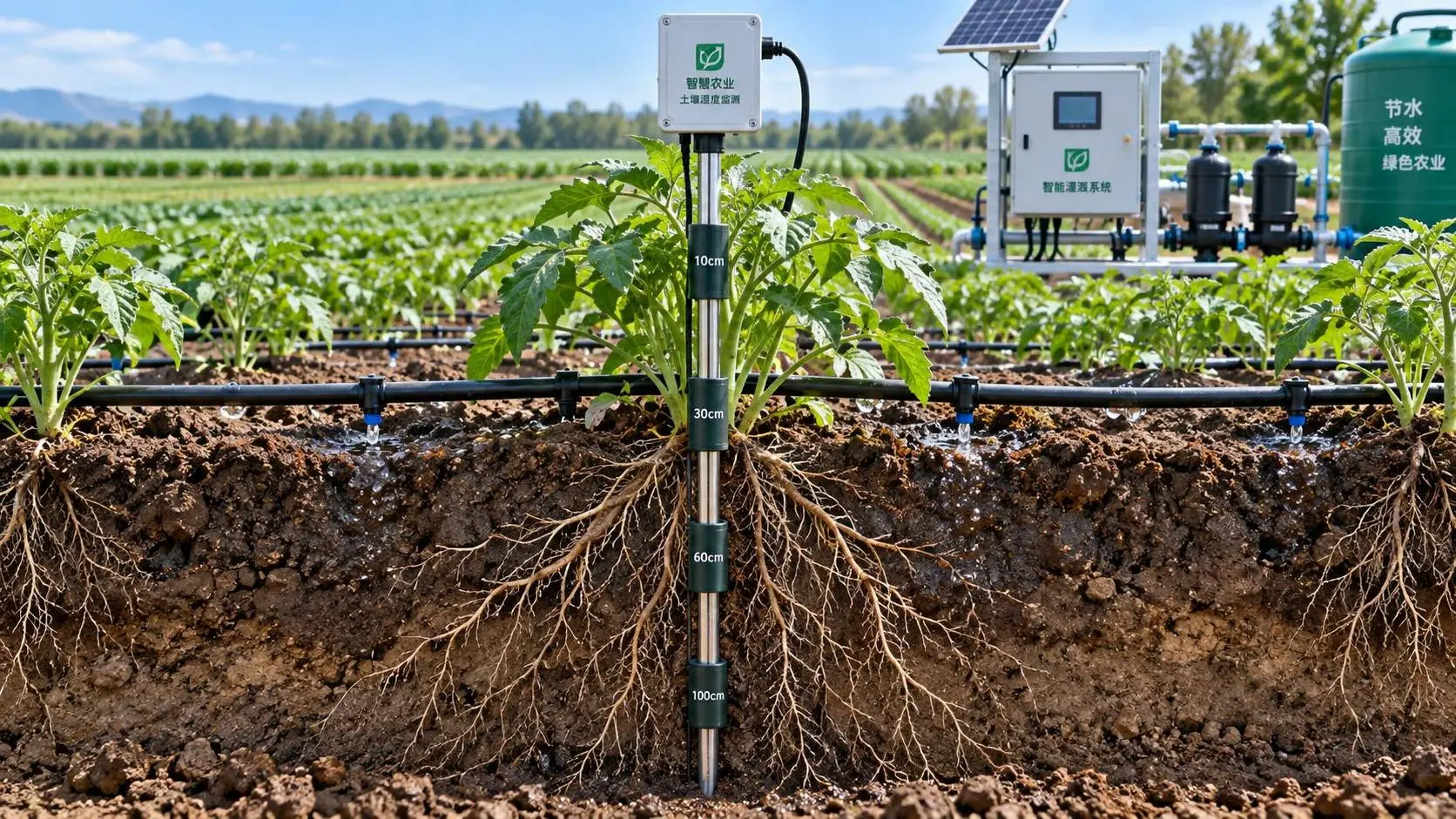
Selecting Real-Time Soil Moisture Sensors for Irrigation Zone Control
Soil moisture sensors real time: learn how to select reliable probes, optimize zone control, improve irrigation decisions, and scale precision water management.
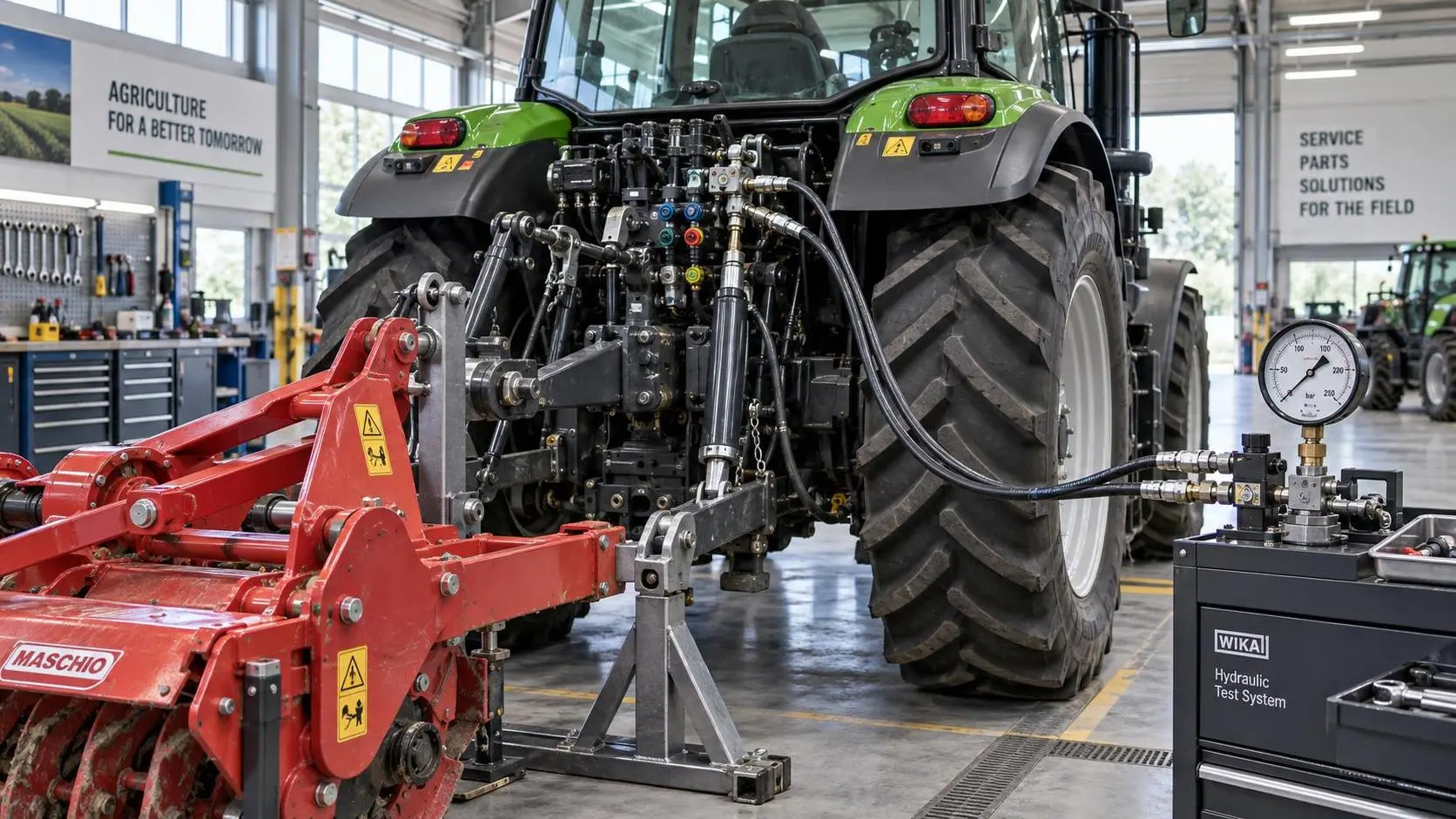
Tractor Hydraulic Systems Troubleshooting: Diagnosing Weak Lift and Slow Implements
Tractor hydraulic systems troubleshooting made practical: diagnose weak lifts and slow implements with proven pressure, flow, valve, and oil-supply checks.
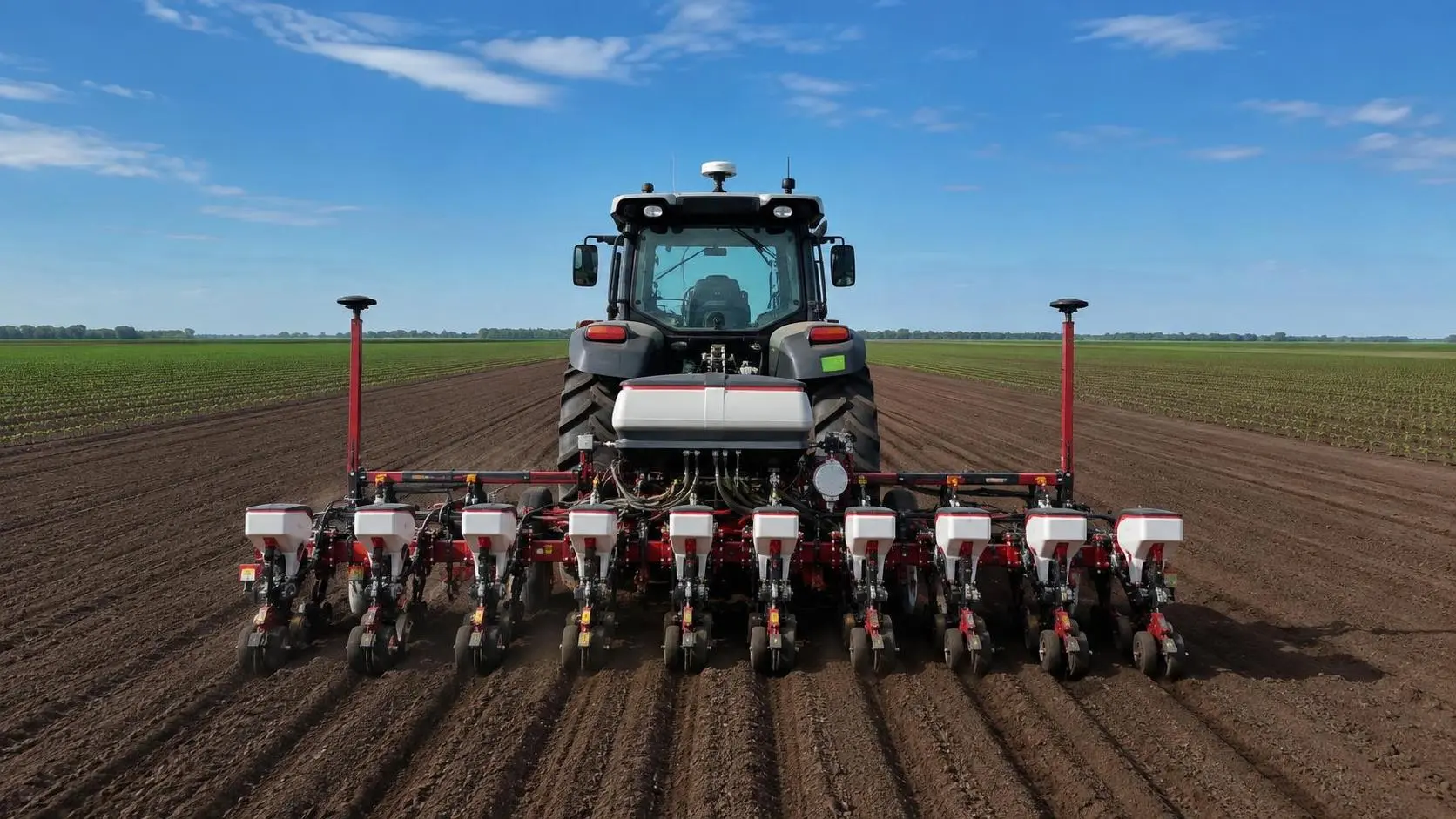
How Tractor Intelligence Systems Improve Field Efficiency and Input Accuracy
Agricultural machinery intelligence for tractors improves field efficiency, input accuracy, data traceability, and implement control. Explore smarter evaluation strategies.
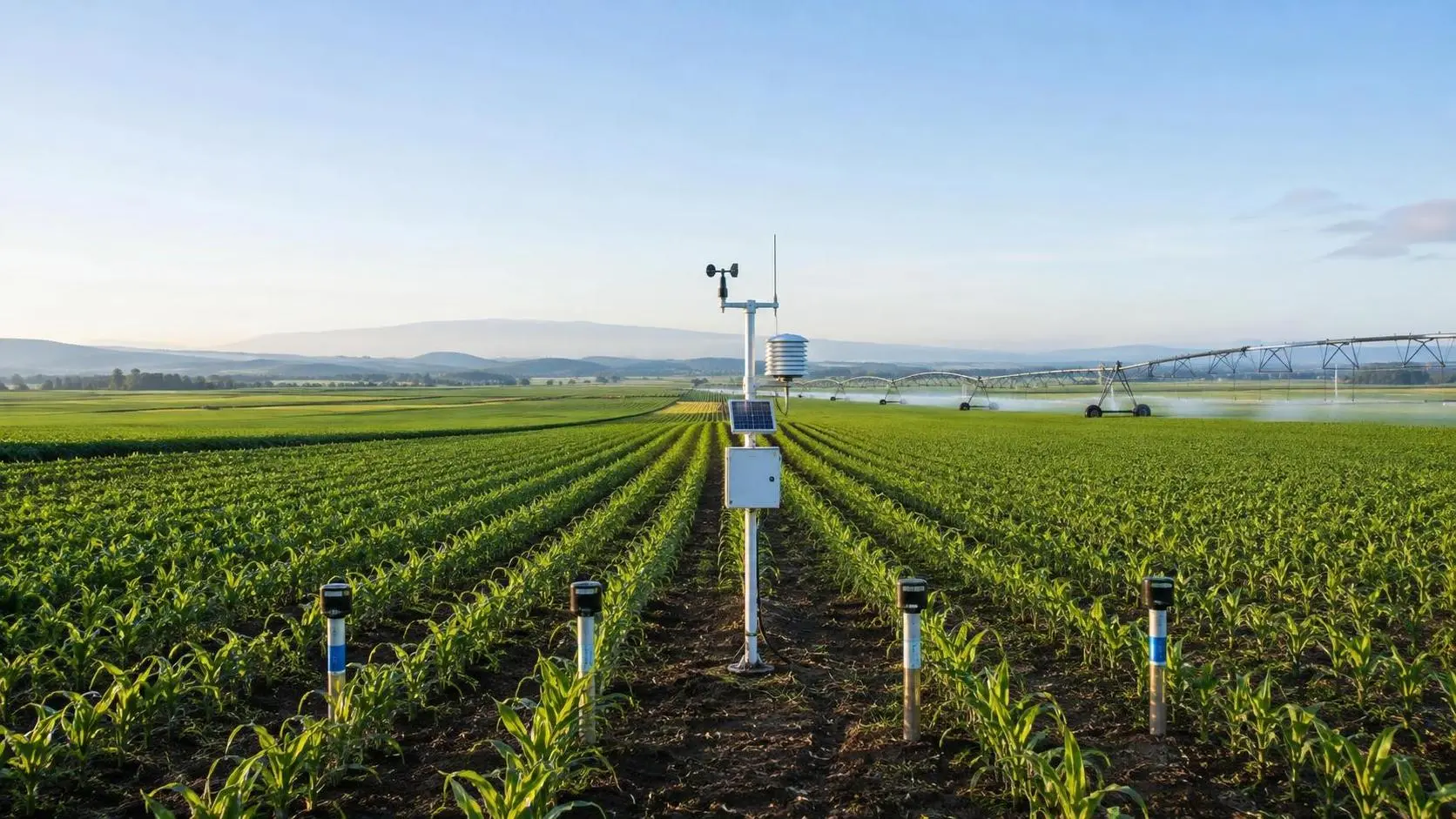
How to Evaluate Crop Monitoring System Manufacturers for Large-Scale Farms
Compare crop monitoring systems manufacturers for large-scale farms. Evaluate data quality, integration, durability, lifecycle costs, support, and pilots for smarter decisions.
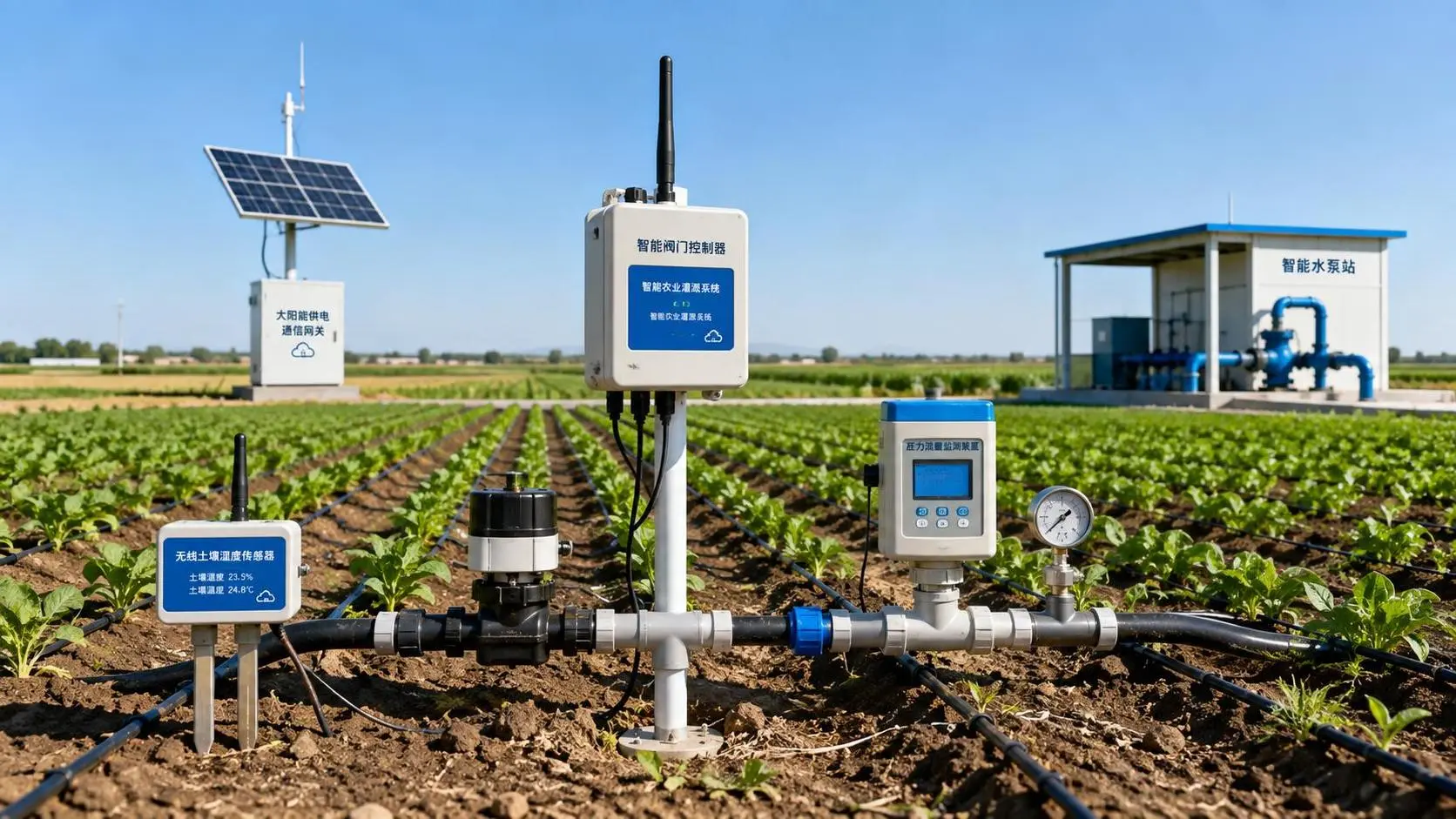
Wireless Agricultural Automation for Remote Irrigation and Field Monitoring
Agricultural automation wireless solutions improve remote irrigation with reliable field data, local control, flow verification, and smarter monitoring. Explore resilient deployment strategies.
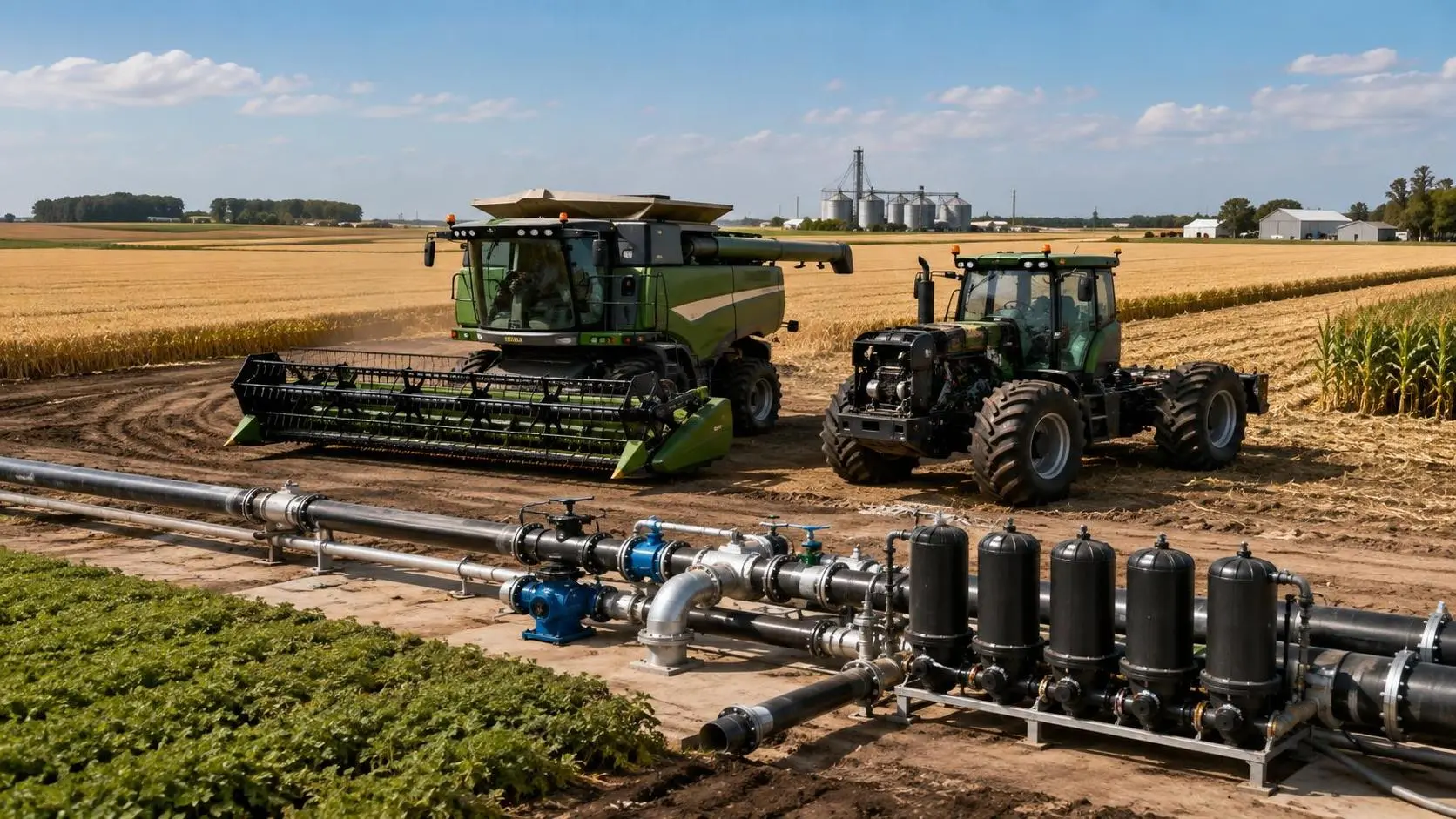
Agricultural Product Information Market Guide: Key Data for Sourcing Decisions
Agricultural product information market guide for smarter sourcing—compare machinery, irrigation, precision tools, lifecycle costs, and supplier risk.
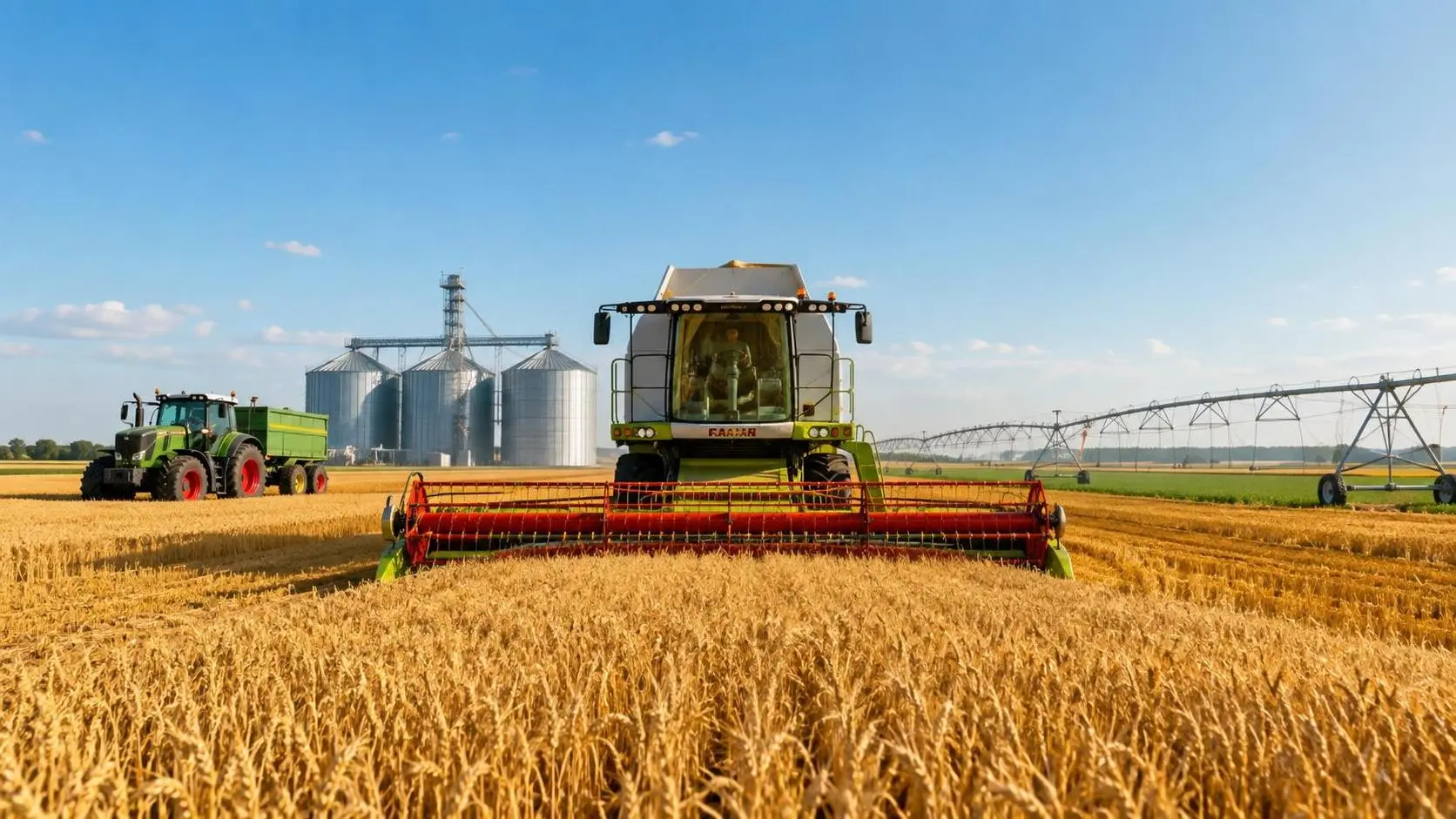
Large-Scale Farm Equipment Cost Comparison: Price, Fuel, and Lifecycle Value
Large-scale farm equipment cost comparison: evaluate price, fuel, maintenance, downtime, and lifecycle value to choose tractors, combines, irrigation, and smart tools with confidence.
Related News
- 00
0000-00
How Autonomous Machinery for Crop Scouting Helps Growers Detect Field Issues Earlier - 00
0000-00
How to Evaluate Autonomous Machinery for Vineyards by Terrain, Tasks, and ROI - 00
0000-00
Brazil ANVISA Rule Requires Portuguese Risk Labels for Farm Robots - 00
0000-00
EU CE Update Sets EN ISO 13849-1:2025 for Autonomous Robots - 00
0000-00
How AI Autonomous Agricultural Machinery Works in Large-Scale Field Operations
Popular Tags
Tractor Power Architect
Weekly Insights
Stay ahead with our curated technology reports delivered every Monday.